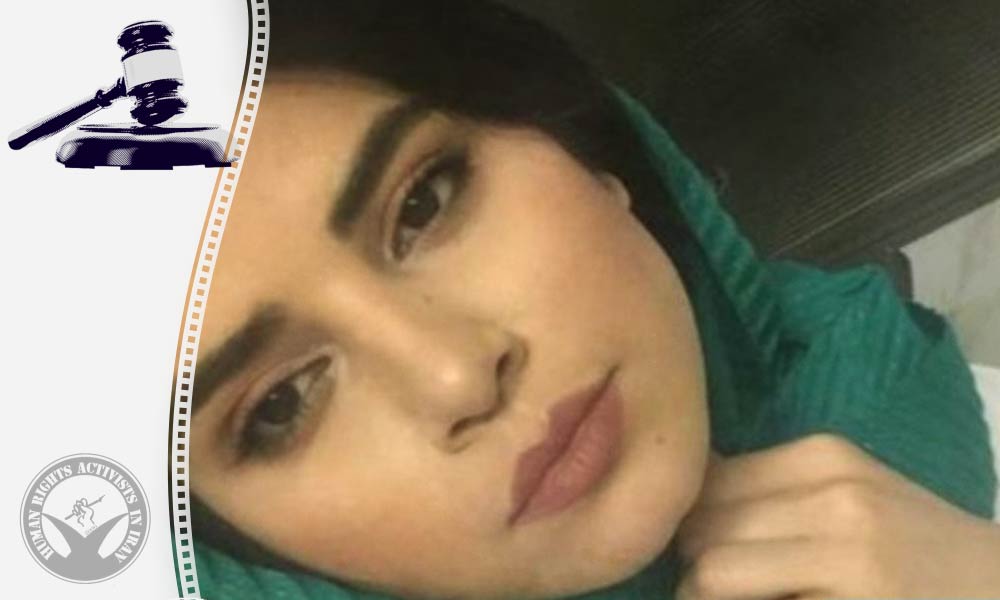
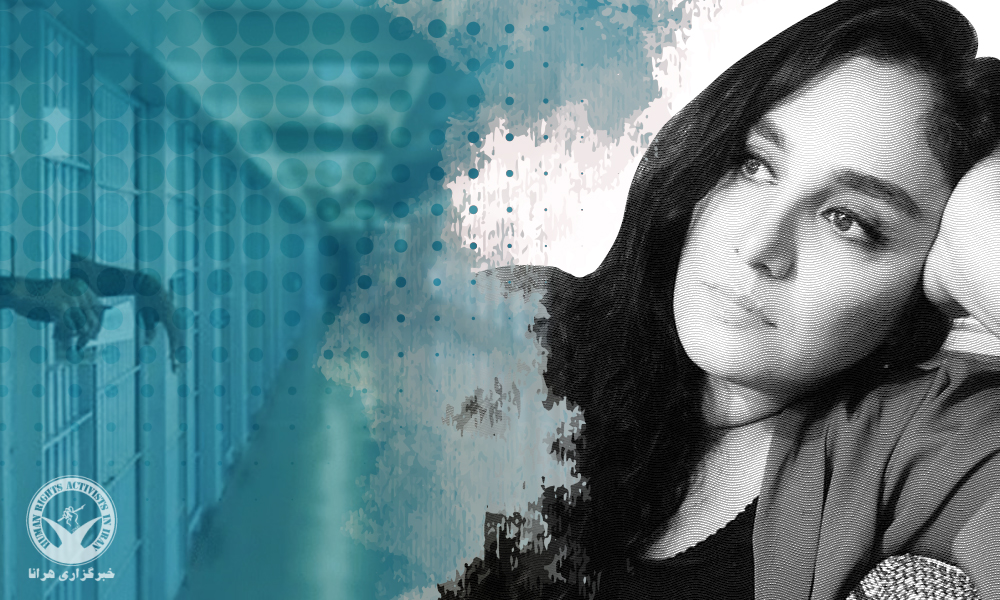
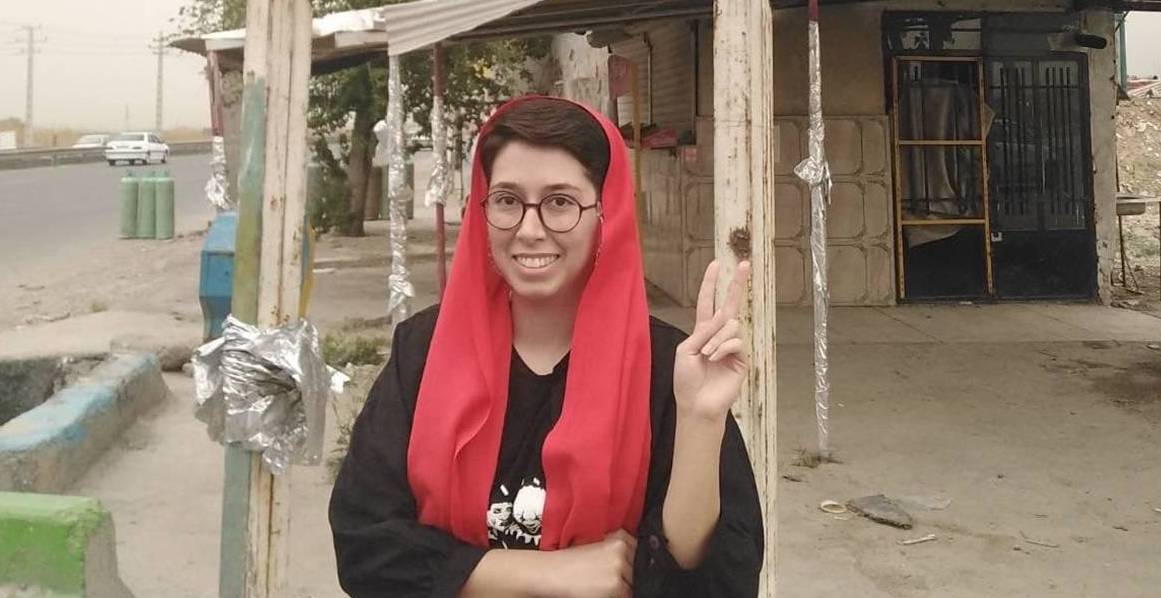
Political prisoner Shakila Monfared, who suffers from gastrointestinal disease and severe stomach pain, has been denied access to adequate medical treatment in Qarchak Prison in Varamin City.
According to HRANA, the news agency of Human Rights Activists, prison officials have barred her dispatch to a hospital outside the prison as well as leave on furlough for medical treatment.
“For the fifth time, her request for furlough has been rejected,” an informed source told HRANA. “They mentioned a report from the interrogator and judiciary officers on her interview with one of the media as the reason for this rejection. This claim stands at odd with the fact that she never had any interview and the interrogator refuses to provide any proof regarding this claim.”
On August 31, 2020, security forces arrested Monfared while she was leaving her home. They transferred her to one of the detention centers at disposal of IRGC in Tehran. Reportedly, they did not have a warrant for this arrest.
On September 9, of last year she was relocated to the quarantine section of the women ward of Evin Prison. On September 14, she was released on a bail of 400 million tomans until the end of legal proceedings.
In January of this year, the joint court trial of Shakila Monfared, Arsham Rezaei, and Mohammad Abolhassani was held in Branch 26 of the Revolutionary Court of Tehran, presided over by Judge Iman Afshari. 27-year-old Monfared was sentenced to 6 years in prison and 4 months of probation work in the Agricultural Jihad on charges of “propaganda activities against the system” and “insulting the sanctities of Islam”.
Monfared was granted furlough on August 23 of this year and returned to jail on September 7.
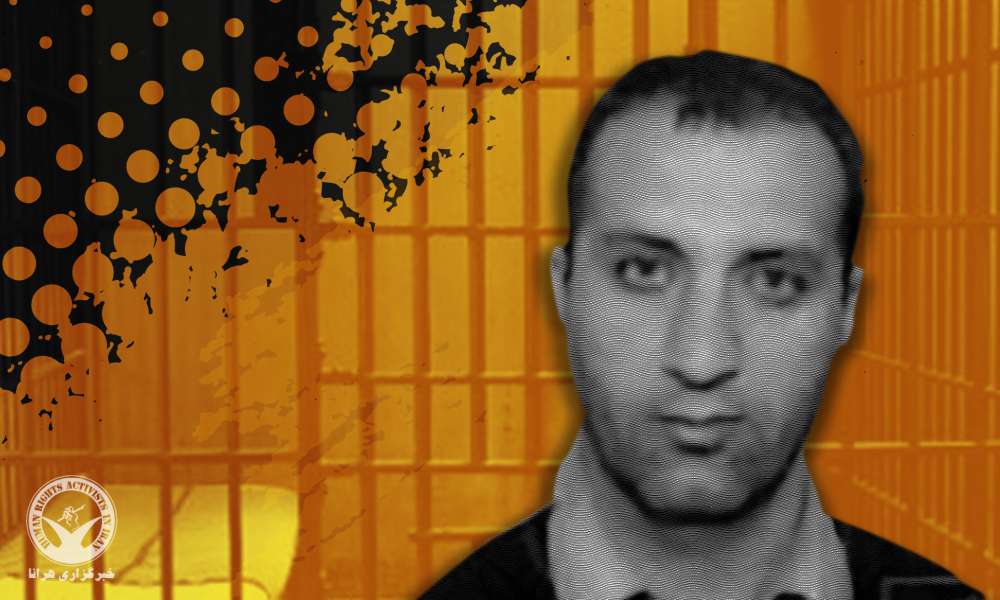
According to HRANA, the news agency of Human Rights Activist, political prisoner Babak Dadbakhsh, who is currently being held in Ardabil Prison, recently wrote a letter to the Prosecutor General of Iran asking that his case be re-examined.
In regard to the way his trial was conducted, Dadbakhsh wrote, “Just to receive the verdict letter, I accepted not to appeal. However, after three years, I don’t have any indictment letter to know on what charges and based on what evidences I have been condemned. No one responds to me.”
In part of this letter received to HRANA, Babak Dadbakhsh writes, “The prosecutor-general! I am writing to you as a victim of injustice, a prisoner who has been tortured and sentenced to 25 years without having a trial. Just to receive the verdict letter, I accepted not to appeal. However, after three years, I don’t have any indictment letter to know on what charges and based on what evidences I have been condemned. No one responds to me. I hope that the law does not close its eyes and give me my legal right. I have been convicted within one minute without having an attorney. I request re-examining my case, receiving the indictment letter and using retrial. While I’m suffering stress, as forensic medicine and coroners have diagnosed, I am waiting for justice.”
In November 2017, Babak Dadbakhsh was arrested by security police of NAJA and handed to the Ministry of intelligence officials. Since then, he has been spending in various detention facilities and prisons. He was once hospitalized in Razi Educational and Therapeutic Psychiatric Center.
In February 2020, he was sentenced to 17 years imprisonment on the charges of “spreading corruption on earth” and “enmity against God” (Moharebeh). However, in April 2021, on the excuse that not all charges have been considered, his sentence was prolonged to 25 years.
It is said that he is suffering from MDD, bipolar disorder and psychotic symptoms based on the diagnosis of Razi Educational and Therapeutic Psychiatric Center.
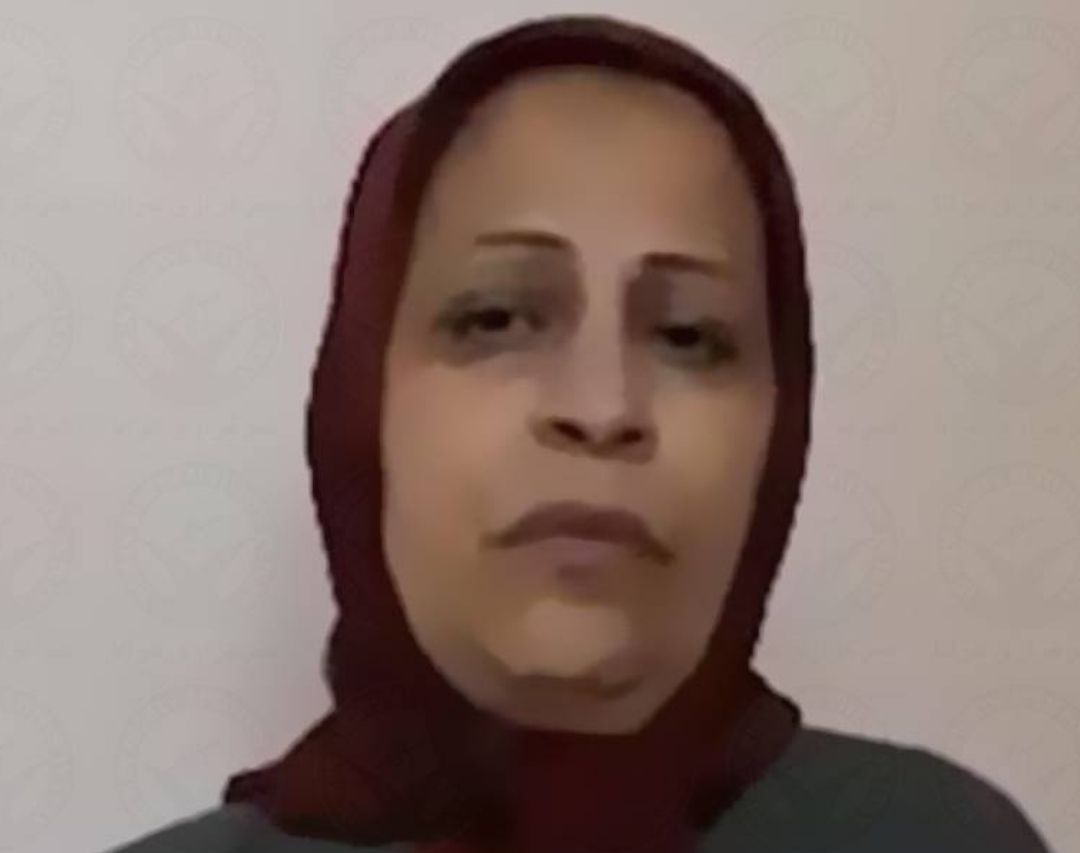
On Wednesday, October 6, civil activist Mojgan Keshavarz was granted a five-day leave on bail from prison.
According to HRANA, the news agency of Human Rights Activists, Keshavarz is serving out her five-and-a-half-year prison sentence in Qarchak Prison in Varamin.
On April 25, 2019, intelligence forces raided Keshavarz’s home and arrested her. She was under interrogation in the detention facility of the intelligence unit of the Revolutionary Guards, known as the 2A section of Evin Prison, until May 1, and then transferred to Qarchak Prison in Varamin. She was relocated to Evin prison on August 12, 2020, and sent back again to Qarchak Prison on December 5, 2020.
Branch 28 of the revolutionary court in Tehran sentenced the civil activist to a total of 22 years in prison. She received 5 years on a charge of “assembly and collusion in the purpose of acting against national security”, 10 years on a charge of “provoking and provision of impurity and indecency”, and 7 years and six months on a charge of ” blasphemy”. Later the sentence was reduced to 12 years and 7 months on appeal.
According to Article 134 of the Islamic Penal Code, the severest enforceable punishment for the charge of ” provoking and provision of impurity and indecency ” is five and half years imprisonment.
Mojgan Keshavarz is 38 years old and a mother of a ten-year-old daughter.
Several inmates convicted of violent crimes recently beat political prisoner Soheila Hejab while she was on a hunger strike in Gharchak Prison in Varamin.
According to HRANA, the news agency of Human Rights Activists, Hejab had been on a hunger strike since September 19 in protest of the increasing pressure on political prisoners and the intrusion of interrogators and other Judicial officers into court processing. Following promises from authorities, she ended her hunger strike on October 3.
“One of the shift officers on purpose opened the door of section 3 where inmates convicted for robbery are held,” an informed source told HRANA. “Several inmates of this section encroached into the section where she was located and took her to their section. They tore her winding-sheet which she was wearing as a sign of protest and forced her to eat in order to broke her strike. Once she resisted, they beat and took her back to her own section by dragged her on the floor.”
Mrs Hejab was arrested by security forces on June 1, 2019, and then released from Evin Prison in Tehran on a bail of 3 billion tomans on March 14, 2020.
Branch 28 of the Revolutionary Court convicted her to 18 years imprisonment on charges of “propaganda against the regime, illegal assembly, incitement of public opinions to riot and organizing unlawful political groups”.
This long imprisonment stands at odds with Article 134 of Iran’s penal code whereupon the severest enforceable punishment is 5 years.
On May 23, 2020, the intelligence unit of the Revolutionary Guards arrested and transferred her to Gharchak Prison in Varamin city to serve out her sentence.
In December 2020, the revolutionary court held a new session for new indictments such as ” propaganda against the regime” and “incitement of public opinions”. Her phone calls while in detention were published online and presented in court as evidence for the above-mentioned charges. Mrs Hejab has been once arrested in Shiraz and released by granting pardon after five-month imprisonment.
Today, Wednesday, September 22, Ms. Giti Haj Rahimi died of COVID in the quarantine section of Ward 9 of Qarchak Prison in Varamin after facing medical negligence from prison authorities.
According to HRANA, the news agency of the Human Rights Activists, Haj Rahimi had been convicted for financial crimes. HRANA has verified Ms. Haj Rahimi’s identity.
Ms. Haj Rahimi, who had been serving her sentence in Ward 6 of Qarchak Prison, was recently transferred to a solitary confinement cell for quarantine after she was diagnosed with COVID-19.
Ms. Haj Rahimi was also diabetic and had previously lost one of her fingers to this disease during her imprisonment.
Haj Rahimi’s death has not been announced by the Iranian media or official sources as of this writing.
On Saturday, September 4, political prisoner Zahra Safaei was transferred from prison to an unknown location following a heart attack.
According to HRANA, the news agency of Human Rights Activists, Safaei was being held in Qarchak Prison in Varamin until her transfer.
Neglect of Ms. Safaei’s condition, especially after her recent heart attack and poor physical condition, has raised concerns among her family. She had also been transferred to Sattari Hospital in Qarchak last week on the order of a prison doctor but was returned to prison without medical treatment.
Ms. Safaei was summoned in July 2020 and was transferred to Qarchak Prison in Varamin the next day since she was not able to provide the required bail of ten billion tomans.
In January of this year, Branch 23 of the Revolutionary Court of Tehran, presided over by Judge Mohammad Mehdi Shahmirzadi, sentenced Ms. Safaei to 5 years in prison on a charge of “propaganda activities against the national security”, one year in prison on the charge of “propaganda against the regime”, and 2 years in prison on the charge of “insulting the leadership and founder of the Islamic Republic”.
She was also sentenced to a ban from leaving the country and from joining political parties and social groups.
Zahra Safaei has a history of arrest. She spent time in prison as a social-political activist in the 1980s. Her father was executed in the 1980s for supporting MEK.
Safaei’s location and fate are unknown as of this writing.
Yesterday, imprisoned civil activist Saba Kord Afshari was sent on a 15-day leave from Qarchak Prison in Varamin.
According to HRANA, the news agency of Human Rights Activists, yesterday, August 11, the activist was allowed medical leave after receiving a positive COVID test.
Saba Kord Afshari is a civil activist and prominent critic of the compulsory hijab in Iran. On September 5, 2019, Afshari was sentenced by Branch 26 of the Revolutionary Court of Tehran, presided over by judge Iman Afshari, to 15 years imprisonment for “promoting corruption and obscenity through appearing without a headscarf in public”, and 1 year and 6 months of imprisonment for “propaganda against the regime” and 7 years and 6 months in prison for “assembly and collusion with an intent to commit a crime against national security” to a total of 24 years in prison along with other social deprivations, from which, after applying Article 134 and adjustment of the sentences, the most severe punishment of 7 years and 6 months in prison is enforceable to her.
On May 8 of this year, 22-year-old Kord Afshari began what would be a 10 day hunger strike to protest the increasing pressure on her family and family of fellow political prisoners, and to demand the release of her mother, Raheleh Ahmadi. Upon finishing her strike, the young activist said, in a statement, “I am fully aware that human lives are of no value to the Islamic Republic, so I am ending my hunger strike, but I am still seeking to fulfill my demands.”
Despite the widespread prevalence of COVID-19 within Iran’s prison system, inmates are frequently deprived of adequate and timely medical treatment.
According to HRANA, the news agency of Human Rights Activists, the Khuzestan Water Crisis once again dominated this week’s protests in Iran. Since their start on June 15, citizens in over 41 cities have held rallies in protest of the mismanagement from officials that has led to water shortages throughout the province and the drying of the Karun river. A number of labor protests took place as well, and in some areas the ongoing oil protests continued. Workers of Haft Tappeh Sugarcane Agro-Industry Company also continued their strike into a third week. Below is a recap of this week’s protests in Iran, along with footage from the demonstrations.
Saturday, July 24
A number of protests took place this Saturday, July 24. A group of farmers in Shoaibiyeh district of Shushtar protested in Ahvaz, several telecommunication workers of East Azerbaijan province, some telecommunication workers of Chaharmahal Bakhtiari province, and employees of Abadan Petrochemical Complex held protests. A group of workers of Haft Tappeh Sugarcane Agro-Industry Company protested for the eleventh day in a row. A group of Shiraz city bus drivers went on strike and refused to work after their demands were not addressed. Citizens living in Tabriz also rallied and marched in support of the Khuzestan protests.
People of Tabriz:
Shiraz city bus drivers:
Farmers of Shoaibiyeh:
Telecommunication workers of East Azarbaijan:
Workers of Haft Tappeh Sugarcane Agro-Industry Company:
Workers of Abadan’s Petrochemical Complex:
Sunday, July 25
A group of retirees of the Steel Companies of Isfahan and Khuzestan Provinces, several rural area telecom workers in the Hamadan region, and a group of workers from the Haft Tappeh Sugarcane Agro-Industry Co. for the thirteenth day in a row held protest rallies and called on their demands to be met.
Retirees of the Steel company in Isfahan and Khuzestan provinces:
Workers of rural area telecom in Hamadan:
Monday, July 26
A number of workers of Haft Tappeh Sugarcane Agro-Industry Company for the fourteenth day in a row, several employees of Imam Khomeini Hospital in Karaj, a group of poultry farmers in Ilam, urban and rural water supply workers in Baghmalek and Izeh, a group of Isfahani citizens, a group of the retirees of IRIB in Tehran, and candidate students for the master’s degree entrance exam in Tehran all held protest rallies and called on their demands to be addressed. Also, in Tehran and Karaj people protested the current situation in the country by holding rallies and marches and chanting slogans.
Protesting people in Tehran:
Workers of Haft Tappeh Sugarcane Agro-Industry Company:
Poultry farmers in Ilam:
Workers of rural water supply in Baghmalek and Izeh:
Students in Tehran:
Tuesday, July 27
Workers of Haft Tappeh Sugarcane Agro-Industry Company protested for the 15th consecutive day this Tuesday. Additionally, a group of workers of Rudbar municipality in Gilan province, a number of cattle breeders of Yazd and Isfahan cities, several workers of natural gas fuel gas stations in Urmia, and many people in Abdanan in Ilam province held protest rallies. Also, a group of retirees in Tehran and Karaj rallied in support of the protests of the people of Khuzestan.
Workers of Haft Tappeh Sugarcane Agro-Industry Company:
Workers of Rudbar Municipality:
Cattle breeders of Yazd and Isfahan:
Workers of gas stations in Urmia:
Citizens of Abdanan:
Retirees in Tehran and Karaj:
Wednesday, July 28
For the 16th day in a row, workers of Haft Tappeh Sugarcane Agro-Industry Company protested. A group of workers from the Varamin Railway, a group of workers from the Rudbar Municipality for the second day in a row, and a number of truck drivers in Ahvaz all went on strike and called on their demands to be addressed.
Truck drivers in Ahvaz:
Workers of Haft Tappeh Sugarcane Agro-Industry Co:
Workers from the Varamin Railway:
Workers of the Rudbar Municipality:
Thursday, July 29
On their 17th day of protesting, a group of workers of the Haft Tappeh Sugarcane Agro-Industry Company in the yard of the company and another group near the site’s alcohol factory called on their demands be addressed in protest rallies.
Friday, July 30
Workers of the Haft Tappeh Sugarcane Agro-Industry Company continued their strike for an 18th day in a row and gathered on the company’s site. The Haft Tappeh workers stated that their main demands are the payment of arrears, the return of fired colleagues, and access to Covid-19 vaccines. They also chanted slogans protesting the Islamic Parliament’s decision to block the Internet in Iran. Also, A number of mothers of those killed during the nationwide protest in November 2019 protests held a protest rally in Tehran’s Azadi Square.
Workers of the Haft Tappeh Sugarcane Agro-Industry Company:
Gathering in Tehran of mothers of those killed in the protests of November 2019:
On Monday, June 7, political prisoner Shakila Monfared was beaten by several prisoners in Qarchak Prison in Varamin after being held in a section that houses prisoners of violent crimes–a violation of the UN principle of separation of prisoners based on crime.
According to HRANA, the news agency of Human Rights Activists, per an informed source, several prisoners of disparate crimes severely insulted and beat Monfared with the sharp lid of a can of tuna after the instigation of a member of prison staff.
This is yet another case of the widespread practice of Iranian prison officials punitively orchestrating situations in which inmates sentenced for violent crimes assault political prisoners–particularly in women’s wards. This allows the prisons to effectively impose physical assault as punishment without officially claiming responsibility for the damage.
In January of this year, the joint court trial of Shakila Monfared, Arsham Rezaei, and Mohammad Abolhassani was held in Branch 26 of the Revolutionary Court of Tehran, presided over by Judge Iman Afshari. 27-year-old Monfared was sentenced to 6 years in prison and 4 months of probation work in the Agricultural Jihad on charges of “propaganda activities against the system and insulting the sanctities of Islam”.
Monfared was arrested by IRGC intelligence agents after the court hearing and was transferred to Bushehr prison. Branch 36 of the Tehran Court of Appeals later reduced the sentence to 4 years and two months in prison. She had previously been transferred to Qarchak Prison in Varamin from Bushehr Prison on May 12.
Protests have erupted across Iran after the government unexpectedly announced it is rationing petrol and increasing its price. The protests took place across the country following the decision of the Iranian president, Hassan Rouhani, at midnight of November 14, 2019, to cut petrol subsidies to raise funds for social assistance to the poor. Petrol price was increased to a minimum of 15,000 Rials per liter, 50% increase from the day before.
Nationwide protests in the last three days were in at least 48 cities such as: Ahvaz, Shooshtar, Dezful, Gachsaran, Abadan, Khorramshahr, Bandar Mahshahr, Rasht, Shiraz, Bandar Abbas, Gorgan, Khorramabad, Qom, Ilam, Karaj, Sanandaj, Dorud, Qazvin, Arak, Mahdi Shahr, Garmsar, Shahroud, Najafabad, Mariwan, Tehran, Tabriz, Ardabil, Urmia, Saveh, Pasargadae, Qods (Qal’eh Hasan Khan), Varamin, Sari, Yasuj, Qaemshahr, Shahrekord, Malek Shahr, Parand, Damavand, Pol Dokhtar, Neyshabur, Sarepol Zahab, Kahnooj, Yazd, Bandar Bushehr, Bahmai, Shahriar, etc. They are still ongoing in several cities.
Peaceful demonstrations turned violent in Sanandaj, Mahshahr, and Shiraz, with online videos purporting to show police officers firing teargas at protesters and mobs setting fires. Several people were injured or killed in the first three days of protests as a result of the police’s direct shots. On November 17, 2019, students of Tehran University and Tabriz University protested inside the university. Shops at Tehran Grand Bazaar went on strike on November 17, 2019.
The protests started on November 15, 2019, and are still ongoing. The arrest of more than 1000 people across the country was confirmed. More than 150 banks and supermarkets were set on fire and a police officer was killed. Two Hawzas -a seminary where Shi’a Muslim clerics are educated- were set on fire in Shiraz and Kazerun. According to unconfirmed reports, at least 36 people were killed in Sirjan, Shiraz, Behbahan, Marivan, Khoramshahr, Isfahan, and Shahriar.
According to Fars News, protests were held in 100 cities and at least 100 banks and 57 supermarkets were set on fire. Based on this report, the number of protesters were 87400 from which 82200 are men and 5200 women. At least 1000 people were arrested. Yazd prosecutor confirmed the arrest of 40 people in the city of Yazd. Bam Prosecutor also confirmed the arrest of 15 people in the city of Bam. The prosecutor of Robat Karim confirmed the arrest of 34 protesters for vandalism. According to Mohammad Reza Amoui, Kermanshah’s chief of Law Enforcement Force of the Islamic Republic of Iran, on November 16, Major Iraj Javaheri was killed fighting with protesters in Kermanshah. A journalist resided in Mariwan, Adnan Hasanpour, reported that security forces shot people directly and at least seven people were killed in Javanrud, one person was killed in Sanandaj, and several people were injured. According to unconfirmed reports, 15 of the killed people are identified as following:
Meisam Adgipour, Khaled Maniat, Ali Ghazlavy, Milad Hamidavi, Ali Boghlani, Hamzeh Savari, Mohammad Asafi Zargani, Ehsan Abdollahnejad, Mehdi Nikouei, Osman Naderi, Mehran Tak, Shahou Validi, Javad Nazari Fathabadi, Mehrdad Dashtizadeh, Mohammad Hossein Ghanavati.
Iran has almost completely shut off access to the internet across the country. On November 16, 2019, by the approval of the National Security Supreme Council, the government has completely blocked Internet access in Iran to stymie protests. Due to the internet shut down and the lack of access to freelance reporters and citizen journalists, confirming news about demonstrations and deaths is difficult. It also caused difficulty for Iranian citizens to have access to news agencies websites. On Monday, November 18, schools are closed in 17 cities across Iran:
Shiraz, Kazerun, Alborz, Fereydun, Fereydun Shahr, Farsan, Kuhrang, Laran, Taleqan, Astara, and Najafabad. In addition, universities are closed in Shiraz.
Iran’s supreme leader, Ayatollah Ali Khamenei, has backed petrol price increases claiming opponents of the Islamic Republic and foreign enemies were guilty of sabotage and not ordinary people. According to Khabar Online, Mojtaba Zonnour, a parliament member representing Qom, is collecting parliament members signatures to impeach Ali Larijani, the head of parliament. He gathered 50 signatures so far. Mohammad Qasim Osmani, a parliament member representing Bukan, filed his resignation and added that he resigned to announce that he was not involved in this decision [raising petrol price]. Today, with respect to Ayatollah Khamenei’s views, the Ministry of Intelligence announced that the protesters will face harsh punishments. Reportedly, people received threatening text messages in Khuzestan and Karaj from the prosecutor’s offices of their province. People were warned about attending protests and not to disturb public order and facilitate the abuse of opposition groups.