Two Prisoners Executed in Kashmar and Gonabad Prisons

On Sunday and today, two prisoners were hanged in Kashmar and Gonabad prisons on drug-related charges.

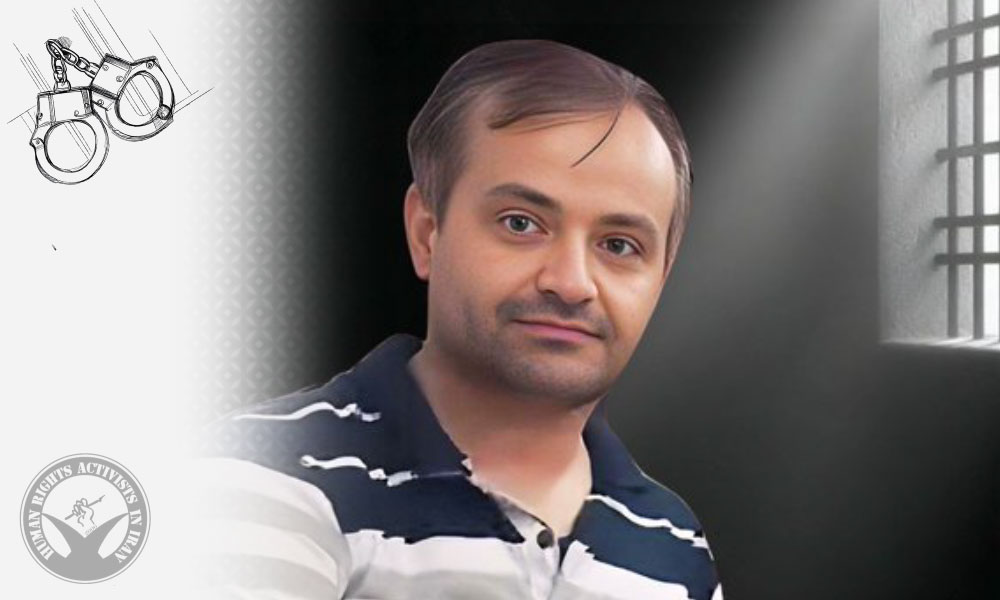
According to Haal Vsh, on Sunday, September 14, Reza Sarani, 51, a father of two from Zabol, was executed in Kashmar Prison.

The outlet also reported the execution of another prisoner, Parviz Yousef-Zahi, 27, single, originally from Zahedan and a resident of Sari, who was executed in Gonabad Prison.

Both prisoners had been arrested five years ago in separate cases on drug-related charges and sentenced to death by the judiciary.

As of this report’s publication, the executions have not been officially announced by prison authorities or state institutions.

According to HRANA’s report, in 2024, over 52 percent of executed prisoners had been convicted on drug-related charges. Over the past ten years, individuals convicted of drug trafficking have accounted for 40 percent of all executions. Unfortunately, HRANA’s statistics show no progress in reducing executions for drug-related offenses.

Judiciary Announces Execution of Babak Shahbazi

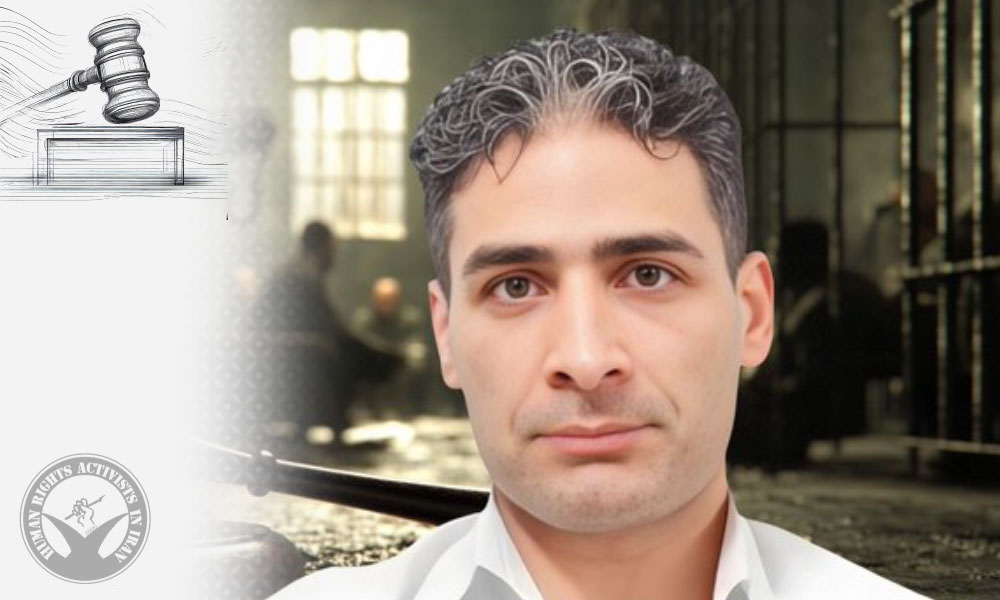
HRANA – This morning, Wednesday, the Judiciary’s Media Center announced the execution of Babak Shahbazi on charges of “espionage and intelligence cooperation with Israel.” Shahbazi had been transferred to solitary confinement in Ghezel Hesar Prison in Karaj yesterday.

The Judiciary’s Media Center stated that the execution took place this morning, Wednesday, September 17, 2025, after the Supreme Court upheld the ruling. The report claimed that “Babak Shahbazi worked as a contractor in the design and installation of industrial cooling systems with companies affiliated with telecommunications, military, and security institutions. He was accused of intelligence and security cooperation with Israel and of exchanging information with individuals affiliated with that country. Ultimately, he was sentenced to death on charges of corruption on earth through moharebeh (enmity against God).”

The Judiciary’s news agency also named Esmail Fekri as one of Shahbazi’s associates. He was arrested on similar “espionage” charges and was executed in the same prison on June 16, 2025.

Yesterday, Shahbazi’s brother announced that the political prisoner had been transferred to solitary confinement in Ghezel Hesar Prison. He added that the family, along with relatives, staged a sit-in outside the prison.

Shahbazi’s request for a retrial was recently rejected by the Supreme Court for the third time. His brother had earlier reported that the Ninth Branch of the Supreme Court, presided over by Judge Ghasem Mazinani, had also denied the second retrial request.

On August 19, after 12 days during which his family had no information about his whereabouts, Shahbazi was transferred to the public ward of Ghezel Hesar Prison. His relatives had previously expressed deep concern over being left in the dark about his condition.

BBC Persian had earlier reported that Shahbazi’s death sentence had been confirmed by the Supreme Court for the first time.

Shahbazi was arrested on charges of espionage and sentenced to death. One of the accusations against him included sending a message to the President of Ukraine.

He was detained in January 2024 and initially held in Evin Prison. Following an Israeli airstrike on Evin, he, along with other political prisoners, was transferred to the Greater Tehran Prison before being moved again to Ghezel Hesar.

Gold Mine Security Forces Open Fire on Villagers: One Dead, Three Injured

HRANA – Following clashes between security guards of the Qolqoleh Gold Mine and a group of protesting residents of Pir-Amran village in Saqqez County, one villager was killed and three others were injured. Two of the shooters have been identified and arrested.

According to HRANA, citing ILNA, the confrontation took place yesterday evening, Monday, September 15. Four villagers were shot and transferred to medical centers. One of them died due to the severity of his injuries.

The Mukerian News Agency identified the deceased as Mohammad Rashidi, 22 years old.

The head of the Kurdistan Province Judiciary announced that a case has been opened in Saqqez County Prosecutor’s Office, adding that the shooters have been identified and arrested. Preliminary investigations by the case investigator have already begun, and the weapons used have been confiscated and handed over to law enforcement authorities.

The police commander of Saqqez County also confirmed the incident, citing disputes between villagers and mine officials as the cause of the clash.

The Qolqoleh Gold Mine, located near Pir-Emran village in Saqqez County, has previously been the scene of tensions between locals and mine authorities. Villagers have long raised concerns over environmental damage, land ownership, and lack of transparency in the exploitation of natural resources.

Death-Row Political Prisoner Babak Shahbazi Transferred to Solitary Confinement

HRANA – The family of Babak Shahbazi, a political prisoner sentenced to death, has reported that he was transferred today to solitary confinement in Ghezel Hesar Prison in Karaj.

In a video message released yesterday, Keyhan Shahbazi, Babak’s brother, confirmed that the death-row prisoner had been moved to one of the solitary cells of Ghezel Hesar Prison. This transfer has intensified the family’s fears, as it is widely regarded as a prelude to carrying out executions. He added that the family, along with several relatives, has staged a sit-in outside the prison in protest.

Shahbazi’s request for a retrial was recently rejected by the Supreme Court for the third time. Earlier, his brother had reported that the Ninth Branch of the Supreme Court, presided over by Judge Ghasem Mazinani, had also denied the second retrial request.

On August 19, after 12 days during which his family had no information about his whereabouts, Shahbazi was transferred to the public ward of Ghezel Hesar Prison. His relatives had previously expressed deep concern over being left in the dark about his condition.

BBC Persian had earlier reported that Shahbazi’s death sentence had been confirmed by the Supreme Court for the first time.

Shahbazi was arrested on charges of espionage and sentenced to death. One of the accusations against him included sending a message to the President of Ukraine.

He was detained in January 2024 and initially held in Evin Prison. Following an Israeli airstrike on Evin, he, along with other political prisoners, was transferred to the Greater Tehran Prison before being moved again to Ghezel Hesar.

Two Prisoners Executed in Birjand Prison

HRANA – At dawn today, Tuesday, September 16, the death sentences of two prisoners previously convicted on drug-related charges were carried out in Birjand Prison.

Haal Vsh has identified the executed prisoners as Abdol-Samad Salarzahi, 42, father of six children, and Abdolmajid Balochi Barahouei, 41, from Zahedan.

Reports indicate that Salarzahi was arrested about four and a half years ago, and Barahouei six years ago, both on charges related to narcotics offenses. They were later sentenced to death by judicial authorities.

The execution of Barahouei was carried out without allowing a final family visit.

As of the time of this report, the executions have not been officially announced by prison authorities or other responsible institutions.

According to HRANA’s report, in 2024, over 52 percent of executed prisoners had been convicted on drug-related charges. Over the past ten years, individuals convicted of drug trafficking have accounted for 40 percent of all executions. Unfortunately, HRANA’s statistics show no progress in reducing executions for drug-related offenses.

Subscribe to Our Newsletter

Now is definitely not the time to stop reading!

Two Prisoners Executed in Ghezel Hesar Prison on Drug-Related Charges

HRANA – At dawn today, Tuesday, September 16, the death sentences of two prisoners previously convicted on drug-related charges were carried out in Ghezel Hesar Prison, Karaj.

HRANA has identified the executed prisoners as Masoud Okhtizadeh, from Kuhdasht, and Akbar Emami, from Nourabad.

Information obtained by HRANA indicates that both men had been arrested on charges related to narcotics offenses and later sentenced to death by Revolutionary Courts.

As of the time of this report, the executions have not been officially announced by prison authorities or other responsible institutions.

According to HRANA’s statistics, Ghezel Hesar Prison in Karaj carried out the highest number of executions among all Iranian prisons, with 150 inmates hanged. This figure has nearly doubled compared to the previous year – a deeply alarming increase that underscores the escalating use of capital punishment in Iran.

Religious Scholar Shahabeddin Haeri Shirazi Imprisoned to Serve Three-Year Sentence

HRANA – On September 14, writer and religious researcher Shahabeddin Haeri Shirazi was sent to Shiraz Prison to begin serving a three-year prison sentence.

On Monday, September 14, Shirazi reported to Shiraz Prison to serve his sentence. He was originally sentenced in November 2023 by the Special Clerical Court in Shiraz to three years in prison.

During the judicial process, the charges brought against the religious scholar included “disturbing public opinion” and “acting against national security.”

Over the past five years (2020–2024), Iran’s Judiciary has issued prison sentences totaling about 8,290 years to over 2,500 individuals—punished solely for exercising their rights to freedom of speech and thought.

Execution of Two Prisoners in Jiroft Prison

HRANA – At dawn today, Monday, September 15, the death sentences of two prisoners who had previously been convicted of murder were carried out in Jiroft Prison.

The identity of one of the prisoners executed at dawn today, Monday, September 14, has been confirmed by HRANA as Amir-Hossein Hemmati.

According to information obtained by HRANA, the two prisoners had previously been arrested on charges of murder and subsequently sentenced to death by criminal courts.

Further details, including the identity of the second executed prisoner, are still under investigation by HRANA.

As of the time of this report, the execution of these two prisoners has not been announced by prison authorities or other responsible institutions.

In 2024, according to 812 reports compiled by HRANA, the Iranian regime executed 930 individuals in its prisons—marking the highest number of executions in the past 12 years. Despite the scale of these executions, prison officials and other relevant authorities publicly acknowledged only 6% of them, highlighting the regime’s lack of transparency and accountability.

80-Year-Old Former Political Prisoner Held 50 Days in Solitary in Qom

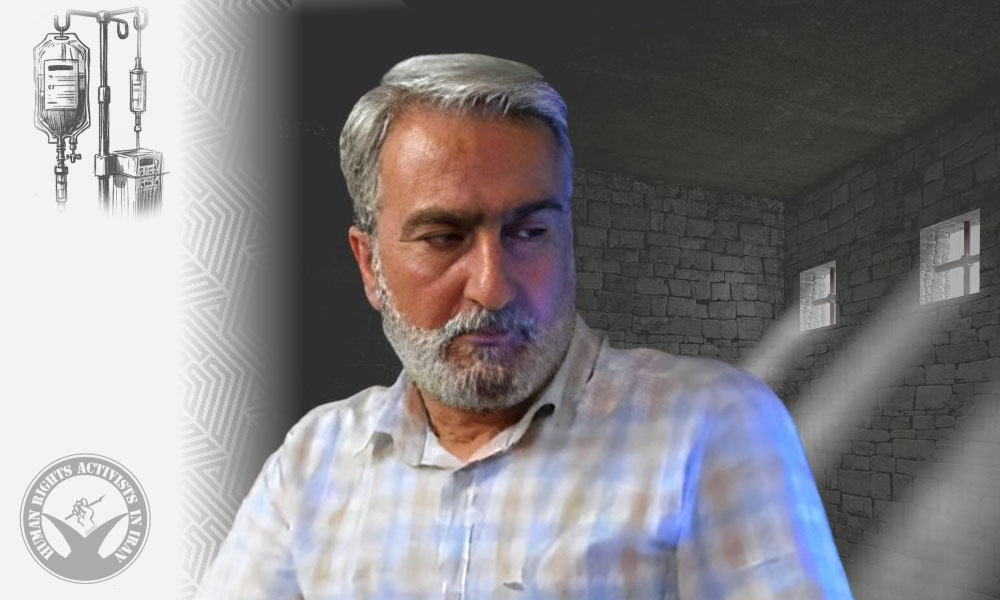
HRANA – Mohammad Banazadeh Amirkhizi, a former political prisoner, remains held in solitary confinement at the Ministry of Intelligence’s detention facility in Qom, fifty days after his arrest, without any clear legal status. The 80-year-old, who suffers from multiple health conditions, is also being denied adequate medical care.

A source familiar with his situation told HRANA: “Despite fifty days having passed since his arrest, Mr. Banazadeh is still being held in solitary confinement at the Ministry of Intelligence’s detention facility in Qom without clarification of his legal status. He suffers from diabetes, prostate cancer, heart disease, and a torn knee meniscus, yet has been denied medical treatment. In recent days, a sharp increase in his blood sugar levels has caused him serious health problems.”

Mr. Banazadeh was arrested on Monday, July 28, at his home in Tehran by security forces and transferred to the Ministry of Intelligence’s detention facility in Qom.

Mohammad Banazadeh Amirkhizi, 80, a resident of Tehran, has previously served prison sentences due to his political activities.

Prisoner Executed in Khorramabad Prison

HRANA – At dawn today, September 15, 2025, the death sentence of a prisoner previously convicted of murder was carried out in Khorramabad Prison.

HRANA has identified the executed prisoner as Mirza Vali Sotoudeh, who was hanged at dawn on Monday, September 15. Based on information obtained by HRANA, he had been arrested on murder charges and later sentenced to death by a criminal court.

As of the time of this report, prison authorities and judicial officials have not publicly announced the execution.

In 2024, according to 812 reports compiled by HRANA, the Iranian regime executed 930 individuals in its prisons—marking the highest number of executions in the past 12 years. Despite the scale of these executions, prison officials and other relevant authorities publicly acknowledged only 6% of them, highlighting the regime’s lack of transparency and accountability.