Political Prisoners Face Overcrowding and Unsafe Conditions After Transfer from Evin to Greater Tehran Penitentiary

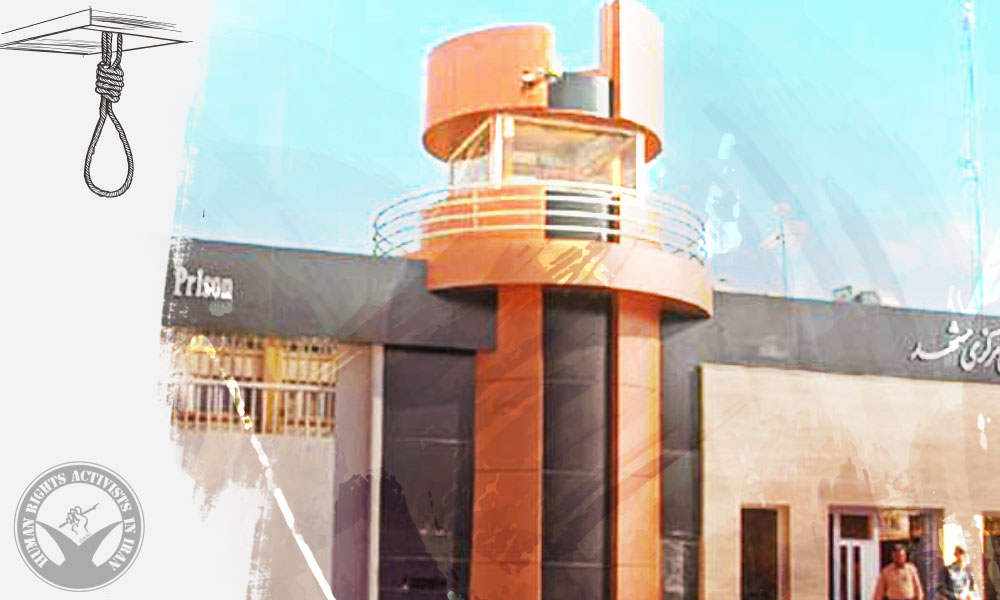
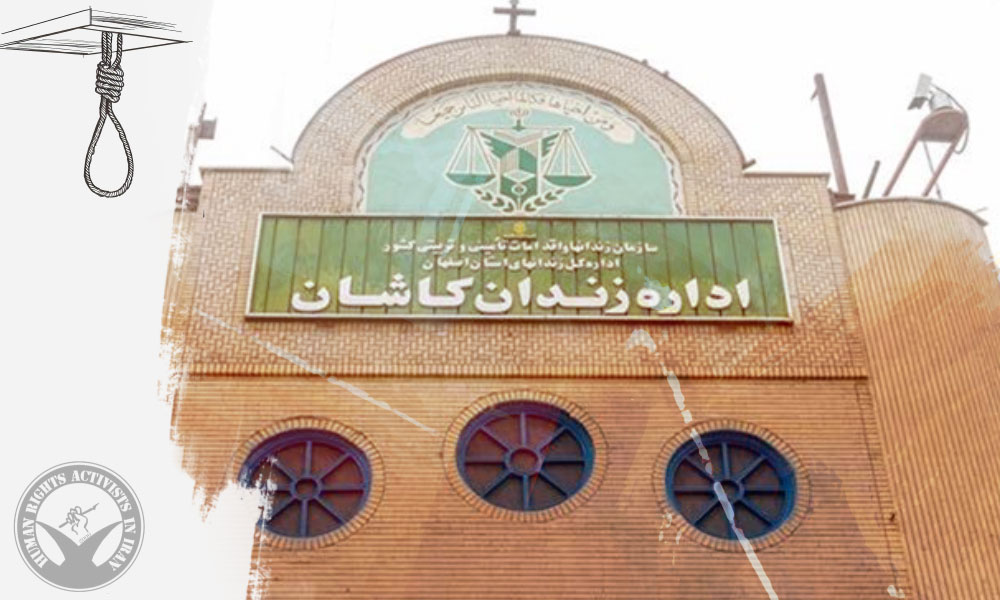
HRANA News Agency – Following Israeli airstrikes on June 23 that directly targeted Evin Prison, Iranian authorities have initiated the mass transfer of inmates to other prisons across Tehran Province. Most political prisoners from Ward 4 of Evin have been moved to the Greater Tehran Penitentiary, where they now face harsh and deteriorating conditions, including extreme overcrowding, lack of access to clean drinking water, and the absence of separation between inmates by the nature of their charges.

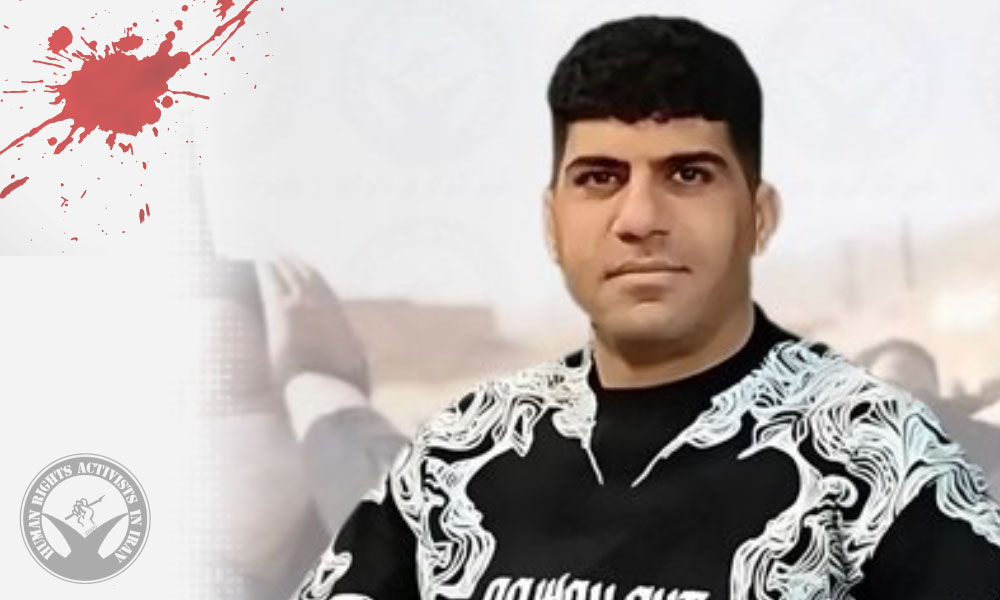
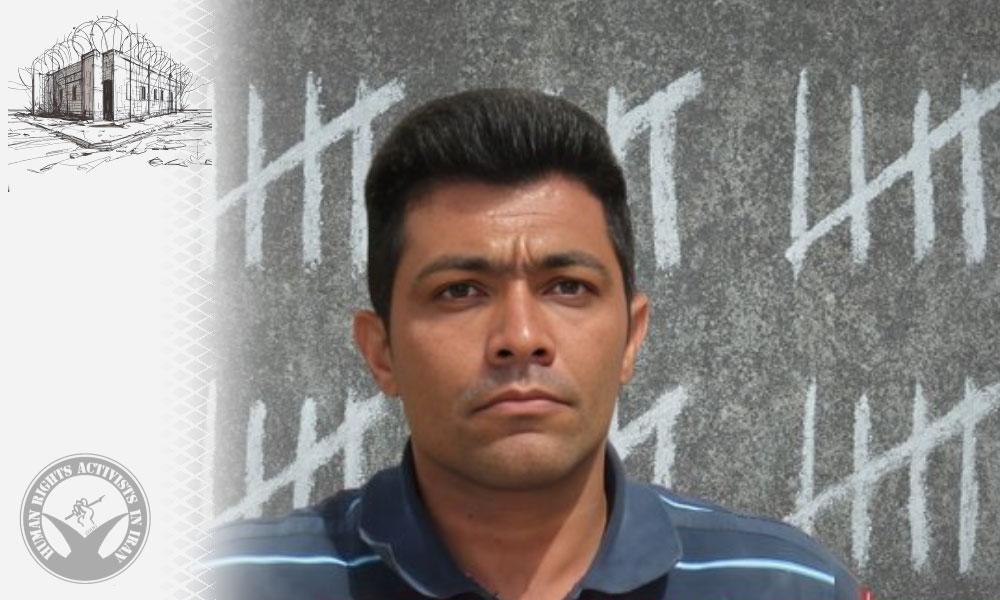
HRANA has learned that political prisoners including Morteza Parvin, Abdolaziz Azimi Ghadim, Mahmoud Ojaghlou, Taher Naghavi, Mehdi Mahmoudian, Abolfazl Ghadiani, Mohammad Bagher Bakhtiar, and Hossein Shanbehzadeh are among those transferred.

A source close to Taher Naghavi reported that he is being held in a hall with at least 120 inmates—despite the space being designed for no more than 40 people—and is not separated from those convicted of non-political offenses.

Additional reports highlight the facility’s inadequate water supply. Inmates have described the available water as too salty to drink. According to a source close to Morteza Parvin, he and Mahmoud Ojaghlou were moved late Monday night without being allowed to bring any of their personal belongings.

Family members have also confirmed these developments. Ahmad Ghadiani and Alireza Bakhtiar, sons of Abolfazl Ghadiani and Mohammad Bagher Bakhtiar, respectively, shared on social media that their fathers had been transferred. Alireza noted that many inmates now sleep on the floor and that only one bottle of mineral water is provided for every four political prisoners.

Fatemeh Alvandi, the mother of Mehdi Mahmoudian, told Emtedad News Agency that the detention conditions are extremely poor. She reported overcrowded quarters, unsanitary facilities, and a lack of basic necessities. According to her, her son and others lacked even food containers upon arrival, and the lack of hygiene products is now threatening inmates’ health.

Abbas Shanbehzadeh confirmed that his brother, Hossein, was also among those moved from Ward 4 of Evin to the Greater Tehran Penitentiary.

UN Special Rapporteur on the situation of human rights in Iran, Mai Sato, has expressed concern about the treatment of these transferred inmates. She also noted receiving reports of arbitrary arrests and expedited trials lacking due process, particularly since the onset of the Israeli strikes.

The June 23 airstrikes struck Evin’s entrance gate and the judiciary building within the prison compound. Several conscripted soldiers were reportedly killed or injured, along with some prison staff and inmate workers who were gardening at the time. Following the attack, Iran’s Prisons Organization confirmed the transfer of Evin inmates to other facilities in the province.

Soleiman Ghader Galvan Arrested in Oshnavieh

HRANA News Agency – On Monday, June 23, Soleiman Ghader Galvan, a resident of Oshnavieh and brother of Abdolsalam Ghader Galvan, one of the victims of the 2022 nationwide protests, was arrested by security forces in the city and taken to an undisclosed location.

Kurdpa reported that the arrest took place on Monday, June 24, 2025, at his family home without the presentation of a judicial warrant.

As of the time of this report, the reasons for the arrest, his place of detention, and the charges against him remain unknown.

Ghader Galvan has previously faced arrests and other encounters with security forces.

It is worth noting that his brother, Abdolsalam Ghader Galvan was shot and injured during the 2022 nationwide protests in Oshnavieh and later died on September 26, 2022, at a hospital in Urmia.

Baha’i Citizen Nouyan Hejazi Arrested in Juybar County

HRANA News Agency – Yesterday, June 25, Nouyan Hejazi, a Baha’i citizen residing in Juybar, was arrested by security forces and taken to an undisclosed location.

Based on information received by HRANA, Mr. Hejazi was arrested by security forces at his private residence without a judicial warrant and taken to an undisclosed location. During the arrest, agents searched his home and confiscated several personal items, including his and his wife’s mobile phones, laptop, and Baha’i books.

A source close to the family confirmed the news to HRANA and said: “There were ten agents, and it’s unclear how they entered the house. The first moment Nouyan and his wife encountered the agents was in their bedroom, and the agents woke them up early in the morning.”

As of the time of this report, the reasons for his arrest, his place of detention, and the charges against this Baha’i citizen remain unknown.

Over the past decade, the Iranian Bahá’í community has been disproportionately targeted by Iran’s security forces and judiciary—more than any other minority group. In the past three years, an average of 72 percent of the reports on religious rights violations collected by HRANA have documented the Iranian regime’s repression of the Bahá’í community.

Baha’i Citizen Arman Nikaein Arrested in Shiraz

HRANA News Agency – On Monday, June 23, Arman Nikaein, a Baha’i citizen, was arrested in Shiraz and taken to an undisclosed location.

A source close to Nikaein’s family told HRANA that around 10 IRGC intelligence agents raided the Momtazian family home in Shiraz on Monday night. During the operation, agents searched the property, confiscated electronic devices from those present, and arrested Nikaein—who is the family’s son-in-law—without presenting a court warrant.

The source added that Mr. Nikaein’s mother suffered a nervous breakdown during the raid and was transported to a hospital by ambulance due to the severity of her condition.

As of this report, the reasons for his arrest, the charges against him, and his whereabouts remain unknown.

Arman Nikaein, who resides in Qeshm, is a Baha’i composer and music instructor.

Kianoosh Cheraghi Arrested by Security Forces in Dehloran

HRANA News Agency – Security forces have arrested Kianoosh Cheraghi, a resident of Dehloran, and transferred him to The Ministry of Intelligence’s detention facility in Ilam, According to Kurdpa.

The arrest took place on June 24 at Cheraghi’s private residence, reportedly without a court warrant, according to a source familiar with the situation. At the time of publication, no information has been released regarding the charges or reasons for his detention.

Cheraghi had previously served time in Darreh Shahr Prison but was released in May following the suspension of his sentence. He had initially been detained on March 24, 2025, to serve a prison term at Ilam Prison.

In two separate cases, Cheraghi was sentenced to a total of three years in prison, along with additional penalties.

The 45-year-old is a former employee of the Social Security Organization in Dehloran.

Subscribe to Our Newsletter

Now is definitely not the time to stop reading!

Iranian Singer Danial Moghaddam Arrested in Tehran

HRANA News Agency – Danial Moghaddam, a singer, has been arrested in Tehran.

Today, Wednesday, June 25, Mohammad-Hadi Jafarpoor, an attorney, announced that Mr. Moghaddam has been detained after the Third Branch of the Revolutionary Court’s Prosecutor’s Office in Tehran issued a detention order due to his failure to post bail.

As of the time of this report, the reasons for his arrest and the charges against him remain unknown.

Danial Moghaddam has previously faced arrest and conviction due to his activities.

Iman Rahmat Panah, Baha’i Citizen, Arrested in Shiraz

HRANA News Agency – On Sunday, June 22, Iman Rahmat Panah, a Baha’i citizen residing in Shiraz, was arrested by security forces and transferred to The Ministry of Intelligence’s detention facility in the city, known as “Plaque 100.”

Based on information received by HRANA, Mr. Rahmat Panah was arrested at 11 p.m. on Sunday, June 22, by eight security agents at his private residence, in the presence of his children. The agents also searched the premises and confiscated several personal belongings, including mobile phones, a laptop, and his Baha’i books.

A source close to the Rahmat Panah family confirmed the news to HRANA, stating: “Following repeated inquiries by the family to judicial and security authorities, it was eventually confirmed that Mr. Rahmat Panah had been transferred to The Ministry of Intelligence’s detention facility in Shiraz, known as Plaque 100.”

As of the time of this report, the reasons for his arrest and the charges against him remain unknown.

Iman Rahmat Panah has previously faced arrest and legal action due to his activities.

Over the past decade, the Iranian Bahá’í community has been disproportionately targeted by Iran’s security forces and judiciary—more than any other minority group. In the past three years, an average of 72 percent of the reports on religious rights violations collected by HRANA have documented the Iranian regime’s repression of the Bahá’í community.

Three Prisoners Executed in Urmia Prison for Alleged Collaboration with Israel

HRANA News Agency – Today, June 25, Mizan, the Judiciary’s Media Center, announced the execution of Edris (Idris) Ali, Azad Shojaei, and Rasoul Ahmad, three prisoners convicted of enmity against God (moharebeh) and spreading corruption on earth (efsad fel-arz) through alleged collaboration with Israel, at Urmia Prison.

According to the Judiciary’s statement, Ali, Shojaei, and Ahmad (also referred to as Ahmad Mohammad) were accused of “smuggling equipment into the country intended for assassinations,” and were prosecuted on charges of moharebeh and efsad fel-arz for cooperating with “hostile foreign governments on behalf of the Zionist regime.” The executions were carried out following the completion of legal proceedings and the Supreme Court’s confirmation of their death sentences.

Back in November 2024, Judiciary spokesperson Asghar Jahangir announced that the three had been sentenced to death. At the time, Jahangir alleged that the defendants had “smuggled assassination equipment used in the killing of Mohsen Fakhrizadeh (Iran’s nuclear scientist), under the cover of alcohol smuggling,” and also accused them of espionage.

Edris Ali, Azad Shojaei, and Rasoul Ahmad were arrested by security forces in early 2024 and transferred to Urmia Prison.

Twelve Days of War: Israel-Iran Ceasefire Comes into Force

HRANA News Agency – Yesterday, June 24, a ceasefire agreement between Iran and Israel took effect. In the lead-up to the truce, the Israeli military carried out strikes for twelve consecutive days, targeting multiple military and civilian sites and expanding the conflict’s reach to 26 provinces across Iran.

Since the onset of the attacks, Iranian security forces have arrested at least 286 citizens for expressing opinions related to recent events, while an additional 537 individuals have been detained on security-related charges, including espionage.

The total number of casualties from Israel’s attacks has reached 5,530, including 1,054 dead and 4,476 injured.

Geographic Scope and Course of Events

Over the past 12 days, until the announcement of the ceasefire, Israeli attacks targeted Iran’s infrastructure, military and civilian facilities, residential areas, and industrial zones across 26 provinces.

Yesterday, prior to the announcement of the ceasefire on the twelfth day of the conflict, the provinces of Fars, Tehran, West Azerbaijan, Gilan, and Alborz were targeted.

The Governor of Tehran stated that, in the early hours of yesterday, 12 locations in Tehran city and province were targeted by Israeli attacks.

The provinces that have been directly attacked since June 13 are as follows:

Tehran, East Azerbaijan, West Azerbaijan, Ardabil, Isfahan, Ilam, Kermanshah, Markazi, Hamedan, Fars, Khuzestan, Kurdistan, Alborz, Zanjan, Bushehr, Qazvin, Gilan, Hormozgan, Qom, Razavi Khorasan, Chaharmahal and Bakhtiari, Kerman, Semnan, Mazandaran, Yazd, and Golestan.

The Latest Casualty and Damage Figures

Since the beginning of Israel’s military attacks on Iranian soil, thousands of citizens have been killed or injured. The military or civilian status of some of the victims is still under investigation. According to aggregated figures announced by official bodies such as the Ministry of Health, the Red Crescent, and provincial authorities, as of 12 PM Tehran time on June 24, the total number of casualties has reached 5,356.

According to Hossein Kermanpour, head of the Public Relations and Information Center of the Ministry of Health, among these, 610 people have died and 4,746 have been injured. Additionally, 971 people remain hospitalized, 3,436 have been discharged after treatment, and 255 received on-site medical care. So far, 687 surgeries have been performed on the wounded.

Among the dead, 49 are women, including two pregnant women in Tehran and Isfahan, and 13 are children, the youngest being only two months old. Among the injured, there are 185 women and 65 children under the age of 20; the youngest known injured person is a three-year-old child.

Kermanpour also reported that 25 medical personnel have been affected, including 20 injured and 5 killed. The attacks have also inflicted considerable damage on healthcare infrastructure, including 9 ambulances, 7 hospitals, 4 health centers, and 6 emergency stations.

Earlier, Mohammadreza Zafarghandi, the Minister of Health, had stated that 95% of the deceased died under the rubble, while only 5% passed away after being transferred to hospitals. He did not comment on whether the victims were military personnel or civilians.

In terms of relief efforts, the spokesperson for the Red Crescent Society announced that its relief workers have so far transported 288 injured individuals, treated 109 on site, and provided emergency shelter for 1,087 people. The Deputy Minister of Nursing also reported that at least 10 ambulances were directly attacked during relief operations, leading to the deaths of 4 medical personnel.

In Ahvaz, the president of Ahvaz Jundishapur University of Medical Sciences reported the highest death toll over two consecutive days, with approximately 200 people injured.

The Governor of Tehran also reported the complete destruction of more than 120 residential units and serious damage to over 500 others in the province. According to him, public infrastructure, including water, electricity, gas, and even medical centers, were targeted in Tehran.

In Gilan Province, according to the Deputy Governor, last night’s attacks on Astaneh Ashrafieh resulted in 16 deaths, 33 injuries, and the complete destruction of 4 residential units.

Finally, the Iranian Medical Council announced that five doctors have lost their lives in these attacks.

It should be noted that, in line with its commitment to maximum transparency and independent reporting, HRANA does not rely solely on government figures for its statistics.

According to the latest updates from HRANA News Agency, based on information gathered through its network of volunteers and independent, non-governmental sources, and incorporating newly received documents and yesterday’s reports, the casualty figures are as follows:

▫️Civilians:
Killed: 417
Injured: 2,072

▫️Military personnel:
Killed: 318
Injured: 256

▫️Unspecified:
Killed: 319
Injured: 2,148

Total fatalities: 1,054
Total injuries: 4,476
Total casualties: 5,530 people

Israeli Attacks on Civilian Infrastructure

As on previous days, multiple civilian areas across the country came under attack yesterday, with several residential buildings in Gilan and two hospitals in Tehran sustaining damage.

The Deputy Minister of Nursing at the Ministry of Health reported that Motahari Burn Hospital and Labbafi Nejad Hospital in Tehran were struck during the overnight attacks. Shahid Motahari Hospital was fully evacuated, and patients were transferred to other medical facilities. Portions of Labbafi Nejad Hospital were also damaged, prompting the relocation of patients.

Strikes were also reported yesterday in the cities of Tehran, Karaj, Rasht, Urmia, Astaneh Ashrafieh, and Lahijan.

One of the most significant attacks on civilian infrastructure occurred at Evin Prison. The Judiciary’s spokesperson announced that the prison was hit during family visiting hours. Asghar Jahangir stated that part of the administrative building was destroyed, leading to the deaths of “some of our colleagues and members of the public.”

Following the attack, the Prisons Organization announced that Evin prisoners have been transferred to other facilities within Tehran province.

A source close to one Evin prisoner’s family told HRANA that most inmates were moved to Greater Tehran Prison. The source described severe overcrowding: “Each prisoner has been given only one blanket. Conditions are so cramped that prisoners don’t even have space to sit.”
Furthermore, yesterday, air defense activity was reported in cities including Shiraz, Tehran, Urmia, Rasht, Babol, Tabriz, and Babolsar.

Methodological Note: The classification of targeted locations in this report as “military” or “civilian” is based on publicly available information, visible indicators, and testimonies from local residents. A definitive determination of the nature of these sites requires further verification through official documents, satellite imagery, and comprehensive analysis, which are currently not accessible. Therefore, this categorization is provisional and intended to provide an initial overview rather than a conclusive judgment about the nature of the targets.

Israeli Attacks on Iran’s Military Infrastructure

In addition to civilian areas, yesterday Israel targeted the Parchin missile site.

The Joint Headquarters of the IRGC in Kolahdouz Square, Tehran, was also among the military targets struck by the Israeli army prior to the ceasefire announcement.

Arrests and Crackdown on Citizens

Baha’i citizens in Iran continue to report to HRANA an escalation of security crackdowns against this religious minority following Israel’s attacks on Iran. So far, HRANA has received reports of one arrest and home searches of 20 Baha’i citizens in the cities of Baharestan, Qaemshahr, and Bushehr.

Meanwhile, yesterday the Chief Prosecutor of Qazvin Province announced that 19 legal cases have been opened for individuals arrested in recent events. HRANA had previously reported the arrest of 16 of these individuals.

It has also been documented that Morteza Asadi, a political science researcher, was arrested without a court warrant at his home by security agents on June 20. His and his wife’s personal belongings were confiscated. After three days, his family remains unaware of his whereabouts or health condition. He suffers from a digestive illness and does not have access to his necessary medication.

Including the most recent arrests, in the past 12 days, 286 Iranian citizens have been detained for their online activity and for posting content related to Israel’s attack on Iran.

Security-Related Arrests

In addition to those detained for expressing opinions or political activities, there is another category of arrestees about whom little information is available. These individuals are typically accused by security agencies of more serious charges such as espionage, armed activities, terrorism, and similar offenses. The mere filing of such charges, given the Iranian government’s history of labeling opponents in order to suppress dissent, cannot by itself serve as a basis for judgment. Fair trial and due process remain the only standards for human rights organizations to assess and validate such accusations.

Yesterday, the Deputy for Public Relations of the IRGC in Hamedan Province reported the arrest of 6 individuals in the cities of Razan, Nahavand, and Hamedan, accusing them of espionage for Israel. The head of the Hamedan Judiciary also stated that 24 cases have been opened for individuals allegedly involved in espionage, sending information, photos, and videos to Israel.

The deputy police chief of Kermanshah Province reported the arrest of two individuals in this city, accusing them of “disturbing public opinion” through online posts. At the same time, the Chief Prosecutor of Kermanshah stated that since the beginning of the conflict, 115 people have been arrested, 54 of whom have since been released on bail. According to him, only a small number face espionage charges, while the majority are accused of propaganda against the regime.

Yesterday, there was also a report of the arrest of a European national in Hormozgan. The semi-official Fars news agency reported that this individual was detained “while spying on sensitive and military sites.”

Additionally, the Chief Prosecutor of Sistan and Baluchestan Province announced the arrest of several individuals in this province, claiming that a “large shipment of American weapons and ammunition” was seized from them.

On the other hand, state media released a video yesterday showing the arrest of 6 individuals in Tehran, in which the detainees, under unclear circumstances, confess to cooperating with Israeli intelligence.

With these new cases, the total number of individuals arrested on security charges by law enforcement and intelligence agencies since the start of the military conflict has reached 537.

New Legislative Proposals to Increase Penalties

In this context, yesterday, members of parliament approved an emergency bill to increase the punishments for citizens arrested on espionage charges. yesterday, Judiciary spokesperson Ali Asghar Jahangir stated: “If we wanted to prosecute many of those we arrested during the war with Israel under the existing espionage law, we would have faced restrictions and limitations. However, the parliament has now given us greater legal latitude.”

Communication Disruptions

Yesterday marks the sixth day of internet disruptions in Iran. Although there has been slight improvement in connectivity, the country remains largely offline. Citizens continue to rely on VPNs to access global social networks.

The news outlet Ham-Mihan, citing its sources, reported that Telegram may soon be unblocked, while WhatsApp will remain banned due to its alleged involvement in espionage for Israel.

International Reactions: Global Consensus on Restraint and Concern over Escalation

Yesterday, the UN Human Rights Office condemned Israel’s attack on Evin Prison as a “gross violation” of international law. The spokesperson stated: “Evin Prison is not a military target, and striking it constitutes a serious breach of international humanitarian law.”

The UN fact-finding mission also reported yesterday that Israel’s strike on a residential complex in Tehran had resulted in dozens of fatalities. According to the mission, these attacks violate international humanitarian law and have so far led to the deaths of three Red Cross staff members in Tehran. The mission expressed concern that Israel may be failing to uphold the principle of distinction between military and civilian targets.

Astaneh-ye Ashrafiyeh
Gilan Province
Astaneh-ye Ashrafiyeh
Gilan Province
Astaneh-ye Ashrafiyeh
Gilan Province
A residential building in
Astaneh Ashrafieh
Bokharest Street in District 6 of TehranFire in Tehran following
the crash of a Hermes drone
Fire in Tehran following
the crash of a Hermes drone
Khajeh Nasir neighborhood – TehranHakimiyeh neighborhood – Tehran
District 7 of TehranTehranEast Tehran
Tehransar neighborhood – TehranPich Smeiran neighborhood -TehranPasdaran neighborhood -Tehran
Babolsar

Israel’s Strike on Evin Prison: Damage to Infrastructure, Widespread Transfers, and Mounting Concerns

HRANA News Agency — On June 23, during airstrikes by the Israeli Air Force on Tehran, Evin Prison was directly targeted. The attack took place during family visitation hours, resulting in the deaths and injuries of several administrative staff, conscripted soldiers, and prison personnel. Significant damage was also inflicted on key prison infrastructure, including the administrative building, entrance gate, infirmary, central kitchen, and visitation hall.

According to HRANA, the extent of the destruction has forced the evacuation of the prison. Beyond the immediate casualties and physical destruction, the assault has triggered a humanitarian and psychological crisis for the families of the prisoners. At the time of this report, calls for the immediate release of political prisoners and for transparent information about the fate and whereabouts of those transferred remain unanswered.

Destruction and Damage

Reports from various sources, including eyewitness accounts, indicate widespread destruction in several parts of the prison:
● The entrance gate, the court building, and the prison infirmary were completely destroyed.
● The visitation hall and central kitchen were also destroyed during the attack.
● Windows in Ward 4 and the women’s ward were shattered, and parts of their walls collapsed.
● The prison infirmary sustained serious damage, disrupting medical services.
● According to an official report by Fars News Agency, Dr. Seyed Davood Shirvani Boroujeni, one of the prison’s infirmary doctors, was killed in the attack.

Security Situation and Reactions
Following the attack, a state of emergency was declared at the prison:

● Telephone lines in most wards were cut or limited.
● Visitations and outdoor time for prisoners were suspended.
● The judiciary spokesperson confirmed the attack occurred during visitation and stated that some staff and family members were also casualties.
● Official reports stated that bomb disposal teams successfully neutralized two unexploded missiles in the prison area.

Prisoner Transfers and Family Concerns

In response to the extensive destruction, the Prisons Organization initiated the emergency relocation of inmates to other facilities within Tehran Province, including Greater Tehran Prison and Qarchak Prison in Varamin. According to the organization, the transfers began in the early hours following the strike and have since been completed. However, many families report being left in the dark about the exact whereabouts of their loved ones.

In an open letter, one political prisoner described the ordeal as “the worst day of my life,” adding: “Evin Prison essentially ceased functioning. The longstanding desire of the security apparatus to evacuate Evin was realized through Israeli missiles.” The prisoner also highlighted a more than 24-hour communication blackout with the women’s ward, confirming that inmates from Wards 4 and 8 were transferred to Greater Tehran Prison, while female prisoners were moved to Qarchak. The absence of official documentation and continued lack of contact have fueled severe anxiety and uncertainty among the prisoners’ families.

Doctor’s Death and Official Visit to the Injured

Following the attack, Abbas Masjedi, head of the National Forensic Medicine Organization, visited the wounded. At the same time, it was announced that Dr. Davood Shirvani Boroujeni, a member of the prison’s medical staff, was killed during the attack.

Human Rights Implications

Evin Prison, with its long-standing history of holding political and ideological prisoners, has long been a focus of human rights scrutiny. The direct attack on the facility — especially at a time when many of its inmates were financial offenders or low-risk prisoners — has sparked serious concerns over violations of human rights standards and the laws of war. According to witness accounts, several conscripted soldiers, guards, and even staff family members were killed in the strike. One witness described the scene: “All the conscripts at the gate were completely obliterated… and we, the prisoners and their families, were hugging them.”