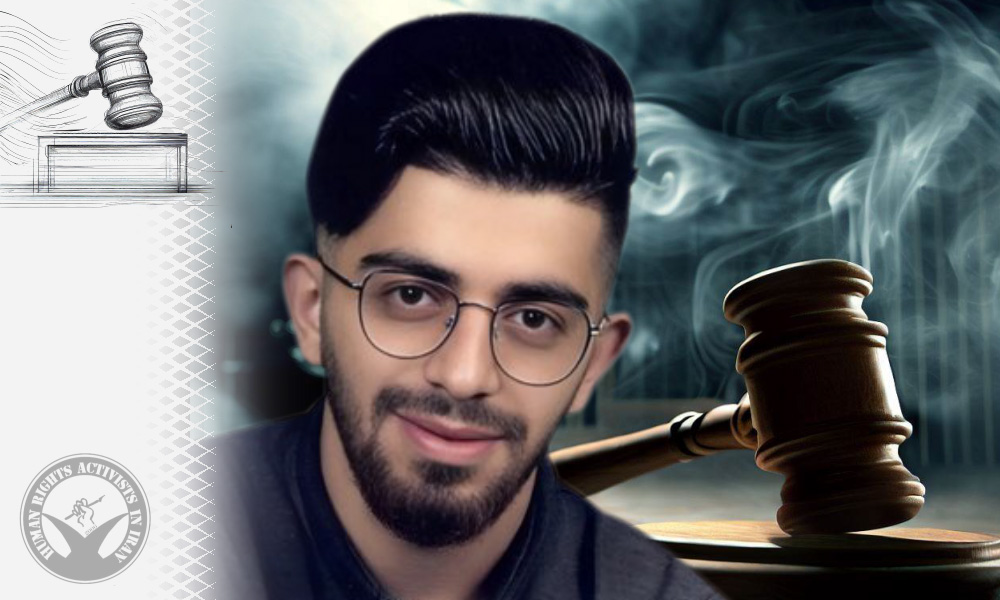
Abbas Haghgooi Receives Six-Month Prison Sentence for Political Charges

A judge from the Revolutionary Court in Shaft County, Gilan Province, has sentenced Abbas Haghgooi Takrami to six months in prison.

Haghgooi, approximately 55 years old, was found guilty of “propaganda against the regime.” This charge was supported by evidence of him publishing videos, pictures, and written articles on social media.

Earlier, the Criminal Court sentenced him to three months in prison and a fine for “disseminating false information” in a separate case. This verdict was upheld by the Appellate Court of Gilan Province. However, the court acquitted him of the charge of “insulting the Supreme Leader of Iran.”

Currently serving his sentence in Lakan Prison in Rasht, Haghgooi was recently granted furlough.

Haghgooi was arrested by security forces on April 26, 2023, and later was released pending legal proceedings.

Manoochehr Bakhtiari Sentenced to Additional 13 Months in Prison

Manoochehr (Manouchehr) Bakhtiari, a political prisoner at Choobindar Prison in Qazvin, has been handed an additional sentence of 13 months and 15 days by the Criminal Court of Qazvin.

This latest case, which led to charges of “disseminating false information,” was initiated while he was already incarcerated. This marks the third instance of Bakhtiari facing further charges during his imprisonment. The verdict was issued on May 12 by Branch 110 of the Criminal Court in Qazvin.

Bakhtiari’s initial arrest occurred on April 29, 2021, when he was taken by security forces from his home in Tehran. The Revolutionary Court subsequently sentenced him to three years and six months in prison, with an additional two years and six months of exile and a two-year travel ban, starting in July 2021.

On November 1, 2023, while still serving his sentence, Bakhtiari received a six-month prison term for “insulting the Supreme Leader of Iran,” a conviction that was confirmed on appeal.

Furthermore, in January of this year, Judge Seyyed Mousavi Asef-Al-Hosseini of Branch 1 of the Karaj Revolutionary Court delivered a significant ruling against Bakhtiari. He was sentenced to ten years for “assembly and collusion to act against national security, and for forming and running groups on the Internet to disturb national security.” Additionally, Bakhtiari received five years for “collaboration with anti-regime groups,” two years for “propaganda against the regime and disturbing public opinions,” and one year plus 74 lashes for “disseminating false information.” However, the Appellate Court later overturned these convictions and remanded the case back to the court for further review.

In a tragic and related turn of events, Bakhtiari’s son, Pouya, at the age of 27, was fatally shot by regime forces during the 2019 protests, also known as the Aban Protests, in Karaj. According to his sister and mother, Pouya succumbed to his injuries in the hospital after being shot in the head during the second day of the protest’s eruption.

Security Forces Arrest Mother and Daughter in Malekan

On May 12, 2024, security forces in Malekan, East Azerbaijan province, arrested Farangis Fathi and her daughter, Akram Kookhian. The arrests occurred at their home, from where they were taken to an undisclosed location.

A source close to the family confirmed to HRANA that the operation involved several agents who forcibly entered the residence, breaking a window and conducting an extensive search. During the raid, their car and various personal items were seized.

Additional reports obtained by HRANA indicate that the security team, consisting of five agents, used pepper spray against Fathi and Kookhian during a confrontation sparked by the latter’s protest. The agents returned a few hours later to conduct a second search of the property.

The reasons for the arrests, the current location of the detained individuals, and any charges filed remain undisclosed at this time.

Four Convicts Executed at Dastgerd Prison in Isfahan

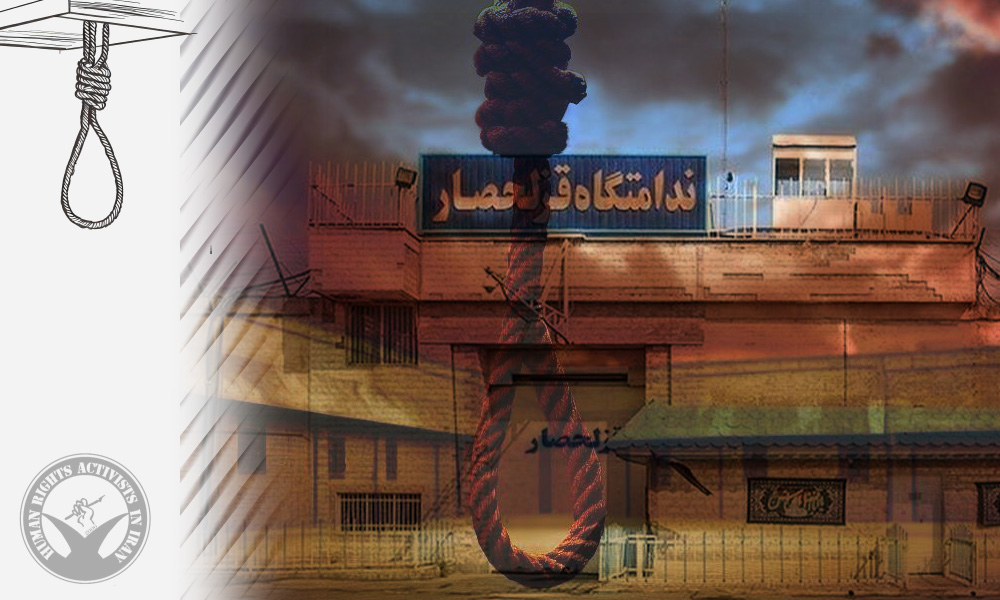
On May 12, 2024, Dastgerd Prison in Isfahan was the site of the execution of four inmates, all convicted of a murder committed a decade ago.

According to the Human Rights Activists News Agency (HRANA), the individuals executed were Masoud Estaki, Jafar Hosseinzadeh, Majid Rezaie, and Mostafa Ahgh-Mohammadi.

These men, along with Ghasem Salehi, were involved in a group altercation that resulted in the death of an individual identified only by the initials Sh.K. They were collectively sentenced to death in the ensuing legal proceedings. However, Ghasem Salehi was able to avoid execution by agreeing to pay 5 billion tomans in blood money to the family of the deceased.

No official sources or domestic media outlets within the country have provided coverage of these executions at the time of writing. In 2023, 66% of HRANA’s reports on executions lacked official announcements by judicial authorities and went unreported by media inside Iran, highlighting a troubling lack of transparency in due process.

In 2023, the Department of Statistics and Publication of Human Rights Activists in Iran registered the execution of 767 individuals. Out of these, 7 were carried out in public. Among the executed individuals whose genders were identified, 21 were female. Additionally, 2 juvenile offenders, defined as individuals under the age of 18 at the time of their alleged crimes, were also executed. For a comprehensive examination of the details and statistics surrounding the executions in Iran, refer to HRANA’s annual report.

Sexual and Reproductive Rights in Iran: Battling Restrictive Laws and Discriminatory Practices

HRANA News Agency –In the past decade, Iran has ramped up stringent policies aimed at restricting women’s rights, particularly their reproductive autonomy, under the guise of bolstering national security and economic growth. Spearheaded by Supreme Leader Ayatollah Khamenei’s advocacy for population growth, Iran introduced measures like the 2015 Bill 446 and 2021 Population Rejuvenation and Family Support Act, which limit access to contraception and abortion while reinforcing traditional gender roles. Recent legislation like the 2023-2024 Population Youth Bill further criminalizes abortion, imposes discriminatory workplace practices, and restricts prenatal screenings, disproportionately affecting rural and marginalized women. These systemic violations jeopardize women’s health, autonomy, and human rights, prompting calls for international intervention to address Iran’s deepening gender inequality.

The detailed report below addresses the latest developments in this area in Iran.

Read the comprehensive report by Human Rights Activists in Iran, published simultaneously with a joint statement by civil society organizations.

“When I realized I couldn’t meet the stringent requirements for a legal abortion, I felt desperate and trapped. This led me to seek an illegal abortion. The entire experience was cloaked in secrecy and fear. I was scared for my health and well-being, knowing the risks involved with unregulated procedures. The fear of legal repercussions loomed large, adding to the stress of the situation.”

Introduction

Over the past decade, Iran has implemented increasingly stringent policies aimed at curtailing women’s fundamental rights. These measures, partly driven by concerns over declining population growth, have been repeatedly purported by Supreme Leader Ayatollah Khamenei since 2012 to mitigate the challenges of an aging populace. In 2012, Khamenei denounced the existing policies as an imitation of western policies. He wanted an increase from Iran’s population from 78 million to around 200 million. He advocated for an end to contraceptive methods and Family and Population planning programs. Iranian leadership argues that a higher population would drive economic growth and national security, drawing on a traditionalist view of family and gender roles.

Unfortunately, lawmakers have chosen to address this demographic issue by imposing restrictions on women’s reproductive autonomy. This includes denying access to essential reproductive healthcare and information, as well as enforcing discriminatory policies that reinforce traditional gender roles, compelling women into the primary caregiving role. The following analysis provides a comprehensive examination of the decade-long population growth laws, shedding light on the systemic violations of international women’s rights alongside insights from women who have endured the direct consequence of the implementations.

In Iran, religious ideology plays a significant role in shaping discussions on reproductive rights. Particularly unique to the country is the emphasis on increasing the Shia population, driven by concerns about preserving cultural and religious dominance. Religious authorities assert that boosting fertility rates among Shia adherents is not only a religious duty but also essential to offsetting perceived threats from the Sunni population and Afghan immigrants. To inspire compliance with these objectives, religious figures such as Lady Fatima, revered for her divine femininity in Islam, are invoked. This serves to instill women with a sense of religious obligation and merit, aligning personal choices with state and religious imperatives.

2015: The Bill to Increase Fertility Rates and Prevent Population Decline (Bill 446) & The Comprehensive Population and Exaltation of Family Bill (Bill 315)

The legislative proposals under scrutiny, namely Bill 446, known as the Bill to Increase Fertility Rates and Prevent Population Decline, and Bill 315, referred to as the Comprehensive Population and Exaltation of Family Bill of 2015, represent significant policy shifts aimed at altering Iran’s approach to family planning.

Bill 446 seeks to restrict access to modern contraceptives and outlaw voluntary sterilization, marking a departure from previous policies that supported family planning measures. Additionally, the bill aims to limit the dissemination of information regarding contraception, including initiatives by the Ministry of Health and Medical Education to promote family planning programs.

Meanwhile, Bill 315 introduces discriminatory measures targeting women in the workplace. Under Article 9, it mandates preferential treatment for men with children, married men without children, and women with children during the hiring process in both public and private sectors. This effectively sidelines childless women from employment opportunities. Furthermore, the bill incentivizes employers in private sectors to prioritize hiring women with children through receiving a 6% reduction in insurance contributions to employees salaries for 5 years. 

The legislation also extends its discriminatory reach into the education sector, where schools are encouraged to favor married applicants over single individuals for teaching positions. Moreover, Article 16 imposes marriage as a prerequisite for obtaining licensure to practice family law, further entrenching gender-based barriers within the legal profession. These provisions collectively reinforce societal norms that prioritize marriage and childbearing for women while restricting their access to the workforce.

Furthermore, under article 10  in public and private schools, teachers and other educational roles should not employ single individuals, unless no married applicants are available. Article 16 makes marriage a precondition for obtaining a license from the Iranian Bar Association to practice family law. 

2021: Population Rejuvenation and Family Support Act

On November 1, 2021, Iran’s Guardian Council greenlit the “Population Rejuvenation and Family Support Act.” Despite its title, this legislation imposes stringent limitations on women’s reproductive rights, including access to birth control and sterilization, a ban on abortion, and perpetuates systemic discrimination against them.

Prior to this law, an abortion could be performed during the first four months of the pregnancy, however this would  require the approval of three different doctors who would need to agree that the pregnancy is either a threat to a woman’s life or that the child would have several physical or mental disabilities that would impair the life of the mother. . 

Several articles further limit already restricted access to safe abortion. Article 56 mandates the Health Ministry to establish a committee that includes doctors, Islamic jurists, and representatives of the judiciary and the parliamentary health committee to draft new regulations for abortion that could lead to further restrictions

Article 52 of the law specifically outlaws voluntary sterilization, a permanent contraceptive method relied upon by both men and women. Additionally, Article 51 prohibits the free distribution of contraceptives within the public healthcare system. Moreover, the legislation mandates the collection and sharing of patients’ fertility, pregnancy, and abortion histories across all Iranian medical institutions, flagrantly violating patients’ privacy rights.

While the bill ostensibly offers benefits to pregnant women and protects them from discriminatory practices, it fails to address pervasive workplace discrimination against women. Despite guaranteeing nine months of fully paid maternity leave under Article 17, Iran lacks legal safeguards against discriminatory hiring practices, effectively sidelining women from the workforce.

Moreover, each new bill in Iran mandates additional requirements for various ministries. For instance, the Ministry of Education and Science must develop educational materials, yet these materials are biased, promoting increased childbirth while downplaying the benefits of contraception and abortion. Furthermore, the Ministry of Intelligence is tasked with cracking down on illegal abortion drugs and advocacy, further limiting women’s reproductive choices.

In essence, while presented as supportive of families, the “Population Rejuvenation and Family Support Act” in reality reinforces gender inequality and curtails women’s autonomy over their bodies and futures.

2023-2024 Population Youth Bill 

Recent legislation in Iran proposes harsher penalties for abortion, ostensibly to boost the country’s population. This draft revision of the Penal Code not only criminalizes abortion in broader circumstances but also extends punitive measures to individuals providing abortion services and sharing related information. Such measures threaten women’s autonomy and health, potentially leading to unsafe practices and reinforcing traditional gender roles.

The Ministry of Health’s decision to remove prenatal screening, aiming to boost population growth, has sparked controversy and concern. Previously, screening for chromosomal abnormalities was optional and conducted during pregnancy at level 1 healthcare centers. However, the new law prohibits healthcare providers from suggesting or offering these screenings, shifting responsibility to specialist doctors at level 2 care. This change disproportionately affects those with limited resources, particularly in rural and underserved areas where access to specialist care is limited. The removal of prenatal screening from level 1 care continues to show the deep-rooted need to control women’s  autonomy. It is a procedure. that prioritizes the health of the baby and also of the mother, and removing it can lead to serious, but also preventable, health complications for the baby and the mother. The move raises questions about the government’s commitment to balancing population growth with ensuring healthy births, as it may inadvertently lead to a rise in disabilities without effectively addressing the root causes of population decline.

This legislative push reflects a broader attempt to control women’s roles within society, disregarding their diverse circumstances and right to make reproductive choices. It implicates multiple governmental bodies, from lawmakers drafting repressive laws to law enforcement agencies implementing them. This comprehensive network of control not only limits women’s autonomy but also jeopardizes their well-being, highlighting a systemic violation of human rights within Iranian governance.

In a conversation with HRA, one woman stated that This law makes me feel suffocated, like I’m being boxed into a role that society has chosen for me. The focus isn’t on our well-being or choice but on fulfilling a role as child-bearers. This isn’t just about reproductive health; it’s about controlling women’s bodies and, by extension, their lives.”

This new law has also raised concerns amongst medical professionals. Concerns about women’s health and the treatment available to women. One doctor disclosed the following to HRA; “The closure of specialized clinics has been disastrous for women’s health. We are seeing an increase in medical complications because women delay seeking help due to reduced access. This hesitancy often results in more severe health issues by the time they reach us, complicating treatment and endangering lives.”

Consequences 

In recent years, the intersection of reproductive rights and healthcare has become increasingly vital for women’s access to comprehensive healthcare. As some nations progress in legalizing abortion and affirming it as both a personal choice and a legal entitlement, significant milestones are achieved. Notably, on March 4, 2024, France fortified this commitment by enshrining abortion as a constitutional right, thereby cementing it as a fundamental freedom guaranteed to all.

However, June 2022 marked a significant turning point when the United States Supreme Court overturned the historic precedent set by Roe v. Wade in 1973, which affirmed a general constitutional protection for the right to abortion. This decision has triggered a profound regression in reproductive rights across the United States. Presently, abortion is prohibited in 14 states, resulting in harrowing scenarios where women are compelled to carry stillborn fetuses and are denied essential medical assistance. Furthermore, some states have enacted punitive measures, including criminal and civil penalties, exacerbating the situation.

Iranian women are not isolated in their struggle to attain access to reproductive healthcare. Nevertheless, the systemic discrimination, infringements upon the right to health, and the extensive legislative measures employed to subdue Iranian women, perpetuating their subordinate status in society, inherently contravene their right to health and their inherent rights as women, consequently jeopardizing their lives. One woman, in a conversation with HRA stated the following after receiving an illegal abortion: “When I realized I couldn’t meet the stringent requirements for a legal abortion, I felt desperate and trapped. This led me to seek an illegal abortion. The entire experience was cloaked in secrecy and fear. I was scared for my health and well-being, knowing the risks involved with unregulated procedures. The fear of legal repercussions loomed large, adding to the stress of the situation.”

Right to Health

Iran has committed to upholding the International Covenant on Economic, Social and Cultural Rights, which encompasses the right to health, particularly articulated in Article 12(a). This provision emphasizes the imperative to reduce stillbirth rates and infant mortality while promoting the healthy development of children. The Committee on Economic, Social and Cultural Rights has issued various general comments, notably in 2000 through General Comment 14, elucidating the scope of reproductive rights. According to this comment, Article 12(a) encompasses access to essential services such as family planning, prenatal and postnatal care, emergency obstetric services, and comprehensive information. Furthermore, it underscores the necessity for states to ensure unhindered access to contraceptives and other resources vital for sexual and reproductive health. States are also urged to refrain from censoring, withholding, or distorting health-related information, including sexual education, and from impeding individuals’ participation in health-related decision-making processes. 

The international human rights system does not outwardly support the right to abortion in all cases, they have advocated for the need to decriminalize it and that denying access to abortion can amount to a violation to the right to health and at times even considered to be cruel, inhumane and degrading treatment. The Special Rapporteur on torture and other forms of cruel, inhuman and degrading treatment or punishment has especially highlighted that “the denial of safe abortions and subjecting women and girls to humiliating and judgmental attitudes in such contexts of extreme vulnerability and where timely health care is essential amount to torture or ill treatment.

Iran has clearly been violating the right to health, the current bill seeks to criminalize abortion and to advocate for women to have more children, regardless of their health and informing women of potential risks. The Iranian government has gone on a very public campaign to manipulate women into having more children. This includes a public billboard starting “Enjoy a better life through the birth of more children”. Additionally, there have been multiple billboard depicting a better life with more children.

Furthermore, it’s noteworthy that Iran has implemented comprehensive bans on reproductive education and family planning services. Such restrictions not only hinder access to vital information but also deprive women of their right to make informed decisions about their reproductive health. Despite these setbacks in Iran’s approach to reproductive rights, it has been a recipient of support and funding from the United Nations Population Fund (UNFPA) since the 1970s. This longstanding support underscores the commitment to advancing sexual and reproductive rights for women and young people. However, it’s crucial to acknowledge that challenges persist. The UNFPA recognizes the alarming rise in gender-based violence and harmful practices, as well as the persistent high rates of preventable maternal deaths. Despite considerable financial investments, there remains a pressing need for sustained efforts to address these issues effectively. Within the framework of UNFPA’s 2023-2024 Country Programme and the 2024-2025 collaborative agendas with Iran, it is imperative for UNFPA to advocate for the revision of existing laws that unjustly criminalize abortion and enforce severe penalties on both seekers and providers of abortion services, including healthcare practitioners.

Family planning had been essential to decreasing unsafe abortion in Iran, however the trends over the years have shown a significant shift in safety. One doctor, in a conversation with HRA stated that: “Initially, we observed a decrease in abortion rates, thanks to effective family planning and education. However, the new restrictive laws have reversed that trend. Now, more women are seeking abortions under riskier circumstances, often without adequate medical oversight.”.  Additionally, these new laws have also significantly hampered the relations between medical professionals and patients, a relationship that should be void of any political or religious pressures. Women are feeling more anxious and discussing something as personal as contraception or abortion feels risky and like it could possibly lead to legal consequences. 

Conclusion

The examination of reproductive rights infringements in Iran reveals a troubling reality where women’s autonomy over their bodies and reproductive health is systematically undermined by restrictive legislation and discriminatory practices. From the implementation of laws criminalizing abortion to the imposition of preferential treatment for men in the workplace, Iranian women face significant barriers in accessing essential reproductive healthcare and exercising their fundamental rights.

Moreover, the recent trend of legislative measures aimed at increasing population growth has further eroded women’s autonomy, perpetuating traditional gender roles and reinforcing societal norms that prioritize childbearing over women’s well-being and individual agency. The consequences of these policies are dire, leading to increased risks of unsafe abortion practices, exacerbated health complications, and heightened gender inequality in various spheres of life.

In response to these challenges, it is imperative for the Iranian government to take immediate action to repeal restrictive legislation, promote comprehensive family planning programs, and eradicate discrimination against women in all aspects of society. Collaboration with international organizations can provide valuable expertise and resources in advancing reproductive rights and improving women’s health outcomes.

Furthermore, public awareness campaigns and educational initiatives are essential in challenging societal attitudes and norms that perpetuate gender inequality and discrimination. By upholding international standards of health and human rights, Iran can demonstrate its commitment to advancing gender equality, empowering women, and ensuring the full realization of reproductive rights for all its citizens.

In conclusion, the protection of reproductive rights is not only a matter of individual autonomy but also a fundamental aspect of human rights and dignity. It is incumbent upon the Iranian government to prioritize the health and well-being of its population by enacting policies that respect and uphold women’s reproductive rights, thus fostering a more equitable and inclusive society for all.

See the Joint Statement on Women’s Reproductive Health Here

Subscribe to Our Newsletter

Now is definitely not the time to stop reading!

Ali Aghel Begins Four-Year Sentence on Political Charges

Ali-Asghar Aghel Moghaddam, a resident of Mashhad, was transferred to Vakilabad Prison on May 9, 2024, to commence a four-year prison term.

Aghel was initially arrested on October 23, 2023, following his appearance at the Public and Revolutionary Courthouse in Mashhad. He was detained at Vakilabad Prison but was released on bail six days later, pending further legal proceedings.

The Revolutionary Courts subsequently convicted Aghel for “membership in anti-regime groups,” resulting in a four-year sentence, and for “propaganda against the regime,” which carried a one-year sentence. The combined verdict was upheld on appeal.

According to Article 134 of the Islamic Penal Code, which stipulates that the harshest sentence is enforced in cases involving multiple charges, Aghel is required to serve a four-year term.

Union Activist Hassan Saeedi Sentenced to Over Four Years

The Syndicate of Workers of Tehran and Suburbs Bus Company has reported that one of its members, Hassan Saeedi, has been sentenced to four years and one month in prison following a retrial.

Saeedi, who is currently incarcerated in Evin Prison, initially received a six-year sentence. However, his request for a retrial was accepted by the Supreme Court of Iran, and the case was reassigned to another court branch for review. This new review resulted in a reduced sentence of four years and one month.

On May 18, 2022, security forces arrested Saeedi at his home. They also searched his residence and confiscated several of his belongings. He was subsequently sentenced to six years in prison, a travel ban, a ban on joining political parties, restricted use of social media, and a prohibition from residing in Tehran Province and neighboring provinces for two years. This original verdict was upheld on appeal.

Four Detained in Urmia for Organizing Nowruz Celebration

On May 9, security forces in Urmia detained four individuals for reportedly organizing a Nowruz celebration, subsequently transferring them to an undisclosed location. Kolbar News identified the detainees as Othman Abbasi, Rahman Khosrawi, Heyman Alizadeh, and Shahram Soltani, all residents of Shahin Dej.

The reason cited for their arrest was the organization of a Nowruz celebration. The security agents reportedly did not present any arrest warrants at the time of the detention.
The current whereabouts of the detainees and any specific charges against them have yet to be disclosed.

Two Singers Detained in Shiraz by Security Forces

On May 9, 2024, singers Vafa Ahmadpour, also known as Vafadar, and Danial Moghaddam were arrested by security forces in Shiraz and taken to an undisclosed location.

The news of their arrest was announced via Ahmadpour’s social media.

The singers had recently released a music video titled “Amadeh Bash” (Be Ready!). The reasons for their arrests, their current whereabouts, and the specific charges against them have not been disclosed.

Previously, on February 4, 2024, Ahmadpour was arrested at his home and detained for over 15 days before being released on bail from Evin Prison. He was later sentenced to one year for “spreading propaganda against the regime” by the Revolutionary Court. Moghaddam has also experienced previous arrests and legal challenges related to his protest songs.

Four Inmates Executed at Urmia Prison for Drug Offenses

On May 9, 2024, four inmates were executed at Urmia Prison, as reported by HRANA.

The executed individuals were identified as Hassan Choopani from Piranshahr, Taher Abdolali, Hassan Arabi, a father of two, and Abdollah Hassanzadeh.

These inmates had been convicted on charges of drug offenses. Two days prior to their execution, they were transferred to solitary confinement in preparation for their sentences being carried out.

No official sources or domestic media outlets within the country have provided coverage of these executions at the time of writing. In 2023, 66% of HRANA’s reports on executions lacked official announcements by judicial authorities and went unreported by media inside Iran, highlighting a troubling lack of transparency in due process.

The reports from the Department of Statistics and Publication of Human Rights Activists for the year 2023 reveal a concerning prevalence of executions for drug offenses in Iran, constituting 56.4% of the total executions. For a comprehensive examination of the details and statistics surrounding the executions in Iran, refer to HRANA’s report.