Impending Appeals Hearing on Habibi Case

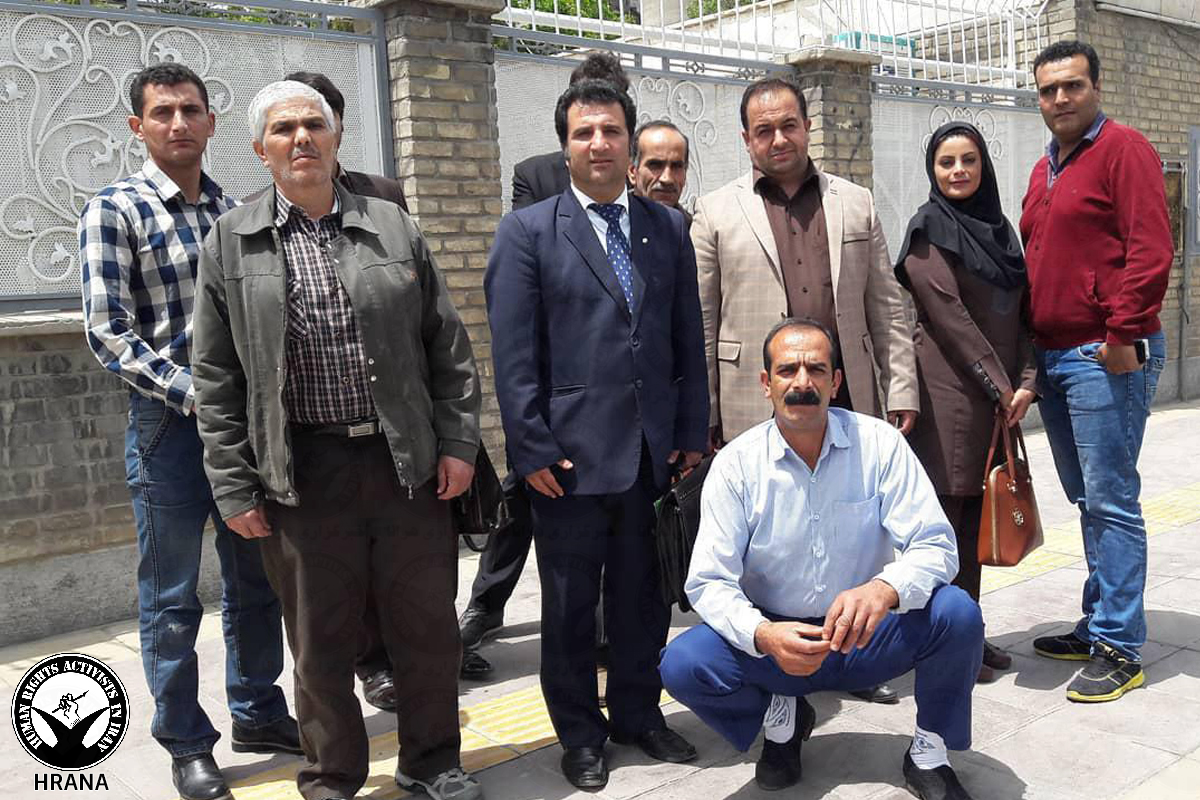
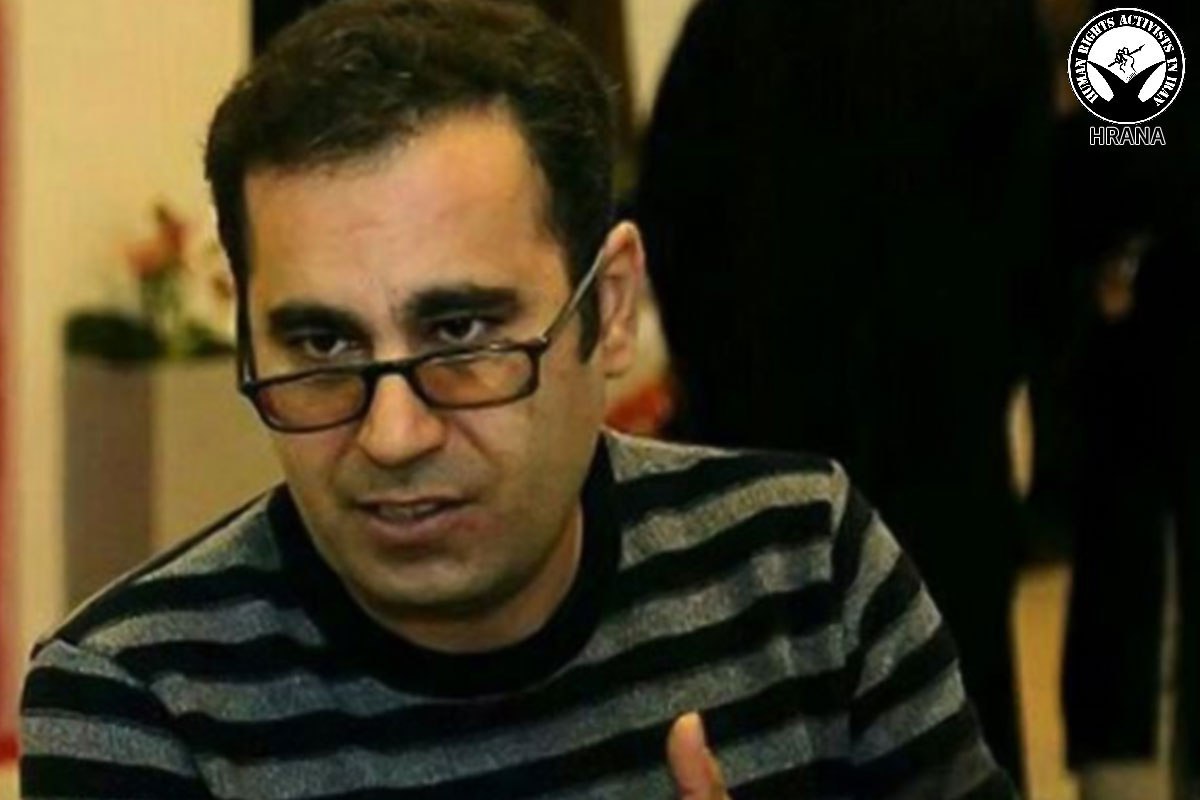
Human Rights Activists News Agency (HRANA) – The Appellate Court of Tehran Province Branch 36 will convene October 25, 2018, to review the case of Mohammad Habibi, a teacher and union activist imprisoned since May 2018 for commemorating national teachers’ week.

Habibi’s lawyer Hossein Taj confirmed the news to HRANA. “We’re taking it as a good sign that they’ve assigned a date this soon,” he said. “We hope that the appeals judges consider our client’s upstanding character and the case for his defense, which would relieve, if only a little, the pain that’s plaguing the teaching community.”

On September 20th, HRANA’s English webpage announced that Habibi’s case had entered the appellate stage.

In direct violation of physician orders, Habibi has been denied medical attention since the beginning of his detention period. Taj said that Habibi has suffered from various health problems since being imprisoned, including a 22-pound weight loss, suspect kidney stones, and a severe lung infection causing pain in his rib cage, reportedly due to being beaten while in prison.

According to Taj, the nephrologist at Imam Khomeini hospital issued an order for Habibi’s urgent treatment, as he has kidney and urinary tract conditions that may require surgery. In face of the documented medical urgency, however, authorities have yet to clear him for even preliminary testing.

On the one occasion that Habibi’s request for medical leave was granted, he was released from Great Tehran Penitentiary, prematurely dismissed from the hospital without receiving treatment, and then transferred to Evin Prison on Monday, September 3, 2018, where he has remained since.

Habibi’s case – and particularly his compromised medical condition – recently drew the support of teacher’s organizations at home and abroad. In a letter addressed to Ayatollah Ali Khamenei, the French trade unions SFDT, SGT, FSO, Solidaires, and UNSA held the Supreme Leader accountable for Habibi’s fate and called his imprisonment a violation of both human rights and the fundamental freedoms of syndicates. In May 2018, General Secretary of Education International (EI) David Edwards vehemently denounced Habibi’s arrest and detention, demanding his immediate release in a letter to Iranian president Hassan Rouhani.

Iranians themselves have also called for Habibi’s release. In a statement signed by over 1,400 civil, political, union and teachers’ activists across Iran, Iranians protested Habibi’s sentence and called for greater solidarity with teachers and other workers in Iranian society.

On July 23rd, 2018, Judge Ahmadzadeh of Tehran Revolutionary Court sentenced Habibi to 10 and a half years’ imprisonment, i.e. seven and a half years for “national-security related Crimes,” 18 months for “propaganda against the regime”, and another 18 months for “disrupting public order.” In addition to prison terms, he was dealt a two-year ban from political and civic activities, a two-year travel ban, and 74 lashings.

Under Article 134 of Iran’s Islamic Penal Code, which holds that prisoners are to serve the lengthiest of their sentences, Habibi’s sentence, if upheld, would put him behind bars for a maximum of seven and a half years, i.e. the heaviest one of his three sentences.

Habibi is a member of the board of directors for the Teachers’ Union Association of Tehran Province.

A letter from his HR office confirmed he is no longer receiving his salary.
Iranian Trucker Strikes Push into Second Straight Week

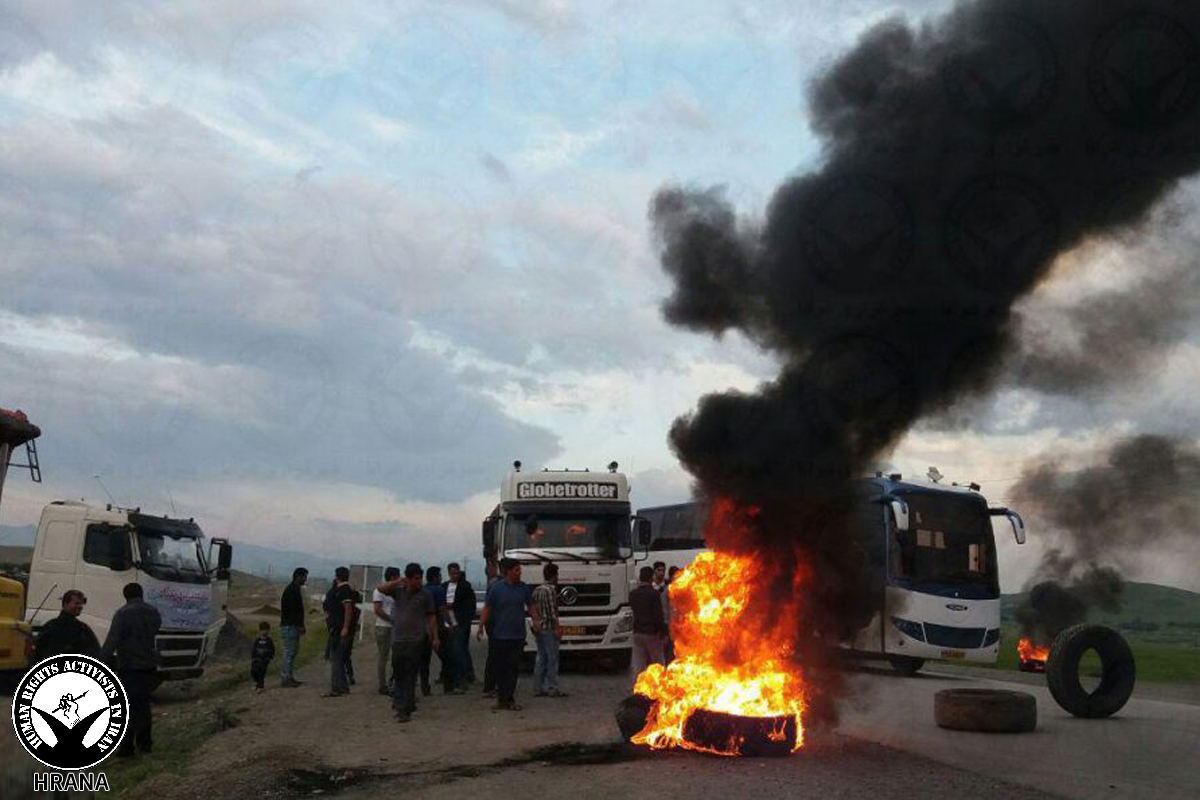
Human Rights Activist News Agency (HRANA) – As they make it past the two-week mark, Iranian trucker strikes look nowhere near relenting, and authorities are taking notice.

As of the date of this report, 244 individuals have been arrested in connection to trucker strikes across multiple cities, including but not limited to Shahr-e Kord, Bandar-e Imam Khomeini, Ahvaz, Susangerd, Najaf Abad, Isfahan, Shiraz, Bushehr, Aligudarz, Urmia, Yazd, Zarrin Shahr, Bandar Abbas, Tiran, Miyaneh, Behshahr and Ghuchan.

While broadcasts from state-sponsored news agencies declared on October 6th that the protests were losing steam, the truckers have yet to back down. The same day, the General and Revolutionary Prosecutor of Shahr-e Kord announced that six more protestors had been detained.

Prior to October 6th, 238 individuals connected with the strike had already been detained and booked on charges of corruption on earth, disturbing public order, and banditry. Prosecutor Mohammad Jafar Montazeri previously threatened the detainees with heavy sentences, reminding them that their charges are punishable by death. Strikers in multiple provinces are taking the risk: Qazvin, Alborz, Ardabil, Isfahan, Fars, Semnan, Kermanshah, Zanjan, Hamadan, Northern Khorasan, and cities of Nahavand, Bujnurd, Kangan, Pakdasht, Nishabur, Shirvan, Azarshahr, Gorgan, Bandar-e Gaz, Izeh, Razan, and Zaran provinces have seen arrests so far.

At a ceremony for the opening of a tunnel connecting Karaj to Chalus, Minister of Roads and Urban Development Abbas Akhoundi acknowledged truck drivers’ role in the construction of the tunnel, telling a reporter, “the demands of the truck drivers will definitely be addressed.”

The Ministry of Roads and Urban Development showed less compassion toward the strikers in an October 6th response to Tehran-based Friday prayer imam Kaze Sadeghi, who stated that the Ministry should answer to their responsibilities and address the issue rather than “saying irrelevant things.” The Ministry’s retort statement read, “truck drivers are hardly struggling.”

In an interview with Mehr news agency, Deputy Head of the Iran Road Maintenance and Transportation Organization (IRMTO) Dariush Amani spoke of his organization’s initiative to meet drivers’ demands for tires, including cheaper import prices on cotton-based tires. “Tires have been placed on the list of essential items which will henceforth be imported at the government-subsidized price of 4200 Tomans [$1 USD].”

Ali Khaneghai, a general manager of the Sistan and Baluchestan provincial transportation and terminals department, acknowledged that high tire prices were one of the industry’s most dire needs, and claimed that 1200 subsidized tires have been distributed to drivers. “The drivers can purchase tires at fair prices through the Ministry of Industry, Mine and Trade with the presentation of their welcome letter from the Driver’s Union.”

Ahmad Jamshidi, Transportation and Terminals Manager of Chahar Mahal and Bakhtiyari province, also commented on tire influx, stating that 2711 tires had thus far been distributed among regional truckers.

HRANA previously reported on authorities’ reactions to the truckers’ continued strikes, which have been active since September 23rd. On that date, the Iran National Truck Driver’s Trade Union called on truckers to cease their operations until authorities fulfilled a list of 15 conditions, including an increase in pensions, a decrease in part prices, a 70-percent increase in wages, a decrease in insurance premiums, and a crackdown on bribery in the industry.

Barring Any New Charges, Activist Saeed Shirzad to be Released in 2020

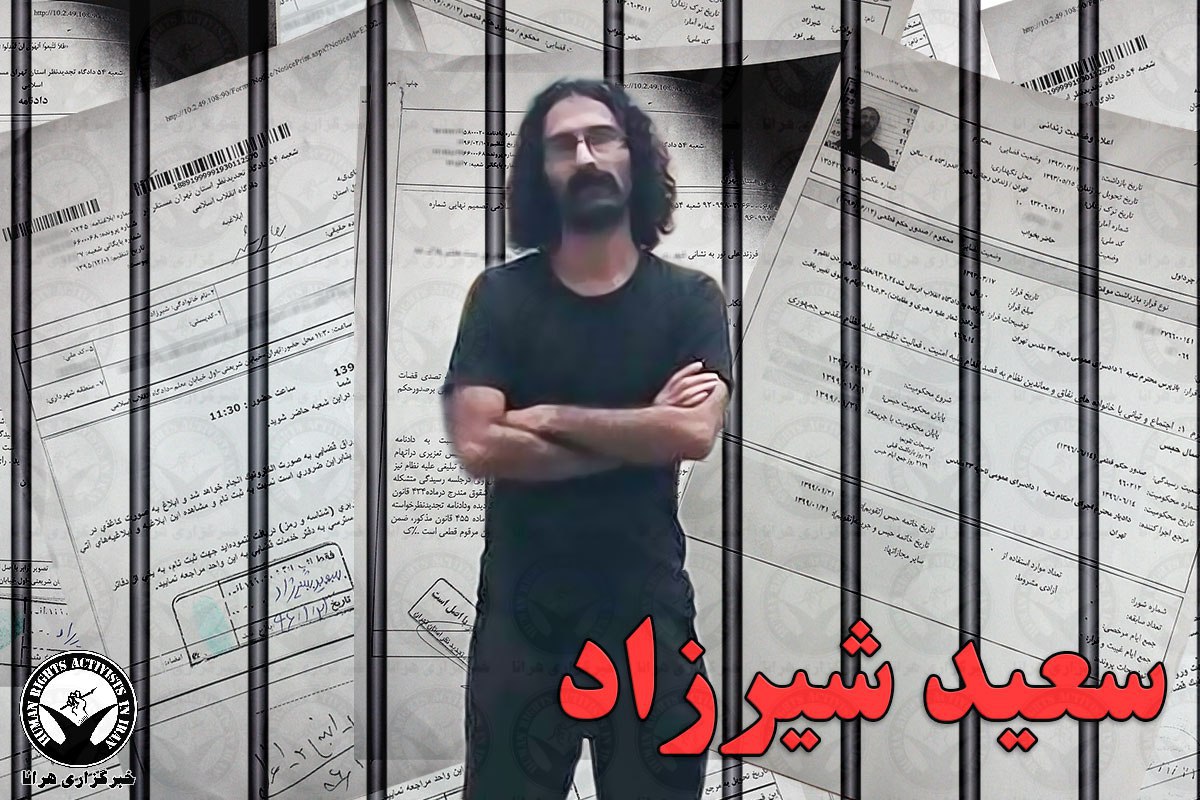
Human Rights Activists News Agency (HRANA) – Rajai Shahr political prisoner Saeed Shirzad will remain in prison through 2020, according to HRANA reports.

His most recent convictions stem from a prison protest that broke out last August among a group of wardmates, including Shirzad, who protested their transfer to an enhanced-security ward under the jurisdiction of Iran’s security establishment. For Shirzad and his fellow prisoners Amir Ghaziani, Saeed Pourheidar, and Ebrahim Firoozi, the protests incurred charges of “destruction of prison property,” ruled in January of 2018 in in Tehran province’s Criminal Court No. 2, Branch 116.

Rather than add prison time for the latter charge, Branch 3 of the Evin Prison Prosecutor’s Office set them a bail of 700 million IRR (approximately $7,000 USD).

In April of that same year authorities gave Shirzad more grief for the protests, issuing him an additional six-month prison term in the same court for “disturbing prison order.”

The “disturbing public order” sentence, along with the enactment of a one-year suspended sentence pursuant to a 2012 arrest, will compound Shirzad’s current five-year sentence by an additional year, slating his release for 2020.

According to HRANA reports, Shirzad’s five-year sentence was ruled on charges of “assembling and colluding against national security,” in connection to civic activities including visits to the families of political prisoners. [Though he began serving this sentence four years ago, it was not finalized until 2017].

Since his arrest in the Tabriz refinery where he worked on June 2nd, 2014, Shirzad’s prison time has been fraught with both oppression and physical pain. On July 11th, 2018, HRANA reported on prison authorities’ refusal to comply with medical orders for more specialized treatment of Shirzad’s lumbar disc disease and spastic lower back inflammation. As authorities continued to reject his requests for the recommended medical transfer — even out of Shirzad’s own pocket — his condition has deteriorated, and he now relies on a walker. HRANA also covered Shirzad’s gestures of protest against his condition and treatment in the system, including hunger strike and sewing his mouth shut.

Due to multiple postponements of his court date, he was also subject to a judicial lag of 15 months between his June 2014 arrest and September 2015 trial in Tehran Revolutionary Court Branch 15, presided by Judge Salavati. During that period he was detained without a conviction first in Evin, and then in Rajai Shahr Prison.

On April 15th, 2017 — a year and half after his already-delayed initial trial — his appeals session convened in Branch 54 of Tehran Appeals Court and ultimately ruled to uphold his 5-year prison sentence.

Shirzad’s rap sheet with authorities dates back to August 21, 2012, when he was arrested and given his one-year suspended sentence for assisting earthquake victims in Ahar, East Azerbaijan province, where he was reportedly involved in the operations of Sarand-based rescue camps. Though he was released on bail 19 days later, his more recent offenses — viewed as a kind of parole violation in the judicial system — kicked the suspended sentence into effect.

Rajai Shahr Prison, where Shirzad is currently held, is located in the northwestern Tehran suburb of Karaj.

Judge Denies Sahand Ma’ali’s Objection to Absentia Sentence

Human Rights Activists News Agency (HRANA) – Judge Mehdi Shams of Sarab Revolutionary Court in East Azerbaijan Province has overruled Sahand Ma’ali’s objection to his 10-month prison sentence ruled in absentia.
Per Iranian law, defendants sentenced in absentia have the right to bypass appeals court by objecting to trial court rulings. Now that Ma’ali’s objection has been denied, he has twenty days to file his dissent as an appeal with East Azerbaijan Appeals Court.
Ma’ali was initially convicted of “propaganda against the regime through the promotion of ethnic groups with the aim of inviting people to the Babak Fort gathering” after his arrest at a gathering of Azerbaijani activists on July 6th of this year. He was later released on bail.
Fort Babak, a monument built during the pre-Islamic Sasanian period, is the namesake of Babak Khorramdin, who led an uprising against the Abbasid caliphate in 893. In recent years, it has become a place of symbolic gathering for Azerbaijani activists, especially during the annual commemorations in the first week of July.
Ma’ali has a prior record with Iranian judicial authorities dating back to July 2nd, 2012 when security forces raided his residence and arrested him following inspections of his father’s home. They confiscated some of his belongings, including his personal computer, after forcing him to open his shop to another search and seizure. In July 2013, he was sentenced to one year in prison for “propaganda against the regime”.

Telegram Admin Faces 11 More Years Behind Bars

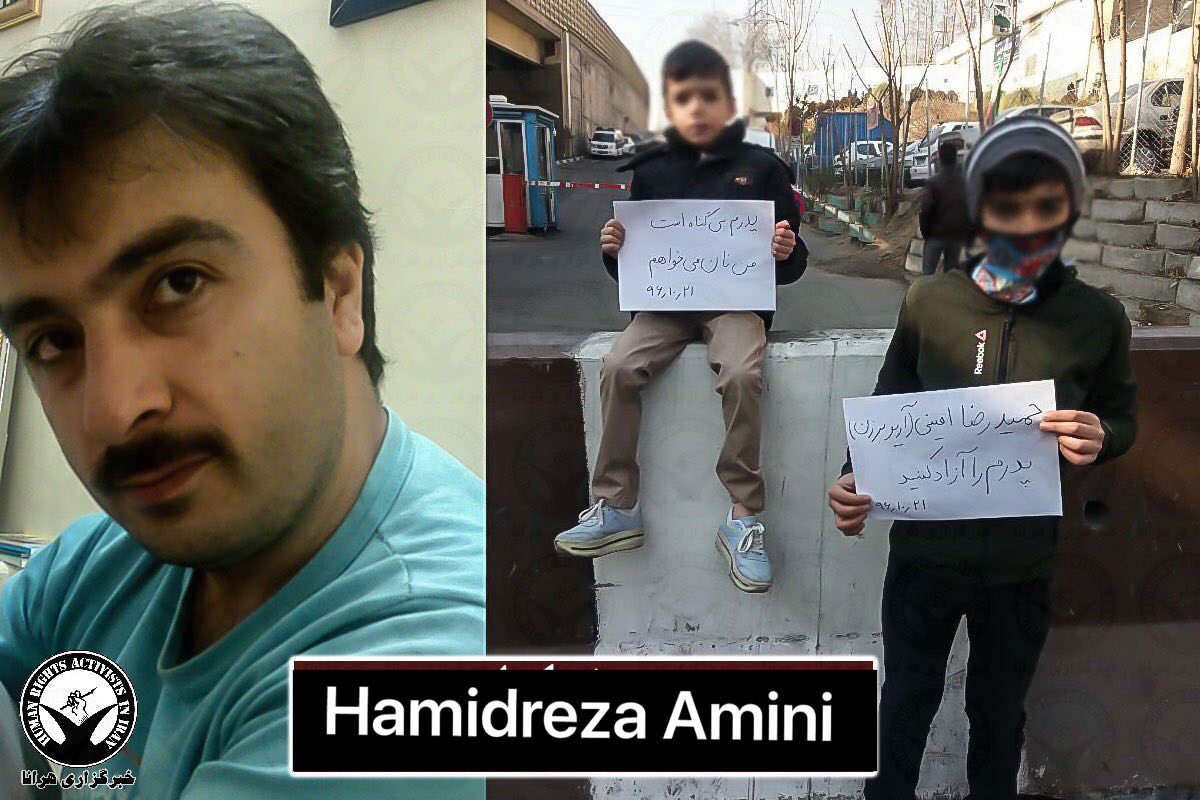
Human Rights Activists News Agency (HRANA) – Tehran Revolutionary Court Branch 15 ruled October 3rd to sentence Telegram channel administrator and current prisoner Hamidreza Amini to eleven more years in prison. Judge Salavati presided over the hearing, and Amini’s lawyer was present.

Amini has been detained since December of last year on charges of “disseminating lies”, “blasphemy” and “insulting high-ranking officials of the Islamic Republic.”

An informed source updated HRANA on Amini’s fate as of yesterday’s trial: five years in prison for charges of “assembly and collusion against national security,” one year in prison for ”propaganda against the regime,” and two years in prison for “insulting the supreme leader.” He was acquitted of “insulting the prophet.”

The “insulting the prophet” charge was previously deliberated in August of this year in Tehran Criminal Court Branch 9, presided by Judge Kashkuli. HRANA previously reported on the court hearing, which tried Amini for both “insulting the prophet” and “blasphemy.” Amini’s lawyer Mohammad Hossein Aghasi correctly predicted at the time that the former charge would be dropped.

Earlier, in June, HRANA reported on the postponement of hearing that had been scheduled to try Amini for “insulting the supreme leader and high-ranking officials” in Branch 15 of Tehran Revolutionary Court. The session, which would have been presided by Judge Salvati, was postponed pursuant to Article 48 of Islamic Penal Code, which grants defendants more time to select their attorney.

On May 30th, Amini was ordered to pay a fine of 40 million IRR [approximately $400 USD] by Branch 57 of a new court focused on media crimes. He was charged with “spreading misinformation with intent to disturb the public mind.” His lawyer explained to HRANA that his client was charged pursuant to Article 18 of the Computer Crime Code.

Amini has been detained in Evin Prison since December 2, 2017. It has yet to be determined if his prison sentences could be reduced with the application of Article 134 of the code, which limits defendants’ prison terms to the longest among their multiple sentences.

Subscribe to Our Newsletter

Now is definitely not the time to stop reading!

Court Compounds Prison Sentence of Afrin Battle Detainees

Human Rights Activists News Agency (HRANA)- The 11-year prison sentences of Afrin Battle detainees Rahim Mahmoudi Azar and Mostafa Ghader Zeinab were compounded Sunday, September 30th by an additional one-year prison term each, ruled in Branch 103 of the General Court of Urmia, on a charge of “crossing the border illegally.”
Both men were fighting among the ranks of a Kurdish military group in Afrin, Syrian Kurdistan earlier this year when they were wounded and extradited to Iran. A close source told HRANA that starting March 8, 2018, they were interrogated for five weeks straight, first for a week at Evin Detention Center and then for a month in Urmia’s Intelligence Office.
In July, Branch 3 of Urmia Revolutionary Court in northwestern Iran sentenced each of them to 11 years in prison for their opposition-group connections, which in court translated to charges of “membership in anti-regime groups,” “collusion and conspiracy,” and “propaganda against the regime.” The sentence was later upheld in appeals court.
A source close to both men previously told HRANA that Zeinab and Azar sustained their injuries during a Turkish offensive on Afrin. It was at the hospital in Aleppo, he said, that their legal troubles began to unfold: “Upon realizing their nationalities, Syrian authorities handed them over to Iran’s Islamic Revolutionary Guard Corps (IRGC).”
Both men have been denied the right to appoint lawyers of their choice and attended their court session with a public defender.
Azar is currently detained in Urmia. Zeinab is free on bail.

At Least 20 Detained in Series of Home Raids in Kohgiluyeh and Boyer-Ahmad Province

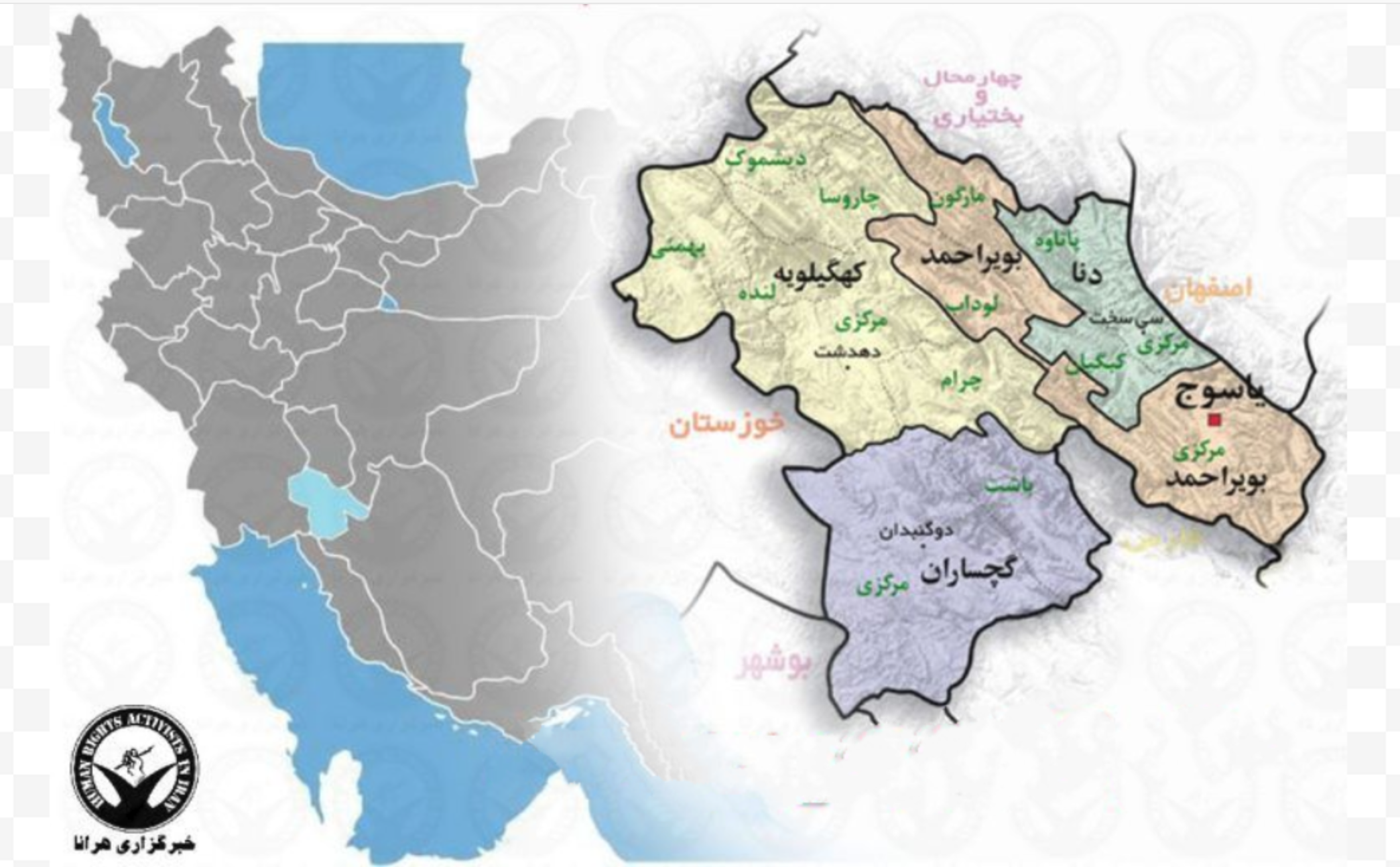
Human Rights Activists News Agency (HRANA) – Over the past few days, security forces transported at least 20 residents of Dehdasht, Suq, and Charam — cities in Kohgiluyeh and Boyer-Ahmad province — to an undisclosed location, for undisclosed reasons, and without producing an arrest warrant.

A local source told HRANA that Ministry of Intelligence Agents whisked away several local residents after completing unannounced searches of their homes. HRANA has so far been able to confirm the identities of four arrestees: Ali Sina Heidari, Zarir Hadipour, Farhang Khorshidi, and Persian literature teacher Bahram Sorkhabi (a.k.a. Poor Behzad).

A Dehdasht resident described the thickening of security forces across main transportation arteries of Dehsasht and Choram: “Agents of the Ministry of Intelligence, IRGC, and Basij have set up checkpoints along the main streets of the city, and along the roads leading to Souq, Yasuj, Behbahan, and Gachsaran.”

According to the Dehdasht source, the families of the 20 detained residents have thus far been met with silence from regional security and judicial authorities, who since the arrests of October 1st and 3rd have offered no information about their loved ones’ cases or well-being. “[The families] were threatened with prosecution if they publicly disclose information about the arrests,” the source said.

Kohgiluyeh and Boyer-Ahmad, a province of southwestern Iran, is comprised of Boyer-Ahmad (capital: Yasuj), Bahmai (capital: Likak), Dena (capital: Sisakht), Kohgiluyeh (capital: Dehdasht), Gachsaran (capital: Dogonbadan), Charam (capital: Charam), Basht (capital: Basht), and Landeh (capital: Landeh) counties.

HRANA will publish updates on this case as soon as they come available.

Appeals Court Upholds Conviction of Azerbaijani Activist

Human Rights Activists News Agency (HRANA) – The three-year prison sentence of Azerbaijani activist Hossein Ali Mohammadi Alvar has been upheld by Judge Bahloul Alizadeh of East Azerbaijan Province Appeals Court Branch 3. Mohammadi Alvar is a resident of Tabriz in northwestern Iran, home to the country’s Azerbaijani ethnic minority.
An informed source confirmed news of the appeals decision to HRANA and elaborated on Mohammadi Alvar’s charges: two years in prison for insulting the Supreme Leader, and one year in prison for propaganda against the regime.
The appeals verdict confirmed the initial sentence issued to Mohammadi Alvar in Branch 2 of Tabriz Revolutionary Court. The same appeals court upheld the same sentence on the same charges four years ago, in connection to a different case file initially tried in Tabriz Revolutionary Court Branch 3. Pursuant to the 2014 ruling, security agents apprehended Mohammadi Alvar March 1, 2015, transferring him to Tabriz Central Prison to begin serving his sentence.
Authorities began developing a rap sheet on Mohammadi Alvar on September 12, 2013, when he and Farzad Mahdavi were arrested by security agents at a match of the Tabriz-based soccer club “Tractor Sazi.” Both Mohammadi Alvar and Mahdavi spent a day in detention before posting bail and going free.
Two months later, on November 4th, 2013, Tabriz security agents would arrest Mohammadi Alvar a second time, along with his fellow Azerbaijani activist Taha Kermani. Mohammadi Alvar and Kermani spent nearly 6 months in Tabriz Central prison before being released on bail. The corollary 10-year prison sentence issued to Mohammadi Alvar and Kermani in Revolutionary Court Branch 3 was later reduced to 2 years in appeals court.
In July 2015, Amnesty International issued a statement expressing concern that Mohammadi Alvar and Kermani’s 10-year sentence was “unjustified” and “politically motivated.” Amnesty said the men were convicted on the basis of confessions extracted under torture, which constituted a violation of human rights. They urged authorities to order an impartial investigation of the men’s torture allegations, and that if the latter is proven true, to bring those responsible to justice.

At Least 3 Prisoners Hanged to Death in Rajai Shahr Prison of Karaj

Human Rights Activists News Agency (HRANA)- Early in the morning of October 3, 2018, at least three prisoners were hanged to death while seven others were granted temporary reprieve.

HRANA has confirmed the identities of those executed as Yasser Eslami and Mahmoud Akbari of Ward 1 and Omid Khosronejad of Ward 10. Eslami and Khosronejad, co-defendants in a murder case, spent four years in prison prior to their executions yesterday.

Mehdi Danesh from Ward 1 and Siroos Khodabandehlou from Ward 6 were among the seven prisoners whose execution was stayed.

HRANA previously reported on a mass transfer of prisoners to solitary confinement, the protocol for prisoners whose execution is imminent. All ten of the above prisoners were transferred to solitary cells on Sunday, September 30th.

By carrying out these hangings in silence, authorities — particularly the judiciary — demonstrate a continued pattern of obfuscation on the topic of prisoner sentencing and executions, in spite of their responsibilities of informing the public.

According to Amnesty International’s annual report, Iran ranks first in the world in executions per capita. An annual report published by the Center of Statistics at Human Rights Activists in Iran (HRAI) states that more than 60% of executions in Iran are not reported by the state or the Judiciary. These executions are referred to as “secret executions.”

According to registered data from 2,945 reports by the Statistics, Publications, and Achievements Division of HRAI, in the past year (from March 21, 2017, to March 18, 2018) at least 322 citizens were executed and 236 others were sentenced to death in Iran. Among these were the executions of four juvenile offenders and 23 public hangings.

Appeals Court Convenes for 11 January Protest Detainees

Human Rights Activist News Agency (HRANA) – On Wednesday, October 3rd, Branch One of Markazi Province Appeals Court convened to review the sentences of 11 defendants charged in relation to the nationwide protests that broke out in January of 2018.

Among the accused is attorney and human rights activist Mohammad Najafi, who stated that “economic problems” compelled him and his co-defendants to join the ranks of the January protestors. Najafi’s co-defendants are Ali Bagheri, Abbas Safari, Behzad Ali Bakhshi, Mohammad Yaghoubi, Yousef Shirilard, Neda Yousefi, Davoud Rahimi, Massoud Ajlou, Mohammad Torabi, and Kian Sadeghi.

Discovery into these protestors’ case file began March 13, 2018 in Branch One of Arak Investigation Court, by which point all 11 had already been interrogated by the Intelligence Office. Ten of the eleven were present during discovery, where an investigator deliberated on charges from disrupting the peace to gathering and conspiring. Though all of the accused were detained amid the protest site in Shazand city where all of them are residents, authorities inexplicably forwarded their case to the judicial office of Arak. All denied the charges brought against them.

Investigation court settled on a charge of “disrupting public peace through participating in an illegal gathering,” which according to HRANA reports incurred them one year of imprisonment and 74 lashings each, per the ruling of Judge Mohammad Reza Abdollahi in Arak Criminal Court No. 2, Branch 102.

Their sentence allows for detention time already served to be counted towards their pending prison terms, a particular boon to Najafi, Bagheri, Safari, and Sadeghi who received two additional years of prison time for “publishing lies with intent to disrupt the public mind.” Bagheri’s prison term was further compounded by another six months for “insulting a police chief in cyberspace.”

Independent of the January protests case file, Najafi, Bagheri, Safari, Ajilou, and Bakhshi all have individual cases pending in the Revolutionary Court of Arak.

Najafi was previously detained for inquiring into the death of civilian Vahid Heydari, who passed away while in custody of Arak authorities amid the January protests in Police Detention Center No. 12. While Iranian judicial authorities had claimed Heydari was a drug dealer who committed suicide during his detainment, Najafi’s field research, including interviews with Heydari’s family and friends, concluded that Heydari was a peddler with no criminal record; what’s more, his autopsy revealed no physical marks suspect for suicide. Buried under security supervision, Heydari had head injuries consistent with blunt-force trauma.

The court tried Najafi for his inquiries on June 9, 2018, in Arak Criminal Court No. 2, Branch 102. His hearing had previously been delayed due to the absence of the judge.

Tehran MP Mahmoud Sadeghi accused security authorities of fabricating the grounds for Najafi’s case, arguing that Najafi had simply proven that Heydari was not a drug dealer.

A large number of participants in recent protests, referred to as the January protests, were detained and interrogated across the country. The protests resulted in the death of 25 individuals and the detention of around five thousand.

Ministry of the Interior Abdolreza Rahmani Fazli previously stated that public demonstrations “turned violent” in 40 of the 100 cities where the January protests broke out.