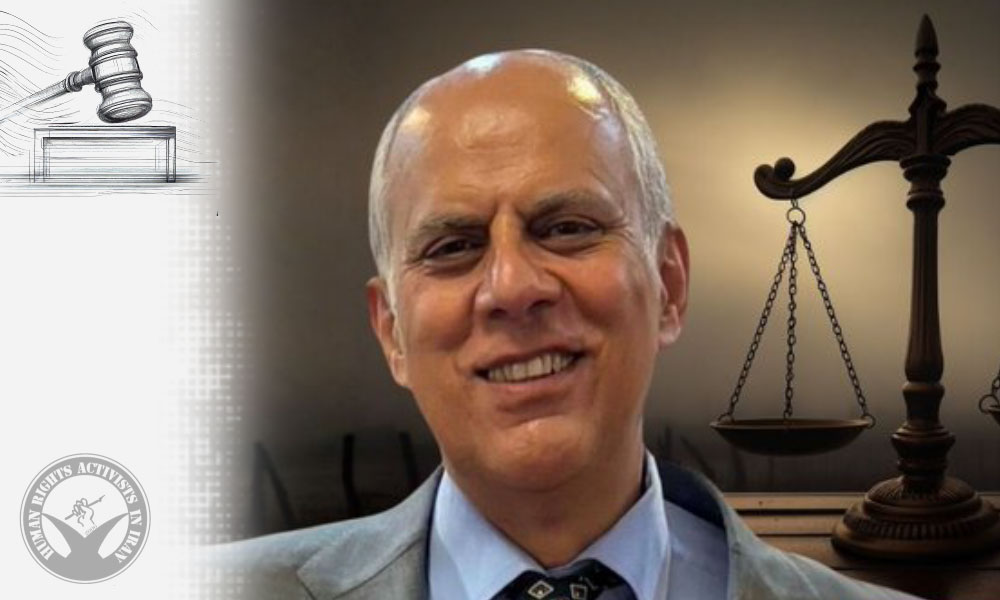
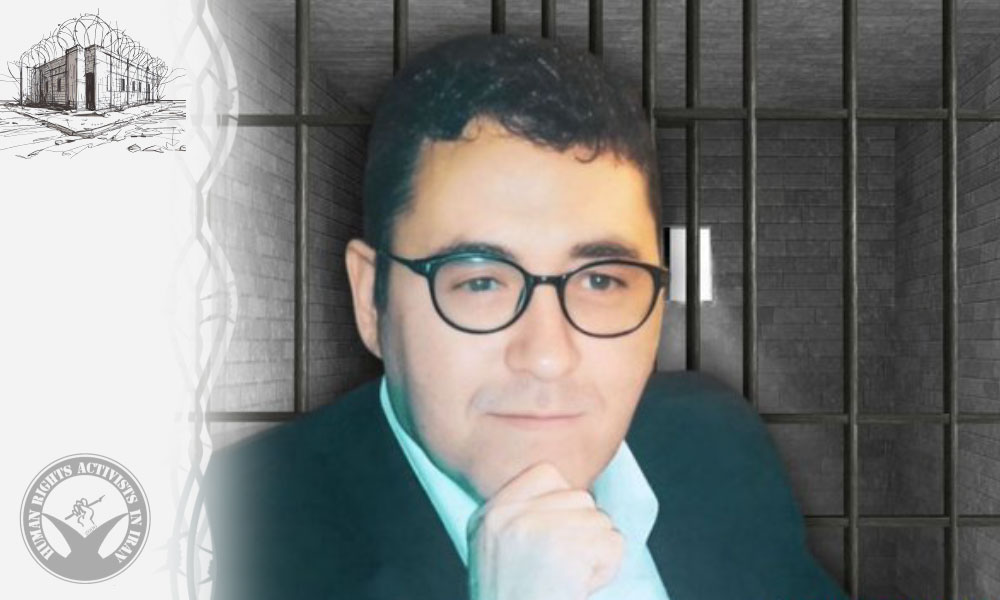
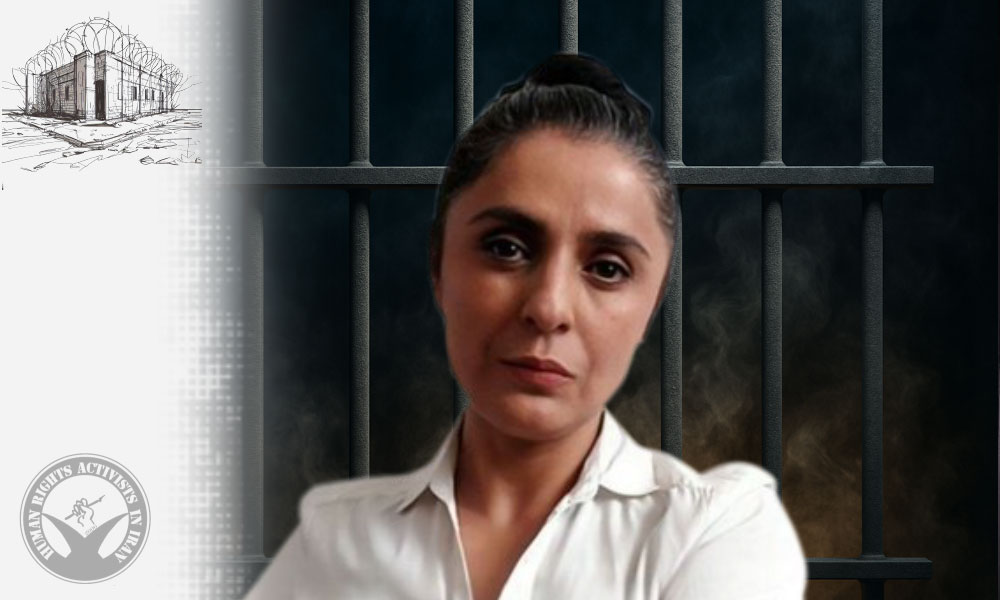
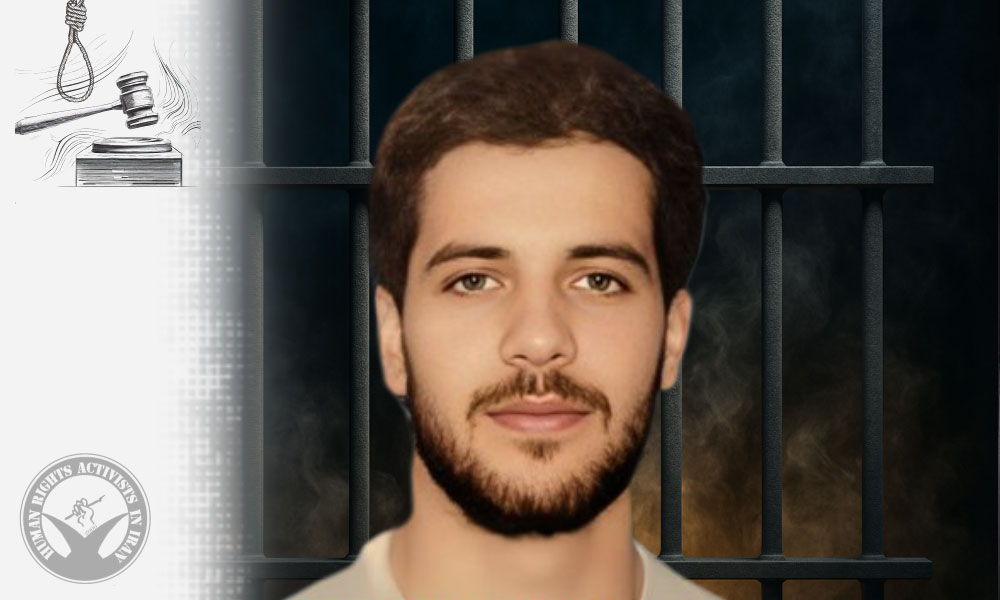
More than Two Decades Behind Bars, Prisoner Profiles – No. 3: Abdolemam Zaeri

HRANA – Many political and religious prisoners in Iran have endured over twenty years behind bars. To prevent their cases from fading from public memory in the flow of daily news, HRANA has launched a series of reports highlighting their situations. Each installment outlines the prisoner’s legal case, detention conditions, access to rights, and immediate needs.

In this installment, HRANA – the news arm of Human Rights Activists in Iran – reviews the current situation of Abdolemam Zaeri after two decades in prison.


Information Summary

• Name: Abdolemam Zaeri

• Year of Arrest: 2005

• Charges Announced: “Acting against national security, moharebeh (enmity against God), and corruption on earth”

• Initial Sentence: Life imprisonment

• Current Sentence: Life imprisonment

• Detention Facilities: Initially held in Karun Prison of Ahvaz; later transferred to Ward 5 of Sheiban Prison in Ahvaz, where he remains.

• Furlough/Access: No furlough reported in recent years; access to family and lawyer reported as limited.

• Current Status: Still serving a life sentence despite legal changes that could allow for review or reduction.

Case History and Judicial Process

Zaeri was arrested by security forces in 2005. Shortly after, Branch 1 of the Ahvaz Revolutionary Court sentenced him to life imprisonment on charges of “acting against national security, moharebeh, and corruption on earth.”

This life sentence placed him among prisoners with indefinite incarceration—effectively subjecting him to decades of confinement while restricting his access to review mechanisms.

Key Points:

• Severe security charges: The label moharebeh is one of the most severe charges in political-security cases in Iran and carries broad judicial and executive consequences.

• Continued imprisonment despite legal reforms: Although legal changes allow for retrials, sentence reductions, or parole in some cases, Zaeri has remained in prison.

Detention Conditions and Transfers

Over the course of his imprisonment, Zaeri has been held in Karun and Sheiban prisons in Ahvaz. He spent several years in Karun Prison before being transferred.

Reports from February 2019 and April 2024 indicate that he was beaten by prison guards and the intelligence protection unit of Sheiban Prison. He remains incarcerated in Sheiban.

Observations on Detention Standards

• Frequent transfers: Moving between wards and prisons can disrupt access to family, lawyers, and medical care.

• Exposure to violence: Documented beatings in 2019 and April 2024 highlight the need for independent monitoring and legal follow-up.

• Denial of medical care: Despite suffering from stomach bleeding, prostate inflammation, infection and bleeding in the left ear, and stomach ulcers, Zaeri has repeatedly been denied transfer to a hospital or access to specialized treatment. Prison authorities have obstructed care on various pretexts.
Denial of medical treatment is a violation of the fundamental right to health and can amount to inhumane treatment, even endangering life. It is often used as a tool of additional pressure and repression against prisoners.

Access to Family, Lawyer, and Furlough

Zaeri has not been granted furlough in recent years. His access to family visits and legal counsel has been restricted. These limitations, beyond their psychological and social toll, also undermine his ability to mount an effective defense or pursue retrial mechanisms.

Potential Legal Avenues (General Recommendations)

1. Retrial: Reviewing new evidence or substantive/procedural flaws in the ruling.

2. Sentence reduction or conversion: If legal conditions apply.

3. Parole or suspension: Based on time served, good conduct, health status, etc.

4. Pursuing violations of rights during detention: Including denial of medical care, exposure to violence, right to visits, and lawyer access.

5. International documentation and advocacy: Using reporting and human rights mechanisms if domestic avenues remain blocked.

Timeline Summary

• 2005: Arrest; charged with “acting against national security, moharebeh, and corruption on earth.”

• Initial ruling: Life imprisonment.

• Following years: Held in Karun Prison, Ahvaz.

• Feb 2019: Reported beating in Sheiban Prison, Ahvaz.

• Apr 2024: Reported beating in Ward 5, Sheiban Prison.

• Recent years: No furlough, denied medical care, restricted family and lawyer access.

• Present status: Still serving life imprisonment despite legal reforms that could allow review.

Summary and Importance of Review

Despite legal changes enabling retrial, sentence reduction, or release for those convicted of moharebeh, Zaeri remains imprisoned.

His case exemplifies the plight of political-security prisoners serving long sentences in Iran. Reviewing such cases is a critical step toward justice and securing their rights.

Zaeri’s file highlights both the deprivation of fundamental rights during incarceration (such as furlough, visitation, and legal access) and the urgent need to utilize all domestic and international mechanisms to seek case review and sentence reduction.

Urgent Needs

Unrestricted and regular access to lawyer and family.

Independent medical evaluation, especially regarding reported beatings and chronic conditions.

Assessment of eligibility for retrial or sentence reduction under updated regulations.

Enforcement of prison regulations on calls, visits, and furloughs.

Access to adequate medical services and treatment.

About This Series

This report is part of the “Two Decades Behind Bars” series, which aims to document the cases of long-term prisoners and to highlight the collective responsibility to ensure their visibility and pursue their rights.

More than Two Decades Behind Bars, Introducing Prisoners – No. 2: Hamzeh Sawari

HRANA – A large number of political prisoners and the prisoners of conscience have spent more than two decades of their lives in Iran’s prisons. To ensure their names are not forgotten amid daily news cycles, HRANA is publishing a series introducing these prisoners and their conditions. Each report reviews their judicial case, detention situation, access rights, and urgent needs.

In this report, HRANA, the news agency of Human Rights Activists in Iran, examines the latest situation of Hamzeh Sawari Laftah after two decades of imprisonment.


Information Summary

• Name: Hamzeh Savari Leftah

• Year of Arrest: 2005 (1384 SH)

• Charges Announced: “Corruption on Earth (efsad fel-arz), moharebeh (enmity against God), and acting against national security”

• Initial Sentence:
Death penalty

• Current Sentence:
Life imprisonment (reduced by one degree)

• Places of Detention:
Three months in Sheiban Prison (Ahvaz), eight years in Karun Prison (Ahvaz), transferred to Rajai Shahr Prison (Karaj) until 2023, held in Ward 8 of Evin Prison in August 2023, transferred to Ghezel Hesar Prison (Karaj) in September 2023 where he remains.

• Leave/Access:
No furlough reported in recent years; limited access to family and lawyer.

• Current Status:
Still serving a life sentence despite legal changes that could allow for review or reduction.

Case History and Judicial Process

On September 2, 2005, at the age of just sixteen, Hamzeh Sawari was arrested by security forces. He was sentenced to death by the Ahvaz Revolutionary Court on charges of “corruption on Earth, moharebeh, and acting against national security.” The sentence was later commuted to life imprisonment. While this change prevented the implementation of the death penalty, it placed him among those condemned to indefinite imprisonment – effectively a punishment that can last for decades and severely limits the possibility of judicial review.

Key points in the process:

• Heavy security charge: The label of “moharebeh” is among the most severe accusations in Iran’s political-security cases, carrying extensive judicial and executive consequences.

• Sentence reduction: The initial death penalty, later converted to life imprisonment, illustrates both the severity of the charges and the possibility of judicial intervention, but does not necessarily mean injustices in the process were remedied.

• Ongoing imprisonment despite legal changes: Although legal reforms could allow for retrial, reduced sentences, or conditional release, Sawari remains in prison.

Detention Conditions and Transfers

Throughout his imprisonment, Hamzeh Savari has been held in multiple prisons: eight years in Karun Prison (Ahvaz), three months in Sheiban Prison (Ahvaz), then transferred to Rajai Shahr Prison (Karaj). In 2014, he was held in Hall 12 of Rajai Shahr, and in 2017 he was violently moved to Ward 10 (Unit 4) of the same prison.

In August 2023, he was transferred to Ward 8 of Evin Prison, but after one month, he was moved to the security unit (Ward 3) of Ghezel Hesar Prison (Karaj). He staged a hunger strike in protest of these transfers and spent some time in solitary confinement. He has remained in Ghezel Hesar since then.

Observations Related to Detention Standards

• Frequent transfers: Repeated relocations between wards and prisons disrupt access to family, legal counsel, and medical care.

• Solitary confinement as punishment: After arrest, Sawari spent nine months in solitary confinement in The Ministry of Intelligence’s detention facilities in Ahvaz and Shiraz. He was repeatedly placed in solitary confinement during his years in Karun Prison. He was again sent to solitary in 2017 after protesting his transfer to Ward 10 of Rajai Shahr, in September 2023 after objecting to being moved from Evin to Ghezel Hesar, and once more in August 2025. Such practices conflict with international standards, where solitary confinement must be exceptional, limited, and supervised.

• Exposure to violence in prison: Reports document physical and verbal abuse during his eight years in Karun Prison. In August 2017, he was beaten after being moved from Hall 12 to Ward 10 of Rajai Shahr. In September 2023, he was subjected to violence during his forced transfer from Evin to Ghezel Hesar. In August 2025, following his protest against the transfer of political prisoner Saeed Masouri to Zahedan Prison and the executions of Behrouz Ehsani Eslamloo and Mehdi Hassani, he and several other prisoners were beaten by Ghezel Hesar’s special guard unit. These incidents underscore the need for independent documentation and legal follow-up.

• Deprivation of medical care: Despite suffering from heart disease, lung inflammation, a torn cruciate ligament in his right knee with severe Baker’s cyst, chronic stomach pain, cervical arthritis, and needing spinal surgery, Sawari has been consistently denied hospital transfers and specialist treatment. Denying prisoners access to medical care constitutes inhuman treatment and violates both the right to health and the right to life, often used as a tool of pressure and suppression.

Access to Family, Lawyer, and Leave

In recent years, Sawari has not been granted furlough, and his access to family and lawyer remains limited. These restrictions not only harm his social and psychological well-being but also undermine his ability to mount an effective defense and pursue retrial options.

Potential Legal Avenues (General Recommendations)

1. Retrial (E’adeye Dadrasi): Assessing new evidence or substantive/procedural flaws.

2. Sentence reduction/commutation: If legal grounds are available.

3. Conditional release/suspension: Evaluating eligibility based on time served, conduct, and health.

4. Pursuing rights violations during imprisonment: Including denial of medical care, exposure to violence, lack of visitation, and restricted access to legal counsel.

5. International documentation and advocacy: Turning to human rights mechanisms if domestic remedies are blocked.

Timeline Summary

• 2005 (1384): Arrested at age 16 on charges of “corruption on Earth, moharebeh, and acting against national security.”

• Initial Sentence: Death penalty, later commuted to life imprisonment.

• Post-conviction: Eight years in Karun Prison.

• 2014 (1393): Held in Hall 12 of Rajai Shahr Prison (Karaj).

• 2017 (1396): Beaten; transferred to Ward 10 of Rajai Shahr.

• August 2023 (Mordad 1402): Transferred to Ward 8 of Evin Prison.

• September 2023 (Shahrivar 1402): Violently transferred to Ghezel Hesar; solitary confinement.

• August 2025 (Mordad 1404): Beaten and placed in solitary again in Ghezel Hesar.

• Recent years: No furlough, denied medical care, restricted family and lawyer visits.

• Current status: Life sentence continues despite legal reforms that could allow for review.

Conclusion and Importance of Review

Despite legal changes enabling retrial, reduced sentences, or conditional release for those convicted of moharebeh, Hamzeh Sowari remains imprisoned. His case exemplifies the situation of long-term political-security prisoners in Iran whose cases require urgent review.

It highlights both the denial of fundamental rights during imprisonment (furlough, visits, legal counsel) and the necessity of using all possible domestic and international legal mechanisms to reduce sentences and secure release.

Urgent Needs

Regular and non-discriminatory access to family and lawyer.

Independent medical evaluation in cases of alleged abuse or long-term conditions.

Examination of the possibility of retrial or other mechanisms for reducing/suspending the sentence under updated laws.

Enforcement of prison regulations regarding contact, visitation, and furlough.

Access to adequate medical care and treatment.

About this Series

This report is part of the “More than Two Decades behind Bars” series, which aims to document the cases of long-term prisoners and to highlight the collective responsibility to ensure their visibility and pursue their rights.

Lawyer Abolfazl Ranjbari Held Without Charge for Over Four Months in Tabriz Prison

Abolfazl Ranjbari, a lawyer, has been in detention for more than four months and remains held in an uncertain state in Tabriz Prison.

According to HRANA, Abolfazl Ranjbari has now been detained for 138 days. A source close to the prisoner’s family told HRANA: “After two months of interrogation and being held in The Ministry of Intelligence’s detention facility in Tabriz, Mr. Ranjbari was transferred to the quarantine ward of Tabriz Prison. He is now held in Ward 5, known as the secure ward (‘Health Ward’), without a clear status. So far, no opportunity has been given for him to post bail. Mr. Ranjbari has also been denied contact and visits with his family and relatives.”

His case, after being reviewed by the Tabriz Public and Revolutionary Prosecutor’s Office, has been sent to the city’s court for trial.

Abolfazl Ranjbari, lawyer and writer, was arrested by security forces in Tabriz on May 4 of this year.

More than Two Decades Behind Bars, Prisoner Profiles – No. 1: Saeed Shah-Ghaleh

HRANA – A large number of political prisoners and the prisoners of conscience have spent more than two decades of their lives in Iran’s prisons. To ensure their names are not forgotten amid daily news cycles, HRANA is publishing a series introducing these prisoners and their conditions. Each report reviews their judicial case, detention situation, access rights, and urgent needs.

In this report, HRANA, the news agency of Human Rights Activists in Iran, examines the latest situation of Saeed Shah Ghaleh after two decades of imprisonment.

Information Card

• Name: Saeed Shah-Ghaleh

• Year of Arrest: 2000

• Stated Charge: “Moharebeh (enmity against God) through cooperation with the People’s Mojahedin Organization of Iran (PMOI)”

• Initial Sentence: Death penalty

• Current Sentence: Life imprisonment (reduced by one degree)

• Places of Detention: Ward 350 of Evin Prison (until 2008); Ward 240 (temporary solitary, 2008); Mahshahr Prison (from 2008); transferred from Bushehr Prison to Ward 4 of Qom Prison (since 2022 to present)

• Leave/Access: No furlough reported in recent years; access to family and lawyer reported as limited

• Current Status: Still serving a life sentence despite legal changes that could enable review or reduction of his case

Case History and Judicial Process

Saeed Shah-Ghalehwas arrested in 2000 and sentenced to death by a criminal court on the charge of “Moharebeh through cooperation with the PMOI.” His sentence was later commuted to life imprisonment. While this spared him from execution, it effectively placed him among those serving indefinite terms, making legal review or reduction of his sentence extremely difficult.

Key points in the case:

• Heavy security charge: The label of Moharebeh is one of the gravest charges in Iran’s political-security cases, with severe judicial and practical consequences.

• Commuted sentence: The shift from a death sentence to life imprisonment reflects both the weight of the charge and later judicial intervention, but does not necessarily resolve underlying injustices in the proceedings.

• Continued imprisonment despite legal changes: Even though legal reforms allow for retrial, sentence reduction, or parole in some Moharebeh cases, Shahghaleh remains incarcerated.

Detention Conditions and Transfers

Throughout his imprisonment, Shah-Ghaleh has been held in multiple facilities. He was initially kept in Ward 350 of Evin Prison. In 2008, he was beaten by prison guards and transferred to solitary confinement in Ward 240 for a period. Later that year, he was moved to Mahshahr Prison. After making a coerced confession in 2022 to severing ties with the PMOI, he was transferred from Bushehr Prison to Ward 4 of Qom Prison, where he remains.

Observations on Detention Standards

• Frequent transfers: Moving prisoners between facilities disrupts family visits, legal access, and healthcare.

• Solitary confinement as punishment: His transfer to Ward 240 in 2008 shows solitary was used punitively, in contrast to international standards that limit it to exceptional cases.

• Exposure to violence: Reports document that he was beaten in 2008 and subjected to psychological pressure that led to his forced confession in 2022. Such incidents highlight the urgent need for independent documentation and legal accountability.

Access to Family, Lawyer, and Furlough

In recent years, Shah-Ghaleh has not been granted furlough. His access to his family and lawyer has been restricted, limiting not only his social and psychological well-being but also his ability to mount an effective legal defense or pursue retrial.

Potential Legal Avenues (General Recommendations)

1. Retrial: Examine new evidence or substantive/procedural flaws in the verdict.

2. Sentence reduction/commutation: Pursue legal grounds for mitigation.

3. Parole or suspension of sentence: Assess eligibility based on time served, good conduct, or health conditions.

4. Addressing prison rights violations: Including access to healthcare, prohibition of violence, regular visitation rights, and continuous access to legal counsel.

International advocacy and documentation: Where domestic remedies are blocked, use international human rights mechanisms.

Timeline Summary

• 2000: Arrested; charged with “Moharebeh through cooperation with PMOI.”

• Initial Sentence: Death penalty → commuted to life imprisonment.

• Until 2008: Held in Ward 350, Evin Prison.

• 2008: Reported beating; transferred to solitary in Ward 240; later sent to Mahshahr Prison.

• 2022: Transferred from Bushehr Prison to Ward 4, Qom Prison.

• Recent years: No furlough; limited access to family and lawyer.

• Present: Still serving life sentence despite legal reforms that could allow review.

Conclusion and Importance of Review

Despite legal reforms that provide for retrials, mitigation, or release in Moharebeh cases, Mr. Shah-Ghaleh remains imprisoned. His case exemplifies the plight of long-term political-security prisoners in Iran and underscores the importance of pursuing all legal avenues – domestic and international – for review and reduction of such sentences.

Urgent Needs

• Regular and non-discriminatory access to lawyer and family

• Independent medical evaluation in light of reports of beatings and long-term effects

• Review of possibilities for retrial or other mechanisms for reduction/suspension of sentence under current laws

• Guarantee of compliance with prison regulations on calls, visits, and furlough

About This Series

This report is part of the “Two Decades Behind Bars” series, which aims to document the cases of long-term prisoners and to highlight the collective responsibility to ensure their visibility and pursue their rights.

80-Year-Old Former Political Prisoner Held 50 Days in Solitary in Qom

HRANA – Mohammad Banazadeh Amirkhizi, a former political prisoner, remains held in solitary confinement at the Ministry of Intelligence’s detention facility in Qom, fifty days after his arrest, without any clear legal status. The 80-year-old, who suffers from multiple health conditions, is also being denied adequate medical care.

A source familiar with his situation told HRANA: “Despite fifty days having passed since his arrest, Mr. Banazadeh is still being held in solitary confinement at the Ministry of Intelligence’s detention facility in Qom without clarification of his legal status. He suffers from diabetes, prostate cancer, heart disease, and a torn knee meniscus, yet has been denied medical treatment. In recent days, a sharp increase in his blood sugar levels has caused him serious health problems.”

Mr. Banazadeh was arrested on Monday, July 28, at his home in Tehran by security forces and transferred to the Ministry of Intelligence’s detention facility in Qom.

Mohammad Banazadeh Amirkhizi, 80, a resident of Tehran, has previously served prison sentences due to his political activities.

Subscribe to Our Newsletter

Now is definitely not the time to stop reading!

Continued Detention of Six Teenagers in Sanandaj

HRANA – Six 17-year-old teenagers from Kamyaran remain in detention in Sanandaj, held without clear legal status.

According to Kolbar News, on Sunday, September 14, 2025, Kawan Sabouri, Uraz Zamani, Behrouz Rashidi, Soran Mozaffari, and Payam Hosseini were transferred from the Kamyaran Ministry of Intelligence detention facility to the IRGC Intelligence Detention Facility in Sanandaj (Shahramfar) for interrogation. Ehsan Sabouri was transferred to the Juvenile Correction and Rehabilitation Center in Sanandaj.

The families of the teenagers report that security forces have refused to provide any information regarding the reasons for the arrests or the charges brought against them.

Ehsan Sabouri and Kawan Sabouri were arrested on September 11, while Payam Hosseini was detained a day earlier, on September 10, by security forces in Kamyaran. Uraz Zamani, Behrouz Rashidi, and Soran Mozaffari had been arrested earlier on September 7 in the same city.

It is noteworthy that Soran Mozaffari suffers from diabetes and requires continuous medical supervision and regular insulin injections to manage his condition.

After Retrial; Political Prisoner Naser Bakrzadeh Sentenced to Death for the Second Time

HRANA – Naser Bakrzadeh, a political prisoner held in Urmia Prison, has been sentenced to death for the second time by Branch Two of the Revolutionary Court of Urmia. He had previously received a death sentence from Branch Three of the Revolutionary Court of Urmia, which was overturned by the Supreme Court and referred to another branch for retrial.

Based on the ruling recently issued by Branch Two of the Revolutionary Court of Urmia, presided over by Judge Shahini, Mr. Bakrzadeh has been sentenced to death on charges of espionage for Israel.

In November 2024, he had initially been sentenced to death by Branch Three of the Revolutionary Court of Urmia on charges of “espionage for Israel and collaboration with Mossad intelligence services.” That ruling was overturned by the Supreme Court in April 2025, which referred the case to another branch for reconsideration.

Naser Bakrzadeh, about 26 years old, was arrested in January 2024. He was held for a period in the IRGC’s intelligence detention facility in Urmia, where he was subjected to interrogation. According to a source close to his family, this process involved violations of his basic rights, including being denied contact and visits with his family.

British Couple Held in Harsh Conditions in Iran

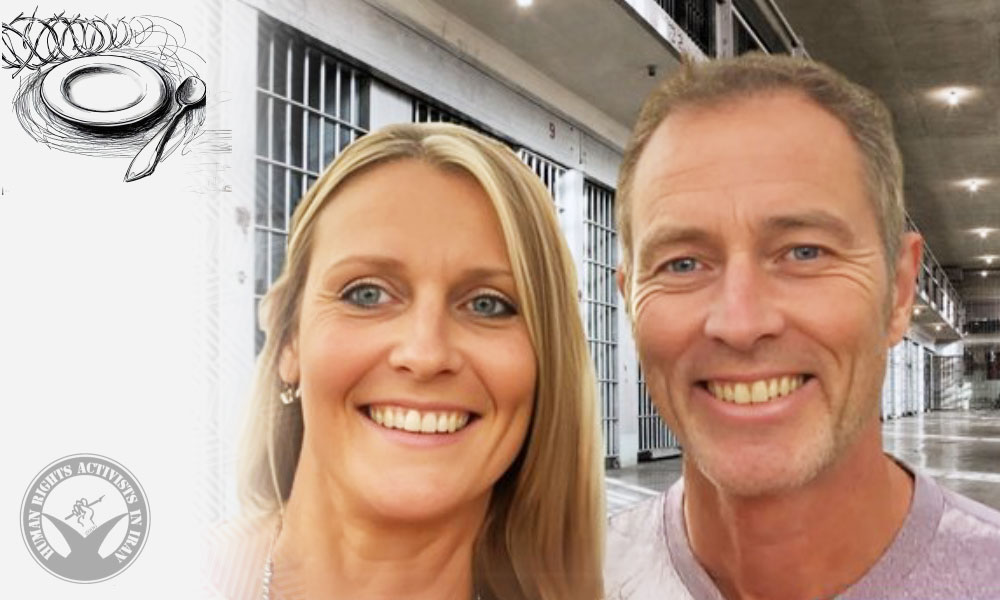
HRANA – Craig and Lindsay Foreman, two British nationals, have been detained in Iran since December of last year and remain in a state of limbo. According to their family, the couple continue to endure harsh and inhumane prison conditions. Their son has expressed deep concern for their health and well-being, calling on the UK government to take urgent action to secure their release.

According to HRANA, citing BBC World, Joe Bent, the son of Lindsay and Craig Foreman, stated that his parents remain in poor conditions in Iranian prisons.

The couple, from East Sussex, were on a global motorcycle trip when they were arrested by security forces in Iran in December 2024 and charged with espionage—an accusation their family rejects.

In a statement issued by the family, it was reported that Mr. Foreman is being held in a small room with 57 other prisoners. Their sleeping arrangements consist of triple bunks without mattresses, inadequate ventilation, poor food, and little access to fresh air. He is also suffering from pain caused by untreated dental problems. According to the report, the UK Foreign Office has managed to deposit money into his account so that he can purchase essential supplies. Meanwhile, Mrs. Foreman is being held in a 140-square-meter space with about 70 other women. Her family reports that she has to endure extreme heat, frequent power cuts, insufficient food, and sleep on a metal bed that has caused chronic back pain.

During a meeting with the British ambassador in Tehran, Mrs. Foreman requested a transfer to another prison to be closer to her husband. She has also been allowed to maintain regular phone contact with him and meet with him once a week.

Their son, Joe Bent, said: “My parents’ resilience is admirable, but that does not make their situation acceptable. Their dignity is currently being violated, and we call on the government to take urgent steps to improve their conditions and maintain family contact.”

A spokesperson for the UK Foreign Office also reacted to this report, stating: “We are deeply concerned about the espionage charges against two British citizens and have raised this matter directly with Iranian officials. We continue to provide consular assistance to them and remain in close contact with their family.”

The two British nationals, who had entered Iran during their global motorcycle journey, were arrested in December last year by the IRGC Intelligence Organization in Kerman. Judicial officials charged them with “espionage,” alleging that the couple, under the guise of tourism and research activities, had collected information across several provinces.

The then-British ambassador to Iran also met with the couple in Kerman’s prosecutor’s office in February of the same year.

In recent years, Iranian authorities have arrested several foreign nationals on charges such as espionage or collaboration with hostile governments. Some detainees have been released after a period of imprisonment following political negotiations. Human rights organizations and some Western governments have accused Iran of using such arrests as a tool of political pressure, but Iranian officials have consistently denied these allegations.

Omid Fathi on Hunger Strike in Vakilabad Prison, Mashhad

HRANA – Political prisoner Omid Fathi has gone on hunger strike in Vakilabad Prison, Mashhad, in protest against his poor detention conditions and the authorities’ failure to uphold the principle of separation of crimes.

A source close to his family confirmed the news to HRANA, explaining: “Mr. Fathi was recently transferred to Ward 103 of Vakilabad Prison by order of the prison’s internal management and security. He has been denied separation of crimes, and his detention conditions are harsh, particularly as he suffers from health problems, including a herniated disc. In protest against this situation, he began his hunger strike on Thursday, September 4.”

In June, Branch 1 of the Revolutionary Court of Mashhad sentenced Fathi to a fine of 50 million tomans in lieu of six months in prison. Unable to pay the fine, he was subsequently arrested and transferred to Vakilabad Prison.

Fathi, a resident of Mashhad, has previously been targeted by security authorities in connection with his activities.

HRANA’s data from the past decade shows that during this ten-year period, over 2,050 political prisoners and prisoners of conscience in Iran prisons have been forced to go on hunger strike in protest of various abuses—including prolonged detention, being held in legal limbo, unfair trials, poor prison conditions, and being held in solitary confinement or alongside inmates convicted of violent crimes.

Attorney Hesam Pourahmadi Held in Solitary Confinement

HRANA – Attorney Hesam Pourahmadi has been held by security forces for a week and remains in solitary confinement at Lakan Prison in Rasht without due process.

Based on information obtained by HRANA, Mr. Pourahmadi was arrested by security forces a week ago and is currently held in solitary confinement in the “Misagh” ward of Lakan Prison in Rasht.

A source close to this attorney confirmed the news to HRANA, stating: “After Hesam Pourahmadi was arrested, his Instagram account was inspected by agents. The agents then claimed that in private messages to several people, he had expressed critical views against the regime, and they considered this the reason for his arrest.”

Hesam Pourahmadi is a member of the Gilan Bar Association.