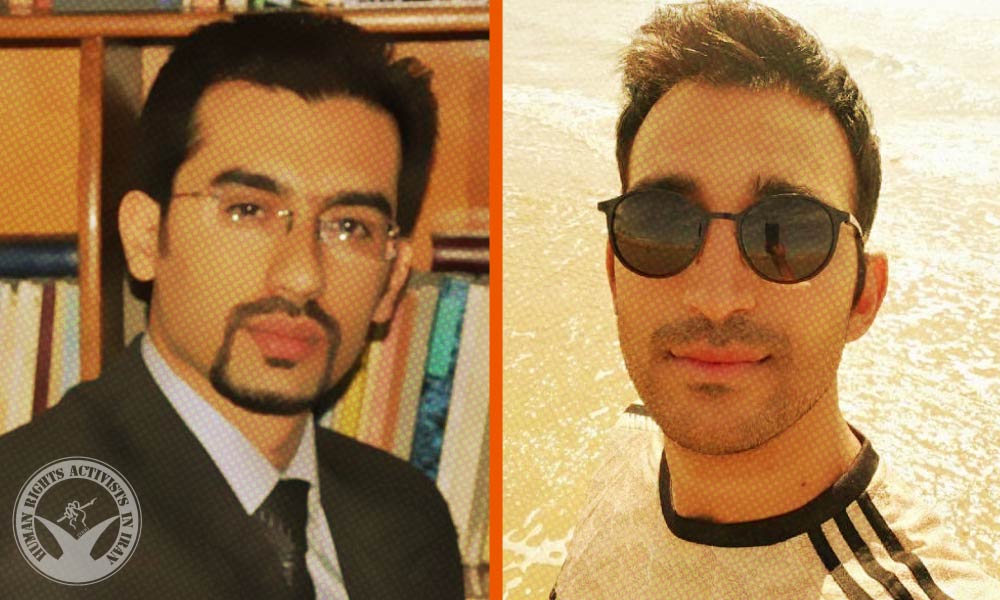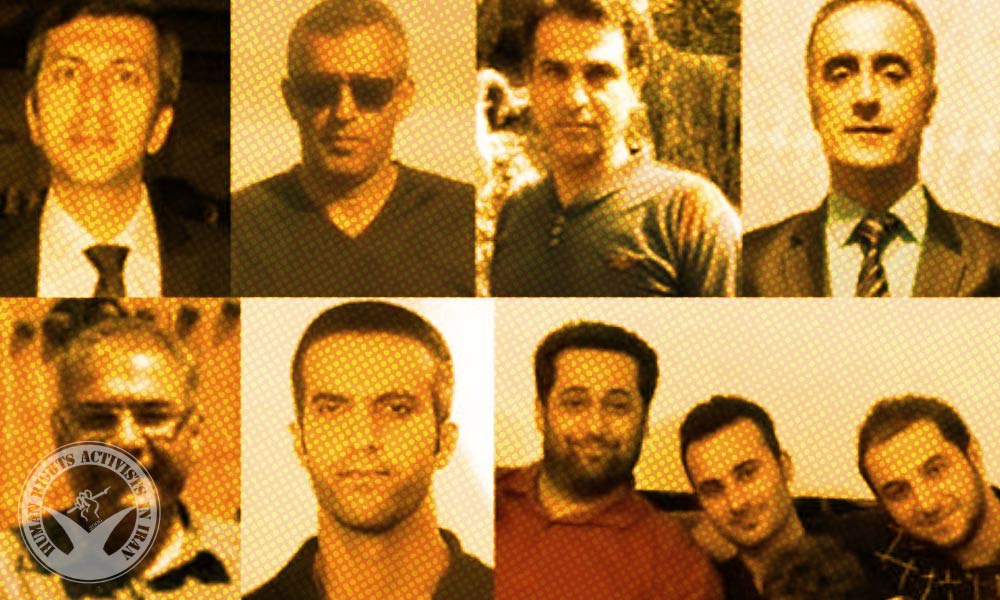
Seven Baha’i Citizens Barred from Continuing Education

Seven citizens who attended this year’s national university entrance exam were barred from access to education because they were Baha’is.

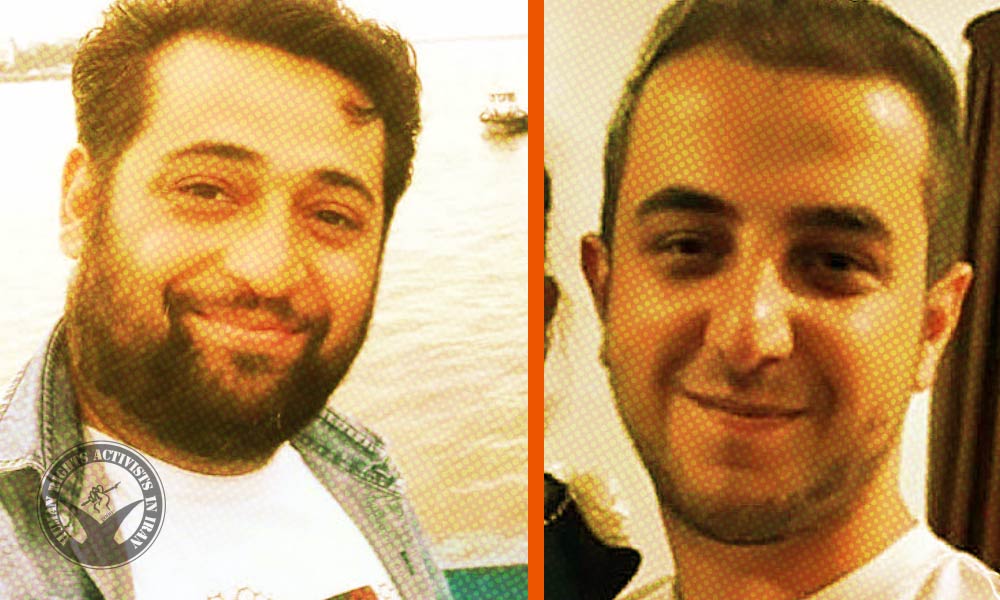
According to HRANA, the news agency of Human Rights Activists, the citizens have been identified as Nasim Shahriari Zavareh, Mahsa Forouhari, Elena Gholizadeh Roshankoohi, Nora Nabipour Klankari, Parsa Charkhand, Mesbah Misaghi, and Forouzan Nikukar.

Every year, numerous reports indicate that Baha’is are being barred from continuing their studies at Iranian universities. Students are even sometimes dismissed from universities while on the verge of graduation if administration learns that the student is a Baha’i.

According to an informed source, when Ms. Shahriari contacted to follow up on this issue, she was told that the Ministry of Intelligence had given them her record.

She was also asked questions about her religious beliefs, and was told, “If you insist that you are a Baha’i, your problem will probably not be solved at all.”

Despite the explicit wording in the constitution in which the right to education is a fundamental right, according to a resolution of the Supreme Council of the Cultural Revolution of Iran, Baha’is are barred from university education, besides being barred from holding public office.

According to unofficial sources, it is estimated that more than 300,000 Baha’is live in Iran, but the Iranian constitution recognizes only Islam, Christianity, Judaism, and Zoroastrianism. Because their faith is not considered legitimate by authorities, the rights of Baha’is in Iran have been systematically violated for years.

This deprivation of the freedom to practice their religion is a breach of Article 18 of the Universal Declaration of Human Rights, and Article 18 of the International Covenant on Civil and Political Rights. The United Nations covenant holds that every person has the right to freedom of religion, freedom of converting religion, as well as freedom of expression, individually or collectively; openly or secretly.

Baha’i Citizens Soroush Abadi and Kiana Shoaei Sentenced to Imprisonment

Baha’i citizens Soroush Abadi and Kiana Shoaei, both residents of Shiraz, were sentenced to imprisonment and banned from leaving the country.

According to HRANA, the news agency of Human Rights Activists, Branch 1 of the Revolutionary Court of Shiraz, presided by Judges Mahmoud Sadati sentenced Mr. Abadi, and Ms. Shoaei each one to 31 months and 16 days in prison and a 2-year ban from leaving the country on the charge of membership in anti-regime groups with the intention of disrupting country’s security, and to Seven months and 16 days in prison on the charge of propaganda activities against the regime in cyberspace.

If the sentences are upheld by the appeal court, after the application of Article 134 of the Islamic Penal Code, the most severe punishment of 31 months and 16 days of imprisonment will apply to Mr. Abadi and Ms. Shoaei.

Ms. Shoaei’s 5 years imprisonment sentence will be reduced to 30 months, but she will have to check in and report her presence to the Shiraz Intelligence Office every month. Kiana Shoaei and Soroush Abadi, along with Farzan Masoumi, were arrested by Ministry of Intelligence agents in October 2019.

According to unofficial sources, it is estimated that more than 300,000 Baha’is live in Iran, but the Iranian constitution recognizes only Islam, Christianity, Judaism, and Zoroastrianism. Because their faith is not considered legitimate by authorities, the rights of Baha’is in Iran have been systematically violated for years.

This deprivation of the freedom to practice their religion is a breach of Article 18 of the Universal Declaration of Human Rights, and Article 18 of the International Covenant on Civil and Political Rights. The United Nations covenant holds that every person has the right to freedom of religion, freedom of converting religion, as well as freedom of expression, individually or collectively; openly or secretly.

Baha’i Citizens Moin Misaghi and Negareh Ghaderi Arrested in Shiraz

On Wednesday, September 22, Baha’i citizens Moin Misaghi and Negareh Ghaderi, both natives of Shiraz, were arrested by security forces and taken to an unknown location.

According to HRANA, the news agency of Human Rights Activists, security forces searched the homes of the citizens and confiscated a number of their belongings during the arrest.

Security forces also visited the home of Hayedeh Mosallanejad, another Baha’i citizen, to arrest her but she was not detained as she was not home.

According to unofficial sources, it is estimated that more than 300,000 Baha’is live in Iran, but the Iranian constitution recognizes only Islam, Christianity, Judaism, and Zoroastrianism. Because their faith is not considered legitimate by authorities, the rights of Baha’is in Iran have been systematically violated for years.

This deprivation of the freedom to practice their religion is a breach of Article 18 of the Universal Declaration of Human Rights, and Article 18 of the International Covenant on Civil and Political Rights. The United Nations covenant holds that every person has the right to freedom of religion, freedom of converting religion, as well as freedom of expression, individually or collectively; openly or secretly.

Baha’i Citizen Arsalan Yazdani Still Detained in Evin Prison

Baha’i citizen Arsalan Yazdani is still being held in one of Evin Prison’s security detention centers 20 days after his arrest.

According to the HRANA, the news agency of Human Rights Activists, Mr. Yazdani has said in a phone call with his family that he will probably remain in custody for another two to three weeks.

“Mr. Yazdani was not given the permission to speak to his young children until Saturday the 18th,” a source close to Yazdani’s family told HRANA. “In his previous contacts, he did not even know where he was being held.”

Yazdani was arrested by security forces in Tehran on September 1 and transferred to an unknown location.

According to unofficial sources, more than 300,000 Baha’is live in Iran, but the Iranian constitution recognizes only Islam, Christianity, Judaism, and Zoroastrianism. Because their faith is not considered legitimate by authorities, the rights of Baha’is in Iran have beeen systematically violated for years.

This deprivation of the freedom to practice their religion is a violation of Article 18 of the Universal Declaration of Human Rights, and Article 18 of the International Covenant on Civil and Political Rights. The United Nations covenant holds that every person has the right to freedom of religion, freedom of converting religion, as well as freedom of expression, individually or collectively; openly or secretly.

Security Forces Arrest Three Christian Converts in Rasht

On Sunday, September 5, Christian converts Ahmad Sarparast, Ayub Pour Rezazadeh, and Morteza Hajeb Mashhoud Kari were arrested by security forces in Rasht and taken to an unknown location.

According to HRANA, the news agency of Human Rights Activist, Mr. Sarparast and Mr. Pour Rezazadeh were detained in a house church. Security forces raided the homes of these citizens and confiscated some of their belongings, including cell phones, books, and pamphlets related to Christianity. According to an informed source, the agents behaved violently and insultingly and refused to show arrest or search warrants.

Relatives of these citizens are said to have been threatened by IRGC intelligence agents for providing information about the condition of their loved ones. Also, one of their relatives along with several other members of the house church were summoned to the Rasht IRGC Intelligence Office and interrogated.

According to a source close to the families of these citizens, after their families went to Branch 4 of the Rasht Public and Revolutionary Prosecutor’s Office to follow up on the case, they were not given any answer and were told, “Do not follow up. They will not be released any time soon. They do not deserve freedom and must stay.”

25-year-old Ahmad (Yohanna) Sarparast, 28-year-old Ayub (Farzin) Pour Rezazadeh, and 38-year-old Morteza Hajeb Mashhoud Kari are residents of Rasht.

Even though Christians are recognized as a religious minority under Islamic law, the security services nevertheless pursue the issue of Muslims converting to Christianity with particular sensitivity and deal harshly with activists in this field.

The Iranian regime targets Christian converts despite Article 18 of the Universal Declaration of Human Rights and Article 18 of the International Covenant on Civil and Political Rights, which state that every individual has the right to freedom of religion and belief and freedom to express it openly or secretly.


As of this writing, the reasons for the arrest, the charges against them, and the whereabouts of these citizens are unknown.

Subscribe to Our Newsletter

Now is definitely not the time to stop reading!

79 Citizens Arrested for Promoting Emergence of a New Mysticism in Gilan Province

Maleki, the commander of the Gilan police force, recently announced the arrest of 79 citizens in one of the province’s forests.

According to HRANA, the news agency of Human Rights Activists, quoting Rokna, the citizens were arrested for what Maleki called “promoting emerging mysticism”.

“79 members of a tourist tour, including 27 women and 52 men, were arrested on charges of promoting false mysticism by holding superstitious rituals in the unsafe environment of a remote forest area,” he said.

Intrusion into citizens’ privacy and interference in their personal affairs are among the criticisms leveled at Iran’s judicial and disciplinary system.

“After receiving news about individuals who use cyberspace trying to propagate and promote emerging false mysticism through fraud,” Maleki continued, “receiving money, and setting up illegal tourist tours by holding superstitious rituals, the investigation of the issue was put on the agenda of the police.”

Appellate Court Upholds Prison Sentence for Baha’i Citizens Abbas Taef and Ataollah Zafar

Branch 26 of the Tehran Court of Appeals recently upheld the primary court’s sentence for Baha’i citizens Abbas Taef and Ataollah Zafar.

According to HRANA, the news agency of Human Rights Activists, on July 6, Branch 26 of the Tehran Court of Appeals, presided by Judge Seyed Ahmad Zargar, had sentenced each of these citizens to one year in prison on charges of “acting against national security through the administration and activity in the Baha’i sect”.

According to unofficial sources, more than 300,000 Baha’is live in Iran, but the Iranian constitution recognizes only Islam, Christianity, Judaism, and Zoroastrianism. Because their faith is not considered legitimate by authorities, the rights of Baha’is in Iran have beeen systematically violated for years.

This deprivation of the freedom to practice their religion is a violation of Article 18 of the Universal Declaration of Human Rights, and Article 18 of the International Covenant on Civil and Political Rights. The United Nations covenant holds that every person has the right to freedom of religion, freedom of converting religion, as well as freedom of expression, individually or collectively; openly or secretly.

Below is the picture of the AppealsCourt verdict.

Christian Converts Amin Khaki, Milad Goodarzi, and Alireza Nourmohammadi Sentenced to a Total of 9 Years in Prison

On Sunday, August 22, Branch 12 of the Alborz Court of Appeals sentenced Amin Khaki, Milad Goodarzi, and Alireza Nourmohammadi, three Christian converts, to a total of nine years in prison.

According to HRANA, the news agency of Human Rights Activists, quoting Mohabbat News, in their first trial in June this year, Amin Khaki, Milad Goodarzi, and Alireza Nourmohammadi were each sentenced to 5 years imprisonment and fined 40 million Tomans, by the Fourth Branch of the Revolutionary Court of Karaj, on charges of propaganda and catechizing deviant against the holy Sharia of Islam.

Despite the fact that Christians are recognized as a religious minority under Islamic law, the security services nevertheless pursue the issue of Muslims converting to Christianity with particular sensitivity and deal harshly with activists in this field.

The Iranian regime targets Christian converts despite Article 18 of the Universal Declaration of Human Rights and Article 18 of the International Covenant on Civil and Political Rights, which state that every individual has the right to freedom of religion and belief and freedom to express it openly or secretly.
Baha’i Citizen Ali Ahmadi Sent to Ghaemshahr Prison to Endure Sentence

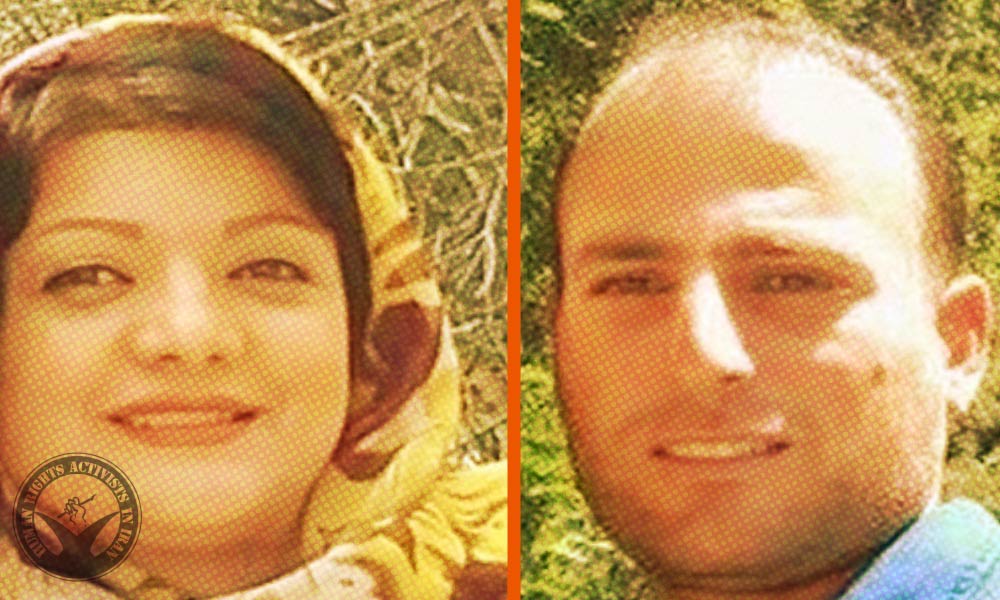
On Thursday, August 26, Ali Ahmadi, a Baha’i citizen and native of Ghaemshahr, was arrested and transferred to prison.

According to HRANA, the news agency of Human Rights Activists, Ahmadi was sent to Ghaemshahr Prison to endure his one-year prison sentence.

Ali Ahmadi, who suffers from the underlying conditions of diabetes and heart disease, is being forced to serve out this prison sentence during the peak of the coronavirus crisis in Iran.

Mr. Ahmadi had been detained and imprisoned before. He was arrested by security forces and transferred to the Kachuei Detention Center in Sari, in November 2018. He was released on bail in January 2019.

Ghaemshahr Revolutionary Court sentenced Mr. Ahmadi to a total of 11 years in prison on charges of “propaganda against the regime and the administration of the Baha’i organization”. This sentence was upheld by the appeal court without holding a trial. Eventually, the Supreme Court accepted the request for retrial and sent the case to the Branch 28 of the Mazandaran Court of Appeals, where Mr. Ahmadi’s sentence was reduced to 1 year in prison.

According to unofficial sources, more than 300,000 Baha’is live in Iran, but the Iranian constitution recognizes only Islam, Christianity, Judaism, and Zoroastrianism. Because their faith is not considered legitimate by authorities, the rights of Baha’is in Iran have beeen systematically violated for years.

This deprivation of the freedom to practice their religion is a violation of Article 18 of the Universal Declaration of Human Rights, and Article 18 of the International Covenant on Civil and Political Rights. The United Nations covenant holds that every person has the right to freedom of religion, freedom of converting religion, as well as freedom of expression, individually or collectively; openly or secretly.

Baha’i Citizen Sanaz Notghi Sentenced to 5 years and 8 Months in Prison

Baha’i citizen Sanaz Notghi was sentenced to 5 years and 8 months in prison by the Ahvaz Revolutionary Court on a charge of “membership in an illegal Baha’i organization” and to eight months in prison on a charge of “propaganda against the regime”.

According to HRANA, the news agency of Human Rights Activists, if  the sentence is upheld at the appeal court, with the application of Article 134 of the Islamic Penal Code,  5 years of imprisonment will be applicable as the most severe punishment for Ms. Notghi.

According to unofficial sources, more than 300,000 Baha’is live in Iran, but the Iranian constitution recognizes only Islam, Christianity, Judaism, and Zoroastrianism. Because their faith is not considered legitimate by authorities, the rights of Baha’is in Iran have been systematically violated for years.

This deprivation of the freedom to practice their religion is a violation of Article 18 of the Universal Declaration of Human Rights, and Article 18 of the International Covenant on Civil and Political Rights. The United Nations covenant holds that every person has the right to freedom of religion, freedom of converting religion, as well as freedom of expression, individually or collectively; openly or secretly.