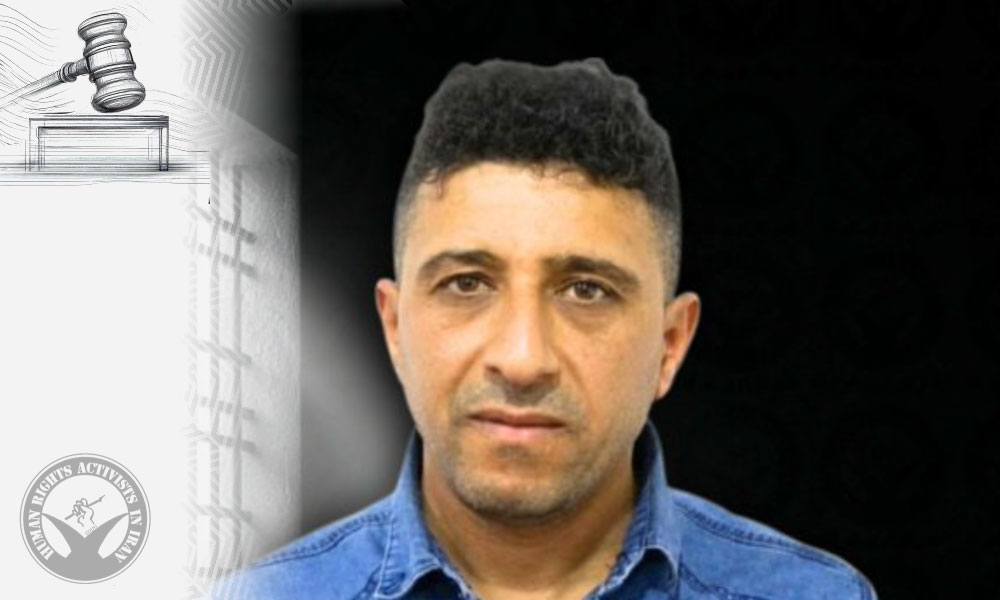
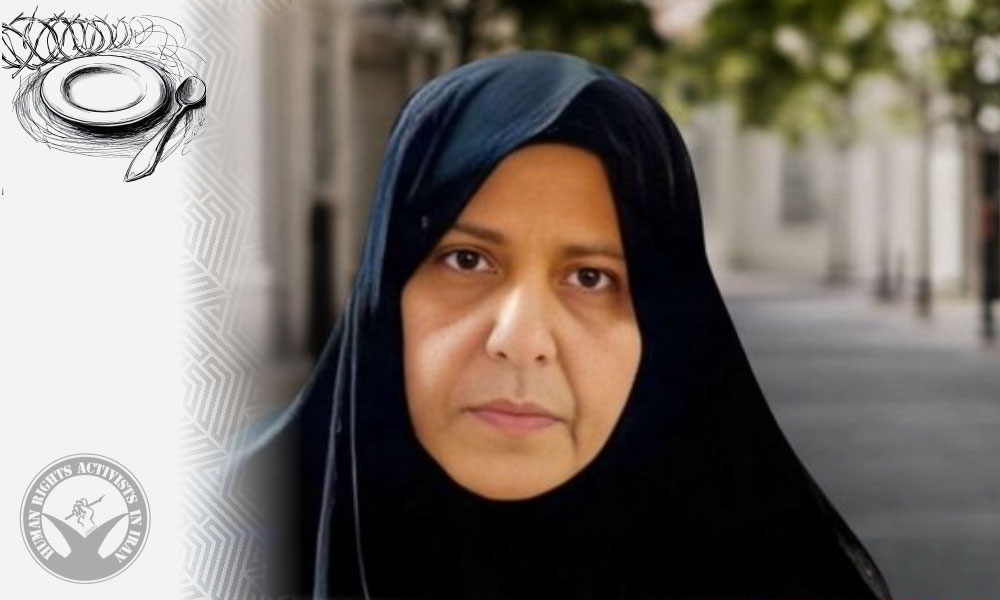
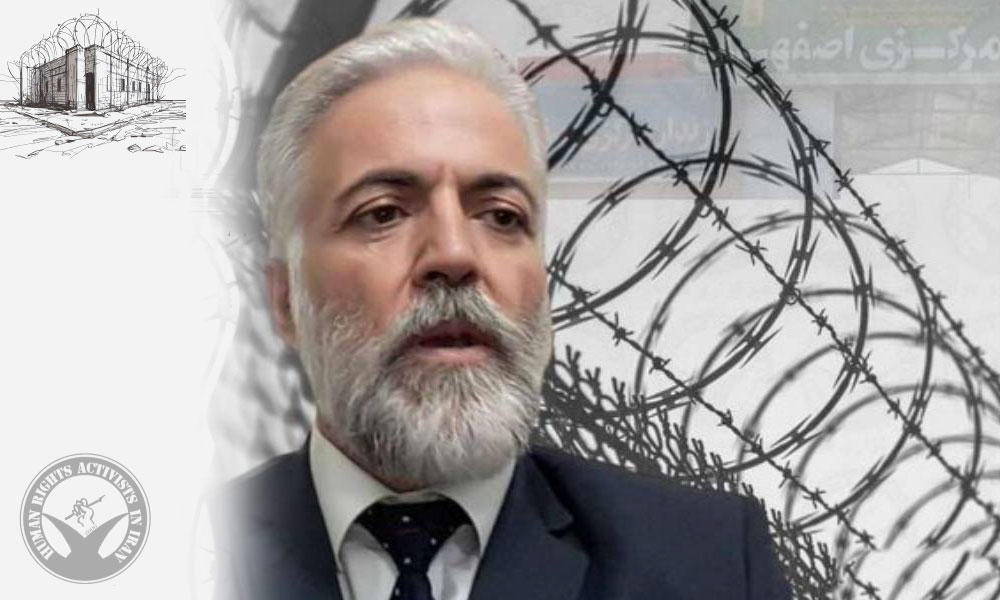
Ehsan Rostami Continues Hunger Strike in Evin Prison

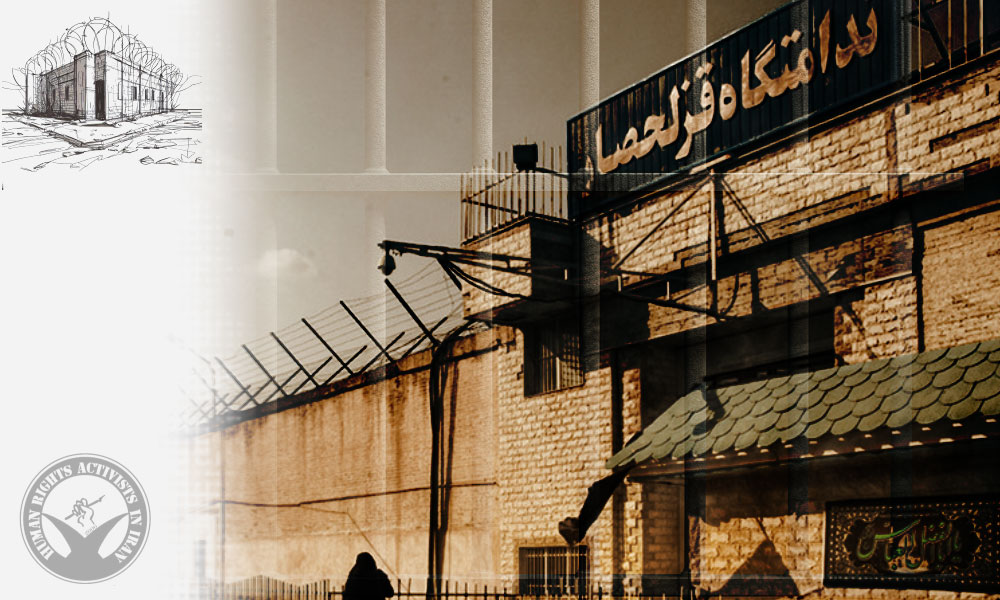
HRANA – Ehsan Rostami, a cultural activist from Harsin, Kermanshah Province, remains held in Ward 209 of Evin Prison in a state of legal uncertainty. After a prolonged lack of information about his situation, his family recently learned of his ongoing hunger strike and have requested an in-person visit to ensure his well-being.

According to information received by HRANA, Rostami is currently on the seventh day of his hunger strike in Ward 209 of Evin Prison.

A source close to his family confirmed to HRANA:

“Mr. Rostami’s family had been unaware of his location and condition for a long time. They have now learned that he is being held in Ward 209 of Evin Prison in poor physical health and began a hunger strike on Wednesday, October 2, to protest the uncertainty surrounding his case and the pressure exerted by interrogators.”

Rostami’s family has reportedly visited the Evin Prosecutor’s Office to request a meeting with him to verify his health condition. However, judicial and security authorities have yet to provide a clear response.

Ehsan Rostami was arrested by security forces in Tehran on August 19. Since his detention, he has been denied family visits by order of Naser Jalayer Sartaghi, the investigator of Branch 5 of the Evin Prosecutor’s Office.

HRANA’s data from the past decade shows that during this ten-year period, over 2,050 political prisoners and prisoners of conscience in Iran prisons have been forced to go on hunger strike in protest of various abuses—including prolonged detention, being held in legal limbo, unfair trials, poor prison conditions, and being held in solitary confinement or alongside inmates convicted of violent crimes.

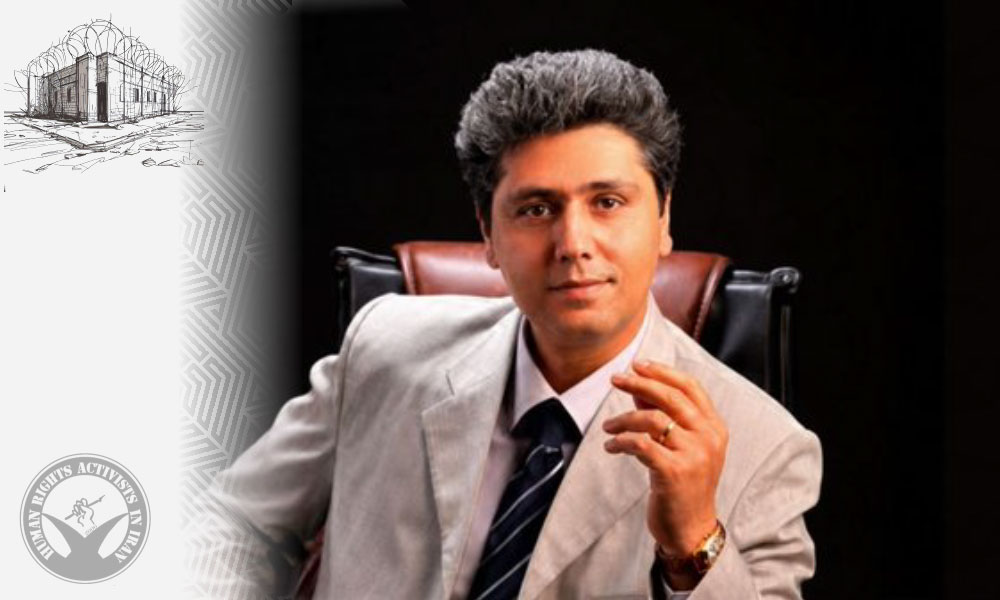
Forced Confession and Security Accusations Against Amirhossein Mousavi Broadcast on State TV

HRANA – The Islamic Republic of Iran Broadcasting (IRIB) has released a video featuring the forced confession of Amirhossein Mousavi, a political detainee held in Evin Prison.

According to HRANA, IRIB aired a video of Amirhossein Mousavi, in which efforts are made to portray him as involved in espionage and intelligence cooperation with Israel. Mousavi, appearing under apparent duress, describes his social media activities and voices remorse. The video claims he exchanged information with individuals linked to Israel during the 12-day war – despite the fact that his arrest took place roughly six months before that conflict began.

In September 2025, Mousavi’s case was referred to Branch 15 of the Tehran Revolutionary Court, presided over by Judge Abolghasem Salavati, following an indictment on charges of “assembly and collusion to act against national security” and “propaganda against the regime.” He also faces a separate charge of “insulting sacred beliefs,” which falls under the jurisdiction of the Tehran Province Criminal Court One. His lawyer previously announced that the first court hearing is scheduled for November 2, 2025.

A source close to Mousavi’s family told HRANA: “After ten months of investigation by Branch 5 of the Public and Revolutionary Prosecutor’s Office of District 33 in Tehran, his case was referred to the mentioned court branch with bail increased to 10 billion tomans.”

Earlier, Mousavi’s defense attorney, Reza Shafakhah, had shared updates regarding his client’s continued legal uncertainty and prolonged detention.

Mousavi, a Tehran resident approximately 41 years old, was arrested on December 18, 2024, at Mehrabad Airport while preparing to travel to Kish Island. His lawyer has stated that Mousavi’s account on the social media platform X (formerly Twitter) had been under surveillance for nearly six months and that his arrest stemmed from his activity there.

Before his arrest, Amirhossein Mousavi was active on X under the handle “James B Dean.”

More than Two Decades Behind Bars, Prisoner Profiles – No. 9: Ali Halafi

HRANA – Numerous political and religious prisoners in Iran have spent more than two decades in detention. To ensure their stories are not lost amid the constant churn of daily news, HRANA publishes a series of reports dedicated to them. Each report reviews the prisoner’s case history, prison conditions, access to basic rights, and urgent needs.

In this report, HRANA, the news agency of Human Rights Activists in Iran, examines the latest situation of Ali Halafi after two decades of imprisonment.


Information Sheet

• Name: Ali Halafi
• Year of Arrest: 2005
• Charges Announced: “Acting against national security, moharebeh (enmity against God), and corruption on earth”
• Initial Sentence: 30 years in prison in exile
• Current Sentence: 30 years in prison in exile
• Prison Locations: After sentencing, he spent one year in Karun Prison in Ahvaz. He was then exiled to Gonabad Prison, where he served ten years. In 2016, Halafi was transferred to Masjed Soleyman Prison and later to Sheiban Prison in Ahvaz, where he has since been held without observance of the principle of separating prisoners by offense.
• Furlough / Access: No furlough has been reported in recent years; access to family and lawyer has been limited.
• Current Status: Still in long-term imprisonment despite legal changes that could allow for review or sentence reduction.

Case Narrative and Judicial Process

Ali Halafi was arrested in 2005 by security forces in connection with the so-called “Salman Farsi Street explosion in Ahvaz.” Although not one of the main defendants in the case, he was later sentenced by the Ahvaz Revolutionary Court to 30 years in prison in exile on charges of “acting against national security, moharebeh, and corruption on earth.” This sentence was upheld in full by the Court of Appeals.

The ruling placed him among prisoners with de facto indefinite terms, a status that can extend incarceration for many years and severely restrict access to mechanisms of legal review.

Key Points in the Process:

• Heavy Security Charges: The “moharebeh” charge is one of the most severe in Iran’s political-security cases, carrying wide-reaching judicial and executive consequences.
• Continued Imprisonment Despite Legal Changes: Although legal reforms have allowed for retrials, sentence reductions, or conditional release in some moharebeh cases, Halafi remains imprisoned.

Prison Conditions and Transfers

Over his imprisonment, Halafi has been held in Karun Prison (Ahvaz), Gonabad Prison, Masjed Soleyman Prison, and Sheiban Prison (Ahvaz). After sentencing, he spent one year in Karun Prison, then ten years in Gonabad Prison. In 2016, he was moved to Masjed Soleyman Prison, and shortly thereafter transferred to Ward 5 of Sheiban Prison in Ahvaz, where he remains, without proper separation of offenses.

Observations on Detention Standards

• Frequent Transfers: Repeated relocations between wards and prisons disrupt family contact, legal access, and medical care.
• Exposure to Violence in Prison: Reports indicate verbal abuse and beatings. During his arrest, Halafi suffered broken ribs from beatings by security agents, requiring surgery. In April 2024, he was reportedly beaten by guards in Ward 5 of Sheiban Prison. In December of the same year, after protesting poor conditions, denial of medical care, and the transfer of violent-crime prisoners to his ward, he was threatened with solitary confinement or exile to a remote prison. These instances highlight the urgent need for independent documentation and legal follow-up.
• Denial of Medical Care: Despite suffering from stomach ulcers, intestinal infections, and lung problems, Halafi has consistently been denied hospital transfers and specialized treatment for over two decades. Denying prisoners access to medical care constitutes inhumane treatment and violates the right to health—and in some cases, even the right to life—recognized under Iranian law, international standards, and human rights instruments. It is also used as a tool of coercion and repression.

Access to Family, Lawyer, and Furlough

Halafi has not received furlough in recent years, and his access to family and legal counsel has been limited. Such restrictions carry severe psychological and social consequences, while also undermining his ability to mount an effective defense or pursue retrial mechanisms.

Potential Legal Avenues (General Recommendations):

1. Retrial: Review based on new evidence or substantive/procedural flaws.

2. Request for Sentence Reduction or Commutation: If legal conditions allow.

3. Conditional Release / Suspension of Sentence: If criteria such as time served, good conduct, or health are met.

4. Addressing Rights Violations in Prison: Including the right to healthcare, protection from violence, regular visitation, and legal counsel.

5. Documentation and International Advocacy: Utilizing international reporting and human rights mechanisms where domestic remedies are blocked.

Timeline Summary

2005: Arrest; charges of “acting against national security, moharebeh, corruption on earth.”
Initial Sentence: 30 years in prison in exile.
2005: Reports of beating during arrest; severe rib fractures requiring surgery.
Post-sentencing: One year in Karun Prison (Ahvaz).
2006: Exiled to Gonabad Prison for ten years.
2016: Transferred to Masjed Soleyman Prison.
April 2024: Reported beating in Ward 5 of Sheiban Prison.
Recent years: No furlough, denial of proper medical care, limited access to family and lawyer.
Current Status: Continued imprisonment despite legal changes that could affect case review.

Conclusion and Importance of Case Review

Despite legal changes that provide avenues for retrial, sentence reduction, or release for those convicted of moharebeh, Halafi remains imprisoned. His case exemplifies long-term political-security imprisonment in Iran, highlighting the importance of legal review to secure justice and possible release.

His file underscores both the difficulties of accessing fundamental rights in prison (furlough, visits, legal counsel) and the urgent need to employ all available domestic and international mechanisms for sentence review and reduction.

Urgent Needs:

Regular and non-discriminatory access to lawyer and family.
Independent medical evaluation for alleged beatings and long-term complications.
Examination of eligibility for retrial or other mechanisms for sentence reduction/suspension.
Guarantee of compliance with prison regulations on contact, visits, and furlough.
Access to adequate medical services and treatment.


About This Series

This report is part of the “More than Two Decades Behind Bars” series, which aims to continuously document long-term imprisonment cases and remind the public of the collective responsibility to ensure they are seen and their conditions are pursued.

More than Two Decades Behind Bars, Prisoner Profiles – No. 8: Afshin Baymani

HRANA – Numerous political and religious prisoners in Iran have spent more than two decades in detention. To ensure their stories are not lost amid the constant churn of daily news, HRANA publishes a series of reports dedicated to them. Each report reviews the prisoner’s case history, prison conditions, access to basic rights, and urgent needs.

This report examines the current situation of Afshin Baymani after over two decades in prison.


Information Sheet

• Name: Afshin Baymani

• Year of Arrest: 2000 (1379 in the Iranian calendar)

• Stated Charge: “Moharebeh [enmity against God] through collaboration with the People’s Mojahedin Organization of Iran (PMOI/MEK)”

• Initial Sentence: Death penalty

• Current Sentence: Life imprisonment (commuted with one degree of reduction)

• Places of Detention:
After his conviction, Baymani spent years in various wards of Rajai Shahr Prison in Karaj. In August 2023, he was transferred from there to Ward 10 (Section 8) of Evin Prison, without respect for the principle of separation of crimes. In September of the same year, again without separation of crimes and with violence, he was transferred from Evin to the security ward (Unit 3) of Ghezel Hesar Prison in Karaj. In November 2023, he was granted medical furlough from Ghezel Hesar for treatment and care. However, after about one month—despite incomplete treatment—he was rearrested at his residence by police forces on the orders of the Head of Enforcement of Verdicts of Karaj Revolutionary Court and transferred to Asadabad Prison in Mobarakeh, Isfahan, where he was held in the health ward. In January 2024, he was once again transferred from Asadabad to Ghezel Hesar Prison, where he remains to this day.

• Leave / Access: No furlough has been reported in recent years; access to family and lawyer has been limited.

• Current Status: Still serving a life sentence despite legal changes that could allow for review or reduction.

Case Background and Judicial Process

Afshin Baymani was arrested on September 5, 2000, on charges of “Moharebeh through collaboration with the PMOI” and allegedly assisting his brother, Mehdi Baymani, a member of the PMOI, to escape. He was sentenced to death by the Tehran Revolutionary Court, and this ruling was upheld on appeal. After six years, his sentence was commuted to life imprisonment. While this change prevented his execution, it placed him in the category of indefinite imprisonment, which in practice can last for decades and significantly restricts access to review mechanisms.

Key Points in the Judicial Process

• Severe Security Charge: The “Moharebeh” charge is among the most serious in Iran’s political-security cases, with broad legal and practical consequences.

• Sentence Conversion: His initial death sentence and subsequent commutation to life highlight both the severity of the charge and later judicial interventions, though without resolving potential injustices in due process.

• Continued Imprisonment Despite Legal Changes: Legal reforms allowing retrials, sentence reductions, or conditional release in such cases have not been applied to Baymani.

Detention Conditions and Transfers

Throughout his imprisonment, Baymani has been repeatedly transferred between prisons and wards, including Rajai Shahr, Evin, Ghezel Hesar, and Asadabad Prison. Transfers were often violent and carried out without regard to the separation of crimes. He has repeatedly protested mistreatment, lack of medical care, and inhumane conditions, including hunger strikes in 2011 and 2018.

Observations on Prison Standards

• Frequent Transfers: Repeated relocations disrupted family contact, legal representation, and medical treatment.

• Solitary Confinement as Punishment: Baymani has been held in solitary on numerous occasions, sometimes for weeks, in violation of international standards that require solitary to be rare and tightly controlled.

• Violence in Prison: Reports document multiple instances of physical and verbal abuse by prison authorities, including beatings during transfers and threats during hunger strikes.

• Denial of Medical Care: Despite suffering from heart disease, blocked arteries, chest pain, hypertension, diabetes, kidney stones, and requiring angiography and mitral valve surgery, he has repeatedly been denied hospital access. This deliberate deprivation violates the right to health and, in some cases, the right to life, and is often used as a form of pressure.

Access to Family, Lawyer, and Leave

In recent years, Baymani has not been granted furlough. Reports indicate limited access to both family and lawyer, restricting not only his well-being but also his ability to pursue legal remedies.

Potential Legal Pathways (General Recommendations)

1. Retrial: Exploring new evidence or procedural flaws.

2. Sentence Reduction or Commutation: If legal grounds allow.

3. Conditional Release / Suspension of Sentence: Based on duration served, conduct, and medical condition.

4. Addressing Rights Violations: Including access to medical care, protection from abuse, family visits, and legal counsel.

5. International Documentation and Advocacy: If domestic channels remain blocked.

Timeline Summary

• 2000 (1379): Arrest; charged with Moharebeh through collaboration with the PMOI

• Initial Sentence: Death penalty commuted to life imprisonment

• 2000s–2020s: Years spent in Rajai Shahr Prison; repeated transfers

• 2011–2016: Several hunger strikes, solitary confinements, violent transfers reported

• 2018: 57-day hunger strike in protest of denial of medical leave and new case fabrication

• 2023–2024: Transfers between Evin, Ghezel Hesar, and Asadabad Prisons; medical furlough cut short; violent rearrest; chest injury during prison violence in February 2024

• Present: Serving life sentence in Ghezel Hesar, without medical access, furlough, or consistent family contact

Conclusion and Importance of Review

Despite legal changes enabling retrials, reductions, or release for those convicted of Moharebeh, Afshin Baymani remains in prison. His case highlights the broader plight of long-term political-security prisoners in Iran, underlining the need for both domestic and international mechanisms to review and reduce such sentences. His situation emphasizes denial of fundamental rights during imprisonment—furlough, visits, legal access—and the urgent necessity of sustained advocacy.

Urgent Needs:

Regular, equal access to lawyer and family

Independent medical evaluation, particularly after reports of violence and long-term health conditions

Legal review for retrial, sentence reduction, or release under current laws

Enforcement of prison regulations on visits, contact, and furlough

Access to adequate healthcare and treatment


About this Series

This report is part of HRANA’s “More than Two Decades Behind Bars” series, aimed at continuously documenting long-term prisoner cases and reminding society of the collective responsibility to make their struggles visible and pursue their rights.

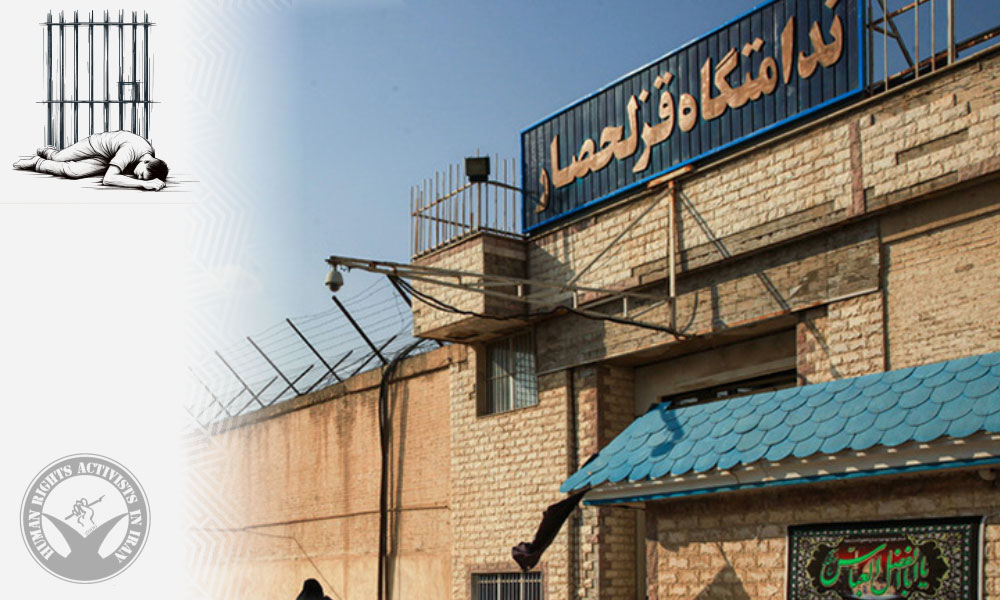
Qarchak Varamin Prison: Repeated Deaths Caused by Lack of Medical Care and Treatment Facilities

HRANA – Repeated Deaths in Qarchak Varamin Prison Amid Medical Neglect and Lack of Treatment Facilities

Systematic violations of prisoners’ rights in Qarchak Varamin Prison, particularly the denial of medical care, continue to result in fatalities. Inadequate access to health services and delays in transferring prisoners to hospitals remain among the most critical issues, repeatedly leading to preventable deaths.

In the most recent case, Somayeh Rashidi, a political detainee, died yesterday after prison doctors misdiagnosed her condition and failed to transfer her to a hospital in time. On Tuesday, September 16, she was eventually taken to Mofatteh Hospital in Varamin after her health deteriorated. By then, her level of consciousness was critically low, and doctors described her condition as beyond recovery.

Less than a week earlier, on Friday, September 19, Jamileh Azizi, a prisoner convicted of financial charges, also died following medical neglect. She was taken to the prison infirmary with symptoms of a heart attack. Despite clear warning signs, doctors dismissed her condition and sent her back to her ward, where she soon died in Moshar 2.

Today, HRANA also confirmed the death of Sudabeh Asadi, another prisoner held on financial charges, further underscoring the lethal consequences of medical deprivation in this facility.

A former staff member of Qarchak told HRANA:

“One of the prison’s most serious problems is poor medical care. The infirmary doesn’t even have a blood pressure monitor. Oxygen tanks are often empty, the ECG machine is broken, and no defibrillator is available. Transfers to hospitals face complicated procedures and are frequently blocked.”

He continued:

“Medical diagnoses are often incorrect, and prisoners are regularly accused of faking illness. Medicine is in short supply—sometimes a single bottle of syrup is given to all prisoners with a common cold. Because of overcrowding, each prisoner is allowed only one infirmary visit per month. Even basic equipment such as stretchers and wheelchairs is missing, severely limiting urgent care.”

A prisoner recently told family members about the behavior of medical staff:

“When we go to the infirmary, not only are we not properly examined, but we’re insulted with comments like, ‘You’re not dead yet,’ ‘Why do you keep coming here?’ and ‘I wish you’d die sooner.’”

According to HRANA’s information, several political prisoners—including Raheleh Rahemipour, Parvin Mirasan, Maryam Akbari Monfared, Marziyeh Farsi, and Shiva Esmaeili—suffer from multiple health problems. The number of non-political prisoners facing similar conditions remains unknown, though investigations are ongoing.

Qarchak Varamin Prison holds at least 1,000 inmates. A former employee told HRANA:

“The prison has at least 11 wards. Political prisoners are held in quarantine, financial prisoners and sick detainees in Moshar 2, and foreign nationals are housed among other prisoners depending on their charges.”

Additional concerns include frequent power and water outages, lack of cooling systems that contribute to widespread skin diseases, broken bathroom facilities that force inmates to queue for long periods, and failed ventilation that worsens already poor hygiene.

Food quality is another major issue. A relative of one inmate explained:

“Meals for prisoners convicted of general crimes are both smaller and of lower quality than those for others. If chicken is on the menu, they only get a few shredded scraps floating in broth—no real pieces of chicken in the stew.”

Following Israeli strikes on Evin Prison, HRANA reported the large-scale transfer of female political prisoners from Evin to Qarchak. Since then, those placed in Ward 11 (formerly the quarantine ward) have faced severe overcrowding, lack of ventilation, shortages of essential items, and discriminatory treatment by officials—conditions that families continue to raise concerns about, but which remain unresolved.

Subscribe to Our Newsletter

Now is definitely not the time to stop reading!

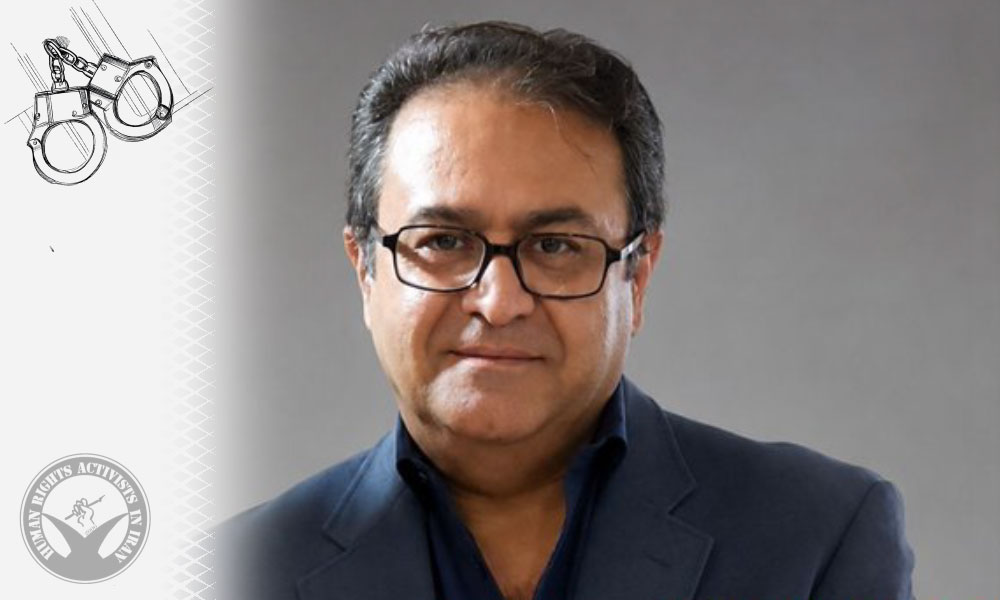
Latest Update on Heydar Niknia and Edris Ebrahimi, Political Prisoners in Urmia

HRANA – Political prisoners Heydar Niknia and Edris Ebrahimi have been serving their sentences in Urmia Prison for the past year.

Recently, following the issuance of an amnesty directive, the sentences of each were reduced to one year and eight months. Previously, the Urmia Revolutionary Court had sentenced them to two years and eight months in prison each, on charges of “collaboration with opposition groups.”

Niknia and Ebrahimi began serving their sentences in Urmia Prison in September 2023.

Niknia had earlier been arrested on July 3, 2023, after being summoned to the IRGC Intelligence office in the Silvaneh district. He was later released on bail before eventually being summoned to serve his sentence.

Heydar Niknia is from Urmia, and Edris Ebrahimi is from Sardasht.

More than Two Decades Behind Bars, Prisoner Profiles – No. 7: Gholamhossein Kalbi

HRANA – Many political and religious prisoners in Iran have endured over twenty years behind bars. To prevent their cases from fading from public memory in the flow of daily news, HRANA has launched a series of reports highlighting their situations. Each installment outlines the prisoner’s legal case, detention conditions, access to rights, and immediate needs.

In this report, HRANA, the news arm of Human Rights Activists in Iran, examines the latest situation of Gholamhossein Kalbi after more than twenty years of imprisonment.


Information Sheet

• Name: Gholamhossein Kalbi

• Year of arrest: 2000 (1379 in the Iranian calendar)

• Charge: Moharebeh (“enmity against God”) through membership in the Mojahedin-e Khalq Organization (MEK)

• Initial sentence: Death penalty

• Current sentence: Life imprisonment (commuted with one degree of reduction)

• Places of detention: After arrest, he spent 14 months in solitary confinement at The Ministry of Intelligence’s detention facility in Ahvaz, later held in Ward 209 and then Ward 350 of Evin Prison. In October 2007, following conviction, he was transferred to Mahshahr Prison, and later to Karoon Prison in Ahvaz. After the closure of Karoon Prison in February 2016, he was moved to Sheiban Prison in Ahvaz, where he remains incarcerated to this day.

• Furlough / Access: No reports of furlough in recent years; limited access to family and lawyer.

• Current status: Still serving a life sentence, despite legal changes that could allow for review or reduction.

Case Narrative and Judicial Process

On January 8, 2001, Gholamhossein Kalbi was arrested in Dezful on charges of membership in the Mojahedin-e Khalq Organization. In 2002, the Tehran Revolutionary Court sentenced him to death on the charge of Moharebeh. His sentence was later commuted to life imprisonment. While this commutation avoided the escalation of punishment, it placed him in a category of indefinite imprisonment, which in practice can extend for decades and limit access to review mechanisms.

Key Points in the Case:

• Severe security charge: The label of Moharebeh in political-security cases in Iran is among the heaviest accusations, usually carrying wide-ranging judicial and executive consequences.

• Sentence reduction: The initial death sentence and its conversion to life imprisonment show both the gravity of the charges and the scope for judicial intervention—but do not necessarily correct potential injustices in the trial process.

• Continued imprisonment despite legal changes: Although legal reforms have made retrial, sentence reduction, or conditional release possible in some cases, Kalbi remains in prison.

Detention Conditions and Transfers

Over his decades in prison, Kalbi has been moved between several facilities. After his arrest, he spent 14 months in solitary confinement at The Ministry of Intelligence’s detention facility in Ahvaz, then was transferred to Ward 209 and later Ward 350 of Evin Prison. In October 2007, he was moved to Mahshahr Prison, where he was held for several years. Despite his family residing in Mahshahr, he was later transferred to Karoon Prison in Ahvaz. After that prison was closed, in February 2016, he was transferred to Sheiban Prison in Ahvaz, where he has been held in various wards ever since.

In July 2021, after protesting prison conditions, officials at Sheiban Prison punished him by binding his hands and feet and leaving him for hours under the scorching sun. He was then transferred to a ward worse than the previous one, prompting him to go on hunger strike.

In April 2024, he was placed in Ward 5 of Sheiban Prison without regard for the principle of separation of crimes. Later, in November 2024, he was transferred to the prison’s security ward, under overcrowded conditions without adequate space for walking. He remains there today.

Observations on Standards of Detention

• Repeated transfers: Frequent movements between wards and prisons disrupt access to family, lawyer, and medical care.

• Solitary confinement as punishment: Kalbi spent 14 months in solitary confinement at The Ministry of Intelligence’s detention facility in Ahvaz. International standards require solitary confinement to be exceptional, time-limited, and supervised.

• Exposure to violence: Reports document both physical and verbal abuse during his imprisonment in Sheiban Prison. Notably, in July 2021, he was tied up and left under extreme heat as punishment for protesting prison conditions. Such incidents highlight the need for independent documentation and legal accountability.

• Medical neglect: Despite suffering from heart disease, hernia, dental infections, jaw and gum problems, spinal and neck arthritis, fungal infection leading to severe toenail disease, high cholesterol, chronic ear infection with hearing loss, Kalbi has consistently been denied transfer to hospitals or specialized treatment. “Access to medical care” is a fundamental right recognized in Iranian law, international treaties, and human rights standards. Systematic denial of medical care constitutes inhuman treatment and violates both the right to health and, in some cases, the right to life, often being used as an instrument of coercion and repression.

Access to Family, Lawyer, and Furlough

In recent years, Kalbi has not been granted furlough. His access to his family and lawyer has been reported as limited. These restrictions not only have psychological and social consequences but also undermine his ability to mount an effective legal defense or pursue retrial mechanisms.

Potential Legal Remedies (General Recommendations)

1. Retrial: Based on new evidence or substantive/procedural flaws in the original ruling.

2. Sentence reduction or conversion: If legal grounds exist.

3. Conditional release / suspension of sentence: Subject to conditions such as time served, good behavior, or health status.

4. Redress for rights violations during detention: Including access to healthcare, protection from violence, and regular visits.

5. International advocacy and documentation: If domestic remedies are blocked, use of international reporting and human rights mechanisms.


Summary Timeline

• 2001: Arrest; charge of Moharebeh through MEK membership.

• Initial sentence: Death; commuted to life imprisonment.

• Post-arrest: 14 months in solitary at The Ministry of Intelligence’s detention facility in Ahvaz, then Ward 209 and 350 of Evin.

• 2007 (1386): Transferred to Mahshahr Prison.

• 2016 (1394): Transferred to Sheiban Prison in Ahvaz.

• July 2021 (Tir 1400): Punitive torture reported—hands and feet tied, left for hours under scorching sun.

• April 2024 (Farvardin 1403): Moved to Ward 5 of Sheiban Prison without separation of crimes.

• November 2024 (Aban 1403): Transferred to security ward of Sheiban Prison.

• Recent years: No furlough, denial of medical care, restricted access to family and lawyer.

• Current status: Serving life sentence despite potential legal changes allowing review.


Conclusion and Importance of Case Review

Despite legal changes that allow retrials, sentence reductions, or conditional release for those convicted of Moharebeh, Kalbi remains imprisoned. His case illustrates the plight of long-term political-security prisoners in Iran, whose files deserve review as a crucial step toward freedom and justice.

His situation highlights both the denial of fundamental rights during detention (furlough, visits, legal representation) and the urgent need to use all domestic and international legal mechanisms for review and reduction of such lengthy sentences.

Urgent Needs

Regular, non-discriminatory access to lawyer and family.

Independent medical evaluation, especially regarding torture allegations and chronic illnesses.

Consideration for retrial or other legal remedies for sentence reduction/termination under current laws.

Enforcement of prison regulations regarding calls, visits, and furlough.

Adequate medical services and treatment.


About this Series

This report is part of the “Two Decades Behind Bars” series, which aims to document the cases of long-term prisoners and to highlight the collective responsibility to ensure their visibility and pursue their rights.

Uncertainty Surrounds the Situation of Detained Citizen Arman Oskouei in Mashhad

HRANA  – Seyed Arman Oskouei, a resident of Mashhad, has been in custody for six days after being arrested by security forces in the city. His whereabouts and current condition remain unknown.

A source close to his family told HRANA:
“On Saturday, September 20, Arman Oskouei was arrested by security forces in Mashhad. Since his arrest, he has had no contact with his family. Efforts by his family to obtain information from judicial and security authorities about his fate have yielded no results. The lack of information has deepened the family’s concern for his safety.”

Further details, including the reasons for his arrest and the charges against him, are still under investigation by HRANA.

Seyed Arman Oskouei, 30, and a resident of Mashhad, was previously arrested by security forces during the nationwide protests of 2022 and later released.

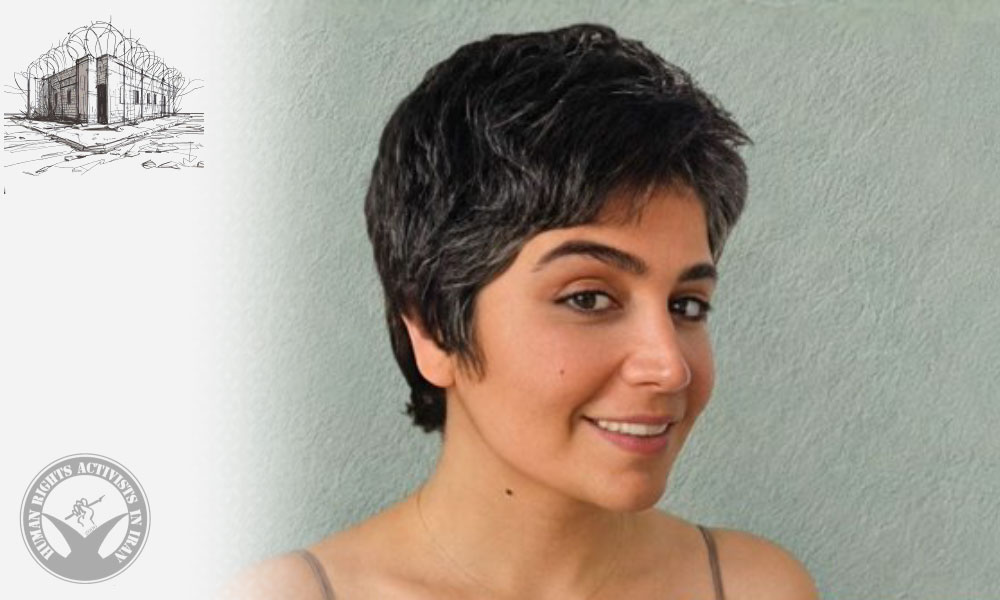
Following Delay in Hospital Transfer; Somayeh Rashidi Dies

HRANA- Somayeh Rashidi, a detained citizen, died in hospital on the morning of Thursday, September 25, after prison officials delayed her transfer to medical facilities and failed to provide adequate medical care.

On September 16, her health sharply deteriorated, and she suffered a severe seizure. In a state of severely reduced consciousness, she was transferred from Qarchak Prison in Varamin to Mofatteh Hospital, where she later passed away.

A source close to her family told HRANA:
“Ms. Rashidi had long complained of health problems, but prison officials, despite her repeated visits to the infirmary, refused to take her condition seriously. On some occasions, they even accused her of faking illness. She was only given psychiatric and sedative medications, which further worsened her health. On September 15, she suffered a severe seizure and was taken to Mofatteh Hospital with a consciousness level of five. According to hospital doctors, the delay in her transfer was the primary cause of her irreversible deterioration.”

The Judiciary’s media center, while confirming her death, claimed that upon entering prison, Ms. Rashidi disclosed an addiction to synthetic drugs as well as a history of psychiatric disorders and seizures. Mizan News Agency further alleged that she had been prescribed and received all necessary medications by prison doctors.

The Judiciary also stated that during her detention, Ms. Rashidi was examined eight times by a general practitioner, six times by psychiatric and internal medicine specialists, and was twice referred to forensic authorities for psychological evaluation.

However, information obtained by HRANA indicates that her condition steadily declined throughout detention, and that the medical care provided was inadequate and, at times, substandard. Her family had previously expressed concern over her health, but their warnings went unheeded.

Instead of addressing the circumstances of her death, Judiciary-affiliated outlets focused their reporting on her alleged background, claiming links to the People’s Mojahedin Organization of Iran (MEK) and past arrests on similar accusations. They further alleged involvement in sabotage activities, while failing to acknowledge the delays in her transfer to hospital, the medical neglect she endured, or the state’s legal responsibility for her health and safety in custody. Publishing such claims posthumously, without verifiable evidence, raises concerns that officials are attempting to deflect accountability for her death.

Ms. Rashidi was arrested on April 25 of this year for writing slogans in the Javadieh neighborhood of Tehran. After two days in custody at the 15 Khordad Police Investigation Center, she was transferred to the women’s ward of Evin Prison. Following the Israeli attack on Evin Prison, she and dozens of other women were relocated to Qarchak Women’s Prison in Varamin.

Throughout her detention, Ms. Rashidi struggled with ongoing medical issues and lack of adequate care. A source close to her family told HRANA:
“Somayeh Rashidi had a history of psychiatric disorders that appeared periodically. These episodes caused loss of concentration and impaired movement, at times leaving her unable to walk or manage daily tasks without the help of fellow prisoners.”

Somayeh Rashidi was born in 1983 and lived in Tehran.

More than Two Decades Behind Bars, Prisoner Profiles – No. 6: Nazem Barihi

HRANA – Many political and religious prisoners in Iran have endured over twenty years behind bars. To prevent their cases from fading from public memory in the flow of daily news, HRANA has launched a series of reports highlighting their situations. Each installment outlines the prisoner’s legal case, detention conditions, access to rights, and immediate needs.

In this report, HRANA, the news arm of Human Rights Activists in Iran, examines the latest situation of Nazem Barihi after two decades of imprisonment.


Profile Information

• Name: Nazem Barihi
• Year of arrest: 2005
• Charges: “acting against national security, moharebeh (enmity against God), and corruption on earth”
• Initial sentence: life imprisonment
• Current sentence: life imprisonment
• Place of detention: Initially held in Karun Prison, Ahvaz; currently in Ward 5 of Sheiban Prison, Ahvaz.
• Furlough/access: No furlough reported in recent years; limited access to family and lawyer.
• Current status: Still serving a life sentence, despite legal changes that could allow for review or commutation.

Case History and Judicial Process

Nazem Barihi, born in 1986, was arrested by security forces in October 2005. Soon after, Branch 1 of the Ahvaz Revolutionary Court sentenced him to life imprisonment on charges of “acting against national security, moharebeh, and corruption on earth.”
This sentence placed him among prisoners serving indefinite terms, effectively prolonging incarceration for many years while limiting opportunities for judicial review.

Key Points in the Process

• Severe security charges: The charge of moharebeh is one of the gravest in Iran’s political-security cases, usually carrying harsh judicial and executive consequences.
• Continued imprisonment despite legal changes: Although amendments now allow for retrial, commutation, or conditional release in some cases, Mr. Barihi remains imprisoned.

Detention Conditions and Transfers

During his imprisonment, he has been held in Karun and Sheiban prisons in Ahvaz. After sentencing, he spent several years in Karun Prison. Reports indicate that in February 2019 and January 2025, he was subjected to verbal abuse and violence by Sheiban Prison officials. In January 2025, after protesting the authorities’ failure to uphold the principle of separation of crimes, he was threatened with solitary confinement or exile to remote prisons. Since then, he has remained in Sheiban Prison.

Observations on Standards of Detention

• Repeated transfers: Moves between wards and prisons disrupt access to family, lawyer, and medical services.
• Exposure to violence: In February 2019, Sheiban officials exploited prisoners’ religious differences and ignored separation-of-crimes standards, leading to pressure and violence against him.
• Denial of medical treatment: Despite suffering from a skin condition during his two decades in prison, he has been repeatedly denied hospital transfer and specialist treatment under various pretexts. Denial of medical care violates the right to health and life, and amounts to inhuman treatment often used as a means of further repression.

Access to Family, Lawyer, and Furlough

In recent years, Mr. Barihi has not received furlough, and his access to family and legal counsel remains restricted. Such limitations not only affect his psychological and social well-being but also hinder his right to mount an effective defense and pursue retrial mechanisms.

Potential Legal Avenues (General Recommendations)

1. Request retrial based on new evidence or procedural/substantive flaws in the verdict.

2. Seek commutation or conversion of the sentence if legal grounds exist.

3. Evaluate eligibility for parole or suspension of sentence (considering time served, conduct, and health).

4. Pursue remedies for violations in prison, including denial of medical care, exposure to violence, and restricted visits.

5. Engage international human rights mechanisms if domestic legal routes remain blocked.

Timeline Summary

• 2005: Arrest; charged with “acting against national security, moharebeh, and corruption on earth.”
• Initial sentence: life imprisonment.
• Post-sentencing: several years in Karun Prison, Ahvaz.
• Feb 2019: Reports of assault linked to failure to enforce separation of crimes in Sheiban Prison.
• Jan 2025: Threatened with solitary confinement or exile after protesting the same issue.
• Recent years: No furlough, inadequate medical care, restricted family and lawyer access.
• Current status: Still serving life sentence, despite potential eligibility for legal review.

Conclusion and Need for Review

Although legal changes could enable retrial, commutation, or release for those charged with moharebeh, Mr. Barihi remains in prison. His case highlights both the long-term use of harsh security sentences and the urgent need for consistent review of such cases.

His file underscores the dual challenges of denied fundamental rights in prison (furlough, visits, legal counsel) and the necessity of utilizing all domestic and international mechanisms to secure a reduction of his sentence and eventual release.

Urgent Needs

Regular and non-discriminatory access to family and lawyer.
Independent medical evaluation in light of reported violence and ongoing health issues.
Review of retrial or other legal mechanisms for reduction or suspension of sentence.
Enforcement of prison regulations regarding contact, visits, and furlough.
Access to proper medical services and treatment.

About this Series

This report is part of the “Two Decades Behind Bars” series, which aims to document the cases of long-term prisoners and to highlight the collective responsibility to ensure their visibility and pursue their rights.