Court Hearing Postponed Again for Amirhossein Moradi, Mohammad Rajabi, and Saeed Tamjidi

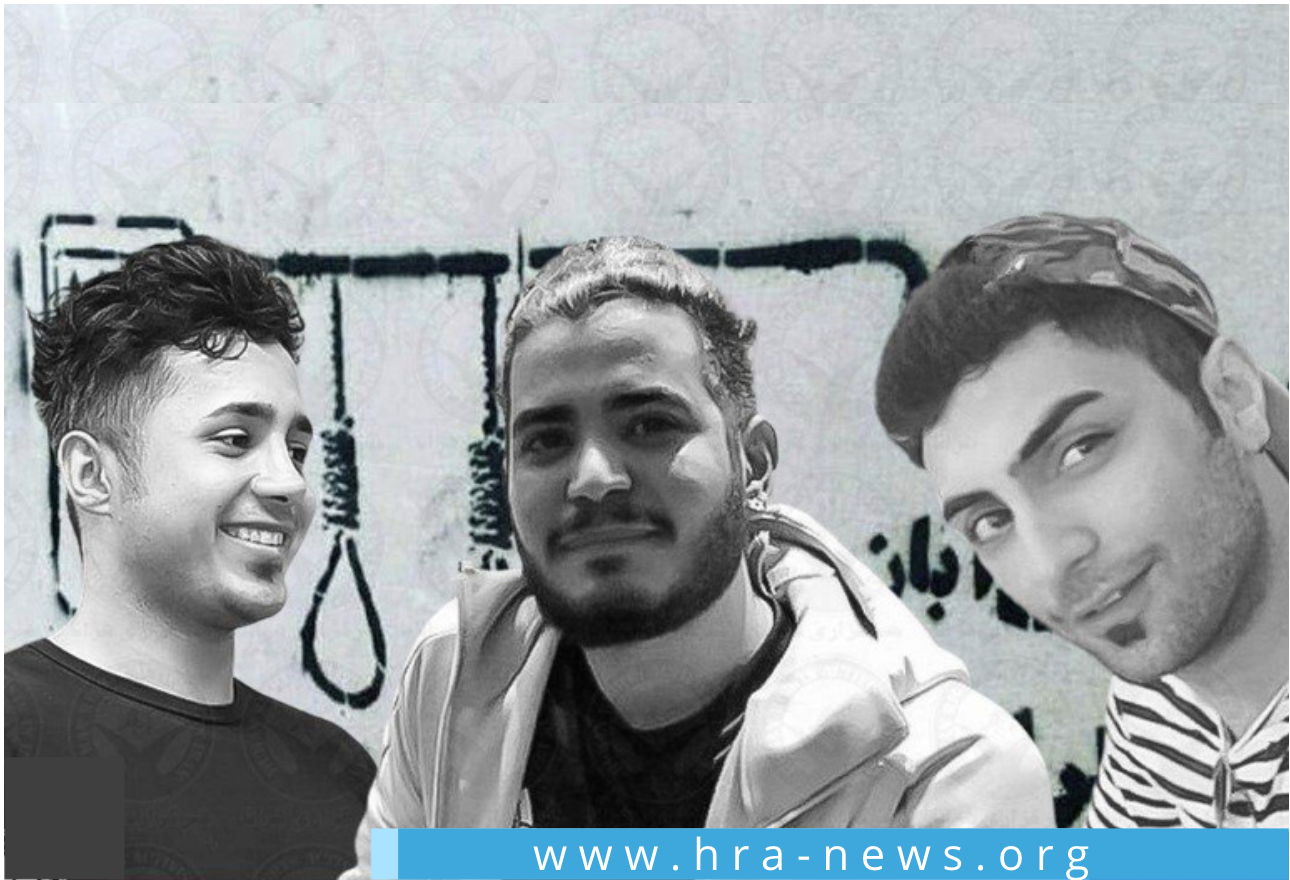
On May 12th, the court hearing for political prisoners Amir Hossein Moradi, Saeed Tamjidi, and Mohammad Rajabi, detained since the national protests of November 2019, was postponed for a second time.

According to HRANA, the news agency of Human Rights Activists, the prosecutor’s representative, defendants, and lawyers were all present, but the hearing was unable to proceed in the absence of a second judge. The hearing has not yet been rescheduled.

Amir Hossein Moradi, Saeed Tamjidi, and Mohammad Rajabi were previously sentenced to death by the Tehran Revolutionary Court. They were also sentenced to a total of 38 years in prison and 222 lashes.

On Jun 24, 2020, the Human Rights Activists News Agency (HRANA)  announced that the death sentence of the three political prisoners had been upheld by the Supreme Court. On July 14, 2020, the spokesman of the Judiciary officially announced the confirmation of their  death sentence and said that the sentences had been sent to the prosecutor’s office for execution.

However, according to the lawyers, permission to enter the trial and study the case was given to them on July 15, 2020–weeks after HRANA news agency reported that the death sentence was confirmed in the Supreme Court.

Less than an hour after the official confirmation of the death sentences for Amir Hossein Moradi, Saeed Tamjidi, and Mohammad Rajabi, “#Don’t_execute” became the world’s top trend with hundreds of thousands of tweets. Human Rights Watch, US President Donald Trump, the Writers’ Association of Iran, and others all reacted to this news. The hashtag has now been used more than ten million times.

The following day, UN human rights experts issued a statement and condemned the death sentences. The statement expressed that Amir Hossein Moradi, Saeed Tamjidi, and Mohammad Rajabi were tortured and forced to confess and that these forced confessions were later used against them in their trials. HRANA has previously conducted numerous conversations with informed sources and extensive research to determine what happened to the prisoners in the various processes of activity up to the conviction.

On July 19, 2020, the three defendants’ lawyers issued a joint statement announcing that the case had been referred to a different branch for retrial after the Supreme Court’s acceptance of Article 477.

In mid December of 2020, in the aftermath of the global outcry, the young activists’ request for a retrial was finally accepted by Branch 1 of the Supreme Court and their death sentences were overturned.

The case was then referred to Branch 23 of the Revolutionary Court of Tehran, but, due to a change of chief judge of the branch, the first hearing was postponed from March to May 12th.

Now, it has been postponed from May 12th to a date that has yet to be determined.
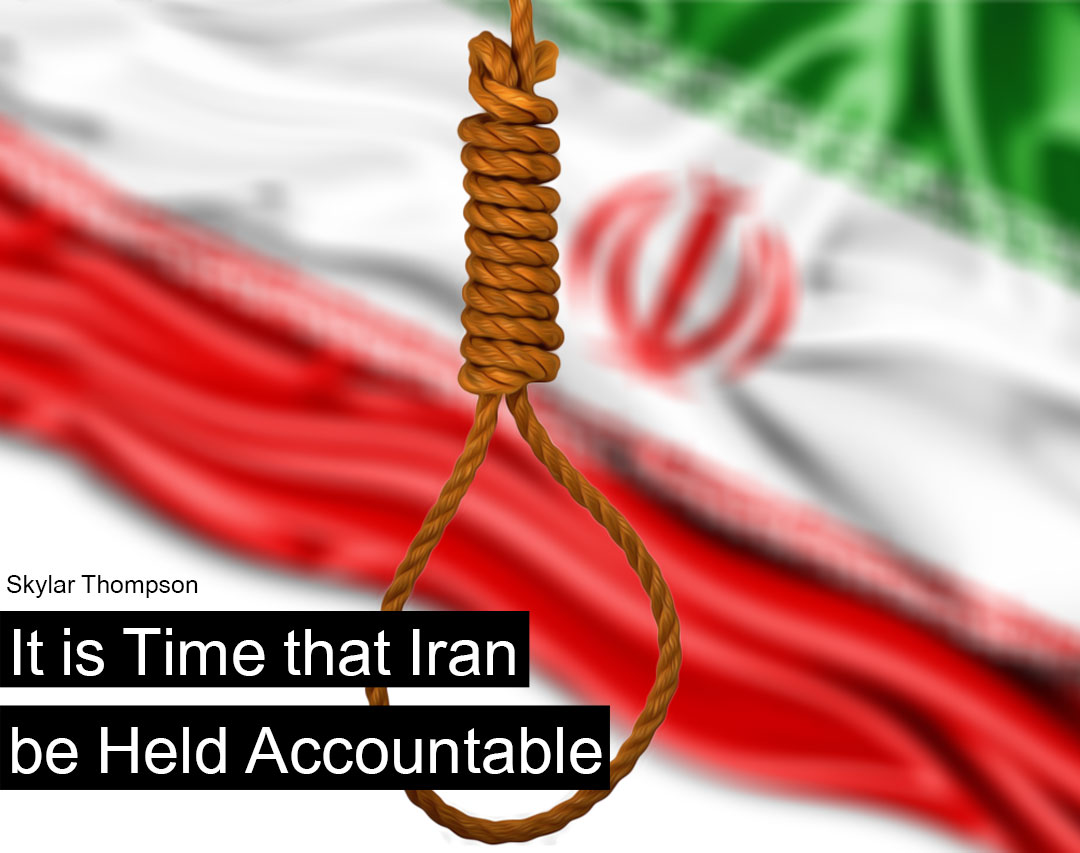
It is Time that Iran be Held Accountable 

HRANA – Last month the world turned its attention to Iran for its seemingly arbitrary transfer of a detained British-Australian academic. Kylie Moore-Gilbert, who was detained in September 2018 and is serving a ten-year sentence, was moved from the notorious Evin Prison to an unspecified location. When Human Rights Activists News Agency (HRANA) released the report, nearly every major media publication across the globe once again jumped to denounce her detention. Widespread speculation as to Moore-Gilbert’s whereabouts ensued. 

As a human rights professional who focuses on Iran, it was gratifying to see such a swift and appropriate response. However, what about the countless grave and horrific human rights violations that happen every day in this country? Violations that are so numerous that they have become seemingly rote. 

In the week following Moore-Gilbert’s transfer, peaceful protestors outside Iran’s Ministry of Petroleum were violently attacked by Regime Security Forces. In the month of October, at least 130 Iranians were arrested for activities related to their political or ideological beliefs; 83 of which involved the detention of individuals participating in peaceful gatherings related to the ongoing Armenian-Azerbaijani conflict. 

Iran carried out 19 hangings in the month of October alone, sentencing an additional 8 to that same fate throughout the month.

At least 12 members of the Baháʼí religious minority were barred from entering university based solely on their religious beliefs. One man received 80 lashes for converting to Christianity; a thief was sentenced to having his hand amputated.

Iranian courts tried more than 70 political cases which resulted in convictions that totaled 295 years in prison and 2,590 lashes.  A cleric was summoned to court for suggesting there was no problem with women riding a bicycle, an activity for which all women in the country are banned. Two women, sentenced to 33 months each for writing a letter requesting the resignation of the Supreme Leader, were summoned by authorities to begin serving their time. A teacher was sentenced to 45 lashes for drawing a cartoon.

This list is by no means exhaustive. 

These violations are not a secret. HRANA, the very source that initially reported on Moore-Gilbert’s move, reported and continues to report on the numerous human rights violations happening daily in Iran against Iranians, as well as dual and foreign nationals. There remains little to no response.

Detained British-Australian academic Kylie Moore-Gilbert

Why is this? 

I do not have the answer to that question, but I do know the differences these cases bear. The violations listed above are against Iranian citizens; Moore-Gilbert is a foreigner. Her case is, therefore, more appealing to the press it garners a more widespread response – and outcry. 


I’m reminded of a quote from Howard Bakerville, a young American who famously became a martyr of Iran’s Constitutional Revolution; he once said, “The only difference between me and these people is my place of birth, and that is not a big difference.” Today I fear there are times, unacceptably so, that this is the difference between life and death, between respect for rights and deprivation thereof. Will the world only shine the light on Iran when a Westerner is tangled in its web? Under international human rights law, States have a duty to respect, protect, and fulfill the rights of those within their jurisdiction. It’s time that Iran be held accountable to its own citizens just as it is to those dual and foreign nationals that find themselves trapped within the confines of a state where deprivation of fundamental human rights continues to be the norm. 

Moore-Gilbert has since been returned to Evin Prison. Her return, much like her move, was documented extensively. The reason for her move remains unknown.


Skylar Thompson

Skylar Thompson is a Senior Advocacy Coordinator with Human Rights Activists in Iran (HRAI). For inquiries please contact email: [email protected]


World Day Against the Death Penalty: Annual Report on Execution in Iran 2019-2020

Human Rights Activists News Agency (HRANA)- On the World Day Against the Death Penalty, the Center of Statistics of Human Rights Activists in Iran (HRAI) has published its annual report, in efforts to sensitize the public about the situation of the death penalty in Iran.

HRANA’s Statistics Center relies on the work of HRANA reporters, as well as a network of independent and verifiable sources. It also incorporates disclosures to the media by judicial authorities announcing or confirming prisoner executions, and as such is exposed to a margin of error representing efforts by the Iranian authorities to omit, conceal, or restrict the collection of such data.

Between October 10, 2019, and October 8, 2020, the death penalty and executions have been the focus of 264 HRANA reports. Over this time period, the Iranian authorities issued the death penalty sentence to 96 individuals and have already carried out 256 executions including 2 public executions.

Click here to download report in PDF format

While execution numbers went down by 2% in comparison to the same time last year, Iranian courts have issued 16% less death sentences. Public hangings and executions of women have decreased by 78% and increased 12%, respectively.

Females account for only 15 of the 256 HRANA-confirmed execution victims this year. . In addition, 2 juvenile offenders, under the age of 18 when they allegedly committed the crime they were charged with, were executed.

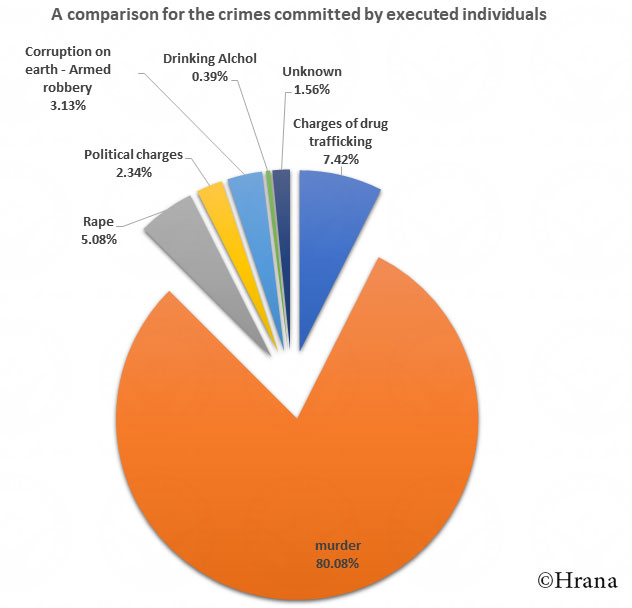
The report includes a breakdown of executions by capital offense: 80.08% were charged with murder, 7.42% were charged with drug and narcotic offenses, 5.08% were charged with Rape, 2.34% were charged with armed robbery/offenses classified as “corruption on earth”, 3.13% were charged with political or security-related offenses, 0.39% were charged with drinking alcohol and 1.56% had unknown charges.

The chart below displays execution numbers by the province in which they took place. According to this chart, Alborz had the highest number of executions at 16%.  Khorasan Razavi and West Azerbaijan come second and third, with 11% and 9% respectively.

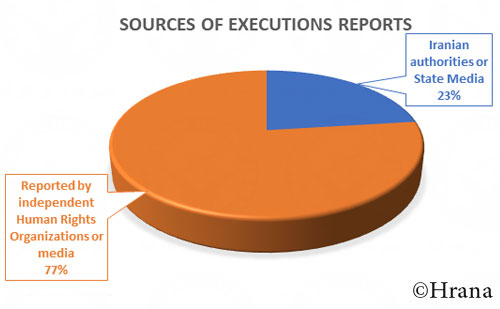
The chart below is a distribution of execution information sources. The chart indicates that 77% of HRANA-confirmed executions were not announced by the official Iranian sources. Undisclosed executions are referred to as “secret” executions.

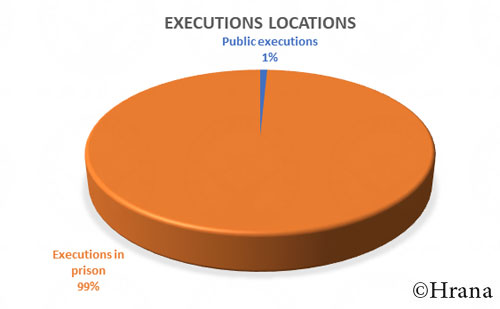
The chart below displays execution numbers by their location in prison or public. According to statistics, 1% of the executions in Iran were carried out in public.


Click here to download the report in PDF format

10 prisoners on death row in Tabriz Prion

At least 50 prisoners in ward 11 of Tabriz Prison are on death row. HRANA identified 10 of them as following:

Mohammad Khosravi was sentenced to death on the charge of murder. He is in prison for six years.

Akbar Norouzi was sentenced to death on the charge of murder. He is in prison for eight years.

Gholamreza Tahouneh was sentenced to death on the charge of murder. He is in prison for five years.

Ali Tahouneh (younger brother of Ghoamreza Tahouneh) was sentenced to death on the charge of murder. He is in prison for five years.

Safar Chalak was sentenced to death on the charge of rape. He is in prison for two years.

Ahmad Ahmadi was sentenced to death on the charge of murder. He is in prison for two years.

Bahram Almasi was sentenced to death on the charge of murder. He is in prison for four years.

Majid Khalilvand was sentenced to death on the charge of murder. He is in prison for two years.

Hadi Khoshfetrat was sentenced to death on the charge of murder. He is in prison for three years.

Javid Mohammadpour was sentenced to death on the charge of murder. He is in prison for two years.

Hamid Asgarpour was executed in Tabriz Prison on January 28, 2020, two years after a case was filed against him. He was told that he will be transferred to court, but instead, he was executed. According to a report by Human Rights Activists News Agency (HRANA), his execution has not been announced by the authorities or published in the media, and its report has just recently been given to HRANA.

In 2019, the Iranian authorities issued death penalty sentences to 108 individuals and have already carried out 248 executions including 13 executions in public. In addition, 4 juvenile offenders have also been executed in 2019 who were under the age of 18 at the time of committing the crime. Secret executions of prisoners, reported by the independent sources and the human rights associations, indicate that 75% of executions are carried out in secret or without any publicity.

The Execution of a Juvenile Offender Was Postponed for a Month

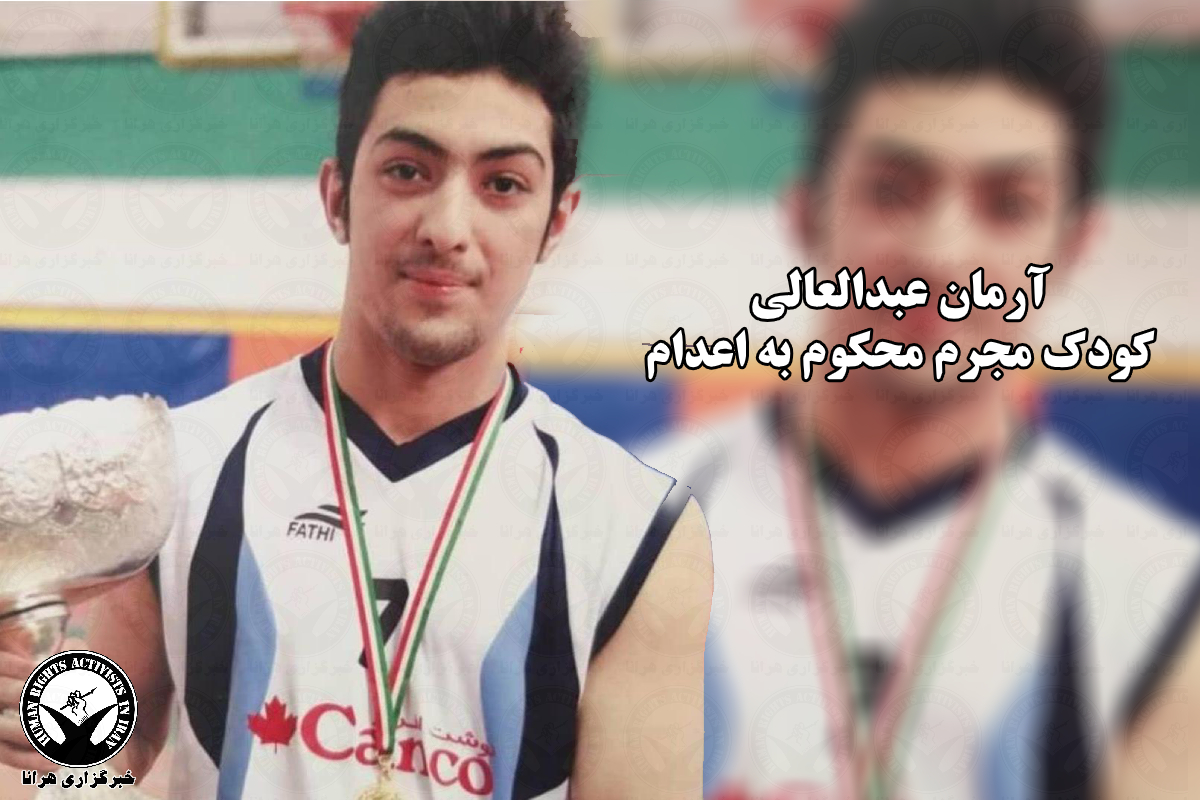
Arman Abdolaali was arrested in 2013 on the charge of murdering his girlfriend, Ghazaleh Shakour, in 2013 when he was under 18 years old. During the interrogation process, he confessed murdering Ghazaleh Shakour and said that “I was in love with her and proposed to her, but she refused to marry me, so I pushed her, and she was killed”. But afterward, he denies his confession and claims that he has not killed her. While the body of Ghazaleh Shakour was never found, the court sentenced Arman to death. His case was transferred to the Supreme Court of Iran and later to the Appeals Court but finally, after six years, his death sentence is confirmed.

On December 31, 2019, Amnesty International requested the Iranian Officials to refrain from executing Arman Abdolaali since he was a minor at the time of committing the crime. He is 24 years old now. According to Amnesty International, he was a child at the time of his arrest and his execution is an obvious violation of international laws. The court has claimed that while the convict was a minor at the time of committing the crime, but “he was fully aware of his wrongdoing”. He was transferred to a solitary confinement cell in Rajai Shahr Prison in Karaj to prepare for execution on the charge of “murder” but according to his attorney, Hossein Shamlou Ahmadi, the family of Ghazaleh Shakour has granted Arman Abdolaali a month to clarify some details regarding this case and thus, his execution is postponed.

In 2019, the Iranian authorities issued the death penalty sentence to 108 individuals and have already carried out 248 executions including 13 execution in public. In addition, 4 juvenile offenders have also been executed in 2019 who were under the age of 18 at the time of committing the crime. Secret executions of prisoners reported by the independent sources and the human rights association indicate that 75% of executions are carried out in secret or without any public notice.

Subscribe to Our Newsletter

Now is definitely not the time to stop reading!

Three Prisoners Were Executed in Urmia and Zahedan

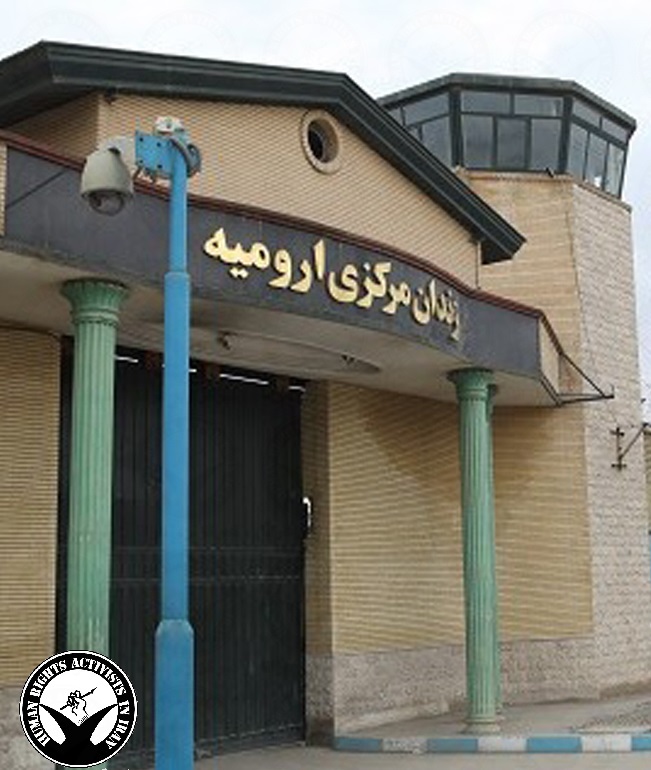
In the morning of December 3, 2019, two prisoners were executed in Urmia Prison. They were transferred to solidarity confinement cells a day before to get prepared for the execution. Morteza Ashrafi and Ali Mahmoudpour, prisoners of Urmia Prison, were sentenced to death earlier on the charge of murder. On the same day, a prisoner was executed in Zahedan Prison. Elyas Nooti Zehi, 27-year-old, was sentenced to death on the charge of murder three years ago. The news of these executions has not been published by the Iranian media yet.

According to the international organizations, Iran ranks first in the world in executions per capita. From October 10, 2018, to October 8, 2019, the Iranian authorities issued death penalty sentence to 134 individuals and have already carried out 242 executions including 16 public executions.  At least five of the executed were juvenile offenders who were under the age of 18 at the time of committing the crime. Secret executions of prisoners reported by the independent sources and the human rights association indicate that 72% of executions are carried out in secret or without any public notice.

At Least Two Prisoners Were Prepared for Execution in Urmia Prison

On November 11, 2019, at least two prisoners of Urmia Prison were transferred to solidarity confinement cells to get prepared for execution. They were sentenced to death earlier due to their murder felonies. One of them was identified as Mehdi Mostafazadeh. If they fail to get the victims’ family’s consent, they will be executed in few days.

According to the international organizations, Iran ranks first in the world in executions per capita. From October 10, 2018, to October 8, 2019, the Iranian authorities issued death penalty sentence to 134 individuals and have already carried out 242 executions including 16 public executions.  At least five of the executed were juvenile offenders who were under the age of 18 at the time of committing the crime. Secret executions of prisoners reported by the independent sources and the human rights association indicate that 72% of executions are carried out in secret or without any public notice.

Four Prisoners Were Executed in Tabriz, Shiraz, Ardabil, and Borujerd

At least four prisoners were executed in Tabriz, Shiraz, Ardabil, and Borujerd. On November 4, 2019, a prisoner was executed in Adel Abad Prison in Shiraz. Hossein Asgari was arrested in 2016 and had been imprisoned on the charge of murder. In addition, on November 5, 2019, a prisoner was executed in Tabriz Prison. 30-year-old Mohammad Doosti was arrested in Maragheh five years ago and was sentenced to death on the charge of murder. The same day, a prisoner was executed in Ardabil Central Prison. He was sentenced to death earlier on the charge of murder on August 15, 2017. The 39-year-old prisoner confessed to murder and stated that the motive of the incident revolves around a personal conflict case.

Finally, in the morning of November 7, 2019, another prisoner was executed in Borujerd Central Prison. Karam Sadeghi was sentenced to death on the charge of murder. He had been in prison since 2015.

The news of Mohammad Doosti, Karam Sadeghi, and Hossein Asgari’s executions has not been published by the Iranian media yet.

According to the international organizations, Iran ranks first in the world in executions per capita. From October 10, 2018, to October 8, 2019, the Iranian authorities issued death penalty sentence to 134 individuals and have already carried out 242 executions including 16 public executions.  At least five of the executed were juvenile offenders who were under the age of 18 at the time of committing the crime. Secret executions of prisoners reported by the independent sources and the human rights association indicate that 72% of executions are carried out in secret or without any public notice.

World Day Against the Death Penalty: Annual Report on Execution in Iran-2019

Human Rights Activists News Agency (HRANA)- On the World Day Against the Death Penalty, the Center of Statistics of Human Rights Activists in Iran (HRAI) has published its annual report, in efforts to sensitize the public about the situation of the death penalty in Iran.

HRANA’s Statistics Center relies on the work of HRANA reporters, as well as a network of independent and verifiable sources. It also incorporates disclosures to the media by judicial authorities announcing or confirming prisoner executions, and as such is exposed to a margin of error representing efforts by the Iranian authorities to omit, conceal, or restrict the collection of such data.

From October 10, 2018, to October 8, 2019, the death penalty and executions have been the focus of 250 HRANA reports. Over this time period, the Iranian authorities issued the death penalty sentence to 134 individuals and have already carried out 242 executions including 16 public executions.

While execution numbers went down by 5.4% in comparison to the same time last year, Iranian courts have issued 47.6% less death sentences. Public hangings and executions of women have raised 6.6% and 140%, respectively.

Females account for only 12 of the 242 HRANA-confirmed execution victims this year. In addition, five juvenile offenders who were under the age of 18 when they allegedly committed the crime they were charged with, were executed.

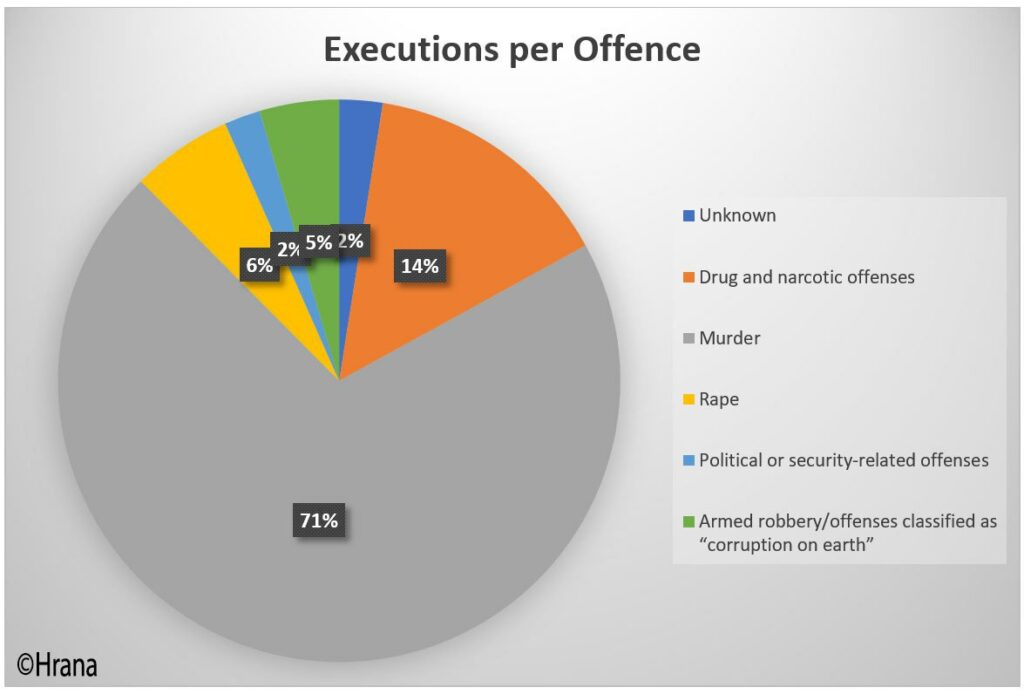
The report includes a breakdown of executions by capital offense: 71% were charged with murder, 14% were charged with drug and narcotic offenses, 6% were charged with rape, 5% were charged with armed robbery/offenses classified as “corruption on earth”, 2% were charged with political or security-related offenses, and 2% had unknown charges.

The chart below displays execution numbers by their location in prison or public. According to statistics, 7% of the executions in Iran were carried out in public.

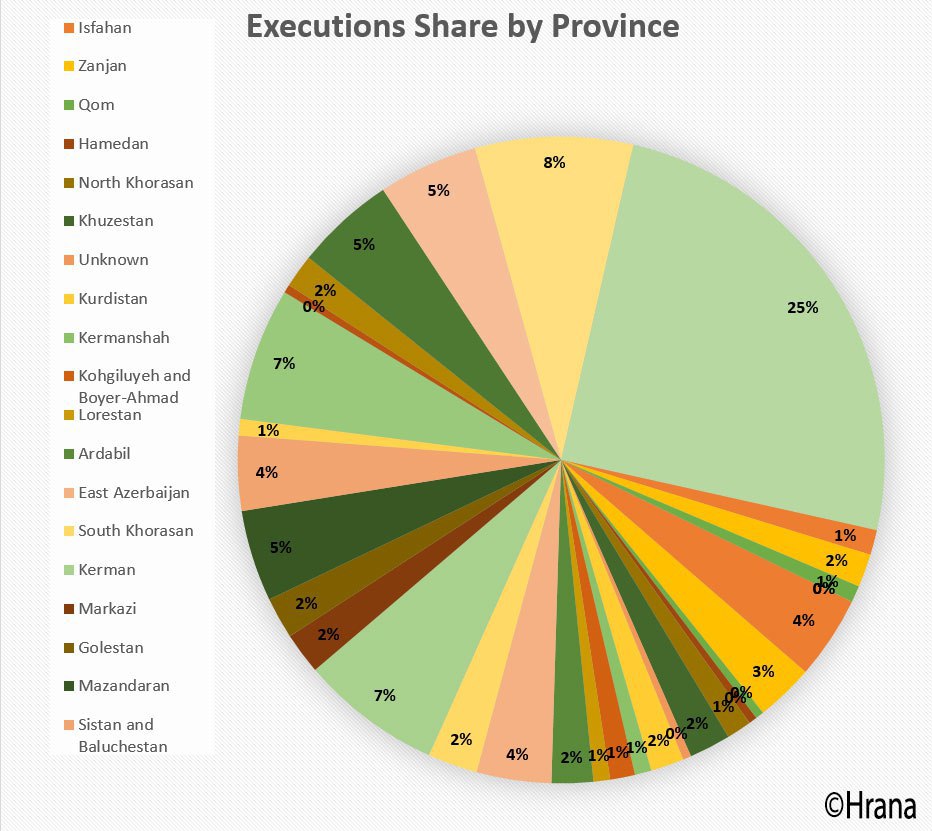
The chart below displays execution numbers by the province in which they took place. According to this chart, Alborz with 25% has the highest number of executions and West Azerbaijan 8% and Kerman 7% are second and third.

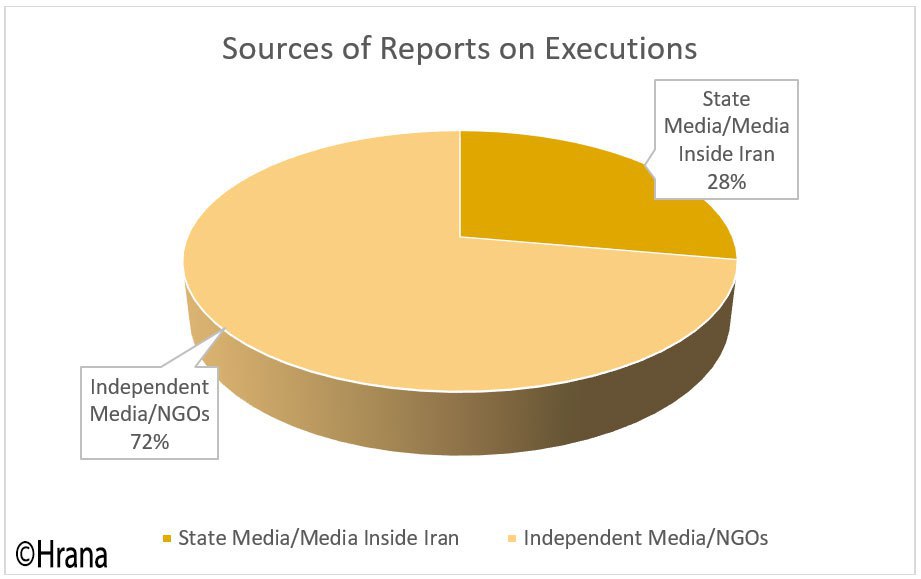
The chart below is a distribution of execution information sources. The chart indicates that 72% of HRANA-confirmed executions were not announced by the official Iranian sources. Undisclosed executions are referred to as “secret” executions.


Click here to download the report

Three Prisoners Were Executed in Urmia and Kashan

In the morning of July 21, 2019, a prisoner was executed in Kashan prison. The deputy prosecutor of the Revolutionary Court of Kashan, Rouhollah Dehghani, stated that in October 2018, the prisoner was fatally stabbed victim in a fight. After his arrest, he confessed to murder and having a relationship with the victim’s wife. The victim’s family requested death penalty for him and their daughter-in-law. He was sentenced to death by the court and the appeals court acknowledge it. After several meetings with the victim’s family, they refused to forgive. The victim’s wife was also sentenced to 25 years on the charge of ‘cooperated homicide’.”

In addition, in the morning of July 23, 2019, two female prisoners, Nazdar Vatankhah and Arasteh Rnjbar, who were sentenced to death earlier were executed in Urmia prison. They were transferred to the solidarity confinement a day before. They were granted one-month time to get the consent of the family of the victim but were unsuccessful. They were executed on Tuesday. Ranjbar was charged with murdering her husband and Vatankhah, Ranjbar’s sister-in-law, was charged with “cooperate homicide”. They had spent the last 15 years in prison prior to their execution. Ranjbar’s brother, Asghar Ranjbar, was executed in Urmia prison on a drug-related felony in 2017.

Finally, On July 24, 2019, at least two prisoners were transferred to solidarity confinement cells in Urmia prison to prepare for execution on the charge of murder. One of them was identified as Shahin Gholami. If they fail to get the victims’ family’s consent, they will be executed in few days.

According to the international organizations, Iran ranks first in the world in executions per capita. Based on 256 reports that have been registered by the Department of Statistics and Publication of Human Rights Activists Association in Iran, 195 death sentences and 236 people with death sentences were executed (including 13 executions in public) in Iran between January 1, 2018 and December 20, 2018. Six of them were juvenile offenders who were under the age of 18 at the time of committing the crime.

Secret executions of prisoners reported by the independent sources and the human rights association indicate that 72% of executions are carried out in secret or without any public notice.