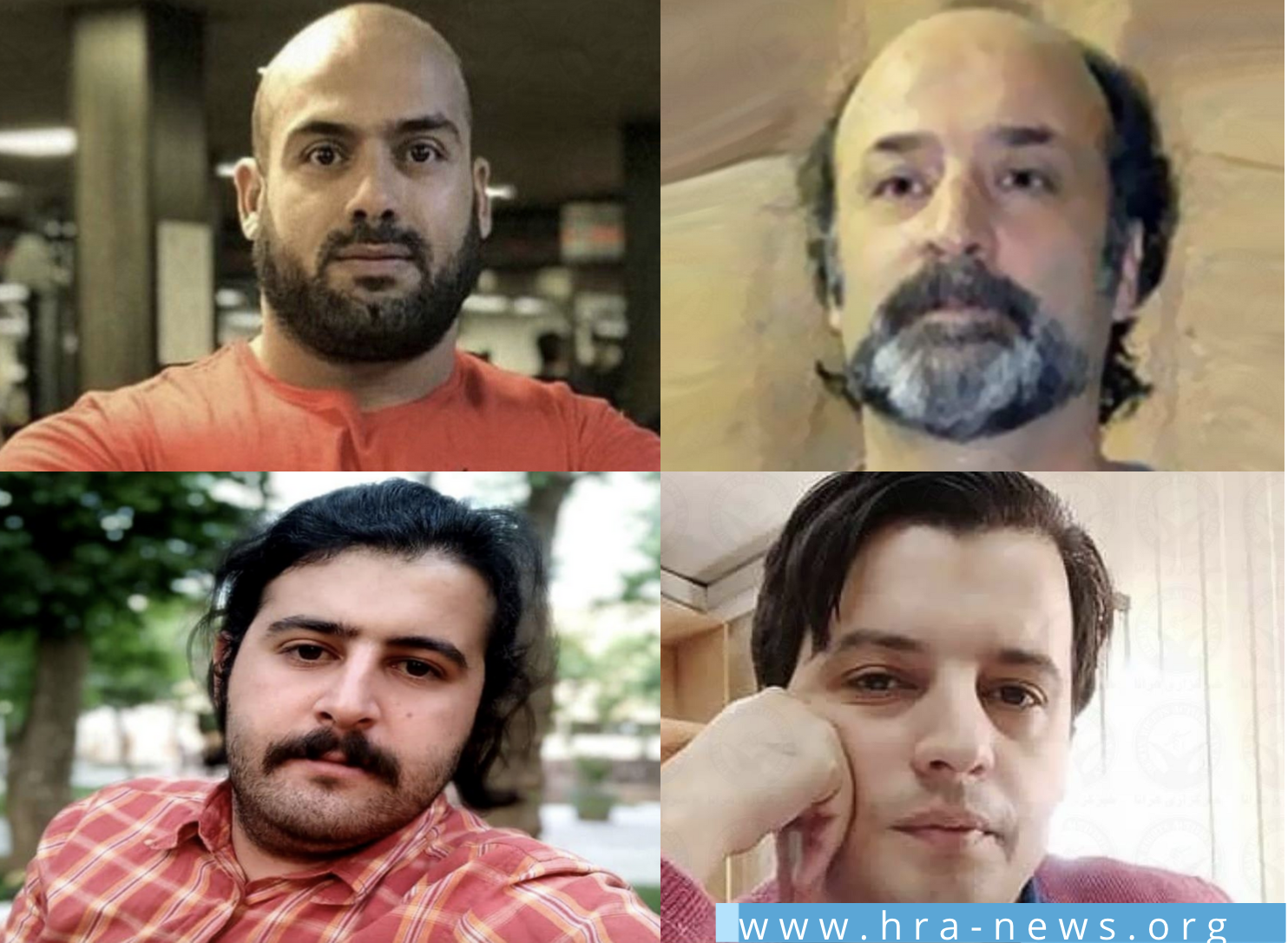
Khaled Pirzadeh on Day 9 of Hunger Strike in Greater Tehran Prison

Khaled Pirzadeh has been on a hunger strike since May 31 in the Greater Tehran Prison.  This demonstration, Pirzadeh’s second hunger strike of the year,  is in response to prison officials’ denial of visitations and leave in the 25 months since his imprisonment.

According to HRANA, the news agency of Human Rights Activists, Pirzadeh has suffered from low blood pressure, digestive problems, and severe pain in his muscles, joints, and eyes as a result of the hunger strike.

Earlier this year, Pirzadeh went on a hunger strike following the failure of authorities to fulfill their promise to agree to parole. Pirzadeh ended his hunger strike in March after authorities promised that his demands would be met, but they did not follow through.

In May of 2019, the political prisoner was sentenced by Branch 28 of the Revolutionary Court of Tehran, headed by Judge Mohammad Moghiseh, to 5 years in prison, and an additional 2 years for “insulting the leadership”.  According to Article 134 of the Islamic Penal Code, of the 7 total years, 5 can be enforced on Pirzadeh on the charge of “conspiracy and collusion”.

Khaled Pirzadeh underwent foot surgery in August 2020. His legs and spine were severely damaged during detention and required further surgery and physiotherapy. He was also barred from being hospitalized in December 2020 despite having a heart problem.

Prison officials have now asked Pirzadeh to end his strike and promised to address Mr. Pirzadeh’s demands, as before. Whether Pirzadeh accepts their offer given the dubious precedent they have set remains to be seen.

HRANA Recap: Recent Hunger Strikes in Iranian Prisons

Khalid Pirzadeh on a hunger strike in the Greater Tehran Prison


On May 31, political prisoner Khaled Pirzadeh went on a hunger strike for the second time this year in the Greater Tehran Prison.

According to HRANA, the news agency of Human Rights Activists, Pirzadeh has been denied visitations and leave in the 25 months since his imprisonment.

Earlier this year, Pirzadeh went on a hunger strike following the failure of authorities to fulfill their promise to agree to parole. Pirzadeh ended his hunger strike in March after authorities promised that his demands would be met.

In May of 2019, the political prisoner was sentenced by Branch 28 of the Revolutionary Court of Tehran, headed by Judge Mohammad Moghiseh, to 5 years in prison, and an additional 2 years for “insulting the leadership”.  According to Article 134 of the Islamic Penal Code, of the 7 total years, 5 can be enforced on Pirzadeh on the charge of “conspiracy and collusion”.

Khaled Pirzadeh underwent foot surgery in August 2020. His legs and spine were severely damaged during detention and required further surgery and physiotherapy. He was also barred from being hospitalized in December 2020 despite having a heart problem.


Iraj Hatami on a hunger strike in protest of continued imprisonment in Rajai Shahr Prison 


On May 30, Iraj Hatami, currently being held in Rajai Shahr Prison in Karaj, went on a hunger strike to protest his continued imprisonment and the fact that previous time served in detention has not been counted towards his 10 year sentence.

According to HRANA, the news agency of Human Rights Activists,  Hatami was arrested by security forces in October 2010 and sentenced to 10 years in prison on charges of “collaborating with a hostile US government”.

Before his arrest, Hatami worked for the Ministry of Defense and spent two years and three months in military detention. Had this time been counted by prison officials, Hatami’s 10 year sentence would have ended last year. Mr. Hatami suffers from diabetes and high blood pressure.


Farzad Samani on a hunger strike in the IRGC Intelligence Detention Center in Urmia


Farzad Samani, a student detained in one of the IRGC intelligence detention centers in Urmia, went on a hunger strike on May 30.

According to HRANA, the news agency of Human Rights Activists, quoting Kurdpa, Samani has been on a hunger strike to protest pressure from the IRGC’s intelligence services and the extension of his and Sakar Eini’s imprisonment for the sixth consecutive time.

The undergraduate student was arrested in his dormitory at Kharazmi University in Karaj in December 2020, and was later transferred to the IRGC Intelligence Detention Center in Urmia.

So far, no information is available on the charges against Samani and Eini.


Hossein Hashemi on a hunger strike in Tehran Prison after his punitive transfer


On Tuesday, June 1, political prisoner Hossein Hashemi went on a hunger strike in the Greater Tehran Prison.

According to HRANA, the news agency of Human Rights Activists,  Hashemi is one of the detainees from the November 2019 nationwide protests.

Per the report, Hashemi was taken from the ward under the pretext of going to interrogation, but was then transferred to the 4th section of the Greater Tehran Prison, which holds prisoners accused of violent crimes.

It is said that Mr. Hashemi’s transfer took place following a verbal argument with Eliassi, the supervising prosecutor of the Evin court. Eliassi had previously threatened to move Hussein Hashemi to a place where he would regret his actions.


Abolfazl Ghasali went on a hunger strike in Evin prison in Tehran

Tehran resident Abolfazl Ghasali, currently serving out a sentence in Evin Prison, has been on a hunger strike since May 27.

According to HRANA, the news agency of Human Rights Activists, Ghasali demands to be granted leave of absence during the COVID-19 outbreak, release on parole due to family’s financial problems, and a retrial.

Ghasali has had several nosebleeds since the day he started the hunger strike. The prisoner is also said to have suffered heart and lung problems during his detention due to poor nutrition and poor prison conditions. He also went on a hunger strike in December last year to protest the failure to address his needs.

In 2018, Branch 28 of the Revolutionary Court of Tehran, presided by Judge Mohammad Moghiseh, sentenced Ghasali to a total of 7 years in prison on charges of “Gathering and colluding and disturbing public order with the intention of committing a crime against national security”, and “insulting the Supreme Leader”.

3 years and 6 months of imprisonment are enforceable under Article 134 of the Islamic Penal Code.


Mojgan Kavousi Ends Hunger Strike After 10 Days

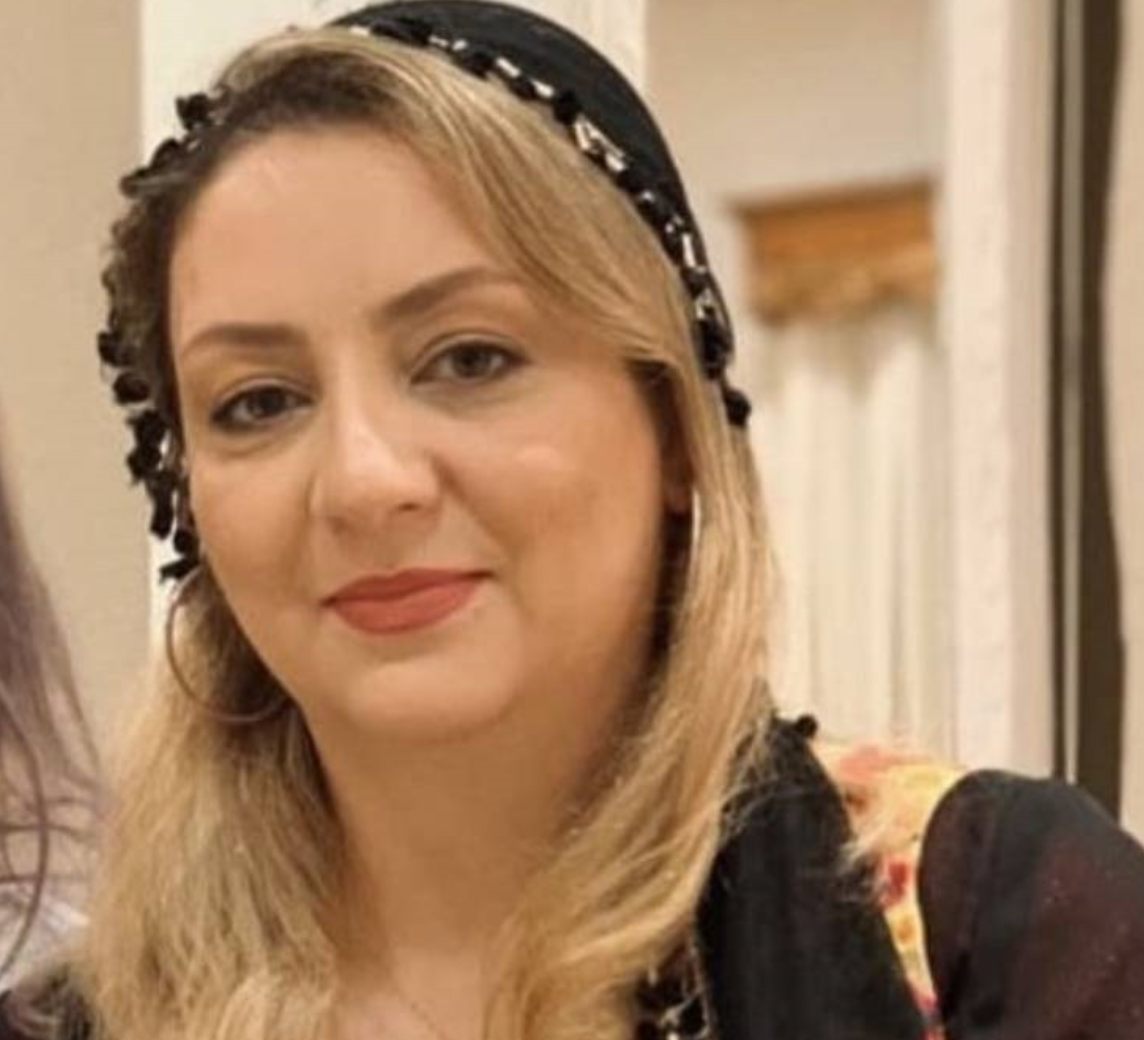
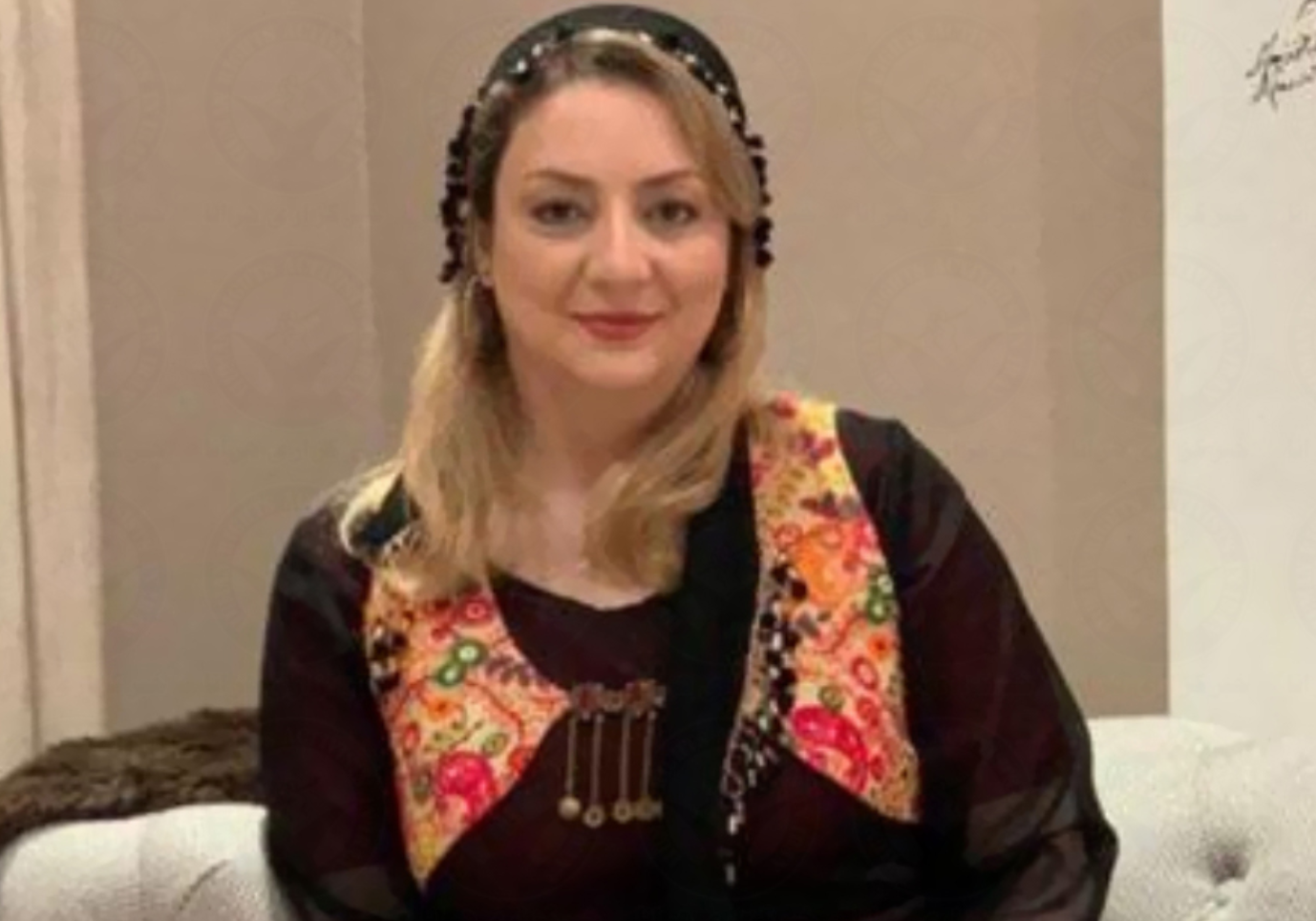
On the evening of May 25, political prisoner Mojgan Kavousi ended her hunger strike in Evin Prison.

According to HRANA, the news agency of Human Rights Activists, Kavousi had been on hunger strike since May 16 in protest of prison officials’ arbitrary behavior sending prisoners on leave during the outbreak of COVID-19.

Kavousi has been incarcerated for more than a year without leave. Her family has traveled from out of town to visit her but have been denied in-person visits and has only been permitted to meet through a cabin, behind glass.

Mojgan Kavousi Finishes 9th Day of Hunger Strike in Evin Prison

Yesterday, May 24, was the ninth consecutive day of hunger strike for political prisoner Mojgan Kavousi.

According to HRANA, the news agency of Human Rights Activists, Kavousi has been on hunger strike since May 16 in protest of prison officials’ arbitrary behavior sending prisoners on leave during the outbreak of COVID-19.

45-year-old Kavousi is the daughter of Akbar and mother of two girls. Ms. Kavousi is a researcher, translator, and follower of the Yarsan faith.

The activist was arrested by security forces at her home in Nowshahr during the nationwide November Protests of 2019. She was released on a bail and later  sentenced to two years in prison on charges of “inciting the people to disrupt the order and security of the country”.  Ms. Kavousi was banned from leaving the country in September 2019, according to the Nowshahr Intelligence Office.

In May 2020, Kavousi was summoned to the women’s ward of Evin Prison to serve out her sentence, where she has been held since. Kavousi suffers from gastrointestinal disease, hemorrhoids, and cardiac arrhythmias. Given her previous conditions, a hunger strike of this duration could cause permanent damage.

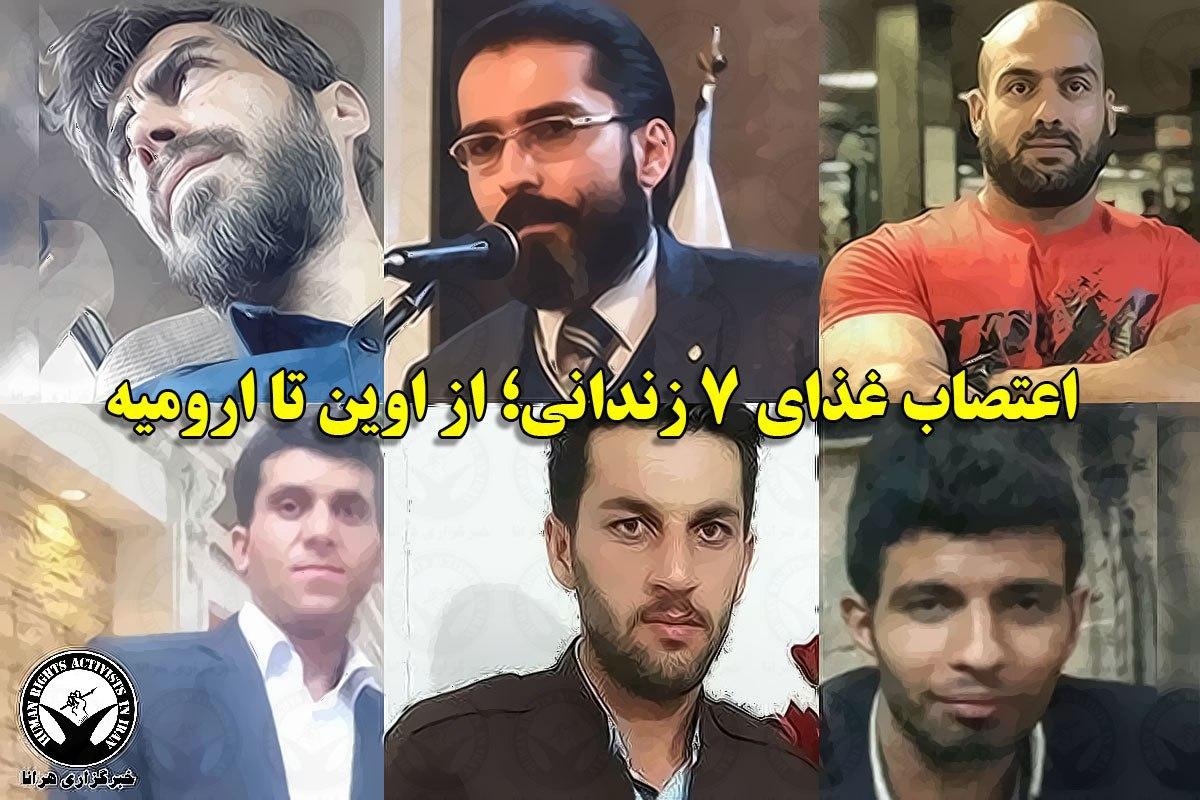
Seven prisoners are on hunger strikes in Urmia and Evin prisons

Evin Prison

Amir Salar Davoudi, attorney detained in Evin Prison, has been on hunger strike from February 9, 2020, protesting not being granted a furlough. In a note published on February 12, 2020, Amir Salar Davoudi explained his motives to go on hunger strike protesting authorities who refused to grant him a furlough and added “I have been incarcerated for 15 months of which I spend 190 days in a solitary confinement cell but my request for a furlough has been denied. I am going on hunger strike to protest this decision. I hold the judicial authorities responsible.” He has been detained in Evin Prison since November 20, 2018. On June 1, 2018, he was sentenced by Branch 15 of the Revolutionary Court of Tehran to 30 years in prison of which the highest penalty is 15 years imprisonment for the charge of “establishing a channel in the Telegram app”. His other charges are “insulting officials”, “propaganda against the state”, “cooperating with enemy states through interviewing with Voice Of America (VOA) television channel”, and “forming a group to overthrow the state”.

Four other political prisoners of Evin Prison, Barzan Mohammadi, Reza Mohammad Hosseini, Mehdi Meskinnavaz, and Khaled Pirzadeh have been on hunger strike from February 1, 2020, protesting denial of their request for parole, neglecting political prisoners requests, not conforming to the prison classification regulation, lengthy prosecutions, receiving unreasonable prison sentences, and finalizing the primary courts verdicts without an opportunity to appeal.

Barzan Mohammadi was arrested in August 2017 because of his activities on social media. He was sentenced to six years in prison for the charges of “assembly and collusion with an intention to disrupt the public order”, and “propaganda against the state” by the primary court. His appeal court was in session in March 2019 where his sentence was reduced to 3.5 years imprisonment

Reza Mohammad Hosseini’s was sentenced to 16.5 years imprisonment; he was sentenced to seven years imprisonment for the charge of “assembly and collusion”, three years imprisonment for the charge of “insulting the Supreme Leader”, three years imprisonment for the charge of “crossing the border unlawfully”, two years imprisonment for the charge of “unlawful entry to the country” and 1.5 years imprisonment for the charge of “disobeying the officers’ orders”. He was arrested in May 2019 by the IRGC intelligence officers and was taken to the IRGC’s detention center in Evin Prison. He was later transferred to the Ward 4 of Evin Prison. Reza Mohammad Hosseini was taken to the hospital on February 11, 2020, after experiencing asthenia. His situation is unknown after the transfer.

Khaled Pirzadeh was sentenced to five years imprisonment for the charge of “assembly and collusion”, and to two years imprisonment for the charge of “insulting the Supreme Leader”.

Mehdi Meskinnavaz tried at Branch 26 of the Revolutionary Court of Tehran in August 2019 and was sentenced to five years imprisonment for the charge of “assembly and collusion and propaganda against the state”. He was also exiled to Fahraj in Kerman Province and ban from membership in political parties and groups.


Urmia Prison

Siamak Ashrafi Ashgasou, a political prisoner of Urmia Prison, is on hunger strike from January 21, 2020, protesting the denial of his request to parole and his family being disrespectfully treated by the court employees. He was arrested in June 2016 by the security forces and was sentenced to five years imprisonment for the charge of “membership in an opposition group” and to eight months imprisonment for “draft evasion” by Branch 2 of the Revolutionary Court of Urmia. He requested parole after serving more than three years of his sentence.

Bashir Pirmawaneh has been on hunger strike from January 25, 2020, protesting his request for parole not being processed. He was arrested in March 2016 and was tried in April 2016 at Branch 2 of the Revolutionary Court of Urmia where he was sentenced to five years imprisonment for “membership in an opposition group”. The sentence was later reduced to four years. He has served more than a third of his sentence at the time of his request.

Subscribe to Our Newsletter

Now is definitely not the time to stop reading!

Atefeh Rangriz Went on Hunger Strike

On October 16, 2019, Atefeh Rangriz, a political prisoner of Qarchak Prison, went on hunger strike.

Her trial was on August 5, 2019 and was led by judge Moghiseh who set a bail of two billion Tomans (approx. 180 thousand dollars)  for her temporary release, but she could not afford it and was returned to prison. On August 31 she was sentenced to 11 years and six months in prison and 74 lashes by the Branch 28 of Tehran’s Revolutionary Court.

She was arrested along with several others in the protests of the International Labor Day in front of the parliament in Tehran on May 1, 2019. A few of the protesters were released but Neda Naji, Atefeh Rangriz, and Marzieh Amiri are still in prison.

A Daily Overview of Human Rights Violations in Iran for December 5, 2018

The following is an overview of human rights violations in Iran on December 5th, 2018 based on the information compiled and verified by Human Rights Activists News Agency (HRANA). Continue reading “A Daily Overview of Human Rights Violations in Iran for December 5, 2018”

Concessions from Prison Authorities Put an End to Abdolreza Ghanbari’s Hunger Strike

Human Rights Activist News Agency (HRANA) – Prompted by his loved ones and a promise from authorities to transfer him back to Evin Prison, teacher and political prisoner Abdolreza Ghanbari has begun eating again after five days of hunger strike.

Ghanbari had announced he was starving himself in protest of his forced transfer from Evin’s Ward 8 to Rajai Shahr Prison on November 10th. In a previous HRANA report on Ghanbari’s hunger strike, a close source remarked that the transfer seemed arbitrary.

In a note announcing the end of his strike, Ghanbari wrote, “moved by the words of my loved ones to end my hunger strike, I have relieved them of their worries. The persistence of my spouse and my attorney have ended in a promise from officials to return me to Evin, as per my request, as soon as possible.”

What was once a 10-year sentence for Ghanbari was increased to a 15-year term in September of 2017, per reconsideration proceedings led by Judge Moghiseh in Branch 28 of Revolutionary Court. After presenting himself to the Evin Prosecutor’s Office on October 13th of this year, Ghanbari was escorted to Evin Prison’s Ward 8 by security forces.

Authorities Impassive in Sunni Prisoner’s 49th Day of Hunger Strike

Human Rights Activists News Agency (HRANA) – In Rajai Shahr Prison, the effects of a 49-day-strong hunger strike have begun to take hold on Sunni prisoner Hamzeh Darvish: hypotension, a 29-pound weight loss, and chest and abdominal pains that have left him speechless.

A source close to Darvish’s family told HRANA that he would end his hunger strike on two conditions: that his reconsideration petition is tried in the Supreme Court, and he is granted legal representation. “No action has been taken on those demands yet,” the source said.

According to the source, Rajai Shahr Prosecution Representative Rostami deferred the reconsideration decision to the Ministry of Intelligence. Barring cooperation with them, Rostami reportedly said, Darvish’s sole recourse is “suicide.”

Hamzeh Darvish has not eaten since September 23rd. After announcing his hunger strike that day, he was reportedly held in solitary confinement for three days.

Residing far from Karaj, Darvish’s family is rarely able to afford the transport costs to see him. Meanwhile, Rajai Shahr authorities have placed restrictions on his extra-prison contacts.

In response to a prior hunger strike — protesting a lack of due process in his judicial proceedings — Prison Director Gholamreza Ziaei, Rajai Shahr Deputy Vice President Esmaeili, and Security Director Zolfali beat Darvish black and blue, sent him to the quarantine ward for three weeks, then transferred him to the coroner’s office in handcuffs and shackles.

Hamzeh Darvish was reportedly lured to Syria by ISIS (Daesh) agents in 2014, where he was transferred to the Islamic State’s prison in Raqqa before fleeing to Iran. In hopes of remaining free by posting bail or pledging allegiance to Iran — after which he planned to earn a living as a quail farmer — he turned himself in to the Iranian security forces. A short while later, however, he was back in custody facing an 18-year prison sentence.

Darvish told his story in an open letter published August 2017, in which he asked human rights advocacy groups for help.

He emphasized in his letter that his appeal request was essentially ignored and that Article 134 of the Islamic Penal Code permits his release in year 15 of his 18-year sentence.

Impromptu Exile Transfer Prompts Abdolreza Ghanbari to Hunger Strike

Human Rights Activist News Agency (HRANA) – Teacher and political prisoner Abdolreza Ghanbari, who on October 13th of this year was taken to Evin Prison’s Ward 8 to serve the remainder of a once-dormant sentence, has reportedly declared hunger strike following his November 10th transfer to the Quarantine Ward of Rajai Shahr Prison.

Confirming news of Ghanbari’s current hunger strike to HRANA, a close source added that his most recent sentence made no mention of an exile order.

Ghanbari’s judicial ordeal has been rife with major upsets, as previously reported by HRANA. After being arrested at the school where he taught in 2009 for backing the “Ashura” protests tailing that year’s contentious presidential elections, he was interrogated for two months and found himself facing a death sentence: Judge Salavati of Revolutionary Court Branch 15, convicting Ghanbari of “Moharebeh” [enmity against God]” through alleged ties to the opposition group People’s Mujahedin of Iran (MEK), ruled to send him to the gallows.

Four suspenseful years later, the Supreme Court acquitted Ghanbari of the Moharebeh charge, effectively sparing his life. Branch 1 of Revolutionary Court settled his remaining charges with a 15-year prison sentence, which was later reduced to 10 years in appeals court.

After enduring more than 6 years of his 10-year prison term, he went free in the Spring of 2016 — only to be re-sentenced the following Fall to 15 years in prison, per reconsideration proceedings led by Judge Moghiseh in Branch 28 of Revolutionary Court.

Ghanbari is currently detained in Rajai Shahr.