Human Rights Day: Introducing Imprisoned Civil Activists in Iran and Honoring Their Stand Against Human Rights Violations

Human Rights Day is also an opportunity to reexamine the values that form the foundation of human dignity, values such as justice, freedom, and equality, rooted in international documents and human experience

HRANA News Agency –Human Rights Day is an opportunity to reflect on the condition of imprisoned civil activists in Iran, individuals who are behind bars solely for defending fundamental human rights. HRANA, by publishing a list of these brave activists, calls on the international community to amplify their voices and demand the immediate release of advocates for freedom and justice.

This day serves as a moment to reconsider the role of human rights defenders and civil activists in societies where fundamental rights are still subject to structural violations. Marked annually on the global calendar, it commemorates the principles laid out in the Universal Declaration of Human Rights, adopted on December 10, 1948, principles that recognize freedom of expression, the prohibition of torture, the right to a fair trial, and human dignity as inalienable rights of all individuals. Nevertheless, the current reality in Iran highlights a stark gap between these international standards and the domestic situation.

In Iran, many human rights defenders, civil society activists, trade unionists, environmentalists, and advocates for fundamental freedoms face the threat of arrest, harsh sentences, and long-term deprivation, even for entirely peaceful activities conducted within the framework of domestic laws. These individuals, who constitute a significant part of the country’s civil society fabric, consistently encounter security pressures, broad restrictions, and systematic rights violations in their pursuit of transparency, justice, and equality. Most have been sentenced following closed-door trials, with limited access to legal counsel and based on vague or unsubstantiated charges, a process that not only contradicts Iran’s international obligations but also deeply impacts the civic space in the country.

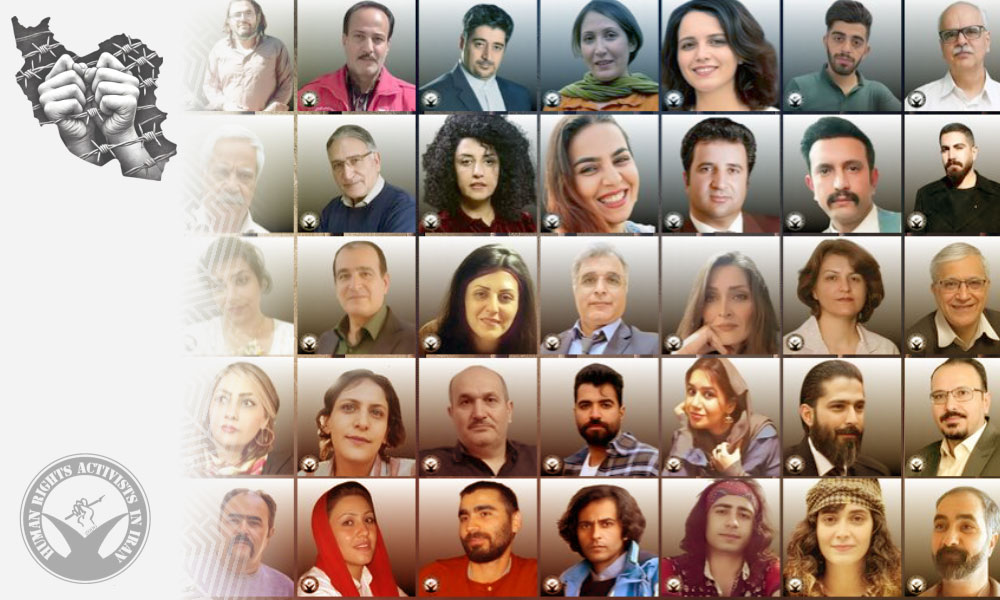
In this report, HRANA publishes a list of over 61 imprisoned human rights defenders and civil activists in Iran, including 8 of whom currently being held in pretrial detention. This list is the result of ongoing collection, verification, and documentation efforts, aiming to provide a clear representation of the various dimensions of human rights violations against these defenders. The publication of this list is not merely the release of names; it tells a part of the story of Iranian civil society, in which the struggle to defend human rights can come at the cost of one’s freedom, health, and personal security.

Beyond commemorating foundational principles, Human Rights Day is also an occasion to consider the role of society and international institutions in supporting these defenders. Raising public awareness, demanding accountability from authorities, and supporting activists’ efforts are essential tools for advancing human rights in Iran. Through this report.

This report, in addition to documenting and reporting on these individuals’ conditions, is a step toward transparent and continuous documentation, aimed at preserving the truth, preventing collective amnesia, and laying the groundwork for accountability. Despite pressures and restrictions, human rights defenders in Iran remain a vital part of the collective effort to achieve a freer and more just society. Human Rights Day is a moment to once again bring their names and efforts to the forefront.

List of names:
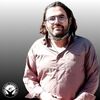
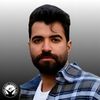
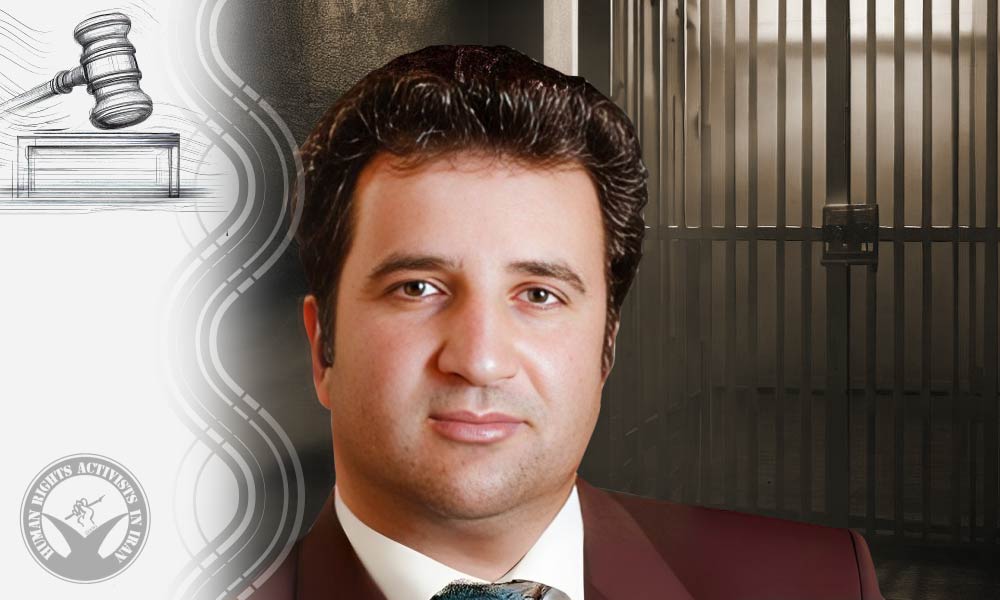
Mohammad Najafi1. Mohammad Najafi, Civil Rights Activist

Charges:
Sending a voice message from Arak Prison and expressing support for the 2022 nationwide protests; spreading falsehoods; propaganda against the regime; insulting the Supreme Leader.
Conviction: At least six separate cases totaling more than 24 years in prison.
Place of imprisonment: Evin Prison.
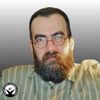
sharifeh mohammadi2. Sharifeh Mohammadi, labor activist

Charges: Propaganda against the regime; acting against national security; baghi (armed rebellion) through membership in one of the opposition groups.
Conviction: Following an order by the head of the judiciary, her sentence was reduced by one degree and changed to 30 years in prison.
Place of imprisonment: Lakan Prison in Rasht.

3. Fatemeh Sepehri, civil activist

Charges: Cooperation with hostile governments; assembly and collusion; insulting the Supreme Leader; propaganda against the regime; spreading falsehoods and disturbing public opinion.
Conviction: In five separate cases, a total of 41 years and 9 months in prison plus a monetary fine.
Place of imprisonment: Vakilabad Prison in Mashhad.

4. Golrokh Iraee, civil activist

Charges: Assembly and collusion against national security; propaganda against the regime; disrupting public order.
Conviction: Five years in prison and social deprivations.
Place of imprisonment: Evin Prison.

5. Maryam Akbari Monfared, civil activist

Charges: Propaganda against the regime and assembly and collusion against national security.
Conviction: Two years in prison.
Place of imprisonment: Qarchak Prison in Varamin.

6. Zartosht Ahmadi Ragheb, civil activist

Charges: Propaganda against the regime; assembly and collusion to commit crimes against internal and external security.
Conviction: In two separate cases, a total of six years and eight months in prison, social deprivations, and exile.
Place of imprisonment: Ghezel Hesar Prison in Karaj.

7- Payam Vali, Baha’i civil activist

Charges: Cooperation with hostile governments; inciting or persuading people to war and killing each other; propaganda against the regime.
Conviction: In three separate cases, 11 years and 5 months in prison, social deprivations, and exile.
Place of imprisonment: Karaj Central Penitentiary.

8. Mohammad Davari, labor activist

Charges: Insulting the Supreme Leader and propaganda against the regime in favor of anti-regime groups on the Internet.
Conviction: Four years and six months in prison, social deprivations, and exile.
Place of imprisonment: Adelabad Prison in Shiraz.

9. Hashem Khastar, civil activist

Charges: Insulting the founder of the Islamic Republic; insulting sacred values; insulting the Supreme Leader; disturbing public opinion; cooperation with foreign media; participating in unlawful gatherings; and propaganda against the regime.
Conviction: In two separate cases, a total of 18 years and six months in prison, social deprivations, and exile.
Place of imprisonment: Vakilabad Prison in Mashhad.

10. Anisha Asadollahi, labor activist

Charges: Assembly and collusion against national security and propaganda against the regime.
Conviction: Five years and eight months in prison.
Place of imprisonment: Evin Prison.

11- Mehran Raoof, labor activist

Charges: Participation in running an unlawful group and propaganda against the regime.
Conviction: Seven years and six months in prison.
Place of imprisonment: Evin Prison.

12- Mohammad Nourizad, civil activist

Charges: Sending an audio file out of Evin Prison; disrupting public order; spreading falsehoods; insulting the founder of the Islamic Republic; insulting sacred values; insulting the Supreme Leader; disturbing public opinion; cooperation with foreign media; participating in unlawful gatherings; propaganda against the regime; and damaging the door and window of the ward chief’s office.
Conviction: In six separate cases, a total of 28 years and 9 months in prison, 148 lashes, and exile.
Place of imprisonment: Evin Prison.

13- Saeed Madani, civil activist

Charges: Forming and administering anti-regime groups.
Conviction: Four years in prison.
Place of imprisonment: Damavand Prison.

14. Ahmadreza Haeri, civil activist

Charges: Assembly and collusion with the intent to commit a crime against national security; propaganda activities against the regime; and spreading falsehoods.
Conviction: In two separate cases, a total of six years and three months in prison.
Place of imprisonment: Ghezel Hesar Prison in Karaj.

15. Reza (Gholamreza) Aghdasi, labor activist

Charges: Propaganda against the regime and assembly and collusion with the intent to commit a crime against national security.
Conviction: Four years and three months in prison.
Place of imprisonment: Evin Prison

16. Arman Shadivand, environmental activist

Charges: Propaganda against the regime and insulting the Supreme Leader.
Conviction: Two years in prison.
Place of imprisonment: Darreh Shahr Prison.

17. Narges Mansouri, civil activist

Charges: Assembly and collusion against national security, and propaganda against the regime.
Conviction: Nine years in prison.
Place of imprisonment: Evin Prison.

18. Abbas Vahedian Shahroudi, civil activist

Charges: Forming a group with the intent to act against national security, and cooperating with groups opposing the regime.
Conviction: A total of 24 years in prison and two years of exile in three separate cases.
Place of imprisonment: Vakilabad Prison in Mashhad.

19. Mohammad Abolhasani, civil activist

Charges: Disrupting public order; assembly and collusion against national security; and propaganda activities against the regime.
Conviction: In three separate cases, a total of five years and three months in prison, social deprivations, and 12 lashes. The flogging sentence has been carried out.
Place of imprisonment: Choubindar Prison in Qazvin.

20- Taher Naghavi, attorney and civil activist

Charges: Propaganda against the regime and assembly and collusion with the intent to disrupt national security.
Conviction: Six years in prison and social deprivations.
Place of imprisonment: Evin Prison.

21- Maryam Jalal Hosseini, civil activist

Charges: Inciting and persuading people to war and violence against one another with the intent to disrupt national security; propaganda against the regime; insulting the Supreme Leader; and forming a group aimed at undermining national security.
Conviction: Six years in prison and exile.
Place of imprisonment: Kachouei Prison in Karaj.

22- Shakila Monfared, civil activist

Charges: Membership in anti-regime groups; destruction of public property; disrupting public order and public peace; propaganda activities against the regime; and insulting Islamic sacred values.
Conviction: In four separate cases, a total of 15 years and five months in prison, ten lashes, social deprivations, and exile.
Place of imprisonment: Evin Prison.

23- Morteza Seydi, labor activist

Charges: Forming a group under the name of a labor union with the intent to disrupt national security.
Conviction: Two years in prison.
Place of imprisonment: Evin Prison.

24. Nasrollah Amirloo, labor activist

Charges: Forming a group under the name of a labor union with the intent to disrupt national security.
Conviction: Two years in prison.
Place of imprisonment: Evin Prison.

25. Morteza Parvin, Azerbaijani-Turk activist

Charges: Propaganda against the regime and assembly and collusion with the intent to disrupt national security.
Conviction: Six years in prison.
Place of imprisonment: Evin Prison.

 26. Foad Fathi, labor activist

Charges: Membership in anti-regime groups; acting against national security; and propaganda against the regime.
Conviction: Four years in prison.
Place of imprisonment: Evin Prison.

27. Abdolrasoul Mortazavi, civil activist

Charges: Insulting the founder of the Islamic Republic; insulting sacred values; insulting the Supreme Leader; disturbing public opinion; cooperating with foreign media; participating in unlawful gatherings; propaganda against the regime; and disrupting public order.
Conviction: In three separate cases, 30 years in prison, with the maximum cumulative sentence stated as 15 years in prison.
Place of imprisonment: Dastgerd Prison in Isfahan.

28. Fariba Kamalabadi, Baha’i civil activist

Charges: Administering an organization described by authorities as a “deviant and misguided sect” with the aim of disrupting national security.
Conviction: Ten years in prison.
Place of imprisonment: Evin Prison.

29. Javad La’al-Mohammadi, civil activist

Charges: Giving interviews to foreign media and membership in anti-regime groups.
Conviction: In three separate cases, a total of 23 years in prison.
Place of imprisonment: Vakilabad Prison in Mashhad.

30- Golareh Abbasi, civil activist

Charges: Assembly and collusion against national security, and propaganda against the regime.
Conviction: 33 months in prison.
Place of imprisonment: Evin Prison.

31. Arsham Rezaei, civil activist

Charges: Assembly and collusion with the intent to commit a crime against national security; propaganda activities against the regime; inciting people to clashes and bloodshed; acquiring illicit gains; and spreading falsehoods.
Conviction: In two separate cases, a total of 15 years in prison, a monetary fine, 50 lashes, and social deprivations.
Place of imprisonment: Ghezel Hesar Prison in Karaj.

32- Vadood Asadi, Azerbaijani-Turk activist

Charges: Propaganda against the regime; membership in opposition groups; insulting the Supreme Leader; and assembly and collusion against national security.
Conviction: In two separate cases, a total of six years and three months in prison.
Place of imprisonment: Evin Prison.

33- Salar Taher Afshar, Azerbaijani-Turk activist

Charges: Assembly and collusion against national security.
Conviction: Five years in prison.
Place of imprisonment: Evin Prison.

34. Abdolaziz Azimi-Ghadim, Azerbaijani-Turk activist

Charges: Propaganda against the regime and assembly, and collusion against national security.
Conviction: Six years in prison.
Place of imprisonment: Evin Prison.

35. Elham Salehi, civil activist

Charges: Propaganda activities against the regime; spreading falsehoods; and appearing in public without a hijab.
Conviction: One year in prison and complementary punishments.
Place of imprisonment: Qarchak Prison in Varamin.

36. Abolfazl Khoran, teachers’ union activist

Charges: Insulting sacred values and disrupting public order and public peace.
Conviction: A total of six years in prison, 74 lashes, and a 40 million toman fine in two separate cases.
Place of imprisonment: Arak Prison.

37- Masoud Farhikhteh, teachers’ union activist

Charges: Assembly and collusion with the intent to commit crimes against the country’s internal security, and propaganda activities against the regime.
Conviction: Four years, one month, and 17 days in prison.
Place of imprisonment: Karaj Central Penitentiary.

38- Reza Mohammad-Hosseini, civil activist

Charges: Membership in anti-regime groups with the aim of disrupting national security; assembly and collusion to commit a crime against national security; and propaganda activities against the regime.
Conviction: Initially 41 years and six months, later reduced to five years in prison at the appeals stage.
Place of imprisonment: Ghezel Hesar Prison in Karaj.

39- Mahboobeh Rezaei, civil activist

Charges: Membership in anti-regime groups with the aim of disrupting national security; assembly and collusion with the intent to commit a crime against national security; propaganda activities against the regime; insulting Islamic sacred values; unveiling (appearing without hijab); and displaying immoral behavior in cyberspace.
Conviction: Initially 19 years and 9 months, later reduced to five years in prison at the appeals stage.
Place of imprisonment: Evin Prison.

40. Abbas Lessani, Azerbaijani-Turk activist

Charges: Forming an unlawful group; assembly and collusion against national security; and disrupting public order.
Conviction: He is being held in pretrial detention and has not yet been tried.
Place of imprisonment: Evin Prison.

41. Farhad Fahandej, Baha’i civil activist

Charges: No information has yet been made available regarding the charges brought against Mr. Fahandej.
Conviction: He is being held in pretrial detention and has not been tried.
Place of imprisonment: A Ministry of Intelligence’s detention facilities in Gorgan.

42. Jahangir Rostami, teachers’ union activist

Charges: No information has yet been made available regarding the charges brought against Mr. Rostami.
Conviction: He is being held in pretrial detention and has not been tried.
Place of imprisonment: The Ministry of Intelligence’s detention facility, known as Ward 209 of Evin Prison.

43. Ehsan Rostami, cultural activist

Charges: No information has yet been made available regarding the charges brought against Mr. Rostami.
Conviction: He is being held in pretrial detention and has not been tried.
Place of imprisonment: The Ministry of Intelligence’s detention facility, known as Ward 209 of Evin Prison.

44. Hassan Tozandehjani, cultural activist

Charges: No information has yet been made available regarding the charges brought against Mr. Tozandehjani.
Conviction: He is being held in pretrial detention and has not been tried.
Place of imprisonment: The Ministry of Intelligence’s detention facility, known as Ward 209 of Evin Prison.

45. Ramin Rostami, cultural activist

Charges: No information has yet been made available regarding the charges brought against Mr. Rostami.
Conviction: He is being held in pretrial detention and has not been tried.
Place of imprisonment: The Ministry of Intelligence’s detention facility, known as Ward 209 of Evin Prison.

46. Nima Mahdizadegan, cultural activist

Charges: No information has yet been made available regarding the charges brought against Mr. Mahdizadegan.
Conviction: He is being held in pretrial detention and has not been tried.
Place of imprisonment: The Ministry of Intelligence’s detention facility, known as Ward 209 of Evin Prison.

47. Mehdi Farrahi Shandiz, teachers’ union activist

Charges: No information has yet been made available regarding the charges brought against Mr. Farrahi Shandiz.
Conviction: He is being held in pretrial detention and has not been tried.
Place of imprisonment: Evin Prison.

The following list includes activists who are currently outside prison due to a suspension of their sentences, furlough, or other similar circumstances:


1. Narges Mohammadi, Nobel Peace Prize laureate and human rights activist

Charges: Propaganda activities against the Islamic Republic of Iran through publishing a statement (the statement against executions); staging a sit-in inside the prison office; disobeying the prison warden and officials (for refusing to end the protest sit-in); breaking windows; defamation and causing bodily harm; confrontation with an officer and disobedience; and additional propaganda activities against the regime.
Conviction: In seven separate cases, a total of 15 years and six months in prison, 74 lashes, exile, and social deprivations.
Place of imprisonment: Evin Prison (currently on medical furlough with the execution of her sentence temporarily suspended).

2- Amirsalar Davoudi, attorney and human rights activist

Charges: Insulting the Supreme Leader; disturbing public opinion; and forming an anti-security group.
Conviction: 14 years in prison.
Case status: Following the Supreme Court’s Branch 39 decision to accept his request for retrial and refer the case to a parallel branch, the enforcement of his sentence has been halted.

3- Fatemeh (Mojgan) Tadrisi, civil activist

Charges: Inciting and persuading people to war and violence against one another with the intent to disrupt national security; propaganda against the regime; insulting the Supreme Leader; and forming a group aimed at undermining national security.
Conviction: Six years in prison and exile.
Place of imprisonment: Kachouei Prison in Karaj (currently on medical furlough).

4. Peyman Farhangian, labor activist

Charges: Propaganda against the regime and forming a group with the intent to disrupt public order.
Conviction: In two separate cases, a total of 11 years in prison and social deprivations.
Place of imprisonment: Azbaram Prison in Lahijan (currently on furlough).

5. Jelveh Javaheri, women’s rights activist

Charges: Propaganda against the regime.
Conviction: One year in prison.
Case status: Following the request for retrial at the Supreme Court, the execution of her sentence has been temporarily halted, and she has been released on bail pending review.

6. Yasamin Heshdari, women’s rights activist

Charges: Membership in a group and assembly and collusion with the intent to disrupt national security.
Conviction: Six years, one month, and 17 days in prison.
Case status: Following the request for retrial at the Supreme Court, the execution of her sentence has been temporarily halted, and she has been released on bail.

7- Sara Jahani, women’s rights activist

Charges: Membership in a group and assembly and collusion with the intent to disrupt national security.
Conviction: Six years, one month, and 17 days in prison.
Case status: Following the request for retrial at the Supreme Court, the execution of her sentence has been temporarily halted, and she has been released on bail.

8- Matin Yazdani, women’s rights activist

Charges: Membership in a group and assembly and collusion with the intent to disrupt national security.
Conviction: Six years, one month, and 17 days in prison.
Case status: Following the request for retrial at the Supreme Court, the execution of her sentence has been temporarily halted, and she has been released on bail.

9- Negin Rezaei, women’s rights activist

Charges: Membership in a group and assembly and collusion with the intent to disrupt national security.
Conviction: Six years, one month, and 17 days in prison.
Case status: Following the request for retrial at the Supreme Court, the execution of her sentence has been temporarily halted, and she has been released on bail.

10- Forough Sami-Nia, women’s rights activist

Charges: Membership in a group and assembly and collusion with the intent to disrupt national security.
Conviction: Six years, one month, and 17 days in prison.
Case status: Following the request for retrial at the Supreme Court, the execution of her sentence has been temporarily halted, and she has been released on bail.

11- Shiva Shah-Siah, women’s rights activist

Charges: Membership in a group and assembly and collusion with the intent to disrupt national security.
Conviction: Six years, one month, and 17 days in prison.
Case status: Following the request for retrial at the Supreme Court, the execution of her sentence has been temporarily halted, and she has been released on bail.

12- Azadeh Chavoshian, women’s rights activist

Charges: Membership in a group and assembly and collusion with the intent to disrupt national security.
Conviction: Six years, one month, and 17 days in prison.
Case status: Following the request for retrial at the Supreme Court, the execution of her sentence has been temporarily halted, and she has been released on bail.

13- Zohreh (Fatemeh) Dadras, women’s rights activist

Charges: Forming a group with the aim of disrupting national security, and assembly and collusion with the intent to disrupt national security.
Conviction: Nine years, six months, and two days in prison.
Case status: Following the request for retrial at the Supreme Court, the execution of her sentence has been temporarily halted, and she has been released on bail.

14. Zahra Dadras, women’s rights activist

Charges: Membership in a group and assembly, and collusion with the intent to disrupt national security.
Conviction: Six years, one month, and 17 days in prison.
Case status: Following the request for retrial at the Supreme Court, the execution of her sentence has been temporarily halted, and she has been released on bail.

Human Rights Day is also an opportunity to re-examine the values that form the foundation of human dignity, values such as justice, freedom, and equality, rooted in international documents and human experience. The names recorded in this report reflect only a portion of a broader reality, one in which human rights defenders and civil activists in Iran, solely for their commitment to human principles and peaceful activities, face deprivation of liberty, security pressures, and fundamental rights violations.

These individuals, despite the limitations and high costs, embody values recognized by the international community. Silence or indifference toward their condition is not only a disregard for human suffering but also a dismissal of the principles on which the international system is built. In this context, on Human Rights Day, the following are demanded from Iranian authorities and the international community:

• Immediately and unconditionally release all individuals detained for the peaceful exercise of their rights, and review all related convictions to vacate unjust charges and ensure reparations for victims.

• End unlawful restrictions on the freedom of expression, association, assembly, and civic engagement, and halt the use of vague national security charges that criminalize peaceful dissent.

• Guarantee due process and fair trial rights, including access to independent legal counsel from the moment of arrest, transparent legal proceedings, and full access to families, medical care, and communication.

• Prohibit torture and all forms of ill-treatment, end the use of coerced forced confessions, and allow independent monitoring and inspections of all detention facilities.

• Allow independent monitoring and international engagement, including granting access to the UN Fact-Finding Mission, Special Rapporteurs (Thematic and Geographic Mandates), and credible civil society organizations to assess conditions and investigate violations.

• Establish effective accountability and oversight mechanisms to prevent recurrence of abuses, ensure judicial independence, reform vague criminal provisions enabling arbitrary detention, and hold perpetrators who enable the cycle of abuse against activists, responsible.

Finally, civil society as well as citizens across the globe are called upon to continue their support, advocacy, and awareness-raising efforts, ensuring that the situation of these prisoners is not sidelined. Amplifying their voices and demanding adherence to human rights obligations are essential steps toward achieving lasting change and alleviating the suffering of those who have sacrificed their freedom in defense of human rights.
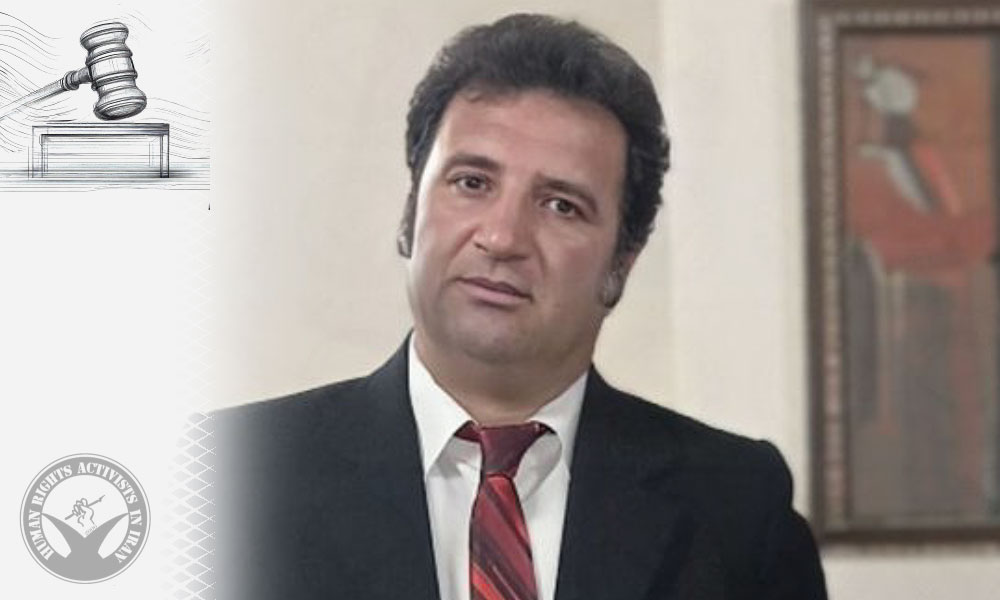
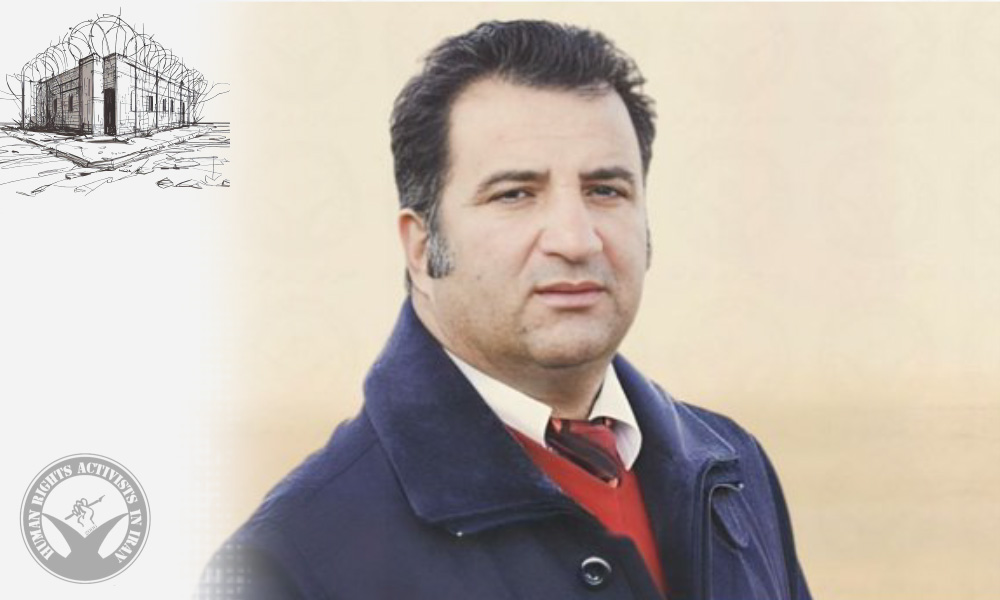
Attorney Mohammad Najafi Sentenced to 3 Years and Additional Penalties

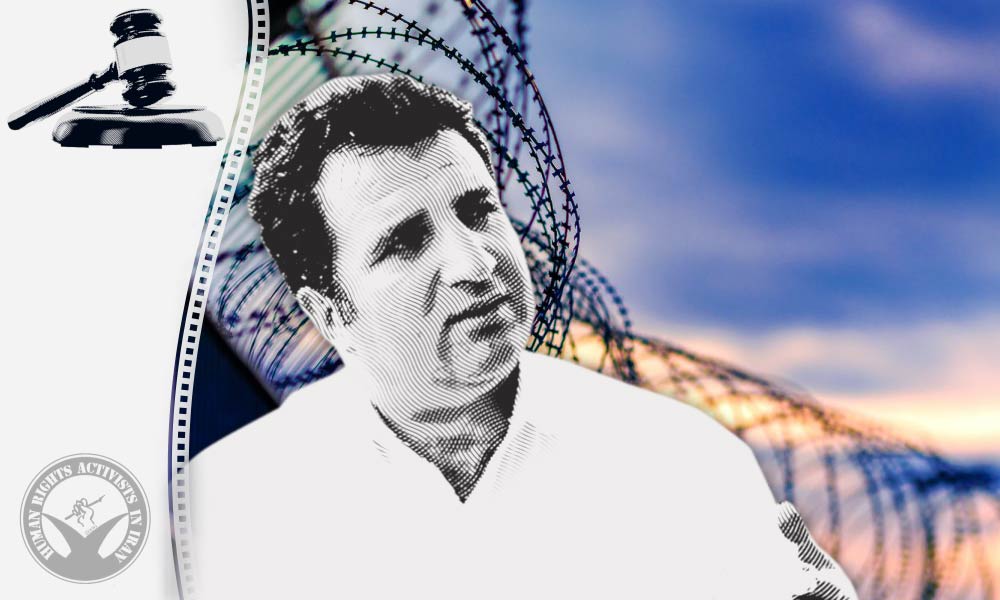
HRANA – Mohammad Najafi, an attorney imprisoned in Evin Prison, has been sentenced by the Tehran Revolutionary Court to three years in prison and additional penalties in connection with a case opened against him during his imprisonment.

This verdict was communicated to Mr. Najafi’s lawyers on November 19, 2025, by Branch 26 of the Tehran Revolutionary Court, presided over by Judge Iman Afshari. Under the ruling, he has been sentenced to one year in prison for “propaganda against the regime,” and two years in prison plus a 50-million-toman fine for “spreading falsehoods.” Additionally, as part of his supplementary punishment, this political prisoner has been barred from membership in political and social groups and prohibited from leaving the country for two years.

The ruling cites, among other examples, the publication of an audio file titled “Tasmim-e Kobra,” addressed to the Supreme Leader, as grounds for the charges brought against him.

The court session addressing Mr. Najafi’s charges was held on November 5, 2025, in Branch 26 of the Tehran Revolutionary Court; he did not attend the hearing.

Earlier this year, Branch 1 of the High Disciplinary Court for Judges issued a ruling permanently disbarring Mr. Najafi from practicing law.

Mohammad Najafi was transferred from Arak Prison to Evin Prison in April 2023. In 2019, he was released from prison in connection with a previous case, but four days later he was arrested again over another conviction and returned to Arak Prison.

Multiple cases have been opened against this attorney over the years, and he is currently serving his sentences in Evin Prison.

The longest sentence issued against this imprisoned lawyer relates to the charge of “collaboration with a hostile government through interviews with foreign media.” He was sentenced to 10 years in prison, which was later reduced to four years and six months.

In several separate cases, Mr. Najafi has faced fourteen charges and has been sentenced to more than 24 years in prison, with no consolidation of sentences carried out to date. At least six cases have been opened against him during his imprisonment. The “publication of audio files from Arak Prison” was cited as the grounds for one of these cases. Another case, opened following a complaint by the head of Arak Prison, resulted in a four-month prison sentence for Mr. Najafi.

Throughout his imprisonment, despite suffering from various health conditions, this attorney has consistently been denied specialized medical treatment and transfer to a hospital.

Imprisoned Attorney Mohammad Najafi Transferred to Hospital Following Critical Health Deterioration

On Tuesday, November 5, Mohammad Najafi, an attorney detained in Evin Prison and suffering from a heart condition, was urgently transferred to Loghman Hakim Hospital in Tehran due to a sudden worsening of his health.

According to HRANA, the news agency of Human Rights Activists, Najafi experienced a severe health incident while receiving a family visit. A source close to his family told HRANA, “During the visit, Najafi suddenly showed symptoms resembling a heart attack. He was immediately taken to the prison’s medical clinic. Given the critical nature of his condition, he was then transferred to an outside hospital, arriving at Loghman Hakim Hospital in Tehran under heavy restraints.”

Najafi was previously released from prison in 2019 after serving time in an earlier case but was re-arrested just four days later on different charges and taken to Arak Prison. In May 2023, he was transferred from Arak Prison to Evin Prison in Tehran.

Throughout his time in prison, Najafi has faced numerous charges, resulting in multiple sentences. He is currently detained in Ward 4 of Evin Prison. His longest sentence—10 years, later reduced to four years and six months—stems from a charge of “assisting a hostile government through interviews with foreign media.”

Najafi’s combined sentences now total over 21 years across various cases involving 14 separate charges, with no consolidation of these sentences applied to date. At least five new cases have been filed against him during his imprisonment, including one initiated by the warden of Arak Prison, which led to a four-month sentence. Another case involves charges for allegedly releasing audio recordings from within Arak Prison.

Lawyer Mohammad Najafi Sentenced to Four Months for Disseminating False Information

Mohammad Najafi, a lawyer currently incarcerated in Evin Prison, has received a four-month prison sentence from the Criminal Court of Arak.

This verdict, issued in absentia, finds Najafi guilty of “spreading falsehood.” The legal case was initiated following a complaint lodged by the head of Arak prison, Reza Moazen. According to a source who informed HRANA, the charge was based on Najafi’s exposure of issues within the prison system, particularly the prison head’s failure to address these concerns and mistreatment against political prisoners.

In addition to the prison sentence, the court has also ruled to disbar Najafi, prohibiting him from practicing law.

Najafi has been embroiled in multiple legal cases in the past. In his most recent case, he was sentenced to two years in prison and a 15-million-toman fine by Branch 106 of the Arak Criminal Court for “spreading falsehood,” and to one year in prison by Branch 2 of the Revolutionary Court for “propaganda against the regime.”

In another legal matter, Najafi received a three-year prison sentence for insulting the Supreme Leader of Iran and an additional four months for spreading falsehood. In December 2018, he was sentenced to 13 years in prison for charges including “propaganda against the regime,” “insulting the Supreme Leader,” and “collaborating with hostile foreign countries by giving interviews with the Voice of America and Persian BBC” in relation to the first part of this case. He was later pardoned and released under a “pardon and commute” directive but was re-arrested four days later for the second part of the case.

Furthermore, Najafi received a two-year prison sentence and a fine for spreading falsehood to disturb public opinion after writing an open letter addressed to Ali Khamenei, the Supreme Leader of Iran. This sentence was upheld on appeal, and he had previously been sentenced to one year in prison for similar charges in December 2018.

In February 2020, Najafi was handed a six-month prison sentence for attending and delivering a speech at a ceremony commemorating Sattar Beheshti, a blogger who had been tortured and killed while in custody.

Ultimately, Najafi received a 10-year prison sentence for the most severe charge of “collaboration with hostile foreign countries by giving interviews with the Voice of America and Persian BBC.” This sentence was later reduced to four years and six months.

Lawyer Mohammad Najafi Sentenced to Three Years and Paying a Fine

The Criminal and Revolutionary Courts of Arak have sentenced lawyer Mohammad Najafi to a total of three years in prison and a fine for two parts of a legal case.

According to HRANA, the news agency of Human Rights Activists, Mohammad Najafi, an attorney at law, was sentenced to three years and paying a fine for a legal case opened against him while he was in prison.

Najafi stated that he was sentenced to two years in prison and a 15-million-toman fine by Branch 106 of the Arak Criminal Court for “spreading falsehood” and to one year in prison by Branch 2 of the Revolutionary Court for “propaganda against the regime”.

Najafi clarified that he did not attend the court and did not object to the verdict nor submit a plea of no contest for any part of the legal case. He stated that the reason for this legal case was due to his submission of a voice recording in prison showing support for the nationwide protests, which led to charges against his sister and brother as well.

Najafi has faced several other legal cases on prior occasions. In his last legal case, for the first part, he received three years in prison for insulting the Supreme Leader of Iran and four months for spreading falsehood. In December 2018, for the second part of this legal case, he was sentenced to 13 years in prison for “propaganda against the regime,” “insulting the Supreme Leader,” and “collaborating with hostile foreign countries by giving interviews with the Voice of America and Persian BBC.”

For the first part, he was pardoned and released from jail under a “pardon and commute” directive approved by Iran’s Supreme Leader. However, four days later, he was re-arrested and jailed in Arak Prison for the second part of this case.

In another legal case, Najafi received two years in prison and a fine for spreading falsehood to disturb public opinion after writing an open letter addressing Ali Khamenei, the Supreme Leader of Iran. This verdict was upheld on appeal. He was given this sentence while he had already been sentenced to one year in prison for the same charges in December 2018.

Furthermore, in February 2020, Najafi received six months in prison for attending and giving a speech at a ceremony in commemoration of Sattar Beheshti, a blogger who was tortured and killed in custody.

Ultimately, from all the above charges, Najafi received 10 years in prison for the charge of “collaboration with hostile foreign countries by giving interviews with the Voice of America and Persian BBC,” which was the charge with the severest punishment. This sentence was later reduced to four years and six months.


Subscribe to Our Newsletter

Now is definitely not the time to stop reading!

First six months of Ebrahim Raisi as Justiciary Chief of Iran; 1000 years of prison sentences and 1500 lashes for activists

Ebrahim Raisi is a former Custodian and Chairman of Astan Quds Razavi from 2016 to 2019 and a member of so-called “death commission” during the 1988 executions which were series of state-sponsored execution of political prisoners across the country. He succeeded Sadegh Larijani as the Judiciary Chief (the head of judicial system of Iran) in 2019. Being appointed as the Judiciary Chief by the Supreme leader, Ebrahim Raisi claimed that he wants the Iranian people to taste “the sweet flavor of justice” by reforming the judicial system to bring more justice and fairness. Six months after being appointed to the new position, the verdicts of political prisoners indicate that the pressure is increased on the civil rights activists and opposition groups in Iran. During six months of Ebrahim Raisi in office, political activists were sentenced to 1,027 years in prison and 1428 lashes.  Therefore, the verdicts targeting civil rights activists and opposition groups were increased by 119% compared to a similar time period during his predecessor, Sadegh Larijani, who was in office for nine and half years. Although Larijani faced massive demonstrations such as uprisings across the country in January 2017 and August 2018, protests in the Khuzestan province, and Dervishes protests which Raisi has not faced any yet.

Statistics Comparison of Verdicts with the Former Judiciary Chief

The following is a summary of verdicts between March 8, 2019 to September 8, 2019 which was gathered and analyzed by the Department of Statistics and Publication of the Human Rights Activists in Iran (HRAI): According to statistics, during this period, both sentences against political and civil activists or years of sentences were increased. 211 political or civil activists including advocates of freedom of expression, women rights activists, syndicates activists, students, ethnicity rights activists, labor rights activists, minority rights advocates, and religion activists were sentenced by the Revolutionary Court across the country to 1027 and six months of imprisonment, 418 million and 350 thousand Tomans of fines, and 428 lashes. Out of these numbers, 966 years and 8 months in prison sentences and 30 years and 10 months are suspended prison sentences. In comparison to the same period when Larijani was the Judiciary Chief, March 8 to September 8, 2018, 278 political and civil activists were sentenced to 468 years and one month in prison, 254 million Tomans fines, and 891 lashes. This comparison is based on the numbers of individual cases but mass sentences for the arrestees of uprisings such as 232 verdicts of Gonabadi dervishes in the case of so-called “Golestan Haftom” have been excluded. Overall, these statistics indicated that although the number of arrestees has been decreased in Raisi’s term but the average number of verdicts in comparison to the same period in the Larijani’s term has been increased.

The Names of 211 Activists Who Were Sentenced to Prison Term or Lashes During Ebrahim Raeissi’s term

Kiumars Marzban, Shima Babai Zeydi, Dariush Abdar, Mahmood Masoumi, Behnam Mousavand, Saeed Eghbali, Mojgan Lali, Saeed Seyfi Jahan, Shaghayegh Makai, Nader Afshari, Anoushah Ashouri, Ali Johari, Marzieh Amiri, Ishaq Rouhi, Mohammad Saber Malek Raeissi, Shir Ahmad Shirani, Kamal Jafari Yazdi, Aras Amiri, Nejat Bahrami, Sadegh Zibaklam, Hamed Ayenehvand, Roozbeh Meshkinkhat, Mohammad Reza Aghajari, Nima Saffar, Khalil Karimi, Mehdi Moghadari, Golraki Ebrahimi Irai, Athena Daemi, Mohammad Reza Khatami, Mohammad Potaiesh, Khadijeh (Leila) Mirghafari, Reza Makian (Malek), Hashem Zeinali, Simin Eyvazzadeh, Ehsan Kheybar, Abdul Azim Arouji, Mohsen Haseli, Mohsen Shojai, Azam Najafi, Parvin Soleimani, Sharmin Yomni, Sara Saei, Arshia Rahmati, Masoud Hamidi, Ali Babai, Ismail Hosseini Koohkamarai, Farideh Toosi, Zahra Modarreszadeh, Amir Mahdi Jalayeri, Mohammad Najafi, Javad Lari, Rahim Mohammadpour, Masoud Kazemi, Sahar Kazemi, Amir Salar Davoodi, Milad Mohammad Hosseini, Abdollah Ghasimpour, Mohammad Hossein Ghasempour, Alireza Habibi, Baktash Abtin, Reza Khand Mahabadi, Keyvan Bajan, Yousef Salahshour, Davood Mahmoodi, Mohammad Asri, Siavash Rezaian, Najaf Mehdipour, Behrooz Zare, Ata’ollah Ahsani, Abbas Nouri Shadkam, Ali Bagheri, Masoud Ajloo, Behzad Ali Bakhshi, Kianoush Ghahramani, Nariman Noroozi, Rezvaneh Ahmad Khanbeigi, Amir Mahdi Sedighara, Ali Amin Amlashi, Barzan Mohammadi, Arsham Rezai, Nasrin Sotoudeh, Michael White, Abolfazl Ghadyani, Nader Fotourehchi, Farhad Sheykhi, Mardas Taheri, Aliyeh Eghdam Doost, Rasoul Bodaghi, Esmail Gerami, Javad Zolnouri, Hossein Gholami, Rahman Abed, Asghar Amirzadegani, Hamid Reza Rahmati, Eghbal Shabani, Mohammad Ali Zahmatkesh, Fatemeh Mohammadi, Bahman Kord, Sina Darvish Omran, Ali Mozafari, Leila Hosseinzadeh, Mojtaba Dadashi, Mohammad Rasoulof, Hossein Janati, Omid Asadi, Sahand Moali, Mohammad Mirzai, Bapir Barzeh, Shirko Ali Mohammadi, Keyvan Nejadrasoul, Tohid Amir Amini, Kianoush Aslani, Abbas Lesani, Mobinollah Veysi, Mojtaba Parvin, Kazem Safabakhsh, Rahim Gholami, Jafar Rostami, Aref Mohammadi, Peyman Mirzazadeh, Samko Jafari, Behzad Shahsavar, Siamand Shahsavar, Salman Afra, Shaker Maravi, Khaled Hosseini, Rasoul Taleb Moghadam, Hasan Saeedi, Hossein Ansari Zadeh, Feisal Saalebi, Saab Zahiri, Adel Samaei, Esmail Jaadeleh, Bani Naami, Omid Azadi, Rostam Abdollah Zadeh, Ali Bani Sadeh, Nasrin Javadi, Tofigh Mahmoudi, Davood Razavi, Amanollah Balochi, Farough Izadi Nia, Moein Mohammadi, Sheida Abedi, Firouz Ahmadi, Khalil Malaki, Simin Mohammadi, Bijan Ahmadi, Maryam Mokhtari, Saghar Mohammadi, Sohrab Malaki, Bahman Salehi, Sofia Mombini, Negin Tadrisi, Kheirollah Bakhshi, Shabnam Issa Khani, Shahryar Khodapanah, Farzad Bahadori, Kambiz Misaghi, Monika Alizadeh, Mino Riazati, Asadollah Jaberi, Ehteram Sheykhi, Emad Jaberi, Farideh Jaberi, Farokhlegha Faramarzi, Pooneh Nasheri, Saba Kord Afshari, Yasaman Aryani, Monireh Arabshahi, Mojgan Keshavarz, Vida Movahed, Matin Amiri, Maryam Amiri, Atefeh Rangriz, Edris Kasravi, Taher Sufi, Haleh Safarzadeh, Alireza Saghafi, Yousef Jalil, Fatemeh Bakhtari, Zaman Fadai, Behnam Ebrahimzadeh, Mohsen Haghshenas, Nahid Khodakarami, Raheleh Rahimipour, Alireza Kafai, Mohammad Dorosti, Salar Taher Afshar, Oldoz Ghasemi, Jafar Azimzadeh, Hossein Habibi, Hossein Ghadyani, Mir Mousa Ziagari, Sajad Shahiri, Jafar Pekand , Hamid Balkhkanloo, Ghafour Barham, Vali Nasiri, Sahar Khodayari, Amin Seybar, Esmael Bakhshi, Sepideh Gholian, Amir Amirgholi, Amir Hossein Mohammadi Fard, Sanaz Allahyari, Asal Mohammadi, Mohammad Khanifar.

It should be noted that in addition to aforementioned names, several other activists such as detained environmentalists, arrestees of the International Labor Day’s protest, Baha’i citizens, and supporters of opposition groups are waiting for their verdicts. Based on the outcome of the first six months of Raisi as the Chief Justice of Iran, the continuous increase of the verdicts in the following six months is predictable. On the other hand, according to several lawyers, Raisi is trying to implement a rule in which the appeal’s courts will be in session only after obtaining permissions from the Supreme Leader. Thus, appeals courts will acknowledge the primary verdict without reserving a chance for lawyers and convict to defend.

Ebrahim Raisi’s Background

In 1981, 20-year old Ebrahim Raisi was appointed as the prosecutor of Karaj. Later in 1985, he was appointed as the Deputy Prosecutor of Tehran. He was a member of so-called “death commission” during the 1988 political prisoners’ executions across the country. Raisi was appointed as Tehran’s prosecutor from 1989 to 1994. In 1994-1995, he was appointed as the head of the General Inspection Office. From 2004 until 2014, Raisi served as the First Deputy Chief Justice of Iran. He was later appointed as the Attorney-General of Iran in 2014-2016. He has also served as the Special Clerical Court prosecutor since 2012. He became the Chairman of Astan Quds Razavi on 7 March 2016 after the death of his predecessor Abbas Vaez-Tabasi. He is the second person to serve this office from 1979.  Raisi ran a presidential campaign in February 2017 but after losing the presidential election, he was appointed by Ali Khamenei as a member of Expediency Discernment Council.

The 1988 executions of the Iranian political prisoners were a series of state-sponsored execution of political prisoners, starting on 19 July 1988 and lasting for approximately five months. The majority of those who were killed were supporters of the Mujahedin Khalgh but supporters of other leftist factions such as Communist party were executed as well. The killings have been described as a political purge without precedent in the modern Iranian history, both in terms of scope and coverup. Different sources put the number of victims between 2500 and 30000. Most of the people who were executed had already served their sentences in prison. Hussein-Ali Montazeri, deputy of Supreme Leader of Iran between 1985-1989, named Ebrahim Raisi as one of the people who was in administration of the executions which according to Montazeri, was implemented by a four-men commission, later known as the “death committee”. According to Montazeri, the commission consisted of Ebrahim Raisi, Hossein Ali Nayyeri, Morteza Eshraghi, and Mostafa Pour Mohammadi.

Annual Report of Prosecuted Lawyers in Iran


The following is an overview of the prosecuted human rights lawyers in Iran in 2018. According to Shirin Ebadi, Iran’s Nobel Peace Prize-winning human rights lawyer, lack of judicial immunity, prosecuting defendant lawyers, and absence of union support for lawyers are some of the issues that put pressure on lawyers in Iran.

This report focuses on analyzing the situation of the lawyers who accepted cases with political, faith, or security chargers. These lawyers are in prison or are temporarily released on bail waiting for their trial.

Amir Salar Davoudi

On June 1, 2019, Amir Salar Davoudi, lawyer and civil rights activist, was sentenced to 111 lashes and 30 years in prison of which the highest penalty is 15 years imprisonment for the charge of “establishing a channel in the Telegram app”. Davoudi has been detained since November 2018 on the charges of “insulting officials”, “propaganda against the state”, “cooperating with enemy states through interviewing with Voice of America (VOA) television channel”, and “forming a group to overthrow the state”. He has been sentenced at the Branch 15 of the Revolutionary Court to 30 years in prison for several charges which according to the Article 134 of Iran’s Islamic Penal Code, he should serve the sentence for the charge with the highest penalty which is 15 years in prison on the charge of “establishing a channel in the Telegram group app”. He has decided not to appeal this sentence.

Davoudi who has been retained as counsel by several detainees held on politically motivated charges in Iran was arrested by security agents in his office on November 20, 2018. The security agents also searched Davoudi’s home and office and took away some of his personal belongings. He had been taken in for questioning on previous occasions and had been warned not to inform the public about his clients’ politically sensitive cases. The second session of his trial was held on May 4, 2018 at the Branch 15 of the Revolutionary Court.

Nasrin Sotoudeh

Nasrin Sotoudeh, human rights lawyer, was arrested on June 13, 2018 in her house. The Branch 38 of the Revolutionary Court sentenced Sotoodeh to a five-year prison term and then the verdict was transferred to the Branch 36 of the Tehran’s appeals court. She is imprisoned in the Women Ward of Evin prison being accused for seven charges for her second case and is sentenced to 33 years and six months in prison and 148 lashes though only 12 years of this verdict is executable.

Mohammad Najafi

Mohammad Najafi, attorney and human rights activist was sentenced to 19 years imprisonments. He is serving his three years sentence in prison and faced 74 lashes and 16 more years imprisonment in January 2019 for his new charge of “spreading falsehood and disturbing public opinion”, “insulting the Supreme Leader”, “propaganda against the state”, “cooperating with enemy states through interviewing with Voice of America (VOA) television channel”.

On October 28, 2018, Najafi was arrested and transferred to Arak Prison to serve his sentences. He was previously detained along with 10 others for participating in the January protests in Shazand County. Judge Mohammad Reza Abdollahi of Arak Criminal Court No. 2, the Branch 102 sentenced Najafi to three years in prison and 74 lashes for “publishing lies with intent to disrupt the public opinion” and “disturbing the public peace.” The sentences were upheld in the Branch one of Markazi province Appeals Court.

Najafi got wind of his new “publishing lies” accusation via a writ he received on October 13th from the Branch 1 of Shazand Investigation and Prosecutions office, where he was interrogated and ultimately charged for it. He has additional charges pending investigation in the Revolutionary Court of Arak.

Najafi was previously detained for inquiring into the death of Vahid Heydari, who died in Police Detention Center amid the January protests. Najafi challenged Iranian judicial authorities who had claimed Heydari was a drug dealer that committed suicide while in custody. Najafi’s interviews with Heydari’s loved ones suggest that Heydari was a street peddler with no criminal record, whose autopsy report showed none of the typical markers of suicide but did indicate head injuries consistent with blunt-force trauma.

Tehran MP Mahmoud Sadeghi accused security authorities of fabricating the grounds for Najafi’s case, arguing that Najafi had simply proven that Heydari was not a drug dealer.

Farhad Mohammadi

On January 2, 2019, Farhad Mohammadi, a Kurdish human rights lawyer and secretary of the National Unity Party in Kurdistan, was arrested in Sanandaj, Kurdistan Province by security agents. The reasons for his arrest, his place of detention, and the charges pending against him are not yet known. He is also an environmental activist. His arrest warrant was extended on February 3, 2019.

Mostafa Daneshjoo

Mostafa Daneshjou, the detained lawyer of the Gonabadi Dervishes, was sentenced to eight years in prison on December 16, 2018 on charges of “membership in the Dervish cult,” “acting against national security,” “propaganda against the state,” and “disturbing the public opinion”.

Seven armed agents arrested Daneshjoo in his mother’s home on July 7, 2019, taking him to solitary confinement in Evin Prison’s Ward 209 where he was detained for 45 days. He was then sent to Ward 4, typically designated for convicts of financial crimes. He was arrested pursuant to a case filed against him in 2017 in Tehran’s Security Investigation Court, in connection to a violent clash that took place February 2018 near the Dervish spiritual leader’s residence in Golestan Avenue in Tehran.

He was denied medical care for his severe heart disease in January 2019.  Symptoms of Daneshjoo’s asthma were exacerbated by his stay in Evin Prison’s Ward 250 between 2011 and 2015. Despite orders from the assistant prosecutor to send Daneshjoo to a healthcare facility, Evin Prison authorities have barred his transfer.

Per a letter from the security office at Azad University, Daneshjoo’s alma mater, he has been barred from continuing his studies. Citing his defense of the Gonabadi Dervish religious minority, security authorities have revoked his permit to practice law.

Mostafa Tork Hamedani 

Mostafa Tork Hamedani, is an attorney who has been sentenced to six months imprisonment in Iran for allegedly slandering a former prosecutor on January 15. 2019. The preliminary sentence against him was 10 months in prison and 40 lashes but on January 15, 2019 his sentence was reduced to four months with the flogging sentence suspended for one year. He was released on January 21, 2019, in the process of pardoning prisoners with less than a year sentence.

Hamedani was prosecuted based on a lawsuit brought by former Tehran Prosecutor Saeed Mortazavi, who accused Hamedani had made public accusations against him before Mortazavi was convicted in a financial case regarding corruption during the period Mortazavi headed the Iran’s Social Security Organization (SSO) between 2011to 2013.

Arash Keykhosravi and Ghasem Sholeh Saadi

Attorneys, Arash Keykhosravi and Ghasem Sholeh Saadi, were arrested along several other lawyers and civil rights activists who gathered in front of the Iranian Parliament building to protest both the Caspian Sea Agreement and the Guardian Council’s vetting process on August 18, 2018. They were transferred to the Great Tehran Penitentiary after being charged at the Branch five of the Evin Prosecutor’s Office. Keykhosravi and Sholeh Saadi were released on bail on December 11 and December 4, 2018 respectively. They were sentenced to six years jail time on December 10, 2018 on the charges of “propaganda against the state” and “assembly and collusion against national security”. Their appeal request was sent to the Branch 34 Tehran appeals court.

Notably, Ghasem Shole-Saadi previously served two terms in the Islamic Consultative Assembly and was convicted of “insulting the Supreme Leader” via a letter he notoriously published in 2002. He has been imprisoned several times on charges from the Revolutionary Court for “propaganda against the state”.

Keykhosravi has represented several high-profile human rights cases throughout his career, including the suspicious death of environmentalist Kavous Seyed-Emami in Tehran’s Evin Prison in February 2018.

Masoud Shams Nejad

Masoud Shamsnejad, lawyer and professor, was arrested on January 8, 2019 and transferred to the Ward 3-4 of Urmia Prison on January 17, 2019. The security guards raided his home and confiscated his belongings at the time of his arrest. He was sentenced to six years imprisonment by The Branch three of Urmia Revolutionary Court on February 10, 2019 on the charges of “propaganda against the state” and “membership in an opposition group”. He was under pressure for the cases he accepted to defend. After he requested for appeal, he was released on one billion Tomans bail on February 17, 2019.

Zeinab Taheri

Zeinab Taheri, is a lawyer who was charged with “publishing lies with intent to disturb the public opinion” and “propaganda against the state,” in an indictment prepared by the Prosecutor’s Office for Culture and Media that referred her case to The Branch 26 of the Islamic Revolution Court in Tehran.

Taheri was summoned and arrested on June 19, 2018 and then was transferred to the Qarchack Prison. She was arrested a day after her client, Mohammad Reza Salas Babajani, a Sufi dervish was executed on June 18, 2018. Salaj Babajani was executed for allegedly driving a bus that killed three members of the security forces near the house of a Dervish spiritual leader on 19 February 2018.

Taheri was released on bail on August 8, 2018. She had cases such as Mohammad Reza Salas Babajani, Mohammad Ali Taheri, and Ahmad Jalali.

Payam Derafshan and Farokh Forouzan

Lawyers, Payam Derafshan and Farokh Dorouzan were arrested on August 31,2018 and were released on bail on September 6, 2018. Derafshan was the lawyer of Mohammad Najafi and Kavous Seyed Emami. Forouzan was also a children’s rights activist.

Hoda Amid

Hoda Amid, attorney and women’s right activist, was arrested on September 1, 2018 by the security forces and was transferred to the Evin Prison. She was released on bail on November 4, 2018. It has been claimed that Hoda Amid and Najmeh Vahedi had held a workshop for women on “Marriage Article (conditions stipulated in marriage certificate)”.

Hossein Ahmadi Niaz

Hossein Ahmadi Niaz, lawyer, was summoned to the Branch 106 of Criminal Court of Sanandaj on the charge of “publishing falsehood” and “disturbing public opinion” on January 15, 2019.

Last year, he was arrested after being referred to the Revolutionary Court of Sanandaj on August 05, 2018 and was released on bail after a few hours.

Farzaneh Zeilabi

On February 8, 2019, Esmail Bakhshi’s lawyer, Farzaneh Zilabi, was summoned to the Branch three of the Revolutionary and Civil Court of the city of Shush to answer questions as a “knowledgeable person” about the case. She said on February 17, 2019 after going to court “I was summoned based on a report by the Justice Bureau’s Security Department and the summon was in connection with an interview during which the subject of Esmail Bakhshi’s torture was brought up. Considering the accusations in the report, such as “spreading falsehood” and “propaganda against the state”, I refused to answer questions that the report had directly addressed to me”. She explained that the case is ongoing, and, as Bakhshi’s lawyer, she was not able to divulge confidential information about her client to anyone. If she did, she would be both breaking the law and violating disciplinary codes of conduct. She added that she will stay Bakhshi’s lawyer.

Esmail Bakhshi, a labor activist, who spoke out about abuse and torture he suffered in detention.

Mahmoud Alizadeh Tabatabaei

Judge Salavati accused Mahmoud Alizadeh Tabatabaei with “spreading falsehood and disturbing public opinion” in the Branch 15 of Revolutionary Court of Tehran. Alizadeh Tabatabaei said on February 20, 2019 that this is following his complaint against Salavati in which Salavati had claimed that he never asked the accused in “Mola Tina” case to change their lawyer and I was spreading falsehood by saying that.

A Daily Overview of Human Rights Violations in Iran for January 22, 2019

The following is an overview of human rights violations in Iran on January 22nd, 2019 based on the information compiled and verified by Human Rights Activists News Agency (HRANA).

(1) More than nine protests were organized across the country. Retired educators and other retired government employees, Ghoflkar Company workers in Alborz, the municipality workers in Lowshan, Marivan, Borujerd, and Andimeshk, the workers of Assaluyeh Pars Petrochemical Company, the shareholders of Caspian financial institution in Rasht, and the contractors of Tehran municipality have held separate protests to request their demands.

(2) Placed 1st in the Iranian University Master Studies Entrance Exam, Amir Reza Alipour Hashtali Amoli, was sentenced to six months in prison on the charge of “insulting the Supreme Leader”.

(3) In the last nine months, 56 workers died and 112 have been injured in the work-related incidents in East Azerbaijan province, which is a four percent increase over a year. Iran ranked 102 in the workplace safety among other countries.

(4) 72 people have been arrested in a “mix gender party” in Sari. The detainees were transferred to the court. They may be able to get out of jail by posting bail, otherwise they would be imprisoned.

(5) Mashallah Shamsolvaezin, a professor of journalism, was summoned to the Evin’s prosecutor’s office. He was an editor of several newspapers, including Kian, Toos, Jame’eh, Neshat, and Asr-e Azadegan.

(6) A Human rights lawyer, Mohammad Najafi, was sentenced to 19 years imprisonments. He is serving his three years sentence in prison and faced 74 lashes and 16 more years imprisonment for his new charge of “spreading lies and disturbing public opinion”.

(7) Behzad Shahsavar and Siamand Shahsavar, prisoners of the Intelligence detention center in Urmia, have been transferred to Naqadeh prison. They were accused of “corporation with a Kurdish opposition group”.

(8) 23-year-old, Amin Pishdad, was transferred to Vakil Abad prison in Mashhad. He had been arrested last year on blasphemy and espionage related charges and was sentenced to ten years in prison which was reduced in the appeals court to eight months.

(9) A Baha’i citizen, Soheil Haghdoost, was sentenced to four months imprisonment on the charge of “propaganda against the state” for announcing and following up regarding his business’s forced closure. Also, he has been sentenced to a year in prison in March 2018.

(10) Reza Khandan and Farhad Meysami have been sentenced to six years in prison each, and were banned for two years form traveling, membership in any social or political group, and internet activism.

(11) The workers of Assaluyeh Pars Petrochemical Company, who were protesting their layoffs, have been arrested.

(12) Five students in Kashan were transferred to a hospital for gas poisoning because of negligence in the oversight of safety conditions in heater installation in the school.

(13) Three thousand villages in Sistan and Baluchestan do not have water distribution network. 46 percent of population in this province have access to the water sources.

(14) Members of the Iranian Writers Association, Baktash Abtin, Reza Khandan Mahabadi, and Keyvan Bazhan have been arrested. They were summoned to the court on the “encouraging immorality or prostitution” and security-related charges, were imprisoned because they could not post a bail.

(15) 180 workers of Ahvaz inter-city rail have 18 months of unpaid wages. Kayson Project Management Company paid one months of their unpaid wages but there are still concerns that the remaining will be left unpaid.

(16) A prisoner accused of murdering his friend was spared from hanging on gallows by consent of next of kin in Tehran. He was spending 6 years in prison.

(17) Mohammad Hosseinzadeh, civil rights activist, was released on bail. He was arrested with Arsham Rezaei and Majid Hosseini on the charges of “insulting the Supreme Leader” and “collusion against the state”. The two others’ whereabouts is still unknown.

A Daily Overview of Human Rights Violations in Iran for January 15, 2019

The following is an overview of human rights violations in Iran on January 15th, 2019 based on the information compiled and verified by Human Rights Activists News Agency (HRANA).

(1) Abbas Lesani, Azerbaijani Turkic minority rights activist, was arrested after his court session. He was tried in absentia and sentenced to 10 months imprisonment on the charge of ‘propaganda against the state’.

(2) A car transporting student crashed leaving four students injured in Qaleh Ganj in the Kerman province.

(3) A report of mistreatment in Zahedan prison: Zobeir Hout, a prisoner with severe skin disease, was denied medical care. Alireza Bampouri, Zabihollah Rigi, and Rashid Ahourani have been beaten and transferred to quarantine, punitively.

(4) Mohammad Najafi court was in session today. He is a lawyer and human rights activist who is serving his three years sentence in prison and faced 74 lashes and 14 more years imprisonment for his new charges of ‘spreading lies and disturbing public opinion’.

(5) The attorney for the plaintiffs in the Social Security Organization case, Mostafa Turk Hamedani, was sentenced to 40 lashes and 6-months imprisonment for the complaint filed by Saeed Mortazavi, the former general prosecutor of Tehran.

(6) Two workers died and eight have been injured in their workplaces in the cities of Karchan and Yazd, because of negligence in the oversight of safety conditions.

(7) An accused individual in the city of Salmas received an alternative sentencing to prepare banner and brochures about ‘crime prevention’. Otherwise, he would be sentenced to support two recovering addicts and meet their basic needs.

(8) Saba Kord-Afshar, Yasaman Aryani, and Azar Heydari wrote an open letter from Evin prison about people’s financial and political situation. They were arrested in August 2018 while taking part in a public protest in Tehran.

(9) Amir Hossein Mohammadifar and Sanaz Allahyari who were arrested by the security forces on January 9, have been transferred to Evin Prison, section 209. They were working as editors of “Gam” journal.

(10) More than five protests were organized all over the country: several teachers in Yazd, firefighters in Abadan, workers of inter-city rail in Ahvaz, Nishabur municipality workers, and the shareholders of financial institution of Caspian.

(11) Habib Ahmadi, a labor activist, was released on bail after 40 days detention. He was charged with ‘cooperation with a Kurdish opposition group’.

(12) A prisoner was publicly executed in Falavarjan county in Isfahan province. He was accused of murdering a 5-year old girl, Melika. In 2018, at least 236 people have been executed and 195 people have been sentenced to death in Iran.

(13) A landmine explosion injured two army soldiers in Qasr-e Shirin city in the Kermanshah province. More than 42 thousand square kilometers of the lands in the Iran ‘s western provinces contain landmines left from the Iran-Iraq war.

A Daily Overview of Human Rights Violations in Iran for January 7, 2019

The following is an overview of human rights violations in Iran on January 7th, 2019 based on the information compiled and verified by Human Rights Activists News Agency (HRANA).

(1) Nasrollah Lashani a political prisoner, began his hunger strike protesting mistreatment by the prison officials. Lashani is a Nationalist-Religious Activist who was accused of ‘propaganda against the state’ and sentenced to six years in prison. He was beaten and insulted in front of his wife and his 8-years-old son during a family visit on December 26, 2018.

(2) Two detained workers of Iran National Steel Industrial Group Mostafa Obiat and Kazem Heydari were released on bail on January 7, 2019. Tarogh Khalafi, Mohammadreza Nematpour, Behzad Alikhani, Karim Syahi, Meisam Ali GHanavati, and Gharib Hoveizavi are the six other workers of NISCO who are still in prison.

(3) Mohmmad Yousefi, a political prisoner who is serving his two years sentence in Evin prison, requested for an appeal but it was denied. He was charged with ‘insulting the Supreme Leader’.

(4) Mohammad Najafi ‘s appeal request was denied. He is a lawyer and human rights activist who is serving his three years sentence in prison and faced 74 lashes and 14 more years imprisonment for his new charges of ‘spreading lies and disturbing public opinion’.

(5) Abbas Lesani, Azerbaijani Turkic minority rights activist, was released on bail. He was tried in absentia and sentenced to 10 months imprisonment on charge of ‘propaganda against the state’.

(6) Expulsion of Sima Nazifi, a Baha’i architecture student from Azad University of Shahriyar due to her faith. Baha’i students in Iran routinely experience either denial of entrance to university or removal from student lists during their studies. Numerous reports are published annually regarding the barring of Baha’i citizens from education.

(7) A member of Isfahan city council, Nahid Khodakarami, was charged with ‘promoting de-veiling’ through her interviews and tweets.

(8) The forced closure of a Baha’i citizen, Farshid Deymi’s business in Birjand which had been permitted by Judicial authorities.

(9) The workers of Ahvaz sugar refining company have six months unpaid wages.

(10) Morteza Oustad, a prisoner of Tabriz prison, began hunger strike on December 26, 2018 protesting ‘unfair judicial system’. He was transferred to medical ward due to his deteriorating health condition.

(11) The parole request of a detained Nationalist-Religious Activist, Reza Aghakhani, was denied for the second time despite his eligibility due to having served a third of his sentence. He was sentenced to three years in prison on a charge of “acting against national security.”

(12) Three protests were organized on January 7. The farmers of Varzaneh in Isfahan, the customers of Saipa Citroen Company in Tehran, and the workers of Doroud-KhorramAbad railway held separate protests to request their demands.

(13) Esmail Bakhshi ‘s torture complaint raises sensitivity among people and now he is forced to deny it. He wrote a letter explaining his torture in prison and called on the Minister of Intelligence for a debate concerning torture and abuse in prisons.

(14) A prisoner charged with murder in Miandoab, was saved from gallows by victim’s family’s consent after spending 15 years in prison.

(15) Atena Daemi’s mother wrote an open letter and questioned the minister of intelligence, about her daughter’s tortures in prison. Recently, Esmail Bakhshi has written a letter about physical and psychological abuse and tortures in prison.