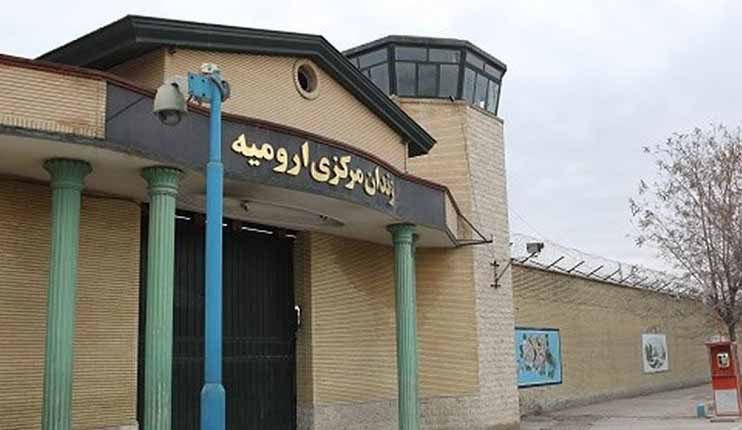
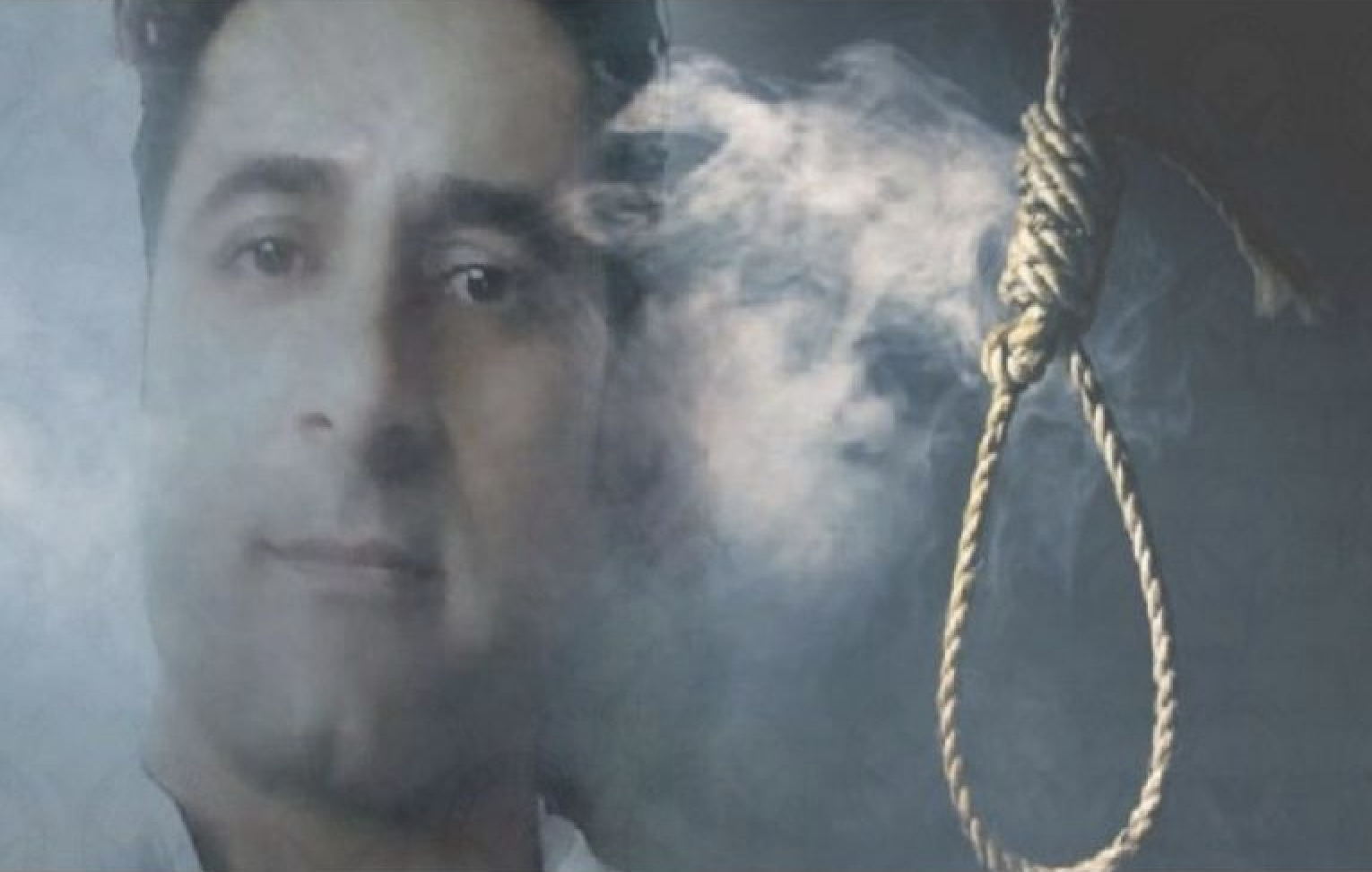
Three Prisoners Executed in Urmia Prison on Drug-Related Charges

At dawn on Monday, August 2, three prisoners were executed  in Urmia Prison in West Azerbaijan Province.

According to HRANA, the news agency of Human Rights Activists, the three prisoners had previously been sentenced to death on drug-related charges.

HRANA has verified the identities of the executed prisoners as Sepehr Abbasnejad (Beigzadeh), son of Bahman, Eskandar Zar’e, son of Ebrahim, and Hamzeh Rezaei, son of Reza.

Iran ranks first in the world in citizen executions per capita, according to international organizations. The Statistics and Publication Center of the Human Rights Activists in Iran (HRA) reported that between January 1 and December 20 of 2020, at least 236 citizens were executed.

One of these citizens was executed publicly, and two were juvenile offenders. An additional 95 citizens were sentenced to death.
According to the same report, more than 72% of executions in Iran are not reported by the government or the judiciary, which human rights organizations call “secret” executions.

The execution of these citizens has not yet been announced by Iranian media or official sources as of this writing.

Inmates Babak Aslani and Mohsen Isfahani Executed in Urmia Prison

On Sunday, July 18, two prisoners who had previously been sentenced to death for murder were executed in Urmia Prison in West Azerbaijan Province.

According to HRANA, the news agency of Human Rights Activists, the prisoners have been identified as Babak Aslani and Mohsen Isfahani.

Iran ranks first in the world in citizen executions per capita, according to international organizations. The Statistics and Publication Center of the Human Rights Activists in Iran (HRA) reported that between January 1 and December 20 of 2020, at least 236 citizens were executed. One of these citizens was executed publicly, and two were juvenile offenders. An additional 95 citizens were sentenced to death.

According to the same report, more than 72% of executions in Iran are not reported by the government or the judiciary, which human rights organizations call “secret” executions.

The execution of Aslani and Isfahani has not been announced by Iranian media or official sources as of this writing.

Improper Management and Distribution of Food Rations in Urmia Prison Leave 1 Dead and 16 Injured

On Wednesday, July 14th, following the improper distribution of food rations by the authorities of Urmia Prison, a clash broke out between prisoners.

According to HRANA, the news agency of Human Rights Activists, one prisoner was killed and 16 others were injured during the altercation.

The identity of the murdered prisoner has been verified by HRANA as Karim Babaei.

An informed source told HRANA about the incident,“The date ration has been unequally distributed and has not reached many prisoners, which has led to physical clashes between prisoners.”

During the clash, Karim Babaei was hit in the head and lost his life. Another prisoner was stabbed and 15 others suffered burns from hot water.

The poor economic conditions of prisoners and their families outside the prison, especially in recent years, have led to the inability of many prisoners to pay for their expenses.

The quality and quantity of food rations has been an ongoing issue for inmates of Urmia Prison.

Three Political Prisoners Facing New Charges of Questionable Legitimacy After Protesting the Beating of Nayeb Hajizadeh Yangjeh

On Monday, July 12, political prisoners Nayeb Hajizadeh Yangjeh, Kayhan Mokaram Al-Nabi, and Nayeb Askari were faced with new charges after protesting the beating of Hajizadeh Yangjeh.

According to HRANA, the news agency of Human Rights Activists, per an informed source, the lawsuit was filed at the request of Urmia Prison director Amir Sohrabi after several political prisoners protested the beating of Nayeb Hajizadeh by two prisoners accused of violent crimes.

It is said that one of the assailants was also summoned to the court as a witness in the case.

During the briefing session, the three accused were briefed on the alleged charges of “disturbing the order of the prison” and “blasphemy”.

Nayeb Hajizadeh was arrested by security forces in August 2019 and sentenced to 7 years and six months in prison shortly after being charged for membership in an opposition group. Kayhan Mokarram Al-Nabi was arrested by security forces in January 2020 and sentenced to five years in prison on charges of membership in an opposition group.

Nayeb Askari was arrested by IRGC intelligence agents in Urmia in April this year and was transferred to prison in June. Mr. Askari has been charged with collaborating with an opposition party.

Two Prisoners Executed in Urmia Prison Before Supreme Court Reaches Verdict on Their Appeal

On Saturday, July 3, Nasser Azmoudeh and Shahriar Amiri were executed in Urmia Prison, even though the Supreme Court has not yet reached a verdict on their appeal.

According to HRANA, the news agency of Human Rights Activists, the two prisoners had previously been sentenced to death on drug-related charges.

Azmoudeh and Amiri, who had been kept in Urmia Prison since 2018, were transferred to solitary confinement the day before the execution took place.

The lack of a fair and transparent trial process in the Iranian judiciary, especially in cases that lead to irreversible sentences such as the death penalty, has long been criticized by human rights organizations. Just this week, the death sentence of a prisoner who was executed 10 months ago was overturned by the Supreme Court.

Iran ranks first in the world in citizen executions per capita, according to international organizations. The Statistics and Publication Center of the Human Rights Activists in Iran (HRA) reported that between January 1st and December 20th of 2020, at least 236 citizens were executed.

One of these citizens was executed publicly, and two were juvenile offenders. An additional 95 citizens were sentenced to death.

According to the report, more than 72% of executions in Iran are not reported by the government or the judiciary. Human rights organizations call these “secret executions”.

The executions of Azmoudeh and Amiri have not been announced by Iranian media or official sources as of this writing.

Subscribe to Our Newsletter

Now is definitely not the time to stop reading!

10 Months After his Execution, Supreme Court Overturns Khedr Ghavidel’s Death Sentence

Nearly 10 months after the execution of Khedr Ghavidel in Urmia Prison, his death sentence has been overturned by the Supreme Court.

According to HRANA, the news agency of Human Rights Activists, Ghavidel was executed in September 2020 while his case was being processed by the Supreme Court.

A source close to the family of the executed prisoner told HRANA: “A few days ago, Ghavidel’s family was invited to the Urmia Prosecutor’s Office, and they were informed about this issue. The prosecutor told Ghavidel’s family that you could file a case and receive the ransom of the executed prisoner.”

In a similar situation, on Saturday, July 3, the death sentences of two prisoners, Nasser Azmoudeh and Shahriyar Amiri, were carried out in Urmia Prison in a situation where their case has not yet been heard by the Supreme Court.

The lack of a fair and transparent trial process in the Iranian judiciary, especially in cases that lead to irreversible sentences such as the death penalty, has long been criticized by human rights organizations.

According to international organizations, Iran ranks first in the world in citizen executions per capita. The Statistics and Publication Center of the Human Rights Activists in Iran (HRA) reported that between January 1st and December 20th of 2020, at least 236 citizens were executed.

One of these citizens was executed publicly, and two were juvenile offenders. An additional 95 citizens were sentenced to death.

According to the report, more than 72% of executions in Iran are not reported by the government or the judiciary. Human rights organizations call these “secret executions”.


At Least Two Prisoners Transferred to Solitary Confinement for Execution in Urmia Prison

Today, July 2, two prisoners were transferred to solitary confinement for execution in Urmia Prison, despite not having yet received a response on the appeal from the Supreme Court confirming or overturning their death sentence.

According to HRANA, the news agency of Human Rights Activists, the prisoners were previously sentenced to death on drug-related charges.

The identities of these prisoners have been verified by HRANA as Nasser Azmoudeh and Shahriar Amiri. Both have been in Urmia Prison in West Azerbaijan Province since 2018.

Iran ranks first in the world in citizen executions per capita, according to international organizations. The Statistics and Publication Center of the Human Rights Activists in Iran (HRA) reported that between January 1st and December 20th of 2020, at least 236 citizens were executed.

One of these citizens was executed publicly, and two were juvenile offenders. An additional 95 citizens were sentenced to death.

According to the report, more than 72% of executions in Iran are not reported by the government or the judiciary. Human rights organizations call these “secret executions”.

Political Prisoner Kamran Ghasemi Insulted and Beaten by Officers During Family Visitation in Urmia Prison

On June 26, political prisoner Kamran Ghasemi was beaten by prison officers after objecting to the inappropriate treatment of his family by the agents during their visitation in Urmia Prison in West Azerbaijan Province.

According to HRANA, the news agency of Human rights Activists, Kamran Ghasemi has spent the past two years in the detention facilities of security institutions and Urmia Prison. He was transferred from the youth to the political ward of Urmia Prison in May this year.

“Officers beat Mr. Ghasemi in front of his family, then kicked him out in a very inappropriate manner,” a source close to the family said. “After other political prisoners protested this incident, in response, the chief of prison transferred 15 inmates of violent crimes under his command to the door of the political prisoners and threatened that protesters will be dealt with, in case of any objection. Amir Sohrabi, the director of Urmia Prison, uses such methods to prevent political prisoners from protesting.”

In November of last year, Branch 2 of the Revolutionary Court of Urmia sentenced Kamran Ghasemi to 10 years and 1 day in prison on charges of acting against national security by being a member of an opposition group.

Political Prisoner Keyhan Mokarram al-Nabi on a Hunger Strike in Urmia Prison

Political prisoner Keyhan Mokarram al-Nabi has been on a hunger strike since June 13 in Urmia Prison.

According to HRANA, the news agency of Human Rights Activists, Kayhan Mokarram al-Nabi, son of Jader, was arrested by security forces in January 2020.

He has been sentenced to five years in prison on charges of membership in an opposition group.

Mokarram is using the hunger strike to demand the modification and reduction of his sentence.

Shaker Behrouz on a Hunger Strike in Urmia Prison

Political prisoner Shaker Behrouz has been on a hunger strike since June 13 in Urmia Prison.

According to HRANA, the news agency of Human Rights Activists, Behrouz’s hunger strike is in protest of his unjust death sentence and long-term detention in solitary confinement.

Behrouz became a member of one of the Iranian Kurdish opposition parties located in Iraq in 2018, but later that year, he got a safe-conduct letter and returned to Iran.

32-year-old Behrouz was first arrested by Ministry of Intelligence agents in March 2019 and sentenced to five years in prison for membership in an opposition party (KDP).

Later, Branch 2 of the Urmia Revolutionary Court, presided over by Judge Ali Sheikh Lou, further sentenced Mr. Behrouz to death on charges of armed rebellion through membership in an opposition party and the murder of a member of the Revolutionary Guards.

12 separate people testified that at the time of the murder, Behrouz was in a shop in Dizaj town of Urmia city, nowhere near the scene of the crime. However, the court refused to hear the witnesses’ statements and convicted him anyway.

An informed source additionally told HRANA that the victim’s family has stated they did not file a lawsuit against Mr. Behrouz and believe in his innocence. They are even willing to testify in court to that end.

Shaker Behrouz is the son of Salim, and a resident of the Dizaj region of Urmia city in West Azerbaijan Province.