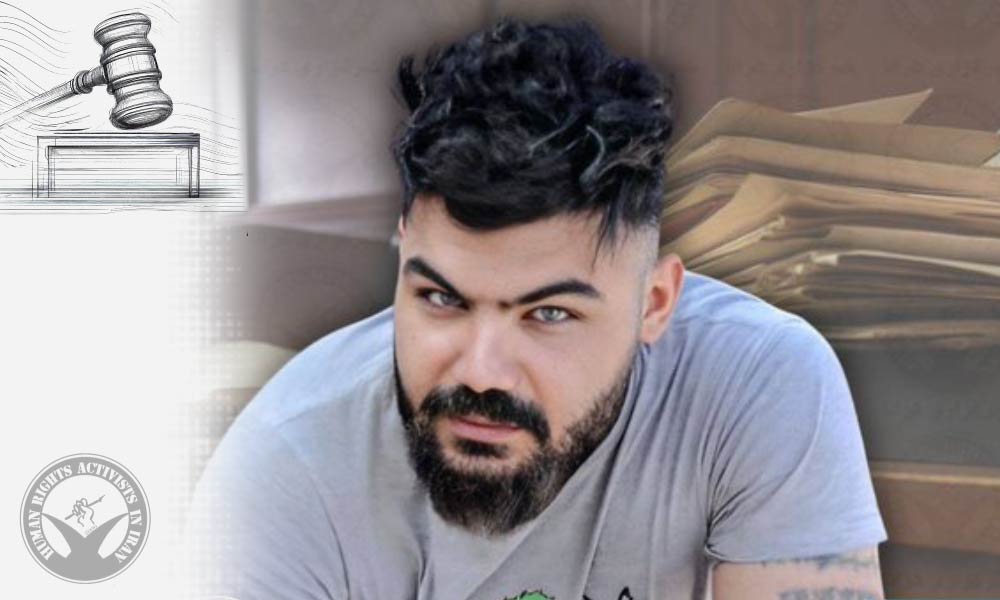
On October 17, Arash Moradi, a Gonabadi Dervish, was arrested by security forces in Kashan and promptly taken to an undisclosed facility.
A source with close ties to his family has informed HRANA that Moradi’s arrest unfolded at his place of work, where the agents conducted a search and confiscated some of his personal belongings.
The motivations behind Moradi’s arrest, his current whereabouts, and the specific charges brought against him remain shrouded in uncertainty.
Moradi was previously detained during the 2018 Dervish protests and subsequently sentenced to one year in prison. After serving his sentence, Moradi was released from the Great Tehran Penitentiary.
This development takes place against the backdrop of a broader pattern of suppression and persecution faced by the Gonabadi Dervish community in Iran, who have long struggled against government restrictions on their religious practices and their peaceful expressions of dissent.
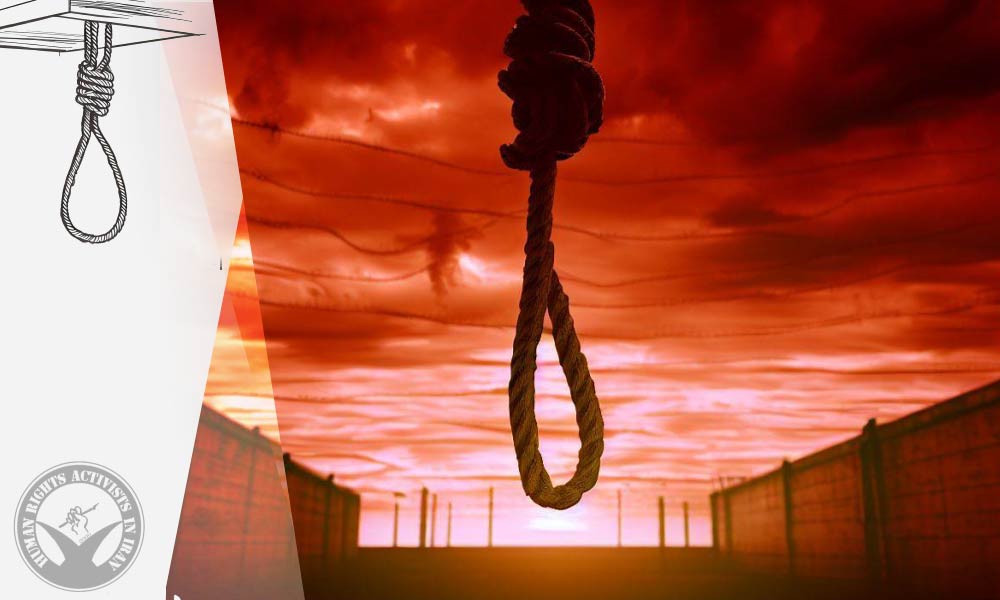
In a somber development on October 18, 2023, Qezel (Ghezel) Hesar Prison bore witness to the execution of ten inmates who had been convicted of drug-related offenses and murder.
HRANA has identified two of these individuals as Shahab Shahbazi and Mohammad Behzadi, both convicted of drug-related crimes. The organization is actively working to confirm the identities of the remaining inmates who met a similar fate.
It’s worth noting that HRANA had previously reported on the relocation of two inmates to solitary confinement within this prison, signaling the imminent implementation of the death penalty.
At the time of composing this report, official sources and domestic media outlets within the country have not yet provided any information regarding these executions.
According to data compiled by the Center of Statistics of Human Rights Activists in Iran (HRA), between October 10, 2022, and October 8, 2023, a total of 659 individuals were executed by hanging in Iran, representing a 24% increase compared to the corresponding period in the previous year. Seven of these executions were conducted publicly. Concerningly, many of the defendants were denied access to a fair trial and due process. For details and statistics, read HRANA’s report.
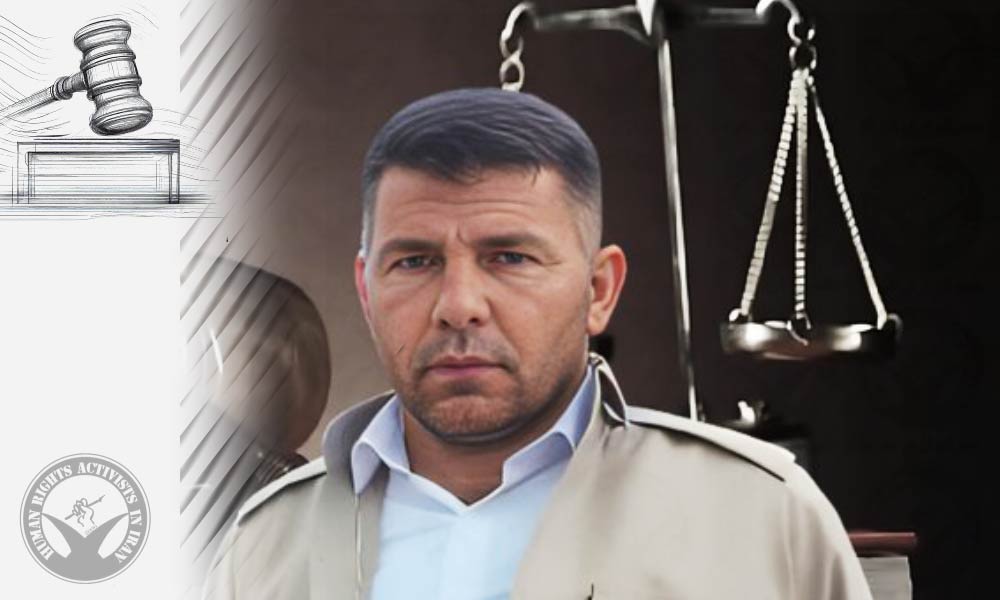
On October 17, civil rights activist Arsham (Mahmood) Rezaie was arrested by security forces in Karaj and transferred to an undisclosed location.
According to a source closely connected to his family, the IRGC intelligence conducted the apprehension at Rezaie’s residence in Karaj. As of now, the specific reasons for his arrest and any charges brought against him remain undisclosed.
It’s worth noting that Rezaie has faced previous arrests and convictions due to his involvement in civil rights activities.
On October 11, 2023, security forces apprehended Naser Sargeran, a lawyer living with a visual impairment, in Saqqez, subsequently relocating him to the Ministry of Intelligence’s detention facility in Sanandaj.
According to a report by Kurdpa, Sargeran was taken into custody at his residence in Saqqez. It’s important to note that in addition to his legal profession, Sargeran also serves as a university lecturer and is an advocate for disability rights.
The specific reasons behind this arrest, as well as any charges that may have been filed against him, remain unknown at this juncture.
On Tuesday, October 17, three inmates who had been convicted of drug-related crimes met their execution in Parseylun Prison, located in Khorramabad.
HRANA has successfully identified two of them as Sajjad Moradi and Yaser Golzardian. These inmates had been transferred to solitary confinement in anticipation of their execution. HRANA is diligently working on confirming the identity of the third inmate.
According to data compiled by the Center of Statistics of Human Rights Activists in Iran (HRA), between October 10, 2022, and October 8, 2023, a total of 659 individuals were executed by hanging in Iran, representing a 24% increase compared to the corresponding period in the previous year. Seven of these executions were conducted publicly. Concerningly, many of the defendants were denied access to a fair trial and due process. For details and statistics, read HRANA’s report.
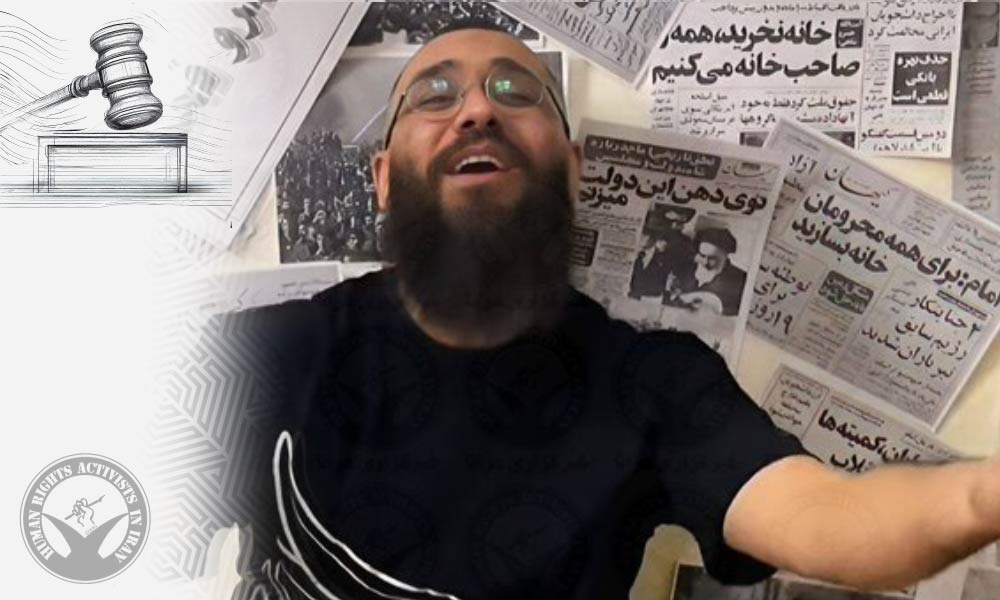
Saleh Nikbakht has been sentenced to one year in prison by the Tehran Revolutionary Court and faces restrictions on his social media activities.
Presided over by Judge Mohammad-Reza Amoozad, the Tehran Revolutionary Court delivered this verdict to Nikbakht for “spreading propaganda against the regime.” Additionally, he has been prohibited from engaging in social media activities for a duration of two years.
According to sources cited by HRANA, Nikbakht’s refusal to accept the forensic report concerning the cause of Mahsa Amini’s death was cited as evidence supporting this charge. Nikbakht, who served as Amini’s lawyer, found himself embroiled in this legal case following a complaint filed by the Ministry of Intelligence, primarily due to his interviews with media outlets outside Iran.
On March 11, 2023, Nikbakht was indicted at Evin Courthouse and subsequently released on bail.
Notably, Nikbakht has represented Mahsa Amini and several political prisoners, including Jafar Panahi, Eskandar Lotfi, and Masoud Nikkhah, in legal matters.
In a recent development, on October 14, 2023, Eghbal Majidi was apprehended by security forces in Sanandaj. According to reports from Kurdpa, he was subsequently taken to an undisclosed location.
Majidi’s arrest took place at his workplace, and it is worth noting that the arresting agents did not present an arrest warrant. They also conducted searches at both his workplace and residence.
At this time, the exact grounds for his arrest, the specific allegations against him, and his current whereabouts remain shrouded in uncertainty.
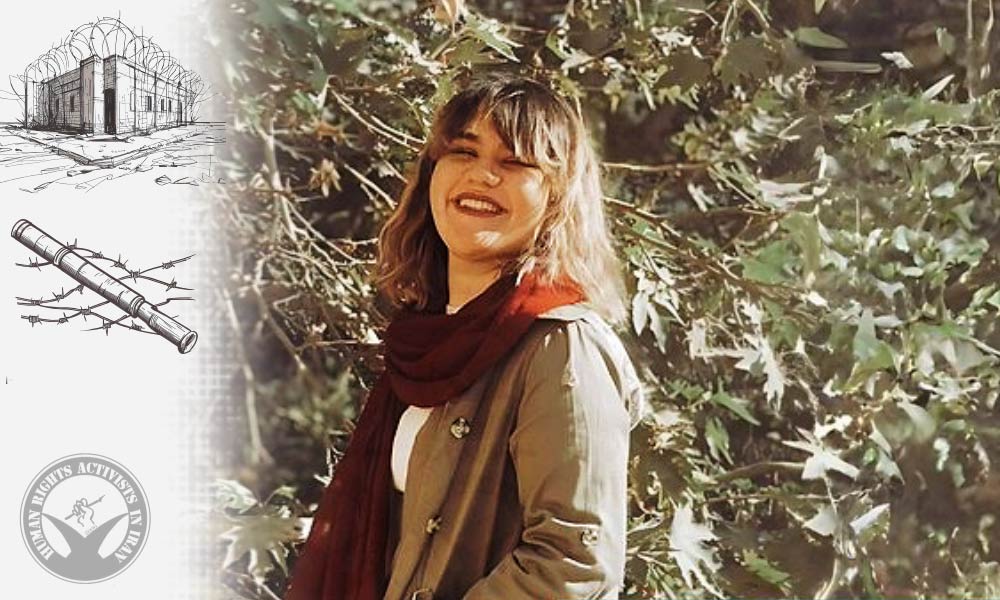
Former political prisoner Leila Hosseinzadeh is confronted with a new legal case brought forth by the prosecutor’s offices of Evin Courthouse.
Hosseinzadeh stands accused of “assembly and collusion against national security.”
On August 20, 2022, security forces arrested Hosseinzadeh in front of her residence in Tehran and subsequently detained her in Ward 209 of Evin Prison. During the arrest, she was beaten by the agents. She was later relocated to a detention facility in Shiraz, known as House No. 100, and subsequently to Adelabad Prison.
On January 4, 2023, Hosseinzadeh was once again transferred to Evin Prison. After five days, she was granted release on bail.
Leila Hosseinzadeh, a student activist from the University of Tehran, has a documented history of previous arrests and convictions tied to her activism.
As the 54th session of the United Nations Human Rights Council comes to a close, HRA reflects on a month of United Nations advocacy and why sustained international attention on the situation of human rights in Iran is imperative in light of the widespread, ongoing abuse and the disreputable denial by the State.
The 54th Session of the Human Rights Council commenced with a statement by Volker Türk, who acknowledged the passing of Zhina Mahsa Amini and expressed concern over the troubling human rights violations that have unfolded in the past year. This included the introduction of the new Hijab Bill, strict legal penalties, an increased use of the death penalty, and the continued repression at the hands of the morality police.
HRA’s Director of Global Advocacy and Accountability took part in a side event titled “A Year of the Woman, Life, Freedom Movement,” hosted by IHRDC. During this event, she explored the wide-ranging implications of Iran’s new Hijab and Chastity Bill, with particular emphasis on the grave concerns surrounding the expanded authority granted to the Basij forces throughout the country.
Simultaneously, during the 54th session, the Fact-Finding Mission (FFM) marked the one-year anniversary of Mahsa Amini’s passing by expressing concerns about the Iranian government’s intensified repression and reprisals against its citizens. Additionally, the FFM raised alarm regarding new laws, especially those severely curbing the rights of women and girls. Furthermore, HRA continued its engagement with the FFM and the UN Special Rapporteur on Iran, participating in meetings to support their mandates concerning Iran. Furthermore, HRA actively engaged in meetings with member states during this period continually briefing on emerging issue areas.
139th Session of the Human Rights Committee
In an effort to shed light on significant human rights abuses, HRA, in collaboration with its partners, submitted a formal written update to the Human Rights Committee in early October in preparation for its review of Iran. This update specifically addressed the right to freedom of expression and peaceful assembly, media freedom and the safety of journalists, freedom of expression online, the right to privacy, the situation of human rights lawyers and defenders, and access to information. HRA also engaged in informal dialogues with committee experts regarding human rights in Iran, preparing for the interactive dialogue.
During the session, Thompson emphasized the ongoing human rights violations in Iran, particularly with regard to the right to freedom of expression, peaceful assembly, and association. Furthermore, she informed the Committee about the unjust treatment of journalists, charged with national security offenses after trials lacking any semblance of due process, all for simply exercising their fundamental right to freedom of expression. Thompson stated, “Although repression against the freedom of information was already widespread, with journalists facing arrests, interrogations, imprisonments, surveillance, harassment, and threats, it has escalated since the outbreak of the ‘Woman, Life, Freedom’ protests triggered by the death in detention of Zhina Mahsa Amini in September 2022.”
*Zohreh Elahian, designated by the European Union for her involvement in serious human rights violations, intervenes as part of the Islamic Republic of Iran’s official delegation. She appears sitting next to the Chair of the Human Rights Committee. October 9, 2023.
During the same session, the Committee conducted a comprehensive review of the human rights situation in Iran, shedding light on grave violations, including instances of torture, the excessive use of force in response to recent protests, and the status of LGBTI rights. Regrettably, the delegation from the Islamic Republic chose not to provide substantive responses and even resorted to intimidation tactics when questioned about an individual listed on the EU sanctions list. See the Spreading Justice profileof Zohreh Elahian. Elahian’s position within the delegation and travel to Switzerland as part of Iran’s delegation was questioned by Ms. Marcia Kran as part of the formal dialogue between the Committee and the delegation. Elahian’s travel was also condemned by the Chair of the Delegation for a relation with Iran within the European Parliament, Cornelia Ernst.
Following the session, the Human Rights Committee made a poignant observation, stating, “Most of the substantive questions remain unanswered.” Despite persistent inquiries regarding LGBT rights, torture, and the excessive use of force in recent protests, the Committee received no satisfactory responses.
Reflections
As the session closes HRA remains steadfast in its commitment to amplifying the voices of Iranians on the international stage. Sustained international dialogue and attention are crucial for Iran, as it ensures that the ongoing struggles of the Iranian people are not only heard but also acted upon by the global community. By maintaining a consistent focus on Iran, the international community can play a vital role in holding the Iranian government accountable for violations of human rights.
HRA remains committed to working alongside our partners in civil society, the Special Rapporteur, the Independent and International Fact-Finding Mission, and State and multinational institutions to support justice and accountability for serious human rights violations and possible crimes under international law.
Finally, HRA urges the United Nations to cease allowing known human rights abusers to travel to and participate in high-level dialogues, and to uphold its fundamental principles of promoting peace, security, and human rights. Allowing individuals with a documented history of human rights violations to enter UN premises undermines State parties’ efforts and sends a conflicting message concerning the validity of the sanctions.
For media inquiries please contact, Skylar Thompson at [email protected]
In separate incidents, two inmates convicted of murder were executed in Zanjan and Ardabil Prisons on October 14 and 15, respectively.
According to the Iran Human Rights Organization, on Sunday, October 14, a 39-year-old cab driver named Ali Asghar Cheraghi Far was executed. He had been convicted of the murder of one of his passengers following a dispute that occurred three years ago. As of the time of this report, there have been no official statements or coverage of this execution by domestic media outlets within the country.
On October 15, another inmate, who was convicted of murder, was executed in Ardabil prison, as reported by Tasnim, a news agency affiliated with security institutions.
As per a deputy prosecutor in Ardabil province, on October 28, 2021, this particular inmate, whose identity was not disclosed, fatally stabbed his father-in-law during a family dispute.
According to data compiled by the Center of Statistics of Human Rights Activists in Iran (HRA), between October 10, 2022, and October 8, 2023, a total of 659 individuals were executed by hanging in Iran, representing a 24% increase compared to the corresponding period in the previous year. Seven of these executions were conducted publicly. Concerningly, many of the defendants were denied access to a fair trial and due process. For details and statistics, read HRANA’s report.