Activists Hashem Amini and Nosrat Beheshti Arrested; Javad Lal Mohammadi and Fatemeh Sepehri Still in Detention

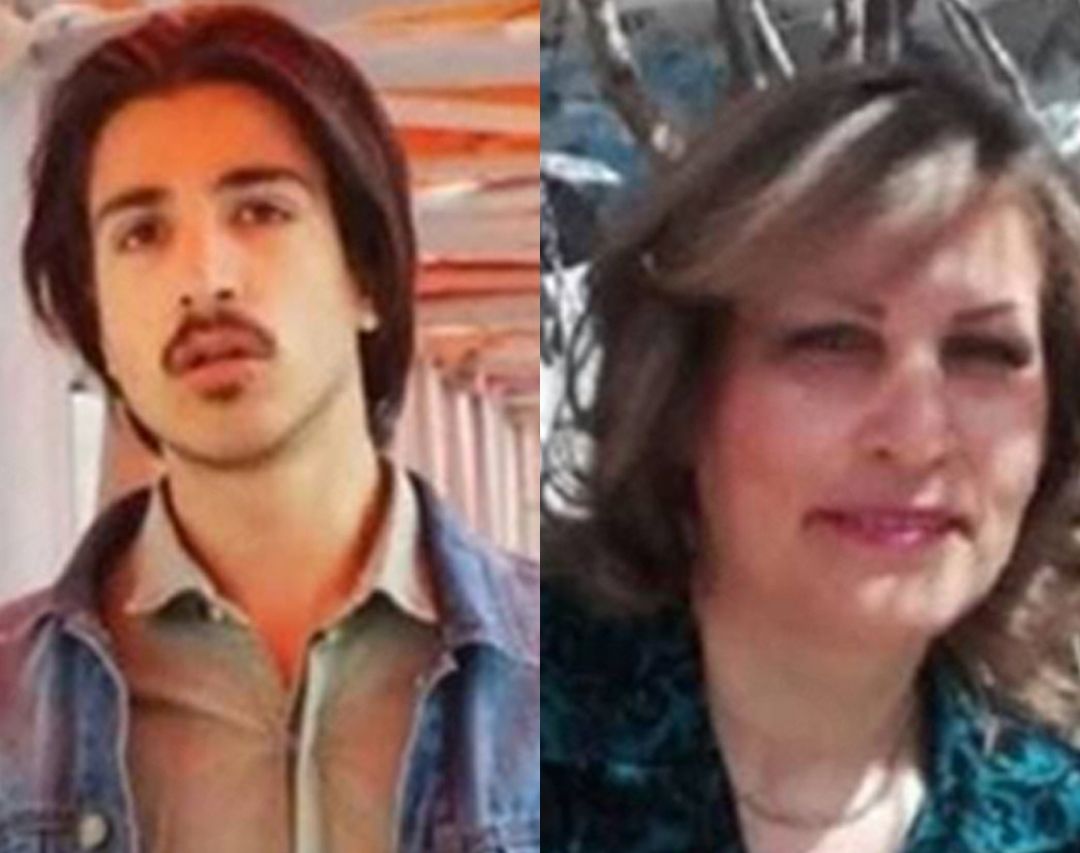
Activists Hashem Amini and Nosrat Beheshti were recently arrested by security forces, while activists Javad Lal Mohammadi and Fatemeh Sepehri are still in detention.

According to HRANA, the news agency of Human Rights Activists, Hashem Amini, a civil activist native of Bajestan, was arrested and transferred to Vakilabad Prison in Mashhad on Wednesday, August 4, after being summoned by the Gonabad prosecutor’s office. Meanwhile, Nosrat Beheshti, a retired activist living in Mashhad, was detained by security forces at his home and then taken to an unknown location.

Amini was previously arrested by security forces at his home in Bajestan on June 17 and had been transferred to the Mashhad Intelligence Detention Center. He was released on bail from the Gonabad Intelligence Bureau in Khorasan Razavi Province on Thursday, July 8.

Nosrat Beheshti had previously been detained for signing the resignation request letter of Ali Khamenei the supreme leader in 2019.
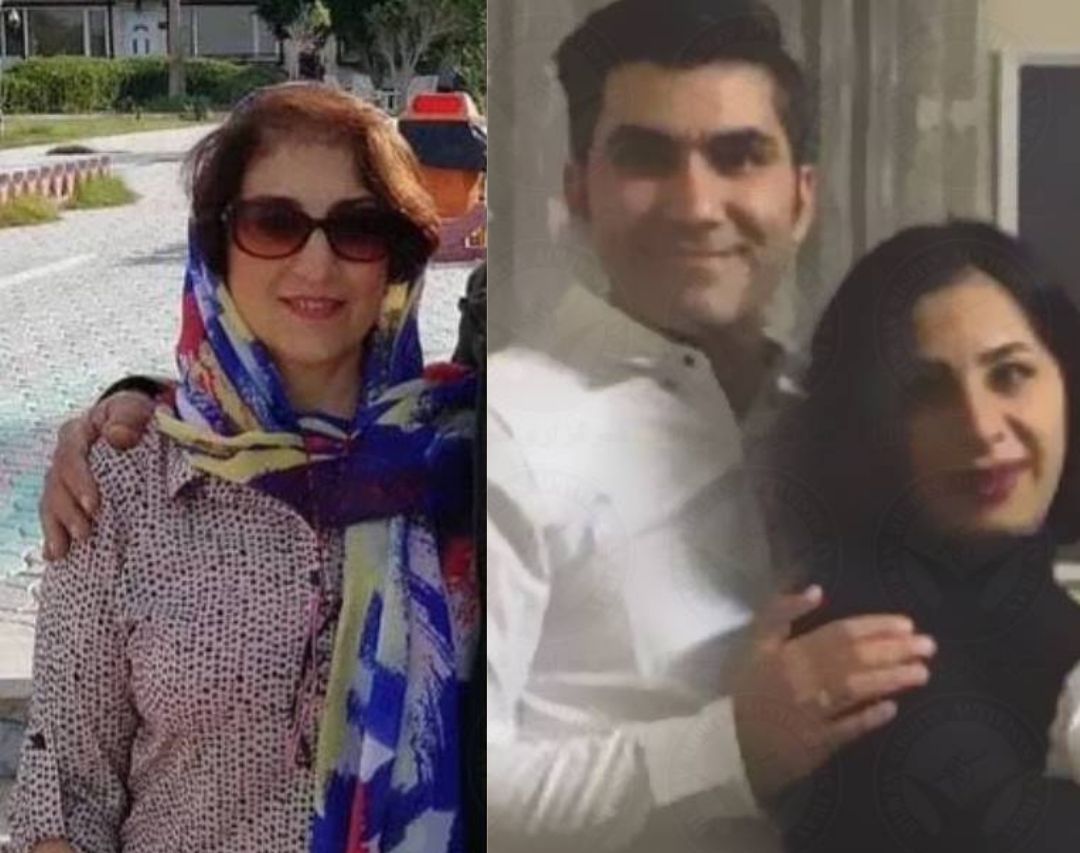
Javad Lal Mohammadi and Fatemeh Sepehri are still in custody. These citizens were arrested by security forces on Sunday, August 1, during a protest rally in support of the people of Khuzestan in Mashhad.

Fatemeh Sepehri and Javad Laleh Mohammadi, are also signatories of the request letter for the Supreme Leader’s resignation, and they had previously been arrested and convicted for it.

According to a source close to the families of the two civil activists, Ms. Sepehri informed her family about her detention in the Mashhad Intelligence Office detention center on a short call. However, Javad Lal Mohammadi has not contacted his relatives since his arrest. Mr. Lal Mohammadi’s family follow-up has been inconclusive.

Hamshahri Newspaper: During the Protests, 300 People were Arrested in Susangerd Alone

Hamshahri newspaper, which is owned by Tehran Municipality, published a report yesterday stating that at least 300 have been arrested during the recent protests in the city of Susangerd alone.

According to HRANA, the news agency of Human Rights Activists, the report acknowledges that at least 12,000 people were present at a protest rally in Susangerd–a noteworthy distinction amid denials of unrest from many official sources.

According to the report, the day after the first day of the protests, July 15, Khuzestan Governor Qassem Soleimani Dashtaki denied everything about the protest, saying, “Some seek to provoke the people and publish fake images of the protests in cyberspace.” He claimed, “There were no protests in the cities of Khorramshahr and Susangerd.”

Subsequent events showed that the governor’s words were wrong. The Hamshahri newspaper also reported that the protests were peaceful until the fourth day in Susangerd and surrounding cities but escalated into violence with the arrival of troops and special forces.

Until that day, no provincial or government officials were willing to speak to the people. Finally, on the fourth day, with the arrival of the non-native special police unit in the Susangerd area, the atmosphere changed. The police were aimed at stopping protests by any means necessary. Citizens wondered why the special unit had been summoned to the city, given the peaceful nature of their protests.

According to the Hamshahri report, 2018 statistics showed that Khuzestan was the highest ranked province in number of protests, with about 300 union and non-union gatherings and sit-ins in that year alone. Given the high capabilities and abundance of resources within the province, it should be one of the wealthiest regions, but decades of mismanagement and exploitation have left Khuzestan with abysmal rates of unemployment and poverty. Regarding the water issue, citizens have been protesting, in various ways, for more than 20 years, but nothing has been done.

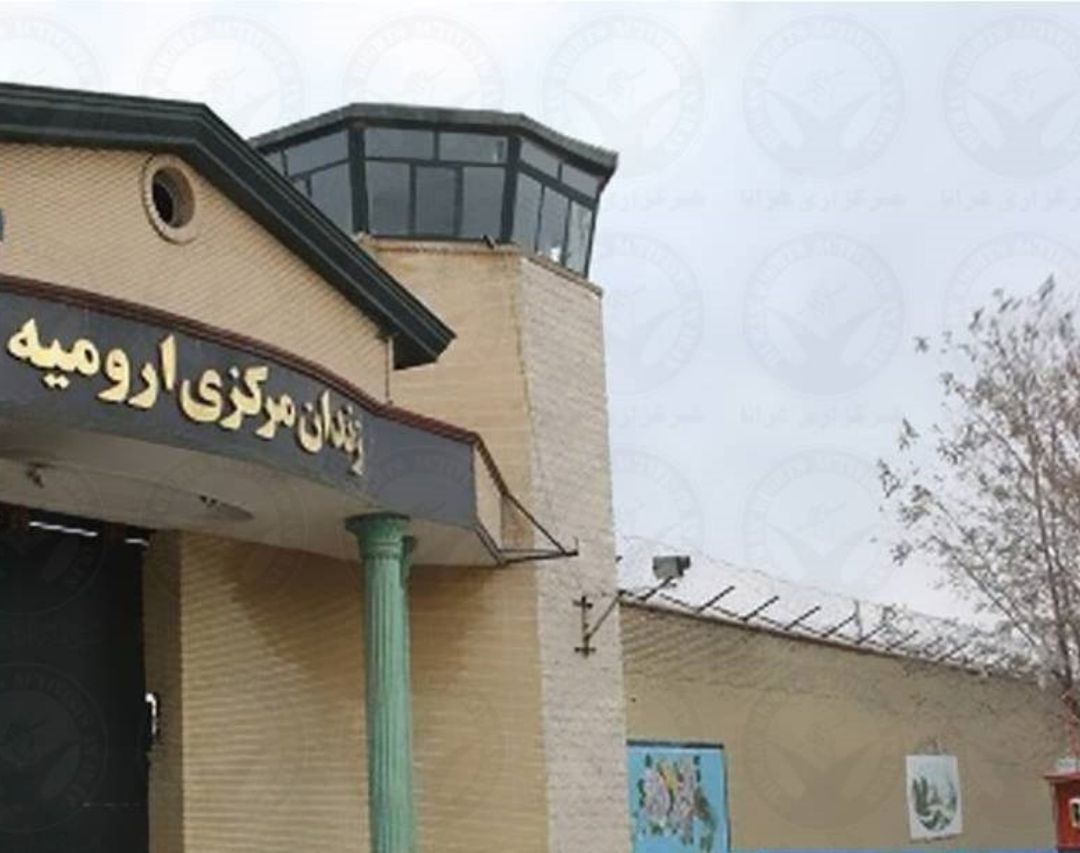
Three Political Prisoners Sentenced to Additional Prison Time and Lashes in Urmia Prison

Political prisoners Nayeb Hajizadeh Yangjeh, Keyhan Mokarram al-Nabi, and Nayeb Askari were sentenced to a new sentence of prison time and flogging in connection with a recently opened case against them.

According to HRANA, the news agency of Human Rights Activists, the prisoners are currently being held in Urmia Prison in West Azerbaijan Province.

According to Branch 119 of the Criminal Court of Urmia, these prisoners were each sentenced to three months in prison and 50 lashes on a charge of “disrupting the prison order”.

According to HRANA’s report in July, per an informed source, the lawsuit was filed at the request of Urmia Prison Director Amir Sohrabi after several political prisoners protested the beating of Nayeb Hajizadeh by two prisoners accused of violent crimes.

It was said that one of the assailants was also summoned to the court as a witness in the case.

Five Political Defendants Sentenced to a Total of 38 Years in Prison

Political defendants Nahid Taghavi, Somayeh Kargar, Bahareh Soleimani, Nazanin Mohammad Nejad, and Mehran Raouf were sentenced by Branch 26 of the Revolutionary Court of Tehran to a total of 38 years in prison.

According to HRANA, the news agency of Human Rights Activists,  the court hearings of these citizens, along with Ms. Elham Samimi, another defendant of this case, were held on April 28 and June 13.

Branch 26 of the Revolutionary Court of Tehran, presided by Judge Iman Afshari, sentenced Nahid Taghavi and Mehran Raouf to 10 years and eight months in prison on charges of “participation in the management of an illegal group and propaganda activities against the regime”.

Somayeh Kargar and Bahareh Soleimani were sentenced to 6 years and eight months on charges of “participation in the management of an illegal group and propaganda activities against the regime”, and Nazanin Mohammad Nejad to 3 years and 4 months each on a charge of “participation in the management of an illegal group and propaganda activities against the system”. As of this writing, the status of Elham Samimi’s case is not known.

In October 2020, HRANA reported the arrest of Ms. Taghavi, Ms. Somayeh Kargar, Mr. Mehran Raouf, and Ms. Bahareh Soleimani by IRGC intelligence forces, as well as the arrests of Ms. Mohammadnejad in December and Elham Samimi in November last year. Nahid Taghavi and Mehran Raouf are still in custody.

At Least one Prisoner Transferred to Solitary Confinement in Urmia Prison for Execution Preparation

This morning, Wednesday, August 4, at least one prisoner sentenced to death was transferred to solitary confinement in Urmia Prison.

According to HRANA, the news agency of Human Rights Activists, the prisoner was previously sentenced to death on drug-related charges.

The identity of this prisoner has been verified by HRANA as Ebrahim Nasrikhah.

Iran ranks first in the world in citizen executions per capita, according to international organizations. The Statistics and Publication Center of the Human Rights Activists in Iran (HRA) reported that between January 1 and December 20 of 2020, at least 236 citizens were executed.

One of these citizens was executed publicly, and two were juvenile offenders. An additional 95 citizens were sentenced to death.

According to the same report, more than 72% of executions in Iran are not reported by the government or the judiciary, which human rights organizations call “secret” executions.

Subscribe to Our Newsletter

Now is definitely not the time to stop reading!

Six Citizens Summoned and Arrested in Oshnavieh in West Azerbaijan Province

On Monday, August 2, two citizens were arrested by security forces and taken to an unknown location in Oshnavieh.

According to HRANA, the news agency of Human Rights Activists, quoting the Center of Democracy and Human Rights in Kurdistan, the identities of these citizens are Obaid Anvari, son of Rahim, from the village of Amirabad, and 22-year-old Ribvar Charakdari, son of Mohammad.

According to the report, another citizen named Hassan Shadikhah, a native of Sengan village in Oshnavieh, was summoned by the Oshnavieh Intelligence Office and interrogated for several hours.

The Kurdpa report states that three other citizens were arrested in the county of Oshnavieh besides the above mentioned ones. Kurdpa has identified the detainees as Farhad Maroufi, son of Hassan, from Aliabad village, Rahman Asadi, son of Mahmoud, from Aliabad village, and Jalal Ghaderzadeh, son of Abdollah, from Nalous. As of this writing, no information is available on the whereabouts of the detainees and the charges against them.

Eight Citizens Detained in Behbahan in Khuzestan Province

At 4 am on Tuesday, August 3, Mehran Tayebi, Mohammad Tayebi, Ali Tayebi, Mohammad Shokri, Amir Reza Tayebi, Siavash Khalili, Meqdad Tayebi, and Ahmad Reza Tayebi were arrested by security forces in their homes and transferred to an unknown location.

According to HRANA, the news agency of Human Rights Activists, all were residents of the village of Greater Kurdistan in Behbahan City in Khuzestan.

During the arrest, security forces searched the homes of the citizens and confiscated their personal belongings.

It is said that these citizens were severely beaten at the time of arrest for participating in the protests in Khuzestan against the water cuts and mismanagement of the officials.

As of this writing, no information is available on the charges or where they are being held.

Revolutionary Court of Tehran Reverses Supreme Court’s Ruling and Sentences Davoodi to 30 Years Once Again

Although the supreme court overturned the sentence of 30-year imprisonment and 111 lashes issued by Branch 15 of the Revolutionary Court of Tehran against lawyer-turned-defendant Amirsalar Davoodi, Branch 28 of the Tehran Revolutionary Court later reaffirmed the previous verdict.

According to HRANA, the news agency of Human Rights Activists, Davoodi’s defense attorney Amir Raisian has said he will appeal the verdict.

Raisian wrote in a note on his social media page, “Branch 28 of the Revolutionary Court of Tehran, believing that the ruling of the Supreme Court was wrong, confirmed the original ruling (of Branch 15).”

Amirsalar Davoodi a lawyer, has represented many cases of prisoners and political defendants, including Soheil Arabi and Saeed Shirzad.

After applying Article 134 of the Islamic Penal Code, Davoodi could be sentenced to 15 years in prison.

Baha’i Citizen Sanaz Notghi Sentenced to 5 years and 8 Months in Prison

Baha’i citizen Sanaz Notghi was sentenced to 5 years and 8 months in prison by the Ahvaz Revolutionary Court on a charge of “membership in an illegal Baha’i organization” and to eight months in prison on a charge of “propaganda against the regime”.

According to HRANA, the news agency of Human Rights Activists, if  the sentence is upheld at the appeal court, with the application of Article 134 of the Islamic Penal Code,  5 years of imprisonment will be applicable as the most severe punishment for Ms. Notghi.

According to unofficial sources, more than 300,000 Baha’is live in Iran, but the Iranian constitution recognizes only Islam, Christianity, Judaism, and Zoroastrianism. Because their faith is not considered legitimate by authorities, the rights of Baha’is in Iran have been systematically violated for years.

This deprivation of the freedom to practice their religion is a violation of Article 18 of the Universal Declaration of Human Rights, and Article 18 of the International Covenant on Civil and Political Rights. The United Nations covenant holds that every person has the right to freedom of religion, freedom of converting religion, as well as freedom of expression, individually or collectively; openly or secretly.

Two Defendants Sentenced to Death in Tehran

According to HRANA, the news agency of Human Rights Activists, quoting Rokna, two defendants were recently sentenced to death in Tehran.

A defendant named Jalil was sentenced to death by the Second Branch of the Criminal Court of Tehran Province for murder. Another defendant, Kamran, was sentenced to death by the Eighth Branch of the Criminal Court of Tehran Province for murder.

Iran ranks first in the world in citizen executions per capita, according to international organizations.

The Statistics and Publication Center of the Human Rights Activists in Iran (HRA) reported that between January 1 and December 20 of 2020, at least 236 citizens were executed. One of these citizens was executed publicly, and two were juvenile offenders. An additional 95 citizens were sentenced to death.