Baha’i Citizen Keyvan Rahimian Arrested in Tehran

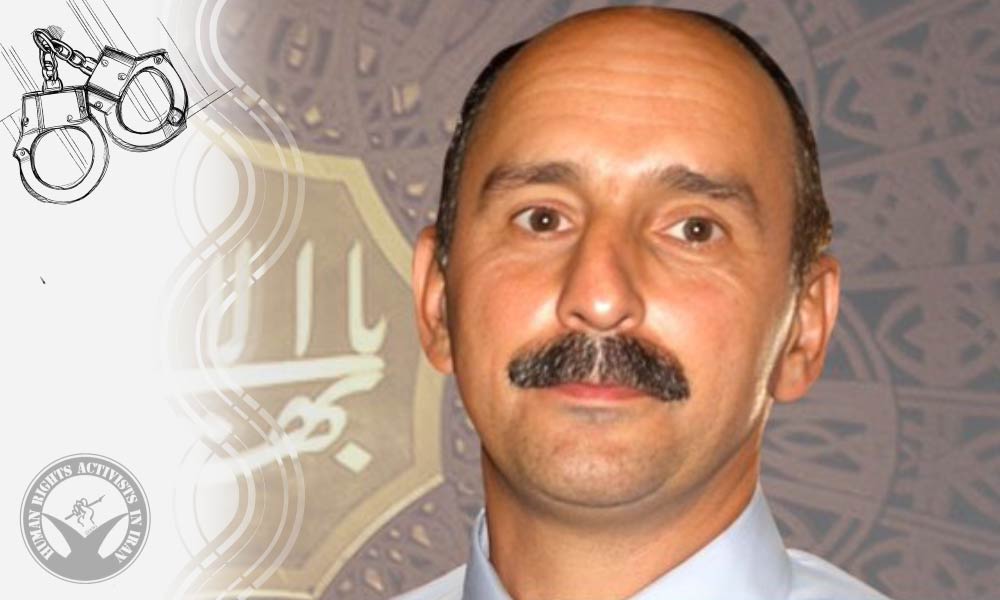
On July 18, 2023, security forces arrested Baha’i Citizen Keyvan Rahimian in Tehran and transferred him to Evin Prison.

A reliable source close to Rahimian’s family, who spoke to HRANA, revealed that he informed his family about his transfer to Evin Prison during a phone call following his arrest.

The grounds for this arrest and the allegation against him are unknown.

The specific reasons behind his arrest and the allegations against him remain unknown at this time.

Rahimian has a history of previous arrests and convictions related to his activism. Notably, he also serves as a lecturer at an online university affiliated with the Baha’i community. It is important to mention that Baha’is face exclusion from tertiary education in Iran.

According to HRANA annual report, from the total human rights reports regarding the violation of religious minorities’ rights, 64.63% belonged to the violation of the rights of Baha’is.

According to unofficial sources, it is estimated that more than 300,000 Baha’is live in Iran, but the Iranian Constitution recognizes only Islam as the official religion, in addition to Christianity, Judaism, and Zoroastrianism. Bahai faith is not considered legitimate by the authorities, and the rights of Baha’is in Iran have been systematically violated for years.

The deprivation of the freedom to practice their religion is a breach of Article 18 of the Universal Declaration of Human Rights and Article 18 of the International Covenant on Civil and Political Rights. The United Nations covenant holds that every person has the right to freedom of religion, freedom of converting religion, as well as freedom of expression, individually or collectively; openly or secretly.
 

Baha’i Citizen Payam Vali Face New Charge While Imprisoned

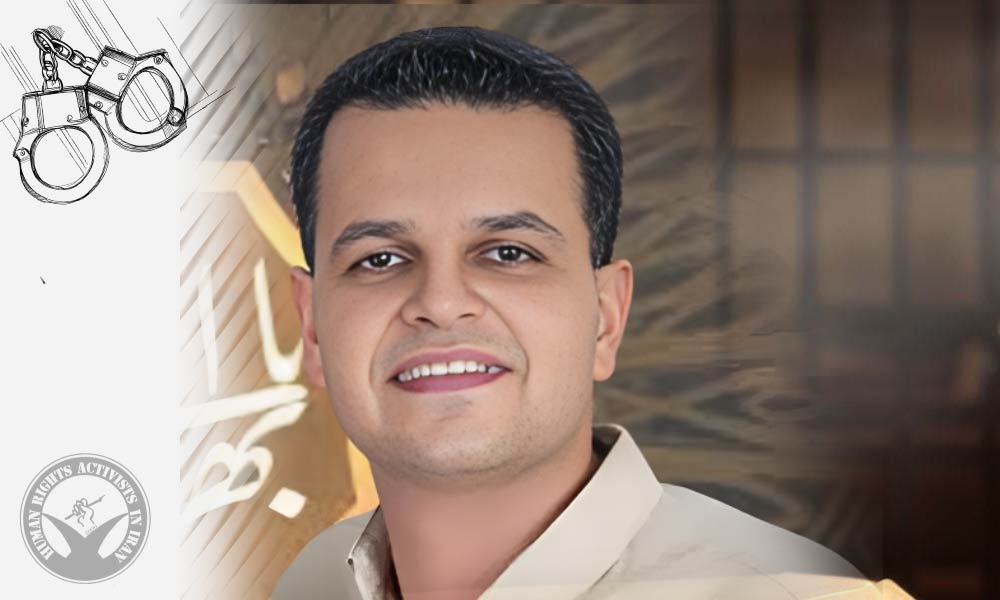
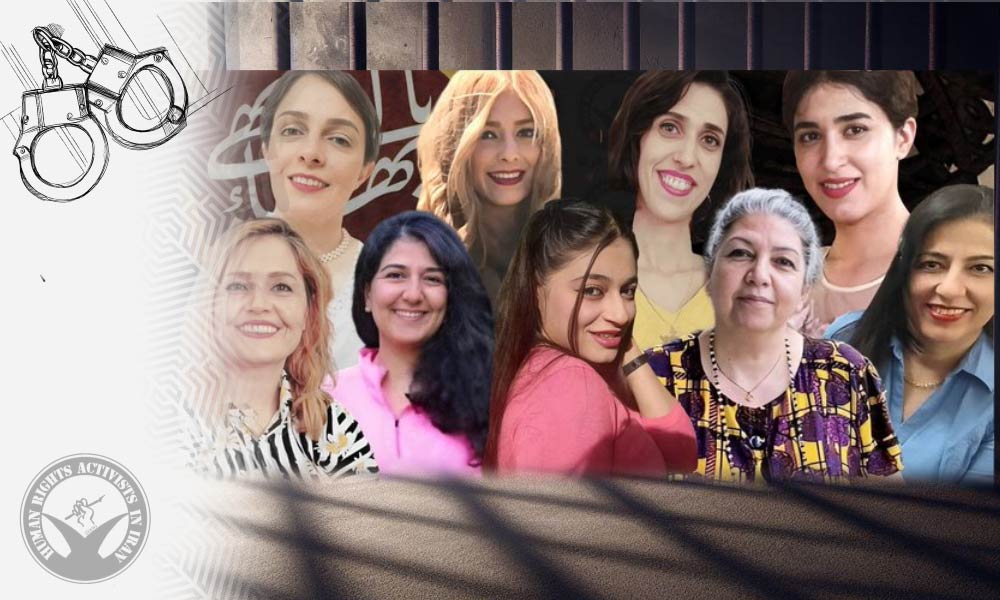
Payam Vali, a Baha’i citizen currently serving his sentence in Qezel Hesar Prison, Karaj, is confronted with a fresh legal case.

The Karaj Revolutionary Court has accused Vali of “spreading falsehood on the Internet through the dissemination of unlawful content.” This case has been transferred from the court to a branch of the prosecutor’s office in Karaj, as it reportedly exceeds the jurisdiction of the Revolutionary Court.

Vali’s arrest took place on September 24, 2022, when security forces apprehended him at his residence in Karaj and conducted a search of his house. Subsequently, he was detained in Rajai Shahr Prison before being relocated to Ghezel Hesar Prison.

On May 10, 2023, the Alborz Court of Appeals sentenced Vali to six years for “collaboration with adversary countries,” three years and one month for “inciting people to commit violence,” and eight months for “propaganda against the regime.” According to Article 134 of the Islamic Penal Code, the first charge carries an enforceable prison term of six years.


Five Baha’i Citizens Arrested in Kerman

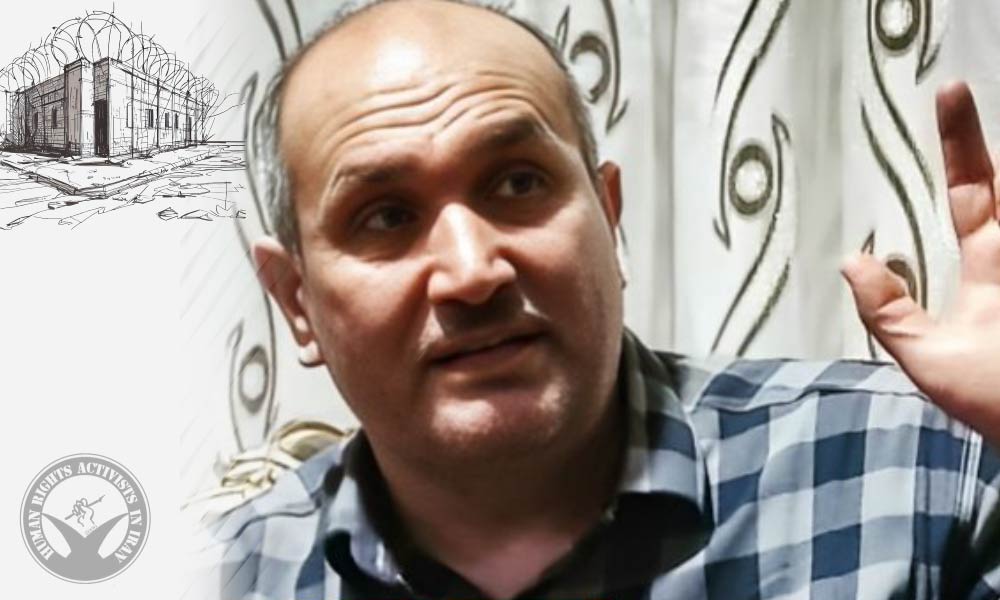
On July 12, 2023, in a concerning development, security forces in Kerman apprehended and detained five Baha’i citizens.

The detainees, identified as Foad Shaker, Shahram Fallah, Yekta Fallah, Behnam Pour-Ahmadi, and Paridokht Shojaei, were subsequently transferred to an undisclosed location. During the arrest, agents conducted a search of the house and their vehicles and seized some of their personal belongings.

The exact reasons behind the arrests and the specific location of their detention remain unknown, deepening concerns about potential human rights violations. One reliable source, who spoke to HRANA revealed that these individuals were apprehended at the residence of Shahram Fallah, where they were guests.

According to unofficial sources, it is estimated that more than 300,000 Baha’is live in Iran, but the Iranian Constitution recognizes only Islam as the official religion, in addition to Christianity, Judaism, and Zoroastrianism. Bahai faith is not considered legitimate by the authorities, and the rights of Baha’is in Iran have been systematically violated for years.

The deprivation of the freedom to practice their religion is a breach of Article 18 of the Universal Declaration of Human Rights and Article 18 of the International Covenant on Civil and Political Rights. The United Nations covenant holds that every person has the right to freedom of religion, freedom of converting religion, as well as freedom of expression, individually or collectively; openly or secretly.
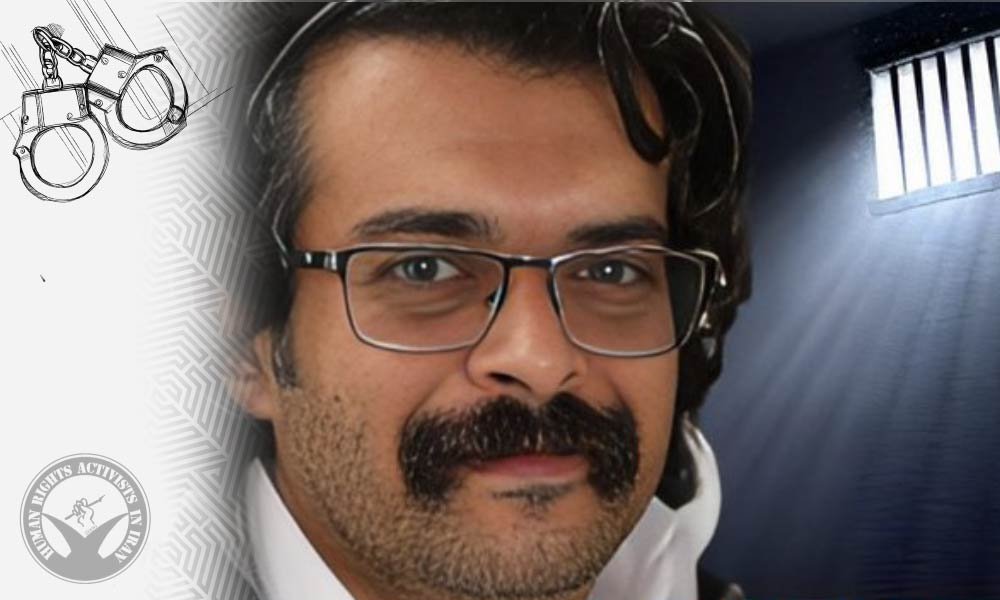
 

Four Baha’i Citizens Sentenced Each to Five Years in Prison

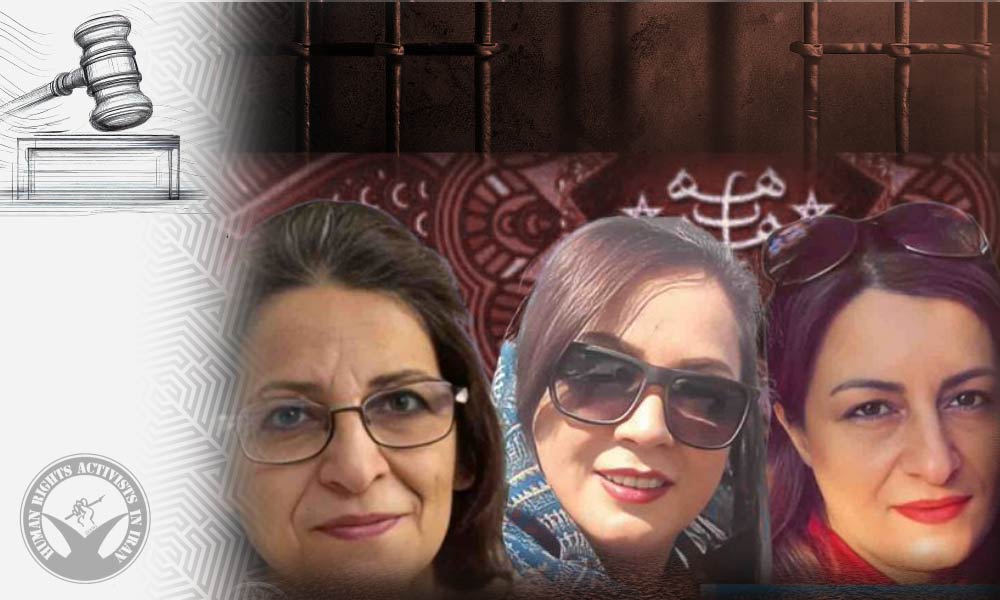
In a ruling by the Tehran Revolutionary Court, Shadi Shahidzadeh, Mansour Amini, Valiollah Ghadamian, and Ataollah Zafar, four Baha’i citizens, have each been sentenced to five years in prison.

Judge Iman Afshar, presiding over the court, issued these sentences based on the charge of “membership in illegal groups to disrupt national security.” The court session took place on May 31, 2023.
According to a reliable source close to their families, who spoke to HRANA, despite starting their trial, they are still under interrogation as they are jailed in Ward 209 of Evin Prison.

These Bahais were arrested by security forces on May 1, 2023, and transferred to Ward 209 of Evin Prison.

According to HRANA annual report, from the total human rights reports regarding the violation of religious minorities’ rights, 64.63% belonged to the violation of the rights of Baha’is.

The deprivation of the freedom to practice their religion is a breach of Article 18 of the Universal Declaration of Human Rights and Article 18 of the International Covenant on Civil and Political Rights. The United Nations covenant holds that every person has the right to freedom of religion, freedom of converting religion, as well as freedom of expression, individually or collectively; openly or secretly.
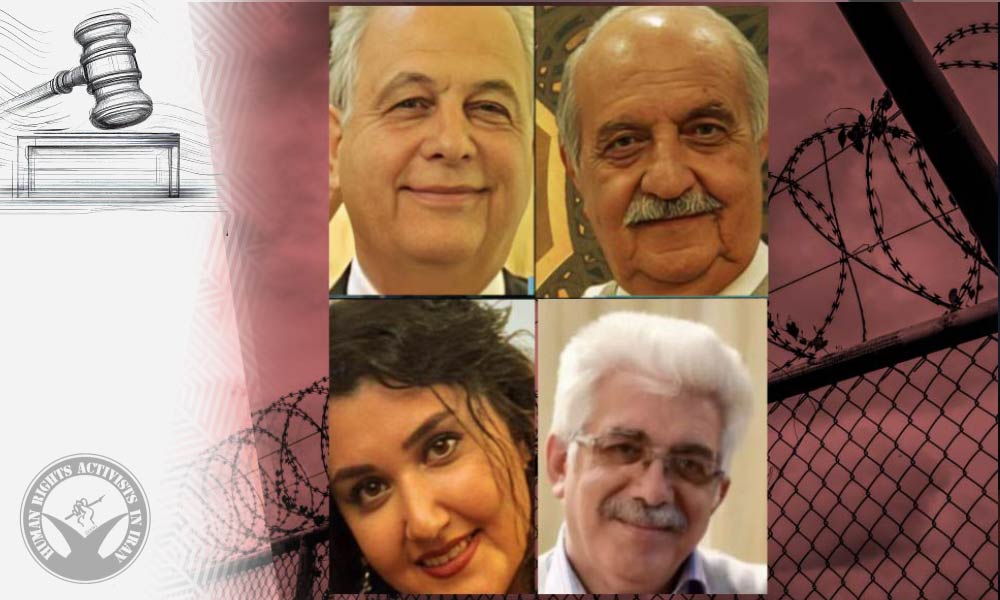
Baha’i Couple Faces Nine-Year and Six-Month Combined Sentence

Vesal Momtazi and Anisa Samieian, a Baha’i couple, have been collectively sentenced to a nine-year and six-month prison term by the Rasht Revolutionary Court.

According to the verdict issued on June 13 by Branch 3 of the Rasht Revolutionary Court, Mrs. Samieian received a sentence of seven months and 16 days for “propaganda against the regime,” along with three years and six months for “engaging in educational activities and propaganda against Sharia law.” Meanwhile, Mr. Momtazi has been sentenced to seven months and 16 days for “propaganda against the regime,” one year and three months for “insulting the Supreme Leader of Iran,” and three years and six months for “insulting Sharia law.” In addition, he has been fined 38 million tomans. Both individuals are also subjected to social deprivations for a period of ten years. If these verdicts are upheld on appeal, each of them will serve three years and six months in prison.

On November 4, 2022, security forces conducted a search of their residence, resulting in their arrest. Mr. Momtazi was released on bail after his arrest on December 6, 2022. Mrs. Samieian, who was pregnant at the time, was granted release on bail following two interrogation sessions. It is important to note that this Baha’i couple has two young sons, aged five and three months.

According to HRANA annual report, from the total human rights reports regarding the violation of religious minorities’ rights, 64.63% belonged to the breach of the rights of Baha’is.

According to unofficial sources, it is estimated that more than 300,000 Baha’is live in Iran, but the Iranian Constitution recognizes only Islam as the official religion, in addition to Christianity, Judaism, and Zoroastrianism. Bahai faith is not considered legitimate by the authorities, and the rights of Baha’is in Iran have been systematically violated for years.

The deprivation of the freedom to practice their religion is a breach of Article 18 of the Universal Declaration of Human Rights and Article 18 of the International Covenant on Civil and Political Rights. The United Nations covenant holds that every person has the right to freedom of religion, freedom of converting religion, as well as freedom of expression, individually or collectively; openly or secretly.

Subscribe to Our Newsletter

Now is definitely not the time to stop reading!

Baha’i Citizen Hooshidar Zarei Sentenced to Six Years Imprisonment

The Shiraz Revolutionary Court has sentenced Baha’i citizen Hooshidar Zarei to six years in prison, along with additional penalties, including a two-year travel ban, a fine, and other social restrictions. If the verdict is upheld on appeal, Zarei will serve five years of his sentence under house arrest, monitored by an electronic tag.

Zarei received a one-year sentence for “propaganda against the regime” and five years for “sectarian propaganda in favor of anti-regime groups.” He will serve his sentence at his residence, with the limitation of movement within a one-kilometer radius from his house.

According to a reliable source close to Zarei’s family who spoke to HRANA, he has also been subjected to additional penalties, including social restrictions for five years, a ban on engaging in online social activities, a two-year travel ban, and a fine of 500 million Rial.

Zarei was arrested on April 29, 2023, by security forces in Shiraz and was released after 22 days of detention on a 1.2 billion Tomans bail from Adelabad Prison. Zarei, who is approximately 43 years old, is a Judo Coach and a resident of Shiraz.


Baha’i Citizen Sara Sabet Rasekh Receives Eight-Year Prison Sentence

The Court of Appeals in Isfahan Province has handed down a verdict, sentencing Baha’i citizen Sara Sabet Rasekh to eight years in prison. Since February 7, 2023, Sabet has been serving her previous one-year sentence outside of prison with curfew tags.

The recent ruling states that Sabet will serve five years for charges of “blasphemy,” two years for “insulting the former and current Supreme Leader of Iran,” and one year for “propaganda against the regime.” Pursuant to Article 134 of the Islamic Penal Code, she will serve five years in prison for the first charge.
Sabet was arrested in November-December 2021 by security forces at his residence and released on bail after about one month.

Sabet was originally arrested in November-December 2021 at her residence by security forces. She was later released on bail after approximately one month.

In March-April 2022, the Isfahan Revolutionary Court initially sentenced Sabet to two years for “insulting the former and current Supreme Leader of Iran” and one year for “propaganda against the regime on the internet.” Subsequently, she received an additional one-year sentence for “insulting regime authorities and officials.” Currently, she is serving the latter sentence outside of prison under curfew, monitored by an electronic tag.

According to HRANA annual report, from the total human rights reports regarding the violation of religious minorities’ rights, 64.63% belonged to the violation of the rights of Baha’is.

According to unofficial sources, it is estimated that more than 300,000 Baha’is live in Iran, but the Iranian Constitution recognizes only Islam as the official religion, in addition to Christianity, Judaism, and Zoroastrianism. Bahai faith is not considered legitimate by the authorities, and the rights of Baha’is in Iran have been systematically violated for years.

The deprivation of the freedom to practice their religion is a breach of Article 18 of the Universal Declaration of Human Rights and Article 18 of the International Covenant on Civil and Political Rights. The United Nations covenant holds that every person has the right to freedom of religion, freedom of converting religion, as well as freedom of expression, individually or collectively; openly or secretly.
 

Baha’i Citizen Hami Bahadori Sentenced to Six Years in Prison

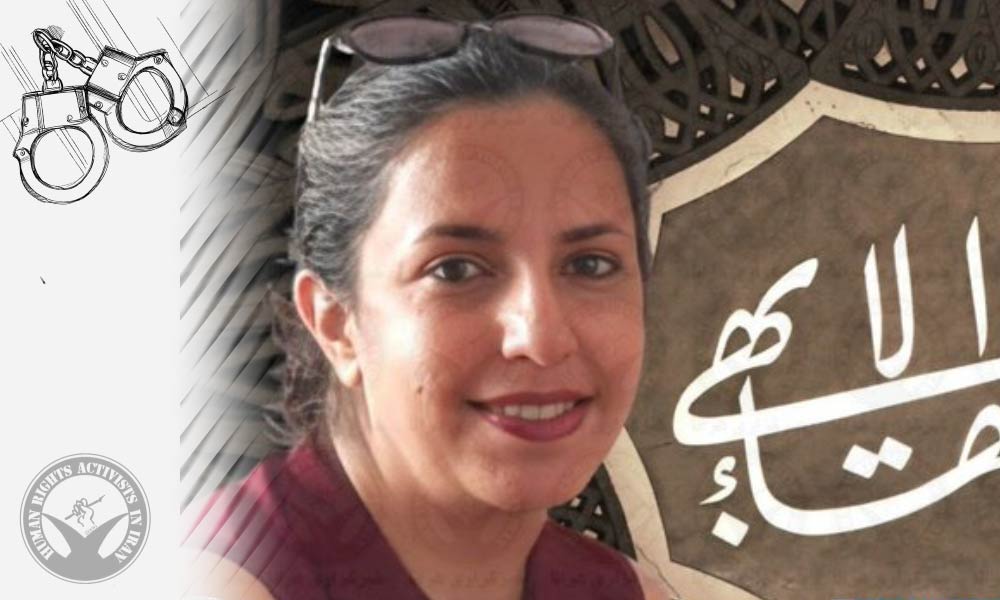
HRANA, Human Rights Activists News Agency-Hami Bahadori, a Baha’i citizen, has been sentenced to six years in prison by the Tehran Revolutionary Court. He is currently being held in Evin Prison.

On June 21, Judge Salavati, presiding over branch 15 of the Tehran Revolutionary Court, issued a verdict stating that Bahadori is to serve five years for “assembly and collusion against national security” and one year for “propaganda against the regime.” Additionally, Bahadori has been banned from leaving the country for two years, and some of his and his wife’s belongings have been confiscated.

Should the verdict be upheld on appeal, in accordance with Article 134 of the Islamic Penal Code, the five-year prison term for the charge of “assembly and collusion” will be enforceable.

According to a reliable source, Bahadori was not provided with prior notice of his trial and was denied the presence of his lawyer. He received this verdict immediately following the court session.

Bahadori was arrested by security forces on October 22, 2022, and subsequently detained in Evin Prison. Recently, he expressed his grievances about the unjust treatment of religious minorities within the judicial system through a written letter.

According to HRANA annual report, from the total human rights reports regarding the violation of religious minorities’ rights, 64.63% belonged to the violation of the rights of Baha’is.


13 Baha’i Citizens Sentenced to Over 40 Years in Prison Combined

The Court of Appeals in Karaj has issued a combined sentence of 40 years and seven months, along with additional punishments, for 13 Baha’i citizens.

The verdicts state that Afif Na’imi (Naeimi) will serve seven years, while Saman Ostovar and Kamyar Habibi will each serve five years. Rameleh Tirgarnejad, Elham Shareghi Arani, and Sabin Yazdani have been sentenced to three years. Mahsa Tirgar, Shahrzad Mastouri, Sadaf Sheikhzadeh, Negin Rezaie, Nakisa Rezaie, Sahba Adyani, and Bita Momtazi will serve two years and one month. Additionally, all individuals have been fined, prohibited from leaving the country, and restricted from residing in Alborz Province, along with other social deprivations.
They have been convicted of multiple charges such as “insulting and propaganda against Islamic Sharia, forming and running groups to act against national security through preaching Baha’i faith to children in Kindergartens, promoting against Islamic Sharia through holding coaching courses.”

The court session took place on June 15, 2023, without notifying their lawyers. The initial sentences have now been upheld and will be enforced within ten days, as confirmed by a reliable source who spoke to HRANA.

These citizens were detained during the summer of the previous year. While the specific grounds for the charges remain undisclosed, they appear to be related to their educational activities for children in Alborz Province, particularly preschool children. The Iranian regime perceives the peaceful activities of Baha’is in providing humanitarian aid and education as a threat to its own ideology.

According to HRANA annual report, from the total human rights reports regarding the violation of religious minorities’ rights, 64.63% belonged to the violation of the rights of Baha’is.

Update on Bahai Citizen Payam Vali’s Condition in Ghezel Hesar Prison

Payam Vali, a Baha’i citizen, is currently serving a six-year sentence in Ghezel Hesar Prison, located in Karaj. He has been denied access to make a phone call to his family, as ordered by prison officials.

According to a reliable source who spoke to HRANA, Vali’s phone card has been blocked. He is also prohibitd from purchasing any item from the prison store. The source revealed that this prohibition was imposed after Vali gave a message via phone addressing the speakers of the Iranian Parliament.

In addition, another source close to Vali’s family informed HRANA that since late May, he has only had one visitation with his family. Furthermore, other prisoners have been threatened to refrain from providing Vali with their phone cards.

On September 24, 2022, security forces arrested Vali at his residence in Karaj, subsequently conducting a search of his house and detaining him in Rajai Shahr Prison. He was later relocated to Ghezel Hesar prison.

On May 10, 2023, the Alborz Court of Appeals sentenced Vali to six years for “collaboration with adversary countries,” three years and one month for “inciting people to commit violence,” and eight months for “propaganda against the regime.” According to Article 134 of the Islamic Penal Code, the first charge carries an enforceable prison term of six years. It is worth noting that Vali had initially been sentenced in February 2023 to ten, five, and one-year terms for the respective charges mentioned above.

According to HRANA annual report, from the full human rights reports regarding the violation of religious minorities’ rights, 64.63% belonged to the violation of the rights of Baha’is.

The deprivation of the freedom to practice their religion is a breach of Article 18 of the Universal Declaration of Human Rights and Article 18 of the International Covenant on Civil and Political Rights. The United Nations covenant holds that every person has the right to freedom of religion, freedom of converting religion, as well as freedom of expression, individually or collectively; openly or secretly.