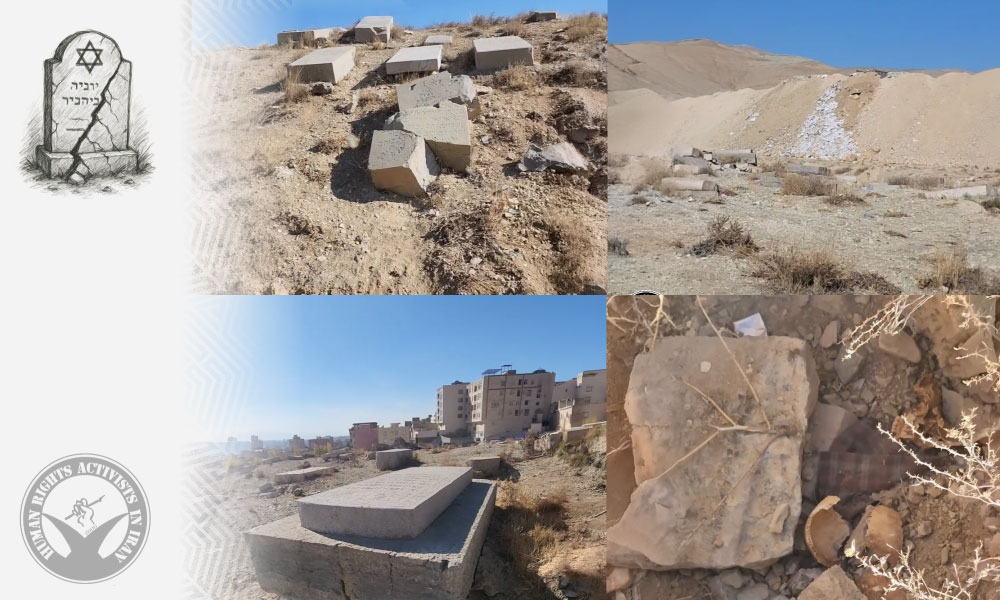
Giliard: Historic Jewish Cemetery Surrounded by Waste and Widespread Grave Destruction

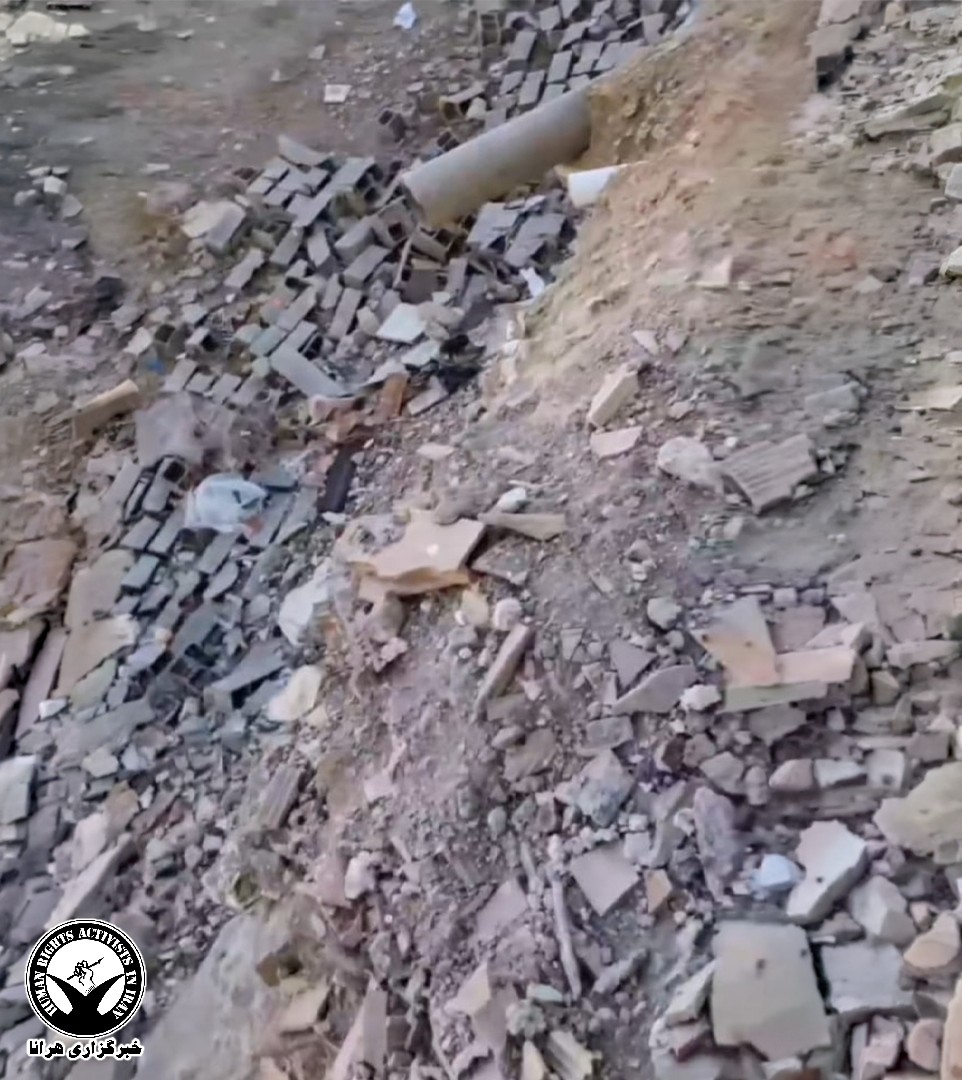
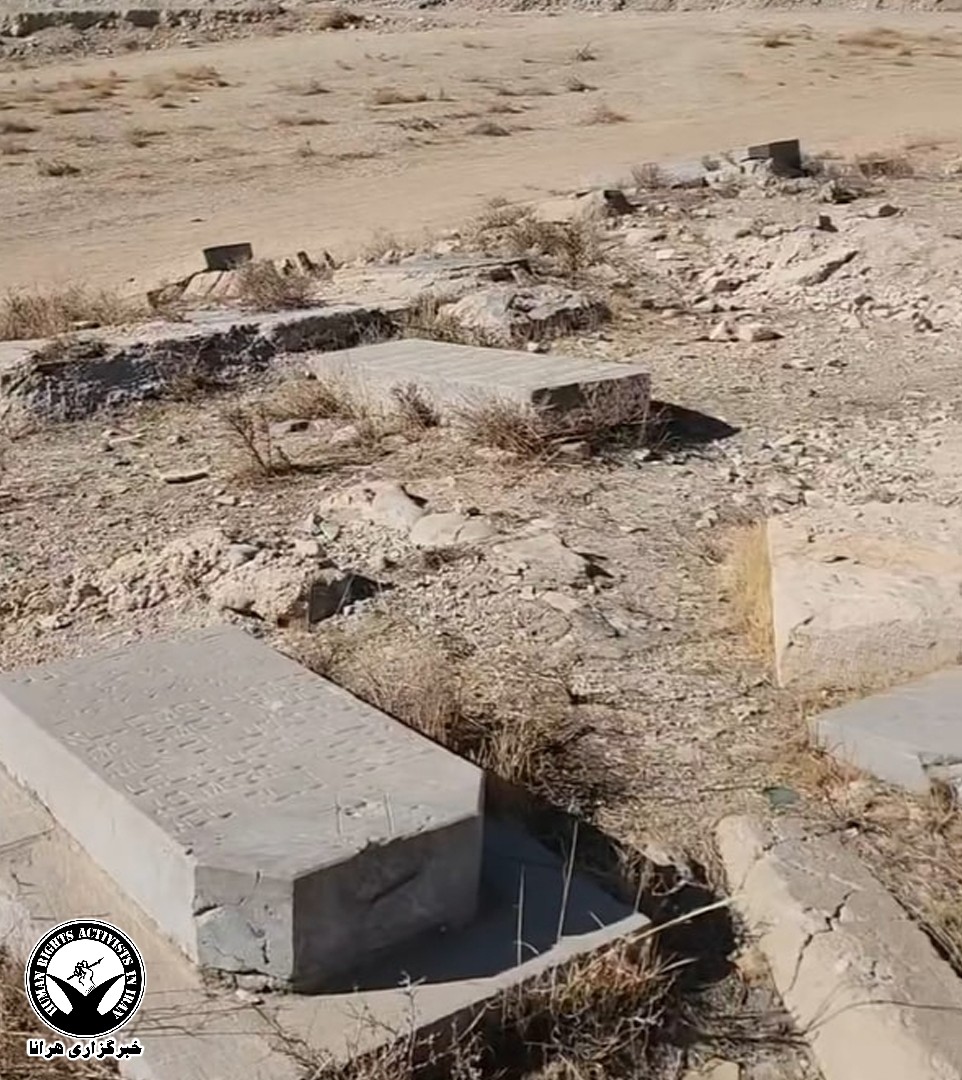
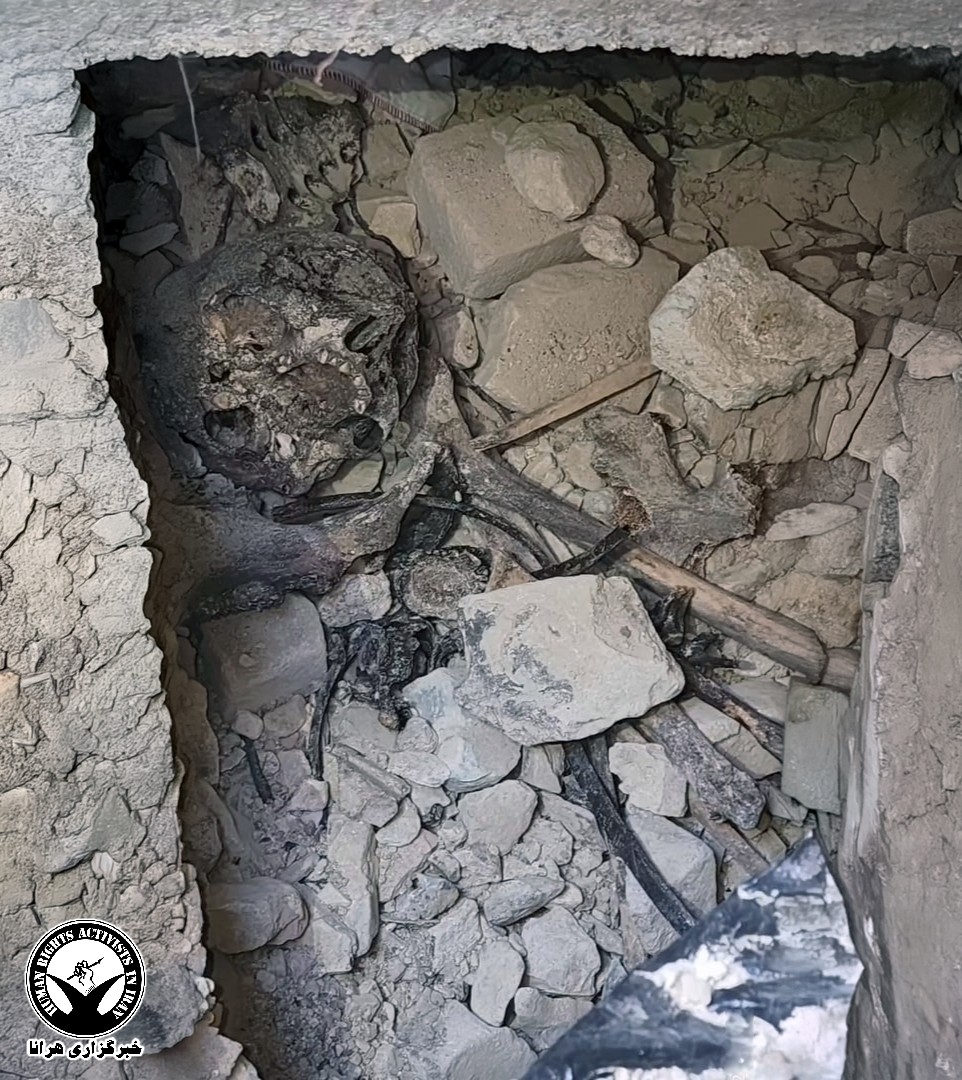
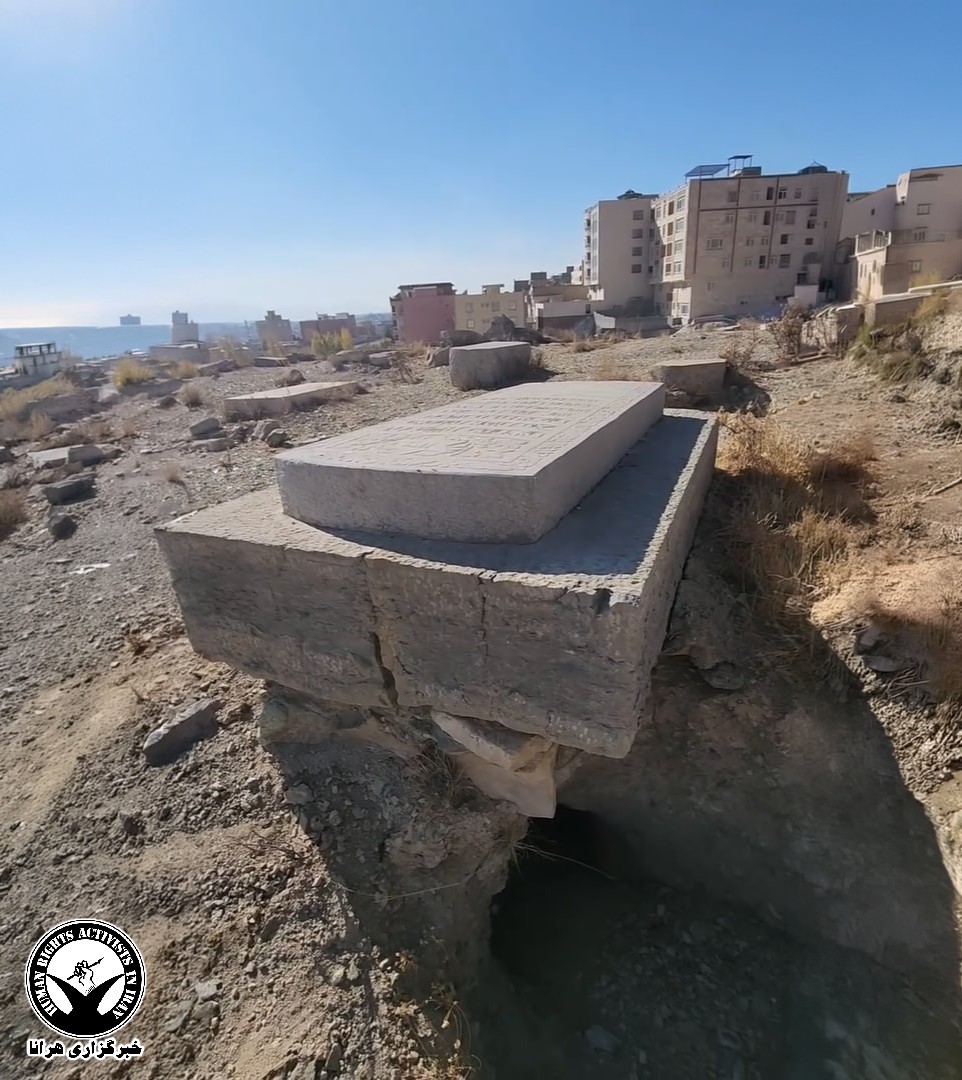
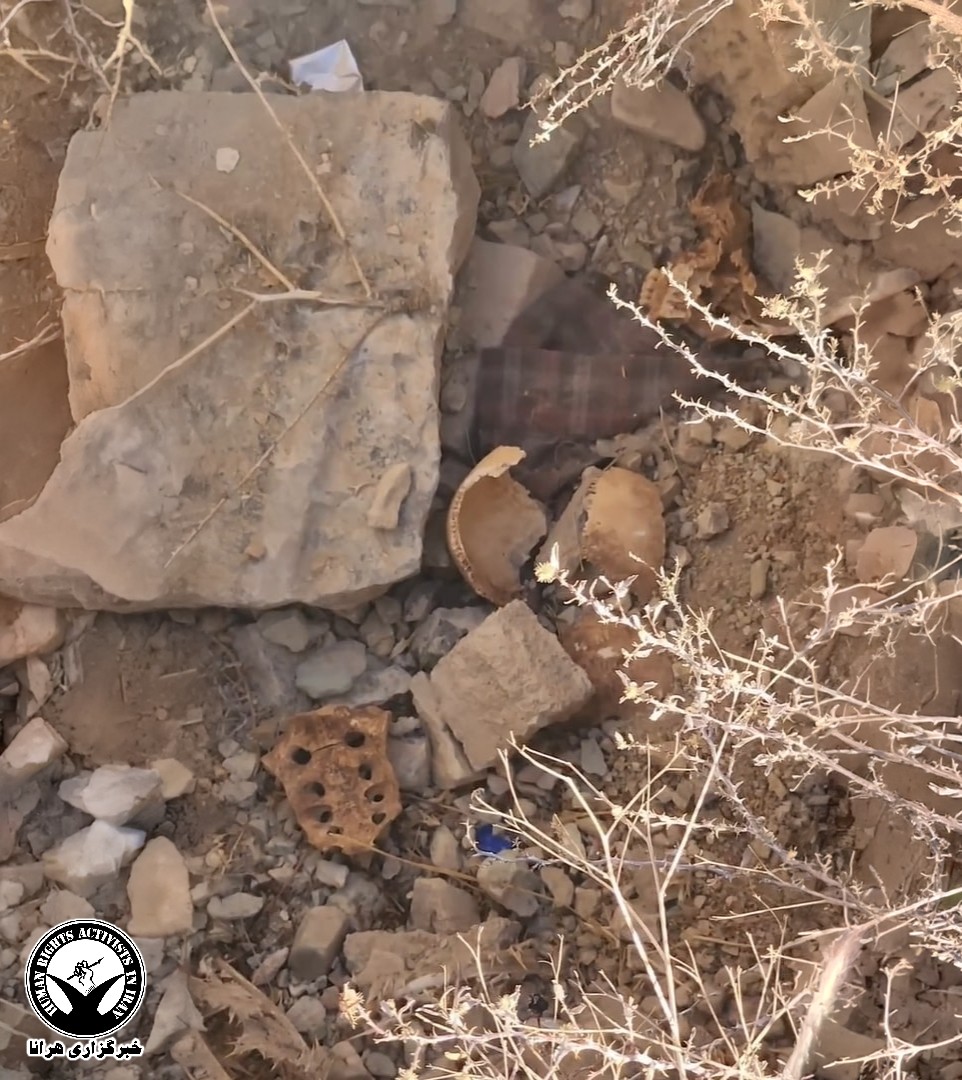
HRANA - The historic Giliard Cemetery, registered on Iran’s National Heritage List, has now seen parts of its grounds turned into dumping areas for garbage and debris, and a large number of headstones have been broken, displaced, or otherwise damaged.

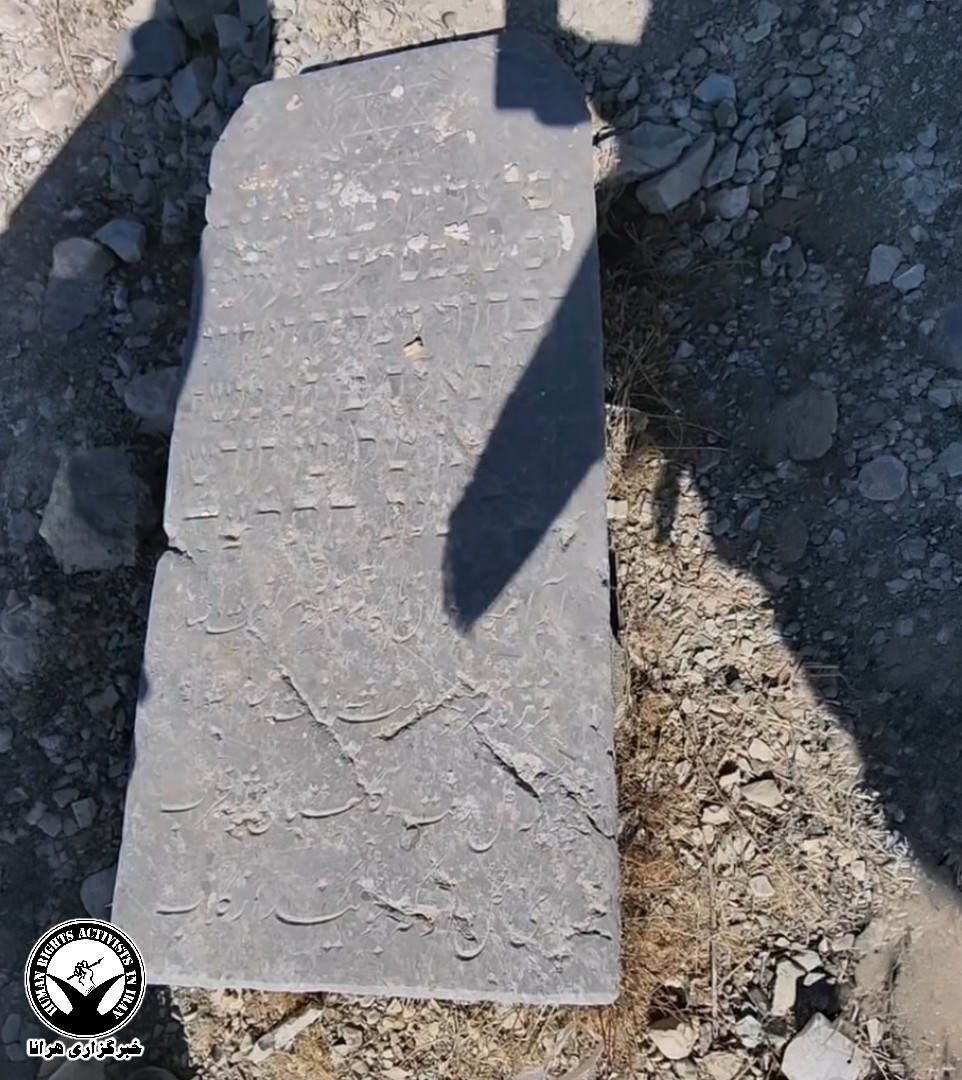
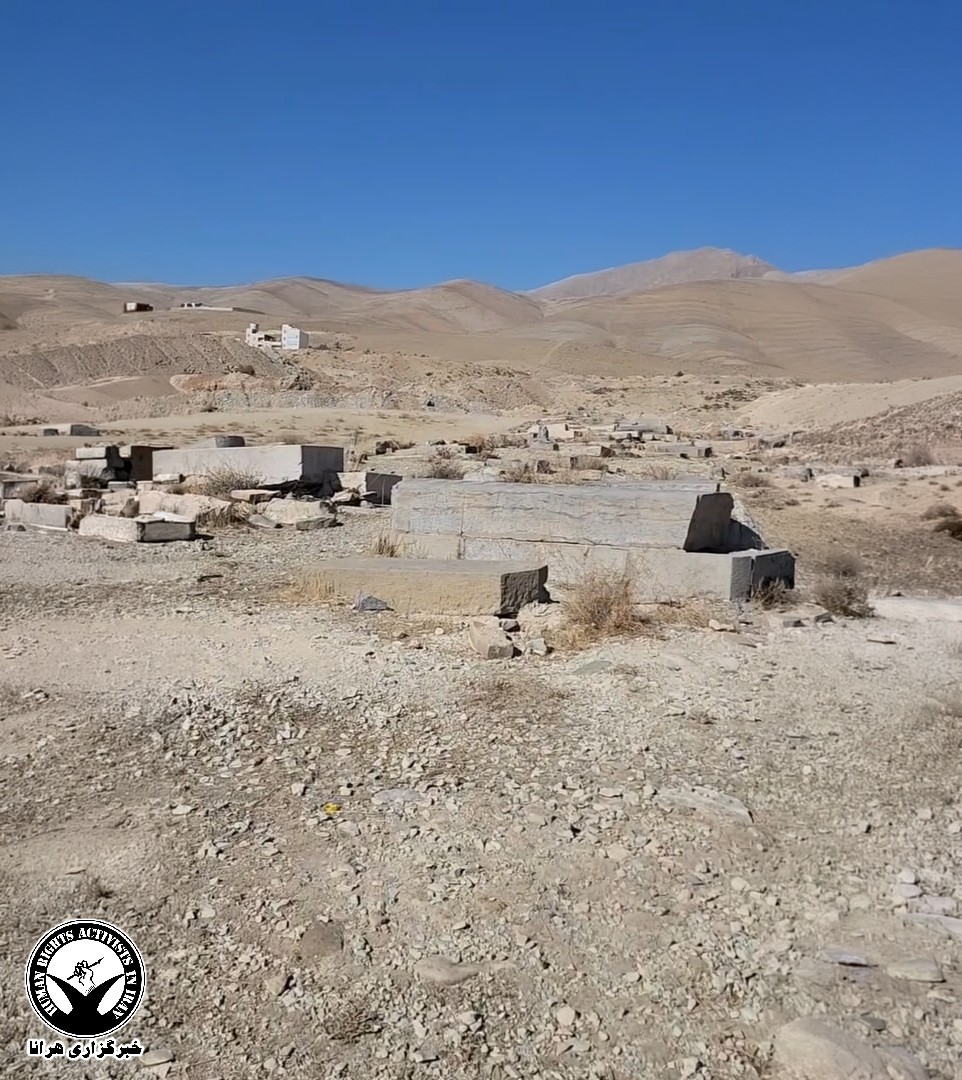
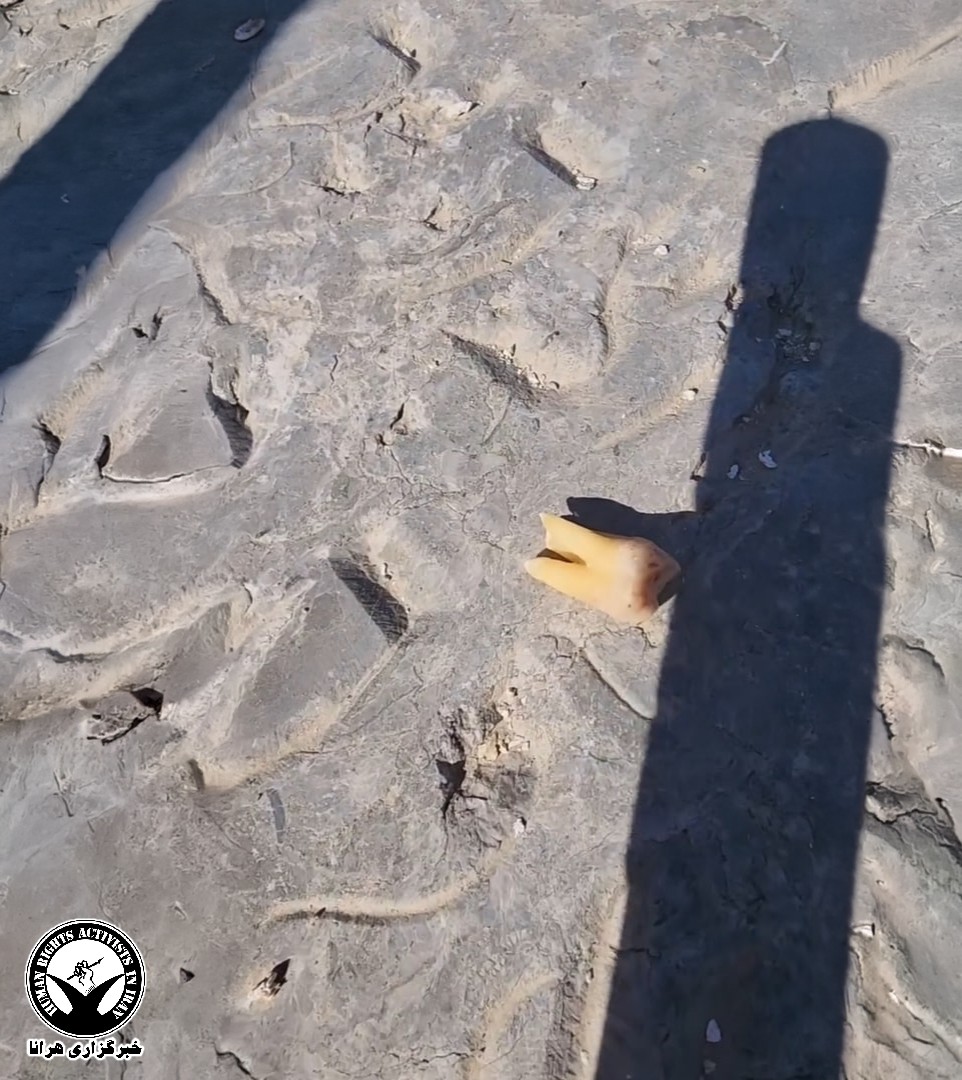
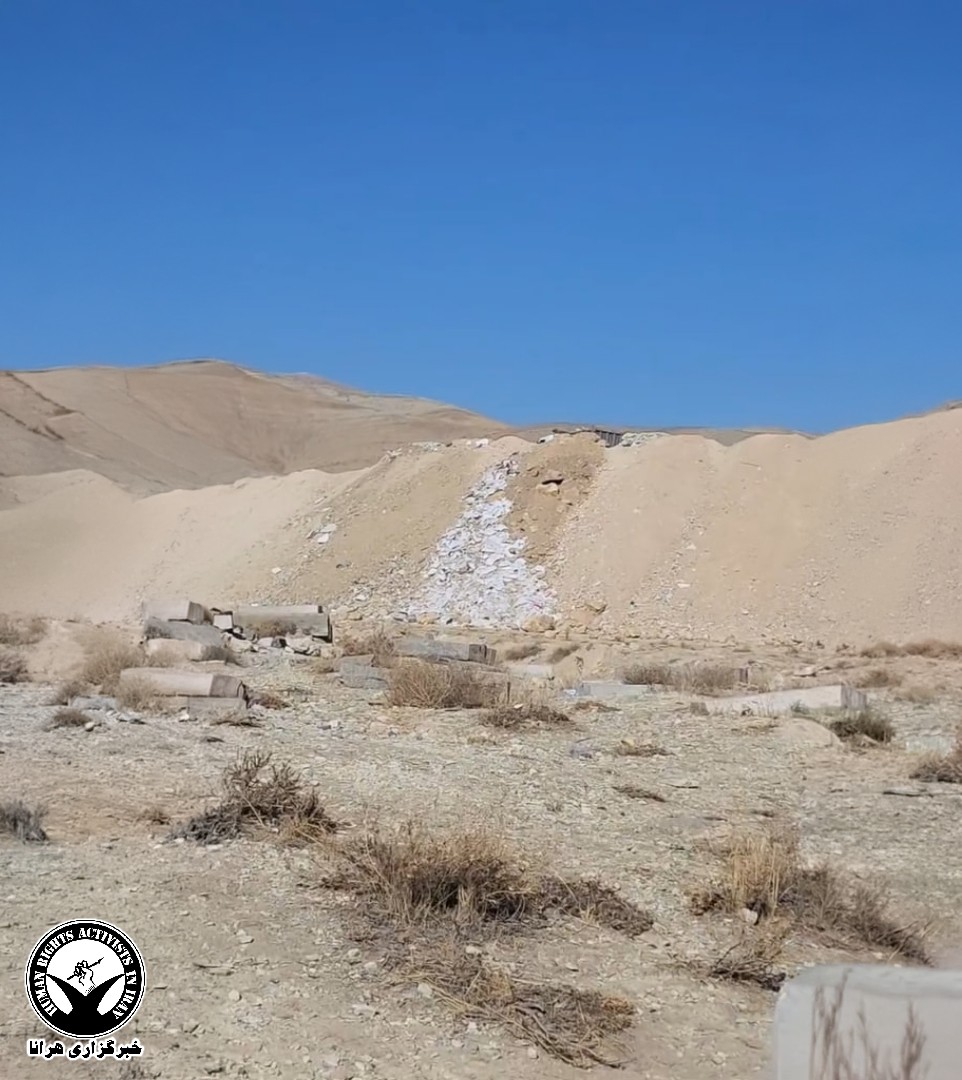
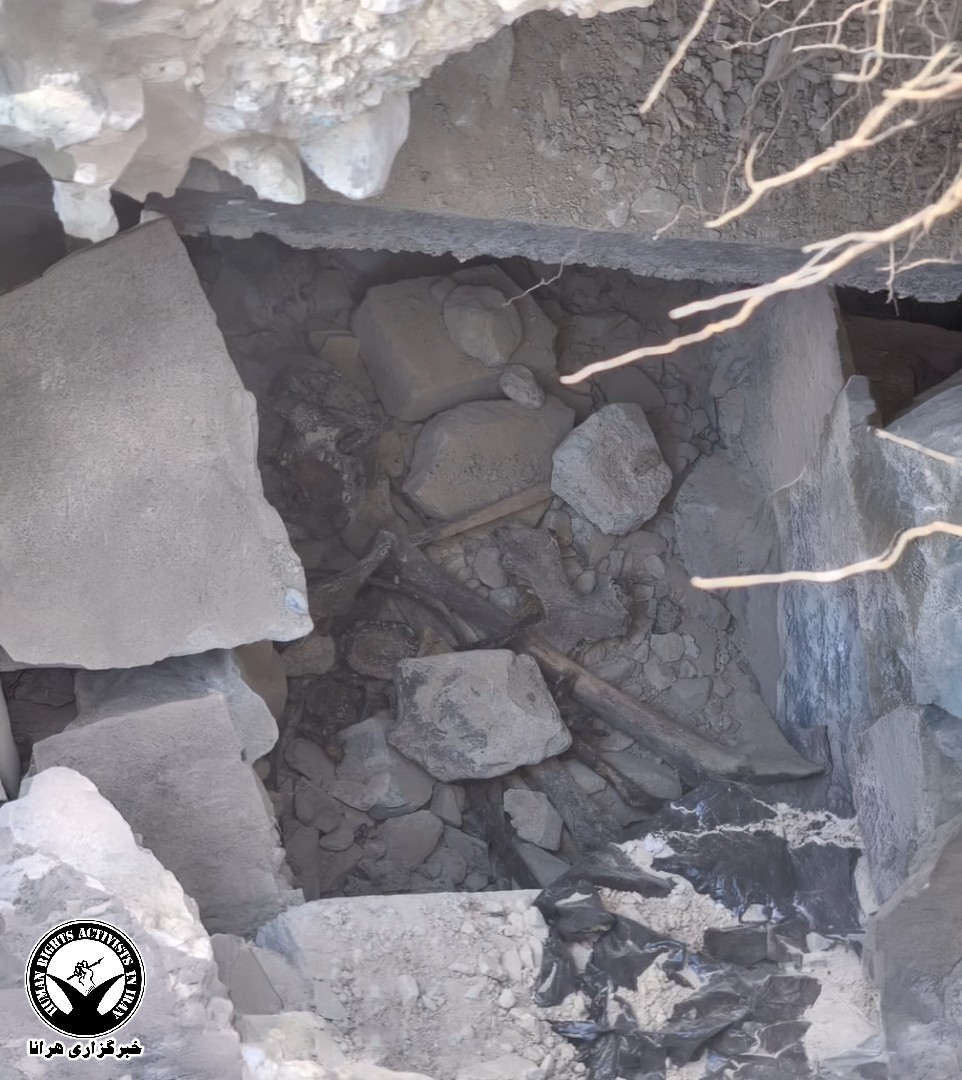
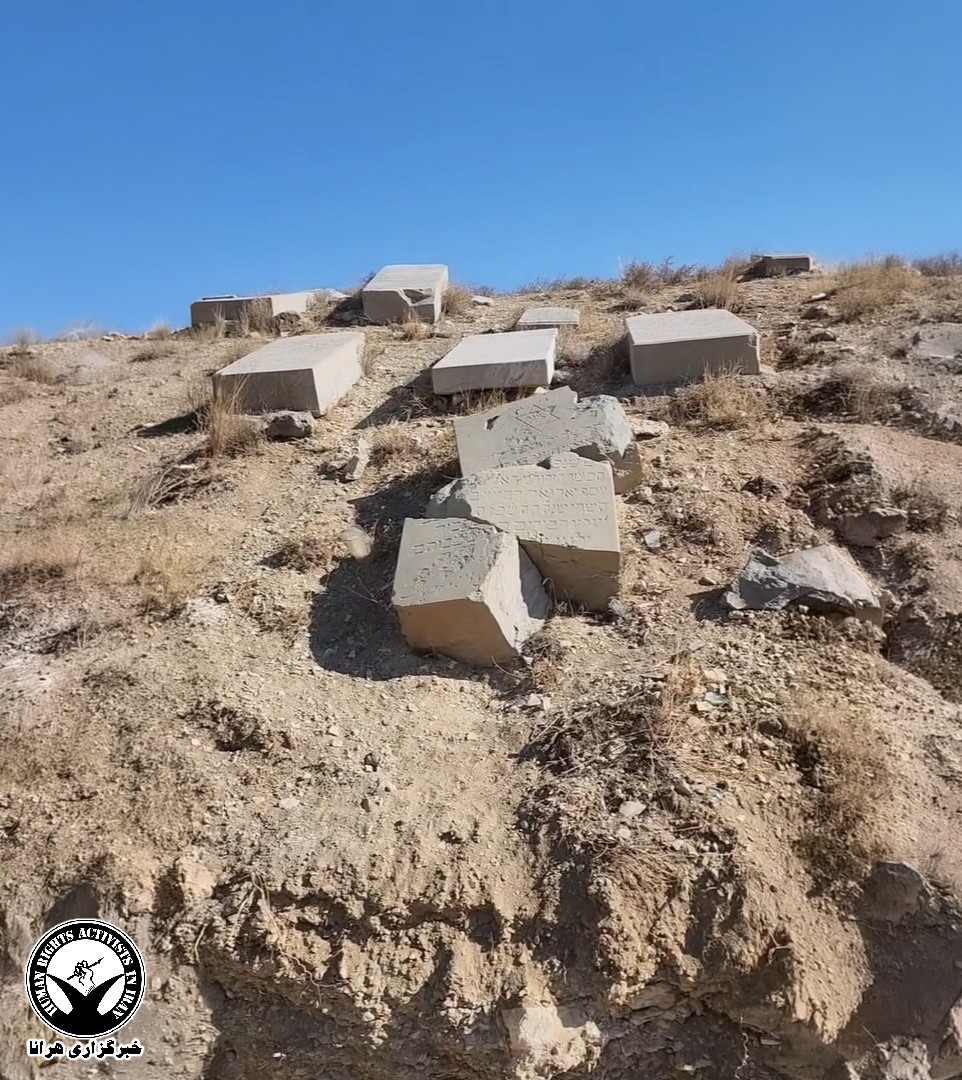
HRANA – The historic Giliard Cemetery, registered on Iran’s National Heritage List and considered one of the most important burial sites belonging to the Jewish community in the country, has in recent months faced escalating destruction, neglect, and pollution. This cemetery, located west of Damavand, has now seen parts of its grounds turned into dumping areas for garbage and debris, and a large number of headstones have been broken, displaced, or otherwise damaged.

According to HRANA, the news agency of Human Rights Activists in Iran, reports from local sources indicate that in addition to waste accumulation, numerous signs of illegal excavations can be seen across the cemetery. In some areas, these excavations appear as deep pits between graves, likely carried out in search of historical artifacts or belongings buried with the deceased, acts that, aside from being criminal, have inflicted serious damage on the cemetery’s historical structure.

Local observations and reports suggest that the Giliard Cemetery, located in Mazandaran Province, lacks secure fencing, guards, and any routine cleaning or maintenance program. A local witness who spoke with HRANA said: “This place has been completely abandoned. There is no protection, no restoration, and no effort to stop nighttime digging. Local follow-ups have gone unanswered.”

Local channels and activists in the area have also released visual reports in recent days, urging authorities to address the deteriorating condition of this historic burial ground.

The Giliard Cemetery is considered one of the most significant sites belonging to Jewish citizens in northern Iran. Historical research shows that the cemetery includes both old and new sections, and many of the headstones feature Hebrew inscriptions, images of the menorah, and the Star of David. Some parts of the grounds date back several centuries, serving as evidence of the long-standing presence of the Jewish community in the Damavand region.

Earlier research sources had already noted waste accumulation, the destruction of headstones, and the gradual encroachment upon surrounding lands, indicating that today’s problems are part of a long-standing pattern of neglect toward this historical heritage.

The current neglect of the Giliard Cemetery not only results in the destruction of cultural heritage but also constitutes a violation of multiple legal obligations of the government regarding the rights of religious minorities and the protection of registered heritage sites. According to Article 13 of the Constitution, Judaism is recognized as one of the country’s official religious minorities, and the government is required to protect their religious and cultural sites; therefore, the abandonment and damage to this cemetery constitutes a direct breach of that obligation.

Furthermore, cultural heritage laws clearly stipulate that nationally registered sites,under the 1930 Law on the Preservation of National Monuments, must be fully protected, and any destruction, boundary violations, removal of stones, or excavations within such sites is considered a crime. This is reinforced by Articles 558 to 569 of the Islamic Penal Code, which provide criminal penalties for such offenses.

Additionally, under Article 114 of the Sixth National Development Plan and related regulations, the Ministry of Cultural Heritage is obligated to provide active protection, cleaning, restoration, and prevention of encroachment or illegal excavations in registered sites. Failure to do so may constitute administrative misconduct or even a criminal offense.

Internationally, by accepting the International Covenant on Civil and Political Rights, Iran has committed to ensuring the preservation of minority cultural sites and enabling free use of religious and historical identity. The destruction or neglect of sites belonging to religious minorities may simultaneously violate Article 18 of the Covenant, on freedom of religion, and Article 27, on the rights of minorities to preserve their culture, sites, and traditions.

This is not the first time that religious or cultural sites belonging to minorities in Iran have faced abandonment, encroachment, or destruction. In recent years, multiple similar cases have been reported involving cemeteries of Jews, Bahá’ís, Armenians, and other minorities. The repetition of this pattern has intensified concerns about structural discrimination and the absence of effective oversight mechanisms for minority sites.

The Giliard Cemetery is part of Iran’s shared cultural heritage, and its current condition not only reflects a failure of responsible institutions to fulfill their legal duties but also threatens an important part of the historical memory and identity of Iran’s Jewish community.
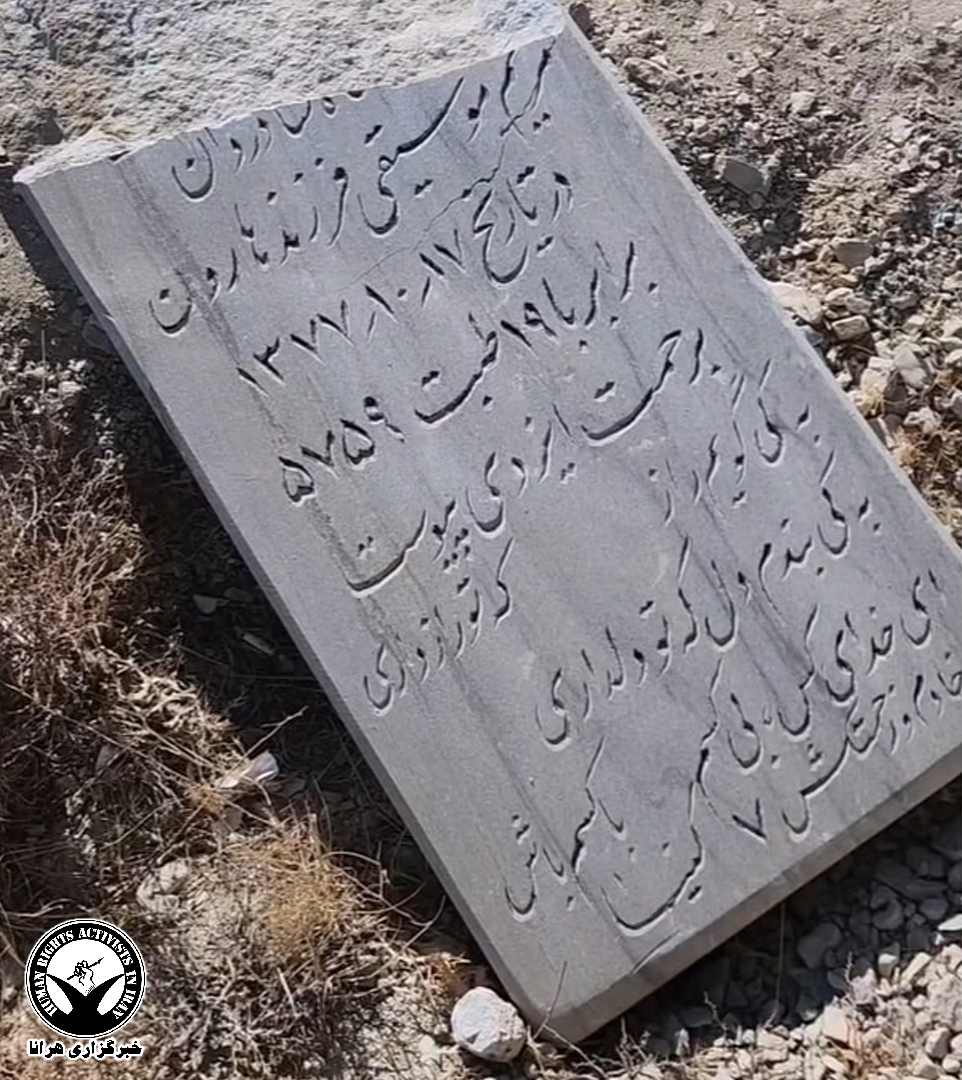
 

Three Citizens Arrested in Damavand County

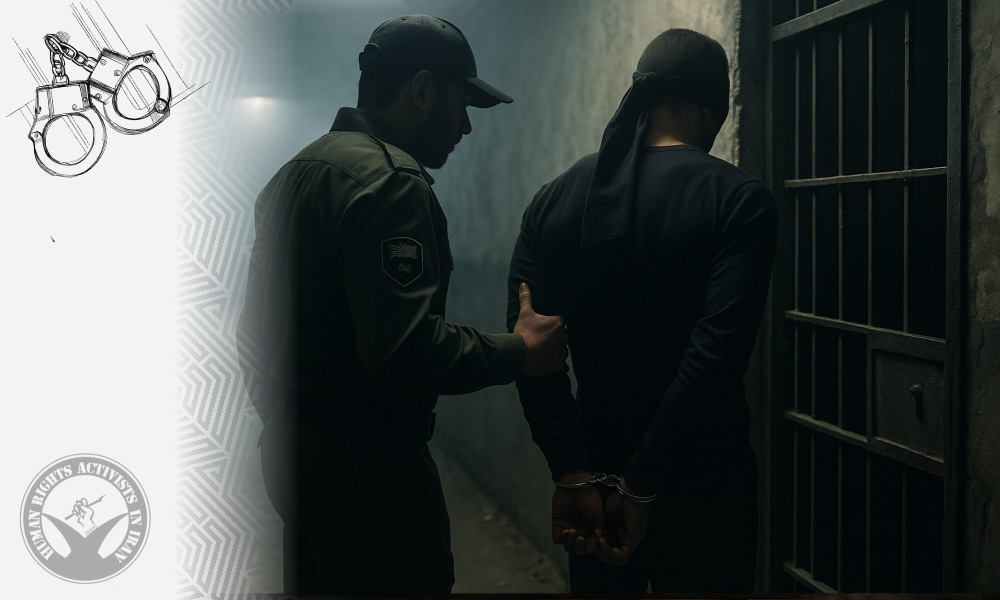
HRANA – The commander of the IRGC in Damavand County, Tehran province, announced the arrest of three citizens on charges of alleged collaboration with Israel and the “Monafeqin” — a term the Iranian government uses to refer to the Mojahedin-e Khalq Organization (MEK). According to the commander, legal cases have been opened and the individuals have been referred to the judiciary.

The local IRGC commander claimed the detainees were “connected to Israeli intelligence services and the MEK” and were “planning acts of sabotage targeting sensitive locations.” According to Mehr News Agency, the arrests were carried out by IRGC Intelligence agents, and their cases are currently under judicial review.

The report does not specify the date of arrest, the identities of the detainees, or where they are being held.

While espionage itself is not considered a human rights issue, the Iranian government has a long history of using such accusations to target political dissidents. Claims of this nature—especially in the absence of transparency and due process—are often met with skepticism.

Three Days of Iran Protests Over Fuel Price Raise

Protests have erupted across Iran after the government unexpectedly announced it is rationing petrol and increasing its price. The protests took place across the country following the decision of the Iranian president, Hassan Rouhani, at midnight of November 14, 2019, to cut petrol subsidies to raise funds for social assistance to the poor. Petrol price was increased to a minimum of 15,000 Rials per liter, 50% increase from the day before.

Nationwide protests in the last three days were in at least 48 cities such as: Ahvaz, Shooshtar, Dezful, Gachsaran, Abadan, Khorramshahr, Bandar Mahshahr, Rasht, Shiraz, Bandar Abbas, Gorgan, Khorramabad, Qom, Ilam, Karaj, Sanandaj, Dorud, Qazvin, Arak, Mahdi Shahr, Garmsar, Shahroud, Najafabad, Mariwan, Tehran, Tabriz, Ardabil, Urmia, Saveh, Pasargadae, Qods (Qal’eh Hasan Khan), Varamin, Sari, Yasuj, Qaemshahr, Shahrekord, Malek Shahr, Parand, Damavand, Pol Dokhtar, Neyshabur, Sarepol Zahab, Kahnooj, Yazd, Bandar Bushehr, Bahmai, Shahriar, etc. They are still ongoing in several cities.

Peaceful demonstrations turned violent in Sanandaj, Mahshahr, and Shiraz, with online videos purporting to show police officers firing teargas at protesters and mobs setting fires. Several people were injured or killed in the first three days of protests as a result of the police’s direct shots. On November 17, 2019, students of Tehran University and Tabriz University protested inside the university. Shops at Tehran Grand Bazaar went on strike on November 17, 2019.

The protests started on November 15, 2019, and are still ongoing. The arrest of more than 1000 people across the country was confirmed. More than 150 banks and supermarkets were set on fire and a police officer was killed. Two Hawzas -a seminary where Shi’a Muslim clerics are educated- were set on fire in Shiraz and Kazerun. According to unconfirmed reports, at least 36 people were killed in Sirjan, Shiraz, Behbahan, Marivan, Khoramshahr, Isfahan, and Shahriar.

According to Fars News, protests were held in 100 cities and at least 100 banks and 57 supermarkets were set on fire. Based on this report, the number of protesters were 87400 from which 82200 are men and 5200 women. At least 1000 people were arrested. Yazd prosecutor confirmed the arrest of 40 people in the city of Yazd. Bam Prosecutor also confirmed the arrest of 15 people in the city of Bam. The prosecutor of Robat Karim confirmed the arrest of 34 protesters for vandalism. According to Mohammad Reza Amoui, Kermanshah’s chief of Law Enforcement Force of the Islamic Republic of Iran, on November 16, Major Iraj Javaheri was killed fighting with protesters in Kermanshah. A journalist resided in Mariwan, Adnan Hasanpour, reported that security forces shot people directly and at least seven people were killed in Javanrud, one person was killed in Sanandaj, and several people were injured. According to unconfirmed reports, 15 of the killed people are identified as following:

Meisam Adgipour, Khaled Maniat, Ali Ghazlavy, Milad Hamidavi, Ali Boghlani, Hamzeh Savari, Mohammad Asafi Zargani, Ehsan Abdollahnejad, Mehdi Nikouei, Osman Naderi, Mehran Tak, Shahou Validi, Javad Nazari Fathabadi, Mehrdad Dashtizadeh, Mohammad Hossein Ghanavati.

Iran has almost completely shut off access to the internet across the country. On November 16, 2019, by the approval of the National Security Supreme Council, the government has completely blocked Internet access in Iran to stymie protests. Due to the internet shut down and the lack of access to freelance reporters and citizen journalists, confirming news about demonstrations and deaths is difficult. It also caused difficulty for Iranian citizens to have access to news agencies websites. On Monday, November 18, schools are closed in 17 cities across Iran:

Shiraz, Kazerun, Alborz, Fereydun, Fereydun Shahr, Farsan, Kuhrang, Laran, Taleqan, Astara, and Najafabad. In addition, universities are closed in Shiraz.

Iran’s supreme leader, Ayatollah Ali Khamenei, has backed petrol price increases claiming opponents of the Islamic Republic and foreign enemies were guilty of sabotage and not ordinary people. According to Khabar Online, Mojtaba Zonnour, a parliament member representing Qom, is collecting parliament members signatures to impeach Ali Larijani, the head of parliament. He gathered 50 signatures so far. Mohammad Qasim Osmani, a parliament member representing Bukan, filed his resignation and added that he resigned to announce that he was not involved in this decision [raising petrol price]. Today, with respect to Ayatollah Khamenei’s views, the Ministry of Intelligence announced that the protesters will face harsh punishments. Reportedly, people received threatening text messages in Khuzestan and Karaj from the prosecutor’s offices of their province. People were warned about attending protests and not to disturb public order and facilitate the abuse of opposition groups.

Video reports of the first day protests:

Video reports of the second-day protests

Video reports of the third day of protests:

A Daily Overview of Human Rights Violations in Iran for February 6, 2019

The following is an overview of human rights violations in Iran on February 6th, 2019 based on the information compiled and verified by Human Rights Activists News Agency (HRANA).

(1) The third court hearing of eight environmentalists on the espionage-related charges will be on February 12. Moreover, five of the detained environmental activists were charged with “corruption on earth”.

(2) A prisoner accused of murdering his brother-in-law, was sentenced to death in Tehran. Meanwhile, another prisoner was spared from hanging on gallows by consent of next of kin in Damavand after being imprisoned for five years.

(3) More than three protests were organized across the country on February 6, 2019. The customers of SAIPA, an Iranian automaker in Tehran, the shareholders of Caspian financial institution in Kermanshah, and the members of Controlsazeh Zayanderud Company who are applicants of the Mehr Affordable Housing project in Fuladshahr in the Isfahan province have held separate protests to request their demands.

(4) Meisam Bahramabadi was arrested by security forces on the charge of “propaganda against the state” by chanting and writing anti-governmental slogans on a wall in Tehran on January 30.

(5) The appeals court hearing of Davoud Razavi, a member of the Syndicate of the Workers of Tehran and Suburbs Bus Drivers was on Tuesday. He is accused of “collusion and assembly to act against national security” by participating in the minimum-wage demonstrations and publishing photos from these demonstrations.

(6) More than 40 workers of Abezhdan municipality, in Andika county in Khuzestan have eight months of unpaid wages. The retired employees of Iran Customs Administration are demanding their lands from the housing corporation since 1991.

(7) The prison officials have denied the transfer of Hamidreza Amini, the detained admin of a telegram channel, to a hospital for his urgent medical care. He was arrested in 2017 and was sentenced to 11 years in prison on the charge of “blasphemy”.

(8) The roof of a high school in Lakan district in Rasht went up in flames on February 5, 2019 and forced students and staff to evacuate.

(9) Two students died after a school bus crashed into a truck in Omidiyeh-Mahshahr highway in Khuzestan province.

(10) The prison officials have denied the transfer of Alireza Lak, a member of the Sufi mystical sect known as the Gonabadi dervishes, to a hospital for his urgent surgical care. Dervishes were shot with pellet guns in February 2018 and have remained in detention ever since. Through all this time, they have not received treatment for their injuries, which left pellets scattered throughout their bodies.

(11) Two workers died and two others were injured in Yazd, Tehran, and Dezful because of negligence in the oversight of safety conditions in their workplaces. Iran ranked 102 in the workplace safety among other countries.

(12) Kavous Seyed Emami’s family willing to respond to accusations on national television. In a lawsuit filed by them, against the Islamic Republic of Iran Broadcasting regarding a program aired which falsely portrayed him.

(13) The attorney of Esmail Bakhshi reported that he is facing new charges of “propaganda against the state”, “spreading lies” , and “insulting the authorities”. He was rearrested after the broadcast of his confessions on the national television.