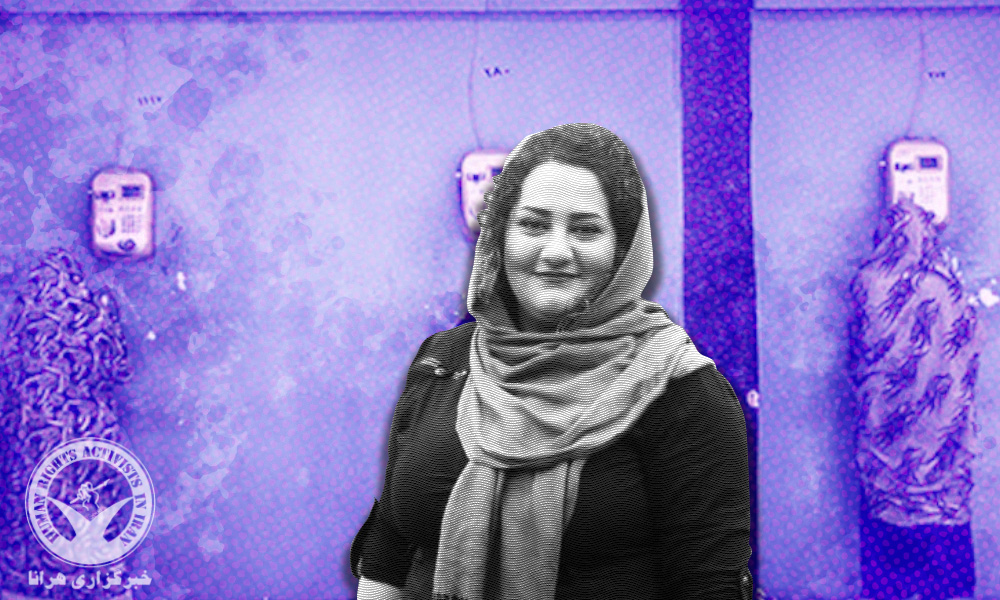
HRANA Report: COVID-19 Vaccinations Underway in Iranian Prisons

A number of prisons, including Evin in Tehran, Rajai Shahr in Karaj, Qarchak in Varamin, Lakan in Rasht, Urmia in Urmia, and Qom Coastal Prison, have been examined as a statistical sample in this report.

According to HRANA, the news agency of Human Rights Activists, the vaccination of inmates in different prisons throughout the country has started this month.

A number of prisons, including Evin in Tehran, Rajai Shahr in Karaj, Qarchak in Varamin, Lakan in Rasht, Urmia in Urmia, and Qom Coastal Prison, have been examined as a statistical sample in this report.

According to reports received by HRANA, in some prisons in the country, prisoners have been forced to receive the Iranian vaccine “Barekat”, and many others have refused to receive the Barekat vaccine due to doubts about production conditions and the lack of WHO approval. In some prisons, vaccination has been partially abandoned due to the lack of enough dosage per the Ministry of Health.

Although this action of the Prisons Organization has given a bit of hope to the prisoners and their families, reports received by HRANA from various prisons across the country indicate that -regardless of the quality and type of vaccine used- a small percentage of inmates have been vaccinated and that most of the inmates still have not been vaccinated against COVID.

Prisoners in the women’s ward of Lakan Prison in Rasht were vaccinated with the Barekat vaccine. According to an informed source, the vaccination process has started in this prison in late July this year; first the prison officials, then the male prisoners, and finally the female prisoners have been vaccinated.

As of this writing, a small percentage of inmates in Urmia Prison are vaccinated. An informed source about the vaccination process in this prison told HRANA, “At first, the Iranian vaccine Barekat was sent for Urmia prison, but prisoners refused to inject, then a small number of Chinese vaccines arrived which only was enough for a few. Though the vaccine was given to all prisoners in the political prison, and any of them who wished was vaccinated.”

According to the source, prison officials, along with a limited number of other detainees were vaccinated with the AstraZeneca vaccine.

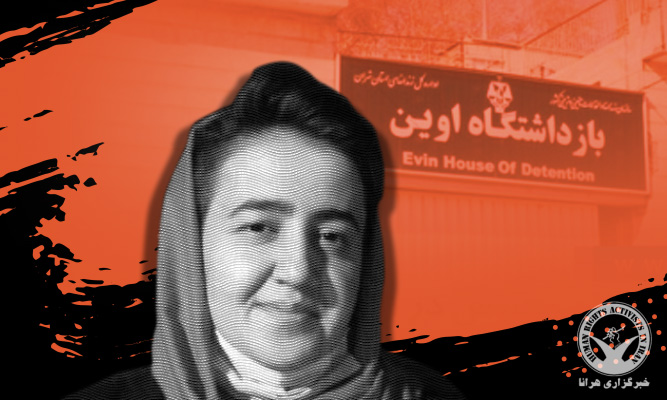
Since mid-August of this year, some prisoners in various wards of Evin Prison have received the first dose of the vaccine. Initially, the vaccination was carried out with the Barakat vaccine, but this process was stopped due to the refusal of many prisoners to inject the Iranian vaccine. A few days later, some prisoners were injected with the Chinese vaccine Sinopharm. According to an informed source, in many wards of the prison, even prisoners with underlying diseases who are at risk of infection have not been vaccinated yet.

Political prisoners in Rajai Shahr Prison in Karaj have also been injected with the first dose of the Sinopharm vaccine. According to an informed source, in other wards of the prison, vaccination was going on based on the age priority and people with underlying diseases until prison officials announced that the vaccination would be halted and postponed until the Ministry of Health and the Prisons Organization were able to provide the vaccine.

The HRANA investigation shows that most of the prisoners in Qarchak Prison in Varamin have been injected with the Sinopharm vaccine, but new inmates, whose numbers are very high, are still not vaccinated as there are not enough vaccines for them.

In Qom Coastal Prison, only the clergy prisoners being held in the special ward for clergies have been fully vaccinated. According to an informed source, 20 prisoners in this ward, along with a small number of prisoners from other wards, have been vaccinated so far. Prisoners in Bushehr Prison in Bushehr Province have not yet received any vaccine.

These are the reports from prisons while in early August, Mohammad Mehdi Haj Mohammadi, head of the Prisons Organization, claimed on his Twitter account that 50 percent of the country’s prisoners had been vaccinated.

Although the prisoners’ vaccination could help to control the spread of coronavirus in prisons, the effectiveness of vaccination is still unclear as spaces in prisons are closed, pre-and post-vaccination health protocols are not met, principles of quarantine are not observed, and prison populations are large. Also, some prisoners have received the Iranian Barekat vaccine, whose effectiveness is highly questionable.

The negligence of the authorities towards the situation of sick prisoners, lack of proper medical care in prisons, the strictness of the authorities in sending prisoners to medical leave and hospitals, and the lack of adequate sanitary facilities in prisons have all contributed to and intensified the spread of the disease.


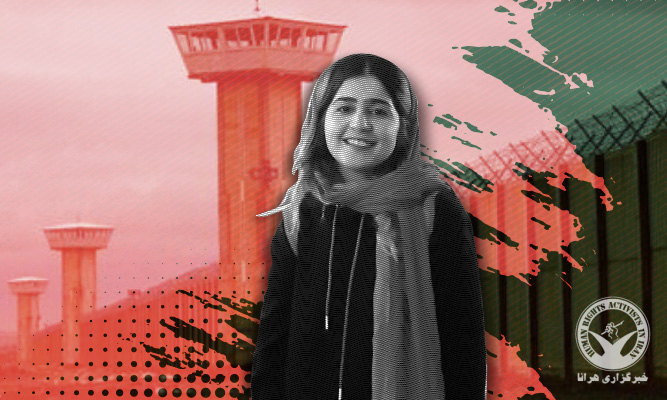
Sepideh Gholiyan Sent on Leave from Bushehr Prison

According to HRANA, the news agency of Human Rights Activists (HRA), today, August 19, civil activist Sepideh Gholiyan was sent on a 7-day leave from Bushehr Prison.

In early August, Ms. Gholiyan’s Covid-19 test result came out positive.

Sepideh Gholiyan was first arrested in November 2018, along with at least 19 workers’ representatives and labor activists of Haft Tappeh Sugarcane Agro-Industry Co. at the Shush, and was released on bail on December of the same year.

Ms. Gholiyan was sentenced to 5 years in prison by the Tehran Court of Appeals in December 2019.

In June 2020, she was arrested and transferred to Evin Prison to endure her sentence. She was transferred from the women’s ward of Evin Prison to Bushehr Prison on March 2021, where Ms. Gholiyan and Mahboubeh Rezaei were severely beaten.

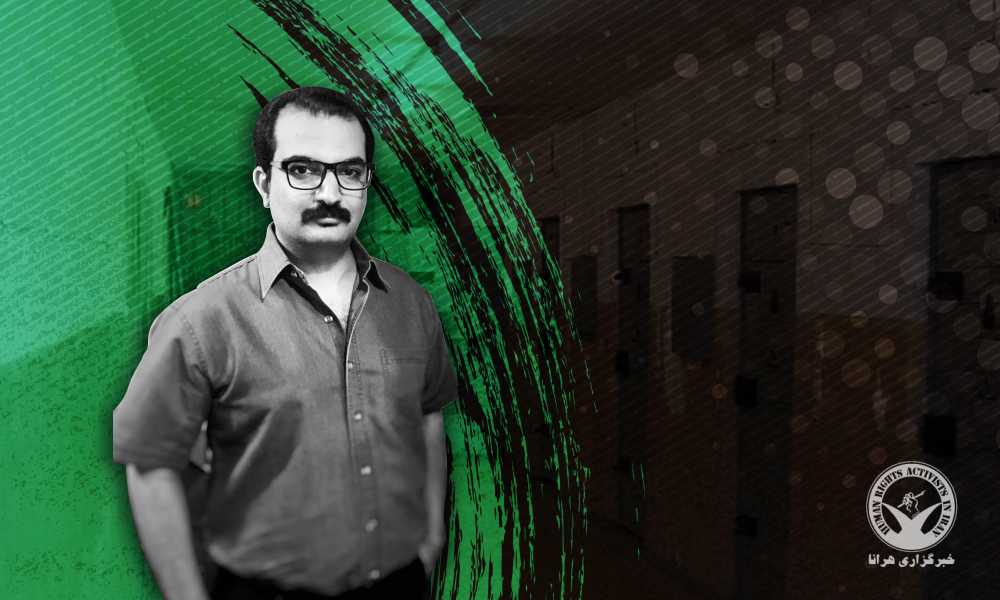
Reza Mehregan on a Hunger Strike in Evin Prison

On Saturday, August 14, civil activist Reza Mehregan went on a hunger strike in Evin Prison, where he is currently serving out a 5 year sentence.

According to HRANA, the news agency of  Human Rights Activists, Mehregan began the hunger strike to protest his transfer to quarantine despite having received a negative corona test result.

Mr. Mehregan was sent on a five-day leave of absence from Evin Prison on Saturday, August 7, and returned to prison at the end of his leave.

Mehregan suffers from heart disease and high blood pressure, and although previously he was  permitted to be sent on medical leave, he had remained in prison as he was not able to provide the required bail.

In December 2019, the Branch 26 of the Revolutionary Court of Tehran, headed by Judge Iman Afshari sentenced Mr. Mehregan to 5 years in prison on the charge of conspiracy against national security, to 1 year in prison on a charge of propaganda activities against the regime, to 1 year in prison and 74 lashes for disturbing public order, and to 2 years of compulsory reside in the Jafarabad district of Arian Shahr in South Khorasan Province.

The sentence was later reduced by Branch 36 of the Tehran Court of Appeals, presided by Judge Ahmad Zargar, to six years in prison from which 5 years imprisonment is enforceable to Mr. Mehregan, after applying Article 134 of the Islamic Penal Code.

Reza Mehregan, along with Mohammad Abolhassani, another civil activist, was sent from Evin Prison to Branch 2 of the Evin Prosecutor’s Office, headed by Judge Haji Moradi, in December 2020, in connection with another case against them. The two civil activists were charged with holding a funeral of the victims of the November 2019 nationwide protests in prison.

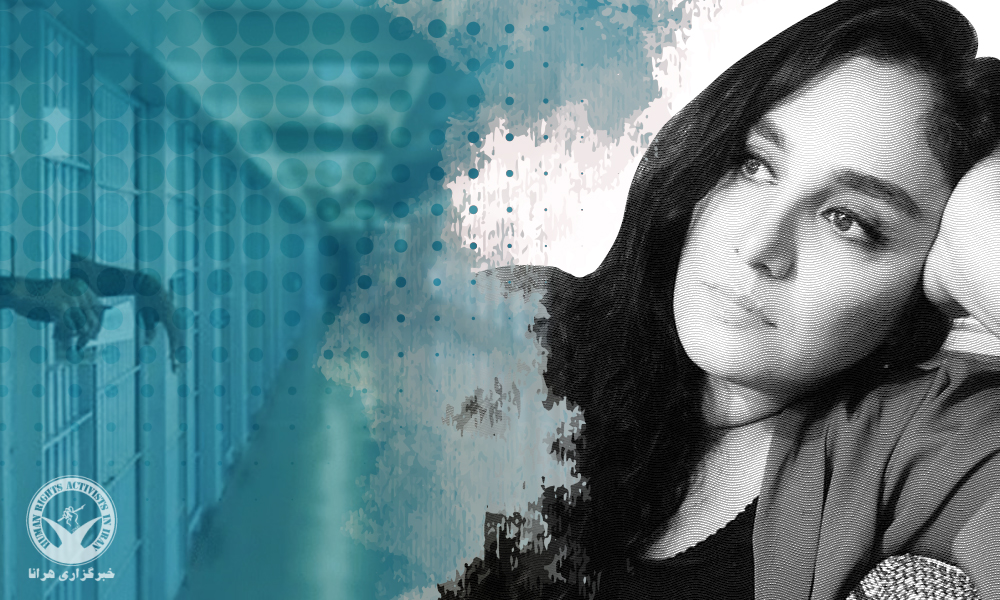
Atena Daemi on a Hunger Strike in Lakan Prison in Rasht in Gilan Province

On August 12, civil activist Atena Daemi went on a hunger strike in Lakan prison in Rasht in protest of repeated telephone cuts and prison mismanagement.

According to HRANA, the news agency of Human Rights Activists, it is said that the head of the prison has not been seen in the prison for about 4 weeks, and his absence has slowed down the release process of many prisoners.

According to an informed source, the frequent interruption of the prison phone raised concerns among Atena’s family members, and her parents had to travel to the Lakan Prison to visit Atena while they were infected with the coronavirus to confirm her well being.

Atena (Fatemeh) Daemi was sentenced to 14 years in prison on May 15, 2015, by Branch 28 of the Revolutionary Court of Tehran, headed by Judge Mohammad Moghiseh, on charges of conspiracy against national security, propaganda against the regime, and insulting the leadership. After the appeal and application of Article 134, 5 years of prison were enforceable to her.

In 2018, while enduring her sentence in the women’s ward of Evin Prison, she and Golrokh Ebrahimi faced a new case, they were sentenced by Branch 26 of the Revolutionary Court of Tehran to an additional 2 years and 1 month in prison after applying Article 134.

In July 2020, Branch 24 of the Revolutionary Court of Tehran, presided over by Judge Mohammad Reza Amouzad, sentenced Ms. Daemi to two years in prison and 74 lashes for a new lawsuit filed against her while imprisoned. The case was opened by the complaint of the Ministry of Intelligence and the IRGC against Ms. Daemi.

In March 2021, the Supreme Court overturned a request for a retrial of Atena’s lawyers. Atena Daemi and her family members have also faced numerous other security and judicial cases and pressures. In March 2021, Atena was transferred in handcuffs and shackles from Evin Prison to Lakan Prison in Rasht in Gilan Province.

This is not the young activist’s first hunger strike. Atena Daemi once went on a hunger strike in 2015, which led to health problems and removal of her gallbladder. Her previous hunger strike experience has increased her family’s concern.

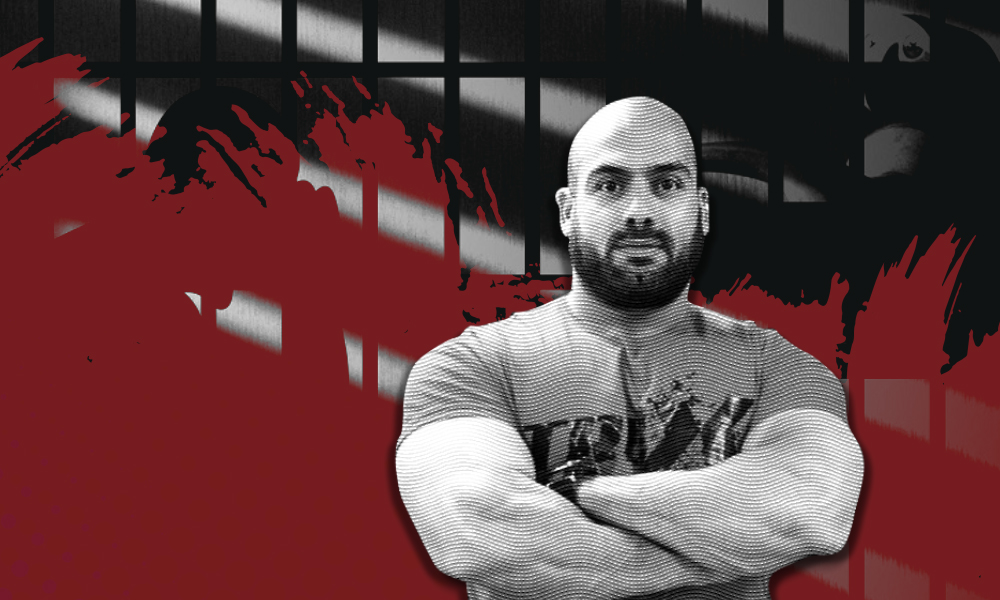
Revolutionary Court of Tehran Reverses Supreme Court’s Ruling and Sentences Davoodi to 30 Years Once Again

Although the supreme court overturned the sentence of 30-year imprisonment and 111 lashes issued by Branch 15 of the Revolutionary Court of Tehran against lawyer-turned-defendant Amirsalar Davoodi, Branch 28 of the Tehran Revolutionary Court later reaffirmed the previous verdict.

According to HRANA, the news agency of Human Rights Activists, Davoodi’s defense attorney Amir Raisian has said he will appeal the verdict.

Raisian wrote in a note on his social media page, “Branch 28 of the Revolutionary Court of Tehran, believing that the ruling of the Supreme Court was wrong, confirmed the original ruling (of Branch 15).”

Amirsalar Davoodi a lawyer, has represented many cases of prisoners and political defendants, including Soheil Arabi and Saeed Shirzad.

After applying Article 134 of the Islamic Penal Code, Davoodi could be sentenced to 15 years in prison.

Subscribe to Our Newsletter

Now is definitely not the time to stop reading!

Three Citizens Arrested by Security Forces Without Court Order in Bukan and Divandarreh

Three citizens were recently arrested without warrants in Bukan and Divandarreh.

According to HRANA, the news agency of Human Rights Activists, quoting Kurdpa, two citizens were recently arrested by security forces in Bukan City and transferred to one of the security detention centers in Urmia for interrogation.

The report identifies these citizens as Shamzin Mohammadi, from the village of Ali Kand in Bukan city and Anvar Maleki, also from Bukan.

On Monday, July 25, another citizen was arrested by security forces in the city of Divandarreh in Kurdistan Province. Fouad Habibi was arrested by security forces and then taken to an unknown location.

All three of these arrests were made without a court order, and, despite inquiries from their families, no information is available on the charges against them as of this writing.

Meysam Gholami is Still in Detention in the Greater Tehran Prison 5 Months After his Arrest

According to HRANA, the news agency of Human Rights Activists, Meysam Gholami was arrested by security forces in March and transferred to the Greater Tehran Prison after a week in Rajai Shahr Prison in Karaj.

Regarding the same case, Mehran Azari and Fariba Asadi were arrested by the agents of the Ministry of Intelligence in February and transferred to Ward 209 of Evin Prison, and later to the Greater Tehran, and Qarchak Varamin prisons, until they finally were released on bails of 400 and 500 million tomans.

Ms. Asadi is said to have been beaten at the time of the arrest.

The case of these citizens has been transferred to Branch 2 of the Shahriar Revolutionary Court on charges such as “propaganda against the regime through printing and distribution of banners and leaflets, gathering and colluding against national security, membership in opposition groups.”

Meysam Gholami, a native of Tehran, is currently being held in Ward 9 of Section 2 in Greater Tehran Prison.


Nahid Taghavi and Narges Adib Facing Medical Negligence in Evin Prison

Nahid Taghavi and Narges Adib are currently facing medical negligence from authorities in Evin Prison.

According to HRANA, the news agency of Human Rights Activists, Iranian-German dual citizen Nahid Taghavi has been denied medical treatment in Evin Prison despite suffering from COVID-19.

Ms. Taghavi was previously transferred to quarantine along with several prisoners with symptoms after receiving a positive COVID test. Despite the widespread prevalence of COVID-19 among inmates in the women’s ward of Evin Prison, Ms. Taghavi has not been approved for for medical leave.

Political prisoner Narges Adib, who suffers from a number of health issues, is currently being held in the women’s ward of Evin Prison as she serves out her sentence.

Ms. Adib suffers from a variety of medical problems such as respiratory distress, bronchitis, asthma, and joint pain. She was sent to the hospital for an MRI weeks ago but has not yet received test results or medication.

Christian Convert Nasser Navard Gol-Tapeh Denied Conditional Release from Evin Prison

On June 22, Christian convert Nasser Navard Gol-Tapeh’s request for conditional release from Evin Prison was rejected.

According to HRANA, the news agency of Human Rights Activists, quoting the news website Article 18, the rejection of the request for parole was given to Navard Gol-Tapeh without the provision of any specific reason.

In September 2020, the Supreme Court rejected Navard Gol-Tapeh’s request for a retrial. Navard Gol-Tapeh has been in Evin Prison for the past three years and six months without leave.

Navard Gol Tappeh was arrested in a private gathering in July 2016 and later was sentenced by the Revolutionary Court of Tehran to 10 years in prison on charges of “acting against national security by forming and running an illegal organization of a house church”. The verdict was later approved by the Court of Appeals.

Although Christians are recognized as a religious minority under Iranian law, security services nevertheless pursue the issue of Muslims converting to Christianity with particular sensitivity and deal harshly with activists in this field.

The Iranian regime targets Christian converts despite Article 18 of the Universal Declaration of Human Rights and Article 18 of the International Covenant on Civil and Political Rights, which states that every individual has the right to freedom of religion and the freedom to express their religious beliefs.

Maziar Seyednejad Still in Detention One Month After Arrest

A month after the arrest of labor activist Maziar Seyednejad, he is still in detention and his fate is unknown.

According to HRANA, the news agency of Human Rights Activists, Seyednejad was arrested on June 7 by security forces at his home in Tehran.  From there, he was as transferred to Ward 209 of Evin Prison, one of the solitary confinement cells of the Ministry of Intelligence Detention Center.

A few days after his arrest, during a brief phone call under the supervision of security forces, Seyednejad informed his family that he is unaware of the reasons for his detention. Despite the family’s inquiries, the reasons for the arrest and the charges against the labor activist are unknown at the time of writing.

Recently, Branch 16 of the Court of Appeals in Khuzestan Province upheld Mr. Seyednejad’s 3-year prison sentence.