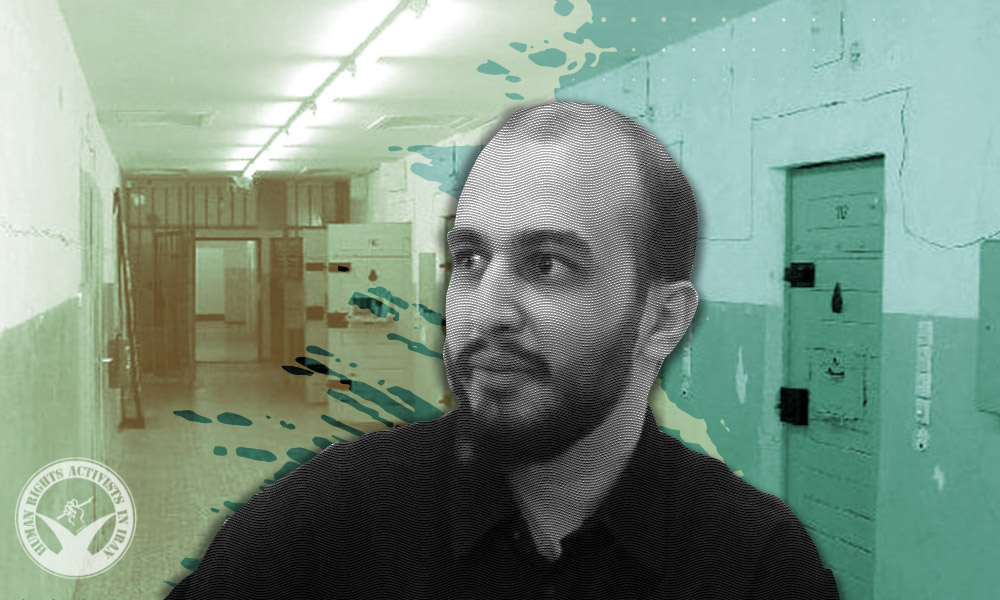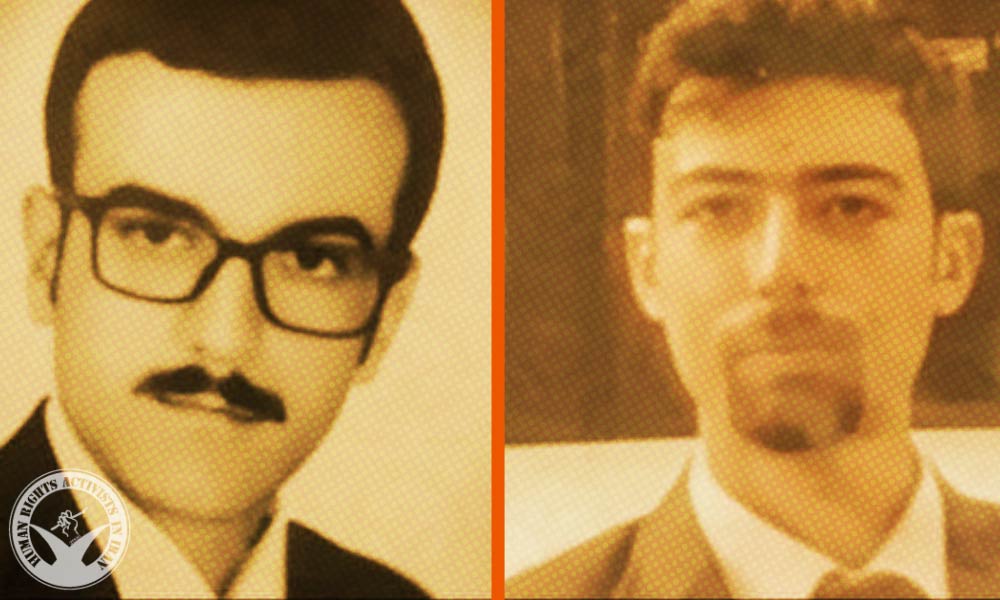
Political Prisoner Saeed Sangar Released After 21 Years in Prison

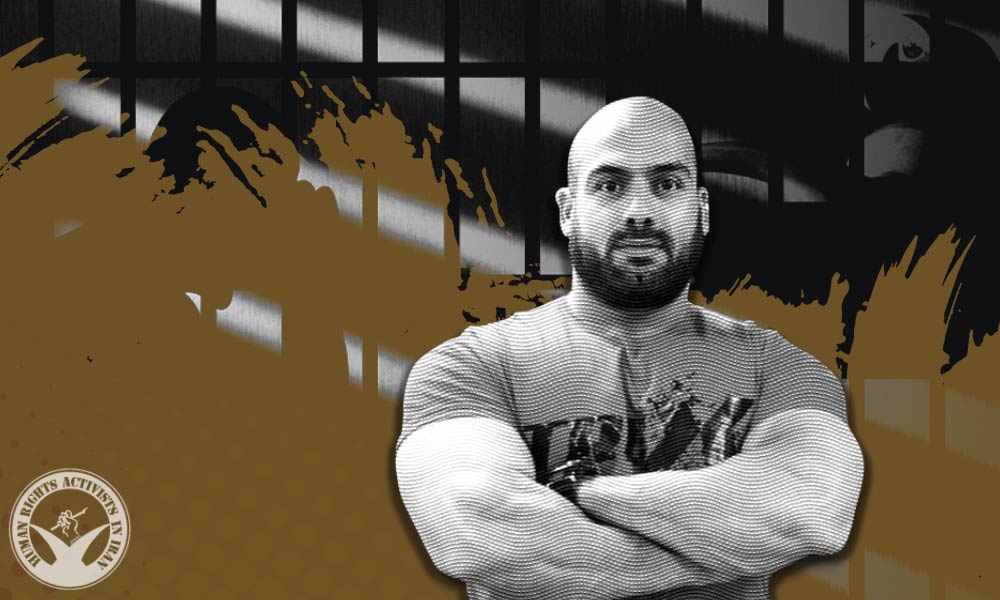
On Saturday, October 30, political prisoner Saeed Sangar was released on parole from Urmia Prison.

According to HRANA, the news agency of Human Rights Activists, Sangar’s release comes after 21 years of imprisonment.

On August 31, 2000, Sangar was arrested. However, in his legal case, October 29 of that year has been wrongly recorded as the arrest date.

On November 18, 2000, the Revolutionary Court of Sanandaj, headed by judge Fatemi, sentenced him to death on the charge of “enmity against God (Moharebeh) through membership in The People’s Mujahedin Organization of Iran”. Following this conviction, Sangar was transferred from the detention center of the ministry of intelligence in Sanandaj to ward 209 of Evin Prison in Tehran, where he was held in solitary confinement cells until 2003. In the fall of 2003, the appellate court changed the verdict to life imprisonment and sent him to Urmia Prison.

Years later, on December 23, 2016, the executive branch No. 4 of the Department of Justice in Sanandaj reduced the verdict to 18 years imprisonment.

In 2017, a new case was opened against him for the charge of “propaganda against the regime”  of which, however, he was later acquitted.

Despite that by December of 2020, not only he had served out two years more than his 18-years sentence, he was sentenced again to 11 months imprisonment sentence on the charge of ” propaganda against the regime and in favor of dissident groups against the regime”. This sentence was reduced to eight months, which led to his final release this Saturday, October 30.

Ahmadreza Haeri Summoned to the Cybercrime Court of Tehran

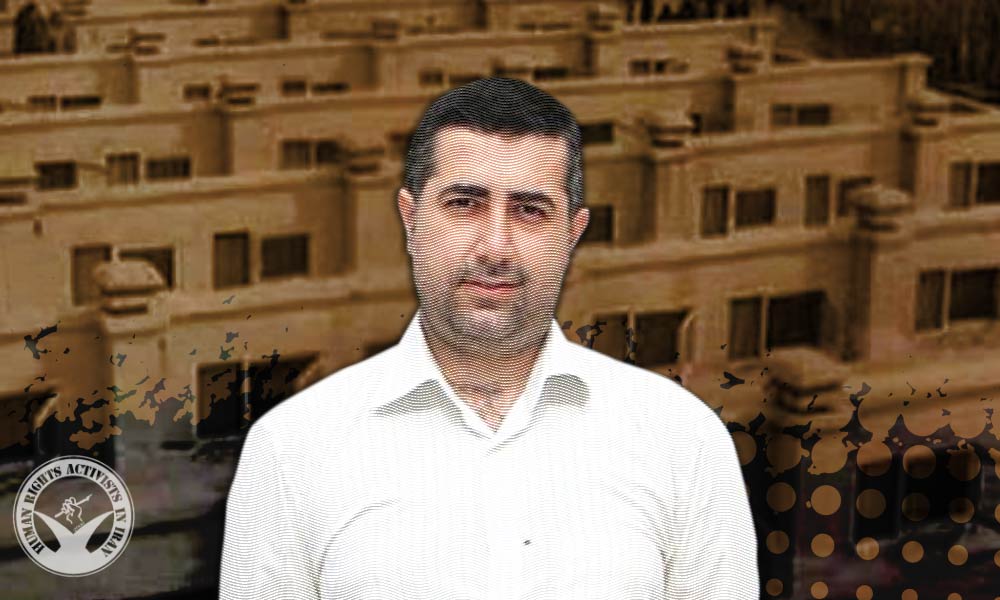
Following a complaint from the Prisons and Security and Corrective Measures Organization of Tehran Province (PSCMO), former political prisoner Ahmadreza Haeri was recently summoned to the Cybercrime Court of Tehran.

According to HRANA, the news agency of Human Rights Activists, this Friday, October 29, Haeri was summoned on charges of “spreading lies, accusative, insulting and slanderous words”.

One month after the incident known as “Black Thursday of Evin Prison”, when dozens of political prisoners in Evin Prison were beaten brutally by security agents in Ward 350 of Evin prison, Ahmadreza Haeri was sentenced to 42 months in prison by Branch 15 of the Revolutionary Court of Tehran, headed by Judge Salavati.

This initial verdict was upheld by Branch 36 of the appellate court. However, following his lawyer’s objection, the verdict was revoked and this time the case was undertaken by Branch 54 of the court of appeals which sentenced him to six months in prison and 74 lashes.

On July 25, 2020, Haeri endured the flogging by the Intelligence and Public Security Police of NAJA and then was sent to the Greater Tehran prison to serve his six-month sentence. On October 8, 2020, he was released on probation from the Greater Tehran prison.

In this new subpoena from the Cybercrime Court of Tehran, Haeri was instructed to appear there within five days.

Political Prisoner Injured After Protest by Self-Immolation in Evin Prison

On Wednesday, October 27, political prisoner Mehdi Darini was injured by self-immolation and hospitalized in the healthcare center of Evin Prison.

According to HRANA, the news agency of Human Rights Activists, Darini’s demonstration was in protest of prison authorities’ refusal to release him on probation. He is currently enduring the second year of a five year term in Evin Prison in Tehran.

An informed source told HRANA that Darini had previously warned prison officials about his intentions if the interrogator refused to consider his demand to be released.

During the last interrogation, in response to his stating his intention to go on a hunger strike, the interrogator reportedly said, “All the better; the regime has already too many hungry mouths to feed.”

35-year-old Mehdi Darini, a production engineer, was sentenced to five years in prison by the Revolutionary Court of Tehran on a charge of ” blasphemy” and one year on a charge of “propaganda against the regime”. According to Article 134 of the Islamic Penal Code, a severest punishment of five years is enforceable.

Concerns Increase about Atena Daemi’s Condition in Rasht Prison After Two Months Incommunicado

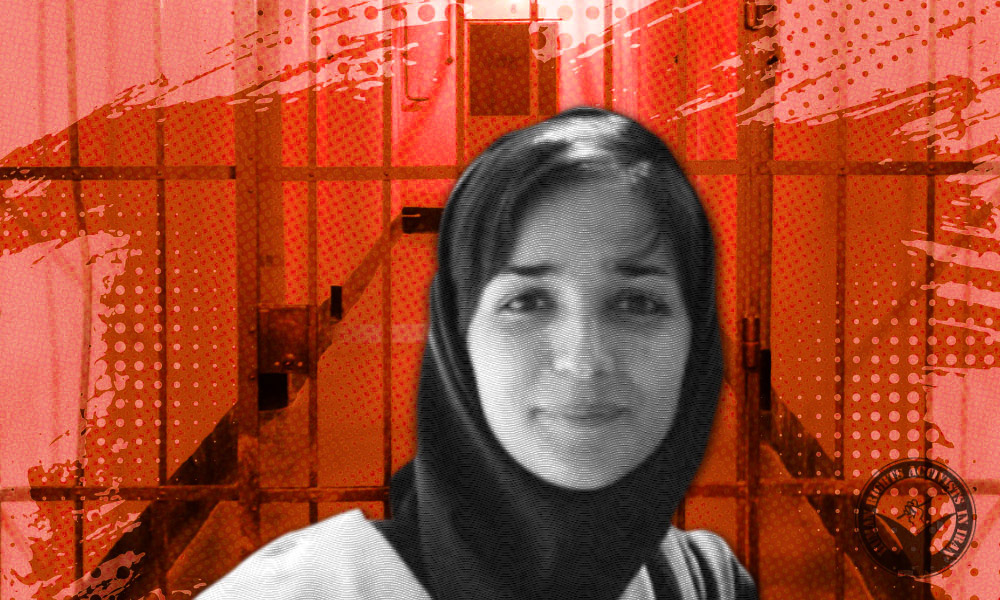
After two months in detention, civil activist Atena Daemi is still incommunicado in Rasht’s Lakan Prison.

According to HRANA, the news agency of Human Rights Activists, her family has not heard from her or received updates about her condition in two weeks, and it seems she is being denied access to phone calls, mounting concern about her situation.

On August 12, in protest against the intentional and frequent interruption of prison phone lines and the poor conditions within the prison, Atena Daemi went on a hunger strike. She broke her hunger strike after five days, after authorities restored her access to a telephone. However, according to an informed source, even at the time, she had been allowed to have only five minutes of phone time with the presence of a prison guard or at the office of the head of the prison.

Atena (Fatemeh) Daemi was sentenced to 14 years in prison on May 15, 2015, by Branch 28 of the Revolutionary Court of Tehran, headed by Judge Mohammad Moghiseh, on charges of “assembly and collusion against national security, propaganda against the regime, and offensive statements against the supreme leader”. The verdict was reduced to seven years in the court of appeal, from which five years is enforceable grounded on Article 134 of the Islamic penal code.

She began serving her prison term in December 2016. In 2018, while enduring her sentence in the women’s ward of Evin Prison, she and Golrokh Ebrahimi, another civil activist, faced a new case, for which they were sentenced to an additional three years and seven months in prison by Branch 26 of the Revolutionary Court of Tehran.

The verdict was upheld by the court of appeal. By applying Article 134, two years and one month of this term are enforceable. Additionally, they were condemned to a two-year prohibition from membership in political groups and parties.

Once again, in July 2020, the Revolutionary Court of Tehran opened a new case and sentenced her to two years imprisonment and flogging of 74 lashes. Her request for a retrial was dismissed by the Supreme Court of Iran in March 2021. She and her family have been frequently under pressure by security forces and judiciary officials.

On March 16 of this year, she was transferred from Evin Prison to Lakan Prison in Rasht.


Farangis Mazloum Summoned by Evin Court to Endure Eighteen Month Sentence

Yesterday, October 19, civil activist Farangis Mazloum was summoned to serve her 18-month prison sentence by Branch 1 of the Executive Unit of Evin Court.

According to HRANA, the news agency of Human Rights Activists, Mazloum was asked to appear at this branch within five days from the date of the summons’ issuance. Branch 29 of the Revolutionary Court had sentenced her to 18 months in prison.

Mazloum is the mother of prisoner of conscience Soheil Arabi, who recently began a hunger strike in Rajai Shahr Prison.

On July 22, 2019, Farangis Mazloum was arrested at her sister’s home and transferred to the detention center at the disposal of the ministry of intelligence, known as Ward 209 of Evin prison. On October 8, 2019, she was released on bail of 250 million tomans (approx. 9300 US dollars) until the end of legal proceedings.

She was indicted by Branch 6 of the Public and Revolutionary Court of Evin Prison.

Initially, the Branch 29 of the Revolutionary Court of Tehran held the trial in absentia and sentenced her to six years imprisonment. In this court, six other people related to this court case were also sentenced to imprisonment. After Mazloum’s objection, in a retrial, the Branch 29 of the Revolutionary Court of Tehran on August 25 and 28 2020 changed the sentence to 18 months in prison.

She was sentenced to one year on a charge of ” assembly and collusion to commit a crime through associating with The People’s Mujahedin Organization of Iran”, and 6 months on a charge of “propaganda against the regime in favor of opposition political groups”.

This verdict was upheld by the appellate court. By applying article 134 of the Islamic Penal Code, the severest punishment of one year from this sentence is enforceable.


Subscribe to Our Newsletter

Now is definitely not the time to stop reading!

Soheil Arabi and Behnam Moosivand Go on a Hunger Strike in Rajai Shahr Prison

Yesterday, October 19, prisoner of conscience Soheil Arabi and civil activist Behnam Moosivand went on hunger strike in Rajai Shahr Prison.

According to HRANA, the news agency of Human Rights Activists, the political prisoners are protesting their beatings by prison guards and their transfer to the quarantine section of the facility. Rajai Shahr Prison head Allah-Karam Azizi reportedly ordered the beating of the two inmates.

“Allah-Karam Azizi…ordered the executive officer Ghasem Sahraie and other guards to beat them because of their objection against a body search,” an informed source told HRANA. “They were (beaten) and (kicked) to the abdomen and testicles. Due to the injuries, Soheil and Behnam could not go to the court.”

On October 6, the political prisoners refused to appear on the court holding for the unjustified new cases opened against them during their prison term, of which the charges included “disturbing prison order” and “offensive statements against the supreme leader of Iran”.  In response to this refusal, the deputy head of Rajai Shahr Prison Valiollah Muhammadi threatened them with a beating.

Soheil Arabi has been imprisoned without leave since November 7, 2013. While serving out the seven and a half year sentence, Soheil Arabi has been convicted on charges from two new cases.

In the first new case, On May 24, 2021, he was indicted on the charge of “agitation against the regime and Disturbing public opinions” via a video conference by Branch 3 of the Evin Investigation Office.

In the second new case, Soheil Arabi was condemned to 2 years imprisonment, paying a fine, and a ban from leaving the country and once every three times appearance at the Supervision and Follow-up office of Judiciary by Branch 26 of Tehran’s revolutionary court. His court session to address these charges was held on July 28.

On February 1, 2018, the intelligence officials raided Behnam Moosivand’s home and transferred him to the detention facility of the intelligence ministry in Evin Prison, known as section 209. He was released on bail on March 19, 2018.

Thereafter, in September 2019, branch 28 of Tehran’s revolutionary court sentenced him to five years in prison on charges of “assembly and collusion in the purpose of acting against national security”, and to one year on a charge of “agitation against the regime”. The verdict was upheld at appeal. On June 14, 2020, he appeared at the executive branch of Evin Prison to serve his six year sentence.


Appellate Court Sentences Reza Eslami to Five Years in Prison

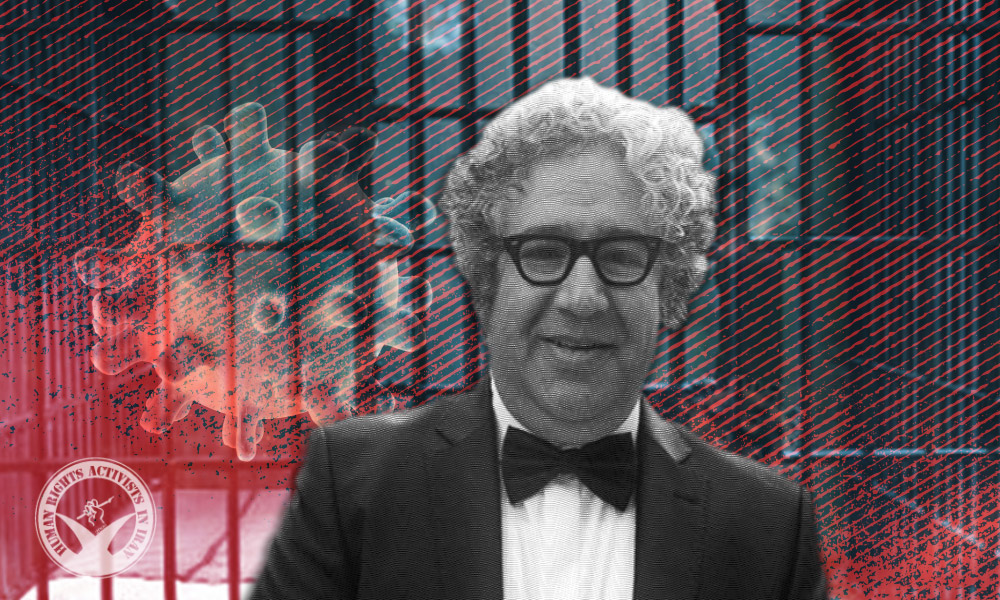
Reza Eslami, an Iranian-Canadian faculty member at Shahid Beheshti University, was recently sentenced to five years imprisonment in the Court of Appeals in Tehran.

According to HRANA, the news agency of Human Rights Activists, Branch 15 of the Revolutionary Court previously issued an initial verdict of seven years imprisonment and prohibition of teaching and leaving the country.

Eslami’s lawyer, Rasoul Koohpayeh, confirmed this sentence and told IRIP, “Despite the final verdict of five years imprisonment, there are still legal capacities for my client such as enforcing article 477, the request for retrial or request for parole. Also, given that he has been 18 months in detention, I will request for granting furlough.”

Mr. Eslami was indicted on the charges of “collaboration with adverse foreign countries (the U.S.A.) against the regime through participation in educational courses about the rule of law in the Czech Republic”.

The case for which Reza Eslami has been indicted, has 15 accused from whom 14 have been exonerated from the charge of ” collaboration with a hostile foreign country”.

On May 10, 2020, Reza Eslami was arrested by intelligence agents and transferred to a detention center known as Ward 209 of Evin Prison. After arrest, the agents inspected his office in the law faculty and confiscated his personal belongings like his cell phone and laptop. Recently, he was relocated to the public ward of Evin Prison after completing the interrogation process.

Reza Eslami is married and the father of two children, a dual Iranian-Canadian citizen, a member of the faculty and law professor at Shahid Beheshti University. Eslami has published more than 70 essays on human rights in law journals in Iran and abroad. In addition, he has translated and authored more than 10 books about human rights.

Political Prisoner Arezoo Ghasemi Released on Leave from Evin Prison

On Wednesday, October 14, political prisoner Arezoo Ghasemi was released on furlough from Evin Prison in Tehran.

According to HRANA, the news agency of Human Rights Activists, Ghasemi has been enduring her one and a half year prison sentence since August 9, 2020. On July 20 of this year, after testing positive for COVID-19, she was also granted furlough.

Arezoo Ghasemi was arrested by security forces amid nationwide protests in November 2019. She was released on bail until August 9, 2020, when she was sent to Evin Prison to serve her sentence.

The Branch 28 of the revolutionary court, headed by Judge Mohammad Moghayeseh sentenced her to three years imprisonment on a charge of “assembly and collusion against national security”. This sentence was subsequently reduced to one and a half years after applying the “Punishment Reduction Law”.

During the wave of protests of November 2019 in dozens of cities, which broke out initially in protest of an unprecedented fuel price surge, hundreds were killed and seven thousand were arrested by regime forces.

Since Ghasemi will have served out her term by the end of the furlough, she will not return to prison.

Political Prisoner Mojgan Kavousi Transferred Back to Evin Prison from Kachooie Prison

On Wednesday, October 13, political prisoner Mojgan Kavousi was sent back to Evin Prison from Kachooie Prison in Karaj.

According to HRANA, the news agency of Human Rights Activists, Kavousi was relocated to Karaj police detention center a while ago, and from there to Kachooie Prison.

In a phone call with her family, Kavousi informed them about this relocation.  The reason for her transfer to Kachooie Prison is still unknown.

On July 26, 2021, Branch 28 of the appellate court in Mazandaran Province issued an order to transfer the political prisoner to a prison in Alborz Province for the remainder of her sentence.

“Due to  COVID-related restrictions making family visitation difficult, Mrs Kavousi asked for transferring to Noshahr where her family are living,” an informed source told HRANA. “On July 13, 2021, they transferred her to Noshahr but after spending one-night in police detention centre, they sent her back to Tehran. Considering that her family are residing in either Tehran or Noshahr, it is not clear why she should be transferred to a prison in Alborz Province.”

On November 20, 2019, Mojgan Kavousi was arrested by security forces amid nationwide protests in the mid-fall of the year, from her home in Noshahr. After being held three weeks in detention, she was sent to Noshahr Prison. On December 19, 2019, she was released on bail.

The Revolutionary Court in Noshahr sentenced her to 6 months on a charge of “the propaganda against the regime”, 33 months on a charge of “membership in opposition parties” and 30 months on a charge of “provoking to disturb the public order”. During the appeal process, the sentence was increased by seven months due to the influence of the prosecutor.

Mojgan Kavouci is a writer, researcher and follower of Yarsanism.

Civil Activist Sepideh Gholiyan Arrested by Security Forces in Ahvaz

Civil activist Sepideh Gholiyan, who has been on leave from Bushehr Prison since August 19, was recently arrested by security forces in Ahvaz from her sister’s home to serve the rest of her sentence.

According to HRANA, the news agency of Human Rights Activists, security police confiscated the cell phones of all family members during the arrest.

Confirming Gholiyan’s arrest, an informed source told HRANA, “Thirty male and female security forces entered her sister’s home, arrested Mrs. Gholiyan, and confiscated the cell phones of all family members.”

Before this arrest, on her personal page on social media, Gholiyan had informed that she had been summoned to Bushehr prison and commented “Ten days ago, they called me from Bushehr Prison that I have to return to there. I told them that I am supposed to go to Tehran where the Executive Branch of the Department of Justice would decide to which prison I had to be sent. Seemingly, they are searching to find somewhere worse than Bushehr Prison.”

On November 18, 2018, Sepideh Gholiyan was arrested along with at least 19 others, including members of the Assembly of Representatives of Haft-Tappeh’s workers, several workers’ activists and company personnel and managers by security police of NAJA in Shush city. She was released on bail on December 18, 2018.

After broadcasting her forced confession as well as some other workers’ activists, including Ismail-Bakhshi on national TV channel, they announced that the “confessions” were extracted under torture by security forces. Soon after this announcement, the security police arrested them.

On October 26, 2019, she was released on bail until the end of legal proceedings. On December 14, 2019, she was sentenced to 5 years imprisonment by Tehran appellate court.

On June 21, 2020, she began serving her prison term in Evin prison. On March 10, 2021, she was exiled to Bushehr Prison, where she was held until being granted leave, and to where she is now being transferred back.