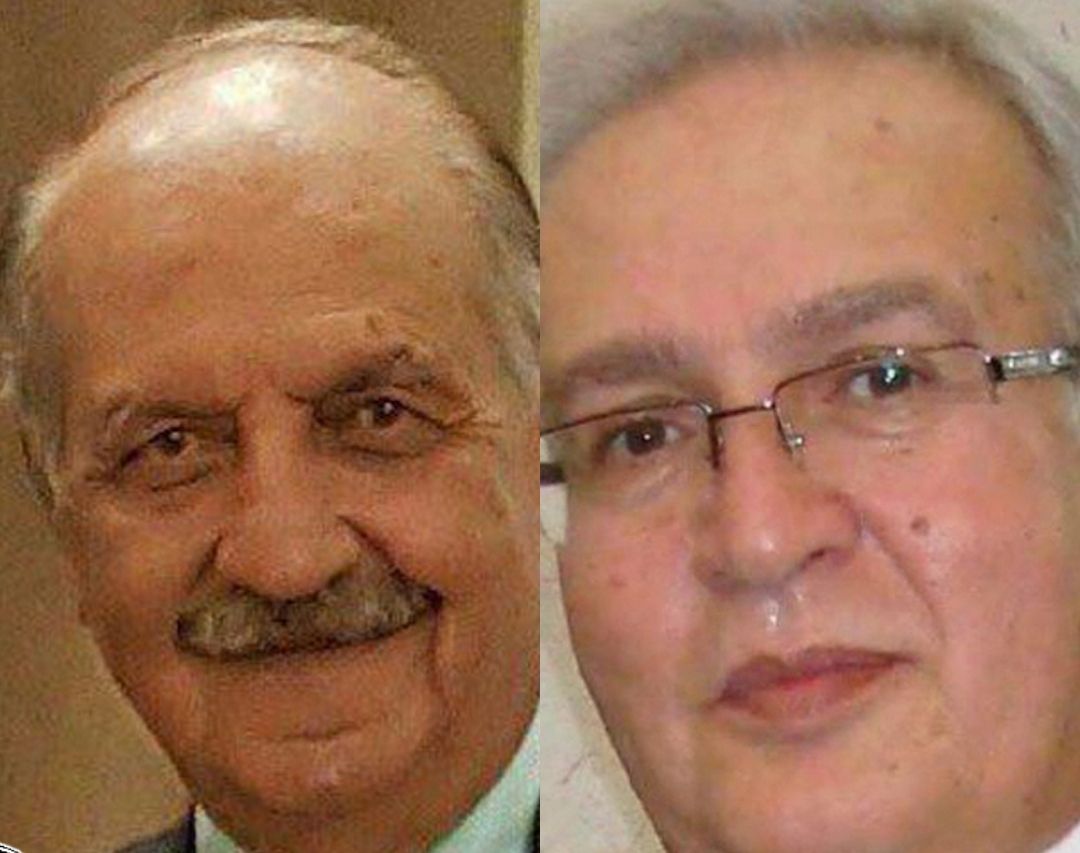
“They Arrest first, Then Look for a Reason”: Security Forces Search Homes of Detained Lawyers and Civil Activists Raising Concerns of Fabricated Evidence

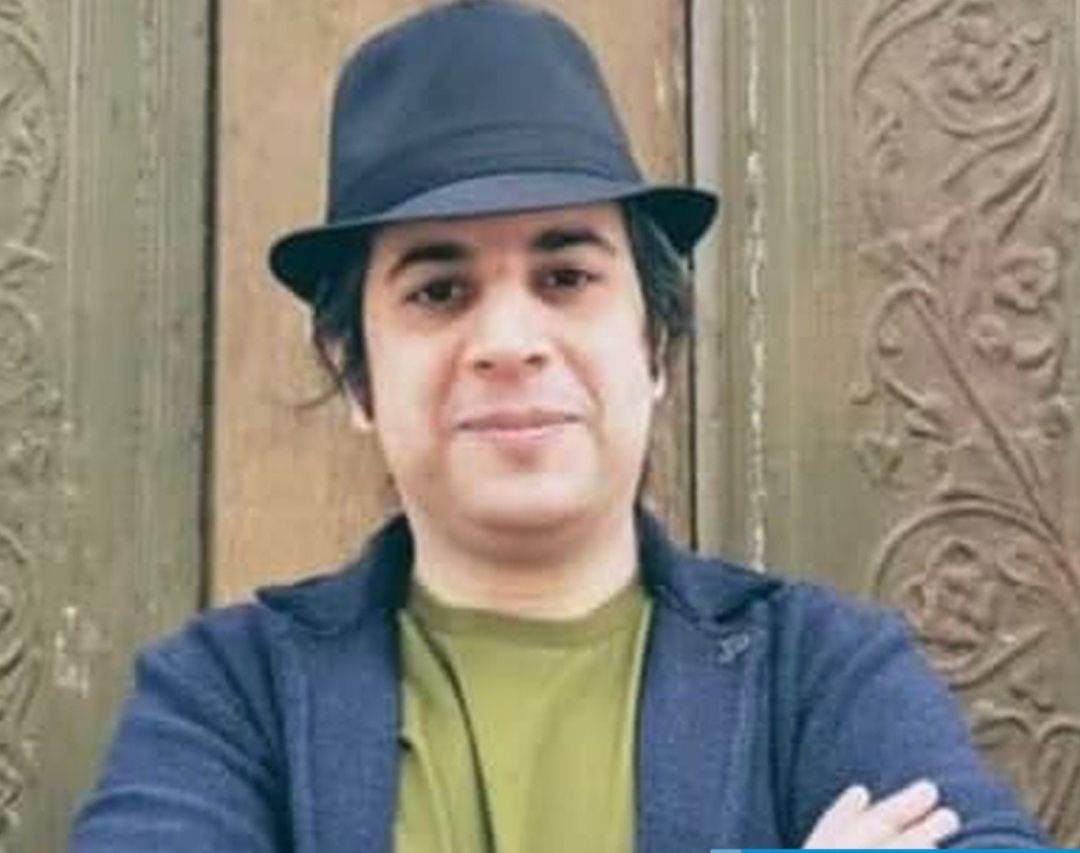
"Eleven security officers who raided Arash Kaykhosravi's father's house today closed his room’s door for a few minutes and did not allow family members to enter. This is the prelude to 'gathering evidence' through embedding the evidence in the room. They arrest first, then look for a reason."

In recent days, a number of civil activists and lawyers have been arrested under dubious pretenses, many of whom are still in detention.

According to HRANA, the news agency of Human Rights Activists, some of the arrested have had their homes searched by security forces, raising concerns of fabricated evidence.

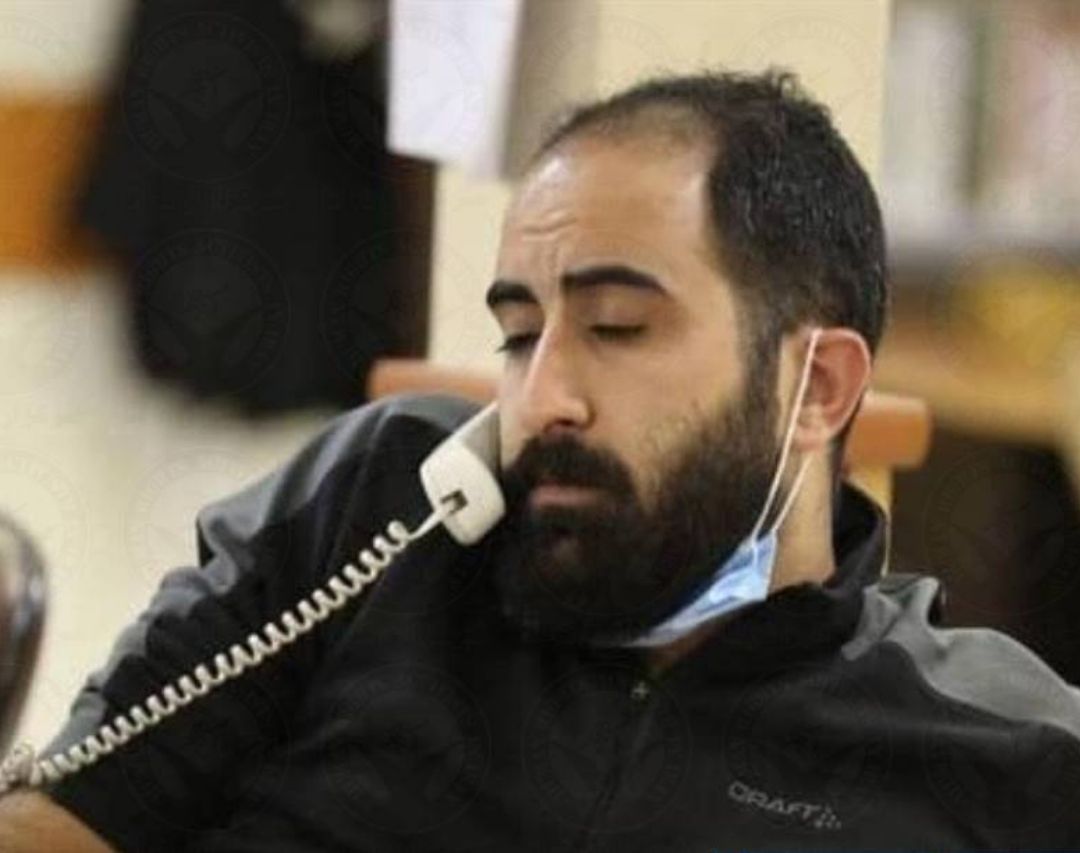
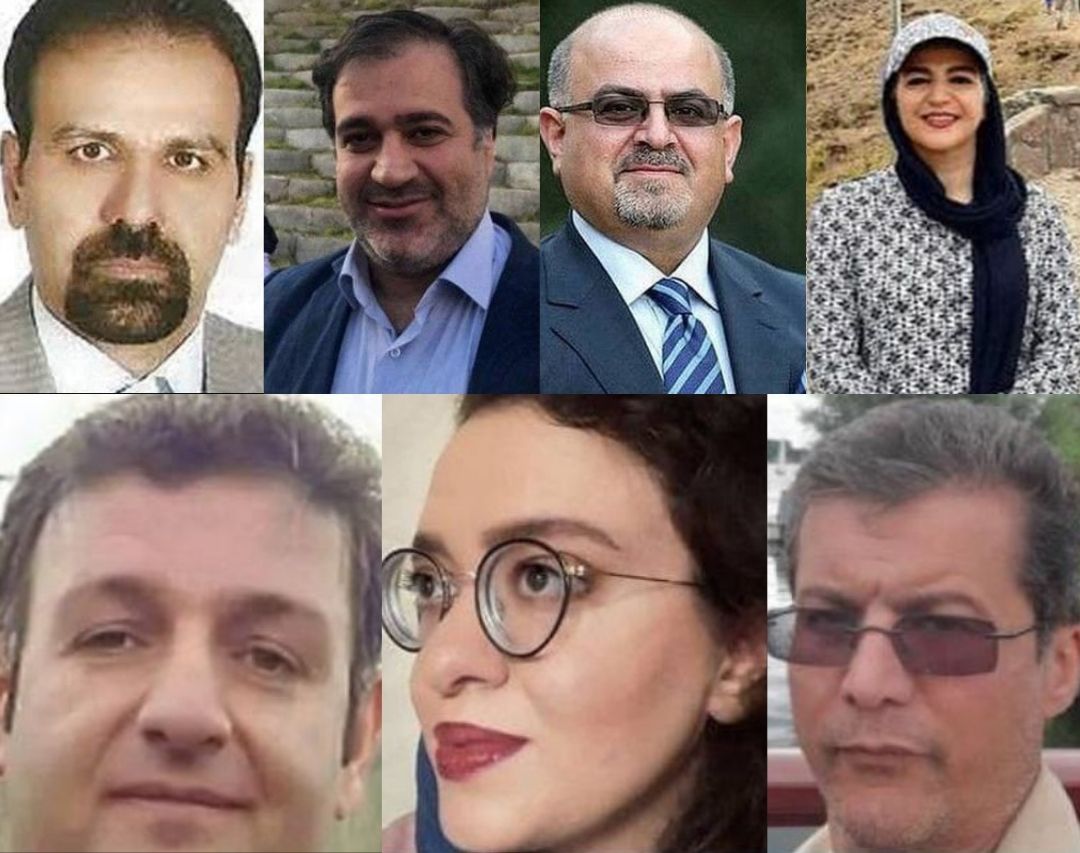
On Saturday, August 14 Arash Kaykhosravi, Mostafa Nili, Mohammad Reza Faghihi, Mohammad Hadi Erfanian Kasb, Leila Heidari, Mehdi Mahmoudian, and Maryam Afrafaraz were arrested by security forces in Tehran and taken to an unknown location. Mohammad Hadi Erfanian Kaseb and Leila Heydari were released hours after their arrest, but the others remain in detention.

On the afternoon of Wednesday, August 25, security forces searched the home of lawyer Mostafa Nili and the home of Arash Kaykhosravi’s father.

Saeid Dehghan, Mr. Kaykhosravi’s lawyer, wrote on his social media page, “Eleven security officers who raided Arash Kaykhosravi’s father’s house today closed his room’s door for a few minutes and did not allow family members to enter. This is the prelude to ‘gathering evidence’ through embedding the evidence in the room. They arrest first, then look for a reason. They took the CCTV camera with them so that there is no evidence of their attack.”

On the same day, the house of Mohammad Reza Faghihi was searched by security forces. Earlier, Mr. Nili’s lawyer, Zahra Minouei, expressed that she does not have access to her client’s case.

“Because I am not a trusted lawyer accepted by the judiciary in security cases, they have not allowed accessing my client’s case,” Minouei said. “After the release of the videos related to Evin Prison [by hackers], the mental condition of my client’s family is not good and their concerns have been greatly increased.”

Arash Kaykhosravi, Mostafa Nili, Mohammad Reza Faghihi, Mohammad Hadi Erfanian Kasb, and Leila Heidari are lawyers, Mehdi Mahmoudian is a journalist and member of the Central Council of the Etihad Mellat party, and Maryam Afrafaraz is a civil activist and a member of the Imam Ali Charity Association.

Regarding the reason behind these arrests, an informed source earlier said that the lawyers and activists were talking in a meeting about the negligence of the officials and its contribution to the spread coronavirus, and expressed possible complaints against some officials. But they had not reached a complete conclusion and were arrested.

Death Sentence Issued to a Defendant in Tehran

According to HRANA, the news agency of Human Rights Activists, quoting Rokna News, a defendant in Tehran was sentenced to death by the First Criminal Court of Tehran Province for a murder he committed in 2018.

Iran ranks first in the world in citizen executions per capita, according to international organizations. The Statistics and Publication Center of the Human Rights Activists in Iran (HRA) reported that between January 1 and December 20 of 2020, at least 236 citizens were executed.

One of these citizens was executed publicly, and two were juvenile offenders. An additional 95 citizens were sentenced to death. According to the same report, more than 72% of executions in Iran are not reported by the government or the judiciary, which human rights organizations call “secret” executions.

Man Acquitted for a Murder that was Ordered by his Father with Consent of Victim’s Father

According to HRANA, the news agency of Human Rights Activists, quoting Rokna, a man in Tehran who had killed a young man at the request of father was acquitted of severe punishments with the consent of the victim’s father.

Under the laws of the Islamic Republic, the father, as the “rightful parent”, is spared serious punishment in the event of murder or complicity in the murder of their child. This issue has long been criticized by critics of the current laws in the country. In some cases, fathers have committed murders after finding out that a father is safe from severe punishment for the murder of their own child in Iran.

On this subject, the former head of the Tehran Criminal Court stated, “According to the Islamic Penal Code, the mother will be punished more severely than the murderer father under the heading of ‘complicity in murder of child’. Based on Article 127 of the Islamic Penal Code, fathers will be sentenced to between 3 and 10 years imprisonment while it is 15 years for the mothers.

Maryam Ebrahimvand Arrested by Security Forces in Tehran

On the morning of Sunday, August 22, Maryam Ebrahimvand, a director, filmmaker, and former prisoner, was arrested by security forces and taken to an unknown location.

According to HRANA, the news agency of Human Rights Activists, she was released after a couple of hours interrogation.

According to a close source to Ms. Ebrahimvand, she had gone to the Ministry of Culture and Islamic Guidance to seek permission for her confiscated films, and was arrested in front of the Ministry’s building in Tehran.

“A few months ago,” the source told HRANA, “Ms. Ebrahimvand was told by the Ministry of Guidance that after receiving a letter working ban from the IRGC,  it is not possible to grant permission for her films.”

Ms. Ebrahimvand had previously been detained and convicted. IRGC intelligence agents arrested Ms. Ebrahimvand in September 2016. After 35 days, she was released on  a bail of 300 million Tomans from the IRGC Intelligence Detention Center, Ward 2A, Evin Prison.

Nearly two years later, in July 2018, Ms. Ebrahimvand was arrested again after being summoned to Branch 4 of the Culture and Media Court. She was transferred to Ward 2A of the IRGC, and then was transferred to prison a month after interrogations ended, while a bail of 10 billion Tomans was issued for her.

Ms. Ebrahimvand, who had been detained in the Women’s Ward of Evin Prison from July 2018, was sentenced by Branch 1059 of the Government Employees’ Court to ten years in prison in November of last year on charges of “making a vulgar film”, “insulting the President”, and “spreading lies against the Islamic Revolutionary Guard Corps”.

In the second part of her case, Branch 26 of the Revolutionary Court of Tehran sentenced her to 6 months in prison on charges of “propaganda against the regime,” and in the final verdict, she was sentenced to a total of ten years and six months in prison.

Ms. Ebrahimvand was finally informed of her release in June of this year after appearing before the Culture and Media Court.

Maryam Ebrahimvand is a writer, film director, and producer of “Comedy of Love”, “We Are All Alone”, and “Girls’ Boarding House”.

Death Sentences Issued for 2 Defendants in Tehran

In two separate cases, two defendants in Tehran were sentenced to death by the Second and Seventh Branches of the First Criminal Court of Tehran.

According to HRANA, the news agency of Human Rights Activists, quoting Didar, a defendant in Tehran was sentenced to death by the Second Branch of the First Criminal Court of this province for murder.

Also, according to Javan Online, a young man in Tehran was sentenced to death by the Seventh Branch of the First Criminal Court of this province for murder.

Iran ranks first in the world in citizen executions per capita, according to international organizations.

The Statistics and Publication Center of the Human Rights Activists in Iran (HRA) reported that between January 1 and December 20 of 2020, at least 236 citizens were executed. One of these citizens was executed publicly, and two were juvenile offenders. An additional 95 citizens were sentenced to death.

Subscribe to Our Newsletter

Now is definitely not the time to stop reading!

HRANA Recap: This Week’s Protests in Iran

A number of protests took place this week in Iran, many of which were continuations of ongoing movements. According to HRANA, the news agency of Human Rights Activists, employees of Haft-Tappeh Sugarcane Agro-Industry Company continued their protests for a 6th week. Read our recap below for details, photos, and videos from the demonstrations.


Saturday, August 14

A group of workers of the Haft Tappeh Sugarcane Agro-Industry entered the 33rd day of their strike in Shush. Several teachers of Literacy Movement Organization of Iran in front of the parliament building, rallied and called on their demands to be addressed. Also, following the power outage in Eslamshahr, many citizens held a protest rally in Tehran.

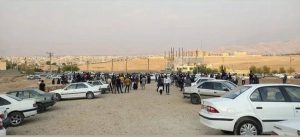
Citizens in Tehran following power outage in Eslamshahr:


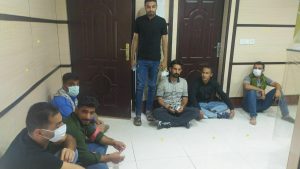
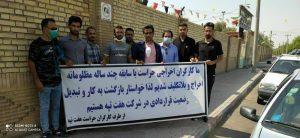
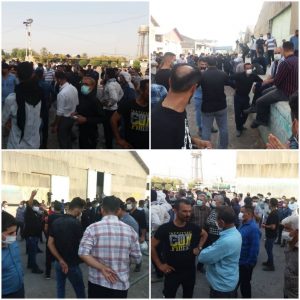
Workers of Haft Tappeh Sugarcane Agro-Industry Company:


Sunday, August 15 and Monday, August 16

Workers of the Haft Tappeh Sugarcane Agro-Industry continued their strike for a 34th day in a row in Shush, a number of Isfahan farmers rallied in front of the Isfahan Governor’s Office, and a group of workers of Pajan Company held protest rallies in Tehran.

Farmers in Isfahan:


Workers of Haft Tappeh Sugarcane Agro-Industry Company:


Workers of Pajan Company in Tehran:


Tuesday, August 17 and Wednesday, August 18

For the second day in a row, workers of Pajan company protested in Tehran, also, a group of civil activists in Karaj, gathered in a protest calling on their demands to be addressed.

Workers of Pajan company in Tehran:


Civil activists in Karaj:

Friday, August 20

A group of farmers in Parsabad gathered in front of the governor’s office to protest water cuts for their farms.


Farmers in Parsabad:

Sepideh Gholiyan Sent on Leave from Bushehr Prison

According to HRANA, the news agency of Human Rights Activists (HRA), today, August 19, civil activist Sepideh Gholiyan was sent on a 7-day leave from Bushehr Prison.

In early August, Ms. Gholiyan’s Covid-19 test result came out positive.

Sepideh Gholiyan was first arrested in November 2018, along with at least 19 workers’ representatives and labor activists of Haft Tappeh Sugarcane Agro-Industry Co. at the Shush, and was released on bail on December of the same year.

Ms. Gholiyan was sentenced to 5 years in prison by the Tehran Court of Appeals in December 2019.

In June 2020, she was arrested and transferred to Evin Prison to endure her sentence. She was transferred from the women’s ward of Evin Prison to Bushehr Prison on March 2021, where Ms. Gholiyan and Mahboubeh Rezaei were severely beaten.

Reza Mehregan on a Hunger Strike in Evin Prison

On Saturday, August 14, civil activist Reza Mehregan went on a hunger strike in Evin Prison, where he is currently serving out a 5 year sentence.

According to HRANA, the news agency of  Human Rights Activists, Mehregan began the hunger strike to protest his transfer to quarantine despite having received a negative corona test result.

Mr. Mehregan was sent on a five-day leave of absence from Evin Prison on Saturday, August 7, and returned to prison at the end of his leave.

Mehregan suffers from heart disease and high blood pressure, and although previously he was  permitted to be sent on medical leave, he had remained in prison as he was not able to provide the required bail.

In December 2019, the Branch 26 of the Revolutionary Court of Tehran, headed by Judge Iman Afshari sentenced Mr. Mehregan to 5 years in prison on the charge of conspiracy against national security, to 1 year in prison on a charge of propaganda activities against the regime, to 1 year in prison and 74 lashes for disturbing public order, and to 2 years of compulsory reside in the Jafarabad district of Arian Shahr in South Khorasan Province.

The sentence was later reduced by Branch 36 of the Tehran Court of Appeals, presided by Judge Ahmad Zargar, to six years in prison from which 5 years imprisonment is enforceable to Mr. Mehregan, after applying Article 134 of the Islamic Penal Code.

Reza Mehregan, along with Mohammad Abolhassani, another civil activist, was sent from Evin Prison to Branch 2 of the Evin Prosecutor’s Office, headed by Judge Haji Moradi, in December 2020, in connection with another case against them. The two civil activists were charged with holding a funeral of the victims of the November 2019 nationwide protests in prison.

Several Civil Activists Arrested During a Rally at Site of Pouya Bakhtiari’s Death in Karaj

Today, Wednesday, August 18, during a gathering of civil activists at the site of Pouya Bakhtiari’s death in Karaj, several of those in attendance were arrested and then released an hour later.

According to HRANA, the news agency of Human Rights Activists, Narges Mohammadi, Pouran Nazemi, and Nahid Shirbisheh were among the arrested.

Nahid Shirbisheh is the mother of Pouya Bakhtiari who was one of the victims of the November 2019 national protests in Iran.

Recently, a lawsuit was opened against Ms. Nazemi and Ms. Mohammadi charged in Branch 2 of the Evin Prosecutor’s Office, along with seven other civil activists.

These activists were arrested in Tehran on July 20, during a rally in support of the people of Khuzestan, and were released hours later.


Court of Appeals Sentences Keyvan Samimi to 2 Years in Prison

Iranian journalist Keyvan Samimi has been sentenced to two years in prison after a court of appeals overturned the Supreme Court’s  decision to resume Samimi’s case.

According to HRANA, the news agency of Human Rights Activists, quoting Ensaf News, Samimi is the editor of Iran-e- Farda newspaper and a member of the Iranian Writers’ Association.

Mr. Samimi had previously endured six years in prison in 2009 for questioning the 2009 presidential election, participating in protests, and writing articles critical of the Islamic Regime. He is currently being held in Evin Prison, where he has been imprisoned since his arrest on International Workers’ Day in 2019.

Samimi was sentenced by Branch 26 of the Revolutionary Court of Tehran, headed by Judge Iman Afshari, to three years in prison on charges of conspiracy to act against the security of the country. This verdict was upheld by Branch 36 of the Tehran Court of Appeals, presided over by Judge Ahmad Zargar.

Mahmoud Behzadi-Rad, Samimi’s lawyer, said that the Supreme Court accepted the resumption of Mr. Samimi’s trial, but when his case was sent to the Branch 54 of the Court of Appeals, the decision was reversed.

“The judge did not accept the opinion of the Supreme Court,” Behzadi-Rad said, “and they only reduced the three-year imprisonment sentence to two years.”