Amnesty International Announces Imminent Danger of Juvenile Offender Hossein Shahbazi’s Execution

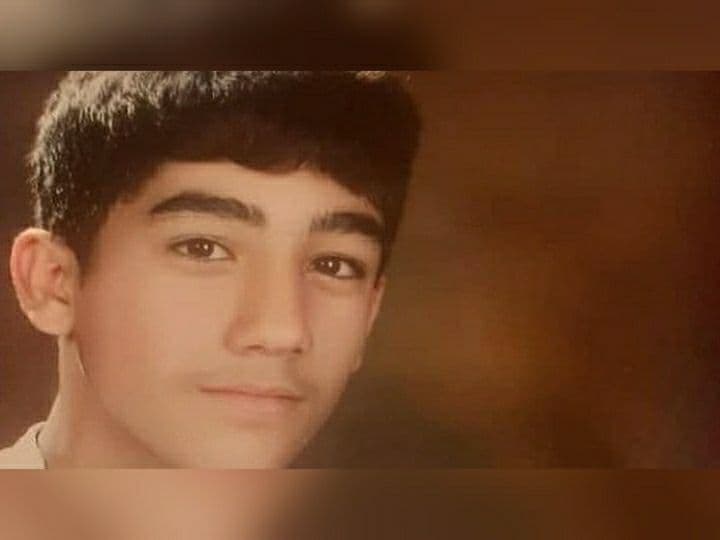
Amnesty International announced the imminent danger of the execution of juvenile offender Hossein Shahbazi, currently on death row in Adelabad prison in Shiraz.

According to HRANA, the news agency of Human Rights Activists, Amnesty said in a statement, “Part of the evidence against the juvenile offender includes confessions obtained through torture”. The statement calls on Iranian authorities to suspend the death sentence and to provide a fair retrial in full compliance with juvenile delinquency principles.

According to the statement, Hossein Shahbazi was sentenced to death by Branch 3 of the Criminal Court of a Fars province, and the sentence was upheld by the Supreme Court in June 2020.

Amnesty International’s deputy director for the Middle East and North Africa office, Diana Elthawy, commented on Shabazi’s sentence.

“Iran’s authorities must immediately halt the execution of Hossein Shahbazi scheduled for June 28,” Elthawy said. “Using the death penalty against someone who was a child at the time of the crime is prohibited under international human rights law and violates Iran’s international obligations. Going ahead with this execution would be an abhorrent assault on children’s rights and would make an absolute mockery of justice.”

According to the annual report of HRANA News Agency for the year 2020, at least 4 juvenile offenders were executed in Iran last year and 2 other juvenile offenders were sentenced to death.

“The Iranian authorities must quash Hossein Shahbazi’s conviction and sentence and grant him a fair retrial in full compliance with the principles of juvenile justice, without resorting to coerced ‘confessions’ the death penalty,” Elthawy stated. “We also urgently call on the international community, including UN bodies and the EU and its member states, to intervene to save this young man’s life.”


Habib Rezaei Executed on Charge of Murder in Salmas Prison

At dawn on Monday, June 21, Habib Rezaei was executed in Salmas Prison in West Azerbaijan Province.

According to HRANA, the news agency of Human Rights Activists, quoting Kurdpa, Salmas native Habib Rezaei had been previously sentenced to death on a charge of murder under the Qisas (loosely translated as “eye-for-an-eye”) principle of Shariah Law.

The report quotes an informed source as saying, “Three years ago, Mr. Rezaei killed a man in a personal altercation, and then he was sentenced to death by the judiciary”.

According to international organizations, Iran ranks first in the world in citizen executions per-capita. The Statistics and Publication Center of the Human Rights Activists in Iran (HRAI) reported that between January 1st and  December 20th of 2020, at least 236 citizens were executed. One of these citizens was executed publicly, and two were juvenile offenders. An additional 95 citizens were sentenced to death.

According to the report, more than 72% of executions in Iran are not reported by the government or the judiciary. Human rights organizations call these “secret executions.”

Rezaei’s execution has not been announced by Iranian media or official sources at the time of this writing.


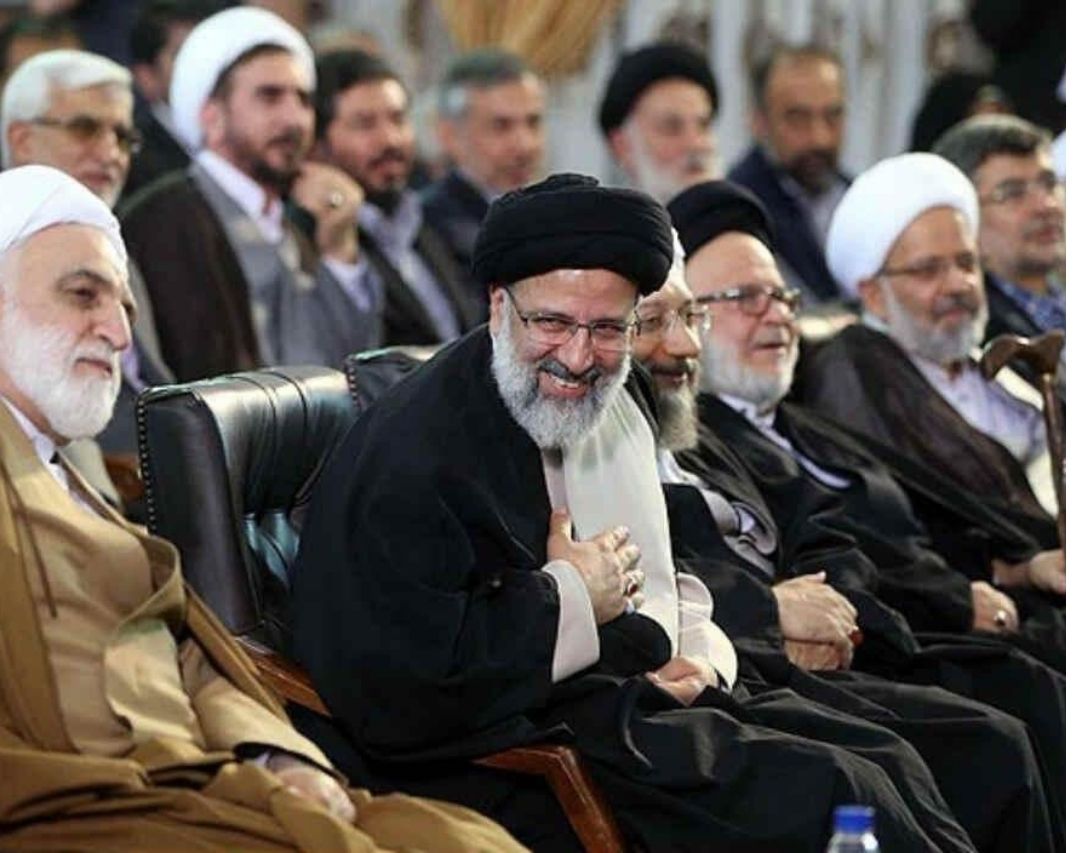
Ebrahim Raisi in Response to Questions About his Role in the 1988 Executions in Iran: “I Should be Praised and Admired”

In his first press conference since being announced as winner of Iran’s presidential election, Ebrahim Raisi was interviewed by Al Jazeera.

According to HRANA, the news agency of Human Rights Activist, Al Jazeera questioned the president elect about his role in the executions of the political prisoners in Summer 1988 in Iran, his inclusion on the human rights sanctions list, and the request for his trial by some human rights organizations.

In response, without claiming to have played a role in the 1988 executions, Raisi claimed that he has “always been a defender of the rights of the people, as a juristic”, and that “human rights has been at the axis of all (his) responsibilities”. He went on to state that he should be “praised and acclaimed” for this.

For the four decades of the Islamic Republic’s existence, Raisi has served in various positions in the judiciary against human rights and been responsible for the execution, imprisonment, torture, amputation to repression, justification of repression, violation of the rights of countless women, Bahai’s and others.

For his role in the massacre of political prisoners in the summer of 1988, in Tehran, he has been called the “Ayatollah of Massacre” by critics.

Ramin Sa’adat Beiglou Executed in Qazvin Prison

According to HRANA, the news agency of Human Rights Activists, quoting Iran Human Rights (IHR), On June 20, Ramin Sa’adat Beiglou, a resident of Zanjan who had previously been sentenced to death for murder, was executed in Qazvin Central Prison.

The report quoted an informed source as saying, “Ramin has been in prison since 2017 on charges of murdering a person who owed Ramin 10 million tomans (less than $200).”

According to international organizations, Iran has the highest rate of citizen executions per-capita. Based on HRANA’s Statistics and Publication Center, during a one year period (January 1, 2020, to December 20, 2020), at least 236 citizens were executed from which two were juvenile offenders, and one case was a public execution. An additional 95 citizens were sentenced to death.

According to the report, more than 72% of executions in Iran are not reported by the government or the judiciary. Human rights organizations call these “secret executions.”

The execution of this prisoner has not been announced by Iranian media or official sources as of this writing.

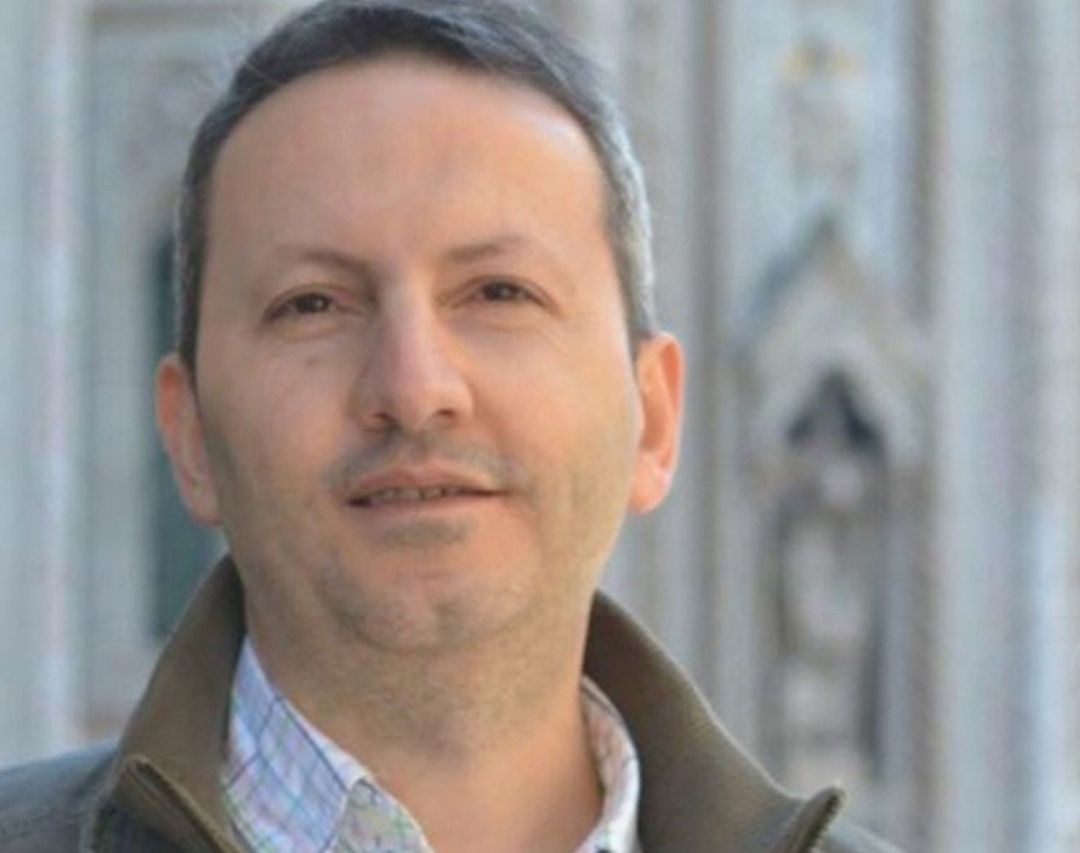
Ahmad Reza Jalali’s Lawyer Expresses Concern About His Condition in Evin Prison

Ahmad Reza Jalali’s lawyer, Helaleh Mousavian, has expressed concern about her client’s condition in Evin Prison. According to HRANA, the news agency of Human Rights Activists, Reza Jalali is a university professor and dual citizen of Iran and Sweden currently on death row.

The professor, who traveled to Iran in May 2016 at the invitation of the University of Tehran, was arrested by security forces on charges of “moharebeh through espionage for Israel”. Moharebeh, loosely translated as “waging war against God”, is a pillar of Sharia Law that is typically applied to those suspected of connection to any acts against the state.

Mr. Jalali was sentenced to death for espionage, and the sentence was upheld by the Supreme Court in December 2017.

Ahmad Reza Jalali worked at the Center for Natural Disasters after graduating from medical school in Iran. He immigrated to Sweden in 2009 to continue his studies and earned a doctorate. He completed his postdoctoral in Disaster Medicine at the University of Piedmont in Italy, and later, settled in Sweden with his wife and two children.

According to a HRANA report published in November 2020, Ahmad Reza Jalali was transferred to solitary confinement for a week to be prepared for execution. In December of that year, Ms. Mousavian was informed that her client’s death sentence was put on hold and he was transferred to ward 209 of Evin prison.

“Fortunately, Mr. Jalali was transferred to a public ward in April, but so far, despite all the efforts, his death sentence has not changed,” Mousavian said. “I am very worried about my client, especially now that the presidential election is over and the result is out. Despite my repeated expressions of concern, no effective action has been taken by the country of dual citizenship and the European Union.”

Subscribe to Our Newsletter

Now is definitely not the time to stop reading!

Man Sentenced to Death in Tehran Under Qisas (Eye-for-an-Eye) Principle of Shariah Law

A man was recently sentenced to death in Tehran under the “Qisas” (loosely translated as eye-for-an-eye) principle of Shariah Law.

According HRANA, the news agency of Human Rights Activists, quoting the Javaonline News, a defendant was sentenced to death on a charge of murder by the criminal court in Tehran province.

The victim’s wife, who orchestrated the killing, was also sentenced to a prison time of 15 years.

According to international organizations, Iran ranks first in the world in citizen executions per-capita. The Statistics and Publication Center of the Human Rights Activists in Iran (HRAI) reported that between January 1st and  December 20th of 2020, at least 236 citizens were executed. One of these citizens was executed publicly, and two were juvenile offenders. An additional 95 citizens were sentenced to death.

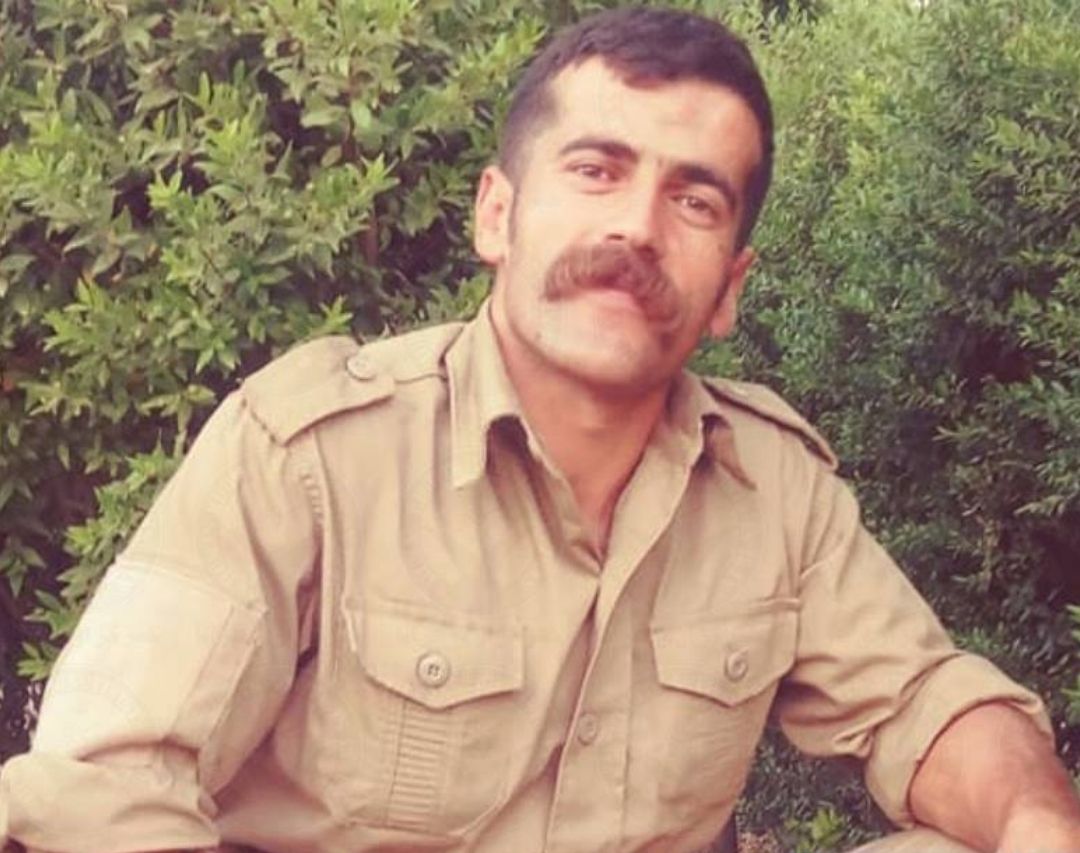
Shaker Behrouz on a Hunger Strike in Urmia Prison

Political prisoner Shaker Behrouz has been on a hunger strike since June 13 in Urmia Prison.

According to HRANA, the news agency of Human Rights Activists, Behrouz’s hunger strike is in protest of his unjust death sentence and long-term detention in solitary confinement.

Behrouz became a member of one of the Iranian Kurdish opposition parties located in Iraq in 2018, but later that year, he got a safe-conduct letter and returned to Iran.

32-year-old Behrouz was first arrested by Ministry of Intelligence agents in March 2019 and sentenced to five years in prison for membership in an opposition party (KDP).

Later, Branch 2 of the Urmia Revolutionary Court, presided over by Judge Ali Sheikh Lou, further sentenced Mr. Behrouz to death on charges of armed rebellion through membership in an opposition party and the murder of a member of the Revolutionary Guards.

12 separate people testified that at the time of the murder, Behrouz was in a shop in Dizaj town of Urmia city, nowhere near the scene of the crime. However, the court refused to hear the witnesses’ statements and convicted him anyway.

An informed source additionally told HRANA that the victim’s family has stated they did not file a lawsuit against Mr. Behrouz and believe in his innocence. They are even willing to testify in court to that end.

Shaker Behrouz is the son of Salim, and a resident of the Dizaj region of Urmia city in West Azerbaijan Province.

Citizen Sentenced to Death under Qisas (Eye-for-an-Eye) Principle of Shariah Law

A citizen was recently sentenced to death under the Qisas (roughly translated as eye-for-an-eye) principle of Shariah Law.

According to HRANA, the news agency of Human Rights Activists, quoting Islamic Republic News Agency (IRNA), the citizen was sentenced after confessing to the murder of two park rangers in Zanjan.

Hossein Absalan, Director-General of the Department of Environmental in Zanjan Province, said, “The accused in the murder of two park rangers has been sentenced to death by a verdict issued by the judge.”

Absalan further stated, “Based on the evidence, according to the Iranian Police Criminal Investigation Department of Zanjan, given the explicit confession of the arrested defendant to the murder of the two rangers, the judge has sentenced the defendant to death under Qisas.”

Ali Arjangi, a Juvenile Offender on Death Row, Attempted Suicide in Ardabil Prison

On Saturday, June 12, Ali Arjangifard ghujeh Beiglou, a juvenile offender on death row, attempted suicide in Ardabil Prison.

According to HRANA, the news agency of Human Rights Activists, quoting Iran Human Rights (IHR), prison officials transferred him to the nearest hospital in Ardabil after the attempt. Beiglou is currently in critical condition in Fatemi hospital.

An informed source said, “Ali Arjangi attempted suicide by cutting part of his neck veins with the motive of ending his life before the execution.”

Ali Arjangi was arrested at the age of 17 on murder charges and has been held in the youth prison of Ardabil Central Prison since.

He was previously sentenced to death by Branch 3 of the Special Juvenile Court for murder, and the sentence was upheld by the Supreme Court. The verdict is said to have been issued following a forensic examination confirming his mental development.

According to the HRANA annual report for the year 2020, at least 4 juvenile offenders were executed in Iran last year, and 2 other juvenile offenders have been sentenced to death.

Prisoner Dies After Urmia Officials Refuse to Transfer him to Hospital in the Aftermath of a Heart Attack

On Saturday, June 12, an inmate who was on death row in Urmia Prison died after prison officials refused to send him to the hospital in the aftermath of a heart attack.

According to HRANA, the news agency of Human Rights Activists, 55-year-old Shamsuddin Tatari suffered a heart attack at noon and died within the day after being denied the transfer.

Tatari was from the city of Salmas in the West Azerbaijan province. He was previously sentenced to death on drug-related charges and had been held in Urmia Prison for two years.