Two Prisoners Executed in Zanjan Prison

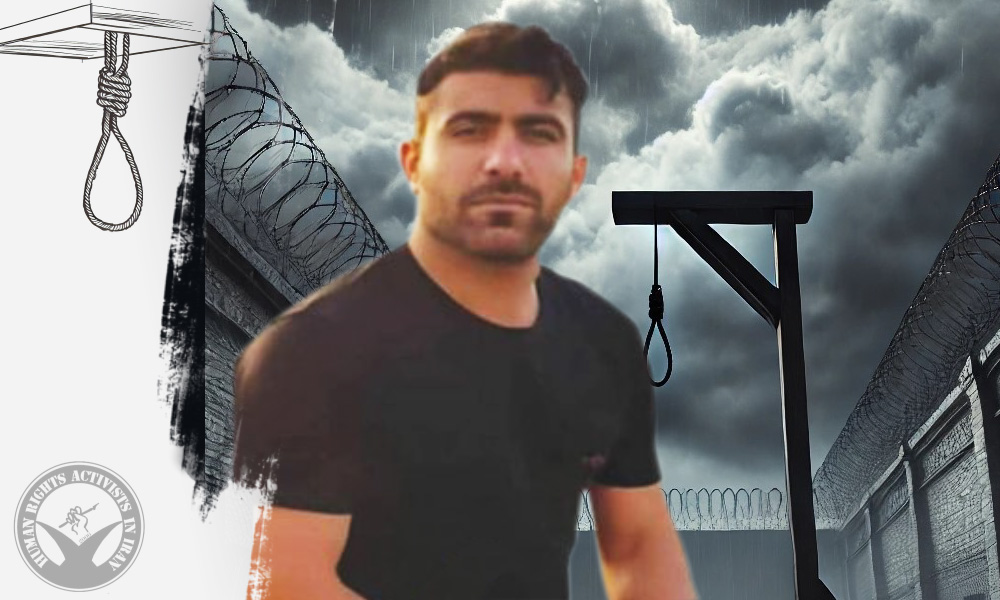
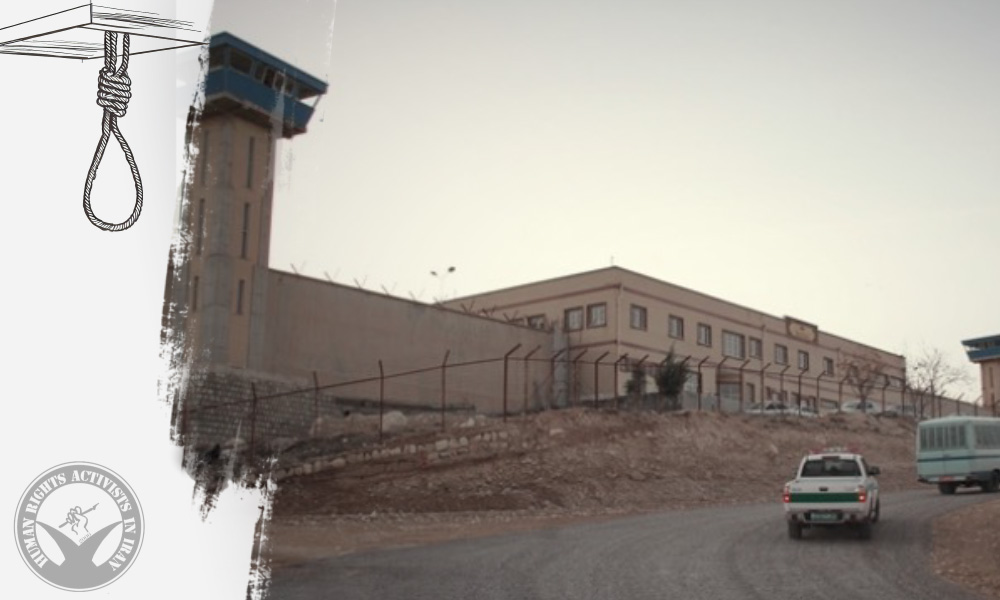
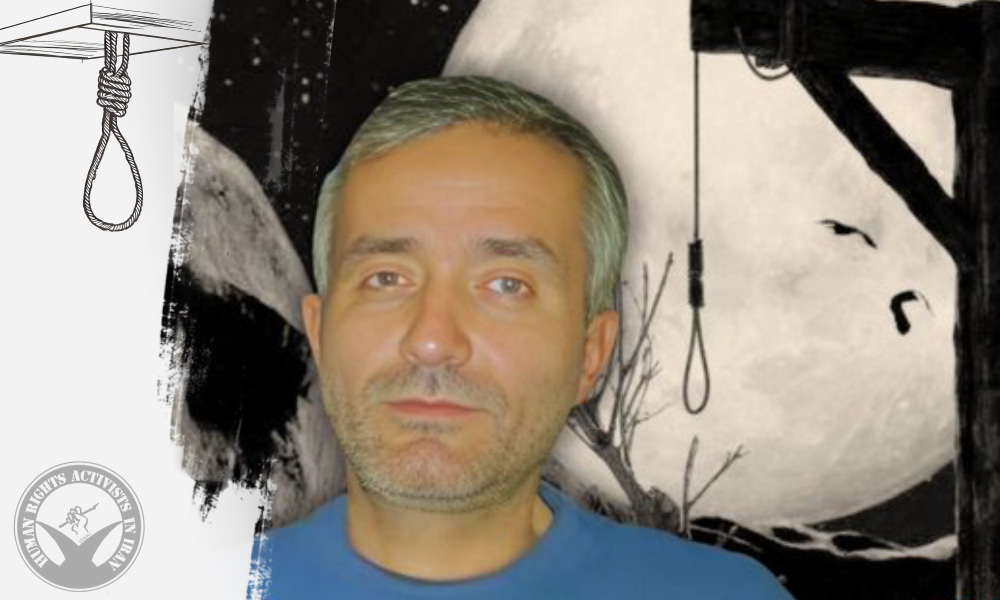
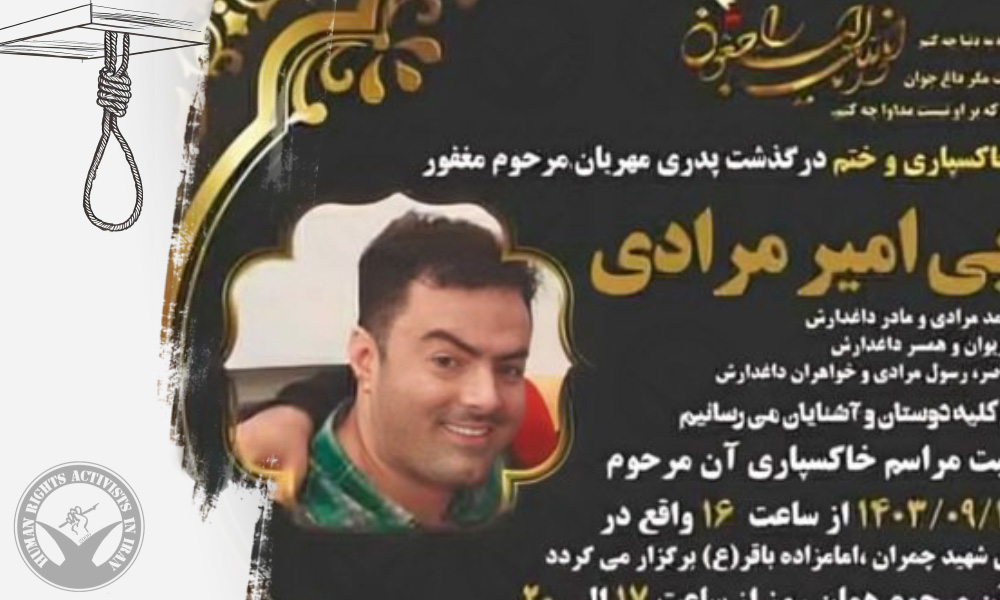
At dawn on Monday, August 19, two death-row prisoners, sentenced to death on charges related to drug offenses and murder, were executed in Zanjan Prison, as reported by Iran Human Rights Organization.

The prisoners have been identified as “Mehdi Piri, 31 years old, from Shirvan, and Mazaher Eyvazi, 35 years old, and the father of one child.”

According to the report, Mr. Piri was arrested about two years ago on charges related to drug offenses, and Mr. Ayouzi was arrested about three years ago on murder charges. Both were subsequently sentenced to death by judicial authorities.

As of the time of this report, the execution of these two prisoners has not been officially announced by prison authorities or relevant officials.
According to the Department of Statistics and Publication of Human Rights Activists in Iran, in 2023, at least 767 citizens, including 21 women and 2 juvenile offenders, were executed. Of these, the executions of 7 individuals were carried out in public. Additionally, during this period, 172 others were sentenced to death, with 5 of them sentenced to public execution. It is worth noting that during the same period, the initial death sentences of 49 other individuals were also upheld by the Supreme Court.

Two Prisoners Executed in Ghezel Hesar Prison, Karaj

On August 19, the execution of two prisoners, convicted of separate murder charges, was carried out in Ghezel Hesar Prison in Karaj.

HRANA has identified the two prisoners as Mohammad Karami-Zadeh and Esmaiel Jawadi. According to HRANA’s information, Karami-Zadeh was initially sentenced to death on drug-related charges, but his death sentence was overturned under Article 45. Subsequently, during a “conjugal visit” in prison, he murdered his wife, for which he was ultimately sentenced to death again on murder charges.

Esmail Jawadi, the other executed prisoner, had been sentenced to death for the murder of his friend, allegedly motivated by issues of honor.

As of the time of this report, the execution of these prisoners has not been officially announced by prison authorities or relevant officials.

According to data gathered by the Department of Statistics and Publication of Human Rights Activists, Ghezel Hesar Prison in Karaj witnessed the highest number of executions in 2023, with Zahedan Prison following closely behind. For a comprehensive examination of the details and statistics surrounding the executions in Iran, refer to HRANA’s report.

Eight Prisoners Executed in Yazd and Adelabad Prisons

Eight prisoners, previously sentenced to death for murder and drug-related charges, were executed  in Yazd and Adelabad prisons in Shiraz.

Haal Vsh reported that on Monday, August 19, 2024, five prisoners were executed in Yazd Prison. The identities of two of these prisoners, who were sentenced to death in a joint case for drug-related charges, have been reported as “Abdolrahman Damani (Gorgij), 34 years old, married, father of two, and Abdolraouf Shah-Bakhsh (Dahmardeh), 33 years old, married, father of two, both from Zahedan.”
According to the report, another prisoner was executed for drug-related charges, one Afghan national for murder, and one more prisoner for an unspecified charge.

A source familiar with the case stated: “Abdolrahman and Abdolraouf were arrested in a joint case in 2022 at the Khatam checkpoint in Yazd and later sentenced to death by the Revolutionary Court.”

Iran Human Rights Organization reporedted execution of three prisoners, previously convicted on drug-related and murder charges, win Adelabad Prison, Shiraz, on August 17.

The identities of these prisoners have been reported as “Heydar Arab, Yousef Kazemzadeh, and Ali Salimi.”

According to the report, “Salimi and Kazemzadeh were transferred from Pir-bano Prison in Shiraz to solitary confinement in Adelabad Prison for the execution. Salimi was arrested about two years ago on charges of transporting over 100 kilograms of heroin. Kazemzadeh was also arrested about four years ago on drug-related charges.”

The report adds: “Heydar Arab, the other executed prisoner, was arrested three years ago for committing murder during a street fight and was later sentenced to death by the judiciary.”

As of the time this report was prepared, the executions have not been officially announced by prison authorities or relevant institutions.

According to the Department of Statistics and Publication of Human Rights Activists in Iran, in 2023, at least 767 citizens, including 21 women and 2 juvenile offenders, were executed. Of these, the executions of 7 individuals were carried out in public. Additionally, during this period, 172 others were sentenced to death, with 5 of them sentenced to public execution. It is worth noting that during the same period, the initial death sentences of 49 other individuals were also upheld by the Supreme Court.

Two Prisoners Executed in Karaj and Gorgan

At dawn on Wednesday, August 14, the execution of two prisoners, previously sentenced to death on charges related to drug offenses and murder, was carried out in Gorgan Prison and the Central Prison of Karaj.

According to Iran Human Rights Organization, Elias Rezaie, approximately 40 years old was executed in Gorgan Prison. This prisoner had been previously arrested on drug-related charges and subsequently sentenced to death by the judiciary.

Additionally, on that day, the execution of another prisoner identified as Naser Shafiee, 37 years old, from Takab and residing in Tehran, was carried out in the Central Prison of Karaj. This prisoner had been arrested about four years ago on charges of murdering his wife and was subsequently sentenced to death.

As of the time of this report, the executions of these prisoners have not been officially announced by prison authorities or relevant institutions. In 2023, 66% of HRANA’s reports on executions lacked official announcements by judicial authorities and went unreported by media inside Iran, highlighting a troubling lack of transparency in due process.

According to the Department of Statistics and Publication of Human Rights Activists in Iran, in 2023, at least 767 citizens, including 21 women and 2 juvenile offenders, were executed. Of these, the executions of 7 individuals were carried out in public. Additionally, during this period, 172 others were sentenced to death, with 5 of them sentenced to public execution. It is worth noting that during the same period, the initial death sentences of 49 other individuals were also upheld by the Supreme Court.

Three Prisoners Executed in Ghezel Hesar Prison, Karaj

On August 14, 2024, the death sentences of three prisoners, convicted of drug-related charges, were carried out in Ghezel Hesar Prison, Karaj.

HRANA has identified two of the executed prisoners as Behrouz Vafaie and Ali Niazi. The third prisoner, whose identity has not yet been confirmed, was a Afghan national.

These prisoners had been arrested on drug-related charges and were later sentenced to death by the judiciary. They were transferred to solitary confinement on Monday in preparation for their executions.

As of the time this report was compiled, the executions have not been officially announced by prison authorities or relevant institutions.

According to data gathered by the Department of Statistics and Publication of Human Rights Activists, Ghezel Hesar Prison in Karaj witnessed the highest number of executions in 2023, with Zahedan Prison following closely behind. For a comprehensive examination of the details and statistics surrounding the executions in Iran, refer to HRANA’s report.

Subscribe to Our Newsletter

Now is definitely not the time to stop reading!

Two Prisoners Executed in Sabzevar Prison

Today, August 14, 2024, the death sentences of two prisoners convicted on drug-related charges were carried out in Sabzevar Prison.

HRANA has identified the prisoners as “Musa-Reza Ebrahimi, 24, and Reza Zardkoohi, 31.”
These individuals had been arrested on drug-related charges and were later sentenced to death by the judiciary. Mr. Ebrahimi was arrested approximately three years ago in connection with these charges and was subsequently transferred to Sabzevar Prison.

The prisoners were moved to solitary confinement yesterday in preparation for their executions.

As of the time of this report, the executions have not been officially announced by prison authorities or relevant institutions.

The reports from the Department of Statistics and Publication of Human Rights Activists for the year 2023 reveal a concerning prevalence of executions for drug offenses in Iran, constituting 56.4% of the total executions. For a comprehensive examination of the details and statistics surrounding the executions in Iran, refer to HRANA’s report.

Four Prisoners Executed in Tabriz Prison

According to Iran Human Rights Organization, the death sentences of four prisoners, including two Afghan nationals who had previously been convicted of murder, were carried out in Tabriz Prison

Two of these prisoners were Afghan nationals. The identities of the other two prisoners have been reported as “Mohammad Ansari Qeshlaq, 44, from Qeshlaq village in Tabriz, and Ali Mahdian, 32, from Hashtrood.”

They had been arrested on charges of murder and subsequently sentenced to death by the judiciary.

The report states that Ali Mahdian had been arrested three years ago on charges of premeditated murder following a financial dispute. Mohammad Ansari Qeshlaq had spent the last four years in this prison and was recently transferred from Ward 4 to solitary confinement in preparation for his execution.

As of the time this report was compiled, the executions have not been officially announced by prison authorities or relevant institutions.

Two Prisoners Executed in Bandar Abbas Prison

On Tuesday, August 13, 2024, two death-row prisoners convictied of charges related to drug offenses and murder were executed in Bandar Abbas Prison.

HRANA has identified these prisoners as “Abdollah Lashtghooni from Bandar Khamir and Hamed Mozaffari from Bandar Lengeh.”

Based on information received by HRANA, Mr. Lashtghooni had been sentenced to death for drug-related charges, while Mr. Mozaffari was sentenced to death for murder.

These prisoners were transferred to solitary confinement yesterday, along with a third prisoner, in preparation for the execution. The third prisoner, who was also sentenced to death for murder, was returned to the ward.

As of the time this report was compiled, the execution of these prisoners has not been officially announced by prison authorities or relevant institutions.

According to the Department of Statistics and Publication of Human Rights Activists in Iran, in 2023, at least 767 citizens, including 21 women and 2 juvenile offenders, were executed. Of these, the executions of 7 individuals were carried out in public. Additionally, during this period, 172 others were sentenced to death, with 5 of them sentenced to public execution. It is worth noting that during the same period, the initial death sentences of 49 other individuals were also upheld by the Supreme Court.

Prisoner Executed in Kerman Prison for Drug Offenses

On Tuesday, August 13, the execution of a prisoner previously sentenced to death on drug-related charges was carried out in Kerman Prison, according to Haal Vsh.

The prisoner has been identified as “Farajollah Khashi (Jamalzahi), 47 years old, from and residing in Khash, married and father of six children.”

According to a source, Mr. Khashi was arrested in 2022 on drug-related charges in Kerman. He was later sentenced to death. However, while his case was still under review by the Pardon and Clemency Commission of Kerman Province, the execution was carried out.

Khashi had been transferred to solitary confinement on Sunday, August 11, to await his execution. Yesterday, he had his final meeting with his family through a glass partition.

As of the time of this report, the execution has not been officially announced by prison authorities or relevant organizations.

The reports from the Department of Statistics and Publication of Human Rights Activists for the year 2023 reveal a concerning prevalence of executions for drug offenses in Iran, constituting 56.4% of the total executions. For a comprehensive examination of the details and statistics surrounding the executions in Iran, refer to HRANA’s report.

Continued Hunger Strike: Latest Update on Manouchehr Fallah in Lakan Prison, Rasht

Despite his deteriorating physical condition, political prisoner Manouchehr Fallah continues his hunger strike in Lakan Prison, Rasht.

A source close to Fallah’s family confirmed this news to HRANA, stating, “Manouchehr Fallah, who is on hunger strike, is suffering from low blood pressure of 7 over 5, fatigue, and cold hands and feet. The prison authorities have not only ignored his demands, but the case judge announced yesterday that his case, under controlt of the criminal court, must be reviewed again by the prosecution office.”

The source added, “Fallah’s sentence related to the Revolutionary Court case was completed in May of this year, but another part of his case is still under review. On Tuesday, Javad Pour Sajedi, the investigator in charge of his case and the investigator of Branch 16 of the Revolutionary Court, asked him to end his hunger strike, but he refused. On the same day, Manouchehr received a notice stating that his temporary release could be granted if he posts a 5 billion toman bail. Manouchehr subsequently wrote a letter requesting the reconsideration of the bail amount, but he has not received a response due to obstruction by the case investigator.”
It is worth noting that five other political prisoners in this prison, identified as Issa Chulandim, Jamshid Azizi, Hooman Taheri, Sasan Khanzadeh, and Mohammad Miri, have announced in a letter that they joined Manouchehr Fallah’s hunger strike on Sunday, August 11.

Fallah was arrested by security forces at Rasht Airport in June 2022 and was eventually transferred to Lakan Prison in this city.

In December 2023, Branch 3 of the Revolutionary Court in Rasht sentenced him to one year, three months, and one day of imprisonment for “insulting the Supreme Leader” and seven months and sixteen days for “propaganda against the regime.”

Manouchehr Fallah, a tattoo artist, resided in Kish before his arrest.