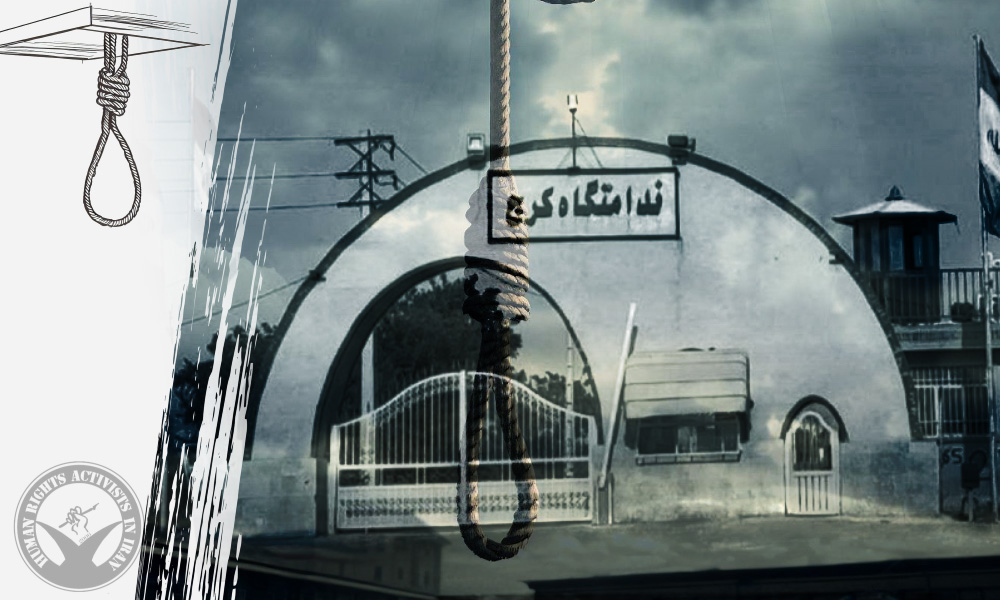
Two Inmates Executed in Ilam Prison

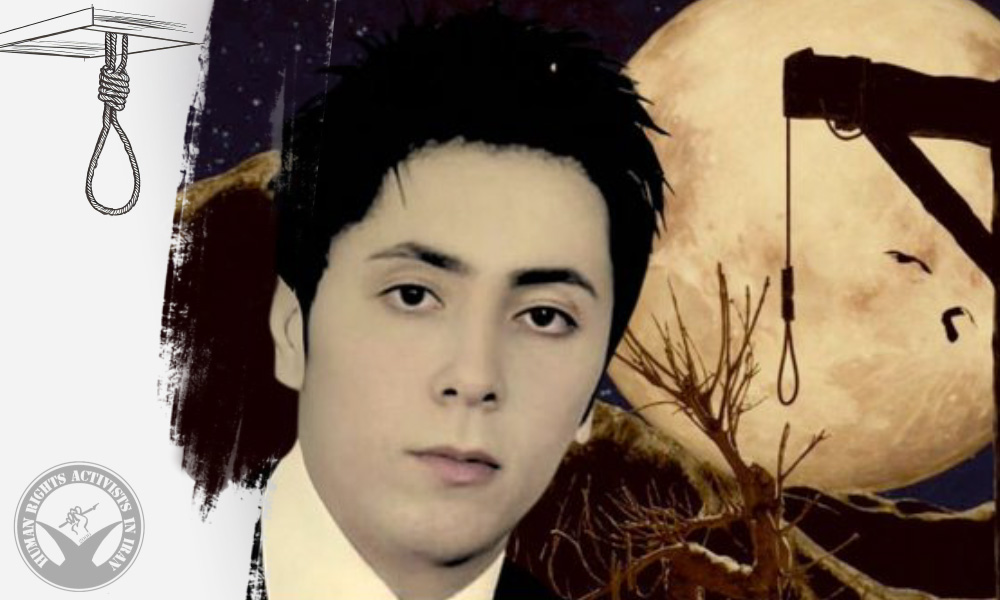
On May 14, 2024, two inmates convicted of murder were executed in Ilam Prison, as reported by Kurdpa.

The executed inmates have been identified as Reza Gholamhosseini and Farrokh Khan-Mohammadi, both from Ilam County in Ilam Province. Gholamhosseini was arrested and accused of murder last year, while Khan-Mohammadi’s arrest and conviction date back to 14 years ago.

No official sources or domestic media outlets within the country have provided coverage of these executions at the time of writing.

In 2023, the Department of Statistics and Publication of Human Rights Activists in Iran registered the execution of 767 individuals. Out of these, 7 were carried out in public. Among the executed individuals whose genders were identified, 21 were female. Additionally, 2 juvenile offenders, defined as individuals under the age of 18 at the time of their alleged crimes, were also executed. For a comprehensive examination of the details and statistics surrounding the executions in Iran, refer to HRANA’s annual report.

Execution of Four Death-Row Inmates Along with Khosrow Besharat

On May 15, 2024, along with Sunni prisoner Khosrow Besharat, four other inmates convicted of murder and drug offenses, were executed in Ghezel Hesar Prison, Karaj.

The inmates have been identified by HRANA as Mohammad-Reza Rahimpour, Sirus Hayatbini, Mohammad-Karim Fazeli, and an unidentified Afghan national. The first three were convicted of drug-related crimes, while the Afghan national was sentenced to death for murder.

No official sources or domestic media outlets within the country have provided coverage of these executions at the time of writing.

In 2023, the Department of Statistics and Publication of Human Rights Activists in Iran registered the execution of 767 individuals. Out of these, 7 were carried out in public. Among the executed individuals whose genders were identified, 21 were female. Additionally, 2 juvenile offenders, defined as individuals under the age of 18 at the time of their alleged crimes, were also executed. For a comprehensive examination of the details and statistics surrounding the executions in Iran, refer to HRANA’s annual report.

Sunni Death-Row Prisoner Khosrow Besharat Executed in Ghezel Hesar

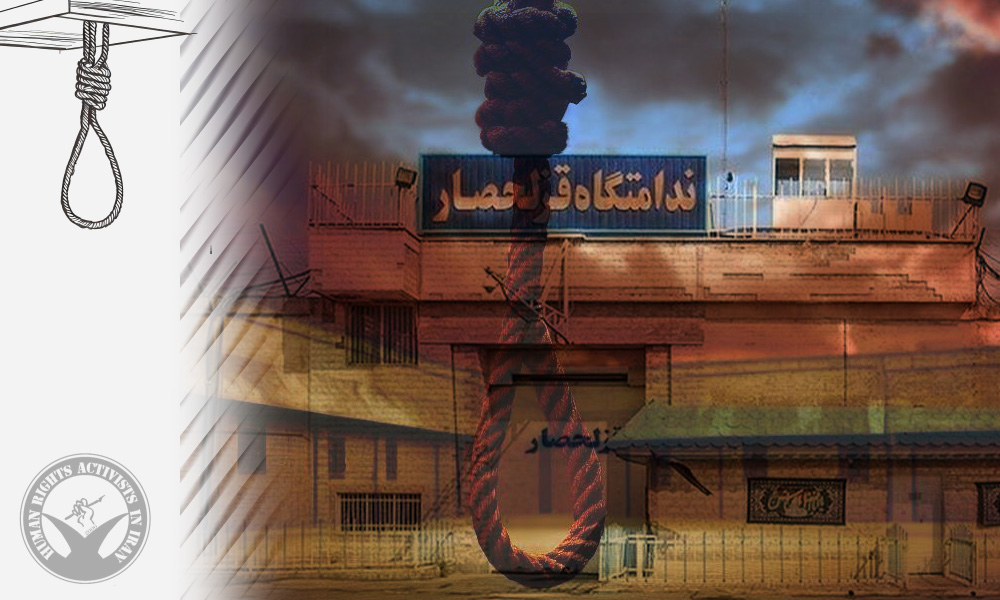
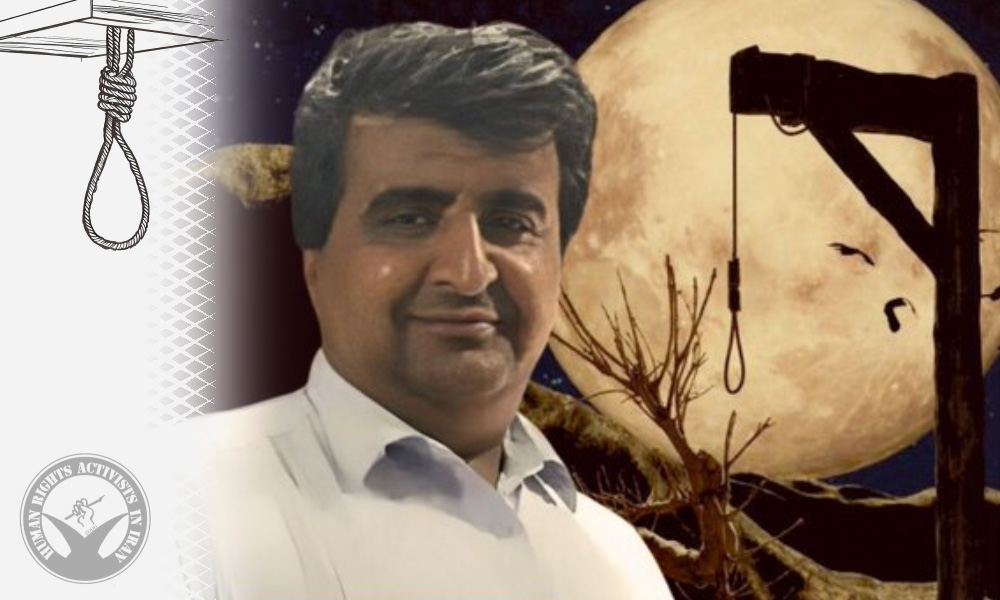
On May 15, 2024, Sunni prisoner Khosrow Besharat was executed in Ghezel Hesar Prison in Karaj after enduring over 14 years of imprisonment.

As reported by HRANA earlier, he was moved to solitary confinement 14 days ago to await his execution. On May 13, he had his final family visit.

In the same legal case, Ghasem Abasteh, Ayoub Karimi, Davoud Abdollahi, Farhad Salimi, and Anvar Khezri were also executed in the same prison. Khezri was executed today, May 15, 2024.

The case stems from the assassination of Abdolrahim Tina, the Imam of a mosque in Mahabad, in September 2008. In January and February 2010, Besharat and six other Sunni suspects were arrested in connection with the killing.

Initially sentenced to death by Branch 28 of the Tehran Revolutionary Court, presided over by Mohammad Moghiseh, Besharat’s sentence was initially overturned by the Supreme Court. The case was then reassigned to Branch 15 of the same court, presided over by Judge Salavati, who reinstated the death sentences for Besharat and six other defendants. The Supreme Court ultimately upheld their death sentences on February 3, 2020.

Four Convicts Executed at Dastgerd Prison in Isfahan

On May 12, 2024, Dastgerd Prison in Isfahan was the site of the execution of four inmates, all convicted of a murder committed a decade ago.

According to the Human Rights Activists News Agency (HRANA), the individuals executed were Masoud Estaki, Jafar Hosseinzadeh, Majid Rezaie, and Mostafa Ahgh-Mohammadi.

These men, along with Ghasem Salehi, were involved in a group altercation that resulted in the death of an individual identified only by the initials Sh.K. They were collectively sentenced to death in the ensuing legal proceedings. However, Ghasem Salehi was able to avoid execution by agreeing to pay 5 billion tomans in blood money to the family of the deceased.

No official sources or domestic media outlets within the country have provided coverage of these executions at the time of writing. In 2023, 66% of HRANA’s reports on executions lacked official announcements by judicial authorities and went unreported by media inside Iran, highlighting a troubling lack of transparency in due process.

In 2023, the Department of Statistics and Publication of Human Rights Activists in Iran registered the execution of 767 individuals. Out of these, 7 were carried out in public. Among the executed individuals whose genders were identified, 21 were female. Additionally, 2 juvenile offenders, defined as individuals under the age of 18 at the time of their alleged crimes, were also executed. For a comprehensive examination of the details and statistics surrounding the executions in Iran, refer to HRANA’s annual report.

Four Inmates Executed at Urmia Prison for Drug Offenses

On May 9, 2024, four inmates were executed at Urmia Prison, as reported by HRANA.

The executed individuals were identified as Hassan Choopani from Piranshahr, Taher Abdolali, Hassan Arabi, a father of two, and Abdollah Hassanzadeh.

These inmates had been convicted on charges of drug offenses. Two days prior to their execution, they were transferred to solitary confinement in preparation for their sentences being carried out.

No official sources or domestic media outlets within the country have provided coverage of these executions at the time of writing. In 2023, 66% of HRANA’s reports on executions lacked official announcements by judicial authorities and went unreported by media inside Iran, highlighting a troubling lack of transparency in due process.

The reports from the Department of Statistics and Publication of Human Rights Activists for the year 2023 reveal a concerning prevalence of executions for drug offenses in Iran, constituting 56.4% of the total executions. For a comprehensive examination of the details and statistics surrounding the executions in Iran, refer to HRANA’s report.


Subscribe to Our Newsletter

Now is definitely not the time to stop reading!

Execution in Tabriz for Drug-Related Convictions

On May 7, 2024, an individual identified as Hassan Moharrer was executed in Tabriz Prison for drug-related offenses.

Moharrer had previously been convicted by the Revolutionary Court on charges related to narcotics.

No official sources or domestic media outlets within the country have provided coverage of this execution at the time of writing.

The reports from the Department of Statistics and Publication of Human Rights Activists for the year 2023 reveal a concerning prevalence of executions for drug offenses in Iran, constituting 56.4% of the total executions. For a comprehensive examination of the details and statistics surrounding the executions in Iran, refer to HRANA’s report.

Three Executed for Drug-Related Offenses in Kerman Prison

On May 8, 2024, three inmates, including one woman, were executed in Kerman Prison for drug-related crimes.

HRANA identified the executed individuals as Fariba Mohammad-Zahi (Mohammadi Zaei), aged 33, Abdollah Ozbakzahi, and Khalilollah Brahui (Barahooie). All three had been previously convicted on drug charges.

No official sources or domestic media outlets within the country have provided coverage of these executions at the time of writing.

The reports from the Department of Statistics and Publication of Human Rights Activists for the year 2023 reveal a concerning prevalence of executions for drug offenses in Iran, constituting 56.4% of the total executions. For a comprehensive examination of the details and statistics surrounding the executions in Iran, refer to HRANA’s report


Unresolved Tragedy: The Hidden Graves of Iran’s Executed Activists

On May 9, 2010, Farzad Kamangar, a dedicated teacher and human rights activist, was executed alongside four fellow political prisoners—Ali Heydarian, Shirin Alam Hooli, Farhad Vakili, and Mehdi Eslamian—following a highly flawed judicial process. The executions, conducted secretly in a prison parking lot, proceeded without prior notification to their lawyers or families.

Fourteen years after these executions, the burial sites of the deceased remain undisclosed. The trials and executions faced widespread international condemnation, highlighting severe violations of legal rights, including arbitrary arrests, prolonged solitary confinement, lack of legal representation, and physical and mental torture—particularly noted in the detention facilities of Sanandaj and Kermanshah operated by the Ministry of Intelligence. Most disturbingly, at least three of the prisoners, Kamangar, Vakili, and Heydarian, were reportedly sentenced for Moharebeh (enmity against God) in a cursory seven-minute court session.

Kamangar’s lawyer has openly criticized the judiciary for its politicization, stating that the court disregarded their arguments and asserting his client’s innocence. Despite ongoing appeals from human rights organizations, Iranian authorities continue to withhold information on the locations of the graves, refusing to return the bodies to their families.

In memory of Farzad Kamangar and to honor his legacy, several teachers’ unions have marked May 9, coinciding with Teacher’s Week in Iran, as a day to celebrate the “free-minded teacher,” commemorating his commitment to education and human rights.

Four Death-Row Inmates Facing Imminent Execution for Drug Offenses in Urmia Prison

Today, May 7, 2024, officials at Urmia Prison moved four inmates, all convicted on drug-related charges, into solitary confinement, signaling that their executions may be imminent. Efforts are underway by HRANA to confirm their identities.

Additionally, two death-row inmates at Ghezel Hesar Prison in Karaj, sentenced for murder and drug-related offenses, have been similarly placed in solitary confinement.

According to HRANA, in 2023, approximately 66% of execution reports were neither officially announced by judicial authorities nor covered by domestic media in Iran, underscoring a significant transparency issue in the judicial process.

Mahmood Mehrabi, a Political Prisoner, Receives Death Sentence

Mahmood (Mahmoud) Mehrabi has been sentenced to death by the Revolutionary Court in Isfahan on charges of “spreading corruption on earth.” He is currently held at Dastgerd Prison in Isfahan.

Babak Eslami Farsani, Mehrabi’s legal representative, relayed that Branch 5 of the Isfahan Revolutionary Court issued the death sentence. Farsani highlighted that they were only informed of the decision at court, with no written verdict provided. He expressed hope that the Supreme Court would address the perceived shortcomings in the ruling. The court justified the sentence by accusing Mehrabi of “widespread dissemination of false information on Instagram.”

Mehrabi was first detained by security forces on February 1, 2023, in Isfahan, and was temporarily released on bail on March 16, 2023, only to be rearrested at his home shortly after.

In September 2023, Mehrabi faced a series of additional charges, including propaganda against the regime, incitement of police and military forces to disobedience, incitement to war, crimes against national security, and insulting the founder and Supreme Leader of the Islamic Republic of Iran.

In January of this year, he was further charged with publishing confidential information and committing acts of blasphemy, including insulting Shia Imams.

Mehrabi has a history of arrests and convictions linked to his activism.