Supreme Court Rejects Retrial Plea for Death-Row Inmate Abbas Deris

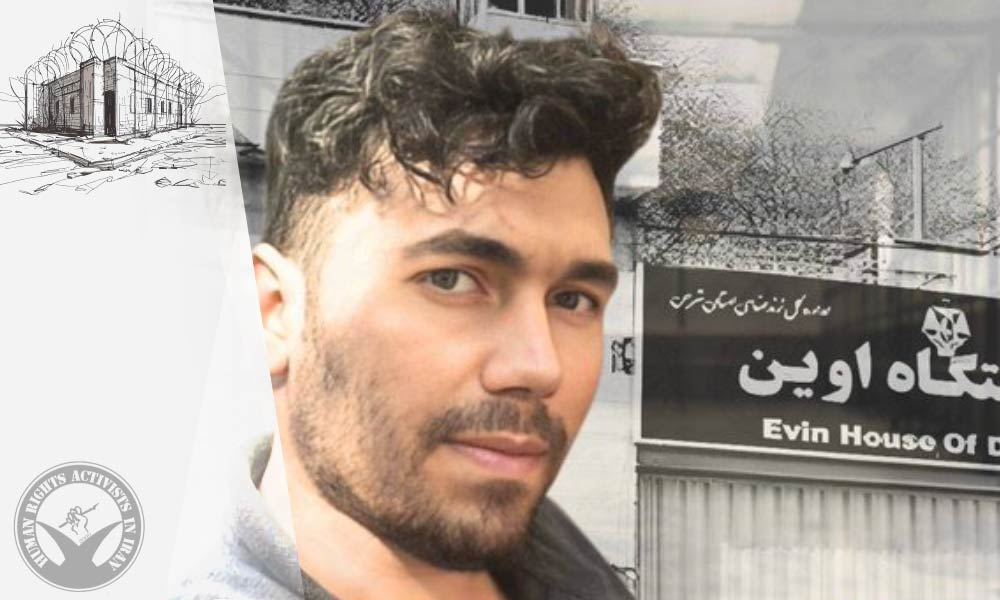
The Supreme Court has dismissed Abbas Deris’s plea for a retrial. Deris, arrested during the 2019 nationwide protests (Aban Protests), faced a death sentence, with his arrest linked to charges of “enmity against God (Moharebeh).”

Despite significant flaws in the legal case and the initial verdict, the Supreme Court of Iran rejected the retrial request, as confirmed by Deris’s lawyer, Fereshteh Tabanian. The legal team has now invoked Article 477 of Iran’s Criminal Procedure Code, which allows for a retrial if a final verdict is deemed inconsistent with Islamic law.

Having initially filed the retrial request in July 2023 to Branch 9 of the Supreme Court, Deris saw a temporary suspension of the verdict. However, in the subsequent month, Tabanian announced that Branch 39 of the Supreme Court upheld the death sentence, disregarding the acknowledged flaws in the case.

Abbas Deris, currently incarcerated at Mahshahr Prison, was accused of firing shots at security forces during the protests, leading to the death of Police Captain Reza Sayyadi. His coerced confession during interrogation by the IRGC was later broadcast by Iran-state TV. However, during the trial, Deris admitted to participating in the protests but denied any involvement in shooting at security forces.

It is noteworthy that Deris’s brother, also a co-defendant, was acquitted of all charges. Both were arrested on December 8, 2019. Abbas Deris, aged approximately 49, is a father of three children.

Background on Aban Protests:

In November 2019, a surge in fuel prices triggered widespread protests across numerous cities in Iran. The Parliamentary National Security and Foreign Policy Commission reported 7,000 arrests during these protests. Human rights organizations documented hundreds of deaths at the hands of the security apparatus.


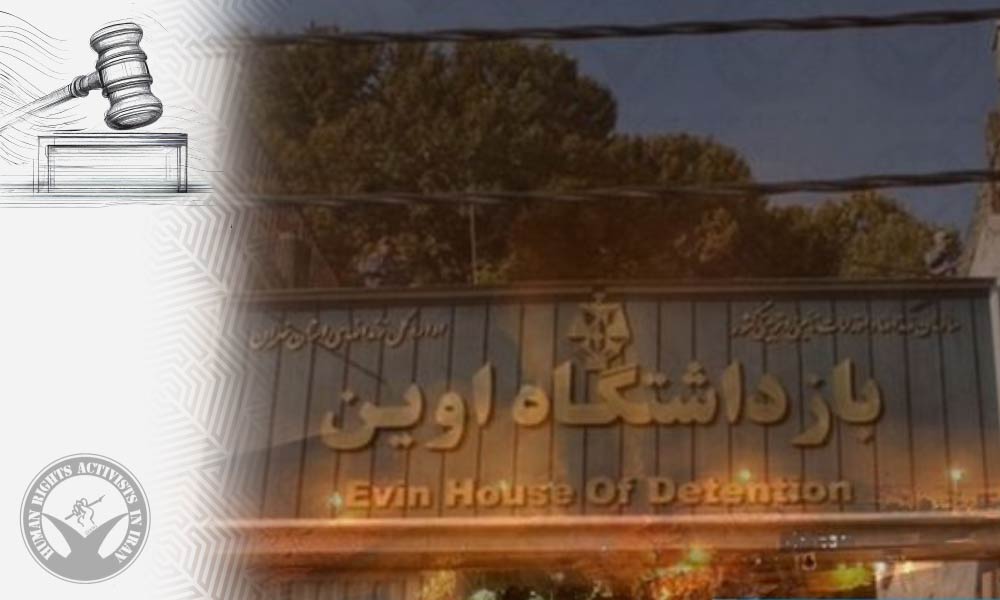
Concerns Rise as Khaled Pirzadeh Hospitalized in Evin Prison

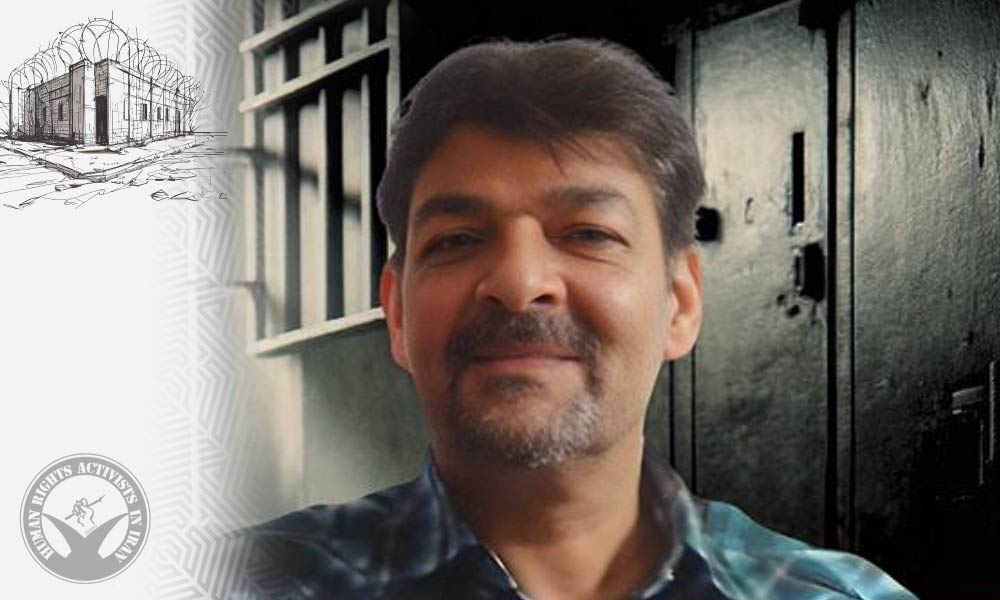
Political prisoner Khaled Pirzadeh has been hospitalized since January 19, 2024, due to a deteriorating health condition.

A reliable source close to Pirzadeh’s family confirmed the news, stating, “Last week, Pirzadeh was admitted to Loghman Hospital in Tehran due to heart arrhythmia. He is currently in the ICU with a bound chain on his ankle.”

Earlier this year, Pirzadeh was sentenced to five years and eight months in prison by Branch 26 of the Revolutionary Court for “assembly and collusion against national security” and an additional eight months for “propaganda against the regime.”

In September 2023, security forces arrested Pirzadeh in Ahvaz, and he was subsequently transferred to Ward 209 of Evin Prison in Tehran. On October 15, he was moved to Ward 6 within the same prison.

It is noteworthy that Pirzadeh has a history of previous arrests and convictions related to his activism.

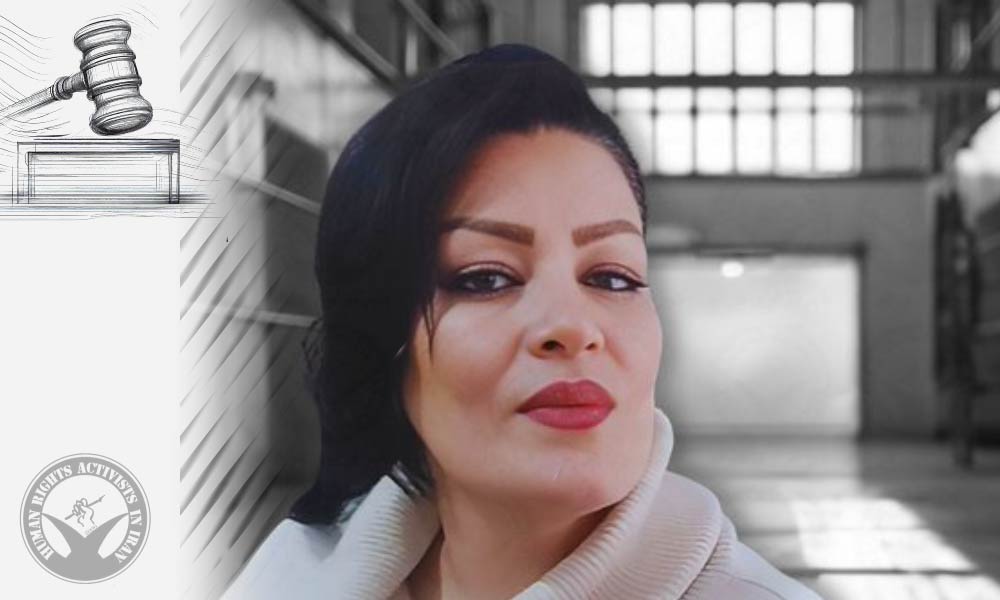
Narges Mohammadi Faces Additional Penalties While Incarcerated

Renowned human rights activist Narges Mohammadi has recently been handed down a sentence of imprisonment, exile, travel restrictions, and additional penalties by the Tehran Revolutionary Court.

Presided over by Judge Iman Afshari, Branch 26 of the Tehran Revolutionary Court imposed a 15-month prison term on Mohammadi for “propaganda against the regime.” Additionally, she received a two-year ban on residing in Tehran and neighboring provinces, a two-year travel restriction, a two-year prohibition from joining political/civil groups, and limitations on smartphone usage for the same duration.

The verdict was issued on December 19, 2023, during an in-absentia court session prompted by a complaint from the Ministry of Intelligence, according to Mrs. Mohammadi’s social media page.

Currently incarcerated in Evin Prison, Mohammadi continues to face additional penalties for her activism.

In October 2020, she was released from Zanjan Prison after enduring approximately five and a half years of imprisonment. However, her ordeal persisted as she faced another legal case, culminating in a sentence of 30 months of imprisonment, 80 lashes, and two fines.

On November 16, 2021, Mohammadi was arrested once again during a commemorative event honoring Ebrahim Ketabdar, who had lost his life during the November 2019 protests in Karaj. Subsequently, Branch 26 of the Tehran Revolutionary Court handed down a staggering eight-year prison sentence, accompanied by seventy-four lashes, two years of exile, and various social restrictions.

Adding to her ordeal, Mohammadi received an additional one-year prison sentence in early August, stemming from a new case initiated during her incarceration.

Female Journalists Elahe Mohammadi and Niloofar Hamedi Released from Evin Prison

Journalists Elahe Mohammadi and Niloofar Hamedi were granted release on bail from Evin Prison on January 14, 2024. They were detained for reporting on news surrounding the tragic death of Mahsa Amini.

Elnaz Mohammadi disclosed that her sister secured bail with 10 billion tomans, equivalent to approximately 200,000 dollars.

Hamedi, a correspondent for the daily newspaper Shargh, was apprehended at her residence in Tehran by security forces on September 22, 2022. She gained notoriety for being the first journalist to publish a photograph of Mahsa Amini in a coma. In December 2022, she was transferred to Qarchak Prison in Varamin.

Mohammadi, a reporter for the daily newspaper Ham-Mihan, faced arrest on September 29, 2022, following her coverage of the funeral of Mahsa Amini in Saqqez.

Following their arrests, Hamedi and Mohammadi were handed down sentences of 13 and 12 years, respectively, by the Tehran Revolutionary Court. Moreover, both journalists were prohibited from affiliating with political parties and groups, as well as engaging in journalism across media and the Internet.

Political Prisoner Manoochehr Bakhtiari Faces Extended Incarceration and Corporal Punishment

Manoochehr Bakhtiari, a political prisoner held in Qazvin Prison, has recently been handed an additional 18-year prison term and 74 lashes as part of a legal case initiated against him while in prison.

Presiding over Branch 1 of the Karaj Revolutionary Court, Judge Seyyed Mousavi Asef-Al-Hosseini sentenced Bakhtiari to ten years for “assembly and collusion to act against national security, and forming and running groups on the Internet to disturb national security.” Additionally, he received five years for “collaboration with anti-regime groups,” two years for “propaganda against the regime and disturbing public opinions,” and one year along with 74 lashes for “disseminating false information.”

Bakhtiari conveyed this latest sentence to his family in a phone call on January 9, as reported by his wife, Sara Abbasi.

On November 1, 2023, Bakhtiari was also handed an additional six-month prison term for “insulting the Supreme Leader of Iran.”

Currently serving a three-year, six-month sentence in Qazvin Prison, Bakhtiari’s wife has raised concerns about his health, citing multiple ailments, and alleges that he is being denied access to medical treatment and furlough. She explained, “He endured a toothache for four months with infections spreading to his ears and eyes. Prison officials delayed his dispatch to a dentist every day until he had to extract his upper row teeth to alleviate the pain.”

Bakhtiari’s legal troubles began on April 29, 2021, when security forces forcibly arrested him at his residence in Tehran. Subsequently, the Revolutionary Court sentenced him to three years and six months in prison, along with a two-year, six-month exile and a two-year travel ban. Bakhtiari began serving this sentence in July 2021.

In a tragic and interconnected series of events, Bakhtiari’s son, Pouya, at the age of 27, was fatally shot by regime forces during the 2019 protests, also known as the Aban Protests, in Karaj. According to his sister and mother, Pouya succumbed to his injuries in the hospital after being shot in the head during the second day of the protest’s eruption.

Subscribe to Our Newsletter

Now is definitely not the time to stop reading!

Update on Fatemeh Sepehri’s Health in Vakilabad Prison

In an open letter addressed to the head of the Judiciary on Thursday, January 4, Khosrow Alikurdi appealed for the release of his client, Fatemeh Sepehri, a political prisoner currently held in Vakilabad Prison. Alikurdi expressed deep concern about Sepehri’s deteriorating health, emphasizing the denial of access to proper medical care.

Alikurdi’s letter detailed, “The use of medications to regulate her high heart rate has led to multiple physical and mental issues, including extended periods of unintentional sleep and depression.” The lawyer urged an end to Sepehri’s imprisonment, advocating for her release to receive essential medical treatment.

Sepehri’s brother, Asghar Sepehri, had previously voiced concerns regarding the inadequate medical care provided to his sister in prison. Despite being granted a one-week medical furlough in October 2023, Sepehri was re-arrested by security forces at her residence on the third day, interrupting her medical treatment.

Imprisoned since September 21, 2023, in Vakilabad Prison in Mashhad, Sepehri received ten years for “collaboration with hostile foreign governments,” five years for “assembly and collusion against national security,” two years for “insulting the Supreme Leader of Iran” and one year for “propaganda against the regime.” The ten-year sentence was enforced based on Article 134 of the Islamic Penal Code, following an unsuccessful appeal.

Additionally, Sepehri faced convictions from the Mashhad Criminal Court for “disseminating false information to disturb public opinion on the Internet and having interviews with foreign media,” resulting in one year of imprisonment and a fine.

Sepehri, known for her role as one of the signatories of a letter demanding Ali Khamenei’s resignation, has previously experienced arrests and convictions on similar grounds. The plea for her release is grounded in the urgency of addressing her declining health and securing appropriate medical attention.

Four Alleged Spies Executed in Urmia Prison Amidst Iran-Israel Tensions

On December 29, 2023, against the backdrop of heightened tensions between Iran and Israel, Aran Omari, Rahman Parhazoo, Vafa Henareh, and Nasim Namazi were executed in Urmia Prison on charges of espionage for Israel.

The individuals, including Mansour Rasouli, received death sentences as part of a contentious legal case known as “interrogating Mansour Rasouli.” Yesterday, HRANA reported their relocation to solitary confinement the day before, heightening concerns about their impending execution. In an unexpected turn of events, Rasouli was returned to prison, reportedly due to a significant development in his legal case.

In October 2021, these five individuals, along with three others, were apprehended and interrogated on charges of espionage. Subsequently, in February-March 2022, they were incarcerated in Urmia Prison, receiving death sentences for their alleged “intelligence collaboration with Israel.”

In May 2022, media outlets released a video featuring a man claiming to be an IRGC member, interrogated by Israeli forces within Iran, confessing to planning an attack on Israel. Later, the same individual, Mansour Rasouli, retracted his confession, stating he was a farmer abducted and coerced into making false statements. Three weeks later, the IRGC announced the arrest of several individuals allegedly collaborating with Israel and engaging in kidnappings to extract fabricated confessions.

An informed source disclosed to HRANA that Rasouli had been a former IRGC member, paid to record voice and video files for use against other defendants. Rasouli was arrested after obtaining confessions from other defendants in this case.

Concerns Mount as Five Individuals Convicted of Espionage Are on the Verge of Imminent Execution in Urmia

Urmia, December 28 – Mansour Rasouli, Aran Omari, Rahman Parhazoo, Vafa Henareh, and Nasim Namazi, all on death row for espionage, have been transferred to solitary confinement, causing deep distress among their families who fear their impending executions.

In October 2021, these five individuals, along with three others, were apprehended and subjected to interrogation on charges of espionage. Subsequently, in February-March 2022, they were incarcerated in Urmia Prison and later received death sentences for their alleged “intelligence collaboration with Israel.”

In May 2022, media outlets released a video featuring a man, purportedly an IRGC member interrogated by Israeli forces within Iran, confessing to planning an attack on Israel. Subsequently, the same individual, Mansour Rasouli, retracted his confession, asserting that he was a farmer abducted and coerced into making false statements. Three weeks later, the IRGC announced the arrest of several people allegedly collaborating with Israel and engaging in kidnappings to extract fabricated confessions.

Given the recent escalation of tension in the region and the Iranian regime’s historical use of the judicial system for political purposes, coupled with uncertainties surrounding the process of their detention and trial, the relocation of these individuals to solitary confinement raises concerns about the imminent execution of the sentences.

Sajjad Zare Receives Ten Years and Six Months Sentence

Shiraz’s Revolutionary Court has issued a ten-year, six-month sentence to Sajjad Zare, a former political prisoner.

Judge Mahmoud Sadati presided over the recent ruling, sentencing Zare to seven years and six months for “assembly and collusion against national security” and three years of imprisonment with an additional two years of exile in Yazd province for “insulting the Supreme Court of Iran.”

A source close to Zare’s family informed HRANA that the verdict is notably harsh for the charges, given Zare’s previous conviction. Due to his prior record, the court applied half of the severest prison term for each count.

Sajjad Zare was apprehended by the Ministry of Intelligence on September 16, 2023, at his residence, and initially held at House No 100 detention facility before being transferred to Adelabad Prison in Shiraz.

Zare has a history of arrests and convictions. He was released from Adelabad Prison on October 4, 2021, after completing a sentence. However, on November 14 of the following year, he was arrested again, only to be released later under the “general pardon and commutation” directive.

Civil Rights Advocate Mohammad Abolhassani Faces Imprisonment and Flogging

Mohammad Abolhassani, a civil rights advocate currently incarcerated in Choobindar Prison, has been handed a sentence of three months and 12 lashes for additional charges incurred during his imprisonment. The prison term has been converted to a monetary fine.

The sentence was imposed on Abolhassani under the allegation of “disturbing public order.”

Presently serving his sentence at Choobindar Prison in Qazvin, Abolhassani is housed among inmates convicted of violent crimes, contrary to prison regulations. Moreover, he has been subjected to limitations when making phone calls, including the mandatory presence of prison guards during these conversations.

In January 2021, Abolhassani while serving his sentence for a previous legal case, was sentenced to 15 months in prison by the Tehran Revolutionary Court for “propaganda against the regime.” In addition to the prison term, he was assigned four hours of penal labor per day for four months. This ruling was subsequently upheld on appeal.

On January 1, 2022, Abolhassani was transferred to Evin Prison to commence his sentence.
In October 2022, he found himself facing further legal actions, resulting in an additional four-year imprisonment term.
On February 6, 2023, he was violently relocated from Evin Prison to Choobindar Prison in Qazvin.