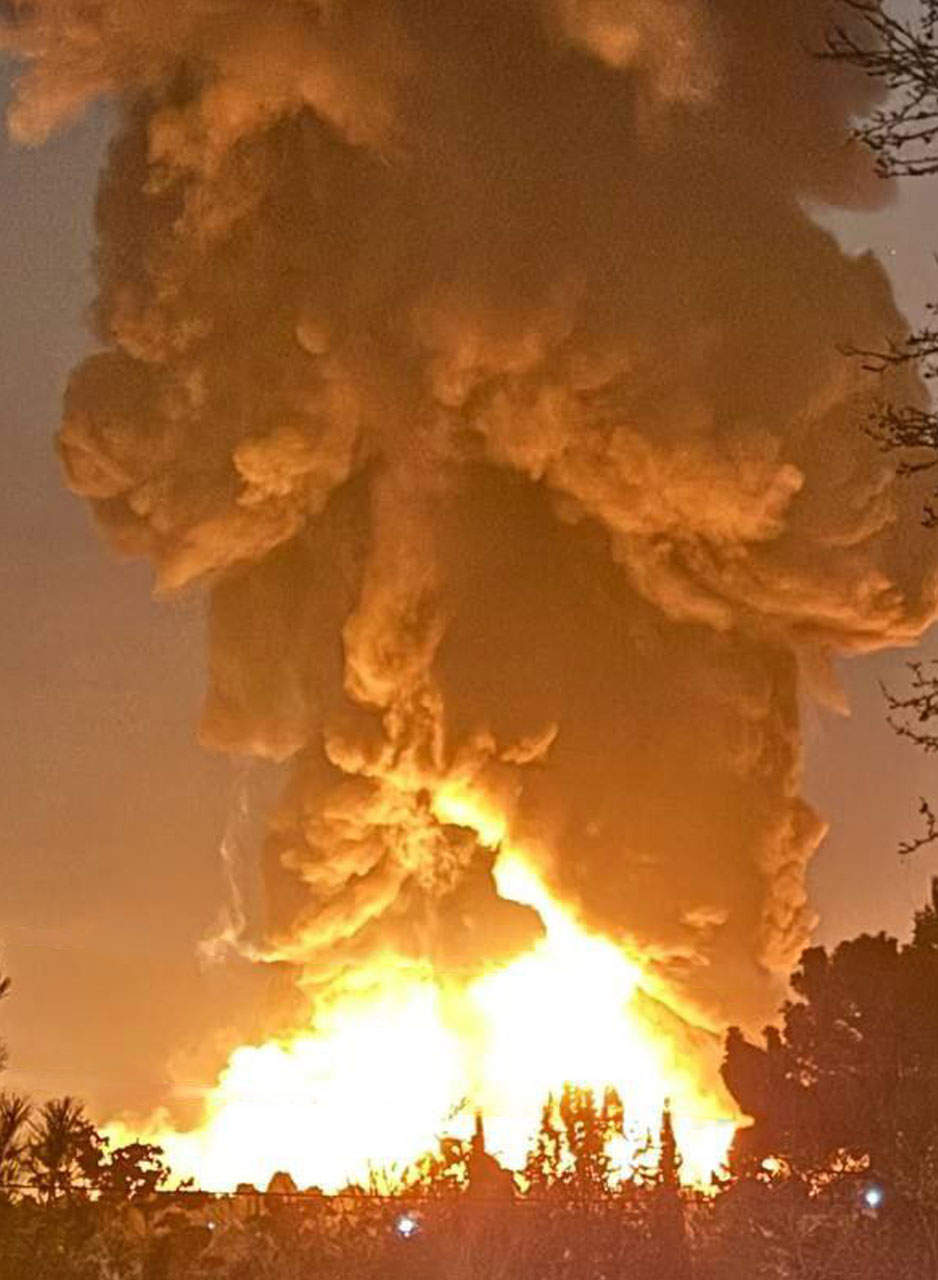
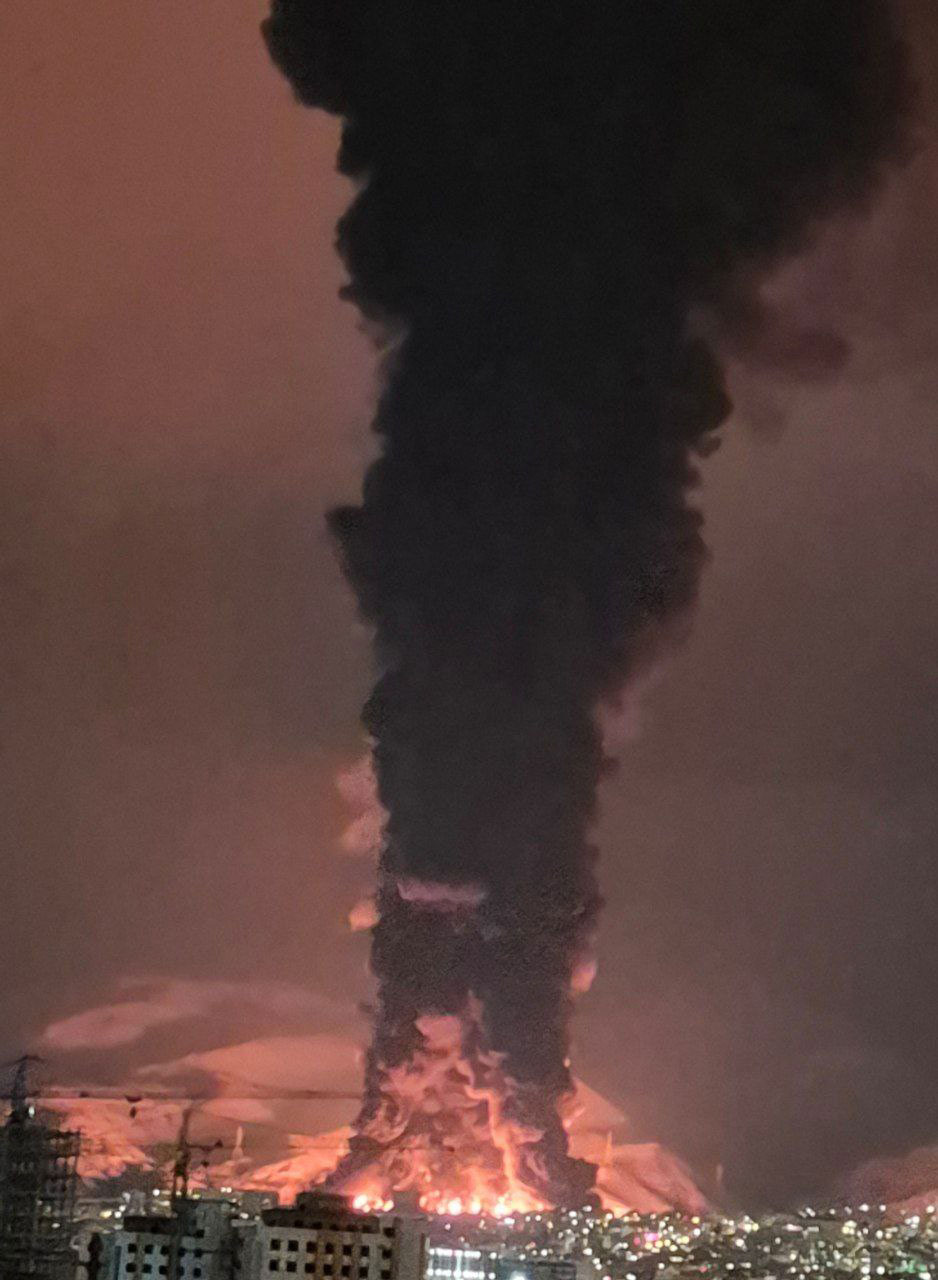
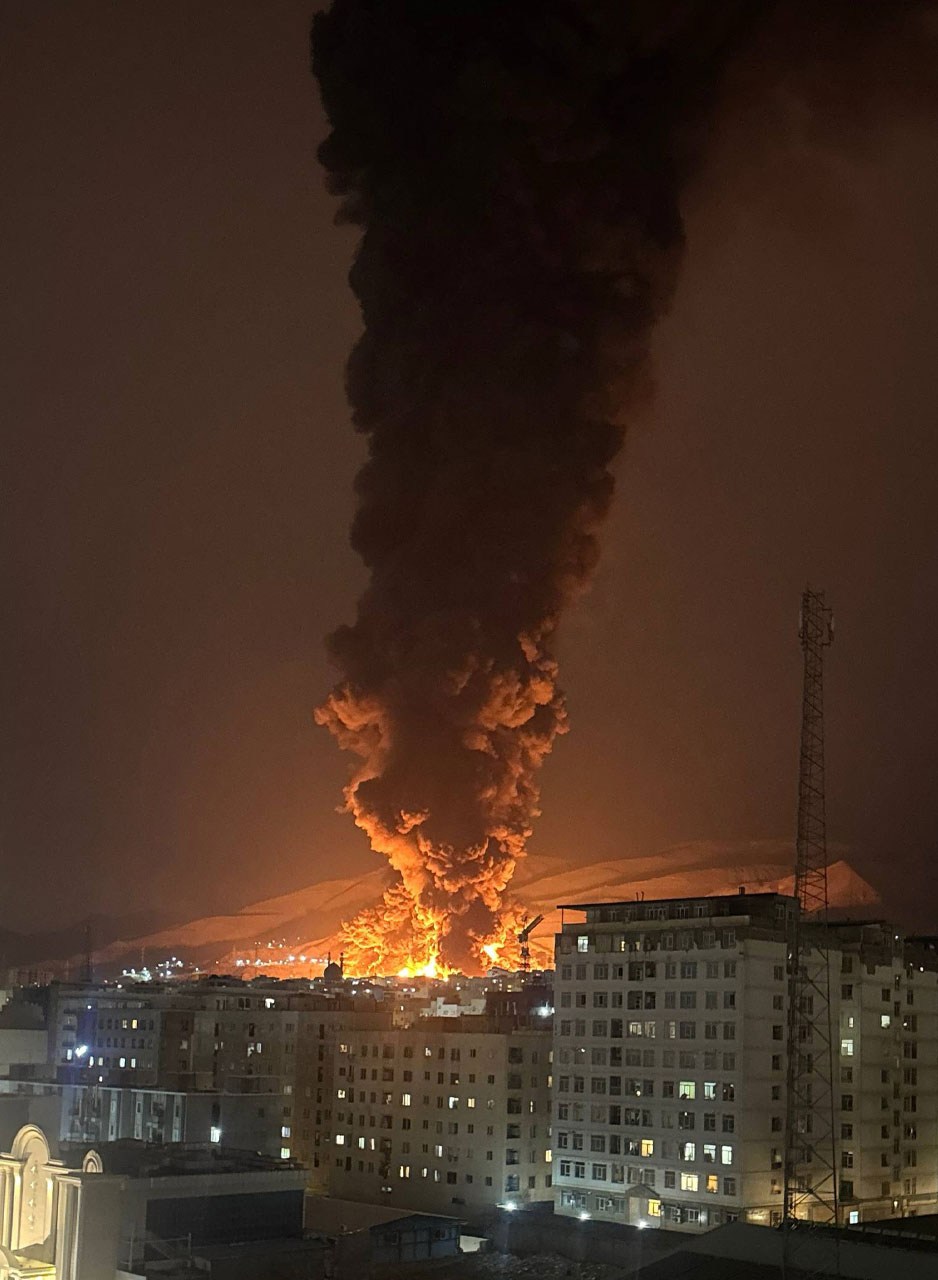
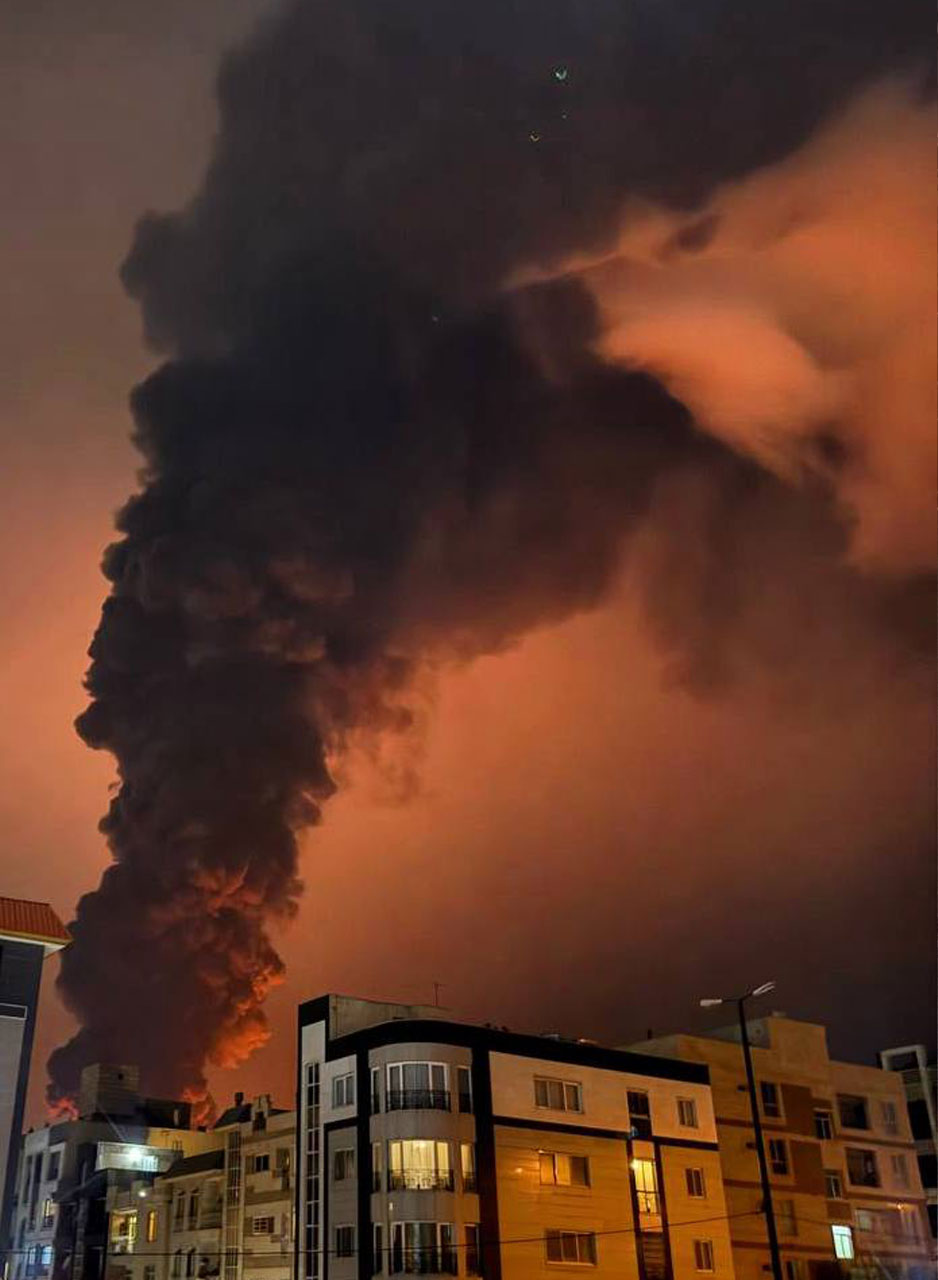
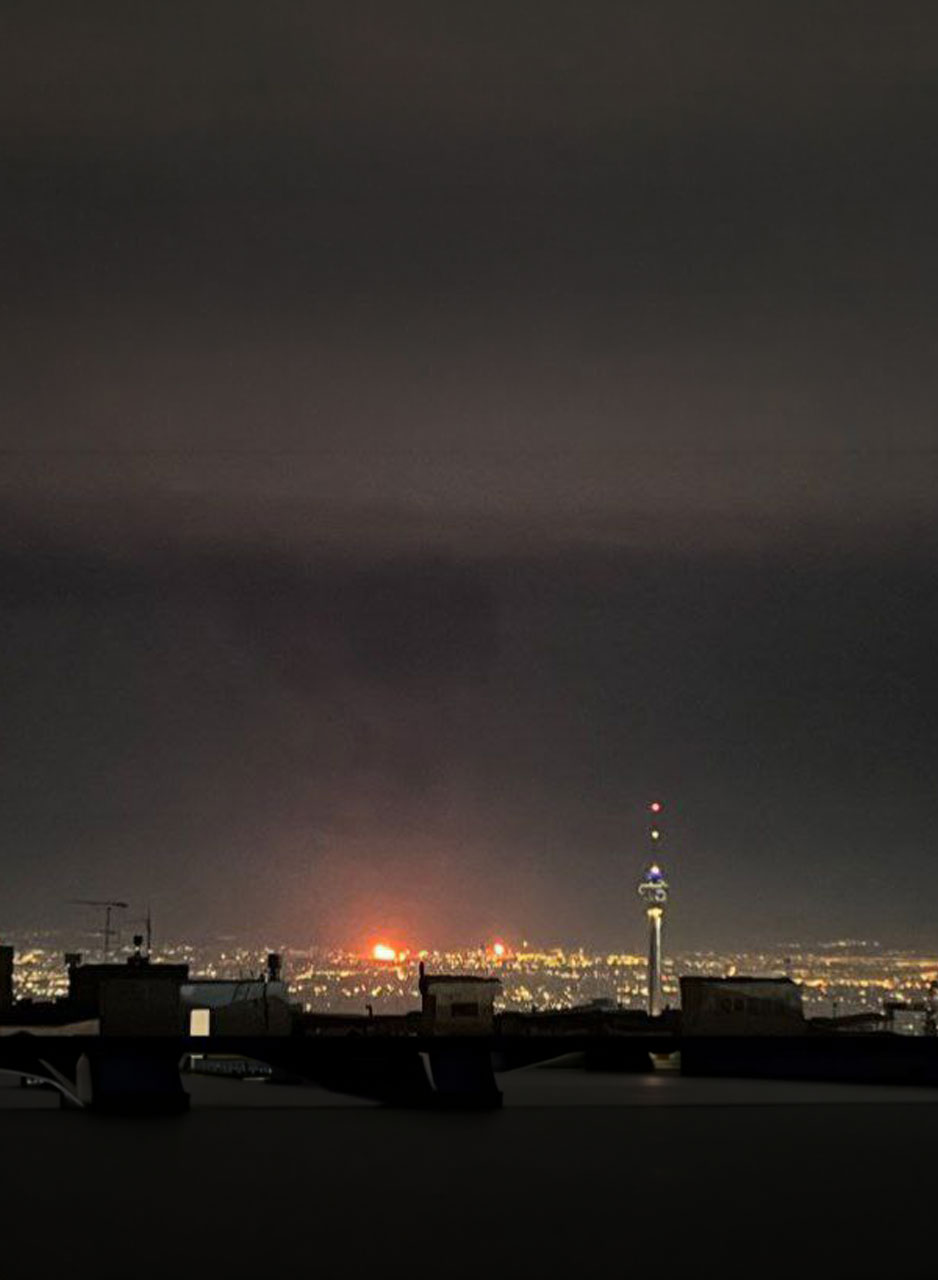
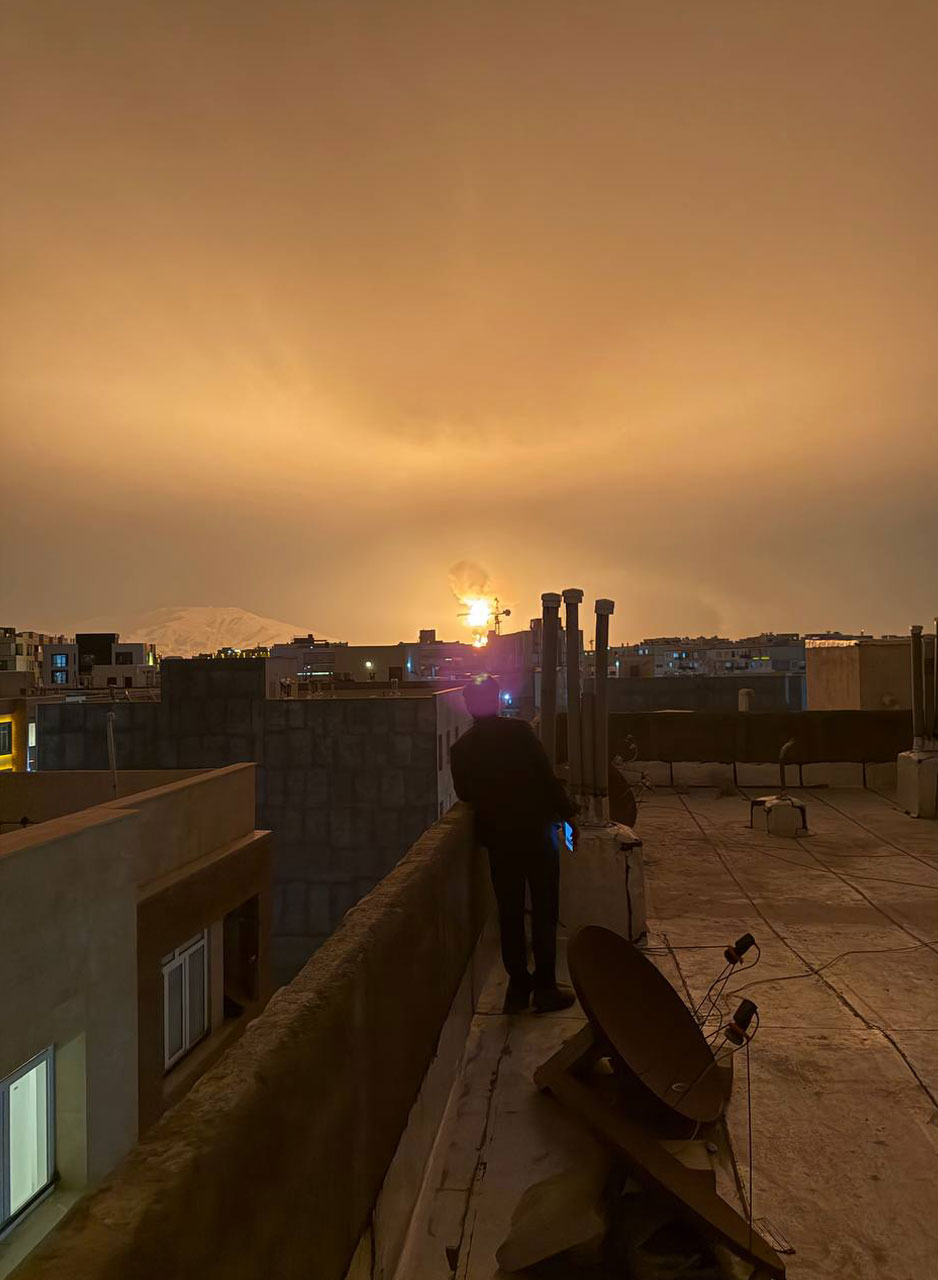
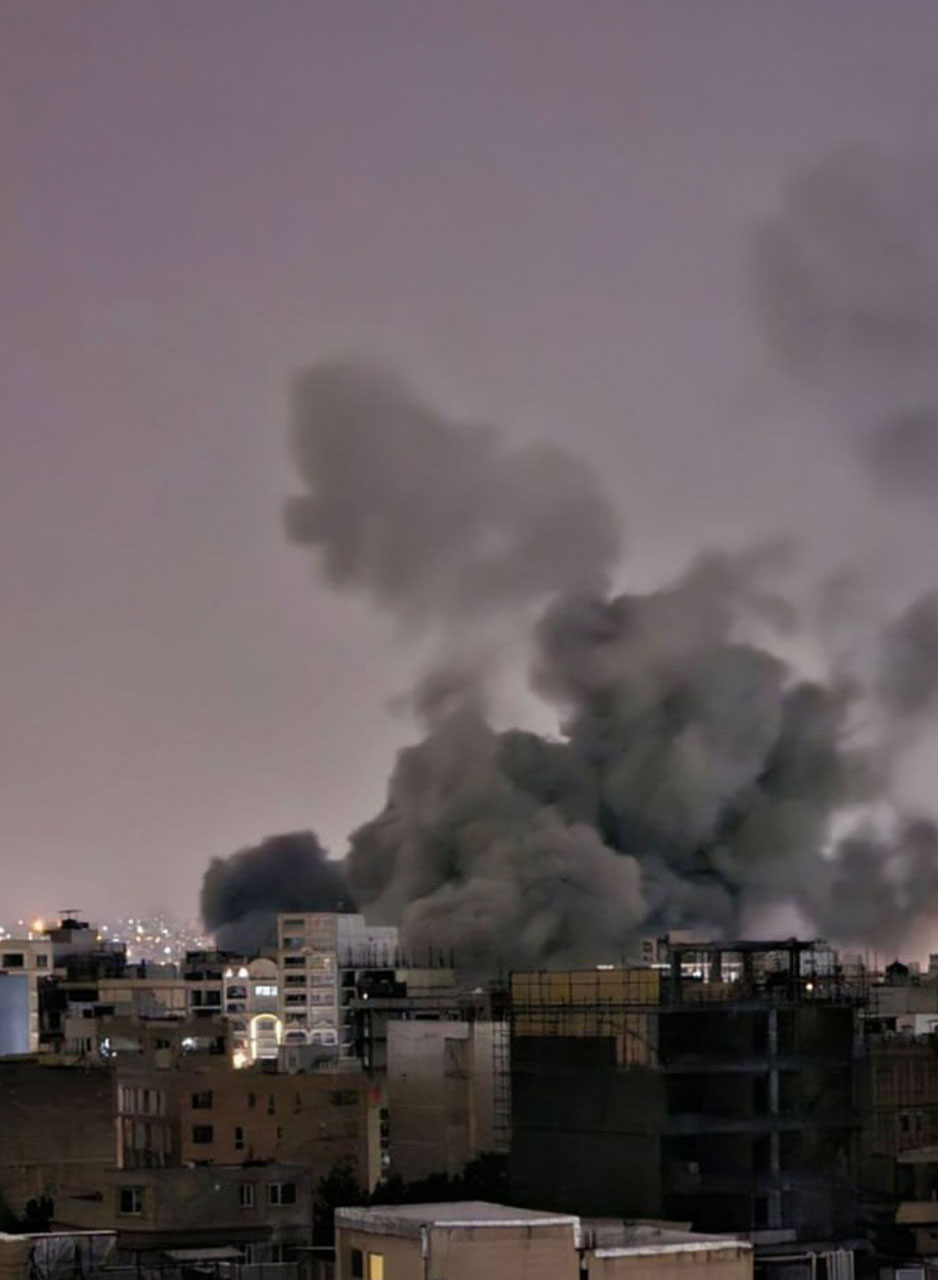
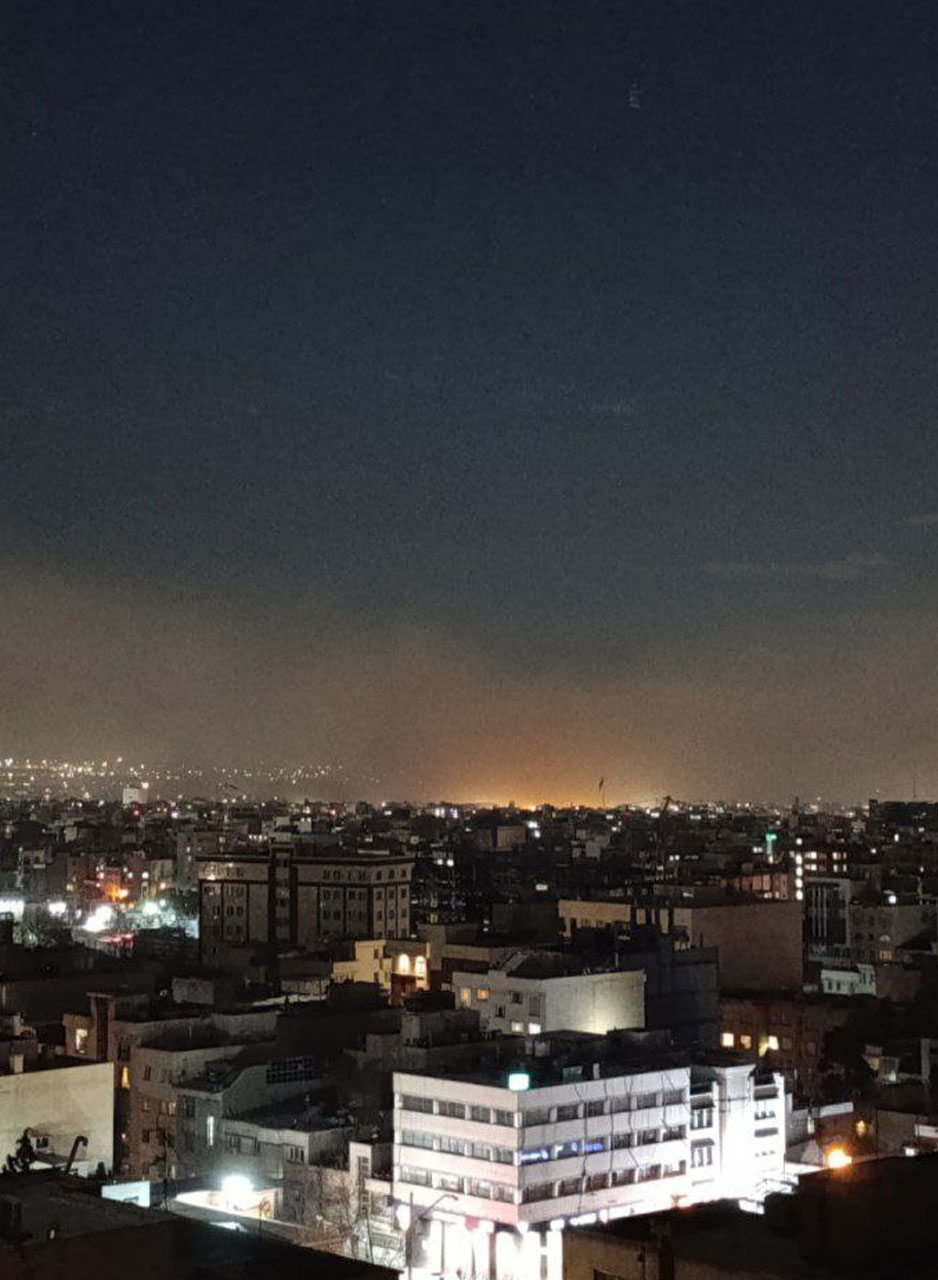
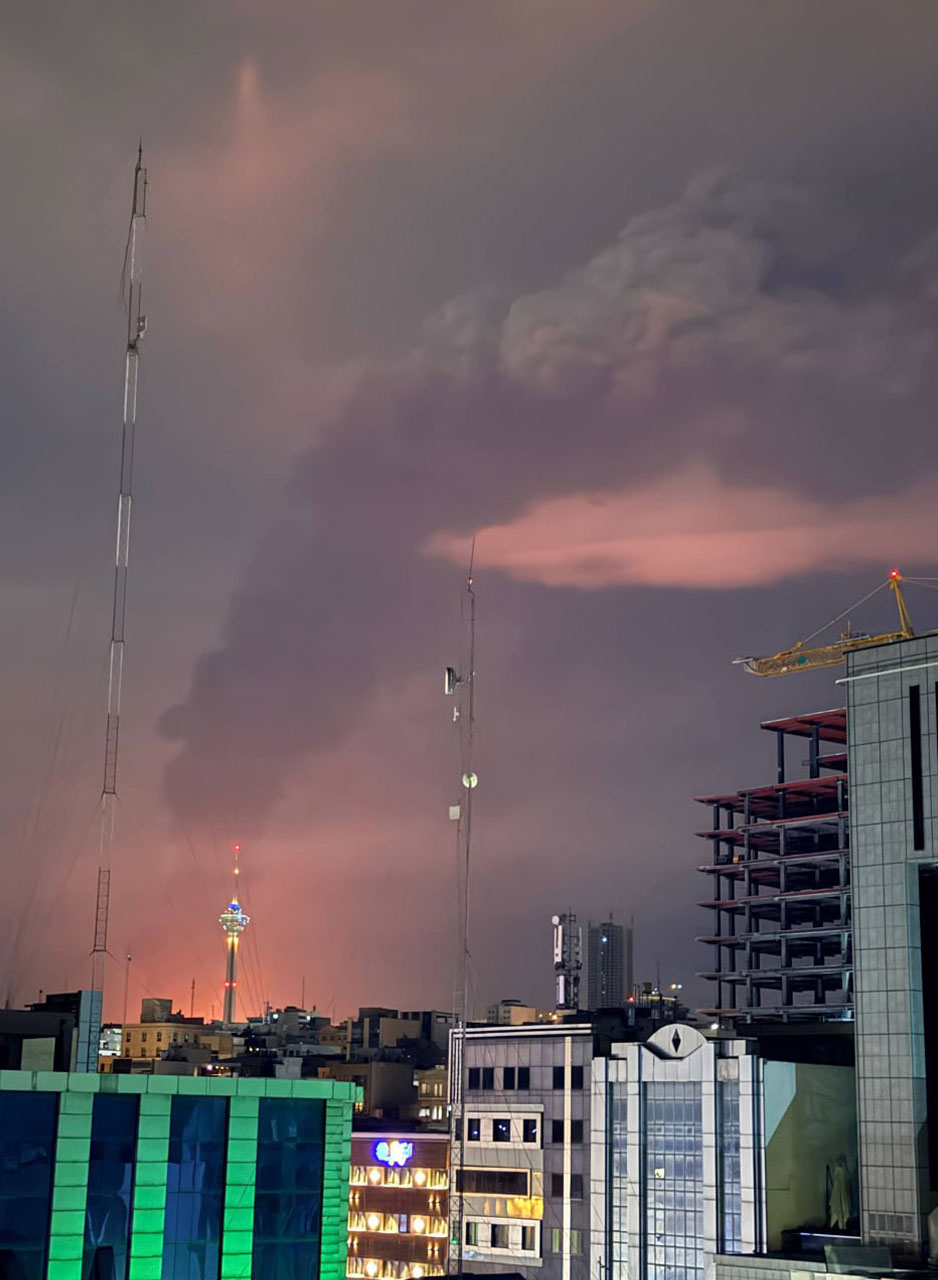
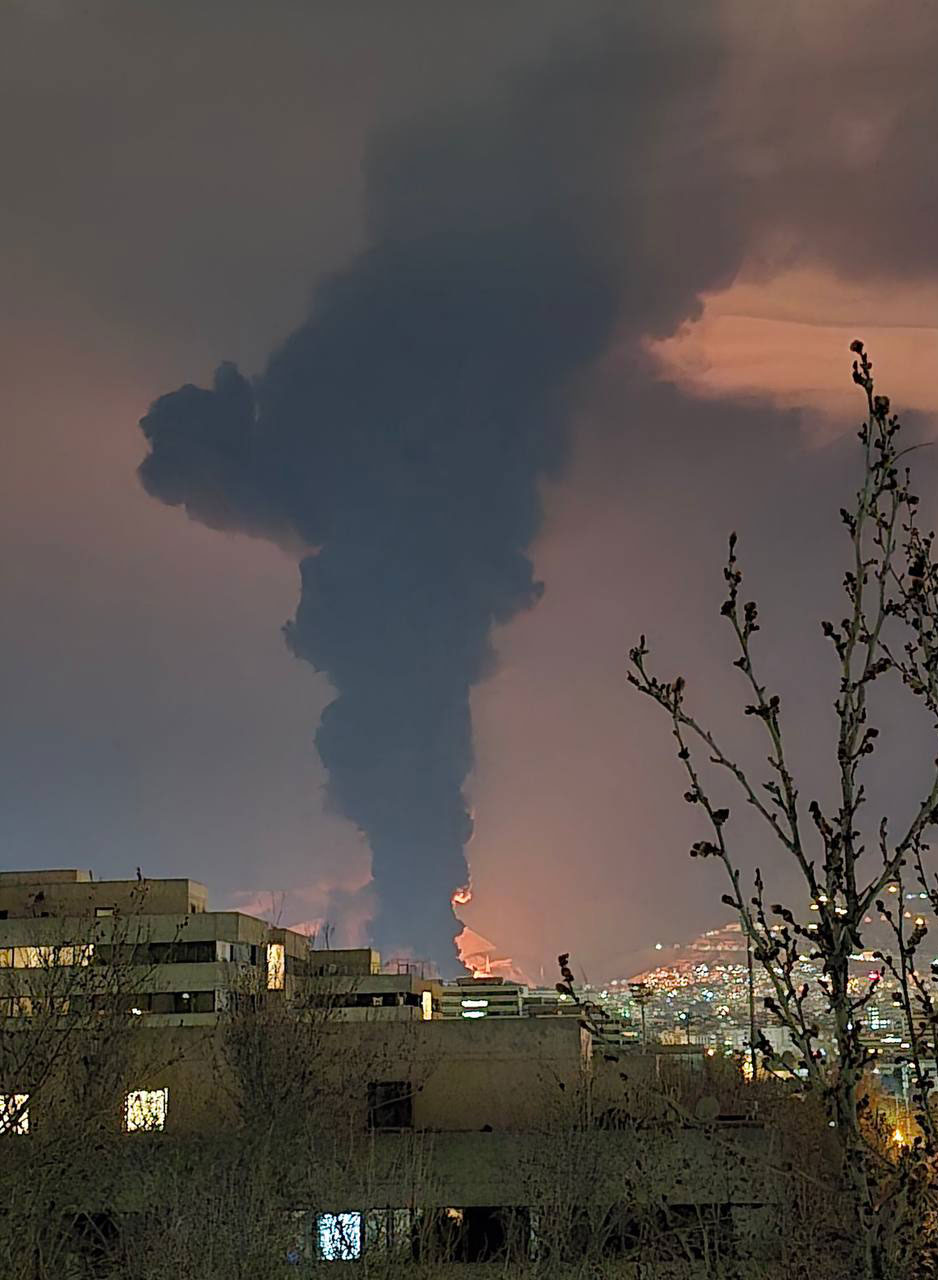
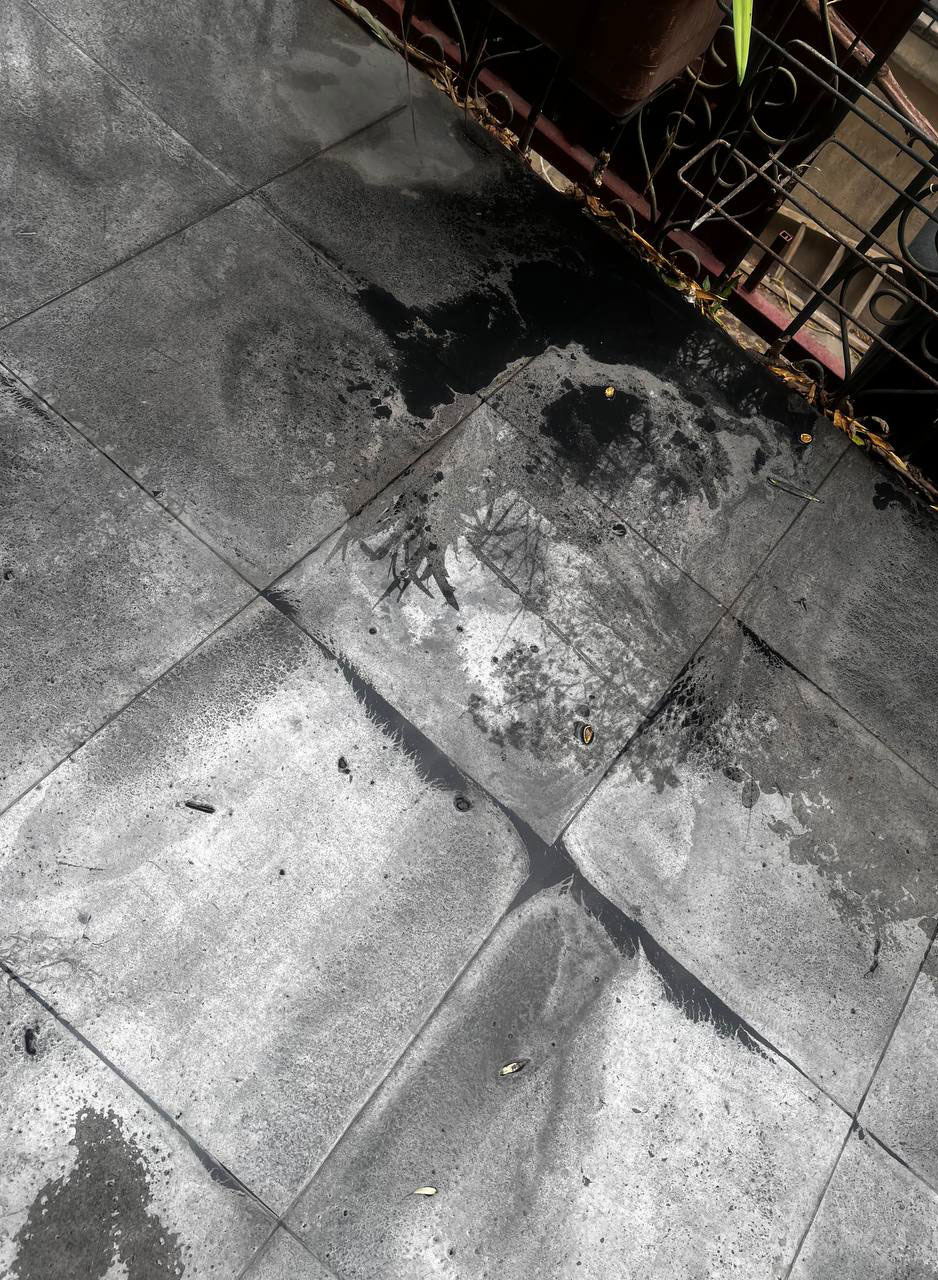
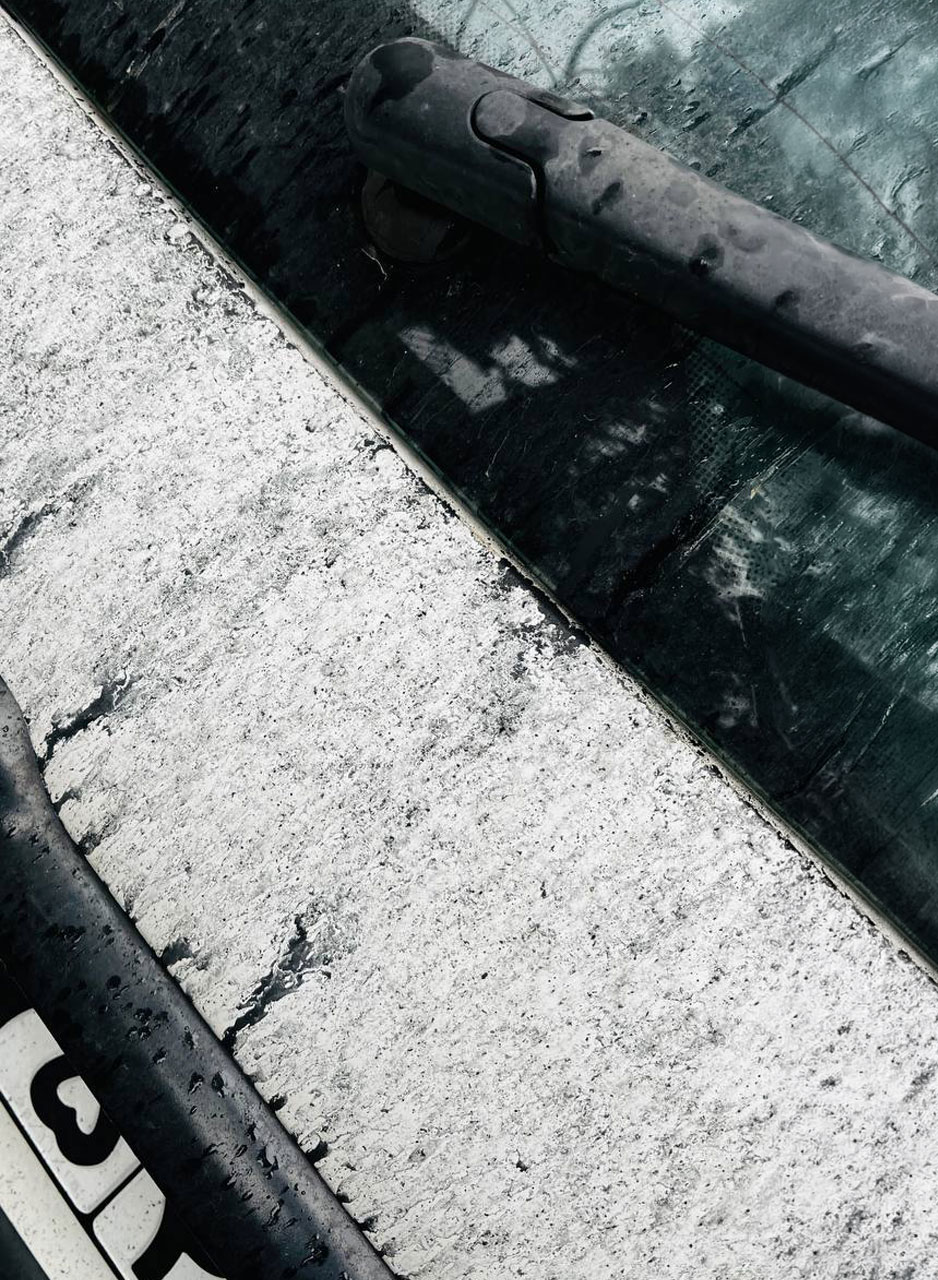
Day Eight of the U.S.-Israeli War on Iran: Roar of Explosions Across 30 Provinces of the Country

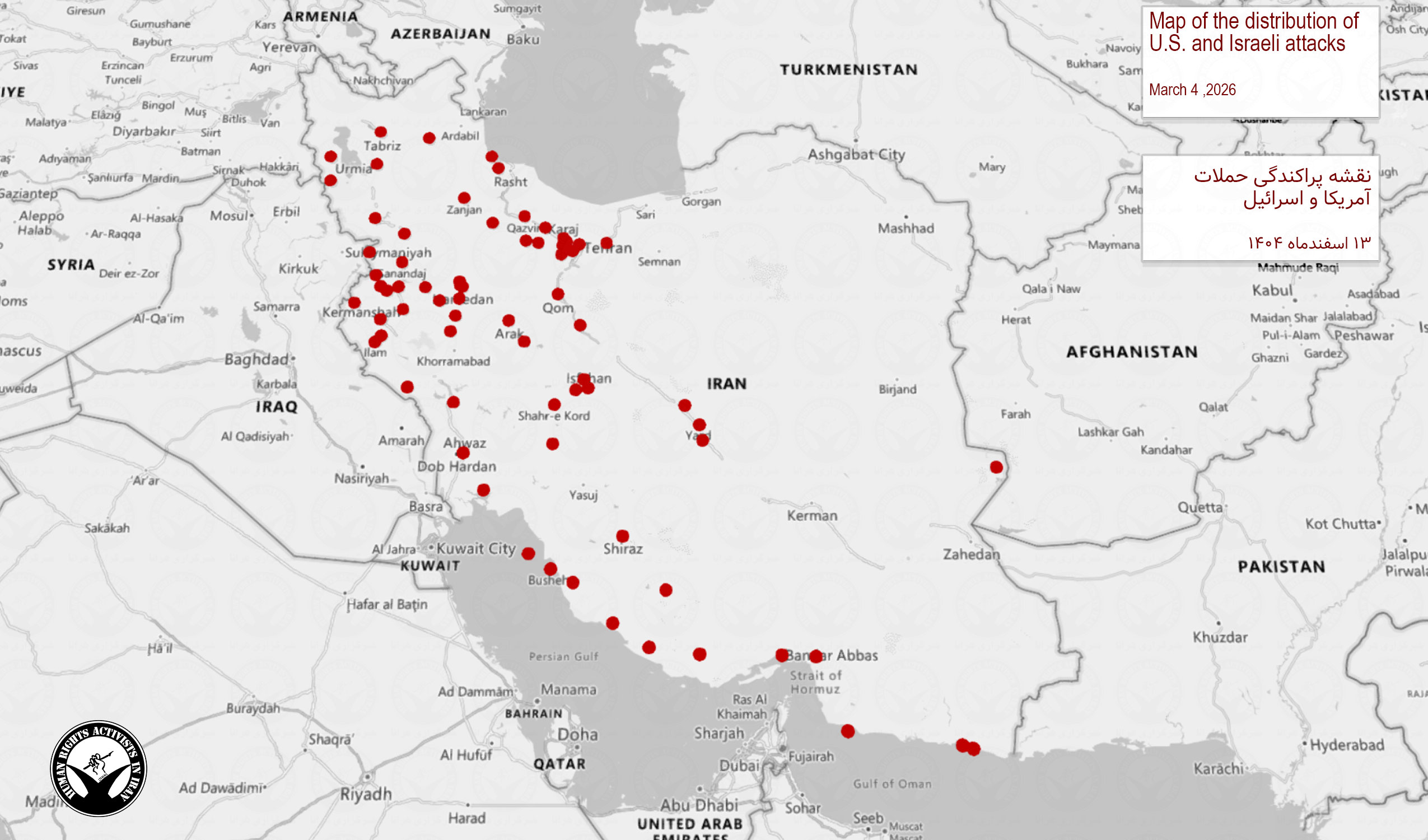
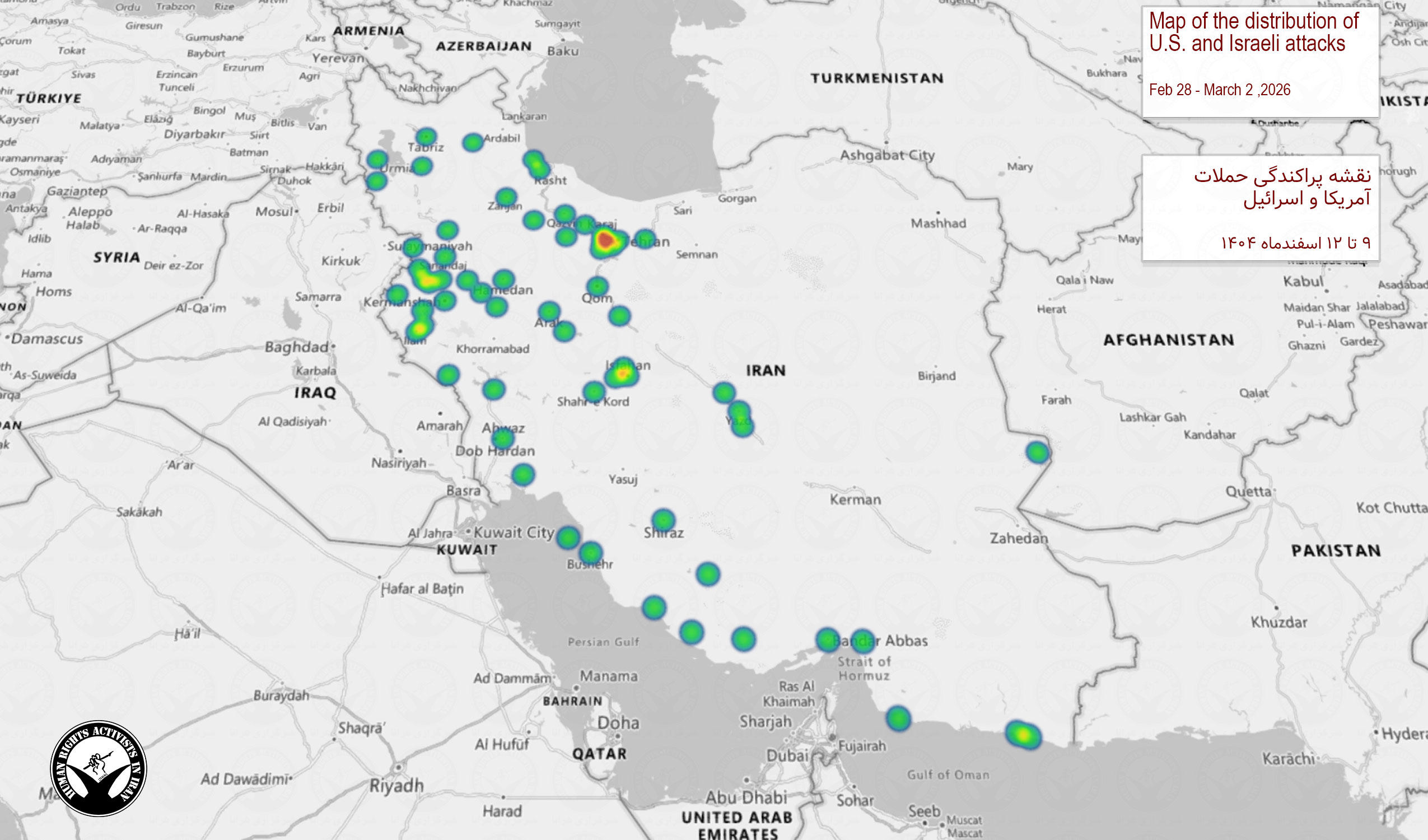
HRANA – In the last 24 hours, and as of March 7, 2026, at 17:00 ET, HRANA has recorded at least 485 attacks across 133 incidents in 30 provinces, resulting in a total of at least 53 casualties (killed and injured, both civilian and military). The recent attacks have geographically spread across the entire country, although the focus of the strikes still remains on Tehran and several specific provinces.

According to information recorded and verified by HRANA, from the first minutes until the end of March 7, 2026 (Tehran time), at least 33 civilians have been killed and 8 civilians injured. Additionally, one death has been recorded at the event level whose classification (civilian or military) is not specified in the available data. Therefore, to avoid classification errors, it is presented in this report under the category of “undetermined.”
Aggregated data since the beginning of the conflict on February 28, 2026 — based on incidents recorded in the incident tab and using minimum values for figures marked “more than”:

• Civilian fatalities: 1,205 people (including at least 194 children)

• Military fatalities: 187 people

• Unclassified fatalities (civilian/military): 283 people

This remainder of this report provides a preliminary analytical overview of documented incidents over the past 24 hours. All figures and classifications are based on information available at the time of publication. As verification continues and more information becomes available, casualty figures and classifications may be updated.

1. Overview of Incidents in the Last 24 Hours

In the last 24 hours, incidents were reported across multiple provinces, reflecting a geographically dispersed pattern of hostilities.  In a large portion of the incidents, the method/type of attack has not yet been confirmed and has been recorded as “undetermined.” In cases where the attack type was identifiable, airstrikes and drone attacks were reported.

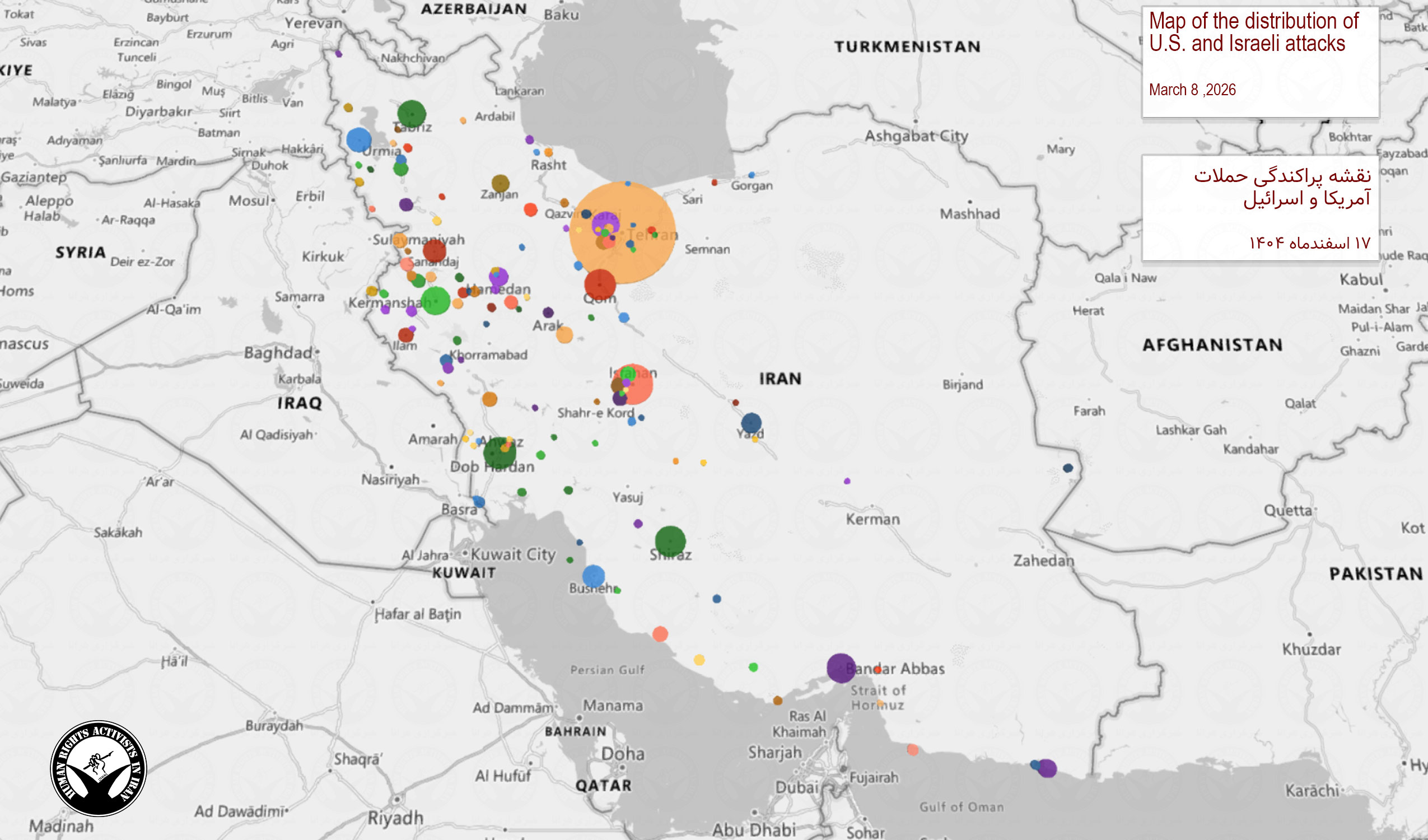
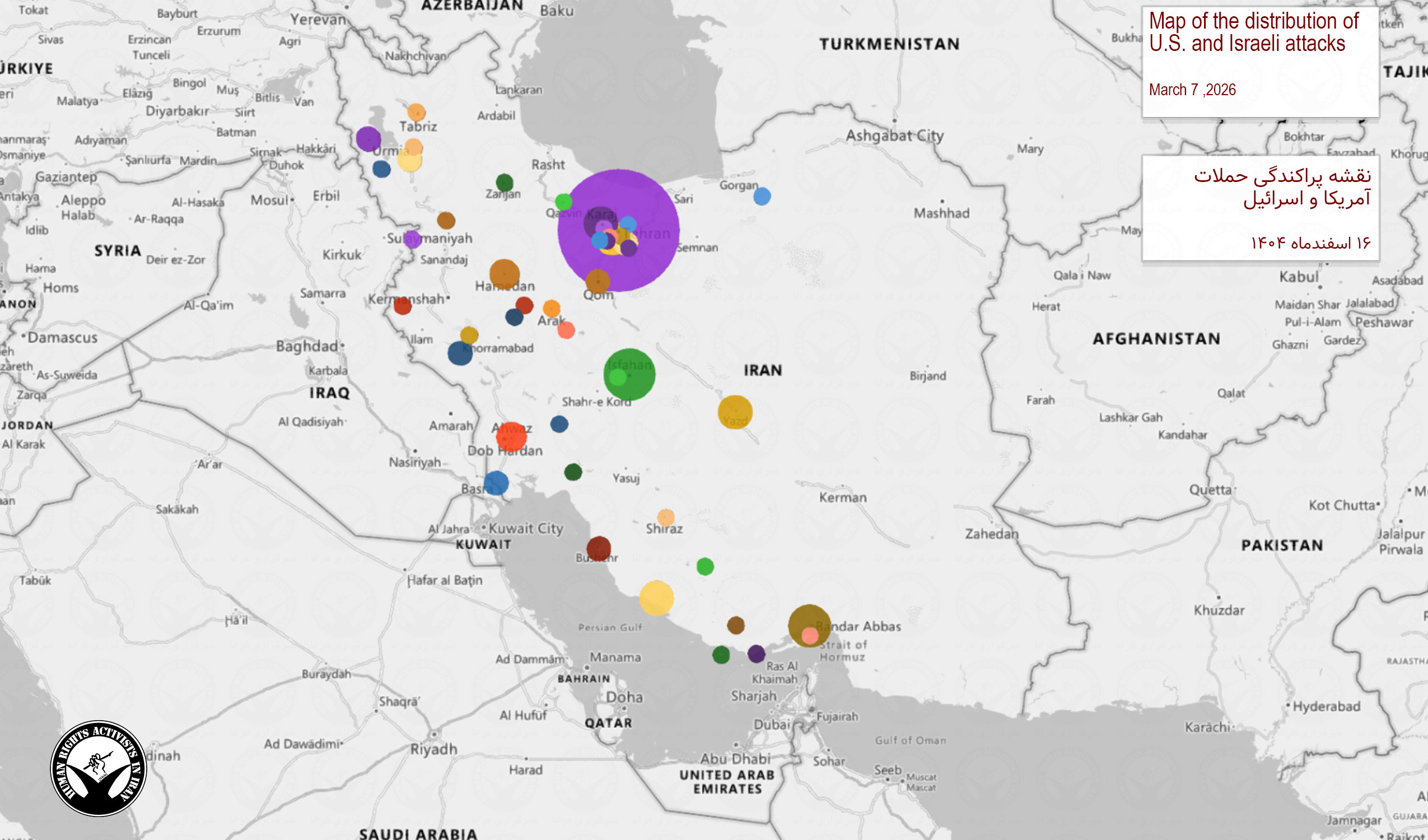
Preliminary analysis indicates that Tehran Province, accounting for 37% of the attacks, continues to be targeted more than any other part of the country. After that, as on the previous day, the provinces of Khuzestan (about 6%) and Kermanshah (about 6%) recorded a larger share of today’s attacks. As in previous days, overall the western regions of the country, along with Tehran, show the main concentration of the attacks.

Day-8-map-war

2 List of Objects Reported Hit

In the past 24 hours, the targeting or damage of 63 unique objects or facilities has been confirmed. These objects include a range of targets. Please note that this list includes not only objects reportedly directly targeted, but also those documented as damaged as a result of nearby strikes or blast effects. This list is not exhaustive; the items listed are illustrative.

Examples of targets recorded in the past 24 hours:

• Mehrabad Airport (Tehran)

• Municipality of District 16 (Tehran)

• Shahid Boroujerdi Logistics and Support Garrison (Tehran)

• Khatam al-Anbia Joint Air Defense Headquarters (Ahvaz)

• Shahid Babaei 8th Tactical Air Base (Isfahan)

For a number of the listed targets, the exact nature of the target (civilian/military/dual-use) is still under review, and classifications may be revised as additional information becomes available.

In the past 24 hours, at least 33 civilians, including one woman, have been killed and 8 civilians injured. All classifications are preliminary and may be updated if new information becomes available.

4. Military Casualties

5. Unverified Casualties

Day Five of the U.S.–Israel War on Iran: Expansion of Areas Affected by Military Strikes

HRANA – In the last 24 hours, and as of March 4, 2026, at 17:00 ET, HRANA has recorded at least 117 attacks across 51 incidents in 23 provinces, resulting in a total of at least 57 casualties (killed and injured, both civilian and military). According to aggregated data since the outbreak of the conflict on February 28, the total number of reported civilian deaths has reached 1,114 including 183 children, most of them under the age of ten. An additional 926 reported deaths are currently under review for verification and classification.

Based on information verified today, HRANA has recorded 31 civilian deaths and 25 civilian injuries, as well as the death of one military personnel. During the last 24-hour period, 926 cases (deaths and injuries) remain under review for verification and classification, including assessment of whether individuals were civilians or military personnel.

Additionally, over the past 24 hours, it has been reported that 51 targets have been struck in 117 attacks. These include a range of locations and infrastructure, including several military bases, a medical center, a blood transfusion center, and several residential areas. The nature of these objects, whether under special protected status, civilian, military, or dual use, remains under review, and classifications may be revised as further information becomes available. The number of recorded targets includes both those that were directly struck and those that sustained damage as a result of nearby attacks or collateral impacts.

Aggregated data since the beginning of the conflict on 28 February 2026: The total number of reported civilian deaths stands at 1,114, including 181 children, with 926 reported deaths currently and under review pending verification and classification.

This report provides a preliminary analysis of incidents documented within the last 24 hours. All figures and classifications contained herein are based on information available at the time of publication. As verification efforts continue and additional information becomes available, casualty figures, classifications of individuals as civilian or military, and the categorization of damaged objects may be updated.

HRANA applies a verification methodology that relies on cross-checking field reports, local sources, medical and emergency contacts, and available open source material. In cases where information cannot yet be conclusively verified, incidents or casualties are classified as undetermined and remain under active review. The dynamic nature of the situation, access constraints, and communication disruptions may affect the completeness of current data.

1. Overview of Incidents in the Last 24 Hours

In the last 24 hours, incidents were reported across multiple provinces, reflecting a geographically dispersed pattern of hostilities. The documented incidents include airstrikes and missile attacks, primarily involving cruise missiles.

Preliminary analysis indicates that Tehran Province, accounting for 34% of the attacks, continues to be targeted more than any other part of the country. Kermanshah and Fars provinces follow, each accounting for 6% of the attacks. Meanwhile, western regions of the country, such as Kurdistan and West Azerbaijan, continue to account for a significant share of the airstrikes.

2 List of Objects Reported Hit

The Fourth Day of the U.S.–Israel War on Iran: Strikes Continue in Western Regions of the Country

HRANA – In the last 24 hours, and as of March 3, 2026, at 17:00 ET, HRANA has recorded at least 104 attacks across 85 incidents in 19 provinces, resulting in a total of 31 casualties (killed and injured, both civilian and military). According to aggregated data since the outbreak of the conflict on February 28, the total number of reported civilian deaths has reached 1,097, including 181 children under the age of ten. An additional 880 reported deaths are currently under review for verification and classification. The number of reported civilian injuries since February 28 has reached 5,402, including 100 children.

Based on information verified today, HRANA has recorded 15 civilians killed and 1 civilian injured, as well as 12 military personnel killed. During the last 24-hour period, 10 cases (deaths and injuries) remain under review for verification and classification, including assessment of whether individuals were civilians or military personnel.

In addition, in the last 24 hours, 34 objects were reported as hit. These include a range of sites and infrastructure, including several military bases, two medical centers, and one residential area. The nature of these objects, whether under special protected status, civilian, military, or dual use, remains under review, and classifications may be revised as further information becomes available. The number of recorded targets includes both those that were directly struck and those that sustained damage as a result of nearby attacks or collateral impacts.

Aggregated data since the beginning of the conflict on 28 February 2026: The total number of reported civilian deaths stands at 1097, including 181 children under 18, with 880 reported deaths currently and under review pending verification and classification. Reported civilian injuries since 28 February 2026 stand at 5402, including 100 children.

This report provides a preliminary analysis of incidents documented within the last 24 hours. All figures and classifications contained herein are based on information available at the time of publication. As verification efforts continue and additional information becomes available, casualty figures, classifications of individuals as civilian or military, and the categorization of damaged objects may be updated.

HRANA applies a verification methodology that relies on cross-checking field reports, local sources, medical and emergency contacts, and available open source material. In cases where information cannot yet be conclusively verified, incidents or casualties are classified as undetermined and remain under active review. The dynamic nature of the situation, access constraints, and communication disruptions may affect the completeness of current data.

1. Overview of Incidents in the Last 24 Hours

In the last 24 hours, incidents were reported across multiple provinces, reflecting a geographically dispersed pattern of hostilities. The documented incidents include airstrikes and missile attacks, primarily involving cruise missiles.

Preliminary analysis indicates that Tehran Province, accounting for 38 percent of the attacks, continues to be targeted more than any other part of the country. Unlike previous days, when Kurdistan and Ilam provinces ranked second and third in terms of the number of attacks, today Kermanshah and Isfahan provinces held those positions, accounting for 9 percent and 8 percent of the attacks respectively. Kurdistan, with a 7 percent share, continues to experience a significant and sustained portion of the air and missile strikes.

• Allah Akbar Garrison in Tehran

• A military headquarters affiliated with the Mohammad Rasoul Allah Corps in Kermanshah

• The Army’s 328th Infantry Brigade garrison in Marivan

• Shahid Yazdani Garrison in Najafabad

• Imam Hossein University in Tehran

For a number of the above-listed objects, the precise nature of the target, whether civilian, military, or dual use, remains under review. Verification efforts are ongoing to determine the status and function of each object at the time of the reported strike. As further information becomes available, classifications may be revised in subsequent updates.

Facilities Protected Under International Humanitarian Law:

Under international humanitarian law, medical facilities, educational institutions, humanitarian facilities, religious sites, and emergency service centers are among the many objects that maintain special protected status and are afforded special protection.

As of the past 24 hours, HRANA documents reported damage to the following facilities protected by IHL. The information below reflects preliminary findings and remains subject to verification. This list is not exhaustive; those listed are illustrative.

• Shohada Hospital in Sarpol-e Zahab

• A field hospital in Salas-e Babajani

• The Criminal Investigation Department in Marivan

• Nuclear facilities in Natanz

• The Dezful Radio building in Dezful

3. Civilian Casualties

All casualty figures presented below are based on information available at the time of publication. The classification of individuals as civilian, military, or undetermined is preliminary and subject to change as further verification is conducted. Where sufficient corroboration is not yet available, cases remain under review and may be reclassified in subsequent updates.

In the last 24 hours, 15 civilians were reported killed, and one civilian were reported injured across 19 provinces. Among them, 2 children were killed.

The highest number of civilian casualties was documented in Tehran province, followed by Isfahan Province.

4. Military Casualties

During the same reporting period, 12 military personnel were reported killed. This figure for military casualties is limited exclusively to those reported in connection with attacks on military or paramilitary bases. Where possible, organizational affiliation and operational context are being assessed; however, not all details have been independently verified.

In certain incidents, individuals were killed in proximity to military objectives, but their formal status has not yet been conclusively established. These cases remain under review, and classification may be revised if credible information indicates a different status.

5. Unverified Casualties

As of publication, 52 casualties remain under active review and are currently classified as undetermined.

The classification may remain pending for the following reasons:

• Lack of identifying documentation

• Conflicting reports from sources

• Insufficient information regarding affiliation or role at the time of death or injury

• Ongoing efforts to verify open-source reports through the HRANA network

6. Undetermined Casualties

As of the time of publication, 10 casualties (deaths and injuries) remain classified as undetermined. This includes cases where HRANA has not yet been able to confirm whether the individual was a civilian or military personnel, or where age status (including potential child casualties) has not been conclusively verified.

A Note on HRANA Methodology

The information contained in this report is compiled through HRANA’s established documentation network. Data is collected from a combination of field reports, local contacts, medical and emergency sources, civil society networks, and open source materials, including publicly available images, videos, and official statements where relevant. Each reported incident is logged and assessed through an internal review process before publication.

Given the evolving nature of hostilities, information is gathered on a rolling basis and reflects the status of documentation at the time of publication.

The figures presented in this report may not reflect the full scope of harm. Ongoing hostilities, damage to infrastructure, communication disruptions, restricted access to affected areas, and security risks for sources may limit the ability to document incidents comprehensively.

Delays in medical reporting, difficulties in confirming identities, and restricted access to certain provinces may result in temporary undercounting. As access improves or additional evidence emerges, casualty figures and incident classifications may be revised accordingly.

HRANA remains committed to transparency, methodological rigor, and the continual updating of its findings as new verified information becomes available.

Humanitarian Obligations

Human Rights Activists in Iran today issued a statement condemning the ongoing conflict between the United States–Israel and Iran, warning of rising casualties and ongoing assessments. HRA described attacks on medical centers and critical infrastructure as serious violations of international humanitarian law and called for an immediate halt to attacks, the protection of civilians, and the full restoration of internet access in Iran.

Behnam Ohadi and Mohammad Shaeri Arrested

HRANA – Yesterday, Behnam Ohadi, a psychologist, and Mohammad Shaeri, residents of Tehran, were arrested by security forces and transferred to Greater Tehran Prison.

An informed source, confirming the news, told HRANA: “On Thursday, February 19, the two citizens were arrested by security forces after attending the fortieth-day memorial ceremony for some of those killed during the recent protests at Behesht Zahra Cemetery in Tehran. They were subsequently transferred to Greater Tehran Prison.”

As of the time of this report, no information has been obtained regarding the charges brought against these two Tehran residents.

Behnam Ohadi, 52, a psychologist, has previously faced arrest and conviction due to his activities.

Nationwide Protests: Report on the Arrest of 3 Citizens in Various Cities

HRANA – Three citizens, Arman (Mehdi) Momeni in Tehran, Hamid Rudsarabi in Sabzevar, and Mohammad Azari in Esfarayen, were arrested on different dates in connection with the protests and remain in detention.

He was detained near Qeytarieh Park in Tehran by agents of the IRGC Intelligence. According to a relative who spoke to HRANA, Mr. Momeni has had only one brief phone call with his family during this period, in which he stated that he was unaware of his place of detention. Despite repeated follow-ups by his family to obtain information about his whereabouts and the charges against him, no response has been received, heightening their concerns.

In another development, a citizen in Sabzevar identified as Hamid Rudsarabi, born in 1995, was arrested at his workplace by security agents on January 10, 2026.

His relatives have stated that they have no information regarding his place of detention or the charges brought against him.

On January 14, another citizen was also arrested by security forces in Esfarayen.

HRANA has identified him as Mohammad Azari, born in 1992. Two weeks after his arrest, following the completion of the interrogation process, he was transferred to Esfarayen Prison.

Subscribe to Our Newsletter

Now is definitely not the time to stop reading!

Report on the Arrest of 17 Citizens in Various Cities

HRANA – In connection to the nationwide protests, security forces arrested 17 individuals in various cities.

According to HRANA, citing Kurdpa, one citizen was arrested in Tehran. His identity was reported as Saeed Piri, a resident of Abdanan County. Based on this report, Mr. Piri was arrested on January 7 in Tehran’s Narmak district by security forces without the presentation of a judicial warrant.

Kurdpa also reported in a separate account the arrest of 13 other citizens in various cities of Ilam Province. According to this report:

• Farzad Moradi on January 8 in Abdanan;

• Mehdi Kasaei on January 9 in Ilam;

• Meraj Shirkhani on January 9 in Ilam;

• Hamed Nazarian on January 10 in Ilam;

• Nima Khorki on January 10 in Ilam, all by security forces.

• Hamid Larti on January 15 in Ilam;

• Mohammad Zeynivand was arrested on January 16 in Darreh Shahr;

• Sohrab Alidousti on January 24 in Karzan;

• Mohammad-Hossein Baralk on January 25 in Lumar;

• Behrouz Valibeigi on January 30 in Lumar;

• Behzad Valibeigi on February 2 in Lumar;

• Mohammad-Amin Safari on February 2 in Abdanan;

• Farshad Aieni on February 3 in Dehloran;

Among these citizens, Mr. Khorki has been transferred to Ilam Prison, while no information is available regarding the place of detention of the other 12 individuals.

The Telegram channel United Students reported that Saeed Javanbakht, a student at Shiraz University of Medical Sciences originally from Yasuj, was arrested by security forces. His arrest occurred during the January protests due to providing assistance to injured individuals. The report did not specify the date of his arrest.

The Telegram channel Amirkabir Newsletter also reported the arrest of two sisters, Tara Davoudi and Kimia Davoudi, by security forces. According to the report, the two sisters were arrested on 14 January in Tehran and were subjected to beatings at the time of arrest. Since their detention, no information has been obtained regarding their whereabouts.

So far, no information has been made available regarding the charges brought against these 17 citizens.

Among them, Farshad Aieni had previously faced judicial action due to his activities.

It should be noted that gatherings and strikes by shopkeepers and bazaar merchants began in Tehran on 28 December. After two days, they expanded beyond marketplaces and commercial centers. With the participation of students, citizens, and various social groups, these protests became one of the most widespread demonstrations of recent years. For more information, readers can refer to HRANA’s detailed report published last night on the thirty-eighth day since the start of the protests.

Nationwide Protests: 140 Protesters Arrested in Various Cities

HRANA – State media reported the arrest of additional protesters: 85 protesting citizens were detained in Zanjan Province, 12 in Tehran, and 43 in Yazd Province. At the same time, forced confessions by six of those detained in Tehran have been released, though it is unclear under what conditions they were recorded.

In a statement, the Zanjan Provincial Intelligence Department described these citizens as “leaders of the protests” and claimed that “firearms and incendiary materials” were discovered in their possession.

Meanwhile, the Young Journalists Club reported the arrest of 12 citizens in Tehran’s Sattarkhan district. This outlet has published a video containing confessions by six of these individuals, though it is not known under what circumstances the footage was obtained.

The Commander of the Law Enforcement Forces of Yazd Province also announced that 43 individuals described as the “main agents behind announcing and disseminating widespread calls on social media” were arrested during the protests by the FATA Police and the Intelligence Organization of the Yazd Provincial Law Enforcement Command.

These reports do not mention the identities of those arrested or their places of detention.

It is worth noting that gatherings and strikes by shopkeepers and bazaar merchants began in Tehran on Sunday, December 28, and after two days expanded beyond bazaars and commercial centers. With the participation of students, citizens, and various social groups, these protests have become one of the most widespread demonstrations of recent years. For more information, readers can refer to HRANA’s detailed report published last night on the thirty-third day since the start of the protests.

Ali Asadollahi Arrested by Security Forces in Tehran

HRANA – On January 25, Ali Asadollahi, a poet and writer, was arrested in Tehran by agents of the Ministry of Intelligence.

Based on information received by HRANA, Mr. Asadollahi was arrested last night at his private residence in Tehran by agents of the Ministry of Intelligence. As of the time of this report, no information has been obtained regarding the reasons for his arrest or the charges brought against him.

Ali Asadollahi, a poet, writer, and member of the Iranian Writers’ Association, had previously been arrested during the nationwide protests of 2022.

It is worth noting that gatherings and strikes by shopkeepers and bazaar merchants began in Tehran on Sunday, December 28, and after two days extended beyond bazaars and commercial centers. With the participation of students, citizens, and various social groups, these protests turned into one of the most widespread demonstrations of recent years. For more information, readers can refer to HRANA’s detailed report on the thirtieth day of the protests, which was published last night.
Artin Ghazanfari, a Baha’i Citizen, Arrested by Security Forces

HRANA – Artin Ghazanfari, a Baha’i citizen and photojournalist, was arrested in Tehran on January 19 and transferred to an unknown location.

Based on information received by HRANA, Mr. Ghazanfari was arrested on January 19 at his personal residence in Tehran. At the same time, his home and workplace were searched, and security agents confiscated a number of electronic devices, books, as well as his professional and personal equipment.

As of the time of this report, there is no information available regarding the charges against him or his place of detention.

Artin Ghazanfari, a Baha’i citizen and photojournalist, has previously served a prison sentence due to his activities.

It is worth noting that protests and strikes by shopkeepers and bazaar merchants began in Tehran on Sunday, December 28, and after two days spread beyond bazaars and commercial centers. With the participation of students, citizens, and various social groups, these protests became one of the most widespread demonstrations in recent years. For more information, readers can refer to HRANA’s detailed report on the twenty-fifth day of the protests, published last night.
Shima Ghosheh, Attorney, Arrested

HRANA – Shima Ghosheh, a Tehran-based attorney, was arrested by security forces at her private residence on Friday, January 16, and transferred to an undisclosed location.

Her arrest was carried out by security forces on Friday at her home in Tehran. No information is currently available regarding the reasons for her arrest, her place of detention, or the charges brought against her. However, it is believed that her arrest may be related to the nationwide protests.

This attorney has previously faced judicial action in connection with her professional activities.

It is worth noting that protests and strikes by shopkeepers and bazaar merchants began in Tehran on Sunday, December 28, and after two days spread beyond bazaars and commercial centers. With the participation of students, citizens, and various social groups, these demonstrations developed into one of the most widespread protests in recent years. For more information, readers may refer to HRANA’s detailed report on the twenty-first day of the protests, published last night.