Homes of Six Baha’i Citizens Raided in Yazd

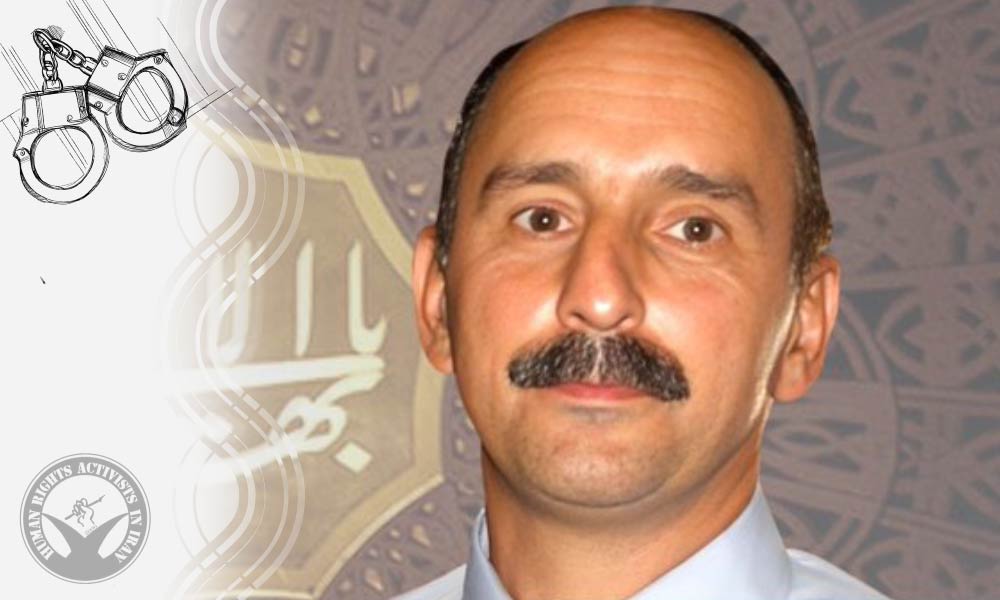
HRANA News Agency – On the evening of Thursday, May 22, security forces raided the homes of six Baha’i citizens in Yazd.

According to HRANA, the news agency of Human Rights Activists in Iran, agents from the Yazd branch of the Ministry of Intelligence conducted the coordinated raids on Thursday evening. Security forces searched the homes of Ramin Jiveh, Jamal Ghadirzadeh, and Ghodrat Mirzaei, and later targeted the residences of Manouchehr Sobhani, Farrokh Shadpour, and Taraz Amiri. During the raids, agents confiscated personal belongings including Baha’i religious books, mobile phones, and laptops.

It is worth noting that Jamal Ghadirzadeh is currently facing legal proceedings related to his Baha’i faith and activities.

Over the past decade, the Iranian Bahá’í community has been disproportionately targeted by Iran’s security forces and judiciary—more than any other minority group. In the past three years, an average of 72 percent of the reports on religious rights violations collected by HRANA have documented the Iranian regime’s repression of the Bahá’í community.

Five Prisoners Executed in Yazd Prison

HRANA News Agency – On Wednesday, May 21, the death sentences of five prisoners previously convicted on charges related to drug offenses and murder were carried out in Yazd Prison.

Their identities have been confirmed by HRANA as: Nourweis Achkizahi from Zabol, Javad Rezaei, Reza Beigi, Vali Shahrbabaki, and Mohammadreza Dehghan Dehnouri, 38 years old.

Based on information obtained by HRANA, Mr. Achkizehi had been arrested six years ago and Mr. Beigi at an earlier date, both on drug-related charges, and were sentenced to death. Mr. Rezaei and Mr. Shahrbabaki had been detained five years ago, and Mr. Dehghan Dehnouri earlier, all on murder charges in separate cases, and were also sentenced to death.

As of the time of this report, the execution of these individuals has not been officially announced by prison authorities or relevant institutions.

In 2024, according to 812 reports compiled by HRANA, the Iranian regime executed 930 individuals in its prisons—marking the highest number of executions in the past 12 years. Despite the scale of these executions, prison officials and other relevant authorities publicly acknowledged only 6% of them, highlighting the regime’s lack of transparency and accountability.

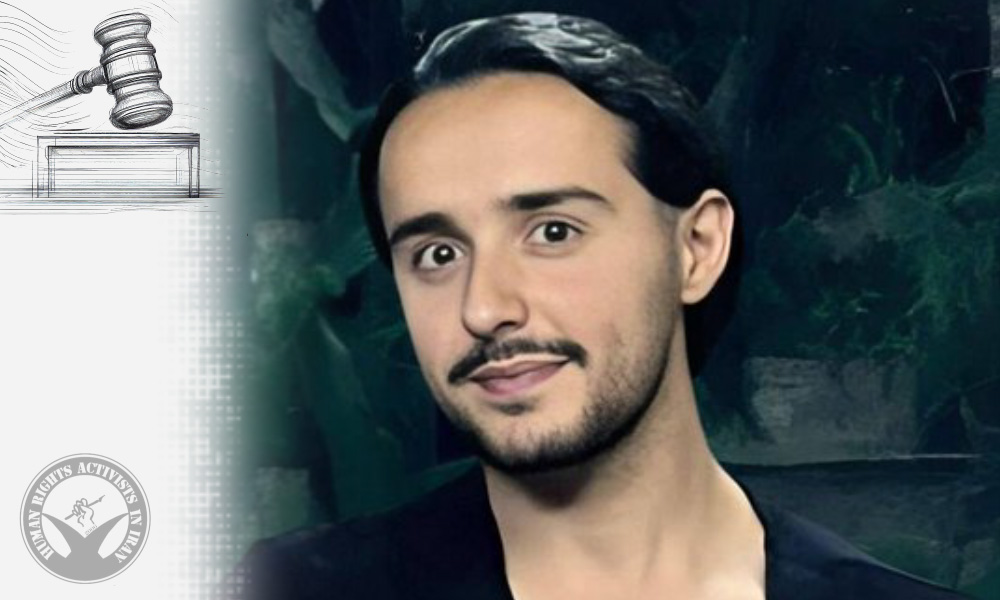
Baha’i Citizen Sepehr Naeimi Sentenced to 24 Months in Prison

Sepehr Jafari Naeimi, a Baha’i citizen from Yazd, has been sentenced in absentia to 24 months in prison by the Revolutionary Court of Yazd. The charges against him stem from his social media posts about the death of Mahsa Amini and the Baha’i faith.

In a ruling issued on September 22 by Branch 1 of the Yazd Revolutionary Court, Naeimi received an eight-month prison sentence for “propaganda against the regime” and an additional 16 months for “insulting the Supreme Leader and the founder of the Islamic Republic.”

A source close to Naeimi’s family confirmed the news to HRANA, stating, “The charges against Mr. Naeimi are based on posts shared on his Instagram page related to Mahsa Amini’s death and the Baha’i faith.”

In early 2023, Naeimi was summoned to the Tehran Prosecutor’s Office for questioning regarding his social media content and was released after interrogation. In December 2023, he was summoned again to the Yazd Prosecutor’s Office in connection with the same case and was released on bail following further questioning.

Sepehr Jafari Naeimi, 24-year-old resident of Yazd, is the son of Ahmad Naeimi, who also has faced judicial issues in the past.

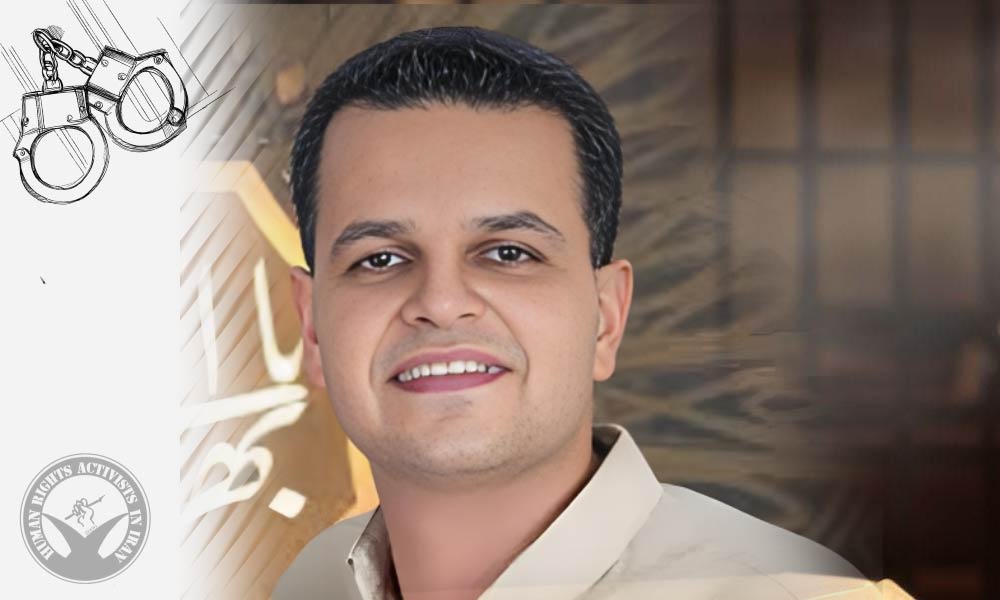
Baha’i Citizen Ahmad Naeimi Arrested in Yazd

On October 5, 2023, Ministry of Intelligence agents apprehended Baha’i citizen Ahmad Naeimi (Naeemi) in Yazd and subsequently transported him to a detention facility.

According to a source closely connected to Naeimi’s family who informed HRANA, two agents detained Naeimi at his workplace. As of now, the exact reasons for his arrest and the specific allegations against him remain undisclosed.

HRANA’s annual report has highlighted a concerning trend where, in 2022, 64.63% of reported human rights violations against religious minorities are directed toward the Baha’i community.

The Baha’i faith is not recognized as a legitimate religion by Iranian authorities, leading to systematic and longstanding violations of the rights of Baha’is in the country. This includes the denial of their fundamental right to practice their religion, which constitutes a clear breach of both Article 18 of the Universal Declaration of Human Rights and Article 18 of the International Covenant on Civil and Political Rights. The United Nations covenant holds that every person has the right to freedom of religion, freedom of converting religion, as well as freedom of expression, individually or collectively; openly or secretly.

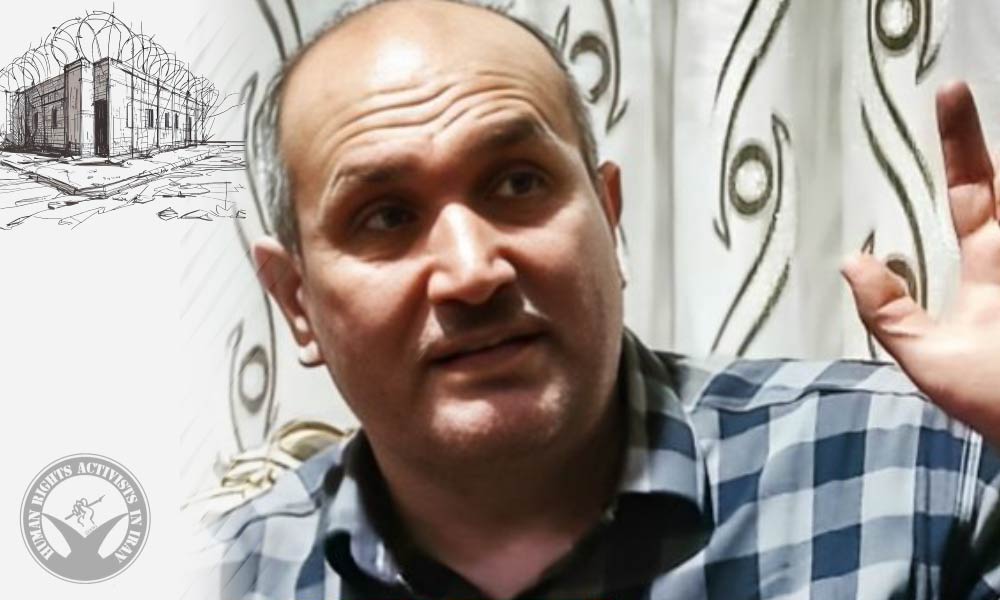
Baha’i Citizen Iman Rashidi Detained in Yazd

Iman Rashidi, a Baha’i citizen, was taken into custody on October 5, 2023, by agents from the Ministry of Intelligence in Yazd, and subsequently transported to an undisclosed detention facility.

According to a source close to his family, HRANA has learned that Rashidi’s wife was leaving their residence when she was confronted and encircled by intelligence agents. Under duress, she was compelled to lead the agents to Mr. Rashidi’s location, resulting in his arrest.

During the operation, the agents also conducted a search of his residence and confiscated some of his personal belongings.

As of now, the reasons behind Rashidi’s arrest and the specific allegations against him remain unknown.

The Baha’i faith is not recognized as a legitimate religion by Iranian authorities, leading to systematic and longstanding violations of the rights of Baha’is in the country. This includes the denial of their fundamental right to practice their religion, which constitutes a clear breach of both Article 18 of the Universal Declaration of Human Rights and Article 18 of the International Covenant on Civil and Political Rights. The United Nations covenant holds that every person has the right to freedom of religion, freedom of converting religion, as well as freedom of expression, individually or collectively; openly or secretly.

Subscribe to Our Newsletter

Now is definitely not the time to stop reading!

Azerbaijani-Turk Activist Abbas Lisani’s Exile Term Extended

The Ardabil Court of Appeals has extended the mandatory residence period in Yazd for Azerbaijani-Turk activist Abbas Lisani (Lesani) by one-third.

Branch 1 of the Ardabil Court of Appeals made this decision due to allegations that Lisani had violated the terms of his exile.

In a previous retrial, Branch 1 of Iran’s Supreme Court had sentenced Lisani to eight years in prison and two years of exile in Yazd County. This sentence was based on charges of “creating and leading groups with the intent of undermining national security.” However, he was acquitted of the charge of “acting against national security,” for which he had initially received a five-year prison sentence.

Lisani was placed in exile after his release from Ardabil prison on February 21, 2023.

Lisani has a long history of arrests and convictions stemming from his peaceful activism.

Four Baha’i Citizens Arrested in Yazd

On Sunday, October 1, 2023, security forces detained Baha’i citizens Vida Ahrari, Mojgan Basiri, Shokoofeh Basiri, and Jamal Ghadirzadeh in Yazd and transferred them to undisclosed locations.

According to an insider source who informed HRANA, these individuals were guests at Mrs. Basiri’s residence when security agents conducted a raid and apprehended them. Additionally, searches were carried out at the residences of all four Baha’i individuals.

The motives behind their arrests, as well as their current whereabouts, remain unknown.

HRANA’s annual report has highlighted a concerning trend where, in 2022, 64.63% of reported human rights violations against religious minorities are directed toward the Baha’i community.

The Baha’i faith is not recognized as a legitimate religion by Iranian authorities, leading to systematic and longstanding violations of the rights of Baha’is in the country. This includes the denial of their fundamental right to practice their religion, which constitutes a clear breach of both Article 18 of the Universal Declaration of Human Rights and Article 18 of the International Covenant on Civil and Political Rights. The United Nations covenant holds that every person has the right to freedom of religion, freedom of converting religion, as well as freedom of expression, individually or collectively; openly or secretly.


Teacher Union Activist Mohammad-Sadegh Fahimi Arrested in Yazd

Teacher union activist Mohammad-Sadegh Fahimi was arrested in Yazd following pensioners’ protest rallies. The Coordination Council of Iranian Teachers’ Trade Associations reported his detention and transfer to an undisclosed facility. It has been confirmed that Fahimi was apprehended by security forces at his residence.

The specific cause for Fahimi’s arrest and the allegations against him remain unknown at this time.

Fahimi is an active member of the Iranian Teachers’ Trade Association in Yazd Province.

Majid Khademi Imprisoned in Behbahan Prison for Sentencing

On Tuesday, August 22, Majid Khademi, aged 31, a resident of Behbahan, commenced serving his sentence in Behbahan Prison.

Khademi was summoned by the Public and Revolutionary Court of Behbahan to appear for sentencing. Initially handed a ten-year and one-month sentence, Khademi’s legal journey took a turn after his plea of no contest and a subsequent reduction in his punishment. The final verdict stipulates five years and five months of imprisonment for “assembly and collusion against national security,” in addition to one year and four months for “spreading propaganda against the regime.” Pursuant to Article 134 of the Islamic Penal Code, an enforceable sentence of five years, five months, and 18 days has been established.

In addition to his prison term, Khademi has been subjected to supplementary penalties, including a mandatory two-year residency requirement in Taft County within the Yazd province, along with a prohibition from engaging in civil/political groups for a duration of two years. Furthermore, his participation in orientation classes has been mandated.

Khademi also finds himself grappling with another legal case that stems from an arrest on June 22, 2022, following a court appearance at the Mahshahr Revolutionary Court. After a period of detention, he was eventually released on bail from Sheyban Prison in Ahvaz.

On January 18, 2020, Khademi was arrested by IRGC Intelligence and subsequently taken to a detention facility in Behbahan City. Following one month of interrogation, he was transferred to Behbahan Prison. On June 15, 2021, Khademi was released on bail of 2.5 billion tomans until the conclusion of legal proceedings.


Iran’s Execution Rate Rises Alarmingly with At Least 57 Executions in Eleven Days

Over the past eleven days, at least 57 prisoners, including two women and two prisoners of conscience, have been executed in various Iranian prisons. The executions were for drug-related crimes, murder, “spreading corruption on earth,” and blasphemy. HRANA has compiled a statistical analysis of the details of the executions during this period.

According to HRANA, the news agency of Human Rights Activists, there has been a noticeable increase in the execution of prisoners in Iranian prisons from April 28 to May 9, 2023.

Based on the reports compiled by HRANA, the death sentences were carried out in several prisons, including Rajai Shahr (Karaj), Ghezel Hesar (Karaj), Urmia, Salmas, Ardabil, Dastgerd (Isfahan), Vakilabad (Mashhad), Neishabur, Torbat-e-Jam, Rasht, Yazd, Birjand, Qazvin, Minab, Bandar Abbas, Zahedan, Khorramabad, and Iranshahr.

Out of the 57 executed prisoners, 36 were convicted of drug-related charges, 17 for murder, two for insulting the Prophet of Islam, and one for alleged “spreading corruption on earth.” In one case the charges remain unknown.

At least 38 death-row prisoners were also transferred to solitary confinement in Salmas, Urmia, Khorin, Ghezel Hesar (Karaj), Yazd, Bandar Abbas, Birjand, Adelabad (Shiraz) and Zahedan, which could be a prelude to their execution. HRANA is investigating their fate, and the statistics presented in this report could increase.

As of the time of writing, most of these executions have not been announced by official sources or media inside Iran.

The issuance and execution of death sentences violate the right to live and have been heavily criticized by international organizations, with Iran ranking first globally in execution rate per capita.

On May 9, UN Human Rights Chief Volker Türk called these recent increases in executions “frightening” and urged Iranian authorities to halt all executions. “On average so far this year, over 10 people are put to death each week in Iran, making it one of the world’s highest executors,” said Türk.

In 2022, the Department of Statistics and Publication of Human Rights Activists in Iran registered 457 reports on the execution of 565 people and death sentences for 92 people, six of whom were sentenced to be hanged in public. Of these 565 executions, two death sentences were carried out in public, and five were juvenile offenders who were under 18 years old at the time of committing the alleged crime.

The breakdown of charges for these executions is as follows: 122 individuals were executed for drug-related offenses, 59 for murder, 6 for undisclosed charges, 1 for adultery, 1 for ideological charges, 1 for corruption, 1 for Moharebeh (political security), and 1 for non-political Moharebeh.

Skylar Thompson, the head of Global Advocacy and Accountability of Human Rights Activists, stated that “the surging rate of executions in Iran illustrates an utter disregard for human life. Under no circumstance does the ongoing use of the death penalty, for drug-related offenses in particular, amount to what is permittable under international law. Iranian authorities have an absolute obligation to uphold international human rights standards and instead, there is ongoing impunity for grave violations of the right to life–and more. The international community must not delay in sounding the alarm, they should call for a stay of executions for those currently facing execution and a moratorium on the death penalty, at a minimum, for crimes not amounting to “most serious” under international law.”