13 People Arrested for Allegedly Espionage

Iran’s Ministry of Intelligence announced the arrest of 13 people accused of “espionage” in Tehran, Isfahan, Yazd, Golestan and West Azerbaijan Provinces.

According to HRANA, the news agency of Human Rights Activists, quoting Mizan Online News Agency, 13 individuals were arrested for allegedly “espionage.”

The Ministry of intelligence claimed that in Tehran, Isfahan, Yazd, Golestan and West Azerbaijan Provinces, 23 individuals working for Mossad (the intelligence agency of Israel) were detected, of which 13 people residing inside the country were apprehended before they could take any action. The Ministry claimed that the “head of this spy network” has been identified as “Sirus,” residing in one of the European Countries. This report did not disclose the detainees’ identities.

Although the prosecution of individuals for espionage is not considered a violation of human rights, there are concerns about the validity of these allegations due to the frequent use of such accusations by Iran’s regime in order to suppress its political dissidents and due to the ambiguities in legal proceedings and the lack of transparency about such legal cases.

Baha’i Mona Ghodrat Arrested in Yazd

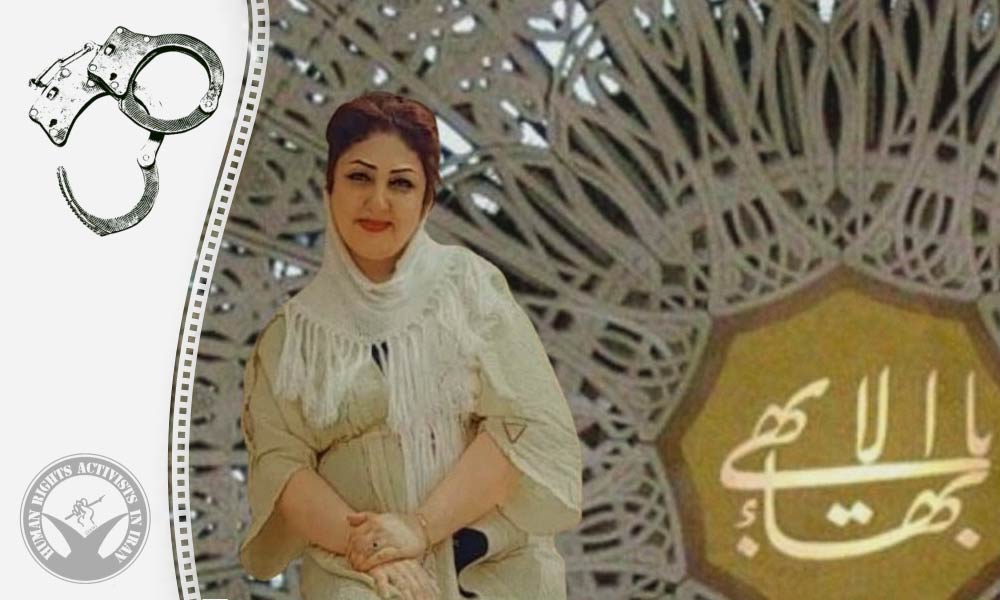
On December 19, 2022, security forces arrested Baha’i Mona Ghodrat in Yazd.

An informed source told HRANA that Ghodrat was arrested in the street and taken to IRGC’s detention facility. The agents also searched her home and confiscated some of her belonging.

Ghodrat is 39 years old and the mother of two children.

The reason for her arrest and the charges are still unknown.

Baha’i citizens are denied the right to exercise their religion. This systematic deprivation stands in violation of Article 18 of the Universal Declaration of Human Rights and Article 18 of the International Covenant on Civil and Political Rights, which both affirm that everyone has the right to freedom of thought, conscience, and religion.

According to unofficial reports, there are more than 300,000 Baha’is in Iran. While the constitution recognizes Islam, Christianity, Judaism, and Zoroastrianism as accepted religions (People of Book, as articulated in Sharia law), it denies recognizing the Baha’i faith, which conclusively leads to the systematic violation of their rights.

HRANA’s Daily Review of Protests in Iran

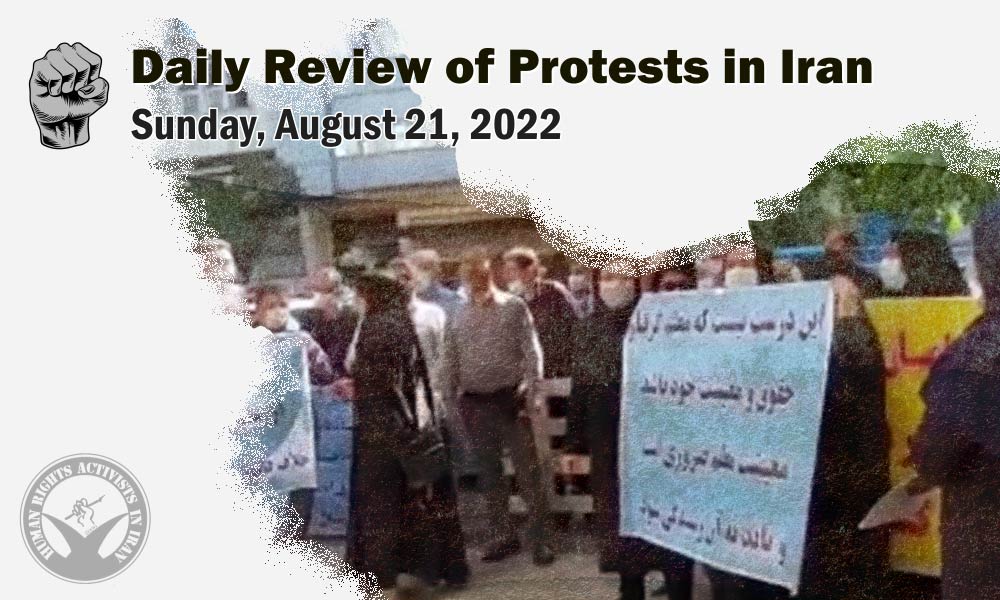
On Saturday, August 20, and Sunday, August 21, 2022, at least six protests took place in Iran.

Saturday, August 20

A number of educators recruited in the recruiting plan Mehr Afrain gathered in front of the Ministry of Education to protest against their poor living conditions and ask for the implementation of the educators’ classification plan.

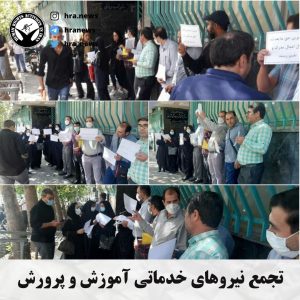
A group of service workers of the Ministry of Education gathered before the Ministry in Tehran to demand the job modification and working as educators as the Ministry had previously approved.


The residents of Shadegan, Khuzestan Province, demonstrated in front of the Governor’s office in protest against repeated power outages. Reportedly, some of the protestors gathered in the building to protest.

Sunday, August 21,

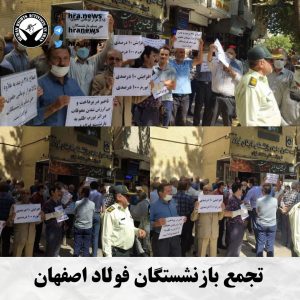
The pensioners of the Fulad Pension Fund gathered before the building of this fund in Isfahan to protest against not addressing their issues.

A number of citizens who have purchased apartments in a housing project Fatemieh Yazd protested against breaching the contract rules regarding the allocation of housing units.

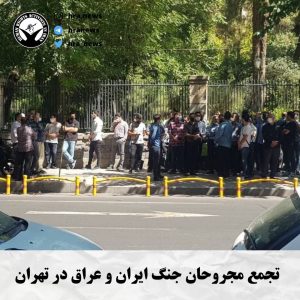
A number of Iran-Iraq war veterans held a protest in front of Tehran Municipality.


Eight Members of Erfan-e-Halgheh Association Arrested

The public relations representative of the IRGC in Yazd (Al-Qadir) has announced the arrest of eight members of a mystical group known as Erfan-e-Halgheh. These individuals have not been identified.

According to HRANA, the news agency of Human Rights Activists, quoting IRIB News Agency, the IRGC has arrested eight members of a mystical group Erfan-e-Halgheh Association.  

In a statement, IRGC’s public relations office claimed that the spiritual psychic healing methods that Erfan-e-Halgheh is using are against the law. This IRGC  called Erfan-e-Halgheh a “deviant group” and claimed their activities “cause mental and emotional injuries and the collapse of families.”

Four Convicts Executed in Borujerd, Birjand and Yazd Prisons

Four inmates convicted of murder and drug-related crimes were executed in Borujerd, Birjand, and Yazd Prisons.  

According to HRANA, the news agency of Human Rights Activists, quoting Haal Vsh, on July 21, 2022, two inmates identified as Zabihllah Barahooi, age 38, and Abdolvahed Qanbarzehi, age 41, were executed in Birjand Prison.

On the same day, a prisoner identified as Heydar Hiboorzadeh, age 29, was executed in Yazd Central Prison.

Iran Human Rights Organization also reported the execution of Payman Goodarzi, age 27, on July 11, 2022, in Borujerd.

The most recent report from the Statistics and Publication Center of the Human Rights Activists  (HRA) states that between January 1 of 2021 and December 20 of 2021, at least 299 citizens, including four juvenile offenders, were executed. In addition, 85 citizens were sentenced to death in this period. 

As the report points out, Iran’s judicial authorities do not publicly announce over 88% of executions. These unreported executions are known as “secret executions” by human rights organizations.

Subscribe to Our Newsletter

Now is definitely not the time to stop reading!

HRANA’s Daily Review of Protests in Iran

On Tuesday, July 12, 2022, at least 18 protests took place in Iran.

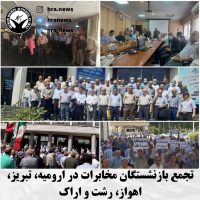
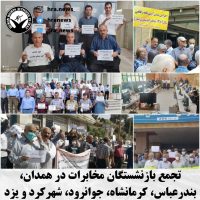
The retirees of the Telecommunication Company of Iran held protests in front of the company headquarters in Tehran, Khorramabad, Qazvin, Shiraz, Hamedan, Javanrud, Shahrkurd, Yazd, Urmia, Tabriz, Ahvaz, Rasht, Sari and Arak.

The retirees protested against low and unpaid benefits, delays in payments and not complying with recruitment regulations.

Continuing their protests against low pensions, Iranian pensioners held a protest in front of the Governor-General Building in Shush.

A group of workers of the Tabriz Petrochemical Company gathered in front of the company’s entrance to demand closing disparities in wages and elimination of discrimination.

Baha’i Citizen Amin Zolfaghari Imprisoned in Yazd Prison 

On Tuesday, May 24, 2022, Baha’i citizen Amin Zolfaghari was transferred to Yazd Prison to serve his eight-months sentence. Earlier, Branch 2 of the Revolutionary Court of Yazd had sentenced Zolfaghari to three years and four months term. On Appeal, this sentence was reduced to 8 months.

According to HRANA, the news agency of Human Rights Activists, on Tuesday, May 24, 2022, Baha’i citizen Amin Zolfaghari was sent to Yazd Prison to serve his sentence.

On May 21, 2020, the Ministry of Intelligence agents arrested Zolfaghari at his house in Yazd and transferred him to prison. On June 23, 2020, he was released on bail.  

Subsequently, Branch 2 of the Revolutionary Court of Yazd sentenced Zolfaghari and three other defendants, Mitra Amir-Abadi, Hiwa Mehdi-Abadi and Mahbooneh Misaghian, to 2 years and eight months in prison on the charge of “membership in anti-regime groups” and eight months on the charge of “propaganda against the regime.”

The sentences against all four defendants were reduced to eight months during the appeal process.

The deprivation of the freedom to practice their religion is a breach of Article 18 of the Universal Declaration of Human Rights and Article 18 of the International Covenant on Civil and Political Rights. The United Nations covenant holds that every person has the right to freedom of religion, freedom of converting religion, as well as freedom of expression, individually or collectively; openly or secretly.

Report on Current Nationwide Protests: Hundreds Arrested; Dozens Killed and Injured

During the last two weeks, triggered by food price hikes, nationwide protests erupted in more than 31 cities across 10 provinces. HRANA, the news agency of Human Rights Activists, has recorded 53 demonstrations so far. 

According to HRANA, on Friday, May 6, 2022, following the government’s decision to cut subsidies on essential food items such as dairy products, flour, cooking oil, chicken, and eggs leading to soaring prices, the call for rallying against soaring prices went viral on social media. In the following days, several protests broke out in Khuzestan Province and soon swept through numerous cities across the country.

Prior to these protests, a series of protests and gatherings of teachers, labor workers and the retirees who had lost their pensions due to the government’s risky financial decisions had been sweeping across the country leading to dozens being arrested.

The new rounds of protests sparked initially in Susangerd City and other neighboring cities in Khuzestan Province. In the following days, at least 30 Arab-speaking citizens were arrested by security forces.

Soon after, the protests spread to other cities and provinces. The videos received from citizen journalists indicate that the protestors chanted slogans against inflation as well as the Iranian regime leaders, including President Ebrahim Raeisi and Supreme Leader Seyyed Ali Khamenei.

The map below shows the locations where the protests were.
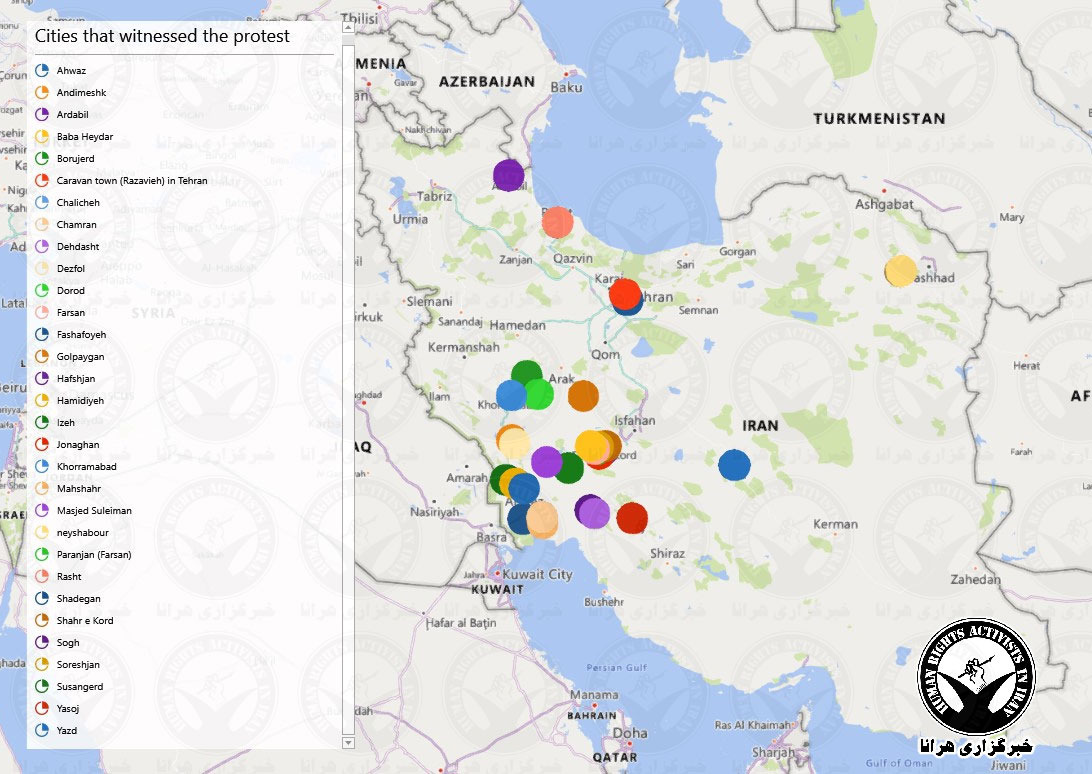
As the map shows, the protests took place in the following cities: Izeh, Susangerd, Hamidieh, Ahvaz, Mahshahr, Masjed Soleiman, Shadegan, Jarahi Town Mahshahr, Dorud, Andimeshk, Dezful, Shahrekord, Junaqan, Fashafouyeh, Yasuj, Ardabil, Farsan, Khorramabad, Dehdasht, Borujerd, Suq, Yazd, Golpayegan, Cholicheh, Rasht, Neyshabur, Surshjan, Hafshejan, Babaheydar, Karevan Town and Pordanjan.

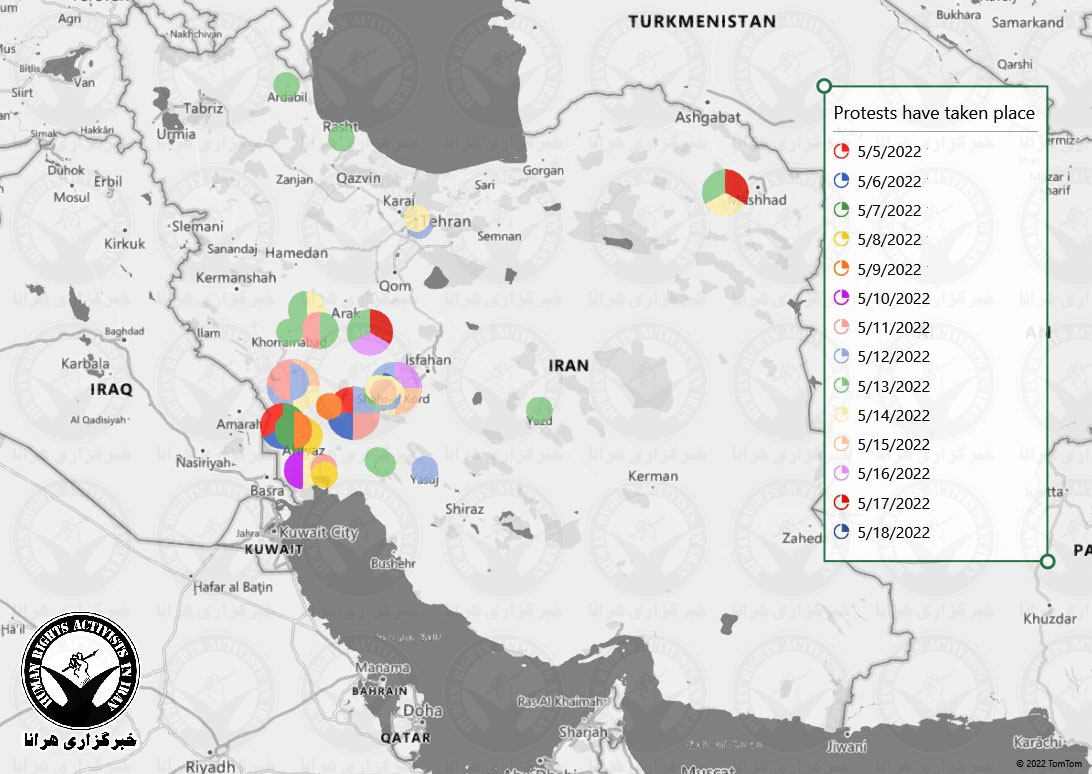
In total, 53 protests have been recorded. Moreover, 45 times, the attempts to start a protest were foiled due to the heavy presence of police and security forces in the streets. 

The map below shows the locations of 53 protests and the time periods.
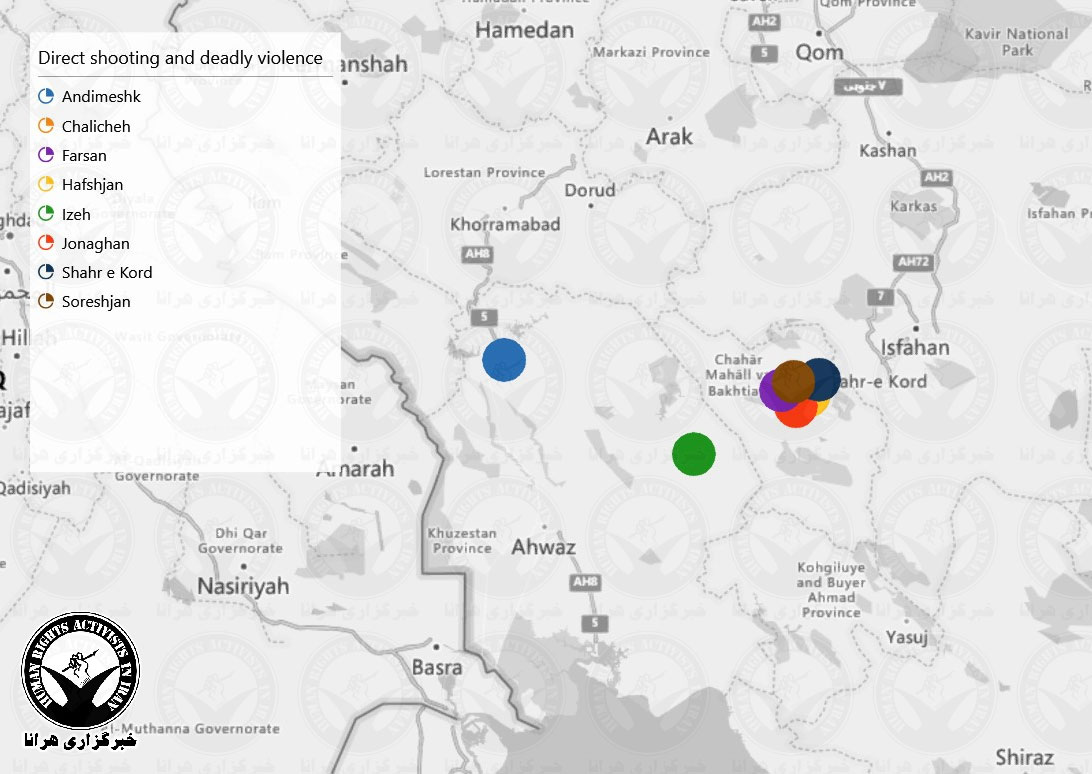
During these protests, at least on 22 occasions in 14 cities, the police and security forces used tear gas, warning shots, pellet guns and in some cases heavy weapons against the protestors. In nine cities, tear gas and in 14 cities warning shots were used to scatter the crowds. In eight cities, security forces fired straight toward the crowds. Reportedly, security forces have used pellet guns, Kalashnikov assault rifles and paintball guns to disperse the protestors.

The map below shows the places where crackdowns and unrestrained shootings have been reported.
Since the beginning of the protests on Friday, May 6, the government disrupted the internet in several areas in Ahvaz in an attempt to prevent the protests. In the days that followed, Internet disruption was also reported in at least 10 cities.

In addition to intentional Internet disruption, the press was banned from covering the protests.

According to the reports obtained from local sources, at least 449 individuals were arrested during the protests.

So far, six people have been confirmed dead. These people have been identified as Pishali Ghalebi Hajivand (Dezful), Saadat Hadipour (Hafshejan), Jamshid Mokhtari Junaqani (Junaqan), Omid Soltani (Andimeshk), Hamid Ghasempour (Farsan City), and Behrooz Eslami (Babaheydar). HRANA can only confirm the reports on the death of the first two individuals mentioned above.

From all videos of protests which are circulating on social media, HRANA has verified the authenticity of 30 video reports which compilation you can watch below:


HRANA Recap: This Week’s Protests in Iran

According to HRANA, the news agency of Human Rights Activists, a number of protests took place this week in Iran, many of which were continuations of ongoing movements.  Read our recap below for details, photos, and videos from the demonstrations.

Saturday, November 6

Several workers working on the Shafa Rud dam assembled at their workplace to protest against job uncertainty and a months-long delay in payment. As one of these workers stated, they have not received wages in six months.  About 900 workers who are working on this dam have been suspended from work due to the company’s financial problems.

A group of personnel of the Islamic Azad University in Mahshahr City protested their wages
by spreading empty tablecloths as a sign of their hard livelihood conditions. One
stated that they have long been denied payment under the pretext of a funding shortage.

A group of retirees of Haft-Tappeh Complex protested in front of the Ministry of Cooperatives, Labor and Social Welfare Office in Shush city. They stated that their pension income has not been fully paid in accordance with Social Security Act.

A number of farmers in Bavi County assembled in front of the building of the company Karun-e-Bozorg, an operation and maintenance of Irrigation and Drainage Networks, to ask for their water portion for wheat cultivation. They also protested against the cut in the water supply for their gardens.

A group of workers of Kerman Coal Mining Company went on strike and assembled at their workplace to protest against assigning the stock management to the company Dalahu Tejarat. They will oppose any changes in stock management until they have taken formal employment with the company.

The workers of Iran-Khodro in Tabriz went on strike at work to demand delayed payments and benefits.

Sunday, November 7

A number of retirees and pensioners of the Khuzestan Social Security Organization protested in front of the building of the organization in Ahvaz city. They asked for levelling up pensions to stand above the poverty line, closing the disparity in pension incomes, enforcing article 96 of the Social Security Act, solving issues regarding supplementary insurance, paying end-of-year bonuses and factoring in employment history in hazardous jobs for calculating pension income.

A group of designers and supervising engineers assembled in front of the Iran Ministry of Roads & Urban Development to protest the enactment of new regulations and procedures which, as the protestors claim, would be devastating for companies in this sector.

Retirees and pensioners of Fulad Steel Company assembled in front of the company’s pension fund departments in Isfahan and Ahvaz. They asked that their pensions be raised above the poverty line, closing the disparity in pension incomes and addressing supplementary insurance issues.

A group of personnel of the Social Security Organization assembled in front of the parliament in Tehran. They demanded implementation of the Hard and Hazardous Jobs Act, which requires that military service periods and job hardship records be taken into account when raising wages.

A number of victims of the financial fraud of the cryptocurrency exchange “Cryptoland” assembled in front of the Judiciary Building and demanded their lost money.

A number of depositors who has lost their investment through Caspian institution assembled and protested in front of the building of the Central Bank in Tehran.

Monday, November 8

A number of retirees of Haft-Tappeh Company who went into a pension in 2020 assembled in front of the Ministry of Cooperatives, Labor and Social welfare office in Shush city. They claimed that their pension income has been accounted for less than what the social security act requires.

In Tehran, a group of citizens who had pre-ordered cars from Ramak Khodro Company assembled in front of the Tehran Courthouse to ask for a demand accountability from the company, which has failed to deliver their cars after four years.

Dozens of citizens from Lorestan County in Fars province traveled to Tehran and assembled in front of the building of the Iran Ministry of Roads & Urban Development. They asked for maintenance of the unsafe and poor conditions of the road connecting Jahrom to Bandar-e Abbas. This road is still not two-lane, which has caused many fatal car accidents in recent weeks.

In Isfahan, a group of farmers assembled in front of the headquarter of the Islamic Republic of Iran Broadcasting. Moreover, several other farmers marched in the streets of this city. They protested against not receiving their water portion for the fall wheat crop planting.

In Tabriz, the workers of SEMET Company assembled in protest in front of the company manager’s office.

In Kerman, a number of workers of Kerman coal company assembled in front of the office of the Ministry of Cooperatives, Labour, and Social Welfare to protest against the privatization of the company.

Tuesday, November 9

Dozens of retired teachers and educators who have been on pension since 2020 assembled in front of the building of the Planning and Budget Organization in Tehran. They demanded payment of their pension bonuses. The protest turned violent by police interference.

A group of livestock farmers in the Toroq area in Mashhad assembled to protest against the demolition of several animal farms.

For the second consecutive day, in Isfahan, farmers assembled in front of the building of the Regional Water Company and marched in the streets.

Wednesday, November 10

For the third consecutive day, in Isfahan, a number of farmers assembled in the dried up stretches of the river Zayandeh-rud to ask for their water portion. In response, the member parliament Abas Moghtadai promised that to address their issue, along with other Isfahan members of parliament, he would have a meeting with the president.

A number of landowners in Astalak Pardis protested in front of the building of the Tehran Ministry of Roads & Urban Development. They claimed that their lands have been confiscated by the company Omran-Pardis.

In Khorasan province, a group of Iran-Khodro workers went on a strike to protest against forced overwork and ask for raising wages.

For the second consecutive day, to ask for addressing their work issues, a group of preschool educators assembled and spent the night in front of the building governorate building.

Thursday, November 11

In response to the call of the Coordinating Council of Iranian teacher Unions, both retired and working teachers in 67 cities across the country assembled and protested. As their most important demand, they asked for the implementation of the Ranking Income Bill, whereby the salaries of teachers should be raised to at least 80% of university board members’ salaries.

On the same day of nationwide teachers’ protest, in Isfahan, the school concierges and service workers assembled in the front of the building of the Department of Education to ask for their demands.

For the third consecutive day, in Isfahan, the farmers assembled in the dried up stretches of the river Zayandeh-rud.

Four Baha’i Citizens Sentenced to a Total of 32 Months Imprisonment by Appeals Court

The Court of Appeals in Yazd Province recently sentenced Baha’i citizens Amin Zolfaghari, Mahboobeh Misaghian, Mitra Bandi Amirabadi and Hiva Yazdan Mehdi Abadi to a total of 32 months in prison.

According to HRANA, the news agency of Human Rights Activists, in recent days, Branch 11 of the Court of Appeals in Yazd sentenced each of the four Baha’i citizens to eight months in prison on a charge of “propaganda against the regime”.

Initially, Branch 2 of the Revolutionary Court of Yazd Province had sentenced these citizens to a total of 13 years and 4 months in prison on a charge of “membership in Baha’s anti-regime groups and the propaganda against the regime”. Upon appeal, they were acquitted from the first charge.

On May 21, 2020,  intelligence agents arrested Mr. Amin Zolfaghari and transferred him to Yazd prison. He was released on bail on June 23 of that year. Ms. Misaghian was arrested by security forces on June 1, 2020, and released on bail on June 16, 2020.

Ms. Mitra Bandi Amirabadi and Ms. Hiva Yazdan Mehdi Abadi were arrested on May 30, 2020, and released on bail after three months of detention. These two citizens had previously faced other arrests and convictions. In December 2017, Yazdan Mehdi Abadi was detained for “teaching music to children” and transferred to Yazd Prison. She was released on bail on December 25 of that year.

According to an informed source, these two above-mentioned citizens were arrested and sentenced to suspended imprisonment for a period, which ended recently.

According to unofficial sources, it is estimated that more than 300,000 Baha’is live in Iran, but the Iranian constitution recognizes only Islam, Christianity, Judaism, and Zoroastrianism. Because their faith is not considered legitimate by authorities, the rights of Baha’is in Iran have been systematically violated for years.

This deprivation of the freedom to practice their religion is a breach of Article 18 of the Universal Declaration of Human Rights and Article 18 of the International Covenant on Civil and Political Rights. The United Nations covenant holds that every person has the right to freedom of religion, freedom of converting religion, as well as freedom of expression, individually or collectively; openly or secretly.