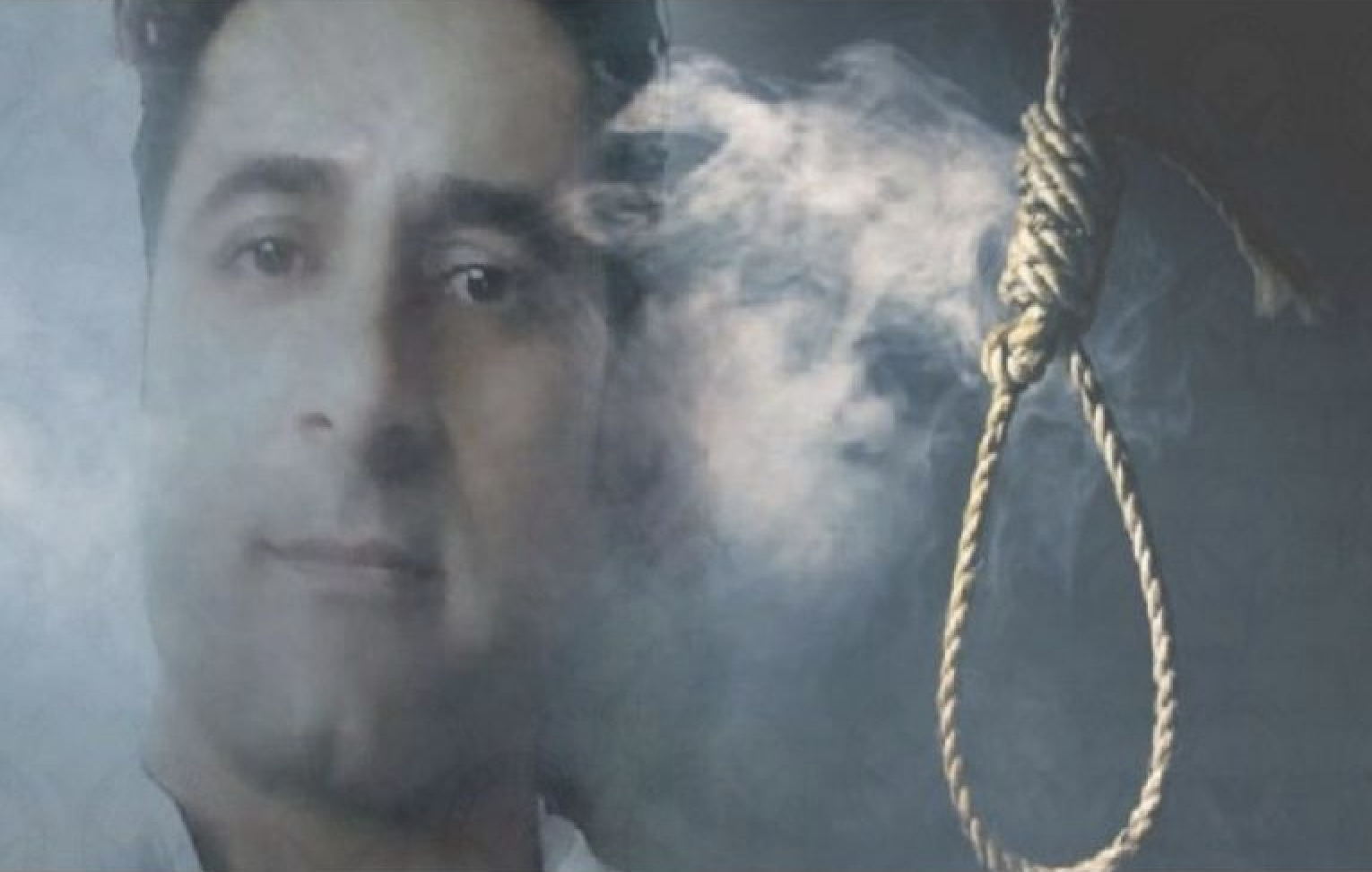
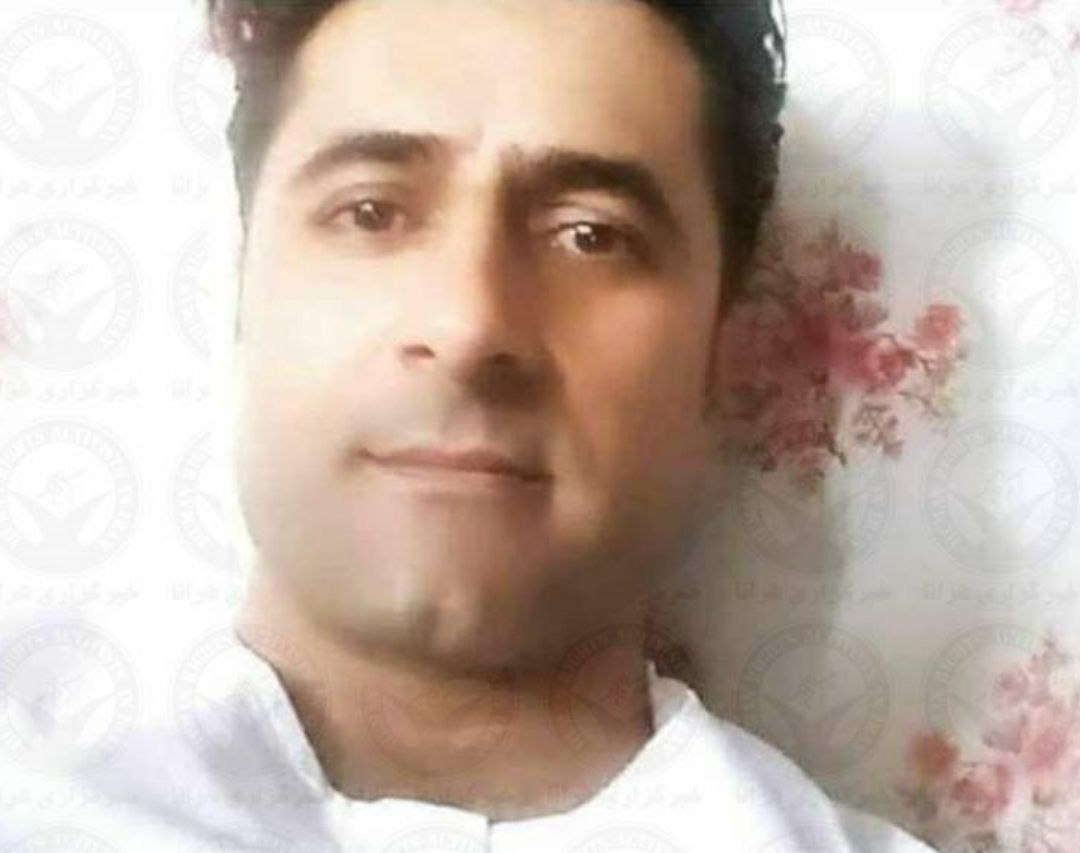
Two Defendants Sentenced to Death in Tehran, Two Others Sentenced to 10 Years

According to HRANA, the news agency of Human Rights Activists (HRA), quoting ROKNA news, 30-year-old Sohrab was sentenced to death for raping a teenage girl in Tehran.

Two other young men, Reza and Farhad, were sentenced to 10 years in prison each as they did not try to prevent the assault.

According to ROKNA news, in a separate story, a defendant in Tehran was sentenced to death for murder.

6 Prisoners Executed in Birjand Prison in the South Khorasan Province 

On May 25, six prisoners were executed in Birjand prison in South Khorasan.

According to HRANA, the news agency of Human Rights Activists, quoting RASANK news, all six had been previously arrested on drug-related charges. The report has identified the six as Javad Nakhaei, Mohammad Reza Harati, Reza Azarian, Ruhollah Rigi, and Alireza Farsi, all from Zabol, and Reza As’adi from Mashhad.

Iran ranks first in the world in citizen executions per-capita, according to international organizations. The Statistics and Publication Center of the Human Rights Activists in Iran (HRAI) reported that between January 1st and  December 20th of 2020, at least 236 citizens were executed. One of these citizens was executed publicly, and two were juvenile offenders. An additional 95 citizens were sentenced to death.

According to the report, more than 72% of executions in Iran are not reported by the government or the judiciary. Human rights organizations call these “secret executions.”

At the time of this writing, their execution has not been reported by domestic media or officials in Iran.

Female Prisoner Kobra Fatemi Executed in Yazd Prison Under Qisas (Eye-for-an-Eye) Principle of Shariah Law

On May 23, Kobra Fatemi was executed in Yazd Prison on a charge of murder under the Qisas (loosely translated as “eye for an eye”) principle of Shariah Law.

According to HRANA, the news agency of Human Rights Acvitists, quoting Iran Human Rights (IHR),  41-year-old Fatemi had been in prison since 2015 for the murder of her husband.

Based on the report, an informed source stated: “The victim’s family were going to grant forgiveness but the victim’s paternal uncle, who is a member of the Islamic Revolutionary Guards Corps, insisted that the sentence be carried out and refused diya (blood money) on behalf of the victim’s family.”

“Kobra Fatemi had been married for three years and did not have any children,”  the source added. “Family disputes led her to the murder of her husband,”

According to international organizations, Iran ranks first in the world in citizen executions per-capita. The Statistics and Publication Center of the Human Rights Activists in Iran (HRAI) reported that between January 1st and  December 20th of 2020, at least 236 citizens were executed. One of these citizens was executed publicly, and two were juvenile offenders. An additional 95 citizens were sentenced to death.

The report states that more than 72% of executions in Iran are not reported by the government or the judiciary. Human rights organizations call these “secret executions.”

At the time of writing, her execution has not been reported by domestic media or officials in Iran

Prisoner Executed in Mashhad on Charge of Rape

On the morning of May 19, a prisoner who was previously sentenced to death on a charge of rape was executed in Mashhad Prison.

According to HRANA, the news agency of Human Rights Activists, quoting the Khorasan newspaper, the 9-year-old child of a foreign national was kidnapped by a young motorcyclist in the outskirts of Mashad in February of last year. The kidnapper abducted the child by threatening him with a knife in front of his mother.

The kidnaper was identified and arrested after detectives found clues that showed he had formed a six-member gang to attack children and teenagers, especially working children.

A special team of detectives with members across operational and intelligence branches managed to arrest all members of the gang. After publishing an unveiled picture of the gang leader in the Khorasan newspaper, several Khorasan residents approached the Iranian Police Criminal Investigation Department, from whom 13 were able to identify the kidnapper and file a lawsuit against him.

Given the importance of the case, Judge Gholam-Ali Sadeghi, Chief Justice of Khorasan Razavi, issued special orders to expedite the investigation. The case was sent to Branch 6 of Criminal Court One to be processed, and the court sentenced the kidnapper to death. The sentence was confirmed by the Supreme Court accordingly.

Ghasem. B. was hanged in Mashhad Central Prison on the morning of May 19.

Two Prisoners Executed in Birjand in South Khorasan Province

Yesterday, two prisoners were executed in Birjand Prison in the South Khorasan province.

According to HRANA, the news agency of Human Rights Activists, quoting the Baloch Activists Campaign, the two citizens have been identified as Younes Totazehi from Chah-e Rahman rural district close to Zahedan city and Abdullah Totazehi son of Sohrab, from Zahedan in Sistan and Baluchestan Province.

Younes and Abdullah Totazehi were arrested in 2019 and sentenced to death on drug related charges.

According to international organizations, considering its population, Iran ranks first in the world in the execution of its citizens. The Statistics and Publication Center of the Human Rights Activists in Iran (HRAI) reported that between January 1st and  December 20th of 2020, at least 236 citizens were executed. One of these citizens was executed publicly, and two were juvenile offenders. An additional 95 citizens were sentenced to death.

More than 72% of executions in Iran are not reported by the government or the judiciary. Human rights organizations call these “secret executions.”

As of this writing, the execution of  the two prisoners has not been announced by any Iranian media or official sources.

Subscribe to Our Newsletter

Now is definitely not the time to stop reading!

25-Year-Old Prisoner Executed in Adelabad Prison After Being Tortured and Forced to Confess

On May 15, 2021, an inmate in Adelabad Prison in Shiraz was executed on a charge of rape. The prisoner’s identity was confirmed by HRANA as 25-year-old Behzad Ad’l.

According to HRANA, the news agency of Human Rights Activists, Ad’l  was transferred to solitary confinement for execution along with three others sentenced to death on the morning of the 15th.

In June of last year, Ad’l was arrested and sentenced to death and 99 lashes by Branch 1 of the criminal court in Fars Province, presided over by Judge Rajaeinia. The case was appealed and referred to the Supreme Court, and the previous ruling was upheld in less than 18 days.

According to an informed source, the Ad’l’s execution was carried out very hastily, despite at least 2 of his 3 plaintiffs’ agreement on the withdrawal of the sentence.   Start to finish, the  process of issuance, approval, and execution of the sentence took place over the course of less than seven months.

Ad’l did not have a lawyer.  According to the lawsuit in Branch 1 of criminal court in the Fars Province, issued in October 2020, Behzad Ad’l had stated that during interrogation he was tortured and forced to confess to the charges. If he did not cooperate, authorities threatened that his “grandmother (would) be run-over by car.”

At least three other prisoners were transferred to solitary confinement along with Mr. Ad’l for execution. The fate and identities of the other three prisoners are currently unknown.

According to international organizations, considering its population, Iran ranks first in the world in the execution of its citizens. The Statistics and Publication Center of the Human Rights Activists in Iran (HRAI) reported that between January 1st and  December 20th of 2020, at least 236 citizens were executed. One of these citizens was executed publicly, and two were juvenile offenders. An additional 95 citizens were sentenced to death.

The report states that more than 72% of executions in Iran are not reported by the government or the judiciary. Human rights organizations call these “secret executions.”

As of this writing, the execution of this prisoner has not been announced by any Iranian media or official sources.

Prison Officials Beat Inmate Amir Rezaei to Death in Urmia Prison

According to HRANA, the news agency of Human Rights Activists, an inmate at Urmia Prison died on Monday after being ruthlessly beaten by on-duty guards. The identity of this prisoner has been verified by HRANA as 35-year-old Amir Rezaei.

According to an informed source, on Monday, after a clash between prisoners in Ward 14 of Urmia Prison, several prisoners were transferred to solitary confinement.

“After being released from solitary confinement, Mr. Rezaei escaped toward the 1-2 dormitory of the prison,” the informed source said. “Four prison guards followed him and arrested him; two of them beat him and one of them lifted Amir Rezaei on his head and knocked him to the ground. The prisoner’s head hit the ground, causing unconsciousness and eventually death.”

The source emphasized that guards’ aggressive handling continued long after Rezaei  had been subdued.

“Three officers dragged him to the ground, even after he lost consciousness, and transferred him to another place,” the source said.  “They took him to the hospital and found out that he had lost his life when they saw that he was unconscious. Last night [May 17], around 11 o’clock, the body was taken out of the prison.”

Prison official brutality towards inmates is an ongoing issue in Iran. Rezaei had served out half of a 20-year sentence in prison on drug-related charges when he was killed.


Prisoner Amir Bayati Executed in Shiraz

On May 17th, Amir Bayati was executed in Adelabad Prison on a charge of murder under the Qisas (“eye for an eye”) principle of Shariah Law. The execution has not been announced by any Iranian media or official sources at the time of this writing.

According to HRANA, the news agency of Human Rights Activists, quoting Iran Human Rights (IHR), on May 17th, Amir Bayati was executed after being sentenced to death on a charge of murder.

Amir Bayati was arrested in 2017 and was being held in prison up until his execution on Monday. An informed source repeatedly stated that Bayati committed the murder unintentionally after a fight escalated. Per the report, Bayati lost his temper after the victim shouted obscenities in his direction.  The death sentence falls under the Qisas (loosely translated as “eye for an eye”) principle of Sharia Law.

According to the Statistics and Publication Center of the Human Rights Activists in Iran (HRAI), between January 1st and  December 20th of 2020, at least 236 citizens were executed. One of these citizens was executed publicly, and two were juvenile offenders. An additional 95 citizens were sentenced to death.

The report states that more than 72% of executions in Iran are not reported by the government or the judiciary.  Human rights organizations call these “secret executions.”

On May 15, 2021, HRANA reported the execution of a prisoner named Behzad Ad’l, and the transfer of at least three other prisoners for the execution of death sentences in Adelabad Prison in Shiraz.

At the time of writing, the execution of Mr. Bayati has not been reported by domestic media or officials in Iran.

Prisoner Jamal Mohammadi Executed in Ilam Prison

On May 16th, Jamal Mohammadi was executed in Ilam Prison on a charge of murder under the Qisas (“eye for an eye”) principle of Shariah Law. The execution has not been announced by any Iranian media or official sources at the time of this writing.

According to HRANA, the news agency of Human Rights Activists, on May 16th, Jamal Mohammadi  was executed after being sentenced to death by a court on a charge of murder.

About two years ago, during his military service in one of the barracks in Ilam, Mohammadi killed one of his superiors after a verbal conflict. The death sentence falls under the Qisas (loosely translated as “eye for an eye”) principle of Shariah Law.

According to international organizations, considering its population, Iran ranks first in the world in the execution of its citizens. The Statistics and Publication Center of the Human Rights Activists in Iran (HRAI) reported that between January 1st and  December 20th of 2020, at least 236 citizens were executed. One of these citizens was executed publicly, and two were juvenile offenders. An additional 95 citizens were sentenced to death.

According to the report, more than 72% of executions in Iran are not reported by the government or the judiciary. Human rights organizations call these “secret executions.”

Mohammadi was executed in the presence of his relatives. At the time of this writing, the execution has not been announced by any Iranian media or official sources.

Mehran Naruyi Executed in Isfahan After IRGC Refuses to Provide Letter of Suspension to Prison Officials

On May 16th, Mehran Naruyi was executed on drug-related charges in Dastgerd Prison in Isfahan, despite widespread calls to suspend the process until a fair trial could take place.

According to HRANA, the news agency of Human Rights Activists, quoting The Baloch Activists Campaign, on May 15th, Naruyi was transferred to solitary confinement in Dastgerd Central Prison before the execution.

Per the report, an informed source said “during the prisoner’s last meeting with his family, prison officials pointed out that they would suspend the sentence if they received a letter from the imam of Isfahan and Revolutionary Guards. However, the IRGC’s Intelligence Organization refused to provide the letter.”

On May 16, 2021, Amnesty International called for an stop to the execution of Naruyi, writing: “The Iranian authorities should grant this prisoner the right to a fair trial without resorting to the death penalty, as well as forcing confessions under torture.”

According to international organizations, considering its population, Iran ranks first in the world in the execution of its citizens. The Statistics and Publication Center of the Human Rights Activists in Iran (HRAI) reported that between January 1 and December 20 of 2020, at least 236 citizens were executed. One of these citizens was executed publicly, and two were juvenile offenders. An additional 95 citizens were sentenced to death.

According to the report, more than 72% of executions in Iran are not reported by the government or the judiciary. Human rights organizations call these “secret executions.”

Mehran Naruyi, son of Khodadad, is from Nosratabad city of Zahedan in Sistan and Baluchestan province. As of this writing, this execution has not been announced by any Iranian media or official sources.