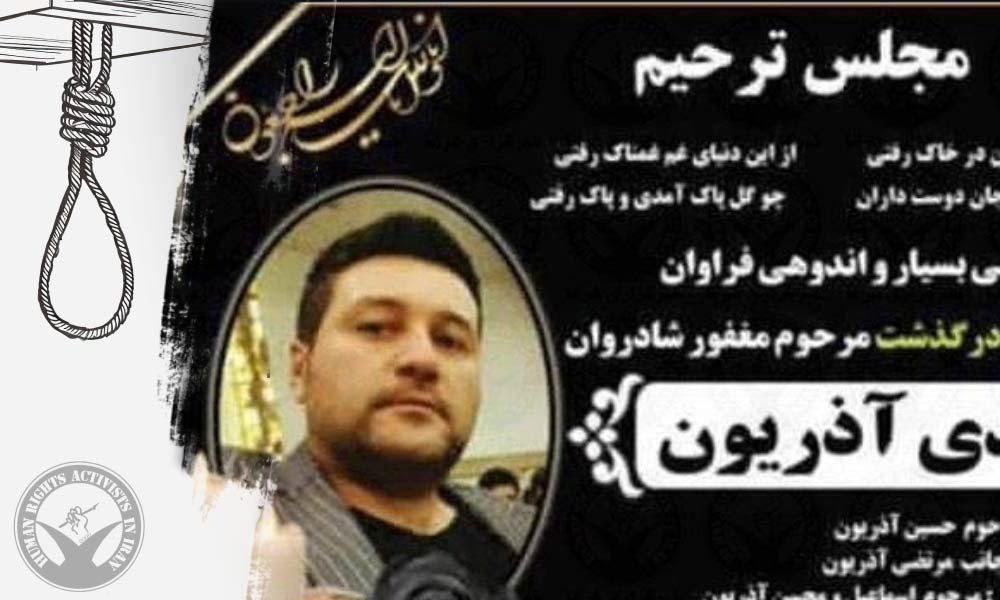
Sunni Prisoner Davoud Abdollahi Executed in Ghezel Hesar

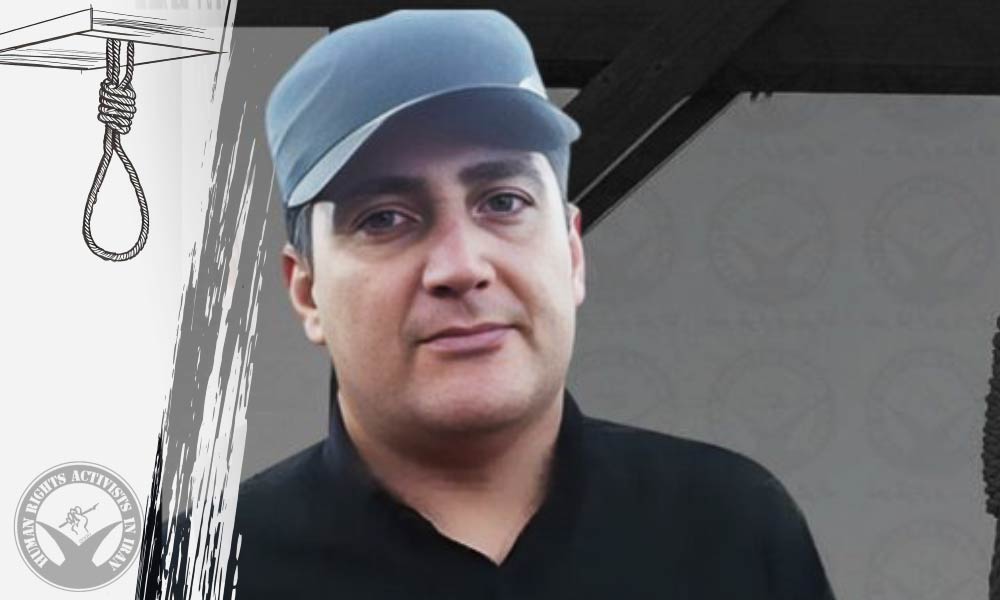
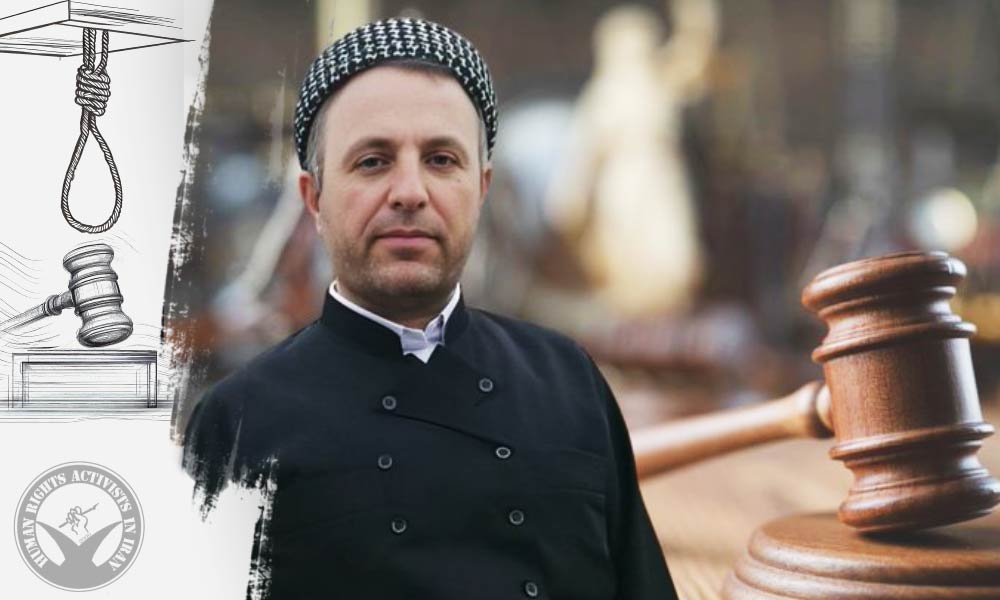
On January 2, 2024, Davoud Abdollahi, a Sunni prisoner, was executed in Ghezel (Qezel) Hesar Prison, Karaj, marking the end of his 13-year incarceration.

A source close to his family informed HRANA that the execution occurred without prior notice to his family. Abdollahi had been transferred to solitary confinement on December 26, following a hunger strike he initiated.

In a related legal case, two other Sunni defendants, Ghasem Abasteh and Ayoub Karimi, were executed on November 5 and November 29, 2023, respectively.

The origins of the case date back to September 2008 when Abdolrahim Tina, the Imam of a mosque in Mahabad, was assassinated by unidentified individuals. In January-February 2010, Abdollahi and six other Sunni suspects were arrested in connection to the assassination.

While in detention, Abdollahi faced multiple charges, including enmity against God (Moharebeh), allegedly through sympathizing with Salafism—a charge he consistently refuted. After spending fourteen months in legal limbo, Abdollahi was transferred to Rajai Shahr Prison, Karaj, where he remained until his relocation to Ghezel Hesar Prison in August of the current year.

Initially sentenced to death by Branch 28 of the Tehran Revolutionary Court, presided over by Mohammad Moghiseh, the verdict was later overturned by the Supreme Court. The case was then assigned to Branch 15 of the court, presided over by Judge Salavati, who reinstated the death sentences for Abdollahi and six others—Anvar Khezri, Kamran Sheikheh, Farhad Salimi, Khosro Besharat, Ghasem Abasteh, and Ayoub Karimi. This time, the Supreme Court confirmed the death sentences for him and his co-defendants.

Nine Individuals Executed for Drug Offenses in Ardabil

Ardabil Province judicial authorities have confirmed the execution of nine inmates in separate legal cases, all charged with drug offenses, within Ardabil Prison, as reported by Fars News Agency.

Following the Supreme Court’s confirmation of their verdicts, three inmates were executed. Additionally, six individuals were hanged in the preceding days, with their identities remaining undisclosed in the report.

The reports from the Department of Statistics and Publication of Human Rights Activists for the year 2023 reveal a concerning prevalence of executions for drug offenses in Iran, constituting 56.4% of the total executions. For a comprehensive examination of the details and statistics surrounding the executions in Iran, refer to HRANA’s report.


Execution of Five Inmates for Armed Robbery in Karaj Central Prison

On January 1, 2024, the Central Prison of Karaj carried out the execution of five death-row inmates convicted of armed robbery, as reported by ISNA.

The Chief Justice of Alborz Province, Hossein Fazeli Harikandi, confirmed their identities were withheld due to their conviction of “gang armed robbery, making roads unsafe, instilling fear in the public, and causing significant damage to people’s property.”

According to Harikandi, the Karaj Revolutionary Court had sentenced them to death, although the exact date of the conviction was not disclosed. The executions took place after multiple confirmations of the death sentences by the Supreme Court.

In 2023, the Department of Statistics and Publication of Human Rights Activists in Iran documented a total of 746 executions, with 6 taking place in public. Among the executed individuals with identified genders, 597 were male, and 20 were female. Notably, 2 juvenile offenders, defined as individuals under the age of 18 at the time of their alleged crimes, were also executed. For a thorough analysis of the particulars and statistical breakdown of the executions in Iran, please consult HRANA’s annual report.

Four Alleged Spies Executed in Urmia Prison Amidst Iran-Israel Tensions

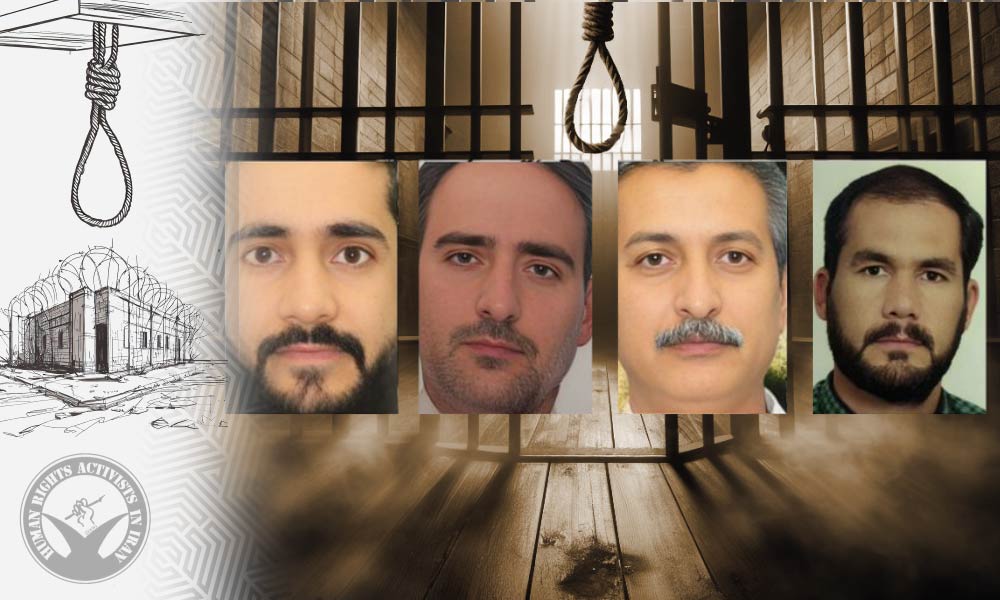
On December 29, 2023, against the backdrop of heightened tensions between Iran and Israel, Aran Omari, Rahman Parhazoo, Vafa Henareh, and Nasim Namazi were executed in Urmia Prison on charges of espionage for Israel.

The individuals, including Mansour Rasouli, received death sentences as part of a contentious legal case known as “interrogating Mansour Rasouli.” Yesterday, HRANA reported their relocation to solitary confinement the day before, heightening concerns about their impending execution. In an unexpected turn of events, Rasouli was returned to prison, reportedly due to a significant development in his legal case.

In October 2021, these five individuals, along with three others, were apprehended and interrogated on charges of espionage. Subsequently, in February-March 2022, they were incarcerated in Urmia Prison, receiving death sentences for their alleged “intelligence collaboration with Israel.”

In May 2022, media outlets released a video featuring a man claiming to be an IRGC member, interrogated by Israeli forces within Iran, confessing to planning an attack on Israel. Later, the same individual, Mansour Rasouli, retracted his confession, stating he was a farmer abducted and coerced into making false statements. Three weeks later, the IRGC announced the arrest of several individuals allegedly collaborating with Israel and engaging in kidnappings to extract fabricated confessions.

An informed source disclosed to HRANA that Rasouli had been a former IRGC member, paid to record voice and video files for use against other defendants. Rasouli was arrested after obtaining confessions from other defendants in this case.

Concerns Mount as Five Individuals Convicted of Espionage Are on the Verge of Imminent Execution in Urmia

Urmia, December 28 – Mansour Rasouli, Aran Omari, Rahman Parhazoo, Vafa Henareh, and Nasim Namazi, all on death row for espionage, have been transferred to solitary confinement, causing deep distress among their families who fear their impending executions.

In October 2021, these five individuals, along with three others, were apprehended and subjected to interrogation on charges of espionage. Subsequently, in February-March 2022, they were incarcerated in Urmia Prison and later received death sentences for their alleged “intelligence collaboration with Israel.”

In May 2022, media outlets released a video featuring a man, purportedly an IRGC member interrogated by Israeli forces within Iran, confessing to planning an attack on Israel. Subsequently, the same individual, Mansour Rasouli, retracted his confession, asserting that he was a farmer abducted and coerced into making false statements. Three weeks later, the IRGC announced the arrest of several people allegedly collaborating with Israel and engaging in kidnappings to extract fabricated confessions.

Given the recent escalation of tension in the region and the Iranian regime’s historical use of the judicial system for political purposes, coupled with uncertainties surrounding the process of their detention and trial, the relocation of these individuals to solitary confinement raises concerns about the imminent execution of the sentences.

Subscribe to Our Newsletter

Now is definitely not the time to stop reading!

Execution of Three Inmates at Qezel Hesar Prison

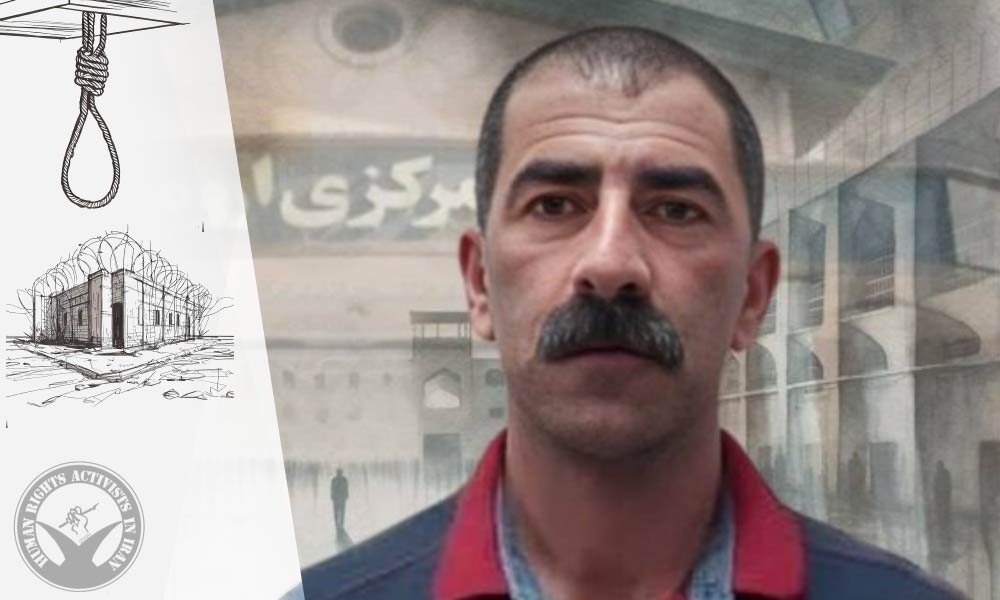
Qezel (Ghezel) Hesar Prison in Karaj recently executed three inmates who had been convicted of murder and rape.

HRANA has identified two of the executed individuals as Akbar Qara Gozlu and Ehsan Hamedi, both previously convicted of murder. The third inmate subjected to capital punishment was convicted of rape.

As of the time of this report, no official statements from authorities or coverage by domestic media outlets within the country have confirmed these executions.

According to data gathered by the Department of Statistics and Publication of Human Rights Activists, Ghezel Hesar Prison in Karaj witnessed the highest number of executions in 2023, with Zahedan Prison following behind. For a comprehensive examination of the details and statistics surrounding the executions in Iran, refer to HRANA’s report.

Execution in Birjand for Drug Offenses

December 27, Birjand – Haal Vsh reports that Esmaeil Ghader Magham (Brahui), a 32-year-old death-row prisoner convicted of drug offenses, was executed in Birjand Prison, South Khorasan province.

Ghader Magham, originally from Zahedan and a resident of Birjand, was arrested for drug-related crimes four years ago in Nehbandan. He was subsequently sentenced to death by the Birjand Revolutionary Court.

Despite the customary practice of allowing a final family visitation, prison officials executed Ghader Magham without providing him with this opportunity, raising concerns about the adherence to humane practices in the execution process.

At the time of writing, no official sources or domestic media outlets within the country have reported on this execution.
According to data compiled by the Center of Statistics of Human Rights Activists in Iran (HRA), between October 10, 2022, and October 8, 2023, a total of 659 individuals were executed by hanging in Iran, representing a 24% increase compared to the corresponding period in the previous year. Seven of these executions were conducted publicly. Many of the defendants were denied access to a fair trial and due process. For details and statistics, read HRANA’s report.


Execution of Three Prisoners for Drug Offenses in Isfahan

Dastgerd Prison in Isfahan has executed three death-row prisoners convicted of drug offenses in separate legal cases, according to the Iran Human Rights Organization.

The executed inmates are identified as Shirali (Shir-Ali) Saeedi (36), Saman Mogooye (31), and Reza Keshavarzi. Reza Keshavarzi faced execution on December 15, while Shirali Saeedi and Saman Mogooye were executed on December 23.

At the time of writing, no official sources or domestic media outlets within the country have covered these executions. The absence of official information raises concerns about transparency and accountability in the execution process.

These executions bring attention to the controversial issue of capital punishment for drug-related offenses in Iran. According to data compiled by the Center of Statistics of Human Rights Activists in Iran (HRA), between October 10, 2022, and October 8, 2023, a total of 659 individuals were executed by hanging in Iran, representing a 24% increase compared to the corresponding period in the previous year. Seven of these executions were conducted publicly. Many of the defendants were denied access to a fair trial and due process. For details and statistics, read HRANA’s report.


Supreme Court of Iran Upholds Death Sentence for Reza Rasaei

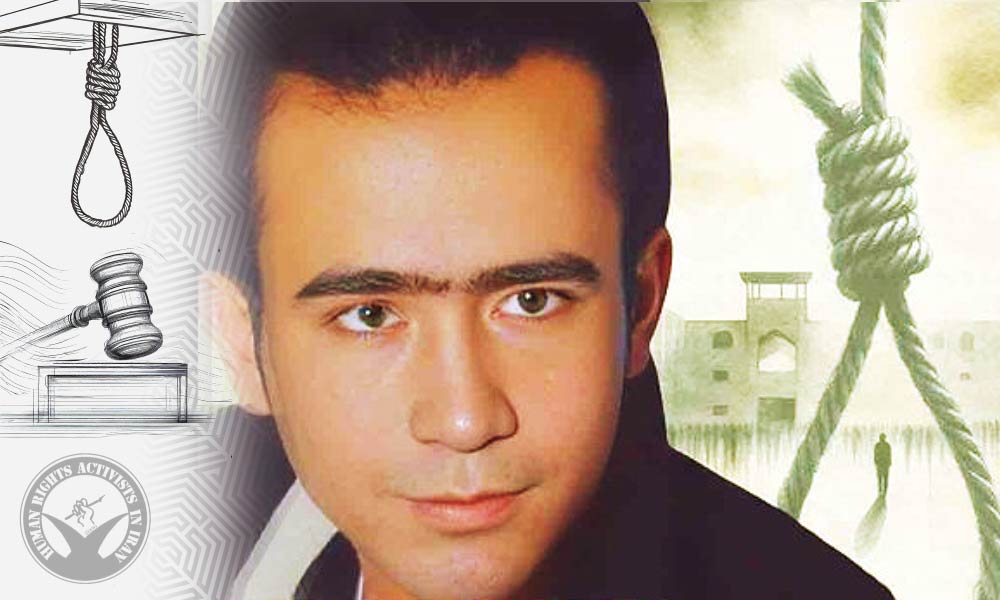
The Supreme Court of Iran has recently affirmed the death sentence for Reza Rasaei (Rasaie), arrested in connection with the 2022 nationwide protests.

In October of this year, Rasaei was condemned to death for his alleged involvement in the killing of Nader Beyrami, the head of IRGC Intelligence, during the protests in Sahneh County, Kermanshah province.

A family member of Rasaei, who spoke to HRANA, confirmed that Judge Barani presided over the Supreme Court’s decision to uphold the death sentence. Notably, the court’s ruling appears to have been influenced by a confession obtained under duress during Rasaei’s detention.

In addition to the capital punishment, Rasaei faces other charges, including non-fatal injury, threatening with a knife, and disturbing public order by causing unrest. Initially, he received additional penalties such as Diya (wergild), a year sentence, and 74 lashes.

Rasaei was apprehended on November 24, 2022, by the police and subsequently detained in Sahneh County. Following the completion of the interrogation process, he was transferred to Dizel-Abad prison in Kermanshah.

Several other protesters involved in the November 18, 2022 demonstration are also confronting charges related to their alleged role in the death of the IRGC’s intelligence officer. This protest resulted in the deaths of several protestors at the hands of police and security forces.

Reza (Gholamreza) Rasaei, aged 34, is known as a Yarsan follower and resides in Sahneh County.

Execution of Two Inmates in Khorramabad Prison for Drug-Related Crimes

On Saturday, December 23, Khorramabad Prison executed two individuals convicted of drug-related offenses, as reported by the Iran Human Rights Organization.

The executed prisoners have been identified as Khoda-Karam Lorestani, aged 50, and Hossein Musivand, known as Papi, aged 40. Both individuals reportedly originate from Borujerd, Lorestan province.

Musivand and Lorestani received death sentences for separate drug-related cases, five and four years ago, respectively. The executions took place amid ongoing concerns surrounding the application of capital punishment for drug offenses.

No official sources or domestic media outlets within the country have provided coverage of these executions at the time of writing. The lack of official information raises concerns about transparency and accountability in the execution process.

According to data compiled by the Center of Statistics of Human Rights Activists in Iran (HRA), between October 10, 2022, and October 8, 2023, a total of 659 individuals were executed by hanging in Iran, representing a 24% increase compared to the corresponding period in the previous year. Seven of these executions were conducted publicly. Many of the defendants were denied access to a fair trial and due process. For details and statistics, read HRANA’s report.