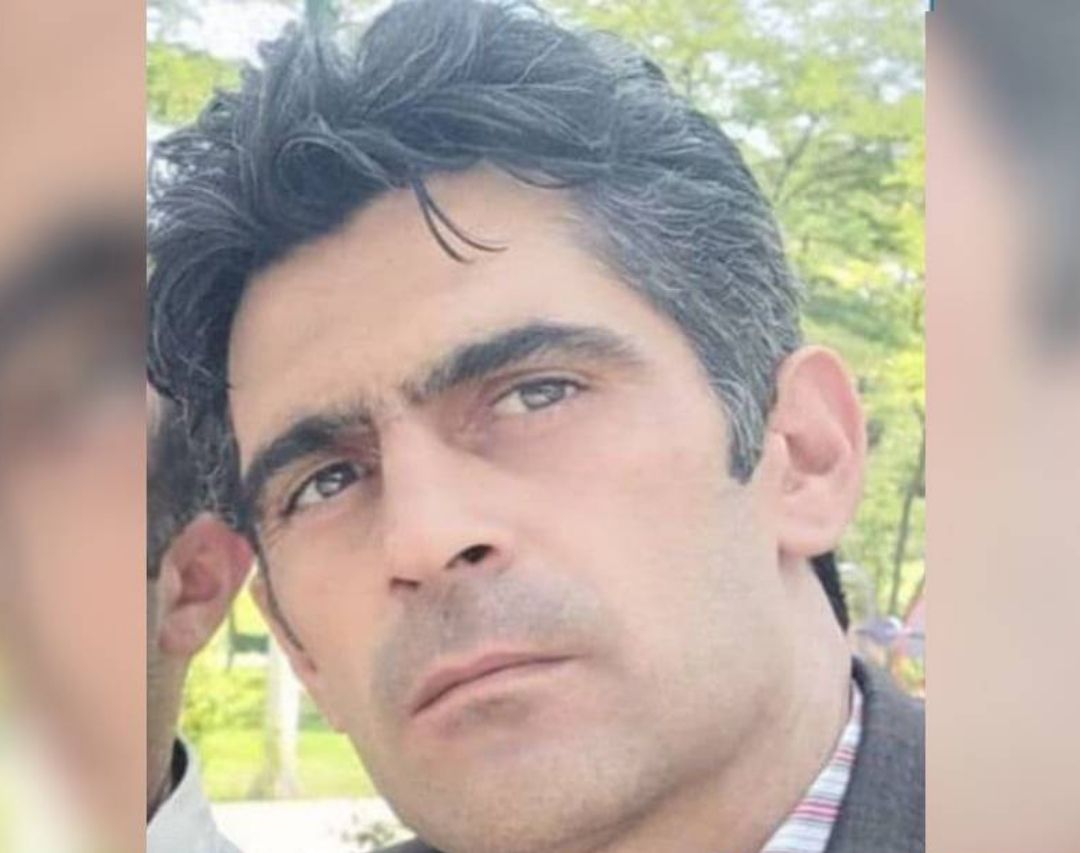
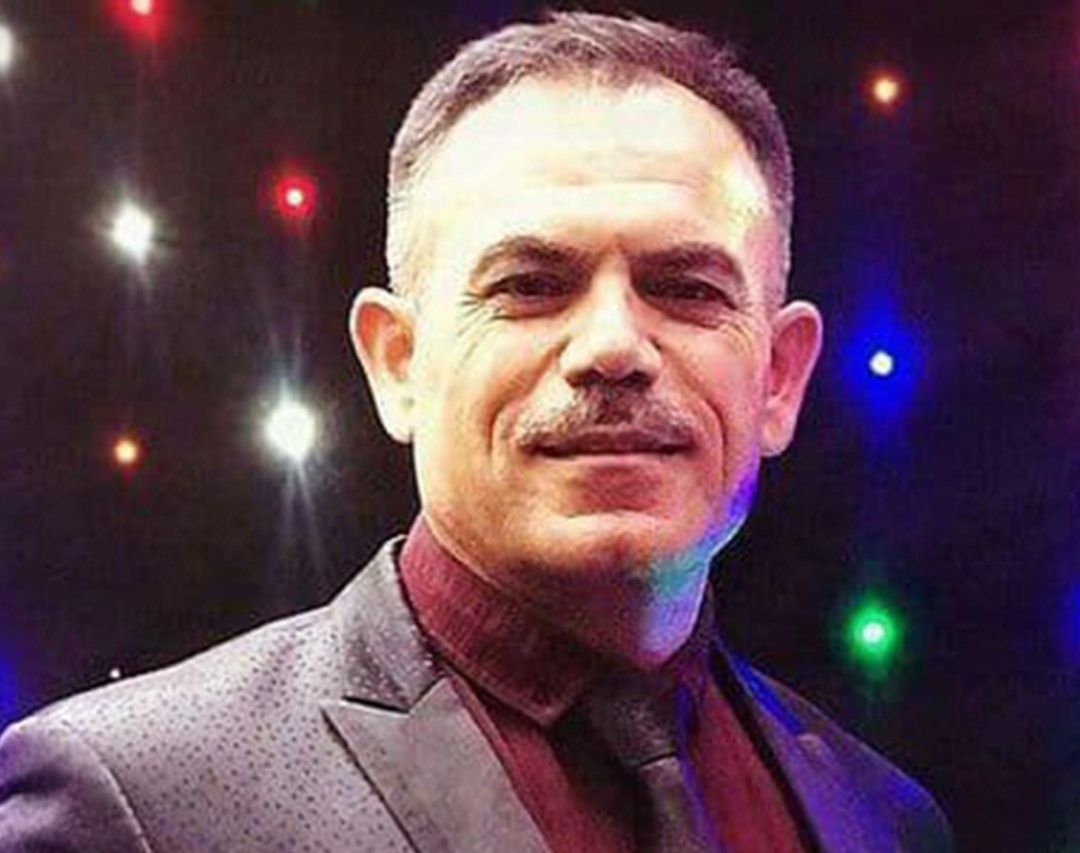
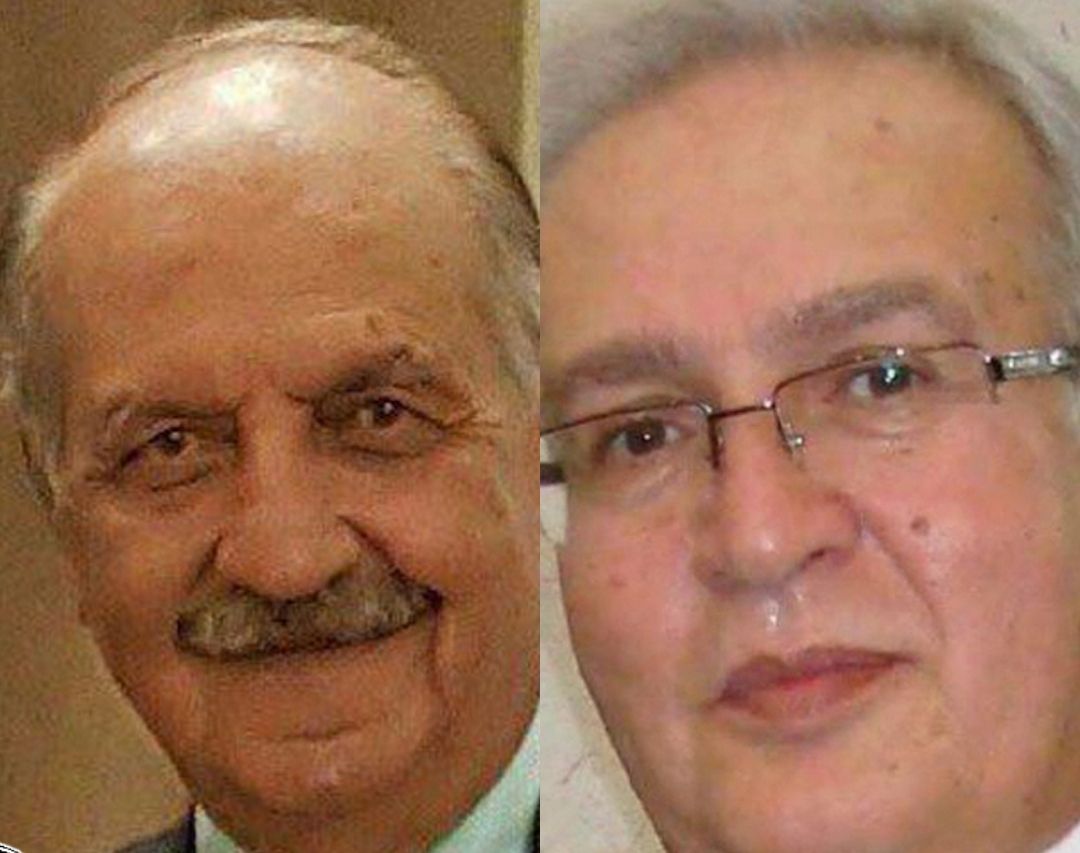
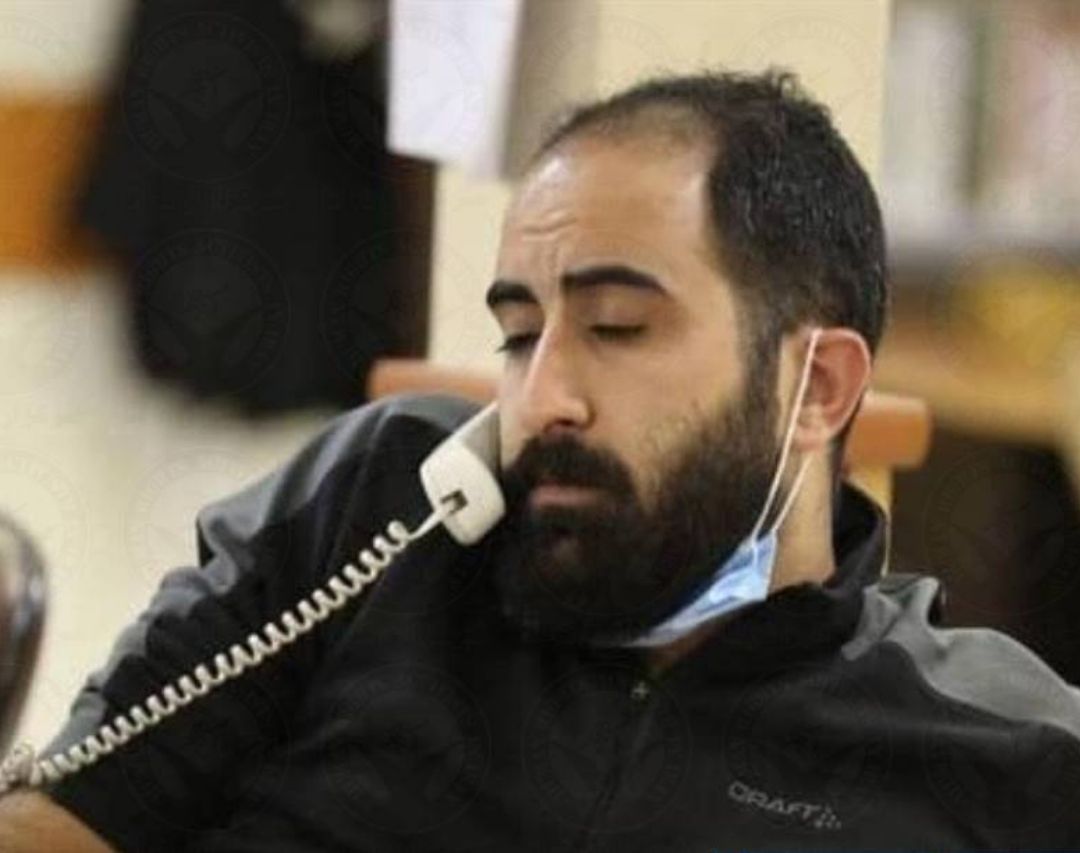
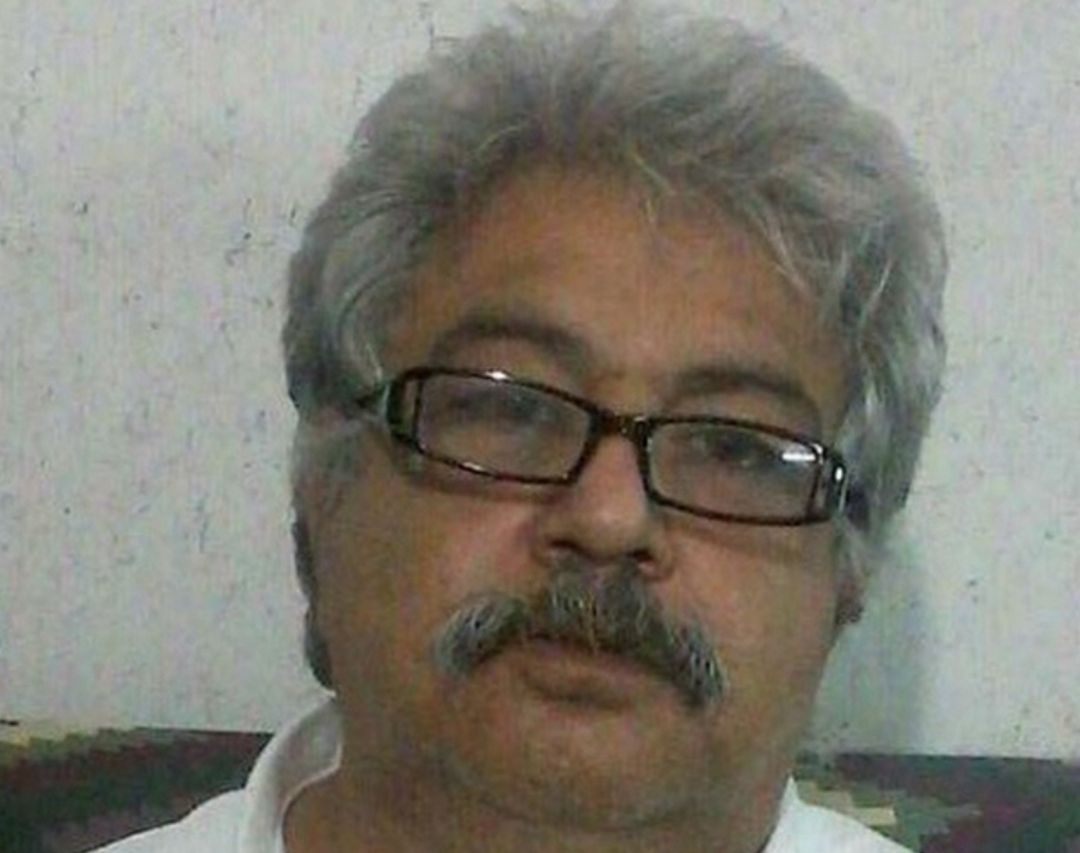
Mohammad Hassan Taheri Haghighi Executed for Murder in Adelabad Prison in Shiraz

On Sunday, July 11, a prisoner who had previously been sentenced to death for murder was executed in Adelabad Prison in Shiraz.

According to HRANA, the news agency of Human Rights Activists, the prisoner’s identity has been verified as “Mohammad Hassan Taheri Haghighi, son of Hassan, 33 years old, from Shiraz”.

Mr. Taheri Haghighi had been in Adelabad Prison in Shiraz since 2019.

Iran ranks first in the world in citizen executions per capita, according to international organizations. The Statistics and Publication Center of the Human Rights Activists in Iran (HRA) reported that between January 1 and December 20 of 2020, at least 236 citizens were executed.

One of these citizens was executed publicly, and two were juvenile offenders. An additional 95 citizens were sentenced to death.

According to the report, more than 72% of executions in Iran are not reported by the government or the judiciary. Human rights organizations call these “secret executions”.

Taheri Haghighi’s execution has not been announced by Iranian media or official sources as of this writing.

Prisoner Released from Gallows After Forgiveness from Parents

A prisoner in the city of Jiroft in Kerman Province, who had previously been sentenced to death for the murder of his brother, was released from the gallows after his family expressed their forgiveness.

According to HRANA, the news agency of Human Rights Activists, quoting Rokna News, a prisoner in the city of Jiroft in Kerman Province was saved from execution following the pardon of his parents.

Mohammad Reza Sharifi, head of the Jiroft Prison Administration, commented on the reversal of the prisoner’s fate.

“With the efforts of the Dispute Resolution Council and the Peace and Reconciliation Committee of the prison, the family of the victim, including his parents, wife, and children, expressed their consent and forgiveness,” Sharifi added, “and the prisoner was released from execution.”

Sharifi stated that the prisoner had murdered his brother with a firearm in one of the villages of Jiroft city in September 2019 due to family disputes, and had been in Jiroft Prison for almost 2 years.

“Due to the consent of the parents, the imprisonment due to the general aspect of the crime was reduced from ten years to three years with a reduction of the sentence, and during the meeting of the prison classification council, it was agreed to employ this prisoner.”

Maziar Seyednejad Still in Detention One Month After Arrest

A month after the arrest of labor activist Maziar Seyednejad, he is still in detention and his fate is unknown.

According to HRANA, the news agency of Human Rights Activists, Seyednejad was arrested on June 7 by security forces at his home in Tehran.  From there, he was as transferred to Ward 209 of Evin Prison, one of the solitary confinement cells of the Ministry of Intelligence Detention Center.

A few days after his arrest, during a brief phone call under the supervision of security forces, Seyednejad informed his family that he is unaware of the reasons for his detention. Despite the family’s inquiries, the reasons for the arrest and the charges against the labor activist are unknown at the time of writing.

Recently, Branch 16 of the Court of Appeals in Khuzestan Province upheld Mr. Seyednejad’s 3-year prison sentence.

Lawyer and Defendant Amirsalar Davoodi to Face Retrial on July 13

The retrial of lawyer Amirsalar Davoodi will be held on July 13 in Branch 28 of the Revolutionary Court of Tehran.

According to HRANA, the news agency of Human Rights Activists, Davoodi’s request for a retrial was accepted in June of this year. After awaiting a verdict for nearly three years, he was released from Rajai Shahr Prison in Karaj on a bail of 2 billion Tomans.

Amirsalar Davoodi was arrested by security forces in November 2018 and was transferred to Evin Prison after being charged.

In April 2019, Vahid Meshgani Farahani, Mr. Davoodi’s lawyer said 8 – 9 charges are filed against Mr. Davoodi, including forming a group to overthrow the regime, cooperating with hostile states, propaganda against the regime, spreading lies, insulting officials and the leadership, and several other charges, two of which have been referred to Branch 15 of the Islamic Revolutionary Tribunal.

In June 2019, on charges of conspiracy against national security, Branch 15 of the Revolutionary Court of Tehran sentenced Mr. Davoodi to 30 years in prison and 111 lashes. The sentence was confirmed by the court of appeals in August of that year.

Mr. Davoodi’s wife had previously stated that  15 out of 30 year prison sentence for Mr. Davoodi was for setting up a group on the social media application Telegram.

190 days after his arrest, Mr. Davoodi was transferred from the detention center of the Judiciary’s Intelligence Protection Organization to the General Ward of Evin Prison in June 2019.

Davoodi had defended many cases of prisoners and political defendants, including Soheil Arabi and Saeed Shirzad.

Mohammad Nourizad Sent on Medical Leave from Evin Prison after 102 Day Hunger Strike

Yesterday, July 8, civil activist Mohammad Nourizad was sent on medical leave from Evin Prison on a bail of 800 million tomans following a 102 day hunger strike.

Nourizad’s lawyer, Mohammad Hossein Aghasi, confirmed the news on his social media, stating, “It is interesting [strange] that they did not consider one person’s sponsorship sufficient, so I and the client’s brother took care of the bail. Mr. Nourizad has to start treatment on Saturday.”

Previously Aghasi had told HRANA, “My client has lost 55 pounds following a 102-day hunger strike and a 105-day medicine strike and is experiencing severe hearing loss; he has been wounding himself every day as a sign of objection; he has fainted 37 times.”

Mohammad Nourizad suffers from myriad underlying diseases such as asthma, heart problems, and high blood pressure.

Subscribe to Our Newsletter

Now is definitely not the time to stop reading!

Family Expresses Growing Concern Over Condition of Baha’i Citizen Sina Kamali in Adelabad Prison

Baha’i citizen Sina Kamali Sarvestani is still being held in Adelabad Prison in Shiraz 24 days after his arrest, and his family has expressed growing concern over his condition.

According to HRANA, the news agency of Humen Rights Activists, Kamali Sarvestani informed his family during his last phone call on July 4 that he is in a very unfavorable mental condition. Kamali Sarvestani expressed that that he is anxious, in need of consultation, and worried that he will be sent back to the IRGC’s intelligence detention center.

Kamali Sarvestani’s family delivered the medications he needs to the prison following the call, but do not know if they were ever given to him. Kamali Sarvestani’s poor condition and the lack of transparency about the delivery of the drugs, coupled with recent cancellations of visit time by the authorities have raised concern among his family.

According to unofficial sources, more than 300,000 Baha’is live in Iran, but the Iranian constitution recognizes only Islam, Christianity, Judaism, and Zoroastrianism. Because their faith is not considered legitimate by authorities, the rights of Baha’is in Iran have been systematically violated for years.

This deprivation of the freedom to practice their religion is a violation of Article 18 of the Universal Declaration of Human Rights, and Article 18 of the International Covenant on Civil and Political Rights. The United Nations covenant holds that every person has the right to freedom of religion, freedom of converting religion, as well as freedom of expression, individually or collectively; openly or secretly.

Despite his family’s inquiries, officials have still given no reason for Kamali Sarvestani’s arrest or the charges against him.

Two Death Sentences Issued in Tehran

Two death sentences were recently issued in Tehran.

According to HRANA, the news agency of Human Rights Activists, quoting Shargh Newspaper, a man was sentenced to death for the murder of a police officer he committed in April, 2004. Mehdi was sentenced under Qisas (“eye-for-an-eye”),  a pillar of Islamic sharia law .

It took 14 years following the incident until police officers discovered that Mehdi had started a secret new life in the city of Bonab and arrested him. Now, three years after his arrest, Mehdi has been sentenced to death, five years in prison, and 50 lashes.

According to HRANA, quoting Shahrvand Newspaper, another man was sentenced to death in Tehran on a charge of Moharebeh. Moharebeh, loosely translated as “waging war against God”, is a pillar of Islamic sharia law that is typically applied to those suspected of connection to any acts against the state.

Per the report, in late May 2017, detectives from the capital’s police station began investigating the case, and several men were arrested for extortion.

The case was sent from the Theft Court to the Revolutionary Court after a confession was obtained from the accused. Finally, the judge sentenced the leader of the extortionists to death.

Iran ranks first in the world in citizen executions per capita, according to international organizations. The Statistics and Publication Center of the Human Rights Activists in Iran (HRA) reported that between January 1st and December 20th of 2020, at least 236 citizens were executed. One of these citizens was executed publicly, and two were juvenile offenders. An additional 95 citizens were sentenced to death.

Feizollah Ahmad Zadeh Executed in Qom Prison

On the morning of July 7, a prisoner who had previously been sentenced to death on drug-related charges was executed in Qom Prison.

According to HRANA, the news agency of Human Rights Activists, quoting the Iran Human Rights (IHR), Feizollah Ahmad Zadeh was married and had a child.  The report quoted an informed source as saying that Ahmad Zadeh was arrested and sentenced to death about four years ago on drug-related charges.

Iran ranks first in the world in citizen executions per capita, according to international organizations. The Statistics and Publication Center of the Human Rights Activists in Iran (HRA) reported that between January 1st and December 20th of 2020, at least 236 citizens were executed.

One of these citizens was executed publicly, and two were juvenile offenders. An additional 95 citizens were sentenced to death.

According to the report, more than 72% of executions in Iran are not reported by the government or the judiciary. Human rights organizations call these “secret executions”.

Ahmad Zadeh’s execution has not been announced by Iranian media or official sources as of this writing.

21-year-old Mehdi-J Executed in Mashhad Prison

On Monday, July 5, a prisoner who had previously been sentenced to death for murder was executed in Mashhad Prison. The execution took place after the sentence was upheld by Branch 39 of the Supreme Court.

According to HRANA, the news agency of Human Rights Activists, quoting the Khorasan newspaper, the prisoner has been identified as Mehdi-J.

Iran ranks first in the world in citizen executions per capita, according to international organizations. The Statistics and Publication Center of the Human Rights Activists in Iran (HRA) reported that between January 1st and December 20th of 2020, at least 236 citizens were executed.

One of these citizens was executed publicly, and two were juvenile offenders. An additional 95 citizens were sentenced to death.

According to the report, more than 72% of executions in Iran are not reported by the government or the judiciary. Human rights organizations call these “secret executions”.


Idris Gergij and Hashem Torabi Executed in Zahedan Prison

Idris Gergij and Hashem Torabi, two inmates who were previously sentenced to death for murder, were executed last week at Zahedan Prison.

According to HRANA, the news agency of Human Rights Activists, Idris Gergij, who had previously been sentenced to death under the “Qisas” (an eye for an eye) principle of Islamic sharia law, was executed on Monday, July 5. On June 26, 33-year-old Hashem Torabi was executed after having been held in Zahedan Prison for about 7 years.

Iran ranks first in the world in citizen executions per capita, according to international organizations. The Statistics and Publication Center of the Human Rights Activists in Iran (HRA) reported that between January 1 and December 20 of last year, at least 236 citizens were executed.

One of these citizens was executed publicly, and two were juvenile offenders. An additional 95 citizens were sentenced to death.

According to the report, more than 72% of executions in Iran are not reported by the government or the judiciary. Human rights organizations call these “secret executions”.

The execution of Gergij and Torabi has not been announced by Iranian media or official sources as of this writing.