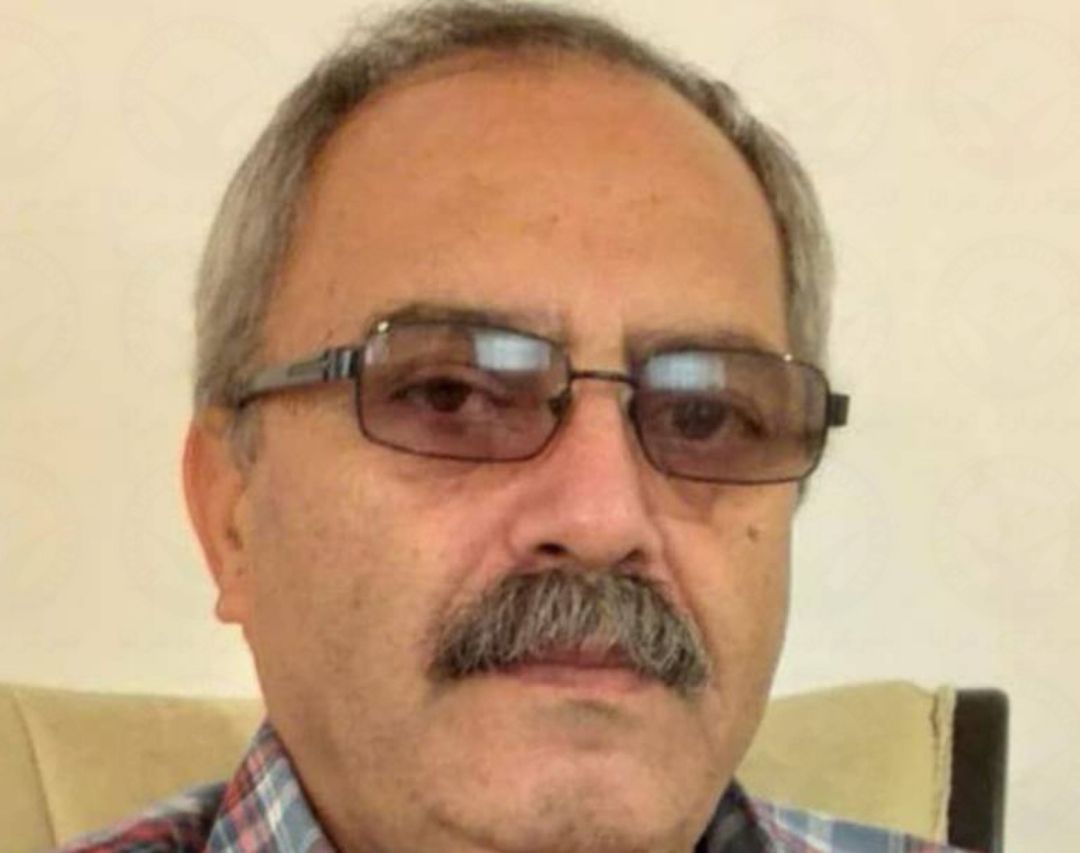
University of Tehran Reverses Expulsion of Imprisoned Gonabadi Dervish Student Kasra Nouri

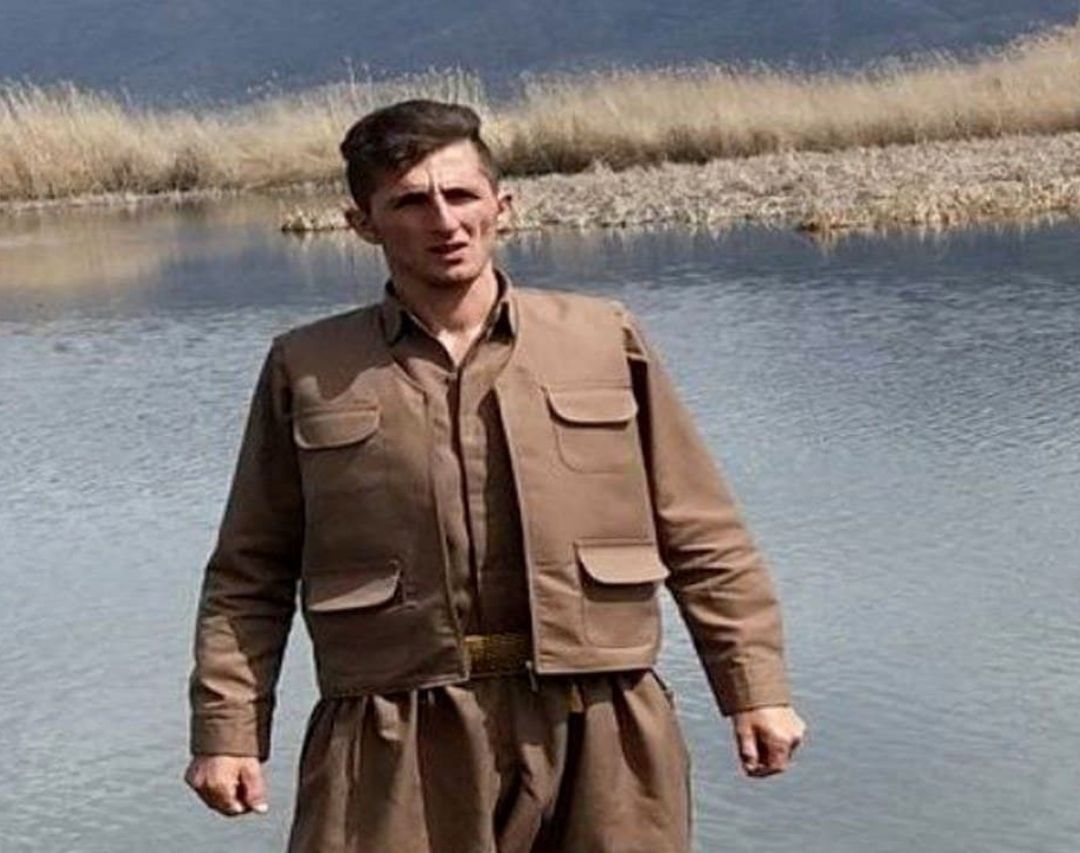
On July 5, the University of Tehran reversed its decision to expel Gonabadi Dervish graduate student Kasra Nouri .

According to HRANA, the news agency of Human Rights Activists, Nouri had previously been expelled from the University of Tehran for “truancy”, or, missing class while serving out a sentence in Adelabad Prison.

This expulsion violated the Constitution and the International Convention on Cultural and Social Rights, which holds that students must be allowed to continue their education following the completion of a prison sentence.

After repeated follow-ups by Shokufeh Yadollahi, Kasra Nouri’s mother, a letter was received from the University of Tehran canceling the expulsion of the imprisoned Gonabadi Dervish. According to the letter, Nouri will be permitted to continue his studies after he has endured the entirety of his sentence.

Farshid Yadollahi, Kasra Nouri’s lawyer had previously mentioned that Mr. Nouri’s expulsion from the university was against the constitution and the International Convention on Cultural and Social Rights and emphasized that, “When Kasra Nouri went to prison, the family informed the university, meaning everyone knew he was in prison.”

Two Prisoners Executed in Urmia Prison Before Supreme Court Reaches Verdict on Their Appeal

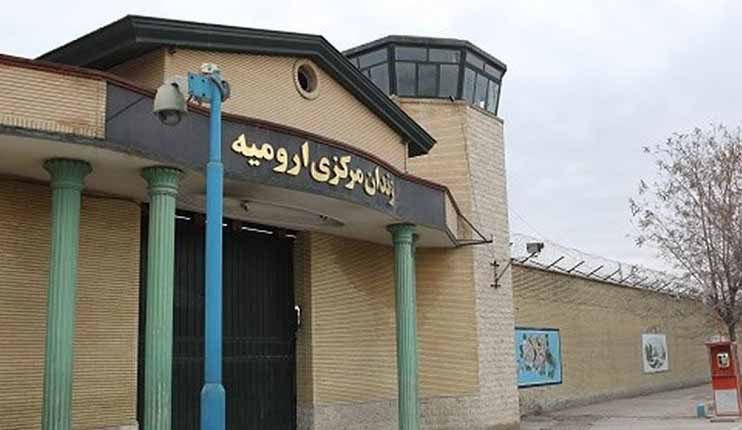
On Saturday, July 3, Nasser Azmoudeh and Shahriar Amiri were executed in Urmia Prison, even though the Supreme Court has not yet reached a verdict on their appeal.

According to HRANA, the news agency of Human Rights Activists, the two prisoners had previously been sentenced to death on drug-related charges.

Azmoudeh and Amiri, who had been kept in Urmia Prison since 2018, were transferred to solitary confinement the day before the execution took place.

The lack of a fair and transparent trial process in the Iranian judiciary, especially in cases that lead to irreversible sentences such as the death penalty, has long been criticized by human rights organizations. Just this week, the death sentence of a prisoner who was executed 10 months ago was overturned by the Supreme Court.

Iran ranks first in the world in citizen executions per capita, according to international organizations. The Statistics and Publication Center of the Human Rights Activists in Iran (HRA) reported that between January 1st and December 20th of 2020, at least 236 citizens were executed.

One of these citizens was executed publicly, and two were juvenile offenders. An additional 95 citizens were sentenced to death.

According to the report, more than 72% of executions in Iran are not reported by the government or the judiciary. Human rights organizations call these “secret executions”.

The executions of Azmoudeh and Amiri have not been announced by Iranian media or official sources as of this writing.

70-Year-Old Man Executed in Mashhad Prison

On June 30, a 70-year-old prisoner who had previously been sentenced to death for the murder of his wife was executed in Mashhad Prison after 9 years.

According to HRANA, the news agency of Human Rights Activists, quoting the Khorasan newspaper, court judges first sentenced the prisoner to death, and then the defendant appealed the verdict issued by the Third Branch of Criminal Court One.

The case was sent to Branch 37 of the Supreme Court for reconsideration, but the death sentence was upheld by the judges. After the verdict was finalized, the execution was carried out.

Iran ranks first in the world in citizen executions per capita, according to international organizations. The Statistics and Publication Center of the Human Rights Activists in Iran (HRA) reported that between January 1st and December 20th of 2020, at least 236 citizens were executed.

One of these citizens was executed publicly, and two were juvenile offenders. An additional 95 citizens were sentenced to death.

According to the report, more than 72% of executions in Iran are not reported by the government or the judiciary. Human rights organizations call these “secret executions”.

Three Inmates Including a Juvenile Offender Executed in Urmia Prison Despite Pleas from Amnesty International

At dawn on Sunday, July 4, three prisoners, one of whom was a juvenile offender, were executed in Urmia Prison despite Amnesty International’s pleas for the execution to be halted.

According to HRANA, the news agency of Human Rights Activists, the three prisoners, who had previously been sentenced to death for murder, were transferred to solitary confinement the day before the sentence was carried out.

HRANA has confirmed the identities of the three prisoners as juvenile offender Baha-al-din Ghasemzadeh, Baha-al-din’s brother, Davood Ghasemzadeh, a native of the Salmas, and  Anwar Abdollahi, a native of Mahabad City in West Azerbaijan Province.

HRANA previously reported on the deteriorating physical condition of the two imprisoned brothers in June of 2018. The Gasemzadeh brothers were executed this Sunday even though Baha al-din was a child at the time of his arrest, and Davood had severe spinal cord injuries from beatings sustained during his detention.

Recently, in an interview with Agence France-Presse, Secretary of the state-run High Council for Human Rights, MajidTafreshi, said that the Islamic Republic executes juvenile offenders “three to four times a year”, and claimed this should not be considered a human rights violation.

Iran ranks first in the world in citizen executions per capita, according to international organizations. The Statistics and Publication Center of the Human Rights Activists in Iran (HRA) reported that between January 1st and December 20th of 2020, at least 236 citizens were executed. One of these citizens was executed publicly, and two were juvenile offenders. An additional 95 citizens were sentenced to death.

“Iranian authorities must immediately stop the execution of Baha al-din Ghasemzadeh,” Amnesty International tweeted the day before the execution took place.  “The imposition of the death penalty on those who were children at the time of the crime is a gross violation of Iran’s international rights and obligations under the Convention on the Rights of the Child.”

Two Prisoners Executed in Maragheh Prison

On July 5, two prisoners were executed in Maragheh Prison in East Azerbaijan Province.

According to HRANA, the news agency of Human Rights Activists, the identities of the two prisoners have been confirmed as 25-year-old Farhad Najafi, and 23-year-old Ali Ahmadi.

Both prisoners had previously been sentenced to death on charges of rape.

Iran ranks first in the world in citizen executions per capita, according to international organizations. The Statistics and Publication Center of the Human Rights Activists in Iran (HRA) reported that between January 1st and December 20th of 2020, at least 236 citizens were executed.

One of these citizens was executed publicly, and two were juvenile offenders. An additional 95 citizens were sentenced to death.

According to the report, more than 72% of executions in Iran are not reported by the government or the judiciary. Human rights organizations call these “secret executions”.

The execution of these prisoners has not been announced by Iranian media or official sources as of this writing.

Subscribe to Our Newsletter

Now is definitely not the time to stop reading!

450 Days After Their Arrest, Court Holds Trial for Elite Students Amir Hossein Moradi and Ali Younesi

On Saturday, July 3, the trial of Ali Younesi and Amir Hossein Moradi was held at Branch 29 of the Revolutionary Court of Tehran.

According to HRANA, the news agency of Human Rights Activists, the two Sharif University of Technology students have been detained by the Ministry of Intelligence since April of last year.

The students are being charged with “Corruption on earth”. Mr. Nili, the detainees’ lawyer, had previously stated that after more than 14 months, the defendants are still being held in Security Ward 209 of Evin Prison, and not transferring them to the public ward has made the defense process difficult. At the request of the case officer, the defendants have so far been denied transfer to a public prison.

Ali Younesi, a computer engineering student, and Amir Hossein Moradi, a physics student at the Sharif University of Technology, were arrested in April 2020 by the Ministry of Intelligence agents. The students are said to have been violently detained by plainclothes officers without a court order.

Gholamhossein Esmaili, a spokesman for Iran’s judiciary, accused these students of collaborating with the People’s Mojahedin Organization of Iran in May 2020.
Ali Younesi’s sister, Aida Younesi, later denied the allegations against her brother in a video posted on the Internet. In September 2020, Aida Younesi announced that she was under pressure to confess against her brother on TV.

Amir Hossein Moradi was the winner of the silver medal of the National Astronomy Olympiad in 2017. Ali Younesi was the winner of the silver medal of the National Astronomy Olympiad in 2016 and the gold medal of the 2017 Astronomy Olympiad. Ali Younesi also won a gold medal in the 12th World Astronomy and Astrophysics Olympiad in China.


10 Months After his Execution, Supreme Court Overturns Khedr Ghavidel’s Death Sentence

Nearly 10 months after the execution of Khedr Ghavidel in Urmia Prison, his death sentence has been overturned by the Supreme Court.

According to HRANA, the news agency of Human Rights Activists, Ghavidel was executed in September 2020 while his case was being processed by the Supreme Court.

A source close to the family of the executed prisoner told HRANA: “A few days ago, Ghavidel’s family was invited to the Urmia Prosecutor’s Office, and they were informed about this issue. The prosecutor told Ghavidel’s family that you could file a case and receive the ransom of the executed prisoner.”

In a similar situation, on Saturday, July 3, the death sentences of two prisoners, Nasser Azmoudeh and Shahriyar Amiri, were carried out in Urmia Prison in a situation where their case has not yet been heard by the Supreme Court.

The lack of a fair and transparent trial process in the Iranian judiciary, especially in cases that lead to irreversible sentences such as the death penalty, has long been criticized by human rights organizations.

According to international organizations, Iran ranks first in the world in citizen executions per capita. The Statistics and Publication Center of the Human Rights Activists in Iran (HRA) reported that between January 1st and December 20th of 2020, at least 236 citizens were executed.

One of these citizens was executed publicly, and two were juvenile offenders. An additional 95 citizens were sentenced to death.

According to the report, more than 72% of executions in Iran are not reported by the government or the judiciary. Human rights organizations call these “secret executions”.


3 Student Activists Sentenced to Imprisonment and Fines

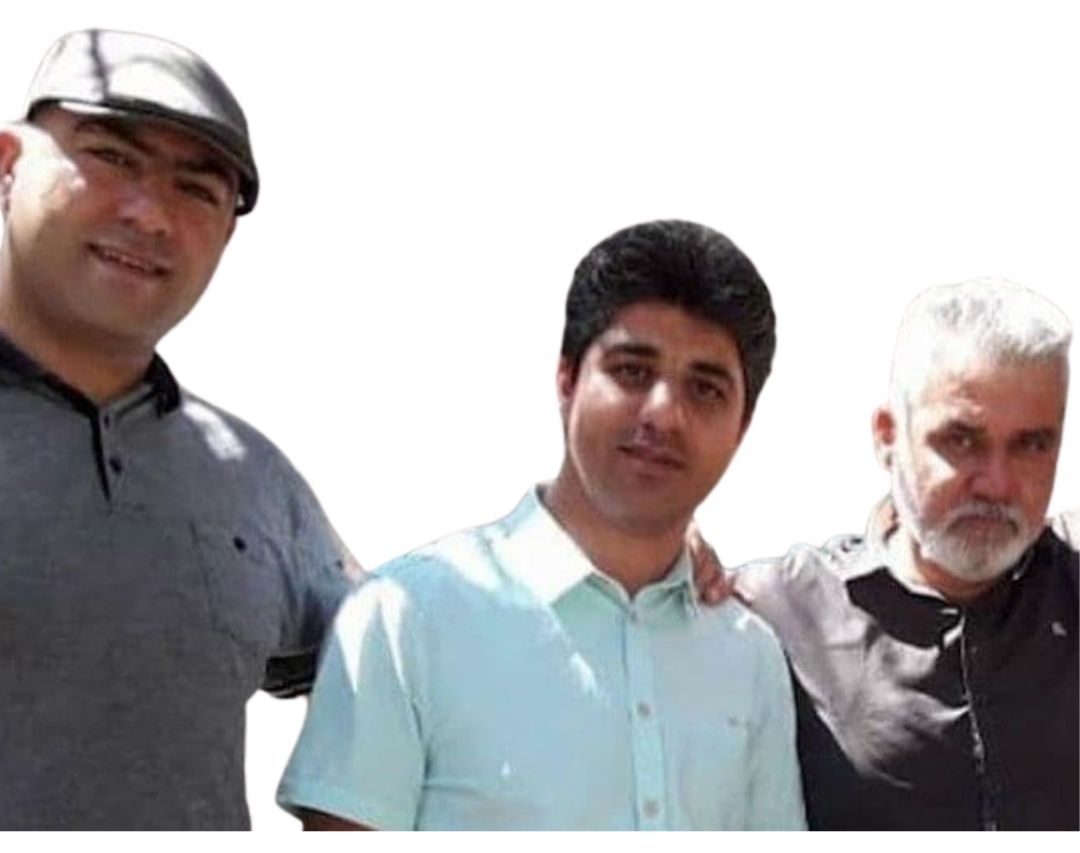
Student activists Amir Hossein Alibakhshi, Ali Haghighat Javan, and Zia al-Din Nabavi were sentenced by the Tehran Revolutionary Court to imprisonment and fines.

According to HRANA, the news agency of Human Rights Activists, the student activists were sentenced on charges of propaganda against the regime.

Branch 26 of the Revolutionary Court of Tehran informed the citizens’ defense attorney Amir Raisian that Zia Nabavi was sentenced to 1 year in prison, Amir Hossein Alibakhshi was sentenced to 4 months imprisonment, and Ali Haghighat Javan was given a fine.

Zia Nabavi is also sentenced to a two-year ban from leaving the country, a ban from attending the cemetery of Tehran or veterans’ sanatorium, and mandatory anger management classes in Qom.

These activists have been acquitted from the charge of “conspiracy to conspire to act against national security”.

Amir Raisian published on his social media account on June 29: “This lawsuit was filed in early 2020 by Sarallah base of IRGC. The main part of the accusations is against the students’ legal activities in connection with licensed student organizations such as ‘United Students’ or participating in mourning at universities after the Ukrainian plane was shot down.”

Mr. Ali Bakhshi is a former member of the Council for the Revival of Student Associations and the Islamic Association of Progressive Students of Amirkabir University.

Zia Nabavi has already been arrested and convicted for his peaceful activism.

At Least Two Prisoners Transferred to Solitary Confinement for Execution in Urmia Prison

Today, July 2, two prisoners were transferred to solitary confinement for execution in Urmia Prison, despite not having yet received a response on the appeal from the Supreme Court confirming or overturning their death sentence.

According to HRANA, the news agency of Human Rights Activists, the prisoners were previously sentenced to death on drug-related charges.

The identities of these prisoners have been verified by HRANA as Nasser Azmoudeh and Shahriar Amiri. Both have been in Urmia Prison in West Azerbaijan Province since 2018.

Iran ranks first in the world in citizen executions per capita, according to international organizations. The Statistics and Publication Center of the Human Rights Activists in Iran (HRA) reported that between January 1st and December 20th of 2020, at least 236 citizens were executed.

One of these citizens was executed publicly, and two were juvenile offenders. An additional 95 citizens were sentenced to death.

According to the report, more than 72% of executions in Iran are not reported by the government or the judiciary. Human rights organizations call these “secret executions”.

Hossein Kheiri Sentenced to Death for “Moharebeh”

Babak Paknia, the lawyer of political prisoner Hossein Kheiri, announced the issuance of the death sentence to his client on charges of Moharebeh by destroying property with the intention to oppose the regime.

Moharebeh, loosely translated as “waging war against God”, is a pillar of Sharia Law that is typically applied to those suspected of connection to any acts against the state.

According to HRANA, the news agency of Human Rights Activists, quoting the Emtedad news, Paknia has stated, “Our strong evidence shows that the charge of moharebeh does not fit the actions taken by my client.”

He explained that an indictment was issued by the Evin Security Court against eight people, of whom four were accused of moharebeh and the rest were prosecuted on charges of collusion against national security and the like.

“We defended and the court accepted that out of the four, three could not be punished under the guise of moharebeh, but the actions of Hossein Kheiri were recognized as moharebeh and a death sentence was issued for him,” Paknia said. “We will submit our bill of appeal in two weeks to be reconsidered in the Supreme Court.”