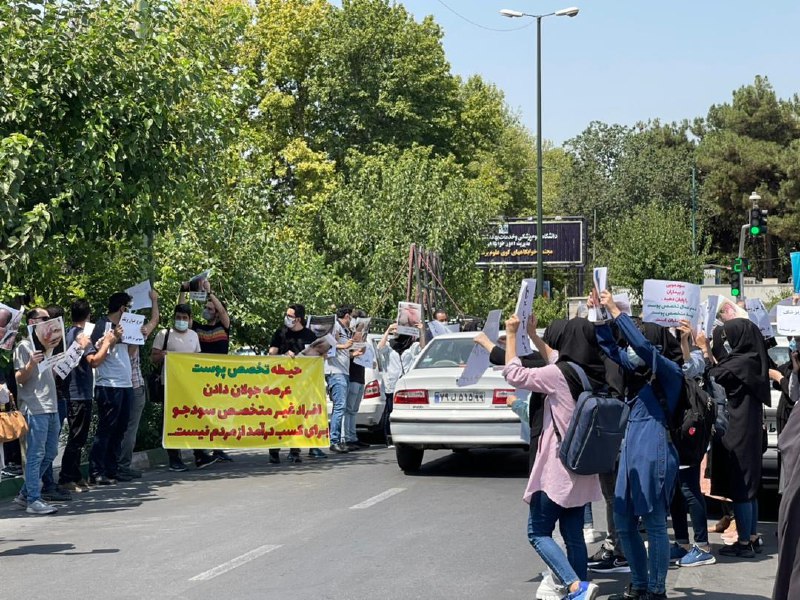
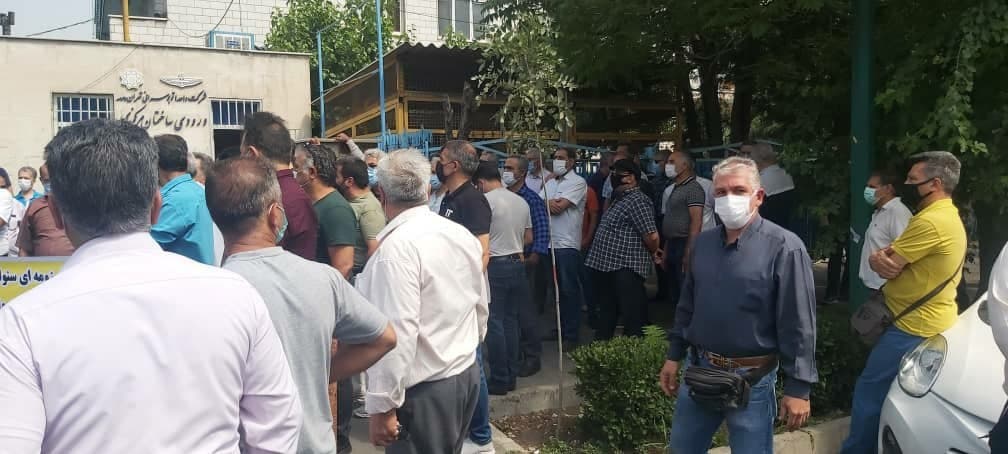
3 Student Activists Sentenced to Imprisonment and Fines

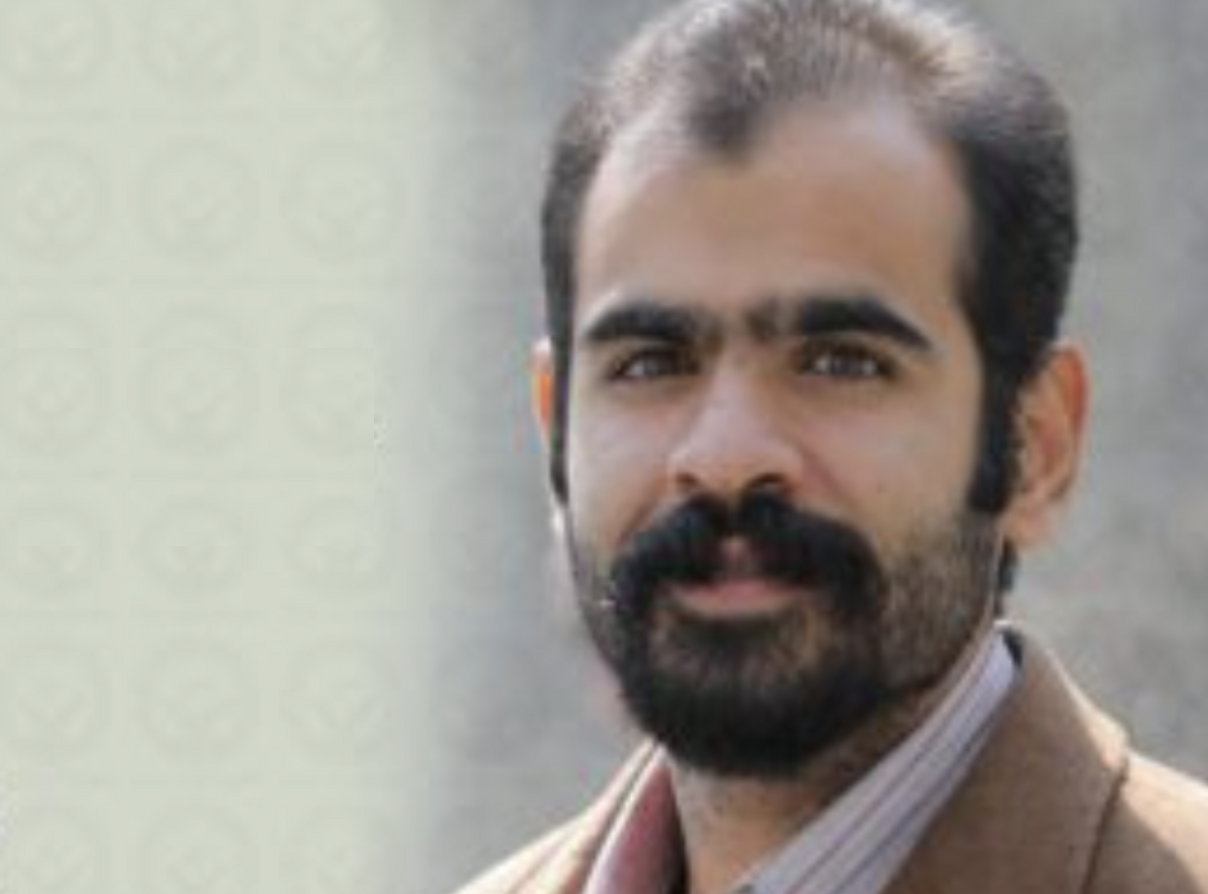
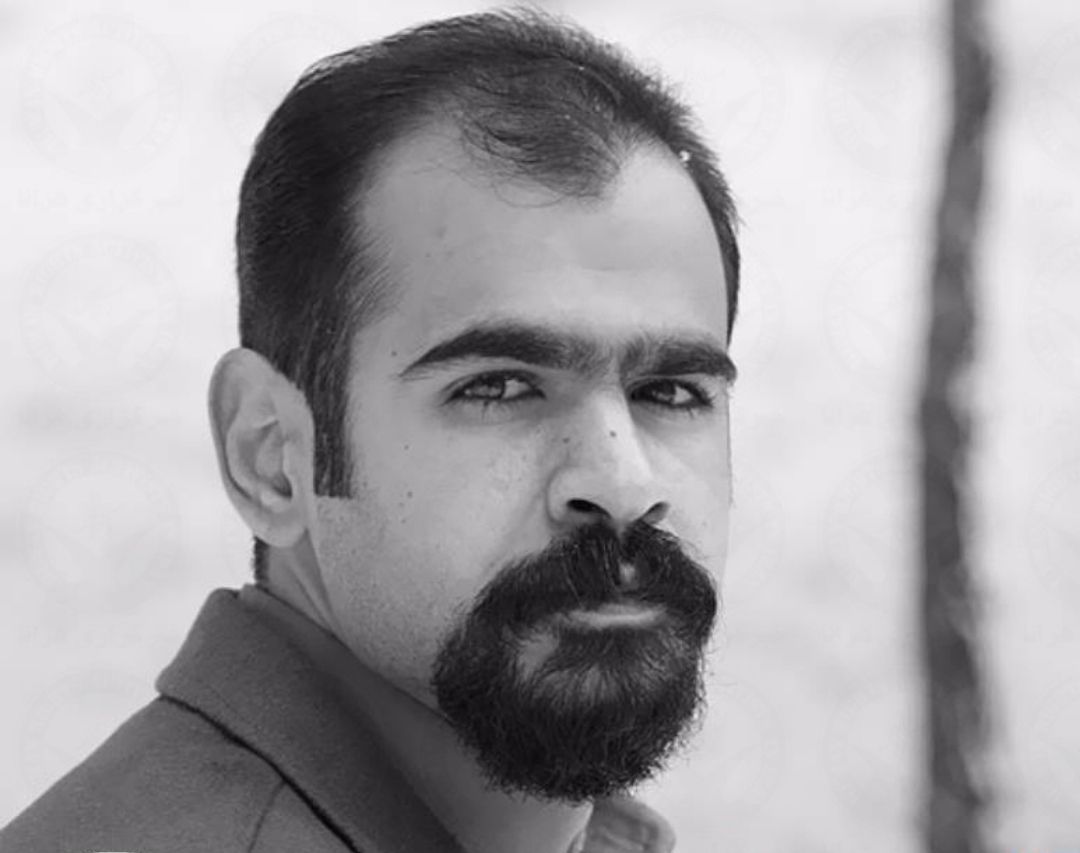
Student activists Amir Hossein Alibakhshi, Ali Haghighat Javan, and Zia al-Din Nabavi were sentenced by the Tehran Revolutionary Court to imprisonment and fines.

According to HRANA, the news agency of Human Rights Activists, the student activists were sentenced on charges of propaganda against the regime.

Branch 26 of the Revolutionary Court of Tehran informed the citizens’ defense attorney Amir Raisian that Zia Nabavi was sentenced to 1 year in prison, Amir Hossein Alibakhshi was sentenced to 4 months imprisonment, and Ali Haghighat Javan was given a fine.

Zia Nabavi is also sentenced to a two-year ban from leaving the country, a ban from attending the cemetery of Tehran or veterans’ sanatorium, and mandatory anger management classes in Qom.

These activists have been acquitted from the charge of “conspiracy to conspire to act against national security”.

Amir Raisian published on his social media account on June 29: “This lawsuit was filed in early 2020 by Sarallah base of IRGC. The main part of the accusations is against the students’ legal activities in connection with licensed student organizations such as ‘United Students’ or participating in mourning at universities after the Ukrainian plane was shot down.”

Mr. Ali Bakhshi is a former member of the Council for the Revival of Student Associations and the Islamic Association of Progressive Students of Amirkabir University.

Zia Nabavi has already been arrested and convicted for his peaceful activism.

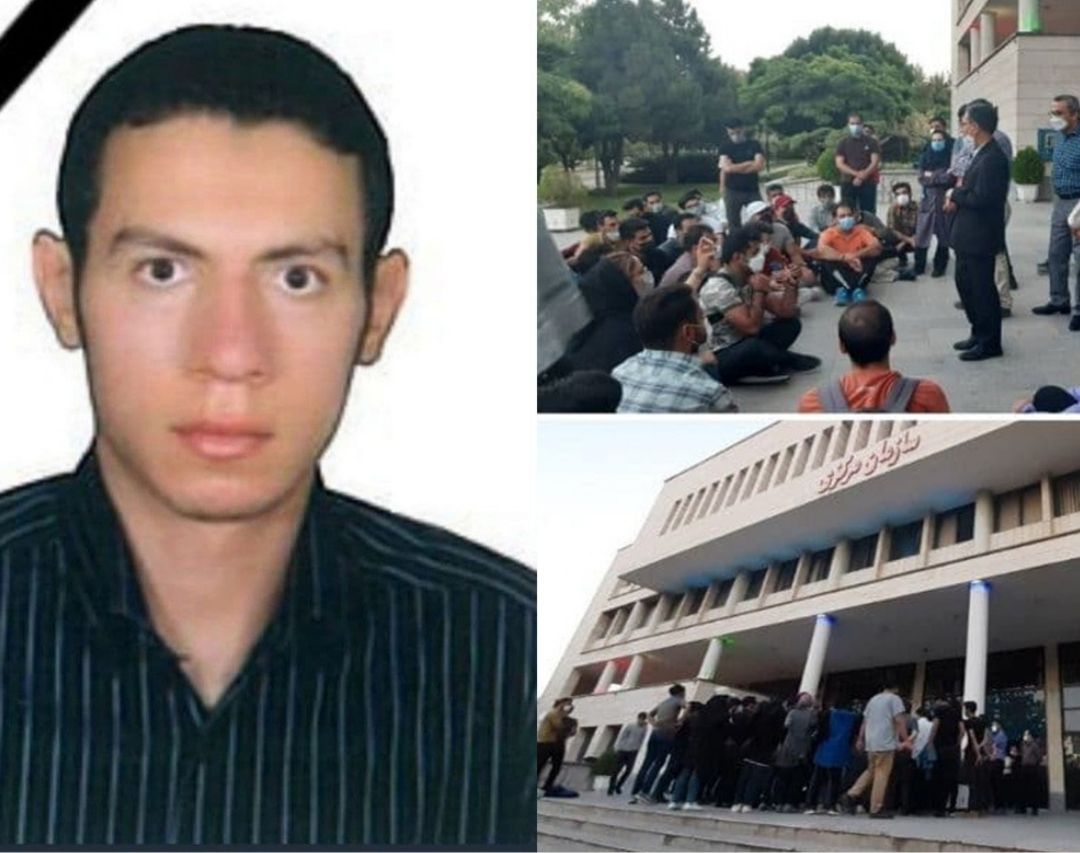
Ferdowsi University of Mashhad Students Protest Admin’s Negligence Leading up to Student Suicide

On Monday, June 28, in the aftermath of Saeed Gholi Beiglou’s suicide, several Ferdowsi University of Mashhad students gathered to protest Admin’s negligence leading up to the tragedy.

According to HRANA, the news agency of Human Rights Activists, Gholi Beiglou was a postdoctoral researcher studying physics. Students have stated that Gholi Beiglou had attempted to kill himself the previous day, and university officials had sent him back to his dormitory without providing any support. He hung himself from the ceiling fan of his dormitory the following day.

Students are demanding that the university take responsibility for Gholi Beiglou’s death.


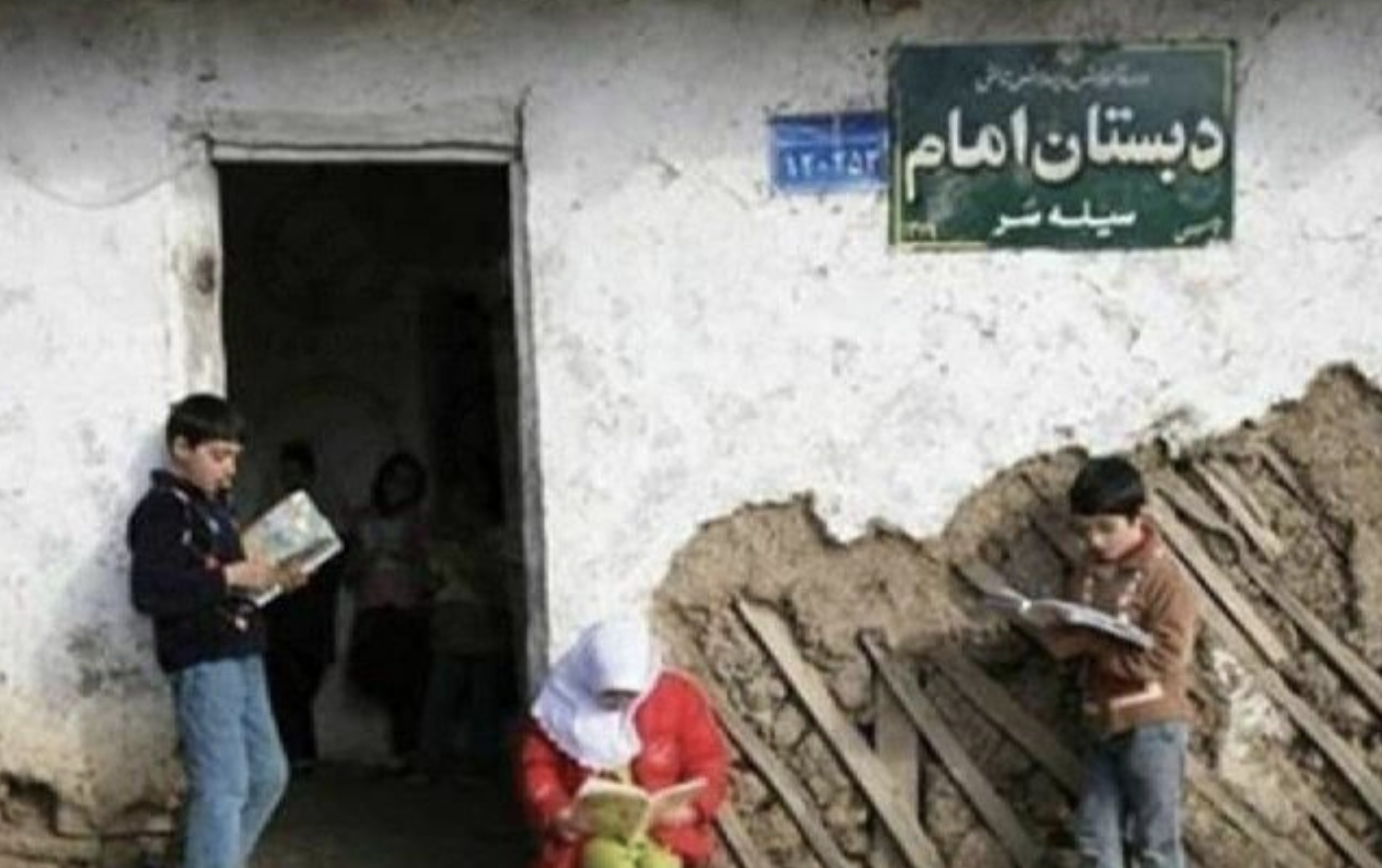
Chahardangeh Head of Education says 20% of the District’s School Buildings are Unsafe

The Head of Education in Chahardangeh, one of the six districts of Sari city in Mazandaran Province, recently commented on the effects that authorities’ infrastructural negligence have had on the area.

According to HRANA, the news agency of Human Rights Activists, Chahardangeh suffers from poor roads, water shortages, healthcare, and waste disposal, besides the lack of proper educational facilities for students in this area.

Chahardangeh Head of Education Hamed Khalili said that 20 percent of the district’s schools have unsafe buildings in the district and that three of the schools’ classrooms in the villages of Peshert, Elyerd, and Vestmin are mobile temporary classrooms.

Several schools in this section also need to be demolished and some need building reinforcements.

Khalili stressed the lack of proper educational facilities, worn-out buildings, and the living problems of students in the area. He further said that students’ lives could be endangered by natural disasters such as earthquakes if repairs are not made soon.

345 Students at the University of Tehran Sign Letter Protesting Expulsion of Kasra Nouri

Today, June 28, 345 students at the University of Tehran published letters addressed to the president of the university stating that Kasra Nouri’s expulsion was illegal.

According to HRANA, the news agency of Human Rights Activists, Kasra Nouri, a Gonabadi Dervish currently serving out a sentence in Adelabad Prison in Shiraz, was expelled from the University of Tehran for truancy.

“According to the executive order of the students’ disciplinary regulations, the University of Tehran has committed a completely illegal act in expelling the student’s optical fraction in addition to the elimination and police action,” the letter reads.

The full text of the letter follows:


Dear Dr. Nili,
President of the University of Tehran
Pursuant to Note 1 of Article 113 of the Executive Procedure of the Student Disciplinary Code, which explicitly states: The convict can continue his / her education and the university will assist the student in continuing his / her education as appropriate; If the term of the sentence is longer than the permitted period of study, the university will adapt the way of continuing education to the new educational situation. ”
Kasra Nouri has been imprisoned since February 2018, and it is practically impossible for him to go to university, and he should be dealt with under this note.
Therefore, we, the students of the University of Tehran, who are the signatories of this letter, strongly demand that the illegal expulsion of Kasra Nouri from the university be revoked immediately. ”


Kasra Nouri, a graduate student who had been pursuing a degree in human rights at the University of Tehran and was one of the webmasters of the website “Majzooban Noor” , was arrested during the Golestan 7 Incident at dawn on March 22, 2017, along with hundreds of other Gonabadi Dervishes, and transferred to the Greater Tehran Prison.

Mr. Nouri was sentenced by Branch 26 of the Revolutionary Court of Tehran, presided over by Judge  Ahmadzadeh,  to 12 years in prison, 74 lashes, 2 years in exile to Babajani, a 2-year ban on leaving the country, and 2 year ban from of membership in groups and political parties. Of this sentence, in accordance with Article 134 of the Islamic Penal Code,  7 and a half years were enforceable.

Nouri was transferred from Greater Tehran Prison to Adelabad Prison in Shiraz in December 2019. On March 29, he was once again transferred to Adelabad Prison in Shiraz.

Kasra Nouri was born in 1990. He had previously spent a period of imprisonment in No. 100 Shiraz Prison, Adelabad Prison in Shiraz, and Evin Prison in Tehran from 2011 to mid-2015 for  his online advocacy work for Gonabadi Dervishes.

Gonabadi Dervish Student Kasra Nouri Expelled from the University of Tehran for Missing Class While Imprisoned

Kasra Nouri, a Gonabadi Dervish imprisoned in Adelabad Prison in Shiraz, was expelled by the University of Tehran for truancy.

According to HRANA, the news agency of Human Rights Activists, this violates disciplinary regulations that stipulate that, in cases of prosecution that leads to a student’s temporary imprisonment, the student must be allowed to complete their studies after completing the sentence (and that the duration of the sentence must not be counted as part of the student’s academic years).

Today, June 25, Kasra Nouri’s brother has published a picture of a letter from the University of Tehran Office of Academic Affairs issued last November which says that Mr. Kasra Nouri has been dismissed from his studies for failing to attend classes.

Nouri was a graduate student pursuing a master’s degree in Human Rights at the University of Tehran, and one of the webmasters of the Majzooban Noor website.  He was arrested in February 2018, along with hundreds of other Gonabadi Dervishes, and then transferred to the Greater Tehran Prison.

Branch 26 of the Revolutionary Court of Tehran, presided over by Judge Ahmadzadeh, sentenced Mr. Nouri to 12 years in prison, 74 lashes, 2 years in exile in Babajani town,  a 2 year ban from leaving the country, and 2 years deprivation of membership in political groups, parties, and media activities. Seven and a half years of imprisonment are enforceable to Mr. Nouri.

Noiri had previously endured 4 years in prison from 2011 to mid-2015 for media activities for Gonabadi Dervishes.

Subscribe to Our Newsletter

Now is definitely not the time to stop reading!

Azad University Threatens to Expel Students Protesting Professor Who Killed a Healthy Dog For Dissection

On Tuesday, June 16, a professor of Veterinary Medicine in the Shushtar Branch of Azad University in Southwest Iran was criticized by students for killing a healthy dog for the purposes of a dissection lesson.

According to HRANA, the news agency of Human Rights Activists, quoting Rokna, the dog was still conscious after receiving several doses of anesthesia, and only finally died after the professor cut into its leg vein. Students who have criticized the killing and have posted images of the dissected animal online have been threatened by the school’s administration with expulsion.

Students at Azad University have also said that last year a donkey in the same class was killed in the same way. According to student posts online, the animal stumbled around the room for several hours after being beheaded before it died.

In 2019, all three Ministries of Science, Education, and Health issued directives restricting the use of live animals in laboratories and classrooms. The language of the Ministry of Education’s directive is significantly more decisive than its counterparts; it declares that the use of living beings for education is prohibited without exception. The circular of the Ministry of Health, however, despite emphasizing the importance of first seeking out alternative methods that do not harm the animals, states that it is ultimately up to the teachers to use their best judgement.

According to students in the class, the female dog did not have any specific diseases and the teacher had confirmed the dog’s health after the examination. The professor has as of yet not been reprimanded by the school.

HRANA Recap: This Week’s Protests in Iran

Sunday, June 6


According to HRANA, the news agency of Human Rights Activists, quoting the Workers’ union, on June 6, workers of Haft Tappeh Sugarcane Agro-Industry went on strike for the fifth day in a row to protest the non-payment of their wages for the past two months and the detention of three of their colleagues.


Monday, June 7


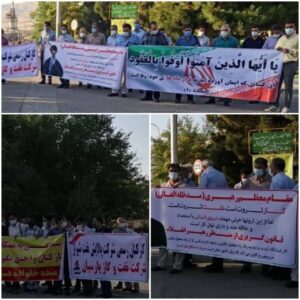
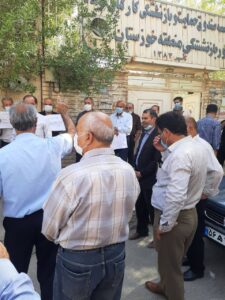
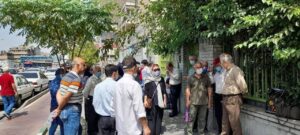
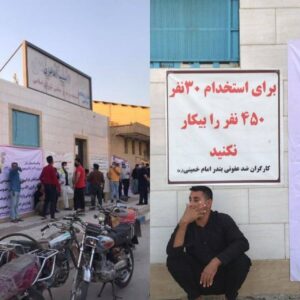
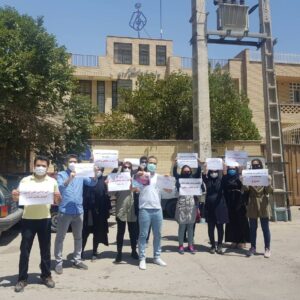
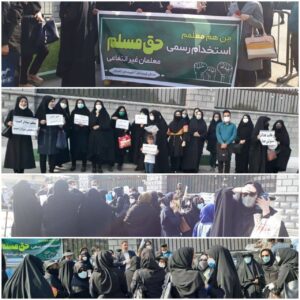
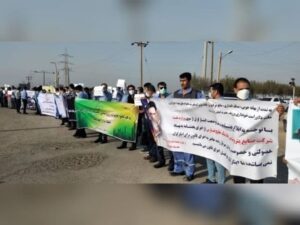
On Monday,  group of workers of Kut Abdullah Municipality protested wage arrears in front of Karun city court. Several Haft Tappeh sugarcane workers gathered in front of Shush city governor’s building. Shareholders of Cryptoland exchange protested in front of Economic Crimes Court building in Tehran. Teachers of Izeh primary schools protested in front of the Khuzestan governor’s office in Ahvaz. A group of residents of Mansoureh village of Shadegan district gathered in front of the city governor building in protest of frequent water shortages. Ahvas ABFA workers held rallies in front of the office building of the General Administration of Water Supply and Sewerage of Khuzestan.


Kut Abdullah Municipality workers:

Crypto-land exchange shareholders:


Haft Tappeh sugarcane workers in Shush:


Izeh primary school teachers:


Mansoureh villagers in Shadegan:


Tuesday, June 8


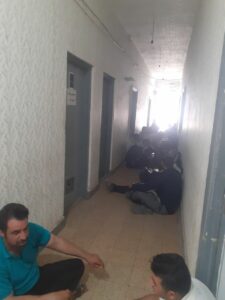
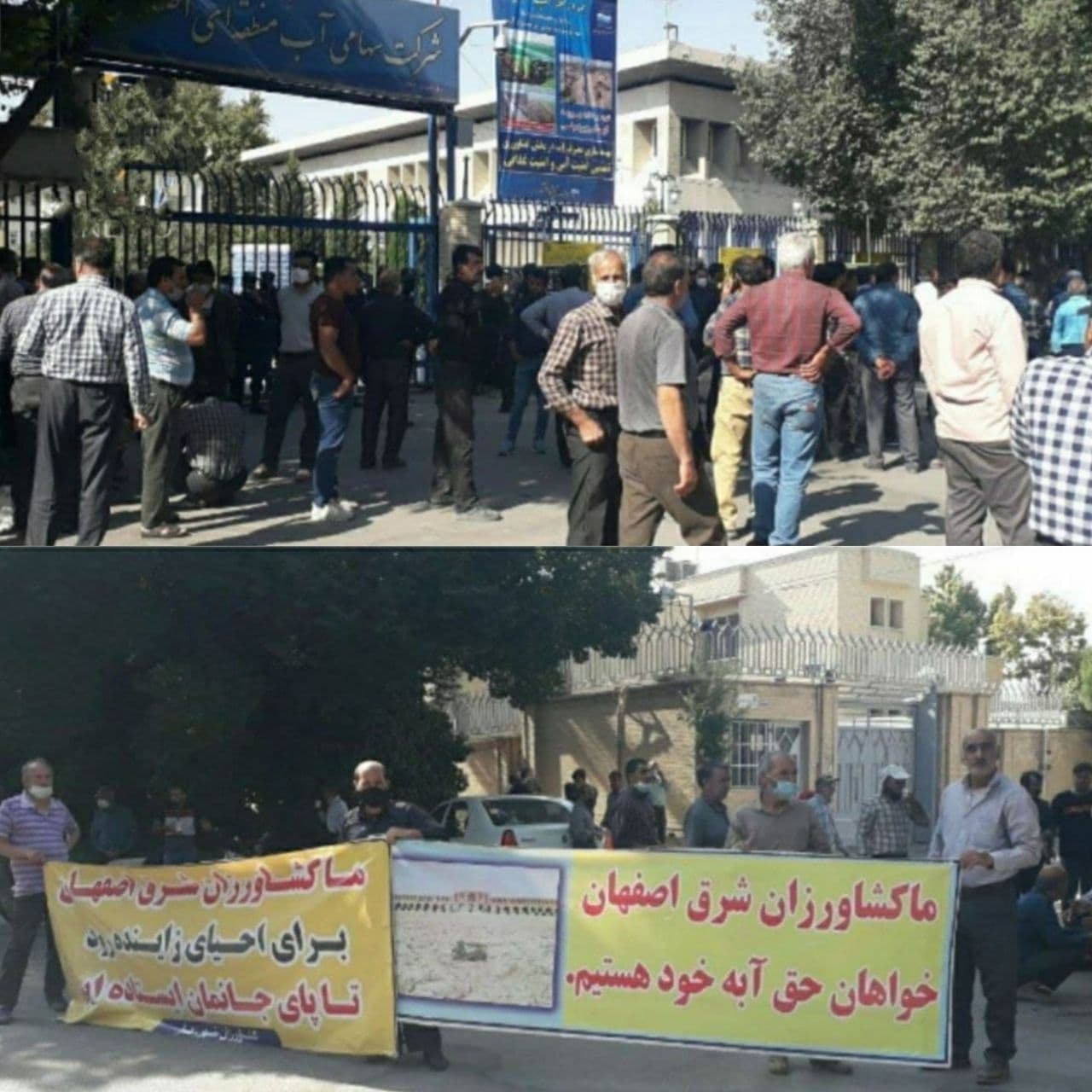
This Tuesday, several owners of addiction clinics and associations (rehabs) protested in front of the Food and Drug Administration in Tehran. Members of the Islamic Labor Council of the Bus Company rallied in front of Tehran City Council. A group of shareholders of crypto exchange protested for the second day in a row in front of the Economic Crimes Court in Tehran. Teachers from non-governmental schools and remote education schools protested in front of the Islamic Consultative Assembly in Tehran, and a number of Khuzestan rice farmers protested in front of the Khuzestan governor’s office in Ahvaz.


Addiction clinic and rehabilitation center owners:


Islamic Labor Council of the Bus Company members:


Shareholders of crypto-land exchange:


Teachers from non-governmental schools and remote education:


Khuzestan farmers:


Wednesday, June 9


A group of workers from the Ahvaz Pipe Company in front of the governor’s office, several Stalak landowners of the new town of Pardis stationed in front of the Judiciary building in Tehran, and a group of health stations workers in front of the Ministry of Health building in Tehran all held protest rallies this Wednesday.


Ahvaz Pipe Company workers:


Stalak landowners:


Health station workers:

Thursday, June 10


According to HRANA, quoting Asr-e-Jonub News, a group of farmers from the Shavur section of Karkheh city gathered this Thursday to protest the ban on summer planting.

HRANA Recap: This Week’s Protests in Iran

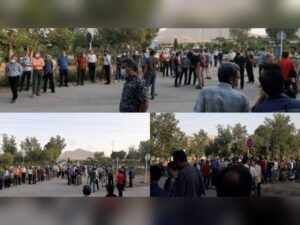
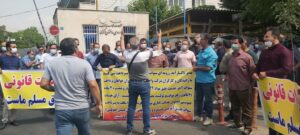
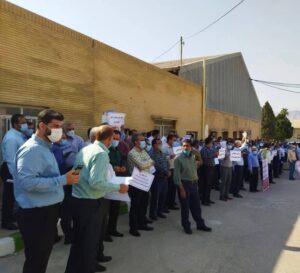
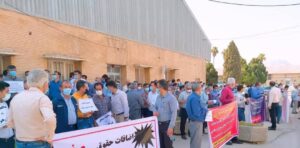
According to HRANA, the news agency of Human Rights Activists, a number of protests took place in different parts of the country this week. Below is a quick recap and footage from the demonstrations.


Saturday, May 29


On Saturday, May 29, A group of farmers in Ahvaz city held a rally in front of the Khuzestan governor’s building near the Salman water supply canal to protest water shortages. Teachers of Green Result-Letter rallied in front of the Ministry of Education building in Tehran. Staff of Imam Khomeini Hospital in Karaj gathered after receiving inaccurate salary payments in the hospital area. Izeh preschool teachers rallied in the city’s education building and protested uncertainty over their employment status. Persian Gulf Holding staff protested in front of the gate of the special Mahshahr site. Protestors called on their demands to be addressed.


Farmers in Ahvaz city and rural areas:


Teachers of Green Result-Letter:


Staff of Imam Khomeini Hospital:


Izeh preschool teachers:


Workers from the Persian Gulf Holding:


Sunday, May 30


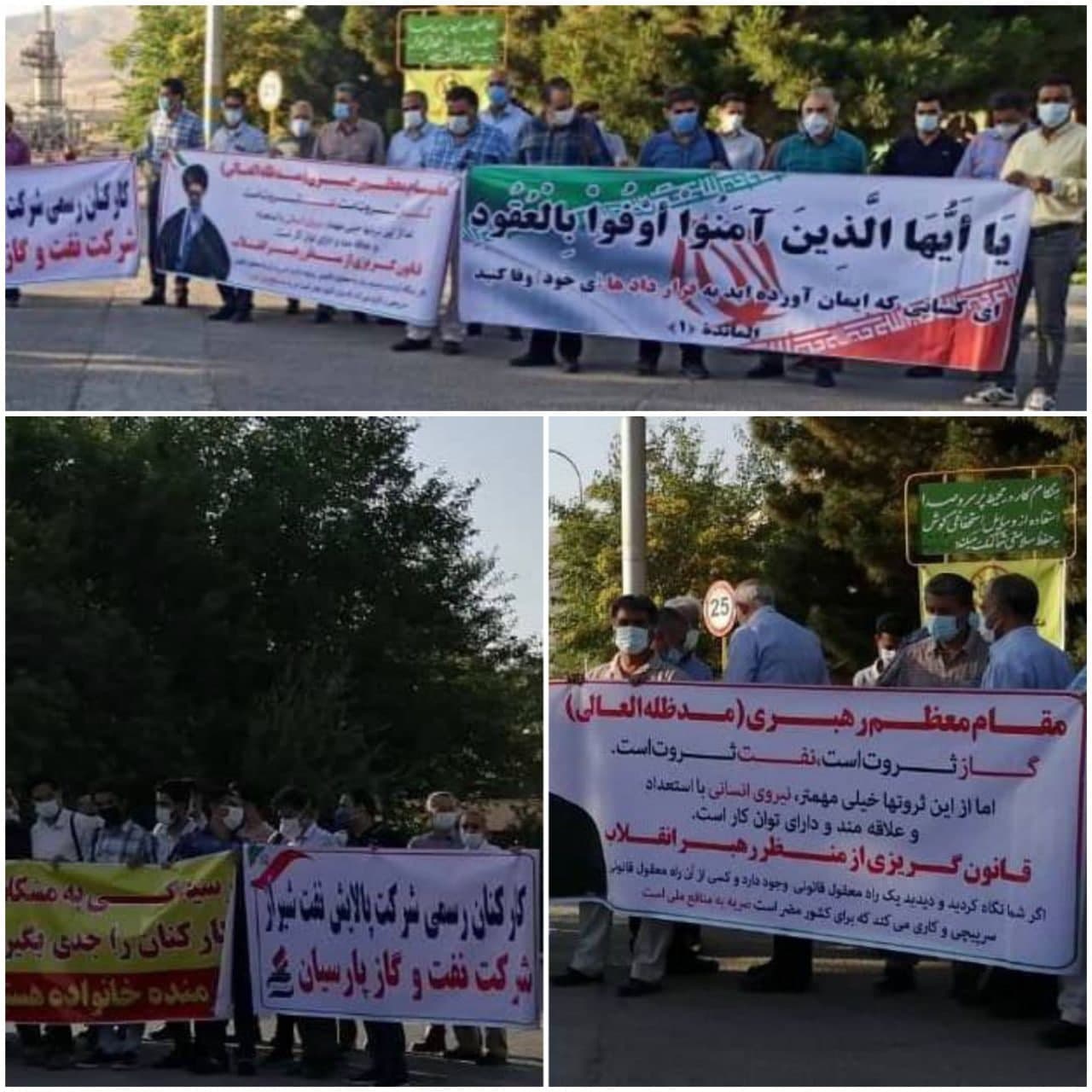
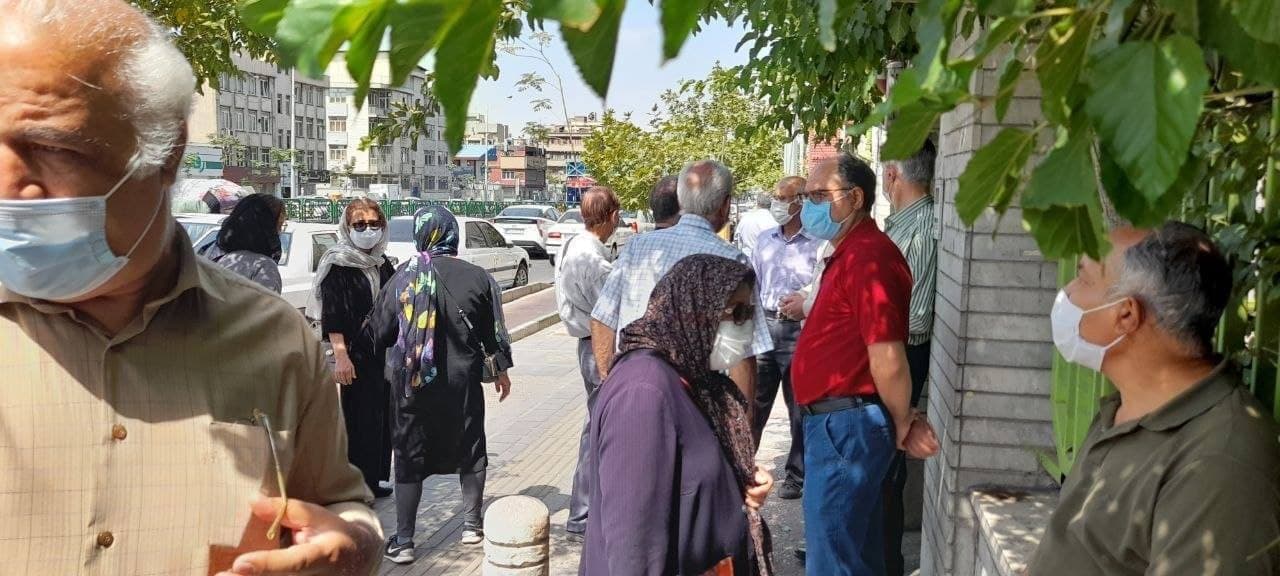
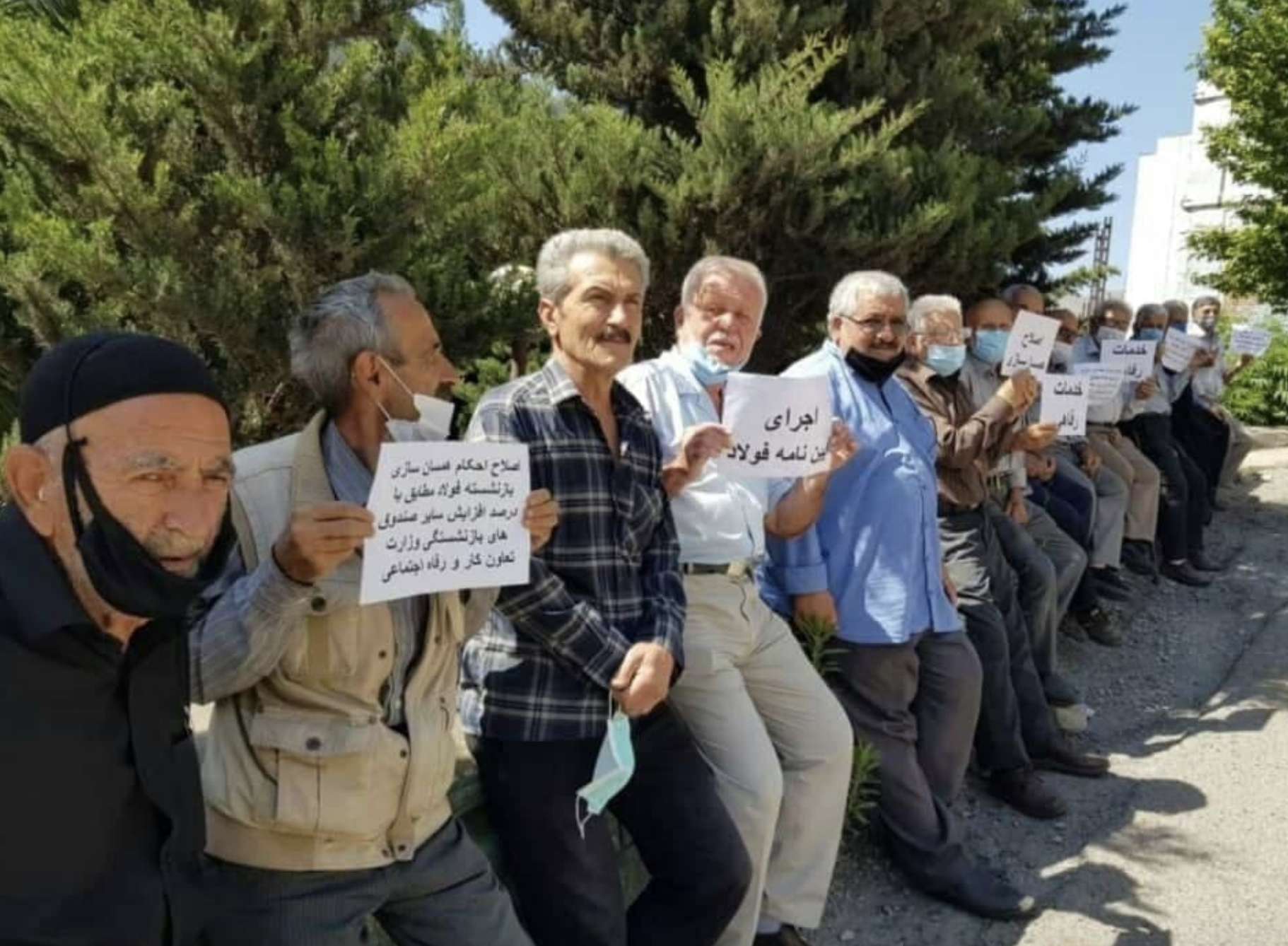
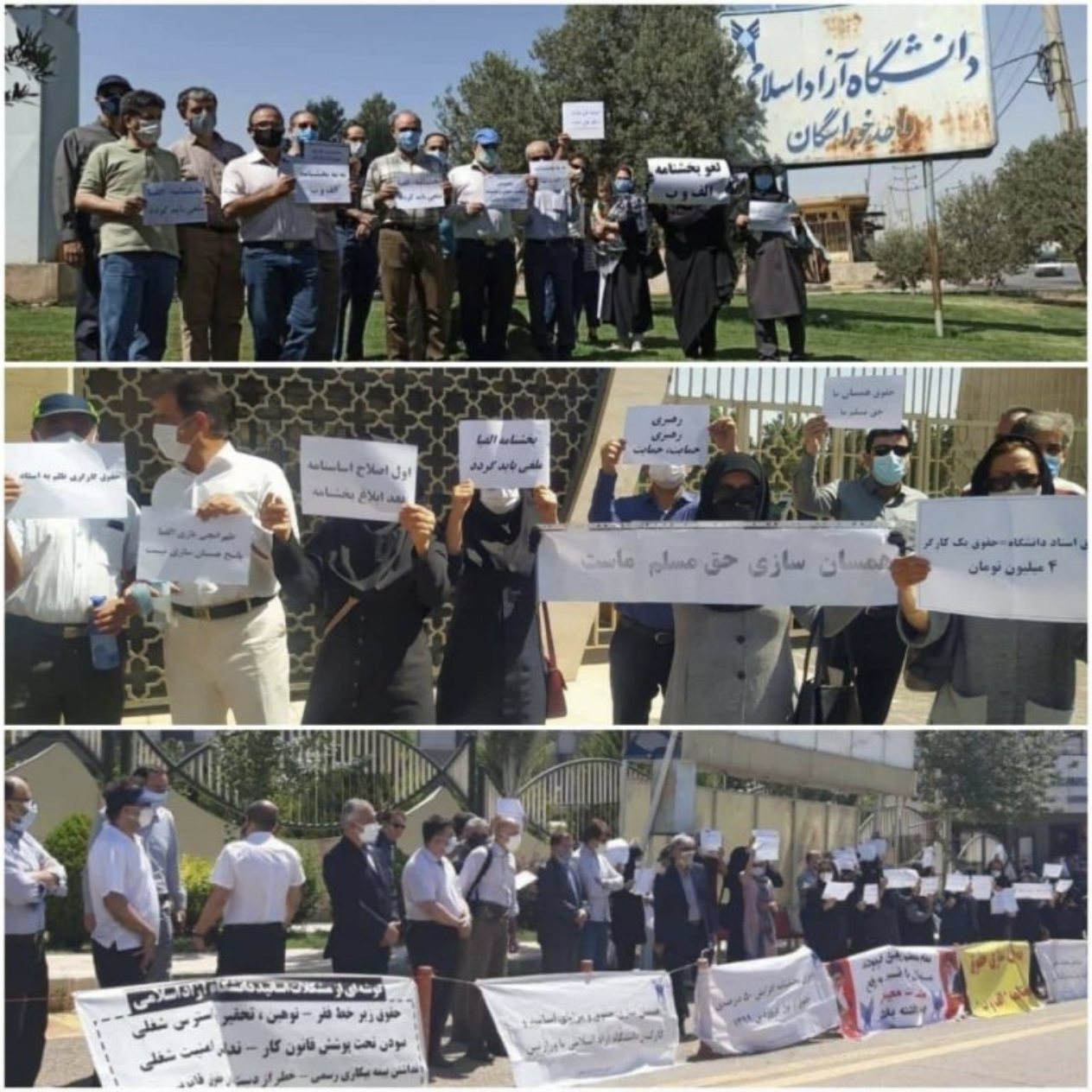
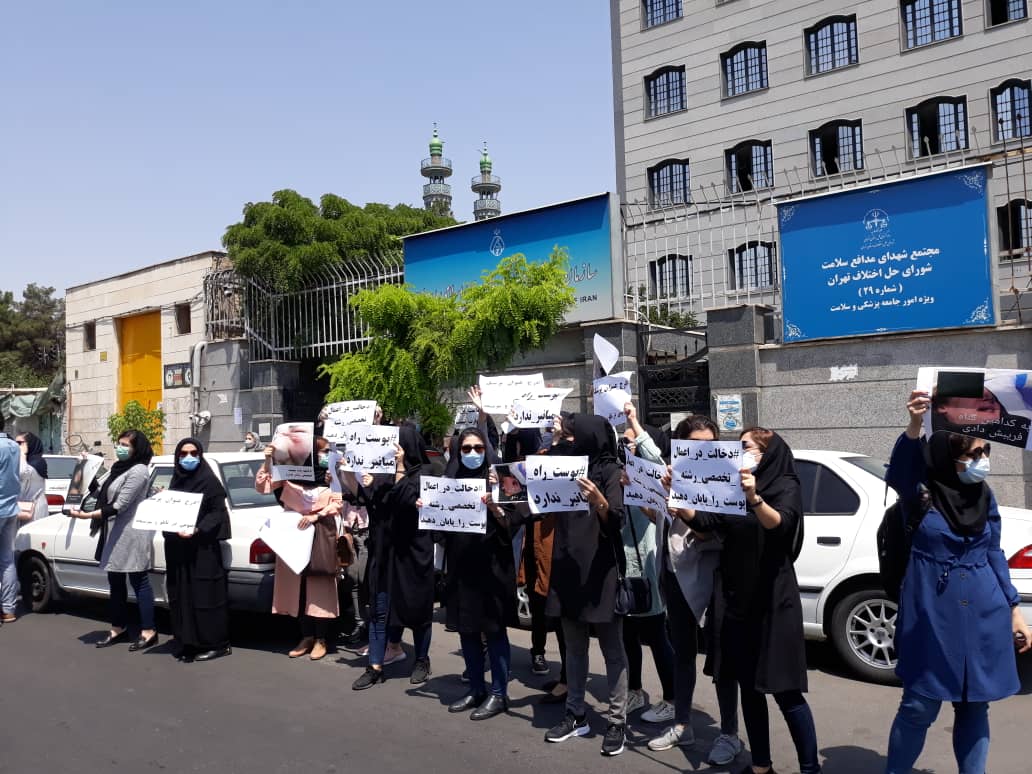
On June 30, farmers from different villages of Ahvaz city held a rally for the second consecutive day in front of the Khuzestan governor’s building. Retirees of Khuzestan Steel Company held rallies in several cities including Tehran, Ahvaz, Isfahan, and Rudbar in front of their cities’ Civil Servants Pension Fund buildings. A group of teachers and staff of non-profit schools from different cities gathered in front of the Islamic Consultative Assembly building in Tehran, in front of the Education Department in Isfahan. Several professors at Azad University in Ahvaz, Shiraz, and Isfahan rallied in front of the campus buildings of their towns. Several fired workers of Mahshahr Petroleum Products Distribution Company gathered in front of the entrance of the oil depot of this city. Bankrupted investors in Caspian Financial Institution rallied in front of the Judiciary building in Tehran. Villagers of Bloband from the Kharqan section of Zarandieh city in Markazi Province held rallies as well.


Farmers from different villages of Ahvaz:


Retirees of Khuzestan Steel Company:


Tehran


Khuzestan province


Teachers and staff of non-profit schools in Tehran and Isfahan:


Azad University Protesters:
 

Ahvaz


Shiraz


Isfahan


Fired workers of Mahshahr Petroleum Products Distribution:


Bankrupted investors in Caspian Financial Institution:


Monday, May 31


Several employees of the Persian Gulf Holding Oil protested in front of Mahshahr Petrochemical Site 4. A group of teachers rallied in front of the Islamic Consultative Assembly building in Tehran. Service staff of the National Iranian Drilling Camp protested in Ahvaz. Staff of Imam Hospital Khomeini protested in Karaj. A group of temporarily employed staff of Mahshahr Petrochemical Special Zone and Bandar Imam held rallies.


Employees of the Persian Gulf Holding Oil:


Temporary employees of Mahshahr Petrochemical:


Service staff of the National Iranian Drilling Camp in Ahvaz:


Staff at Imam Khomeini Hospital in Karaj:


Tuesday, June 1


A group of Haft Tappeh Sugar Cane workers protested in front of the management office complex. A group of landowners in the new city of Pardis gathered in front of the Judiciary building, several of whom lost money to the Mehr View Housing project in Tabriz, at the project’s site.  Masjed-e-Soleiman ranchers who lost their livestock to sewage water pollution of Masjed Soleiman Petrochemical protested the devastating oversight.  A group of bus drivers in the bus terminal of Shiraz held protest rallies and called on their demands to be addressed.


Landowners in the new city of Pardis:


Masjed-e-Soleiman ranchers:


Mehr View Housing project:


Bus drivers in Shiraz:


Wednesday, June 2


Workers of Haft Tappeh Sugar Cane gathered in front of the complex’s management building for the second day in a row and protested. A group of Ahwaz Water and Wastewater personnel rallied in front of the company’s building.


Workers of Haft Tappeh Sugar Cane (Day 2) :


Thursday, June 3


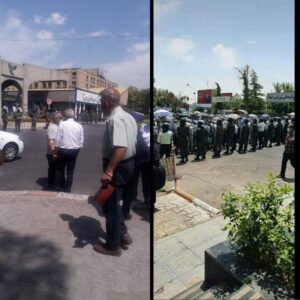
Workers of Haft Tappeh Sugarcane Cane, who say they have not yet received their salaries for the past two months, rallied for the third day in a row in the company’s yard. Police responded violently to the demonstration. In Tehran, BRT bus drivers  rallied to call on their demands to be addressed.


Workers of Haft Tappeh Sugar Cane (Day 3):


Student is Injured Attempting to Climb Mountain to Access Internet for Virtual Learning

A student in Pichkan village of Zirkuh city in the South Khorasan Province fell from a mountain and was severely injured in the face and eyes.

According to HRANA, the news agency of Human Rights Activists, quoting Rokna News, the student had gone to the mountains to access the internet and use virtual learning networks.

Talebi, the director of Zirkuh education confirmed the incident happened and said the injured  is a student of Hajiabad vocational school in Zirkuh.

Since the outbreak of COVID-19, virtual learning has played a critical role in Iran’s education system, but access to the necessary materials remains limited. Students in many villages of Iran are forced to face the environmental hazards in the highlands to access the internet due to the poor network coverage in their area.

The head of the country’s Exceptional Education Organization stated that 30% of students do not have equipment for e-learning; he said: “5 million students in the country do not have access to smartphones and tablets.”

Javad Hosseini also expressed that 8% of students use their parent’s devices for e-learning which does not provide the students with stable access to learning equipment.


International Day of Education; an overview of the right to education in Iran in 2020

Hrana- This report prepared by Human Rights Activists (HRA) honors the International Day of Education by bringing attention to the state of education in Iran, specially during the Covid-19 pandemic and consequent challenges of online education. Furthermore, this report includes a statistical overview of the violations of the fundamental rights of students and teachers, as well as violations of the right to education that took place between 24th January 2020 to 20th January 2021 in Iran.

“Everyone has the right to education. Education shall be free, at least in the elementary and fundamental stages. Elementary education shall be compulsory. Technical and professional education shall be made generally available and higher education shall be equally accessible to all on the basis of merit.” (UDHR Article 26)

The right to education is a fundamental right that should be available to everyone free of charge, at least for children in the elementary and fundamental stages. However, many students in Iran have been deprived of their right to education due to the lack of facilities and educational spaces, and dilapidated schools. According to managing director of Society for Protecting the Rights of the Children (SPRC), there are approximately 1 million children living in underdeveloped or in impoverished neighbourhoods in Iran, who are deprived of education. Also 49 thousand children do not attend schools because they lack documents such as birth certificate or are active part of the workforce. This statistic does not fluctuate greatly each year however, during the Covid-19 pandemic there has been approximately a three-fold increase in the number of children deprived of basic education, due to lack of proper infrastructure for online education and a sudden shift from classrooms to online schools during the pandemic.

In the university level, in addition to many systematic challenges for getting into universities, many students have been banned from attending higher education due to their religious belief. Students that believe in Baha’i faith are amongst those that are often deprived of either entering universities or completing their university degrees. In addition, on banning students from completing their higher education in Iranian Universities, many teachers and students or individuals that have any connection to the Baha’i Institute for Higher Education (BIHE) have also been arrested and given long prison terms.

Many student and teachers have also been arrested, suspended, expelled, or reprimanded for expressing their thoughts and opinions or for holding peaceful assemblies and publications.

These acts are violation of Freedom of thought and religion, Freedom of opinion and expression, Freedom of Assembly, and the right to education. It is worth mentioning that the right to education includes equal access to higher education for all on basis of merit.

Primary and basic education

Access to basic and primary education has not been equal for all because of various factors, including lack of infrastructure, lack of access for undocumented children, poverty, and cultural and language discriminations. According to the managing director of Society for Protecting the Rights of the Children (SPRC), there are approximately 1 million children living in underdeveloped or in impoverished neighbourhoods in Iran, who are deprived of education. Additionally, 49 thousand children do not attend schools because they lack identification documents such as birth certificate or are part of the workforce.

This statistic does not fluctuate greatly each year however, during the Covid-19 pandemic due to lack of proper infrastructure for online education and a sudden shift from classrooms to online schools across the country, there has been approximately a three-fold increase in the number of children deprived of basic education. According to Minister of Education 3 million and 225 thousand children are deprived of education because of lack of access to internet or devices such as smart phones, tablets and computers.

‘Shad’ online education platform asking for national identification number. Photo: Social Media

Covid-19 pandemic and unequal access to online educational platform of ‘Shad’

With the outbreak of the covid-19 virus and the closure of schools, Education Ministry announced that it would resume educating students via the Internet and using a platform called ‘Shad’. The online platform, which requires Internet, has been criticized by teachers and civil society activists from the beginning of its announcement. The problems of online education in Iran and sudden closure of schools without providing any significant support to deprived students includes, lack of access to reliable internet in many parts of the country specially in rural areas, and lack of financial ability of students and their families to purchase necessary devices such as smart phones for this type of education .

Undocumented children: Another major discriminatory aspect of ‘Shad’ platform is that it requires students to register with their national identification number, which leaves undocumented children without access to primary and basic education.

Children in rural areas: There are also reports from various areas of the country that with lack of proper internet connection children have to climb to high points near their cities to be able to connect to internet and the Shad platform to attend classes.

Children from poor-housing or margins of cities: a great proportion of Iran’s population live on the margins of cities or are living in poor-housing conditions. Children living in these conditions are disproportionately affected by the sudden shift to online education and are further discriminated. According to Assembly of Spatial Planning of the Land, in 2020, 45% of Iran’s population were living in poor-housing or on the margins of cities. He continues, “if we calculate 45% of the 85 million population of the country that is today 38 million people living in the margins of cities or in poor-housing.”

Considering these statistics, almost half of the population of the country are living in conditions that makes online-education inaccessible for them.

Photo: IRNA

University and higher education

Higher education in Iran has limited sits available through a national examination system, where all students who wish to enter university have to pass this exam to enter into universities. Based on participants rank in this exam students will be placed into universities and majors of their choices. This exam is highly competitive and often students do not get accepted into their chosen university or majors. In recent years Supreme Leaders office had announced lower sits available to female students, however female students continue to take up more than half of university sits by higher acceptance rate compared to male students. According to the head of Sanjesh institute responsible for carrying out the national university entrance exam (operating under Ministry of Science, Research and Technology), in 2020, 101 thousand and 912 women passed the national university entrance examination that is 53.6% of all the those who registered.

Photo: FARARU

The following section consist of statistics by the statistics department of Human Rights Activists (HRA)

Methodology: The following statistics have been gathered and prepared by the statistic department of Human Rights Activists (HRA). These statistics consist of aggregation of data from HRA’s exclusive reports and documentation efforts, as well as data gathered from public sources. All the gathered information are fact checked to assure their authentication. This data is not exhaustive as many information and statistics are not available or HRA has not been able to verify their authenticity. However, this is a comprehensive report of the available data that HRA has been able to verify.

University Students

In the one-year period, between January 24, 2020 to January 20, 2021, 7 students were arrested, 3 student’s homes were raided by authorities and their personal belongings were confiscated, and 11 student activists were sentenced to a total of 512 months of imprisonment and 222 floggings.

Violation of the Right to Education: 23 Baha’i students were deprived of continuing their education because of their faith.

Violation of the Right to Freedom of Expression and Peaceful Assembly: 20 students of the Mohaghegh University of Ardabil were reprimanded and suspended from university for gathering and attending the memorial of the victims of flight #PS752 tragedy.

Additionally The student publication of ‘Zed va Forough’ was shut down by authorities.

There has been reports of injuries resulting from the neglect and lack of proper infrastructure at universities and student residencies. On 28th January 2020, 4 students were taken to medical facilities after being poisoned by a methane gas leak from a sewage well at the Buein Zahra Technical University (BZTE) of Qazvin.

In this reporting period 21 student protests took place across the country.

Teachers and Union Activists

In the period of one year between January 24, 2020 to January 20, 2021, 3 teachers were arrested, 13 teachers were sentenced to a total of 334 months of imprisonment, 45 floggings and twelve million and hundred Toman in fines.
On August 10, 2020, a teacher at Jared and Balade a part of Kazeroun city of Fars Province committed suicide by drinking poison and lost his life. The reason behind his suicide has been attributed to failing the adult literacy exam.


For media and other inquiries please contact Skylar Thompson, Senior advocacy Coordinator at Human Rights Activists (HRA), Email: [email protected]