Thousands Demonstrate Against Water Mismanagement in Isfahan

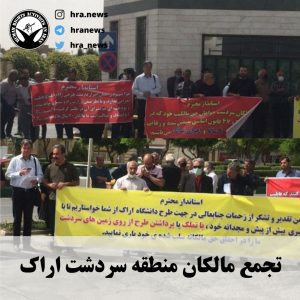
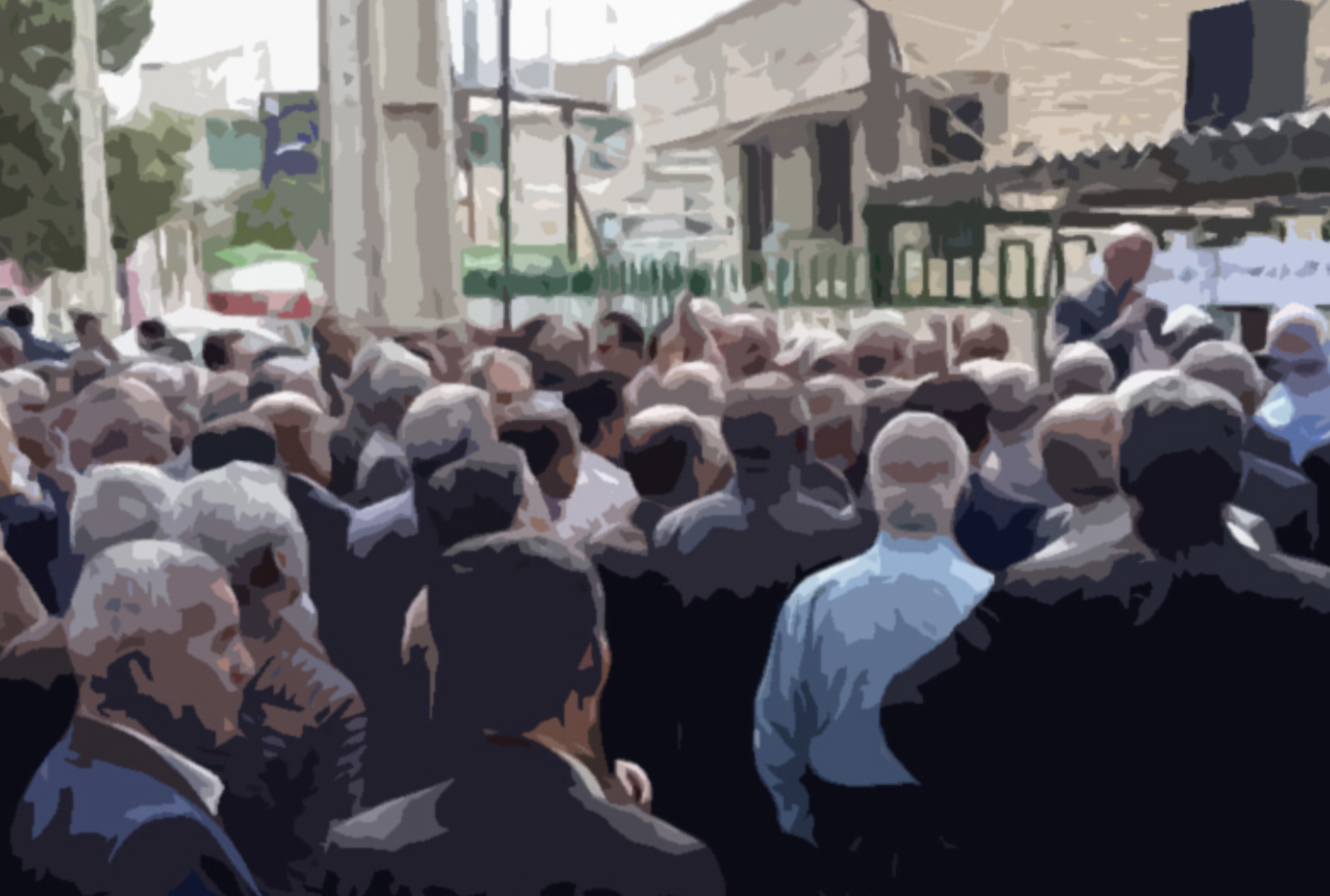
On Friday, November 19, thousands of citizens and farmers assembled and protested in the dried up stretches of the river Zayandeh-rud in Isfahan.

Since last Sunday, these farmers have been on a sit-down strike in protest of authorities’ ongoing mismanagement of the water supply. They ask for their water supply for the fall wheat planting and revival of the river Zayandeh-rud, most of which is now dry. Moreover, the lack of water crisis management has affected the living conditions of many farmers.

According to HRANA, the news agency of Human Rights Activists, thousands of citizens in Isfahan have been assembled in dried up stretches of the river Zayandeh-rud and near the Khaju Bridge. Reportedly, in this area, the internet connection is intentionally disrupted.

The protestors chanted, “Let Isfahan breath, give Zayndeh-rud back”, ” Zayndeh-rud is our inalienable right”, and “We won’t get back home, not until the water gets back to the river.”

Along with land subsidence and water shortage, the way the shortage has been handled has worsened the living conditions of about one hundred thousand farmers in eastern Isfahan.

The farmers have assembled to protest several times, but they have not received any proper response from authorities. Once in response to these issues, parliament member Hossein Mirzaie recommended “rain praying” as the only solution.

As a backlash, the farmers assembled at the office of parliament member Hossein Mirzaie and asked him to pray to see if it rains. “We are waiting for the MP to come here and do rain prayer,” the farmers stated. “We go here on sit-down strike until it rains.”

Earlier, parliament member Abas Moghtadai promised that, along with other Isfahan members of parliament, he would have a meeting with the president to address their issue. However, as of this writing, no report has been published on the holding of this meeting or its resolution.

Inmates in Women’s Ward of Kachooie Prison Face Poor Conditions

Inmates in the Women’s Ward of Kachooie Prison in Karaj are being held in poor conditions, a new report reflects.

According to HRANA, the news agency of Human Rights Activists, the Women’s Ward is composed of one quarantine section, four salons, one corridor and one kitchen, and houses between 50 and 60 inmates.

Due to an inadequate heating system to warm the wards on increasingly-cold days, many inmates of this ward have gotten sick. Moreover, these inmates have to cope with many additional issues such as a shut-down kindergarten, shortages of bathroom and sanitary services, and a poorly-equipped food store.

This ward has only three toilets and one bathroom for the over 50 inmates. The shared kitchen is small and unsuitable. The food store fails to supply any foods and other requirements.

Some of the inmates are living with their little kids. For unknown reasons, the kindergarten of this ward has been closed.

Despite the inmates’ repeated complaints and demands that the heating system be fixed, the most urgent of these issues as the temperature drops, prison officials have not yet addressed the issue.

Fisher Shot Dead by Military Forces in Hoveyzeh

On Wednesday, November 17, a fisher was shot dead by military forces in Hoveyzeh County.

According to HRANA, the news agency of Human Rights Activists, 32-year-old Ahmad Savari, a resident of Rafi-Shahr in Khuzestan Province, was shot dead by military force while he was fishing in Hawizeh Marshes.

HRANA’s annual human rights report has specifically documented cases in which military forces’ use of live ammunition against citizens has led to their injury or death.

According to the 2020 report, 36 cross-border laborers (kolbars), 5 cross-border fuel carriers (sukhtbars) and 33 other citizens have been shot dead by military forces and border guards in the last year. In addition, 130 people have been injured of whom 109 are Kolbars, 5 are Sukhtbars, and 16 are citizens.


Four Inmates Executed in Prisons in Shiraz, Rasht and Kerman

Four inmates were recently executed in Adel-Abad Prison in Shiraz, Lakan Prison in Rasht and Kerman Prison.

On Thursday, November 18, two inmates who had been convicted of murder were executed in Lakan Prison in Rasht city, and another inmate who had previously been sentenced to death on drug-related charges was executed in Kerman Prison.

Additionally, last Sunday, November 14, an inmate who was previously convicted of murder was executed in Adel-Abad Prison in Shiraz City.

According to HRANA, the news agency of Human Rights Activists, quoting Iran Human Rights Organization, Mostafa Asadpur and Mojtaba Bagheri, 35 and 40 years old respectively, were executed in Lakan Prison in Rasht.

“The prison officials announced that the executions will be carried out next Saturday but they executed them today on Thursday,” the report quoted from an informed source.

The Baloch Activists Campaign reports that Shams-e-din Gholjai the resident of Zahden was executed in Zahedan Prison.

In another report, Maarouf Gholipur, who was 41 years old and a resident of Kazerun City, was executed in Adel-Abad Prison in Shiraz.

The most recent report of the Statistics and Publication Center of the Human Rights Activists in Iran (HRA) states that between October 8 of 2020 and October 9 of 2021, at least 266 citizens, three of whom were juvenile offenders, were executed and 90 citizens were sentenced to death.

As the report points out, Iran’s judicial authorities do not publicly announce over 82% of executions. These unreported executions are known as “secret executions” by human rights organizations.

None of these executions have been reported by official sources in Iran as of this writing.

Fifteen-Year-Old Kolbar Soroush Rahmani Commits Suicide After Mules Killed By Regime’s Military Forces

On Wednesday, November 17, a 15-year-old kolbar (cross-border carrier) committed suicide by hanging after his mules were killed by regiment forces at the border.

According to HRANA, the news agency of Human Rights Activists, quoting Didban Iran News Agency, the boy has been identified as Soroush Rahmani, a resident of Hani Garmaleh village in Paveh County.

Reportedly, his house was held as collateral for bank debt. Rahmani had borrowed a small amount of money to buy mules to work as kolbar at border areas, so the regime’s killing of the mules effectively destroyed his livelihood.

HRANA’s annual human rights report has specifically documented cases in which military forces’ use of live ammunition against citizens has led to their injury or death. According to the 2020 report, other than material damages such as loss of pack animals due to road accidents, frost, or avalanche, 36 kolbars have been shot dead, and 109 have been injured by military forces and border guards.


Subscribe to Our Newsletter

Now is definitely not the time to stop reading!

Mohammad Nourizad Released From Evin Prison; Ali Nourizad Returned to the Greater Tehran Prison at End of Leave

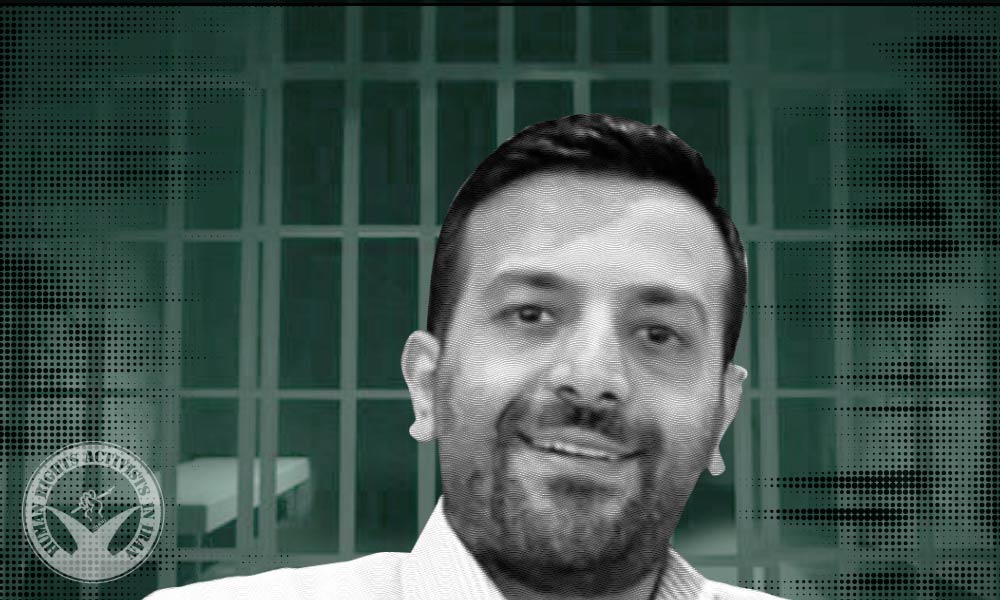
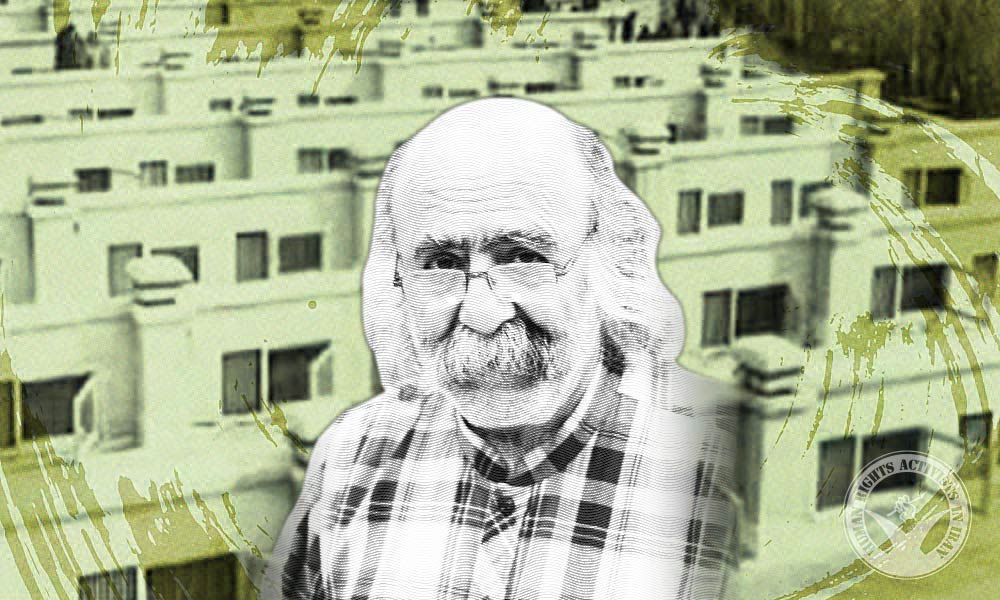
On Wednesday, November 17, civil activist Mohammad Nourizad was released from Evin Prison after being granted an early release order. The day before his release, his son Ali Nourizad returned to The Greater Tehran Prison at the end of his furlough.

According to HRANA, the news agency of Human Rights Activists, political prisoner Mohammad Nourizad was released from Evin Prison after obtaining an early release order. The day before, Nourizad’s lawyer, Mohammad Hossein Aghasi, tweeted that the Supervisory Judiciary of Evin Prison had informed him in a phone call that the prosecutor agreed to end the prison sentence.

It is worth mentioning that Nourizad suffers from myriad health conditions, including asthma, heart problems and unstable blood pressure. Earlier, in protest against not receiving medical treatment, during a family visitation, he wounded his face and stated, “Each day I make this wound deeper to make my death happen sooner if they want me dead.”

In an open statement from that time, UN human rights experts expressed their serious concern over his conditions in prison. “We are seriously concerned at the mistreatment of Mohammad Nourizad and his continued imprisonment for expressing his opinion,” the statement read. “Furthermore, his continued detention despite medical professionals finding he cannot stay in prison given his serious health condition, and the resulting denial of adequate medical care, may amount to torture and other forms of cruel, inhuman and degrading treatment.”

Mohammad Nourizad is a 63-year-old filmmaker, writer, director and journalist from Iran. He was considered an outspoken and religious journalist who in recent years became one of the active critics of the Islamic Republic. He has been arrested and imprisoned many times.

Mohammad’s son Ali Nourizad was arrested by security forces in Tehran in January 2020 for protesting a rally against the downing of a Ukrainian plane by the IRGC, and for expressing sympathy with the victims’ families.  He was released on bail a month later. The Tehran Revolutionary Court eventually sentenced him to 3 and a half years in prison. This sentence was upheld by the Tehran Court of Appeals. He has been serving out his sentence in Greater Tehran since October of last year.

One Worker Killed and Seven Injured Due to Unsafe Workplace Conditions

In two separate recent accidents, several child workers were injured and one worker was killed in unsafe work environments.

On Wednesday, November 17, in a workplace accident in Meybod City, seven workers, some of whom are underage, were injured due to gas poisoning. In another workplace accident in Rajai Shahr in Karaj, a worker was killed after falling off a wall in a construction pit.

According to HRANA, the news agency of Human Rights Activists, quoting IRIB News Agency, in an industrial zone in Meybod city, seven workers, several of whom are minors, were poisoned by a gas leak at their workplace and hospitalized.

“On Wednesday morning, seven people with symptoms of gas poisoning were transferred to the Hospital Imam Jafar by the emergence 115 of Meybod County “, the head of the Emergency Department of Meybod city commented. “These workers of a workhouse in Meybod Industrial zone, aged from 17 to 24 years old, have been hospitalized.”

According to IRNAN, the spokesperson of the fire department and the Municipal Safety Services of Karaj reported the death of a worker due to a non-standard excavation in a construction project.

“The emergency team reached the spot after three minutes and pulled the body out of the construction pit”, the spokesperson commented.

Iran ranks 102nd in workplace safety out of 189 countries.


Chia Agha-Beygpour Sentenced to Imprisonment, Fines and Flogging

Recently, the Revolutionary Court of Bukan sentenced Bukan resident Chia Agha-Beygpour to one year and two months in prison, 70 lashes and paying a fine.

According to HRANA, the news agency of Human Rights Activists, quoting Kurdpa, Chia Agha-Beygpour was charged with “propaganda against the regime in favour of one of the opposition political parties”. He was denied access to an attorney and phone calls during his detention.

On July 29, 2021, security forces arrested and held him in a detention center at the disposal of the Ministry of Intelligence in Bukan. On September 6, he was released on bail until the end of legal proceedings.


Ali-Akbar Gorji’s Lawyer License Taken Away Due to Political Views on Social Media

Recently, according to a picture of an announcement letter with a confidential stamp circulated on social media, the Office of the Disciplinary Courts of lawyers and Experts of the Judiciary has revoked the license of lawyer Ali Akbar Gorji.

According to HRANA, the news agency of Human Rights Activists, Gorji’s license was revoked in response to his sharing, liking and commenting on social media about political and social issues such as the compulsory hijab and the prison system.

“According to carried-out investigations, the mentioned person, who is a sympathizer of a certain political faction with precedents in protest, actively likes and shares social media content containing sharp criticism against the regime’s law and regulations as well as religious codes about veiling, imprisonment etc.,” the letter states.

Ali Akbar Gorji has been the Deputy of Communications and the implementation of the Constitution from the legal assistant department of the former president.

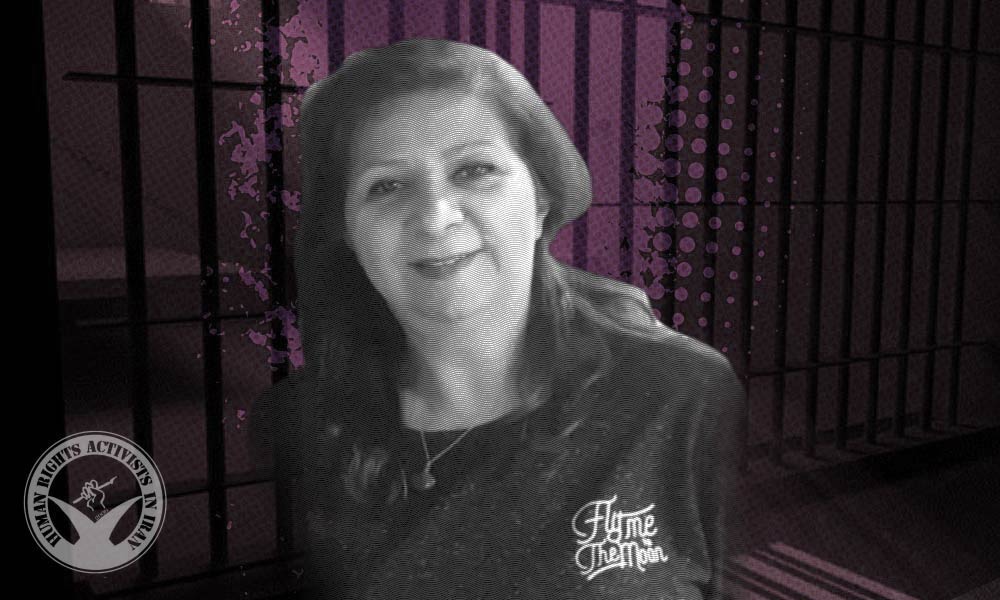
Baha’i Citizen Shiva Khalili Arrested and Released on Bail in Babol

On Tuesday, November 16, Baha’i citizen Shiva Khalili was arrested after being summoned and appearing at Branch 1 of the Public and Revolutionary Court of Babol.

According to HRANA, the news agency of Human Rights Activists, Khalili was released the following day on a bail of 700 million tomans until the end of legal proceedings. Shiva Khalili, a resident of Babol in Mazandaran Province, was summoned to the Revolutionary Court of Babol by phone.

According to unofficial sources, it is estimated that more than 300,000 Baha’is live in Iran, but the Iranian constitution recognizes only Islam, Christianity, Judaism, and Zoroastrianism. Because their faith is not considered legitimate by authorities, the rights of Baha’is in Iran have been systematically violated for years.

This deprivation of the freedom to practice their religion is a breach of Article 18 of the Universal Declaration of Human Rights, and Article 18 of the International Covenant on Civil and Political Rights. The United Nations covenant holds that every person has the right to freedom of religion, freedom of converting religion, as well as freedom of expression, individually or collectively; openly or secretly.
The reason for Khalili’s arrest and the charges against her are unknown as of this writing.