Shakila Monfared Denied Access to Medical Treatment in Qarchak Prison

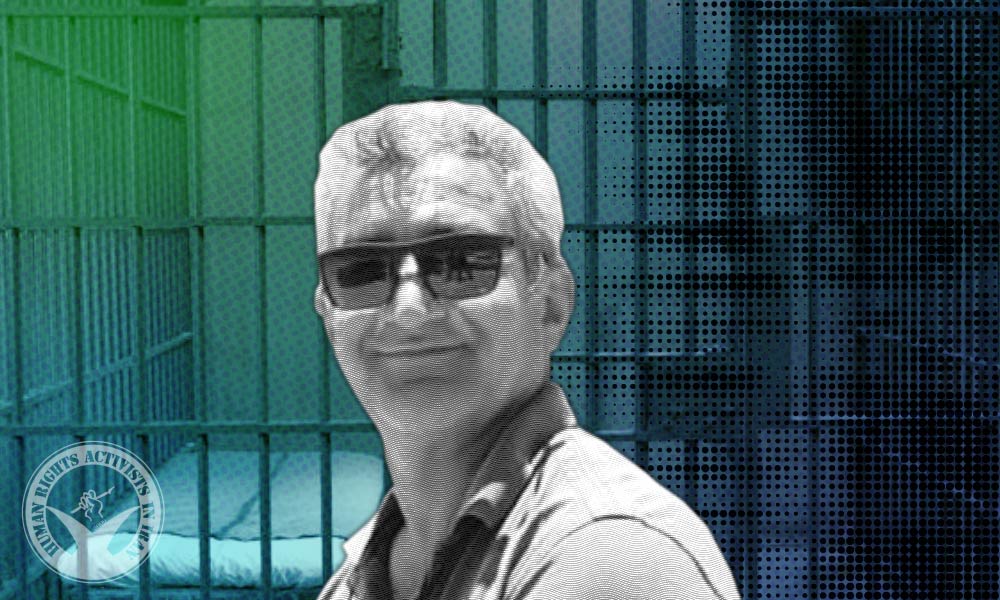
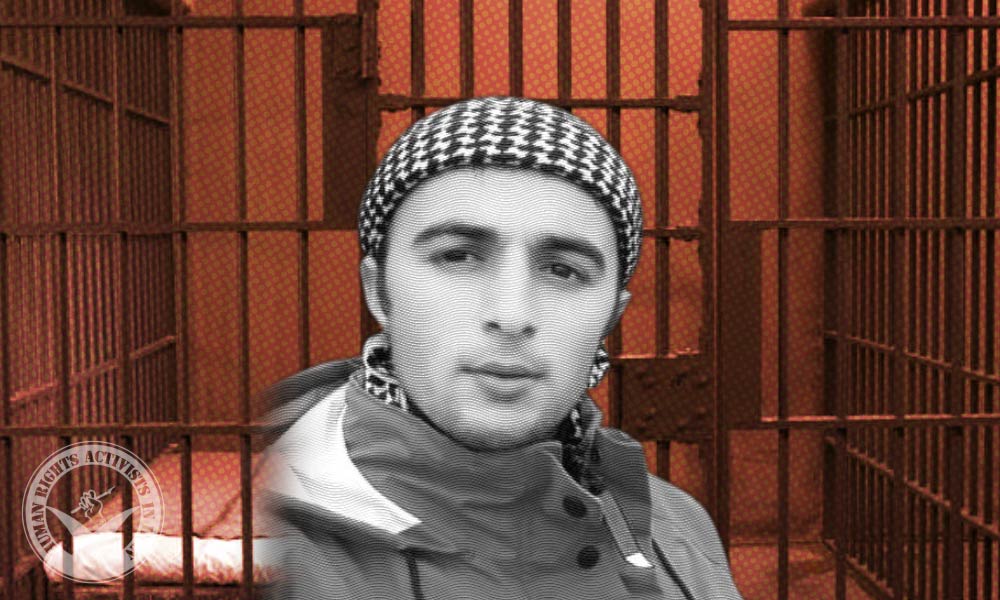
Political prisoner Shakila Monfared, who suffers from gastrointestinal disease and severe stomach pain, has been denied access to adequate medical treatment in Qarchak Prison in Varamin City.

According to HRANA, the news agency of Human Rights Activists, prison officials have barred her dispatch to a hospital outside the prison as well as leave on furlough for medical treatment.

“For the fifth time, her request for furlough has been rejected,” an informed source told HRANA. “They mentioned a report from the interrogator and judiciary officers on her interview with one of the media as the reason for this rejection. This claim stands at odd with the fact that she never had any interview and the interrogator refuses to provide any proof regarding this claim.”

On August 31, 2020, security forces arrested Monfared while she was leaving her home. They transferred her to one of the detention centers at disposal of IRGC in Tehran. Reportedly, they did not have a warrant for this arrest.

On September 9, of last year she was relocated to the quarantine section of the women ward of Evin Prison. On September 14, she was released on a bail of 400 million tomans until the end of legal proceedings.

In January of this year, the joint court trial of Shakila Monfared, Arsham Rezaei, and Mohammad Abolhassani was held in Branch 26 of the Revolutionary Court of Tehran, presided over by Judge Iman Afshari. 27-year-old Monfared was sentenced to 6 years in prison and 4 months of probation work in the Agricultural Jihad on charges of “propaganda activities against the system” and “insulting the sanctities of Islam”.

Monfared was granted furlough on August 23 of this year and returned to jail on September 7.

Prison Sentence for CEO of Online Marketplace Divar Upheld on Appeal

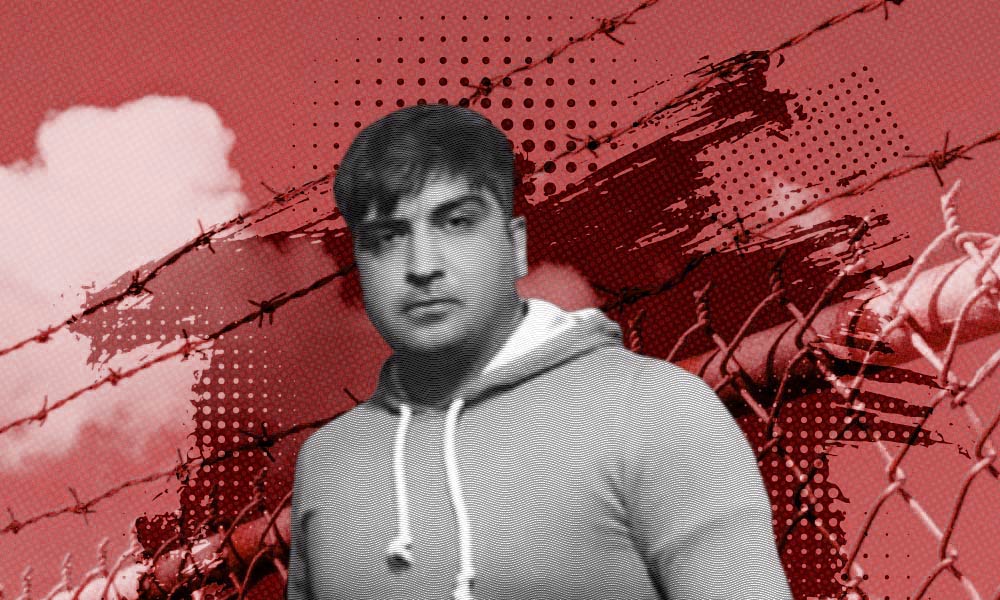
Recently, the court of appeals upheld a 3 month prison sentence against Ashkan Armandehi, CEO of the e-commerce platform Divar, on a charge of “promotion of impurity and indecency”.

According to HRANA, the news agency of Human Rights Activists, the website management team responded that the advertisements invoked in the case do not contain any unlawful content. They maintain that the conviction is based on third party acts that took place outside of the online platform.

The statement goes on to highlight potential damages that this verdict would cause to the many businesses that use Divar to facilitate online sales, as well as the potential implications for similar e-commerce platforms.

Two Inmates Executed in Mashhad and Kerman Prisons

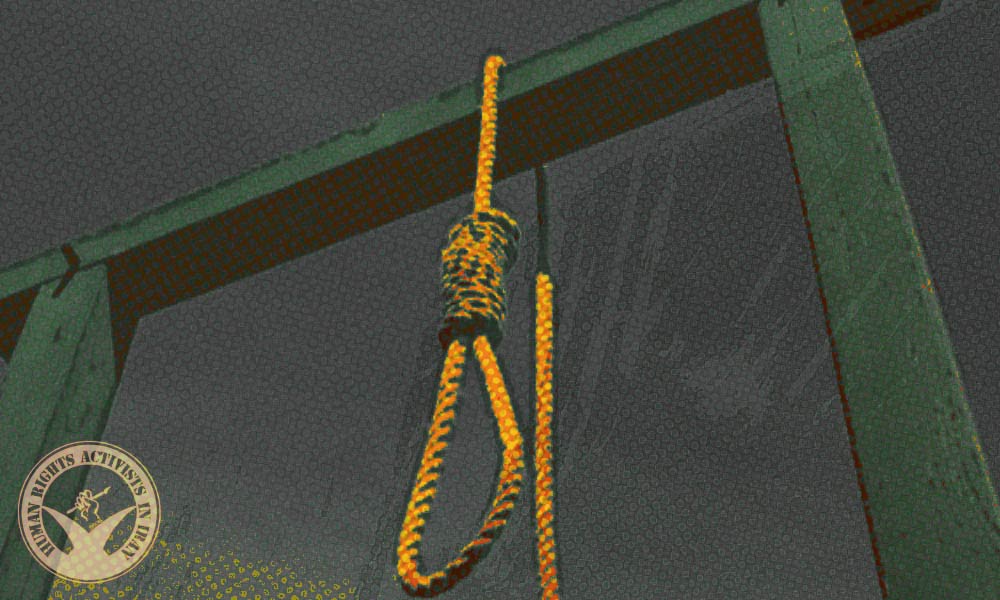
Two inmates were recently executed in Mashhad and Kerman Prisons.

According to HRANA, the news agency of Human Rights Activists, quoting Rasank News, in two separate cases, Emrahim Narooie and Heydar Gholjaie, both residents of Zahedan County, were executed in Mashhad and Kerman Prisons respectively. They had been sentenced to death on drug-related charges.

On Sunday, November 28,  Narooie was executed in Mashhad Prison. Gholjaie was executed in Kerman Prison on Thursday, November 25.

Reportedly, Heydar Gholjaie visited his family before his execution. In 2018, he was arrested at a checkpoint on the road connecting Bam City to Kerman for carrying drugs. Since then he had been jailed in Kerman Prison.

The most recent report of the Statistics and Publication Center of the Human Rights Activists in Iran (HRA) states that between October 8 of 2020 and October 9 of 2021, at least 266 citizens, three of whom were juvenile offenders, were executed and 90 citizens were sentenced to death.

As the report points out, Iran’s judicial authorities have not publicly announced over 82% of executions. These unreported executions are dubbed as “secret executions” by human rights organizations.

Official sources and news outlets inside Iran have not reported on these executions as of this writing.


HRANA Recap: This Week’s Protests in Iran

According to HRANA, the news agency of Human Rights Activists, a number of protests took place this week in Iran, many of which were continuations of ongoing movements.  Read our recap below for details, photos, and videos from the demonstrations.


Saturday, November 20

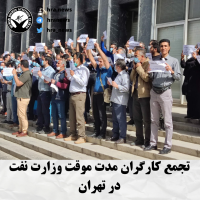
A number of workers and retirees assembled in the Worker House in Tehran. In this gathering, the workers showed their protest against a plan laid out in parliament, whereby wages can be wholly determined by a consensus between employee and employer.

“This plan will increase rural-to-urban migration and hence affect negatively the ecology”, Hassan Sadeghi, one of the workers’ representatives, commented about the plan. “It
reinforces informal employment and decreases demands in the market. In this plan, employers will be able to pay insurance contribution of just 10 days rather than 30 days.”


A group of workers of Abadan Petrochemical Complex assembled at company premises in front of the central factory building. They asked for the establishment of an Islamic Labor Council as a worker organization, pointing out that the government increases only the salary base in accordance with inflation each year, while other benefits remain the same.

Personnel of the medical treatment department of Elam University of Medical Sciences assembled on campus in protest.

A number of workers in Yazd Province assembled at the Worker House in Yazd City. They asked that the disparity in wages be closed, and that labor codes and regulations regarding worker housing be implemented.

“Considering the 47% (annual) inflation, a 20 to 30% increase in wages is never enough. Therefore, we are planning to address this issue in a session with workers’ organizations as
well as through Parliament,” the member of Parliament of this city, Mr. Jokar, commented. “Among other things, addressing the temporary contracts which undermine job security, productivity and motivations for labor force have to be prioritized.”

Sunday, November 21

In Shahrekord City, hundreds of people assembled in front of the municipal building of this Province and then marched through the streets of Shahrekord in protest against water shortages
and water mismanagement.

Families of the victims of Ukrainian International Airlines flight 752, which was hit by two regime missiles on January 8, 2020, resulting in the death of the 176 people on board, assembled and demanded that the court-martial convene and hold low-ranking military officers responsible for the incident accountable. Carrying placards and pictures of the victims, protesters called for justice.

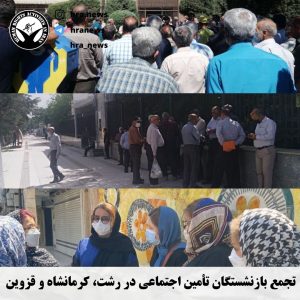
A group of the retirees of the Fulad Company’s pension fund protested in Isfahan and Khuzestan before the building of this fund. They asked for the fortification of their pensions to stand
above the poverty line, the closing of disparities in pensions, and that the issues of supplementary insurance be addressed.

For several consecutive days, a group of workers of Abadan Petrochemical Complex assembled and protested at the premises of this complex. They demanded increased wages and that a workers’ organization be established.

Monday, November 22

In Shahrekord City, for a second consecutive day, dozens of citizens marched to protest against water shortage and water mismanagement in the province.

Recently-dismissed workers of the Aq-Dareh gold mine assembled at their former workplace to protest mass layoffs. They have stated that, as seasonal workers, they can hardly earn their livelihood during the winter months.

In Sirjan City, a number of workers of the edible oil company FRICO demanded their several-months-delayed wages.

Tuesday, November 23

A group of workers of Asminon Mine assembled on the road connecting Manoojān to Bandar-Abbas to protest against not addressing their issues. Reportedly, this was their fourth day of the protest.

Workers of the vegetable oil factory Nina, located in the Sirjan industrial zone, assembled in front of the municipal building to ask for their wage demands and determine their job  conditions. One of the workers said that the employer’s neglect towards workers’ demands has weakened their work motivation. He also mentioned that it is about three months that the factory is temporarily closed due to the lack of raw materials.

Wednesday, November 24

Hundreds of people in two squares of Shahrekord City, in Chaharmahal and Bakhtiari Province, assembled and marched to protest against water shortages, ineffective water management policies and poor resource mismanagement. They demanded, in particular, shutting down a water transfer project which extracts water from the Province through two canals, exacerbating the current water shortage. Reportedly, currently, 96.1% of Chaharmahal and Bakhtiari Province is facing drought.

In Isfahan, for several consecutive days, the farmers assembled in the dried up stretches of the river Zayandeh-rud. They demanded their water portion and the revival of this river.

Several patients with the blood disorder Thalassemia assembled in front of the headquarter of Zahedan University of Medical Sciences. According to these protestors,  the worsening quality of its medicines has endangered the health of patients. They asked for the removal of all poor-quality medicines from the market.

A number of the victims of the financial fraud of the “King Money” cryptocurrency network assembled in front of the building of the Baadraan Universal Trading company.

The seasonal workers of Haft-Tappeh sugarcane company assembled in Shush city in front of the office of Parliament member Kaab Amir. They asked that their employment contract issues be addressed.

Thursday, November 25

A number of citizens assembled in front of the office of the Cleric Ayatollah Nouri Hamedani in Qom City to protest against the family law–particularly mehrieh (money or
possessions paid by the groom). Many men, who are not able to afford to pay this money in the divorce, are convicted and even jailed.

For a second consecutive day, seasonal workers of Haft-Tappeh Sugarcane company assembled in Shush City in front of the office of Parliament member Kaab Amir.

The workers of the Iran-Khodro Company in Tabriz went on a strike and assembled at their workplace. They demanded closing the disparity in wages and implementing the Job Classification Act. 

Vahedian Shahroudi Still in Detention After 84 Days Despite Poor Health Condition

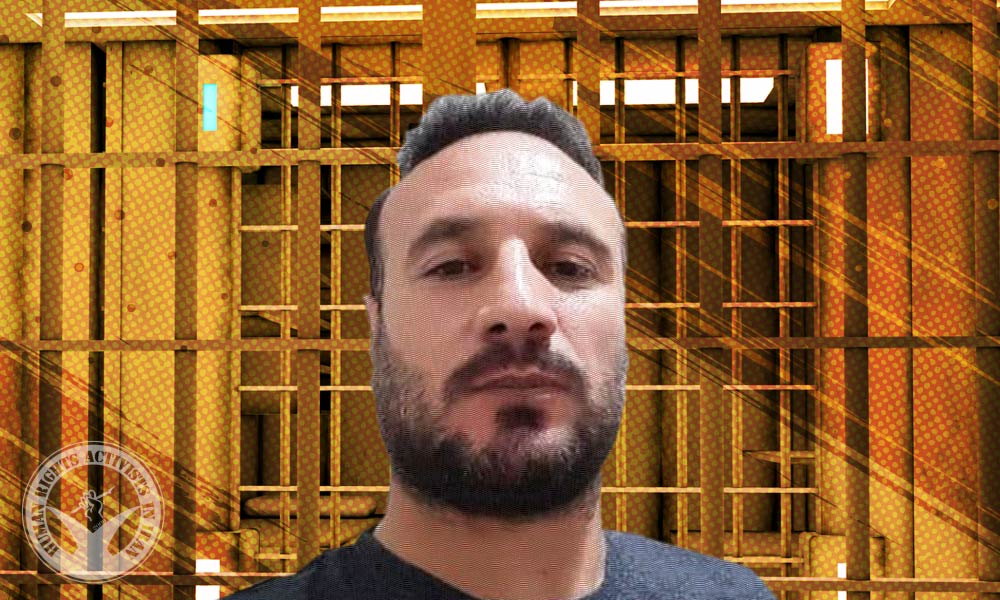
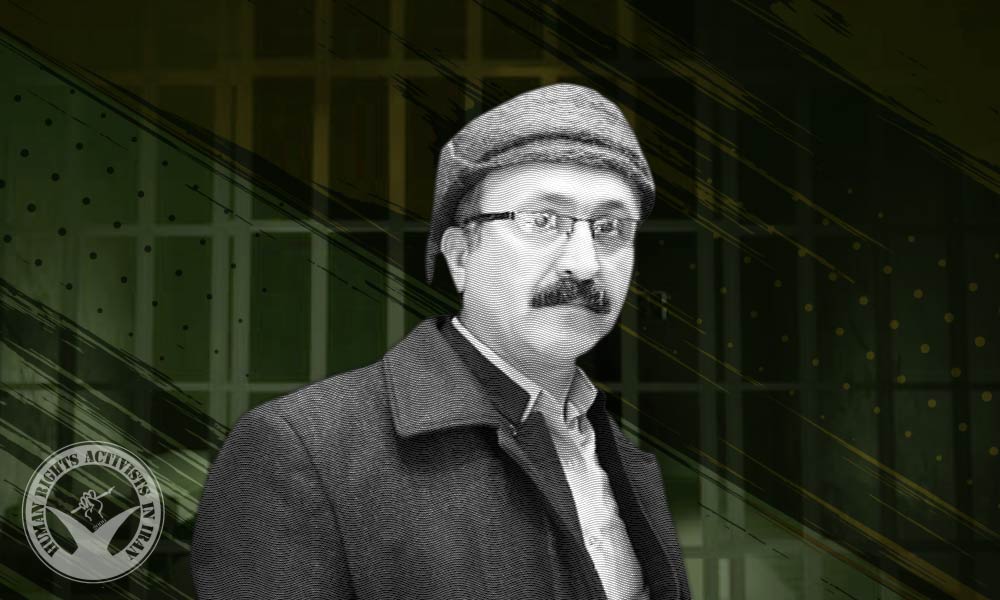
After 84 days, writer, educator and civil activist Abbas Vahedian Shahroudi is still in a Ministry of Intelligence detention center in Mashhad.

According to HRANA, the news agency of Human Rights Activists, Shahroudi suffers from a severe infection in the gums and teeth but has been deprived of adequate medical treatment throughout his detention.

In early November of this year, he was sentenced to 10 years imprisonment by Branch 4 of the Mashhad Revolutionary Court. This verdict has been finalized following his refusal to request an appeal.

Shahroudi’s daughter Hengameh Vahedian expressed her deep concern about her father’s health condition in a social media post.

“Two weeks ago, In the last visitation, he had severe infection in the gums, loosen teeth, and acute pain,” Hengameh wrote. “He needs urgent treatment before his disease worsen. Until now, however, he has not received any treatment.”

Earlier, HRANA reported about his poor health condition in a solitary confinement cell in a Detention Center at the disposal of the Ministry of Intelligence.

On September 1 of this year, intelligence agents arrested Vahedian in Rezvanshahr County. Two days later, in a phone call to his family, he informed them about the opening of a new case  against him on a charge of “acting against national security.” Meanwhile, Vahedian’s daughter’s home in Mashhad was searched by security forces and some personal belongings were confiscated.

Vahedian has previously been arrested and convicted for his writings and civil activities. In one case, he was arrested in Mashhad in October 2018 and later charged by Branch 903 of the Revolutionary Court of Mashhad with “acting against national security”, and “attempting to overthrow the regime”. He was released on bail of 350 million tomans from Vakilabad Prison in Mashhad in December 2018.

Shortly after his interrogation, in August 2019, Vahedian was again arrested and transferred to Vakilabad Prison in Mashhad. He was one of the 14 signatories of a letter of request for the resignation of Ayatollah Khamenei, the supreme leader of Iran. Mr Vahedian was released on bail from Vakilabad Prison in Mashhad in July 2020.

Vahedian is an author of several books including “The Return of Genghis Khan” published by Khatam Publishing in Mashhad.

Subscribe to Our Newsletter

Now is definitely not the time to stop reading!

Two Workers Killed in Mahshahr and Isfahan Due to Unsafe Workplace Conditions

On Tuesday, November 23 and Wednesday, November 24,  two workers were killed in workplace accidents in Mahshahr and Isfahan respectively.

According to HRANA, the news agency of Human Rights Activists, quoting Mehr News Agency, a worker was killed on Tuesday in Tondgovian Petrochemical Factory located in Bandar Mahshahr. The worker was injured severely while he was repairing a ventilation system, and then passed away in hospital.

In another workplace accident, in Isfahan, on Wednesday, November 24, a construction worker who was a native of Afghanistan lost his life in a falling debris accident during the demolition of a building by an excavator.

“This accident took place at 13:25 and was reported to the fire department,” the spokesperson Municipality Fire and Safety Services Organization stated. “The firefighters dispatched from stations 18 and 6 and reached the spot as soon as possible. Unfortunately, the worker who was caught in the debris had been killed right after the accident.”

Iran ranks 102nd in workplace safety among 189 countries.

NAJA Soldier Saman Dashti Fatally Shoots Himself with Guard’s Gun

On Tuesday, November 23, a soldier who was serving in NAJA committed suicide with a firearm.

According to HRANA, the news agency of Human Rights Activists, quoting Rokna News, the soldier has been identified as Saman Dashti.

“Saman was working in the kitchen and his service in the army had already ended. He was just waiting for the signature of the base commander to leave, ” one of his friends commented. “He seemed very happy that he could see his mother. Unfortunately, on that day, he took the gun of a guard and shot himself.”

According to the regime’s laws, every male citizen above 18 years old is obliged to serve at least two years in the army. The conscripts, however, are allowed to buy off the military obligation, the amount of which is proportionate to the conscript’s education level. These regulations have brought about injustice and discrimination against poor young men who cannot afford to buy off their military service.

According to this report, the reason for Dashti’s suicide are still unknown and the investigation is underway.

Three Inmates Executed in Rajai Shahr and Kerman Prisons

This week, in addition to juvenile offender Arman Abdolali, three inmates were executed in Rajai Shahr and Kerman Prisons.

According to HRANA, the news agency of Human Rights Activists, quoting ISNA, an inmate who was previously convicted of murder was executed in Rajai Shahr Prison in Karaj on Wednesday, November 24. At the same time, three other inmates, after being sent to the foot of the gallows, were able to obtain additional time from the “blood avengers” at the very last minute, and were sent back to their cells.

Reportedly, the executed man was personnel of a contracting company working for Tehran municipality. As part of his duty, he stopped a van driver, who was working as a scrap metal collector, to check his permit for this work. The verbal quarrel ends up in a fight between them. During the fight, the van driver was hit in the head, fainted and subsequently died from the fracture in his head in hospital.

According to the victim’s son, who witnessed the incident, the man hit his father’s head with brass knuckles led to his death. Despite recognizing the homicide as a semi-deliberate killing by the judge in the first trial, the Supreme Court overturned the verdict. In the second trial, he was sentenced to death and the verdict was confirmed by the Supreme Court. He had been sent to the gallows the previous year, but was that time able to obtain some more time from the blood avengers before being executed.

In Kerman Prison, according to Rasank news, on Thursday, November 25, two inmates, who have been identified as Abdolsattar She-Baksh and Khan-Mohammad Rahman-Zehi, were executed. They have been charged with drug-related crimes. Both had been in jail for three years.

The most recent report of the Statistics and Publication Center of the Human Rights Activists in Iran (HRA) states that between October 8 of 2020 and October 9 of 2021, at least 266 citizens, three of whom were juvenile offenders, were executed and 90 citizens were sentenced to death.

As the report points out, Iran’s judicial authorities do not publicly announce over 82% of executions. These unreported executions are known as “secret executions” by human rights organizations.

Pedram Abhar’s House Searched While He Remains Detained in Unknown Detention Center

On Tuesday, November 23, security forces raided and searched Baha’i citizen Pedram Abhar’s house in Tehran. On November 21, security forces arrested Pedram Abhar at his father’s home in Shiraz.

According to HRANA, the news agency of Human Rights Activists, at the time of arrest, they also searched the house and confiscated several family belongings such as identity cards, passports, cell phones, pictures and books related to the Baha’i faith. While Baha’i citizen, Pedram Abahar is still in detention in an unidentified detention center, his house in Tehran was searched by security forces again on Tuesday.

“On Sunday morning, November 21, at 10 am., Mr. Abhar departed from Shiraz to Bushehr,” an informed source told HRANA. “While he was at a rest stop on the road, he was surrounded by three cars. They arrested and transferred him back to his parents’ home in Shiraz. About 13 security agents searched the house. Yesterday, his parents went to the courthouse to find out about their son. However, they did not get an answer. Finally, this morning, Mr. Abhar was allowed to make a short call to his parent.”

Regarding this report, HRA Senior Advocacy Coordinator Skylar Thompson stated that HRA strongly condemned these discriminatory acts against religious minorities in Iran. She asked that the regime take action to ensure Iranian people, and Bahai’s citizens in particular, are entitled to the freedom of religion and can perform their religious acts freely.

According to unofficial sources, it is estimated that more than 300,000 Baha’is live in Iran, but the Iranian constitution recognizes only Islam, Christianity, Judaism, and Zoroastrianism. Because their faith is not considered legitimate by authorities, the rights of Baha’is in Iran have been systematically violated for years.

This deprivation of the freedom to practice their religion is a breach of Article 18 of the Universal Declaration of Human Rights and Article 18 of the International Covenant on Civil and Political Rights. The United Nations covenant holds that every person has the right to freedom of religion, freedom of converting religion, as well as freedom of expression, individually or collectively; openly or secretly.

The reason for Abhar’s arrest, the charges against him, the security institution responsible for the arrest, and the detainee’s whereabouts are all unknown as of this writing.

Juvenile Offender Arman Abdolali Executed in Rajai Shahr Prison

Earlier this Wednesday, November 24, juvenile offender Arman Abdolali was executed in Rajai Shahr Prison.

According to HRANA, the news agency of Human Rights Activists, Abdolali was relocated to a solitary confinement cell yesterday as a regular procedure before carrying out the execution, and then executed in the morning.

Judiciary Media Center announced that on Wednesday morning, Arman Abdolali, who was previously convicted of murdering his girlfriend at the age of 17, was executed in Rajai Shahr Prison.

Last night, in response to his relocation to a solitary confinement cell, Amnesty International asked Iranian authorities to halt the imminent execution. Amnesty International had also previously urged that the sentence be stopped and pointed out, “The use of the death penalty against people who were under 18 at the time the crime was committed is prohibited under international law and constitutes an abhorrent assault on child rights.”

In 2013, while he was underage, Abdolali was indicted on the charge of murdering his girlfriend, Ghazaleh Shakur. During interrogation, he confessed to killing her but later on, he denied the charges, claimed that the confession has been extracted under torture and pleaded his innocence. The victim’s body was never found.

After the first confirmation of the sentence, Abdolali’s lawyer claimed him as innocent and asked for a retrial, which was granted by the Supreme Court of Iran. In the second retrial, the death sentence was upheld after six months by the Supreme Court of Iran and thereafter by an appellate court.