At dawn on Wednesday, September 22, a prisoner was executed in Karaj Central Prison.
According to HRANA, the news agency of Human Rights Activists, quoting Tabnak, the inmate had previously been sentenced to death on charges of moharebeh (rebellion, or waging war against God in Shariah Law), disturbing public security, and murder.
Iran ranks first in the world in citizen executions per capita, according to international organizations. The Statistics and Publication Center of the Human Rights Activists in Iran (HRA) reported that between January 1 and December 20 of 2020, at least 236 citizens were executed.
One of these citizens was executed publicly, and two were juvenile offenders. An additional 95 citizens were sentenced to death. According to the same report, more than 72% of executions in Iran are not reported by the government or the judiciary, which human rights organizations call “secret” executions.
The report does not state the identity of this prisoner.
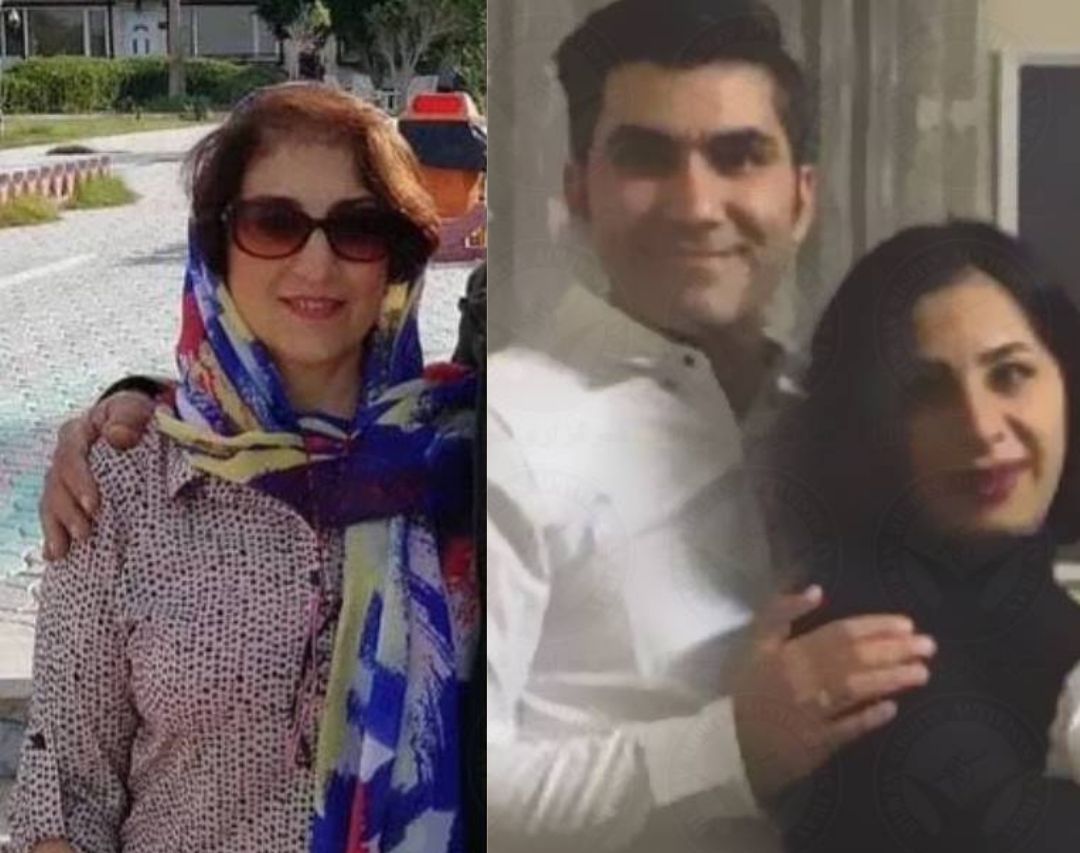
On Wednesday, September 22, Baha’i citizens Moin Misaghi and Negareh Ghaderi, both natives of Shiraz, were arrested by security forces and taken to an unknown location.
According to HRANA, the news agency of Human Rights Activists, security forces searched the homes of the citizens and confiscated a number of their belongings during the arrest.
Security forces also visited the home of Hayedeh Mosallanejad, another Baha’i citizen, to arrest her but she was not detained as she was not home.
According to unofficial sources, it is estimated that more than 300,000 Baha’is live in Iran, but the Iranian constitution recognizes only Islam, Christianity, Judaism, and Zoroastrianism. Because their faith is not considered legitimate by authorities, the rights of Baha’is in Iran have been systematically violated for years.
This deprivation of the freedom to practice their religion is a breach of Article 18 of the Universal Declaration of Human Rights, and Article 18 of the International Covenant on Civil and Political Rights. The United Nations covenant holds that every person has the right to freedom of religion, freedom of converting religion, as well as freedom of expression, individually or collectively; openly or secretly.
An inmate whose identity is not known as of this writing was recently executed in Rajai Shahr Prison in Karaj.
According to HRANA, the news agency of Human Rights Activists, quoting Javan newspaper, the man had previously been sentenced to death for murder by Branch 12 of the Tehran Criminal Court
Branch 15 of the Supreme Court of Tehran upheld the death sentence and had sent it to the prosecutor’s office branch for the execution of judgment.
Iran ranks first in the world in citizen executions per capita, according to international organizations. The Statistics and Publication Center of the Human Rights Activists in Iran (HRA) reported that between January 1 and December 20 of 2020, at least 236 citizens were executed.
One of these citizens was executed publicly, and two were juvenile offenders. An additional 95 citizens were sentenced to death. According to the same report, more than 72% of executions in Iran are not reported by the government or the judiciary, which human rights organizations call “secret” executions.
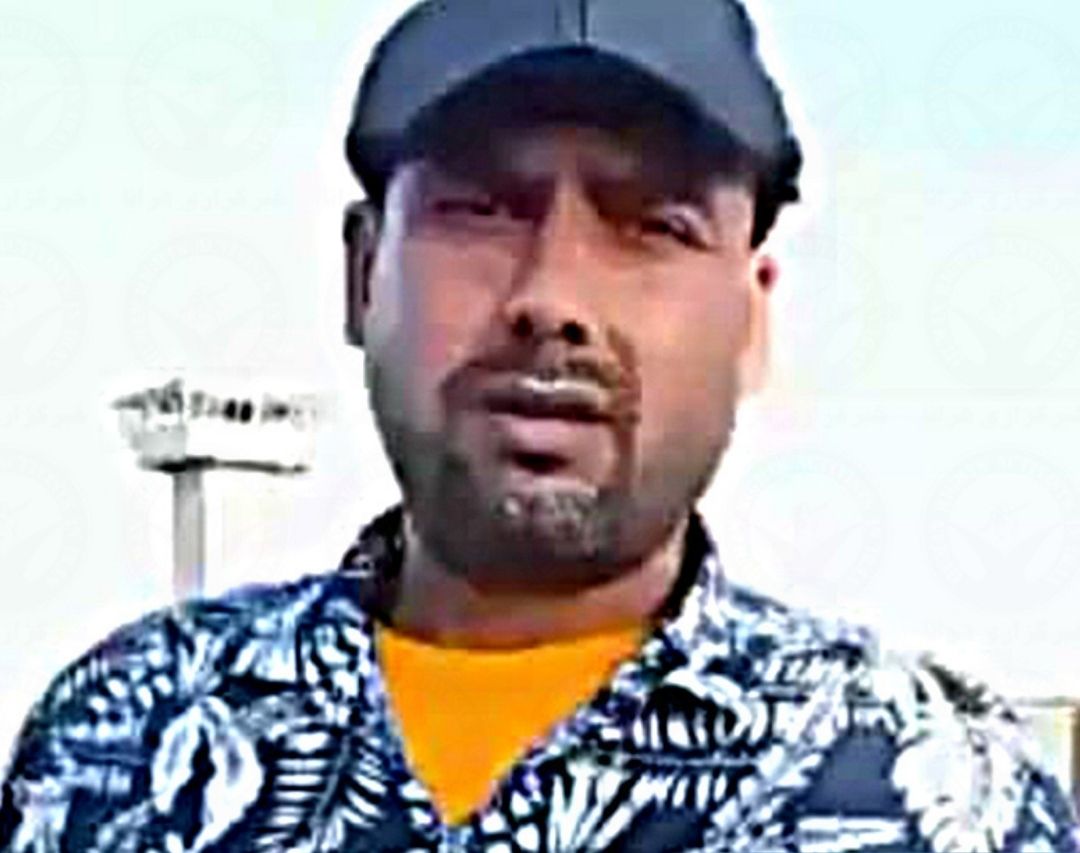
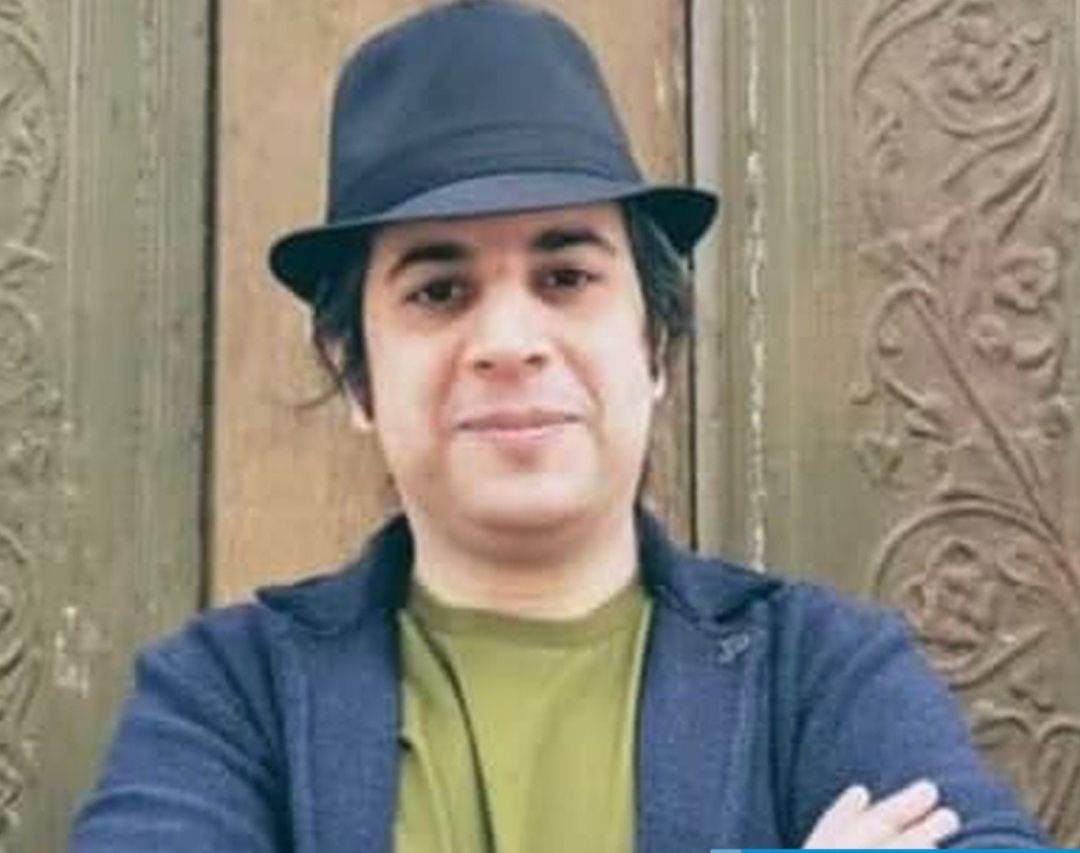
Khaled Pirzadeh, a political prisoner in Sheiban Prison in Ahvaz, has been on a hunger strike for 30 days despite his poor physical condition.
According to HRANA, the news agency of Human Rights Activists, Pirzadeh has been on a hunger strike since Monday, August 23, protesting the officials’ refusal of his request for parole, the non-observance of the principle of separation of crimes, and the violent treatment of his family by law enforcement officers when handing over the eviction order.
On his social media page, Ali Sharifzadeh, Khaled Pirzadeh’s lawyer, confirmed his client’s continued hunger strike and expressed concern about the health condition of Mr. Pirzadeh.
Khaled Pirzadeh has gone on hunger strikes several times, the last of which was on May 31, when he expressed in a note that he would continue his strike until his legal request was granted.
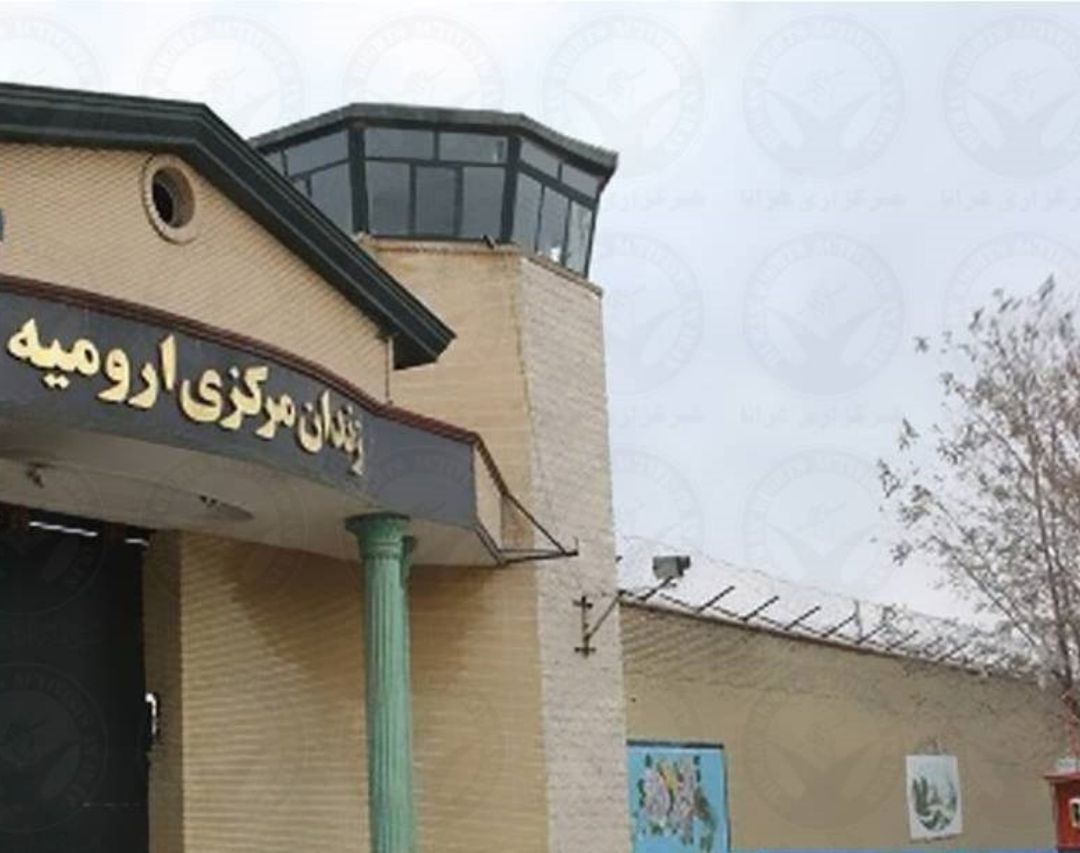
Earlier this Wednesday, September 22, 43 prisoners in the political ward of Urmia Prison refused to receive their food rations in solidarity with a number of the prison’s inmates.
According to HRANA, the news agency of Human Rights Activists, the prisoners carried out the refusal in protest of the lack of medical care for sick prisoners.
Shaker Behrooz, Nayeb Askari, Nayeb Hajizadeh, Ahmad Tamavi, Mohammad Houshangi, Hatam Ozdemir, Dara Rashidi, Anvar Chaleshi, Kamel Ceylan Maskan, Sirvan Amini, Mokhtar Ebrahimi, and Taher Hosseinzadeh, 12 political prisoners imprisoned in this ward suffer from various diseases. According to the diagnosis of the prison doctor, these prisoners should be sent to a well-equipped hospital outside the prison, but so far they have been barred from being sent.
Nayeb Askari, Ahmad Tamavi, Hatam Ozdemir, Sirvan Amini, and Mokhtar Ebrahimi, have kidney problems. Nayeb Hajizadeh and Dara Rashidi must undergo surgery to remove platinum prosthesis from their legs, and Anvar Chaleshi has TB.
Today, Wednesday, September 22, Ms. Giti Haj Rahimi died of COVID in the quarantine section of Ward 9 of Qarchak Prison in Varamin after facing medical negligence from prison authorities.
According to HRANA, the news agency of the Human Rights Activists, Haj Rahimi had been convicted for financial crimes. HRANA has verified Ms. Haj Rahimi’s identity.
Ms. Haj Rahimi, who had been serving her sentence in Ward 6 of Qarchak Prison, was recently transferred to a solitary confinement cell for quarantine after she was diagnosed with COVID-19.
Ms. Haj Rahimi was also diabetic and had previously lost one of her fingers to this disease during her imprisonment.
Haj Rahimi’s death has not been announced by the Iranian media or official sources as of this writing.
Baha’i citizen Arsalan Yazdani is still being held in one of Evin Prison’s security detention centers 20 days after his arrest.
According to the HRANA, the news agency of Human Rights Activists, Mr. Yazdani has said in a phone call with his family that he will probably remain in custody for another two to three weeks.
“Mr. Yazdani was not given the permission to speak to his young children until Saturday the 18th,” a source close to Yazdani’s family told HRANA. “In his previous contacts, he did not even know where he was being held.”
Yazdani was arrested by security forces in Tehran on September 1 and transferred to an unknown location.
According to unofficial sources, more than 300,000 Baha’is live in Iran, but the Iranian constitution recognizes only Islam, Christianity, Judaism, and Zoroastrianism. Because their faith is not considered legitimate by authorities, the rights of Baha’is in Iran have beeen systematically violated for years.
This deprivation of the freedom to practice their religion is a violation of Article 18 of the Universal Declaration of Human Rights, and Article 18 of the International Covenant on Civil and Political Rights. The United Nations covenant holds that every person has the right to freedom of religion, freedom of converting religion, as well as freedom of expression, individually or collectively; openly or secretly.
On Saturday, September 18, Gharib Sharifzadeh was arrested by security forces in Saqqez in Kurdistan Province.
According to the HRANA, the news agency of Human Rights Activists, quoting Center of Democracy and Human Rights in Kurdistan, Sharifzadeh was taken to an unknown location following the arrest.
The report states that Mr. Sharifzadeh is from Saqqez in Kurdistan Province. Sharifzadeh is said to have been arrested without a warrant and was beaten at the time of the arrest.
Mr. Sharifzadeh has a history of arrest and conviction and was sentenced to two years in prison for “collaborating with an opposition party” in 2017, which he endured in Saqqez Prison.
As of this writing, no information is available on the reasons for his detention, the charges against him, or his whereabouts.
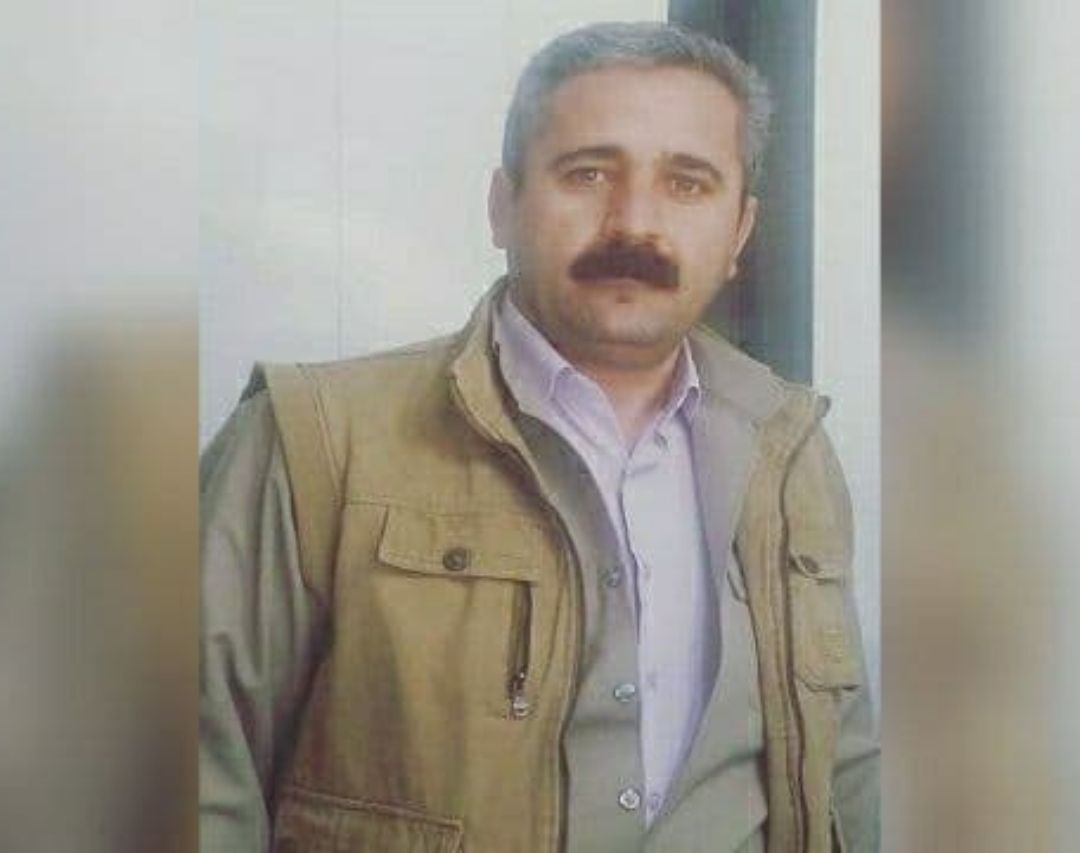
On Sunday, September 19, Hassan Ghodrati, a native of Oshnavieh in West Azerbaijan Province, was arrested by security forces.
According to the HRANA, the news agency of Human Rights Activists, quoting Kurdpa, the citizen was transferred to a security detencion center in Urmia following the arrest.
45-year-old Ghodrati is a husband and father of five.
According to the report, security forces arrested him without a court order.
As of this writing, the reasons for the arrest and the charges against him are unknown.
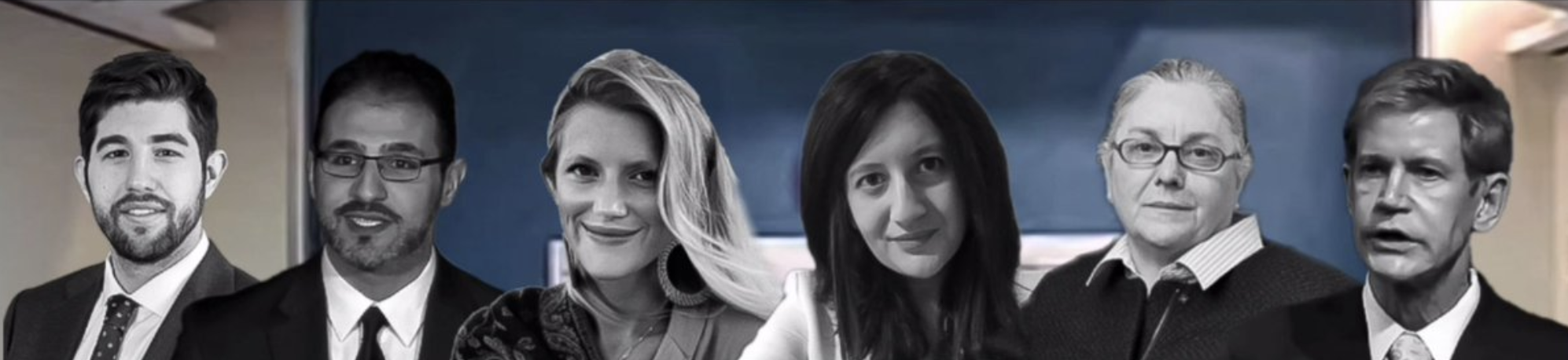
On Thursday, September 16, HRA hosted “A Way Forward”, a virtual discussion on the role of diplomacy in advancing the goal of promoting human rights in Iran. The event, which had over 100 participants, was moderated by lawyer and human rights activist Shabnam Mojtahedi, and panelists included representatives from a number of prominent human rights organizations.
Dr. Javid Rehman, UN Special Rapporteur on the situation of human rights in Iran, delivered the event’s opening remarks, in which he highlighted the importance of protecting and promoting a more free civil sector, and emphasized the extent to which human rights and civic freedom go hand in hand.
“We can see around the world that in countries where there is a dynamic and free civil society, there is better protection of human rights,” Rehman said. “In Iran, civic space is under significant constraint. Civic space actors, such as human rights lawyers, defendants, and journalists are targeted, harassed and excluded. Moreover, the channels for political participation are by law severely restricted and manipulated, to the extent that they prevent meaningful participation.”
Mohammad Al Abdallah, Syrian rights activist and Director of the Syrian Justice and Accountability Center, spoke on the culture of impunity in the Middle East, and the ways in which widespread human rights violations can become normalized in a region over time.
“When you don’t have a well-designed policy that is consistently related to human rights in the region, that will be interpreted as a green light. ‘Go ahead, we don’t care, nobody is looking,'”
There was a particular emphasis throughout the discussion, from several of the panelists, on the effectiveness of accountability and rights work on a granular level. Between holding individual violators accountable and working with individual victims, activists and small organizations can make a tangible difference in the communities they oversee.
Panelist Christina Storm, who now serves as director of the rule of law division of the DT institute, started her career as a trial lawyer where she founded Lawyers Without Borders. Through this organization, she spent 20 years harnessing lawyers around the world to advance human rights on local and international courts, and most of that work happened at an individual level.
“My work has been focused on how to leverage internationally protected rights, and in particular Iran’s international obligations and commitments in a local/domestic context,” Storm said.
Panelist Michael Page, who serves as deputy director in the Middle East and North Africa division at Human Rights Watch (HRW), proposed that three ways the US can further goals of human rights in Iran are adopting a ‘Do no harm’ approach, building multilateral pressure on human rights issues in coordination with Iranian policy, and holding Iranian officials accountable outside of the country.
On the subject of accountability, discussion attendant Hamed Esmaeilion asked how human rights organizations can better support the victims of Ukraine International Airlines Flight 752, which was shot down by the IRGC, killing over 170 people, and then covered up by the Iranian government.
Page spoke on organizations’ capacity to push for domestic accountability.
“We need to show […] if there has been any domestic accountability for what has happened,” Page said. “The short answer is [that there has] not, but I think that’s the first step.”
Meanwhile, Al Abdallah pointed out the work that can be done in providing resources and relief to the affected families, in what he calls a ‘victim-centered approach’.
“Part of the work that human rights organizations can do is supporting the families and helping them better frame their policy demands with member states,” Al Abdallah said, “as well as encouraging diplomats to meet with the families.”
Several participants asked questions relating to sanctions, and panelists touched on a number of ways in which broad sanctions end up having harmful effects on the countries whose human rights violators they purport to be holding accountable.
“Broad Sanctions in Iran have contributed to serious hardships for ordinary Iranians,” Page said. “Working with businesses and civil society, I think the Biden administration should, as a starting point, seek to mitigate the negative impact of broad sanctions including this issue of ‘over-compliance’, in which companies refuse to sell goods or services to people in Iran because of the risk of sanctions, even though those goods and services have humanitarian exemptions.”
On a related thread, panelist Patrick Clawsen, a senior fellow at Washington institute, pointed to the US-sponsored sanctions with Swiss and South Korean governments, which were designed to facilitate Iranians’ access to humanitarian goods.
“None of these have worked,” Clawson said. “A major issue is that the Iranian Authorities have decided that they have adequate access to humanitarian goods through the channels they are now using, which can best be described as evading the sanctions. And they find it easier to use barter and other means (…) rather than going through the quite-onerous requirements.””
Thompson suggested an increased emphasis on holding individual violators accountable, rather than further investing in these broad economic sanctions that have historically proven so ineffective.
“There needs to be a broad expansion of the use of targeted sanctions regimes,” Thompson said. “Targeting individuals has proven to be a more effective policy than targeting institutions,”
Rehman additionally called for creative solutions, on the part of both NGO’s and governmental organizations, in working to integrate principles of human rights into every level of the civic process.
“As part of the rule of international law, It is imperative that human rights be a part of every bilateral and multilateral discussion, not just with Iran, but with all countries.”