HRA Annual Statistical Report of Human Rights Conditions in Iran – 2020

This report contains the 2020’s analytical and statistical annual report on human rights in Iran, prepared by the Department of Statistics and Publications of Human Rights Activists (HRA). This statistical analysis report presented by HRAI is the result of the daily efforts of this organization and its dedicated members as part of a daily statistic and census project that started in 2009 by this organization.
This annual report on human rights violations in Iran (2020) is the collection, analysis, and documentation of 4472 reports concerning human rights, gathered from various news sources during 2020 [January 1st to December 20th]. Human Rights Activists News Agency (HRANA) has gathered and reported 42%, official or close to the Iranian government sources 45% and other human rights news agencies 13% of all the reports analyzed in this Annual Report.
The following 45-pages includes statistical overviews and related charts on various sections regarding women’s rights, children’s rights, prisoners’ rights, etc. Based on this report, despite the 4% decrease in human rights violations reports in provinces other than Tehran, compared to the last year’s annual report, there is still a major concern on lack of proper reporting and monitoring of the human rights by the civil society in the smaller cities.
This report is the result of endeavors made by courageous human rights activists in Iran who pay a very high cost for the realization of their humanitarian beliefs. However, for obvious reasons (i.e. existing governmental limitations and ban on the free exchange of information and government preventing the existence of human right organizations in the country), this report by no means is free of errors and cannot alone be a reflection on the actual status of human right in Iran. Having said that, it should be emphasized that this report is considered as one of the most accurate, comprehensive, and authentic reports on the human rights conditions in Iran and it can serve as a very informative source of information for human rights activists and organizations working on Iran, to better understand the challenges and opportunities that they may face.

Download the full version of the report

Monitoring

The following map illustrates the number of reports per province made by the human rights organizations and news agencies, this is a direct reflection of the capability of the civil society in each province of the country (2020).

As indicated in the distribution map, there exists a major discrepancy between Tehran, the capital, and other parts of the country in terms of the number of published reports. This is while the census of 2016 reported a population of 13,267,637 in Tehran, compared to a population of 66,658,633 in the rest of the country.


Ethnic Minorities

In the field of national and ethnic minorities’ rights, a total of 234 reports registered by the department of the statistics and publication of Human Rights Activists in Iran (HRAI) in 2020. According to these reports, at least 286 people were arrested, and 39 people were sentenced to a total of 1721 months of prison term. from the total of 1721 months of prison terms issued, 1699 months were imprisonment sentences for 36 individuals, and 22 months were suspended imprisonment sentences for 3 individuals. And a total of 88 individuals were summoned by the security and judicial institutions.

Compared to the previous year there has been a 16.6% decrease in the arrest of ethnic minorities and a35 % decrease in imprisonment sentences.

Religious Minorities

In this category, 136 reports have been registered by the Department of Statistics in 2020. According to these reports, 77 arrests, 49 cases of prevention from economical activities, 126 cases of summon by the judicial and security institutions, and 22 cases of depriving and preventing from education, and 69 cases of police home raids, has taken place.
98 individuals of the religious minorities were sentenced by the judicial institutions to a total of 4351 months of imprisonment. Additionally, the ministry of cultural heritage of Tehran and the Municipality of Tehran demolished the Adventist church of Tehran in the past year.

In the field of religious minorities, the Baha’is constitute the highest of the Human Rights reports on religious minority violations with 45%, Sunnis 26%, Christians 15%, Dervishes 4%, Jews and Yarsans 1%, and others 9%, of the total reports. Note that the reports labeled as “Others” are those that did not belong to a specific group of religious minorities.

The number of citizens arrested in the category of religious minorities has decreased by42 % in 2020 compared to 2019, and the imprisonment sentences issued by the judiciary has increased by28.9 %.

Freedom of Expression

In the category of freedom of thought and expression, in 2020, 883 reports have been registered by the Department of Statistics that included 928 arrested individuals; 287 summonses to the judiciary and security authorities; 4 reports of publication banning; 8 cases of conviction for publications.
In 2020, 420 arrestees were sentenced to a total of 22271 months of imprisonment, that includes 386 individuals sentenced to a total 21523 months in prison and 34 individuals received a total of 748 months of suspended prison terms.
34 people to 191 billion and 765 million rials in financial fines, 85 people get 5844 lashes, and 21 cases of deprivation from civil rights have been reported in this category. Additionally, there has been 40 police home raids recorded.

In the field of Freedom of Expression, there has been a decreased of88.8 % in the reports of arrests compared to the previous year. Similarly, sentences issued by the judiciary have increased by46.5 % based on the number of people being tried, and imprisonment sentences were increased by 52.9 % compared to 2019.

Trade Unions and Associations

In the category of the rights of associations and trade unions in 2020, 359 reports have been registered by the Department of Statistics and Publications. This includes 47 members of the trade union were reported being arrested. Also, in this category, 10 individuals have been sentenced to a total of 554 months in prison, 51 cases of summoning to the judicial and security institutions, and 3930 cases of closing the facilities have been reported.
In 2020, at least 329 protests and 3 union strikes were held. Most of these protests were related to salary/wage demands from corporations, bad economic conditions, and lack of proper management of corporations.
In the category of Trade Unions and Associations, there has been a 31 % decrease in the number of arrests and there has been an 89 % increase in the issue of sentences compared to the previous year.

Academia/ Right to education

In the category of violations of academic rights in 2020, 24 reports have been registered by the Department of Statistics and Publication of Human Rights Activists in Iran. This includes 6 students arrested, 20 students were suspended, and as it was also mentioned in the religious rights section of this report 22 students were prevented from continuing their education because of their religion.
In the category of academia and the right to education, there has been a a94 % decrease in the number of arrests. And based on these reports 1 student was sentenced to 60 months in prison.

Right to Life (Death Penalty)

In the category of right to life, in 2020, 241 reports have been registered by the Department of Statistics and Publication of Human Rights Activists Association in Iran. This included 95 death sentences, 236 death sentences were carried out (including 1 execution in public). Based on the announced identifications of some of the individuals executed, 205 were male and 8 were female.
In addition, 2 juvenile offenders have also been executed in 2020 who were under the age of 18 at the time of committing the crime.
According to these reports, 80% of the executions were based on murder charges. Moreover, 5% charged with rape, another 9% with drug-related charges. 4% were charged with “Waging war against God”, also 1% charged with armed robbery,1% Consumption of alcohol.

The highest number of all death sentences issued are comprised of 80% on murder charges, followed by Drugcharges which make up 9% of the cases.

The province of Alborz ranking first in death sentences in Iranian provinces with 19% of all the death sentences issued, that is due to its two populated and important prisons, followed by Razavi Khorasan province with 12% of all the cases.

The Rajai Shahr prison and Vakil Abad Prison holding the highest number of executions in all prisons in Iran.

According to the statistics, about 0.42% of the executions were carried out in public.

Of those executed in 2020, 3% were female, and 87% were male, while the gender of the other 10% is unknown.
These executions reported by independent sources and human rights associations, indicating that 72% of executions are carried out in secret or without any public notice.

In the category of the death penalty, the execution carried out in comparison to 2019 has decreased by4.8 %. The number of execution sentences issued also has decreased by 12%, and the number of public executions has decreased by 92%.


Cultural Rights

In the category of violations of cultural rights in 2020, 21 reports have been registered by the Department of Statistics and Publication of Human Rights Activists Association in Iran. This included reports on 27 arrests and 4 individuals were sentenced to 257 months of imprisonment, from this number 3 individuals were sentenced to 253 months of imprisonment, while 1 person was sentenced to 4 months of suspended prison term.
1 individual was summoned to the judiciary and security organizations. Moreover, 2 licenses were revoked, 1 person was banned from public speaking or performing, and 1 person was banned from working.
In this category, arrests have increased by51 % compared to the previous year.

Workers’ Rights

In the category of violations of workers’ rights in 2020, 1318 reports have been registered by the Department of Statistics and Publication of Human Rights Activists Association in Iran. This included 30 arrests. 45 workers activists or workers were sentenced to 183 months in prison, and 42 people received 3108 lashes, and 42 people were summoned to judiciary and security organizations.
During 2020, a total of 2011 months of overdue payment of salaries to workers has been reported. 2105 workers were laid off or fired, 2240 cases of unemployment, 18049 lacked work insurance, 3082 workers waiting for work-related decisions. In addition, 1187 people have lost their lives in work-related accidents, and 3259 workers have been injured while at work. On a global scale amongst other counties, Iran ranks 102nd in work safety.
Also, in 2020, at least 473 worker protests and 99 workers strike took place. most of these protests were regarding wages.
Based on these reports the arrest of workers has increased by56 % compared to 2019.

Children’s Rights

In the category of violations of children’s rights in 2020, a total of 176 reports have been registered by the Department of Statistics, however, it should be mentioned because of secretly in the matter of reporting these incidents there is no accurate statistic in this field. These reports included at least 2205 cases of child abuse, 9 cases of rape and sexual abuse of children, 9 cases of murder of childre, 2 self-immolation, 94 cases of child suicide, and more than
1 million students are deprived of education.
Lack of access to devices for virtual education, Child marriages, poverty, cultural context, population density, etc. in Khuzestan province has led to the highest number of deprivations from education in the country.
As mentioned in the right to the life section, at least 2 minor offenders have been executed in Iran during 2020. Additionally, 3 teenagers were sentenced to a total of 264 months of imprisonment.

During the nation-wide protests, 19 children and 1 children’s rights activist were arrested.

Women’s Rights

In the category of violations of women’s rights in 2020, a total of 81 reports have been registered by the Department of Statistics. These reports reflected. At least 572 women were physically and sexually abused, 13 cases of honor-killings,6 self-immolation, 4 cases of acid attacks, and 1 cases of summoned women’s rights activists to judiciary and security organs.
Based on this report 5 women have been detained for reasons related to women’s rights. At least 2 women’s rights activists were sentenced to 180 months in prison.

Prisoners’ Rights

In the category of violations of prisoners’ rights in 2020, a total of 542 reports have been registered, 53 reports on physical assault of prisoners, 366 reports of deprivation
/neglected of medical care, 109 reports of illegal transfer to solitary confinement, 533 attempted hunger strikes, 289 cases of forced transportation or exile, 228 cases of threatening prisoners, 126 cases of banning prisoners of having visitors, 18 cases of torture, 25 case of deaths by diseases,10 arrestees were killed by prison authorities, and 17 prisoners committed suicide, 40 cases of lack of access to lawyers, 1678 reports of prisoners being held in unsuitable circumstances. Also, in this category, there have been 147 cases of keeping prisoners in an unsure state about their sentence and situation.

Security Forces’ Violence and Citizens’ Safety

Death of civilians

This section is dedicated to the killing or injuring of civilians by the police or military institutions. In 2020, a total of 204 people were shot by the military forces; 74 of the victims lost their life including, 36 Kulbar, 5 fuel-Carriers, 33 civilians. 130 people were also injured by the shots of the military forces, including 109 Kulbar, 16 civilian, 5 Fuel-carriers. Addititonally, 9 Kulbers were affected by climate and geographical factors such as freezing and falling from heights, 4 of whom were injured and 5 Kulber lost his life.

Victims of landmines and explosions

The landmines left from the war threaten the lives of civilians of the border cities each year. Iranian government continues manufacture and planting of the anti-personnel mines, and against the international agreements, it believes that the use of these type of landmines is the only effective way in keeping its vast borders safe.

Based on reports, in the past year at least 10 civilians have lost their lives by landmines in the border areas and 14 other civilians have been injured.

Floggings

The International Covenant on civil and Political Rights (ICCPR) has explicitly banned the use of inhuman, or degrading punishments, such as flogging. However, based on the gathered reports in 2020, flogging sentences were carried out for at least 14 accused who were sentenced to a total of 874 floggings. The sentence of 3 of the accused for a total of 222 floggings were carried out in public.

It should be noted that, the judiciary has also issued a total of 23946 flogging sentences in the past year.

Intervention in personal affairs of civilians

In 2020, at least 209 civilians were arrested for attending or hosting personal gatherings and parties. This number is based on 8 official reports of the country.

Additionally, in 2020, at least 180 group of civilians –mostly consist of those who have lost money (exacerbated economically) or those whose civilian rights have been violated– have organize protests for not being able to fulfill their asking and demands. These protests took place in 24 provinces. Tehran, Eastern Azerbaijan, Khuzestan, and Khorasan Razavi were the provinces with most protests.

Sentences

In 2020, the judiciary of the Iranian government, including the initial court and appeal, issued 29841 months of imprisonment. These reports included; 1721 months of imprisonment for the ethnic minorities, 4351 months of imprisonment for religious minorities; 22271 months of imprisonment in the category of freedom of expression, 554 months of imprisonment in the category of Unions, 183 months of imprisonment for workers, 257 months of imprisonment in cultural category, 264 months of imprisonment in children’s rights category, 180 months of imprisonment in women’s rights category, and 60 months of imprisonment for students.
These statistics only include the court sentences that indicated detailed information or characteristics of the verdicts.

A total of One hundred and ninety-four billion and seven hundred and forty-six million rials in fines and 9182 lashes has been issued in 2020.

In 2020, the number of convictions of citizens or activists has increased by35 %. Moreover, the convictions of religious minorities increased by 28.9%, ethnic minorities decreased by 35%, and freedom of expression has been increased by 52.9%, unions increased by 89%, in the cultural field increased by 38%, workers decreased by 73%, women’s rights decreased by 80%, and in the students category decreased by 89%.

Arrests

In 2020, the security forces arrested 1426 individuals because of political or civil rights-related activities.
The statistical analysis exhibited 47 case of arrest in the trade union category, 286 arrests in the category of ethnic minorities, 77 arrests in the category of religious minorities, 928 arrests in the category of freedom of expression, in the children’s rights category 20 arrests, 6 arrests of students in the category of Academia/right to education, 27 arrests in the field of culture, and 30 arrests in the category of workers’ rights.
Moreover, 5 women were prosecuted for their activities, and promotion of their lifestyle; 3 of whom were arrested for modeling, and the other two for participating in sports.

In 2020, the number of arrests decreased by84 %. According to these reports, the number of arrests decreased in ethnic minorities by 16.6%, culture increased by 51%, religion minorities decreased by 42%, unions decreased by 31%, students decreased by 94%, workers’ rights increased by 56%, and in the category of freedom of expression decreased by 88.8%.


This is the brief version and the full report is available for download in PDF format.

Human Rights Activists (in Iran)

Department of Statistics and Publications

December 2020

For media inquiries please contact Skylar Thompson, [email protected]
HRANA has identified Revolutionary Guard intelligence members, “Raouf” and “Sattar”

HRANA – Earlier this week, HRANA, the news body of Human Rights Activists in Iran (HRAI), detailed the identification of a man known by a number of names, most notably, Raouf. Raouf is a notorious security force member involved in a number of human rights violations in Iran. Operating in Ward 2A of Evin Prison, which belongs to the IRGC, Raouf is said to have participated in the interrogation and mistreatment of a large number of civil and political activists. 

Although his main place of work is believed to be in Ward 2A of Evin Prison, a number of political-civil activists or family members of prisoners have faced interrogations at the hands of Raouf at other locations, such as offices affiliated with the Revolutionary Guards in Tehran. 

He is responsible for interrogating a large number of political and civil activists, including Arash Sadeghi, Golrokh Erayi, Mahdieh Golroo, Soheil Arabi, Nastaran Naimi, and Athena Daemi. Most of these people are currently serving long prison sentences.

HRANA has spoken to a number of former political prisoners [whose names could not be mentioned for security reasons] personally interrogated by Raouf to confirm the identity and role of this security agent. Some of their statements are detailed below. 

One witness stated,  “Raouf slapped me so much during my interrogation that twice I bled after returning to my cell.” 

A former political prisoner, speaking anonymously, told HRANA, detailing his interrogation with Raouf,  “He hit me so hard that it caused one of my bones to break. He used a leather belt to beat me often for upwards of ten minutes. He did this while he verbally insulted my family and I.”

A human rights activist who served his sentence in Evin Prison told HRANA,  “He was present at all stages of my trial in the Revolutionary Court and repeatedly threatened my peers and I with new cases. He continued, “I still remember his face. I still remember how it bothered my wife…”

Mahdieh Golroo, a former student activist, confirmed Raouf’s role in interrogating her throughout her detention, posting a note on her personal page: “I have complained about his recent threats in Sweden by name, phone, and photo – to no avail.  It is my duty to expose the interrogators and those who destroy the lives of many with impunity.”

Since the original report was released, HRANA received information that Raouf is a pseudonym for the name Ali Hemmatian. We are not yet able to independently confirm and will continue to investigate further.

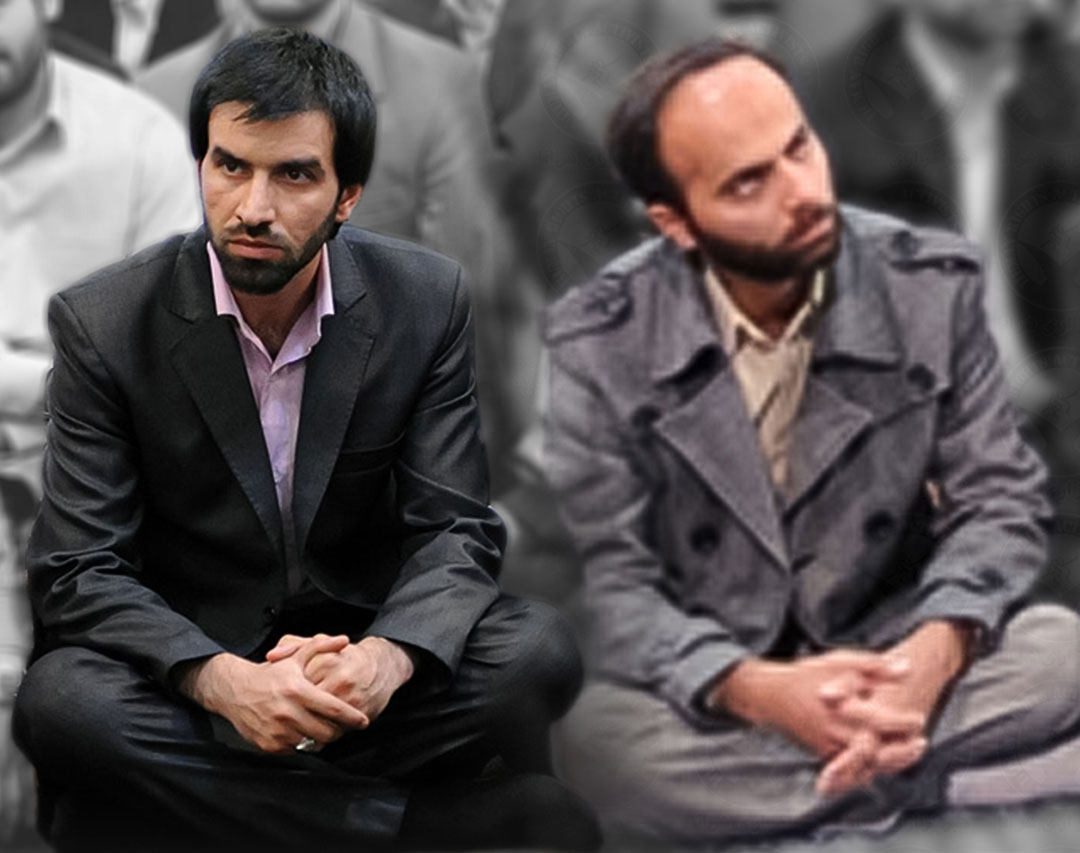
The below image displays Raouf sitting in the first row of Ayatollah Khamenei’s speech in 2015.

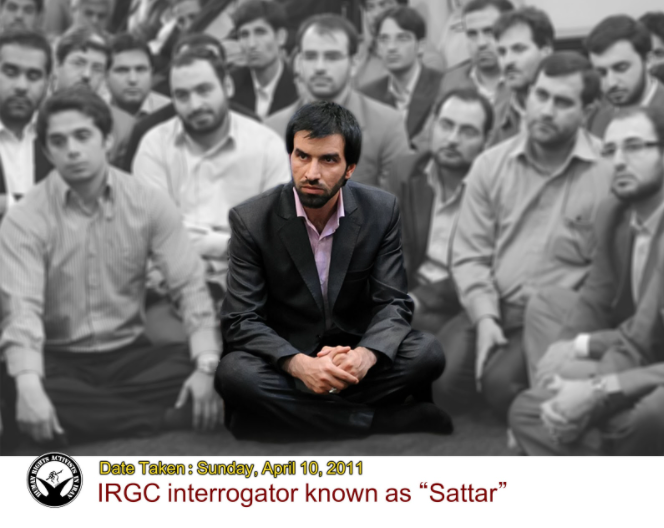
The information about Raouf drew public attention which led to additional witnesses coming forward to identify a number of other security figures within the country. Notably, these witness statements have led to the identification of an IRGC interrogator known as “Sattar.” Sattar is said to have played a role in detaining political prisoners involved in the 2019–20 Iranian protests (also known as Bloody November). 

The following image, which shows a meeting of the directors and researchers of the Islamic Revolutionary Documentation Organization with Ayatollah Khamenei on April 11, 2011, shows Sattar in color.

A group of witnesses, all of whom were detained during the November 2019 protests in Tehran, testified that after being arrested, they were taken to unknown locations where they were beaten and interrogated.

One of the victims told HRANA, “From the beginning of our detention [November 2019], we were blindfolded and then taken to an interrogation facility where we were beaten for several days.”  When asked about the man in question, the victim continued, “His colleagues called him Sattar; this name was perhaps because of the beard style he wore. However, when I saw him in those days,  he had a longer beard and shorter hair than in the 2011  picture [provided above].”

Another witness told HRANA, “While I was closing my business, located on Enghelab Street,  I was arrested by plainclothes men (November 2019). From the beginning of my arrest, I was beaten. In addition to myself, two or three other people were arrested and transported in the same vehicle, to an unknown location. After being transported, we were threatened and interrogated. The plainclothes man violently forced us to admit wrongdoing. This went on for two days before ultimately being handed over to the IRGC detention center in Evin Prison.”

A witness, detained at the same time, confirmed these witness statements and also stated, “There were a combination of forces present at the scene of the arrest that day and during the interrogation. Involved were plainclothes forces, Basij forces, and the IRGC. The person in question, Sattar, was in plain clothes, according to the case file and interrogation documents.” He continued, “When we were finally handed over to the IRGC, it was clear Sattar was affiliated with them.”

Sattar, in addition to the above-mentioned unknown places of interrogation, was also seen at the Yad Yaran Basij Resistance Base located on Argentina Street in Tehran.

Following HRANAs request for information, a number of other victims of Sattar’s interrogations contacted the news agency with information, including a court document discovered by HRANA and which named Sattar as “Massoud Safdari.”

A former prisoner who has experience dealing with the security forces detailed Sattar as the person who was present at the time of his televised forced confession. He told HRANA, “I remember his face very well, he was a rude person who, along with his colleagues, managed the video recording by threatening and intimidating me.” 

Another witness, whose identity is withheld for security reasons, told HRANA, “I was interrogated at an IRGC intelligence base in Tehran Afsariyeh district known as 1Alef. They recorded my televised confession. Sattar didn’t leave me alone even after they recorded their video. He abused me and harassed my family by threatening them over the phone.” 

Some sources also informed HRANA that Sattar, along with a number of other security forces, is living in the district of Shahrak Shahid Mahallati in Tehran.

From the summary of information received and based on the credibility of the sources, it seems that there is a team of young intelligence forces of the Revolutionary Guards in the internal security sector in the Tehran region; their traces can be seen in numerous cases. Sattar (likely Massoud Safdari), Majid Koushki (known as Majid Buffalo), and Massoud Hemmati, known to be on the Raouf team, all likely operating under the leadership of Raouf (likely Ali Hemmatian).

In an effort to complete information about this human rights abuser, HRANA News Agency is calling on victims and those aware of their status to assist in completing these investigations.

It is Time that Iran be Held Accountable 

HRANA – Last month the world turned its attention to Iran for its seemingly arbitrary transfer of a detained British-Australian academic. Kylie Moore-Gilbert, who was detained in September 2018 and is serving a ten-year sentence, was moved from the notorious Evin Prison to an unspecified location. When Human Rights Activists News Agency (HRANA) released the report, nearly every major media publication across the globe once again jumped to denounce her detention. Widespread speculation as to Moore-Gilbert’s whereabouts ensued. 

As a human rights professional who focuses on Iran, it was gratifying to see such a swift and appropriate response. However, what about the countless grave and horrific human rights violations that happen every day in this country? Violations that are so numerous that they have become seemingly rote. 

In the week following Moore-Gilbert’s transfer, peaceful protestors outside Iran’s Ministry of Petroleum were violently attacked by Regime Security Forces. In the month of October, at least 130 Iranians were arrested for activities related to their political or ideological beliefs; 83 of which involved the detention of individuals participating in peaceful gatherings related to the ongoing Armenian-Azerbaijani conflict. 

Iran carried out 19 hangings in the month of October alone, sentencing an additional 8 to that same fate throughout the month.

At least 12 members of the Baháʼí religious minority were barred from entering university based solely on their religious beliefs. One man received 80 lashes for converting to Christianity; a thief was sentenced to having his hand amputated.

Iranian courts tried more than 70 political cases which resulted in convictions that totaled 295 years in prison and 2,590 lashes.  A cleric was summoned to court for suggesting there was no problem with women riding a bicycle, an activity for which all women in the country are banned. Two women, sentenced to 33 months each for writing a letter requesting the resignation of the Supreme Leader, were summoned by authorities to begin serving their time. A teacher was sentenced to 45 lashes for drawing a cartoon.

This list is by no means exhaustive. 

These violations are not a secret. HRANA, the very source that initially reported on Moore-Gilbert’s move, reported and continues to report on the numerous human rights violations happening daily in Iran against Iranians, as well as dual and foreign nationals. There remains little to no response.

Detained British-Australian academic Kylie Moore-Gilbert

Why is this? 

I do not have the answer to that question, but I do know the differences these cases bear. The violations listed above are against Iranian citizens; Moore-Gilbert is a foreigner. Her case is, therefore, more appealing to the press it garners a more widespread response – and outcry. 


I’m reminded of a quote from Howard Bakerville, a young American who famously became a martyr of Iran’s Constitutional Revolution; he once said, “The only difference between me and these people is my place of birth, and that is not a big difference.” Today I fear there are times, unacceptably so, that this is the difference between life and death, between respect for rights and deprivation thereof. Will the world only shine the light on Iran when a Westerner is tangled in its web? Under international human rights law, States have a duty to respect, protect, and fulfill the rights of those within their jurisdiction. It’s time that Iran be held accountable to its own citizens just as it is to those dual and foreign nationals that find themselves trapped within the confines of a state where deprivation of fundamental human rights continues to be the norm. 

Moore-Gilbert has since been returned to Evin Prison. Her return, much like her move, was documented extensively. The reason for her move remains unknown.


Skylar Thompson

Skylar Thompson is a Senior Advocacy Coordinator with Human Rights Activists in Iran (HRAI). For inquiries please contact email: [email protected]


World Day Against the Death Penalty: Annual Report on Execution in Iran 2019-2020

Human Rights Activists News Agency (HRANA)- On the World Day Against the Death Penalty, the Center of Statistics of Human Rights Activists in Iran (HRAI) has published its annual report, in efforts to sensitize the public about the situation of the death penalty in Iran.

HRANA’s Statistics Center relies on the work of HRANA reporters, as well as a network of independent and verifiable sources. It also incorporates disclosures to the media by judicial authorities announcing or confirming prisoner executions, and as such is exposed to a margin of error representing efforts by the Iranian authorities to omit, conceal, or restrict the collection of such data.

Between October 10, 2019, and October 8, 2020, the death penalty and executions have been the focus of 264 HRANA reports. Over this time period, the Iranian authorities issued the death penalty sentence to 96 individuals and have already carried out 256 executions including 2 public executions.

Click here to download report in PDF format

While execution numbers went down by 2% in comparison to the same time last year, Iranian courts have issued 16% less death sentences. Public hangings and executions of women have decreased by 78% and increased 12%, respectively.

Females account for only 15 of the 256 HRANA-confirmed execution victims this year. . In addition, 2 juvenile offenders, under the age of 18 when they allegedly committed the crime they were charged with, were executed.

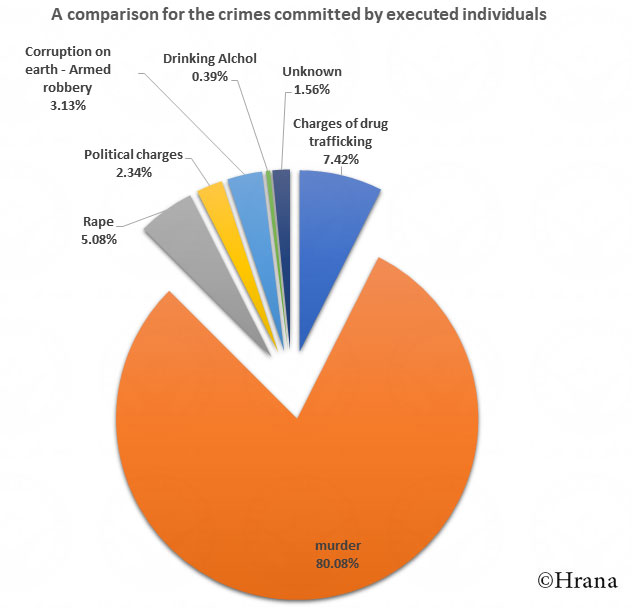
The report includes a breakdown of executions by capital offense: 80.08% were charged with murder, 7.42% were charged with drug and narcotic offenses, 5.08% were charged with Rape, 2.34% were charged with armed robbery/offenses classified as “corruption on earth”, 3.13% were charged with political or security-related offenses, 0.39% were charged with drinking alcohol and 1.56% had unknown charges.

The chart below displays execution numbers by the province in which they took place. According to this chart, Alborz had the highest number of executions at 16%.  Khorasan Razavi and West Azerbaijan come second and third, with 11% and 9% respectively.

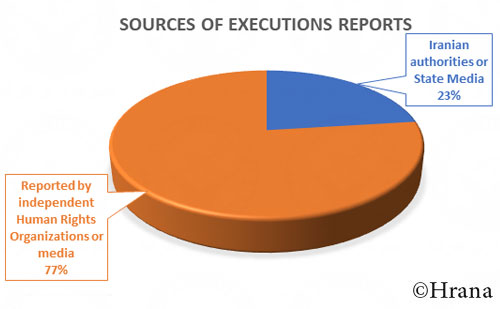
The chart below is a distribution of execution information sources. The chart indicates that 77% of HRANA-confirmed executions were not announced by the official Iranian sources. Undisclosed executions are referred to as “secret” executions.

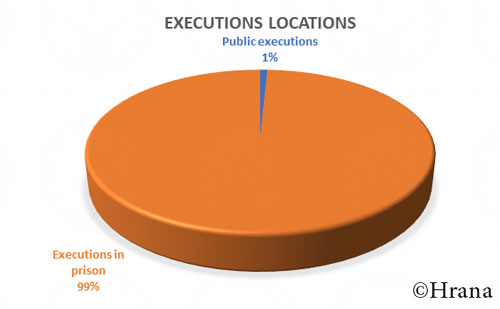
The chart below displays execution numbers by their location in prison or public. According to statistics, 1% of the executions in Iran were carried out in public.


Click here to download the report in PDF format

1980s executions; Demolition of Sajedi brothers’ gravesite in Azna / Images

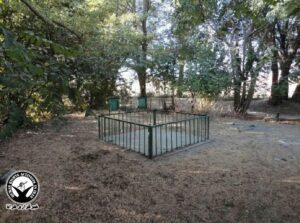
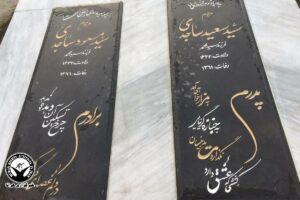
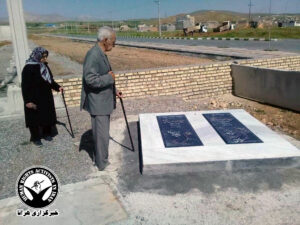
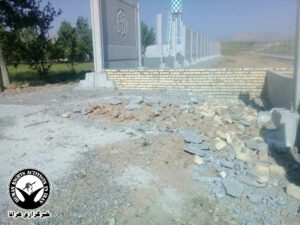
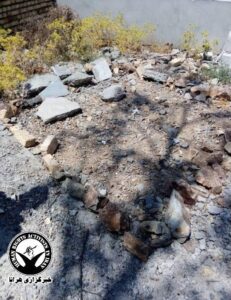
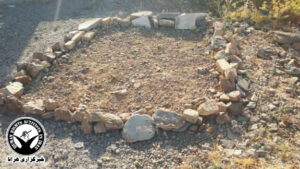
HRANA News Agency – The graves of Seyed Masoud (Nabi) Sajedi and Seyed Saeed (Hadi) Sajedi, two victims of the massacre of political prisoners in the 1980s, that were in their father’s private garden located in Azna of the Lorestan province, were demolished. The families of these victims were barred from placing headstones all these years, despite burying their children on their private property. Decades later, the Sajedi family recently had laid headstones, but after a while, the Azna city intelligence office demanded that the headstones must be removed. Eventually, the graves of the two victims were destroyed without informing their families.

According to the report of Human Rights Activists News Agency (HRANA), the headstone of Seyed Masoud Sajedi and Seyed Saeed Sajedi in their father’s private property located in Azna of the Lorestan province was demolished.

Masoud Sajedi was arrested in 1981 and about a year later was Executed by a firing squad. Saeed Sajedi, Twin Brother of Masoud, was also arrested by the security forces the next day and was taken to Khorramabad Hospital 17 days later due to severe torture and a ruptured spleen, and eventually died of internal bleeding.

After several decades, the Sajedi family recently attempted to place a headstone, but after some time, the city intelligence office contacted them and demanded that the headstone must be removed, the Sajedi brothers’ relatives did not comply. Eventually, in August of this year, the Sajedi family became aware that their children’s graves were destroyed at night.

Seyed Masoud (Nabi) Sajedi, born in 1954, was a teacher and not married, and Seyed Saeed (Hadi) Sajedi, also born in 1954, was a teacher, married, and had two children.

The mass executions of political prisoners in the 1980s are an undeniable yet at the same time bitter reality of Iran’s contemporary history and a long-standing wound on the body of civil society. These mass executions were carried out throughout the country between 1981 and 1988, and its victims were buried in various forms and regions.

In addition to the fact that the burial sites of many were never identified, in some places the bodies of executed people were inevitably buried by their families in private homes due to the fact that victims were not allowed to be buried in public cemeteries.

As this report shows, burials on private property and the passage of time, decades after burial, have not prevented these sites from being destroyed or insulted by security agencies or their affiliates.

Subscribe to Our Newsletter

Now is definitely not the time to stop reading!

COVID-19 Fear in Iran’s Prisons: Iran Must Do More to Protect Prisoners

HRANA – Nearly half a year has passed since Iranian officials acknowledged the grave threat posed by the novel coronavirus to the country’s prison population. In late February 2020, high-ranking officials in the prison and judicial systems announced new protocols to head off a health catastrophe in the country’s chronically overcrowded and underfunded penal system, including furloughs for certain classes of prisoners, a reduction in intake of new prisoners, daily rounds of disinfection, hygiene training for prisoners and prison staff, distribution of hygienic supplies, and the formation of full-time task forces to monitor prisoners’ health.

In April of 2020, Abdorrahman Boroumand Center for Human Rights in Iran (ABC) released a report, COVID-19, Fear in Iran’s Prisons, detailing the scope of a COVID-19 crisis that was spreading across multiple prisons despite administrative measures taken to prevent it — including the release of thousands of prisoners — as well as the unrest sparked in late March by heightening fears of the virus and the subsequent violent crackdown by security forces.

In its analysis of key risk factors such as overcrowding, which makes social distancing next to impossible, the report identified shortcomings and inconsistencies in the implementation of Judiciary directives. It pointed to persistent overcrowding in some prisons; an unjustifiable insufficiency of fundamental necessities, such as cost-free cleaning products and hot water to ensure prisoners’ personal hygiene and to the glaring absence of systematic disinfection procedures in prison wards and common areas. In view of addressing these problems, the report also set forth recommendations that were in line with best practices formulated by international health and human rights authorities.

In conjunction with the Human Rights Activist News Agency (HRANA), ABC conducted a follow-up investigation into the evolution of these problems since April. The findings of this report indicate that the hygienic conditions in Iranian prisons, rather than improving, have significantly deteriorated. The research sheds light on Iranian officials’ failure to adequately decrowd prisons and implement prevention protocols, which led to a proliferation of COVID-19 cases in several prisons. Disinfections by prison officials have stopped across several investigated prisons, apparently due to a lack of budget. Some prisons were found to have reduced supplies of free food, basic hygiene products, and personal protective equipment to prisoners, and the steep price markups in prison shops render these items inaccessible to less-affluent prisoners, who can then not afford to ensure their own protection.

Quarantine procedures were shown in many cases to be self-defeating, due in part to a constant flow of newcomers and continued commingling in common areas such as bathrooms, hallways, and kitchens (ex: Zanjan, Greater Tehran). Initial efforts across several prisons to reduce the prison population in March and April seem to have been abandoned by May, coinciding with the return of prisoners who had initially been sent on furlough. Avoidable arrests and detentions for petty crimes and for crimes not recognized under international law, including for social media posts, religious activities and drug use, have countervailed releases and pardons that were issued in an attempt to keep inmate numbers low. These problems are compounded by a systematic and long-standing tradition of opaque governance and heavy-handed securitization. Consequently, Iran remains secretive about COVID-19 cases within prisons and the number of prisoners who were hospitalized or died, generating anxiety among incarcerated people and preventing an actionable assessment of the problem.

The human cost of this neglect continues to mount: confirmed or suspected cases of the novel coronavirus — some resulting in death — are cropping up in increasing numbers across the country, including Mashhad Central Prison (where three halls, with a cumulative capacity of around 600 people, have been designated as holding spaces for both confirmed and suspected cases), Evin (where at least eight people in the political prisoners’ ward have recently tested positive), Orumieh (where medical staff went on strike to protest a lack of preventative measures after prison personnel, including one doctor, fell ill and eight prisoners were transferred to the hospital with high fever and seizures), Greater Tehran (where two men exhibiting severe symptoms were held in a prayer room of Building 5 when the overwhelmed prison clinic couldn’t accommodate them, and a ward of Building 5 was placed under quarantine after an outbreak caused by the introduction of sick newcomers into a previously health ward), and Shahr-e Rey women’s penitentiary (known also as Qarchak, where scores of prisoners who tested positive have languished without much medical care).

Iranian officials have sung the praises of their coronavirus response in prisons, which they tout as exemplary for the region, if not for the world, yet the credibility of their claims is undermined by their blatant under-reporting of cases, their denial of prison access to independent human rights observers, and the persecution of citizens who disseminate accurate information about the virus. Documents recently leaked to Amnesty International indicate that Iran’s Ministry of Health has repeatedly ignored urgent appeals from the Prisons Organization to remedy the widespread shortages of the protective equipment, disinfectant products, and medical supplies needed to fight the pandemic.

Sanctions have indeed proven crippling to the economy of the Islamic Republic of Iran, and its leaders are facing hard choices in terms of resource allocation. But this adversity cannot account for the continued shortages of certain vital products such as soap, which has been produced in Iran for close to a century. Ordinary citizens, Iranian officials, hospital staff, and sources with knowledge of medical supply chains have told ABC and HRANA that domestically produced masks and disinfectants, hard to come by at the beginning of the outbreak, are now available in adequate supply.

The dire state of Iran’s prisons is a long-standing systemic problem that stems from policy choices of Iran’s leaders. Responsibility for the failures highlighted in this report rests with the Judiciary, parliamentarians, and successive governments who have, for four decades, failed to reform a draconian criminal code — as repeatedly recommended by experts and prison officials — or resource the carceral system while continuing to overload it with hundreds of thousands more people each year. In normal times, prisoners are more vulnerable to disease than the general population; in a time of pandemic, when an increase in COVID-19 infections and deaths have been reported in several prisons, it is reckless to disregard prisoner’s rights to health and life, rights which Iran is obligate under international law. If Iranian prisons become hotspots for COVID-19, thousands of prisoners will get infected, constituting a real threat for the prison population and the communities outside prison walls.

Iran has ratified several UN Conventions, which bar it from arresting individuals for crimes not recognized under international law and obligate it to protect the health and life of individuals deprived of liberty. The International community must hold Iran accountable for violating prisoners’ human rights, the lack of administrative transparency, and denying access to independent human rights monitors. It is imperative to distinguish Iran’s systemic failures of resource allocation from current international tensions and the hardships they have placed on trade. Iran does have the resources it needs to improve prison conditions and save lives, but decision makers have simply chosen to allocate precious resources to non-essential causes instead, such as the rebuilding of golden shrines in Iraq or the funding of religious studies for foreign students. Releasing prisoners who do not belong in jail is also a budget-neutral measure that, if implemented, would reduce the strain on prison resources while helping prisons’ staff who are themselves at risk and under tremendous pressure in the fight against the pandemic.

Iran must immediately allocate the resources prison officials have repeatedly asked for. It must allow implementation of the preventive measures recommended by the World Health Organization, as well as the Judiciary’s own directives, including but not limited to:

  • daily and thorough disinfection of prison facilities,
  • ensuring that essential personal hygiene items such as soap and sanitizer are made available at no cost and in sufficient quantities to all prisoners,
  • systematic testing and monitoring of prisoners,
  • provision of proper medical care inside and outside prisons to prisoners who are infected
  • allowing independent monitoring and health assessments by human rights groups and civil society.

It is imperative to note that the measures above will fail to curb the spread of the pandemic if they are not paired with a significant reduction in the number of incarcerated people to enable prisoners to respect sufficient social distance and avoid mass infections. The vital decision to release prisoners –including prisoners of conscience and human rights defenders, individuals accused of petty crimes, and those guilty of crimes not recognized under international law– is in the hands of Iranian leaders alone. They must not allow lifesaving measures to be hindered by administrative and political obstacles.

To read the full report, please download the file:

PDF document (in English)

The Greater Tehran Penitentiary; The Corona Virus Crisis, And The Deprivation of Hundreds Of Prisoners Of Drinking Water

HRANA News Agency: The water supply has been cut off at the Greater Tehran Penitentiary’s Wing 5 since last night, and hundreds of prisoners have been deprived of access to drinking water. Furthermore, 52 prisoners at the Greater Tehran Penitentiary’s Wing 1 have fallen ill with COVID-19. Additionally, a prisoner at the Prison’s Wing 5, Hall 4, has been vomiting blood and showing symptoms similar to those of the Corona virus. The return of prisoners from leave [into the general prison population] without first being quarantined is among the most significant reasons for the spread of the Corona virus in the country’s prisons, including the Greater Tehran Penitentiary.

According to a report by HRANA News Agency, the news arm of the Human Rights Activists in Iran, the water supply has been cut off at the Greater Tehran Penitentiary’s Wing 5 since last night, and hundreds of prisoners have been deprived of access to drinking water.

The cutting off of hot water at the Greater Tehran Penitentiary’s Wing 5, Ward 2, Hall 1, since nearly two weeks ago, has caused problems in cleaning and maintaining hygiene at the Hall. Furthermore, since 11 o’clock last night, the water supply has been cut off at the Greater Tehran Penitentiary’s Wing 5, and prisoners have been deprived of access to drinking water there. The Hall’s emergency supply of water was also depleted on the morning of June 19, and prison authorities have locked the Halls’ doors at this Wing in order to prevent prisoners from protesting.

A source close to the family of a prisoner incarcerated at the Penitentiary stated to HRANA: “Initially, the cutting off of hot water created problems for prisoners, and especially affected older individuals, who have subsequently caught colds or pneumonia due to bathing with that same [cold] water. Additionally, the drinking water supply has been depleted in Wing 5 and the conditions have gotten much worse than before for prisoners.”

Water conditions have never been that good in this Prison [to begin with]. The water supply for bathing is shut off for sometimes 17 to 18 hours a day. Based on the experience of past years, it seems that these shut-offs will become even more intense gradually and as it gets warmer. In the past week, two emergency water faucets have been installed for handwashing. Showers can only be used 4 to 6 hours a day, as a result of which, many prisoners do not get a chance to use the showers for between 2 to 5 months. Prisoners can only use hot water after 12 midnight. Water pressure is also not sufficient, and it is not possible to supply the Prison with adequate amounts of hot water due to persistent problems between the Prison authorities and the Shahriar region Municipality. As the weather has gotten warmer since last week, some days the Prison’s water supply is available for only 2 hours and the water is completely shut off most of the time.

Furthermore, the number of Prisoners infected with the Corona virus at the Greater Tehran Penitentiary is on the rise. 52 prisoners at the Greater Tehran Penitentiary’s Wing 1 have fallen ill with COVID-19. Additionally, a prisoner at the Prison’s Wing 5, Hall 4, has been vomiting blood and showing symptoms similar to those of the Corona virus.

The overcrowding in the Penitentiary has resulted in the spread of contagious illnesses like COVID-19.

The return of prisoners from leave without spending time in quarantine is among the most significant reasons for the spread of the Corona virus in prisons all across the country, and especially in the Greater Tehran Penitentiary.

HRANA had previously addressed the health and hygiene conditions at this Prison in a comprehensive report. There is an infirmary in each wing of the Greater Tehran Penitentiary, but the prisoners are deprived of access to a doctor or a nurse most of the day, and only a single prisoner (with or without any specialty) has been selected as the person in charge of the infirmary. Every few days, three prisoners are chosen from among individuals in a twenty-person cell to go to the infirmary, and even these people, [as few in numbers as they are], get minimal examination by the doctor or the nurse and are simply given a pill by the person in charge of the infirmary before they are taken back to the ward.

Prisoners suffering from illnesses such as HIV and Hepatitis are kept in a separate cell in Wards 1 and 2 of Wing 2, without being given any special privileges or facilities, especially during the spread of the Corona virus, and they use the same toilets and showers as the rest of the prison population. This can put these individuals’ lives at greater risk compared to other prisoners.

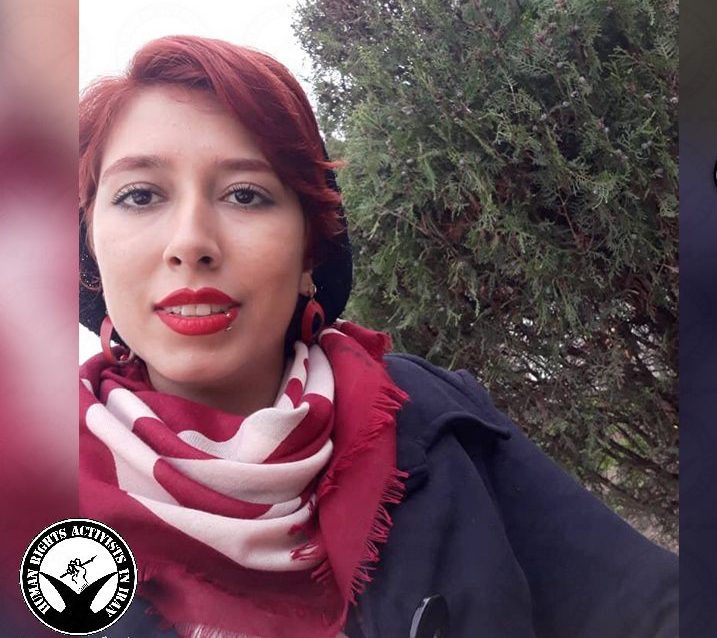
Saba Kord Afshari was sentenced to extra 15 years of imprisonment despite being acquitted

Saba Kord Afshari, a civil activist who is currently imprisoned in Evin Prison, has been sentenced to 15 years in prison for “promoting corruption”, a charge of which she was previously acquitted. Her lawyer has expressed his concerns regarding her acquittal which was communicated to her in prison, emphasizing the unlawful proceedings of her case. Should this error in judgment fail to be remedied Ms. Kord Afshari, who is currently serving a nine-year sentence can face up to 24 years of imprisonment in total.

According to HRANA Saba Kord Afshari, a civil activist imprisoned in Evin Prison was informed of her acquittal from a 15-year sentenced on the charge of “spreading corruption”. Hossein Taj, Ms. Kord Afshari’s lawyer states: “On Tuesday, May 26, 2020, Saba Kord Afshari contacted me from Evin Prison and informed me that she was informed of re-announcement of her previous sentence of 15 years, from which she was acquitted in the appeals court. According to her, this was done through a letter issued by the execution division, although I was informed of her acquittal in person following her court at Branch 36 of the Court of Appeal. I was informed today that the content of her verdict of the appeals court (from which she was acquitted) has changed, and I intend to follow up with the intelligence department of the Judiciary system.”

Ms. Kord Afshari received this new verdict after she was issued an acquittal in writing on March 17, 2018, by the Evin Prosecutor’s Office on the charge of “promoting corruption and prostitution through appearing without a headscarf in public.” On May 26, 2020, she received another notice by the Ershad Prosecutor’s Office in which she is sentenced to 15 years imprisonment for “promoting corruption and prostitution through appearing without a headscarf in public” 1 year and 6 months of imprisonment for “propaganda against the regime.” As well as “assembly and collusion with an intent to commit a crime against the national security.”


Arrest

Saba Kord Afshari was arrested for the first time on August 2, 2018, alongside 50 others, during a series of protests that occurred July-August 2018 against the deterioration of Iran’s economy as well as the corruption within the government. She was first transferred to Qarchak Prison in Varamin and later, in October 2018, to Evin prison’s women’s ward. In August 2018, she was sentenced to one year in prison on the charge of “disrupting the public order” at Branch 28 of Tehran’s Revolutionary Court led by Judge Moghiseh. She was released on 14 February 2019 when Iran’s Supreme Leader pardoned a large number of prisoners in honor of the 40th anniversary of the Islamic Revolution.

On June 2, 2019, Ms. Kord Afshari was rearrested by security forces at her home and was transferred to the Vozara Detention Center in Tehran. Her house was searched during this raid, and several items of her personal belongings including her mobile phone and laptop were also confiscated. This civil activist was charged only one day after her arrest in Branch 1 of the General and Revolutionary Court of Tehran’s 21st District Court (Ershad Prosecutor’s Office) and was transferred to Qarchak Prison in Varamin for interrogation for 11 days, on June 21st she was transferred from Qarchak to the IRGC Intelligence center of Evin Prison’s Ward 2-A and was once again returned to Qarchak Prison on July 2, 2019.


Trial

Saba Kord Afshari was transferred to Evin Prison on August 13, 2019, and her trial was held on August 19, 2018. Finally, on September 26, 2019, she was sentenced by Branch 26 of the Revolutionary Court of Tehran, presided over by Judge Iman Afshari. Her sentences included 15 years of imprisonment on the charge of “promoting corruption and prostitution through appearing without a headscarf in public” 1 year and 6 months in prison on the charge of “propaganda against the state” and 7 years and 6 months in prison on the charge of ” assembly and collusion with an intent to commit a crime against the national security”, which adds up to a total of 24 years in prison along with other social deprivations. Due to the number of crimes and previous records, each charge was added by one-half. This sentence was reduced to nine years in prison in December 2019 at Branch 36 of the Tehran Court of Appeals, presided over by Judge Ahmad Zargar.

In accordance with Court of Appeals, Saba Kord Afshari was sentenced to 1 year and 6 months imprisonment on the charge of “propaganda against the regime” and 7 years and 6 months in prison on charges of ” assembly and collusion with an intent to commit a crime against national security.”Based on Article 134 of Iran’s Islamic Penal Code, the charge with the highest penalty will be considered; this means that Ms. Kord Afshari should serve 7 years and six months in prison for the charge of “assembly and collusion to commit a crime against the security of the country”. Hossein Taj, Ms. Kord Afshari’s lawyer, has previously stated: “The Court of Appeals acquitted Saba Kordafsari of a part of her charges and as a result, her sentence was reduced to 9 years, 7.5 of which are imposable by law. We also remain hopeful that the Judiciary system mitigates the sentences of Ms. Kord Afshari and other political prisoners.” Now, if the penal system fails to correct their violations, Ms. Kord Afshari, who is serving a nine-year prison sentence in Evin Prison, could face up to 24 years in prison.

It should be noted that Raheleh Ahmadi, a civil activist and Saba Kord Afshari’s mother, is also serving a 31-month prison term at Evin Prison alongside her daughter.

Saba Kord Afshari was born on July 7, 1998.

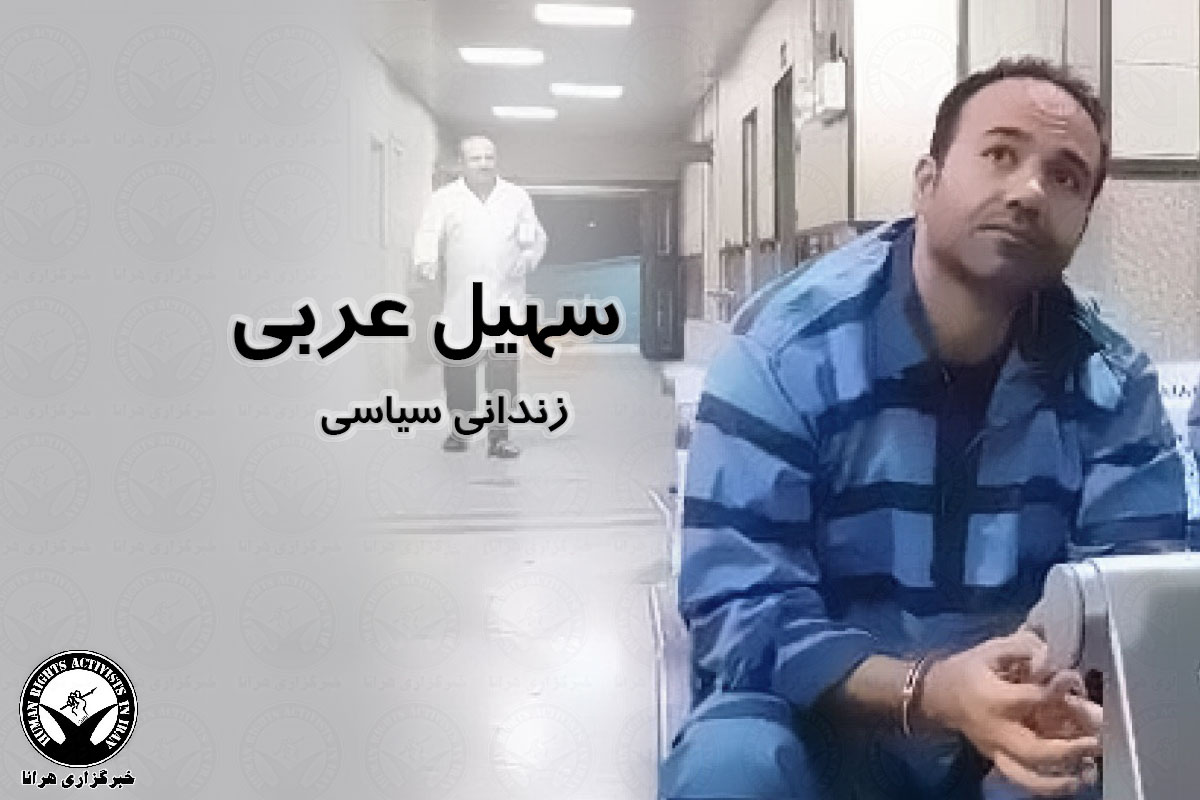
Soheil Arabi’s letter from prison

Soheil Arabi was on hunger strike for a month protesting prison conditions and denied medical treatment. He finished serving his 7 years imprisonment sentence when another case was opened for him and he was sentenced to another 8 years of imprisonment. He ended his hunger strike and wrote an open letter about his conditions and questioned prison’s budgets which was not spent on prisoners’ medical needs. He needs medical treatment for his deteriorating health conditions which part of it was caused by torture in prison.


Letter

In his open letter, he said “thanks to your support, my voice is heard. Some of the unresolved points in my case are clear and my treatments have started. Of course, the hunger strike is the last way to achieve our legal demands and now, with your efforts and support, the conditions are better. Although I still can’t eat or drink nothing but water with a little sugar and salt after the surgery, I want to draw our attention to more important issues. For example, what happened to 2.5 billion Tomans as the budget of the Greater Tehran Central Penitentiary? What is the reason behind budget deficit and who is responsible for the embezzlement?  Why this prison owes 1.8 billion Tomans to the hospital? How did meat disappear from prisoners’ meals during the three years of Ali Chaharmahali serving as the prison manager? What happened to the budget that was supposed to be spent on purchasing fresh vegetables and dairy for the prisoners, but prisoners don’t get to eat fresh vegetables and dairy, like meat, health care, and oil rigs that were disappeared! And finally, why stuff disappear in this country?  How do so many glass pipes are smuggled into the prison and there is no control over drugs smuggling into the prison? Why did the IRIB reporter refuse to drink the prison’s water while reporting from the prison?  How do you expect the prisoners to stay healthy under these conditions? For now, respecting the will of my mother and my friends who are worried about my conditions, I break my hunger strike and continue the treatment.


Background

Soheil Arabi was transferred to Imam Khomeini Hospital on March 18, 2020, but because the hospital refused to admit him, he was returned to the Greater Tehran Central Penitentiary. It was said that the reason the hospital refused to admit him was that the Prison Organizations owes money to this hospital and the Great Tehran Central Penitentiary is not covering the medical charges. He was earlier transferred to the IRGC Intelligence Office’s detention center on April 14, 2020, but was returned to the Greater Tehran Central penitentiary on April 19, 2020.

Soheil Arabi left the ward on April 22, 2020, and was transferred to the detention center of a security organization in Tehran and a few days later, because of his severe health conditions that occurred during interrogations, ileus and stomach bleedings, was transferred from the IRGC intelligence office’s detention center to the hospital and underwent surgery. On April 28, 2020, because of severe pain, Mr. Arabi was transferred to Firouzabadi Hospital in Tehran but because there was no prior coordination and because there was no empty bed in the hospital, he was released after a preliminary visit and was returned to the prison. He was eventually returned to Greater Tehran Central Penitentiary on April 29, 2020, without completing the treatment.

Mr. Arabi was also denied transfer to the hospital in November 2019 after he refused to wear a prison uniform, handcuffs, and foot shackles. Also, earlier last year, Mr. Arabi was taken to a security organization’s detention center and was interrogated with beating. Because of beatings, he was severely injured in his testicles and experience Blunt trauma. He has been suffering from the pain of this injury because of the negligence of the prison officials and not receive any kind of medical attention. Also, in contrast to the prison laws, he was told that he has to pay for the surgery of Blunt Trauma that is 60 million Tomans although, according to protocol issued by the Prison Organization, this organization is responsible for medical treatment of its prisoners.

Soheil Arabi was arrested and imprisoned on November 7, 2013, and has been denied furlough throughout the time he is serving his sentence. He is serving a 7 and a half years of the sentence in Greater Tehran Central Penitentiary. However, for two new cases that are recently opened against him in the prison, he was sentenced to imprisonment, exile, and paying fines by the Revolutionary Court of Tehran. In the first case, Mr. Arabi was sentenced to 5 years imprisonment for the charge of “insulting the religious beliefs, propaganda against the state and insulting the Supreme Leader” and for the other case “ distributing lies with intent to disturb public opinion and propaganda against the state” was sentenced to two years imprisonment, two years exile to Borazjan, and four million Tomans fine and for the charge of “damaging governmental assets” was sentenced to one year and eight months of imprisonment.  He is set to be released in May 2025.

A Baha’i citizen, Elaheh Samizadeh, sentenced to an extra year in prison

Elaheh Samizadeh, a Baha’i citizen, has been sentenced to one extra year of imprisonment and two years suspension from holding all governmental and public jobs by Branch 105 of Shiraz Criminal Court.

Ms. Samizadeh had previously been sentenced to six years in prison by Branch One of Shiraz Revolutionary Court, presided over by Judge Seyed Mahmoud Sadati, on charges of “propaganda against the regime and membership in opposition groups”. Based on Article 134 of Iran’s Islamic Penal Code, the charge with the highest penalty will be considered; this means that Ms. Samizadeh should serve five years in prison. Ms. Samizadeh is the mother of a toddler boy, and charges brought up against her of “propaganda against the regime” and “collaborating” with “dissident “groups” are because she worked as an instructor at “mother-child innovation courses” using her valid college degree obtained from official institutions. Charge of “forging a university degree” was brought up against her in July 2019 and caused her bail to be increased by 60 million Toman. According to the verdict that was communicated to Ms. Samizadeh on May 22, 2020, by Branch 105 of Shiraz Criminal Court presided over by Judge Fakharzadeh, “usage of scientific titles” which refers to her studies at BIHI (Baha’i University) is the underlying reason for her sentence of 1-year imprisonment and 2 years suspension from holding all governmental and public jobs.  An informed source told HRANA: “She is accused of forging her diploma, while Ms. Samizadeh studied at the Baha’i Online University (BIHE) due to the Baha’is’ exclusion from studying at country’s accredited universities. She has also received her degree from this university, and after making bail has been repeatedly summoned and interrogated over this fact.”

Earlier, Shahriar Atrian, Navid Bazmandegan, Bahareh Ghaderi, Nora Purmoradian, Soheila Haghighat, Shahnaz Sabet, and Soodabeh Haghighat, were also charged by Branch 1 of the Shiraz Revolutionary Court, presided over by Judge Seyed Mahmoud Sadati in the same case. The charges against this group include “propaganda against the regime and membership in an opposition group” which caused a 6-year sentence for every member of this group, an 8-year sentence for Niloufar Hakimi, and a 1-year sentence for Ehsanullah Mahboub Rah Vafa. From this group, Ms. Haghighat is also awaiting another trial in the criminal court, and Niloufar Hakimi has previously been sentenced to five years in prison by a criminal court. Taking Ms. Samizadeh’s new convictions into account, she and nine others implicated in this case have been sentenced to a total of 63 years in prison. These citizens were arrested by security forces in September 2018 and were all released on bail impending trial. HARANA reports the second part of Ms. Samizadeh’s case which went into the sentencing phase on May 22, 2020, has added a 1-year conviction to her previously 6-year sentence, and this addition brings up the collective sentencing of this group to a total of 63 years.

Bahai’s of Iran are deprived of all liberties and religious related activities, a systematic deprivation of liberty which goes against Article 18 of the Universal Declaration of Human Rights and Article 18 of the International Covenant on Civil and Political Rights, that entitle any person to freedom of religion and belief, freedom expression individually or collectively and in a public or private setting. According to unofficial reports, there are more than 300,000 Baha’is in Iran. However, Iran’s constitution only recognizes Islam, Christianity, Judaism, and Zoroastrianism, and does not recognize the Baha’i faith. And this reason has given the Iranian authorities an excuse to systematically violate the rights of Baha’i citizens over the years.