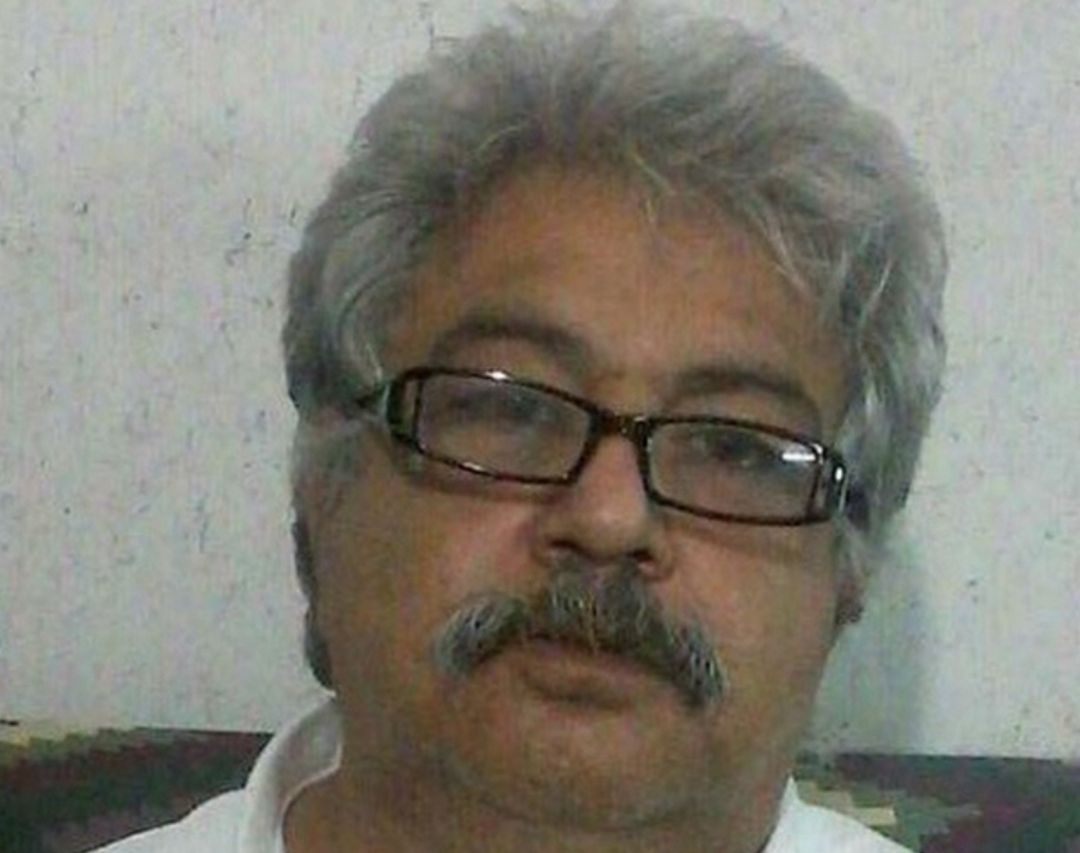
Second Prisoner Executed in Adelabad Prison On July 11

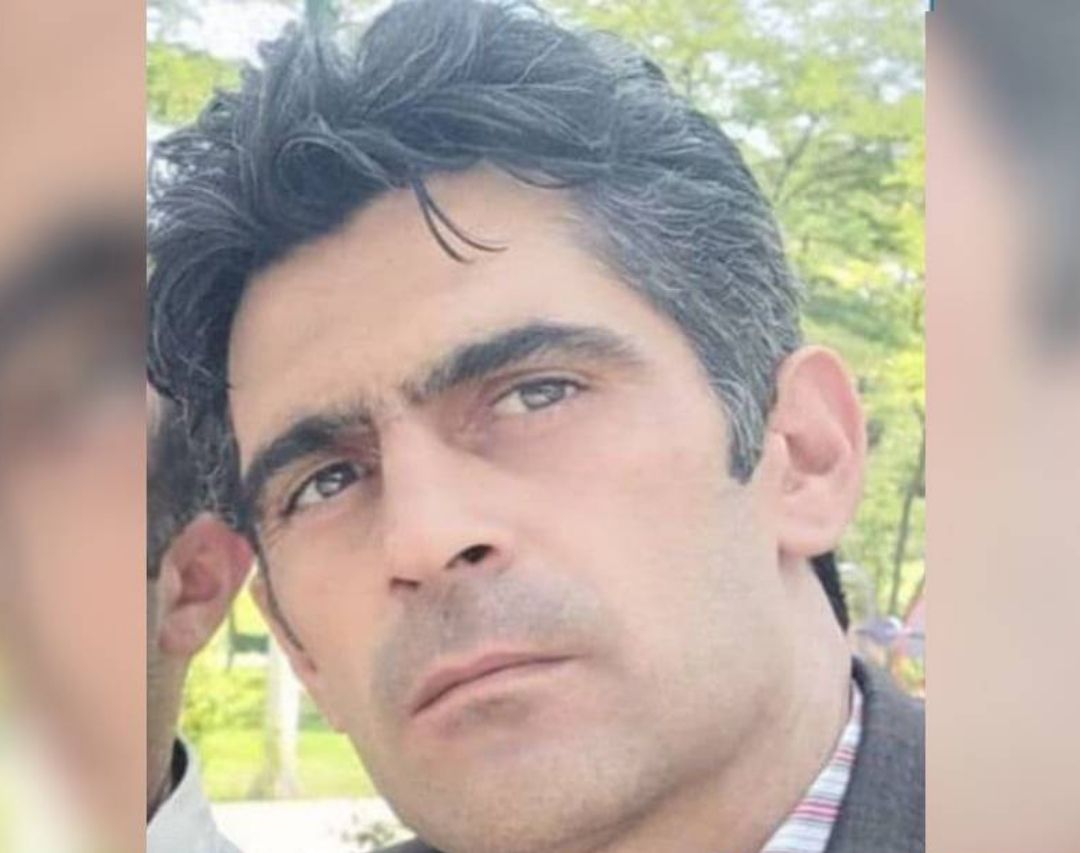
On Sunday, July 11, 35-year-old Hossein Nemati, who had previously been sentenced to death for murder, was executed in Adelabad Prison in Shiraz.

According to HRANA, the news agency of Human Rights Activists, quoting the Iran Human Rights (IHR), Mr. Nemati had been kept in Adelabad Prison in Shiraz since 2017.

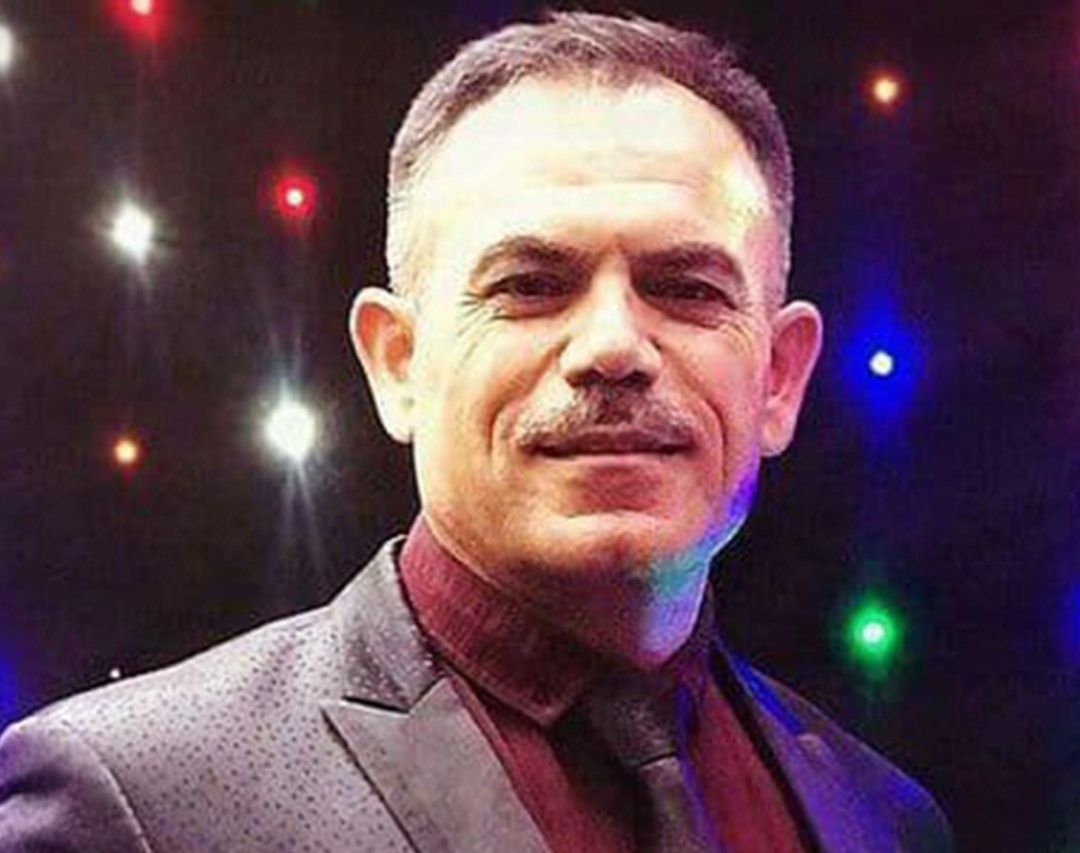
HRANA previously reported that Mohammad Hassan Taheri Haghighi, another prisoner, was executed on the same day in Adelabad Prison. Thus, the number of inmates executed in Adelabad prison increased by two on July 11.

On Sunday, July 4, two other prisoners were hanged in this prison. The report identifies one of the prisoners, Mr. Jahani, who had previously been sentenced to death for murder. The report does not mention his first name.

Iran ranks first in the world in citizen executions per capita, according to international organizations. The Statistics and Publication Center of the Human Rights Activists in Iran (HRA) reported that between January 1 and December 20 of 2020, at least 236 citizens were executed.

One of these citizens was executed publicly, and two were juvenile offenders. An additional 95 citizens were sentenced to death.

According to the same report, more than 72% of executions in Iran are not reported by the government or the judiciary, which human rights organizations call “secret” executions.

Nemati’s execution has not been announced by Iranian media or official sources as of this writing.


Prisoner Executed in Rajai Shahr Prison in Karaj

In recent days, a man who had previously been sentenced to death for murder was executed in Rajai Shahr prison in Karaj.

According to HRANA, the news agency of Human Rights Activists, quoting the Hamshahri newspaper, the prisoner was sentenced to death by Branch 10 of the Criminal Court for a murder he committed in 2017. The sentence was upheld by Branch 39 of the Supreme Court.

Iran ranks first in the world in citizen executions per capita, according to international organizations. The Statistics and Publication Center of the Human Rights Activists in Iran (HRA) reported that between January 1 and December 20 of 2020, at least 236 citizens were executed.

One of these citizens was executed publicly, and two were juvenile offenders. An additional 95 citizens were sentenced to death.

Amir and Akbar Jalilifar Executed in Isfahan prison

On Saturday, July 10, two prisoners were executed in Isfahan Central Prison on drug-related charges.

According to HRANA, the news agency of Human Rights Activists, quoting the Human Rights Organization of Iran, the executed prisoners have been identified as Amir and Akbar Jalilifar. According to the report, Akbar Jalilifar was married and has one child.

The report states that, according to an informed source, Amir and Akbar were arrested and sentenced to death four years ago on charges of carrying 180 kilograms of narcotics.

Iran ranks first in the world in citizen executions per capita, according to international organizations. The Statistics and Publication Center of the Human Rights Activists in Iran (HRA) reported that between January 1 and December 20 of 2020, at least 236 citizens were executed.

One of these citizens was executed publicly, and two were juvenile offenders. An additional 95 citizens were sentenced to death.

According to the report, more than 72% of executions in Iran are not reported by the government or the judiciary. Human rights organizations call these “secret executions”.

Amir and Akbar Jalilifar’s execution has not been announced by Iranian media or official sources as of this writing.

Ali-P Executed in Vakilabad Prison in Mashhad on Charge of Murder

At dawn on Monday, July 5, a prisoner who had previously been sentenced to death on a charge of murder was executed in Vakilabad Prison in Mashhad.

According to HRANA, the news agency of Human Rights Activists, quoting the Khorasan newspaper, the report identifies the prisoner as Ali-P, 45, who killed his wife in August 2009.

Iran ranks first in the world in citizen executions per capita, according to international organizations. The Statistics and Publication Center of the Human Rights Activists in Iran (HRA) reported that between January 1 and December 20 of 2020, at least 236 citizens were executed.

One of these citizens was executed publicly, and two were juvenile offenders. An additional 95 citizens were sentenced to death.

According to the report, more than 72% of executions in Iran are not reported by the government or the judiciary. Human rights organizations call these “secret executions”.

Three Citizens Arrested by Security Forces Without a Warrant in Urmia

On Sunday, July 11, three citizens from rural regions in Urmia were arrested by security forces and transferred to one of Urmia’s detention centers.

According to HRANA, the news agency of Human Rights Activists, quoting Kurdpa,  the identities of these citizens have been verified as Mamel Abdi from Naznaz village, Khorshid Ebrahimi from Ziveh village, and Jalal Ebrahimi from Bardkashk village from the Dizaj region of Urmia.

According to the report, these citizens were detained without a court order in their private homes.

As of this writing, no information is available on the reason behind the arrests or the charges against these three citizens.

Subscribe to Our Newsletter

Now is definitely not the time to stop reading!

Mohammad Hassan Taheri Haghighi Executed for Murder in Adelabad Prison in Shiraz

On Sunday, July 11, a prisoner who had previously been sentenced to death for murder was executed in Adelabad Prison in Shiraz.

According to HRANA, the news agency of Human Rights Activists, the prisoner’s identity has been verified as “Mohammad Hassan Taheri Haghighi, son of Hassan, 33 years old, from Shiraz”.

Mr. Taheri Haghighi had been in Adelabad Prison in Shiraz since 2019.

Iran ranks first in the world in citizen executions per capita, according to international organizations. The Statistics and Publication Center of the Human Rights Activists in Iran (HRA) reported that between January 1 and December 20 of 2020, at least 236 citizens were executed.

One of these citizens was executed publicly, and two were juvenile offenders. An additional 95 citizens were sentenced to death.

According to the report, more than 72% of executions in Iran are not reported by the government or the judiciary. Human rights organizations call these “secret executions”.

Taheri Haghighi’s execution has not been announced by Iranian media or official sources as of this writing.

Prisoner Released from Gallows After Forgiveness from Parents

A prisoner in the city of Jiroft in Kerman Province, who had previously been sentenced to death for the murder of his brother, was released from the gallows after his family expressed their forgiveness.

According to HRANA, the news agency of Human Rights Activists, quoting Rokna News, a prisoner in the city of Jiroft in Kerman Province was saved from execution following the pardon of his parents.

Mohammad Reza Sharifi, head of the Jiroft Prison Administration, commented on the reversal of the prisoner’s fate.

“With the efforts of the Dispute Resolution Council and the Peace and Reconciliation Committee of the prison, the family of the victim, including his parents, wife, and children, expressed their consent and forgiveness,” Sharifi added, “and the prisoner was released from execution.”

Sharifi stated that the prisoner had murdered his brother with a firearm in one of the villages of Jiroft city in September 2019 due to family disputes, and had been in Jiroft Prison for almost 2 years.

“Due to the consent of the parents, the imprisonment due to the general aspect of the crime was reduced from ten years to three years with a reduction of the sentence, and during the meeting of the prison classification council, it was agreed to employ this prisoner.”

Maziar Seyednejad Still in Detention One Month After Arrest

A month after the arrest of labor activist Maziar Seyednejad, he is still in detention and his fate is unknown.

According to HRANA, the news agency of Human Rights Activists, Seyednejad was arrested on June 7 by security forces at his home in Tehran.  From there, he was as transferred to Ward 209 of Evin Prison, one of the solitary confinement cells of the Ministry of Intelligence Detention Center.

A few days after his arrest, during a brief phone call under the supervision of security forces, Seyednejad informed his family that he is unaware of the reasons for his detention. Despite the family’s inquiries, the reasons for the arrest and the charges against the labor activist are unknown at the time of writing.

Recently, Branch 16 of the Court of Appeals in Khuzestan Province upheld Mr. Seyednejad’s 3-year prison sentence.

Lawyer and Defendant Amirsalar Davoodi to Face Retrial on July 13

The retrial of lawyer Amirsalar Davoodi will be held on July 13 in Branch 28 of the Revolutionary Court of Tehran.

According to HRANA, the news agency of Human Rights Activists, Davoodi’s request for a retrial was accepted in June of this year. After awaiting a verdict for nearly three years, he was released from Rajai Shahr Prison in Karaj on a bail of 2 billion Tomans.

Amirsalar Davoodi was arrested by security forces in November 2018 and was transferred to Evin Prison after being charged.

In April 2019, Vahid Meshgani Farahani, Mr. Davoodi’s lawyer said 8 – 9 charges are filed against Mr. Davoodi, including forming a group to overthrow the regime, cooperating with hostile states, propaganda against the regime, spreading lies, insulting officials and the leadership, and several other charges, two of which have been referred to Branch 15 of the Islamic Revolutionary Tribunal.

In June 2019, on charges of conspiracy against national security, Branch 15 of the Revolutionary Court of Tehran sentenced Mr. Davoodi to 30 years in prison and 111 lashes. The sentence was confirmed by the court of appeals in August of that year.

Mr. Davoodi’s wife had previously stated that  15 out of 30 year prison sentence for Mr. Davoodi was for setting up a group on the social media application Telegram.

190 days after his arrest, Mr. Davoodi was transferred from the detention center of the Judiciary’s Intelligence Protection Organization to the General Ward of Evin Prison in June 2019.

Davoodi had defended many cases of prisoners and political defendants, including Soheil Arabi and Saeed Shirzad.

Mohammad Nourizad Sent on Medical Leave from Evin Prison after 102 Day Hunger Strike

Yesterday, July 8, civil activist Mohammad Nourizad was sent on medical leave from Evin Prison on a bail of 800 million tomans following a 102 day hunger strike.

Nourizad’s lawyer, Mohammad Hossein Aghasi, confirmed the news on his social media, stating, “It is interesting [strange] that they did not consider one person’s sponsorship sufficient, so I and the client’s brother took care of the bail. Mr. Nourizad has to start treatment on Saturday.”

Previously Aghasi had told HRANA, “My client has lost 55 pounds following a 102-day hunger strike and a 105-day medicine strike and is experiencing severe hearing loss; he has been wounding himself every day as a sign of objection; he has fainted 37 times.”

Mohammad Nourizad suffers from myriad underlying diseases such as asthma, heart problems, and high blood pressure.