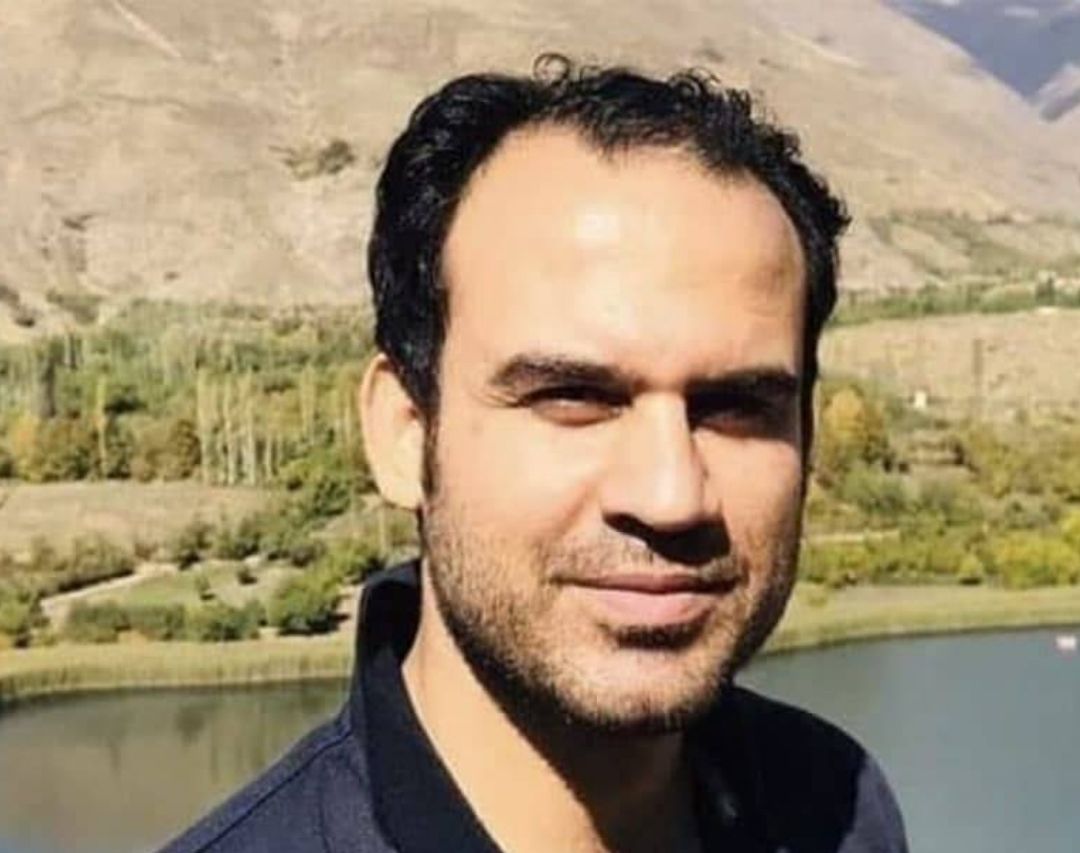
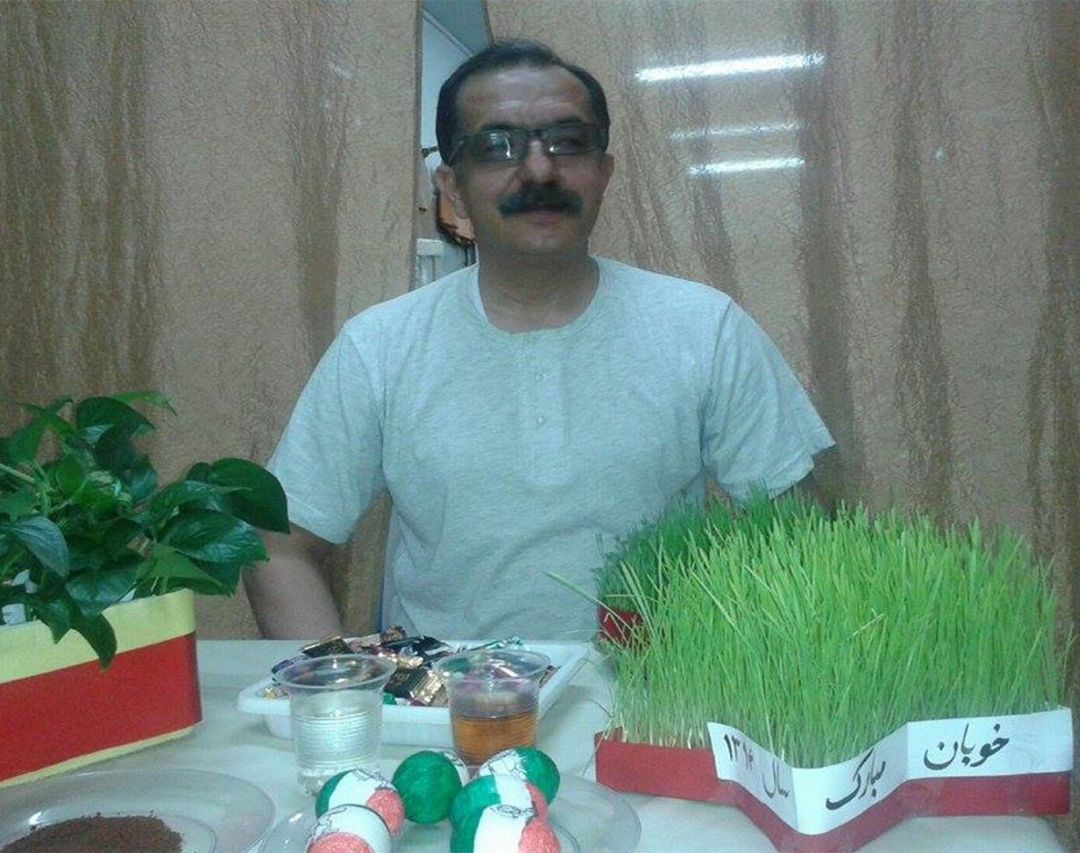
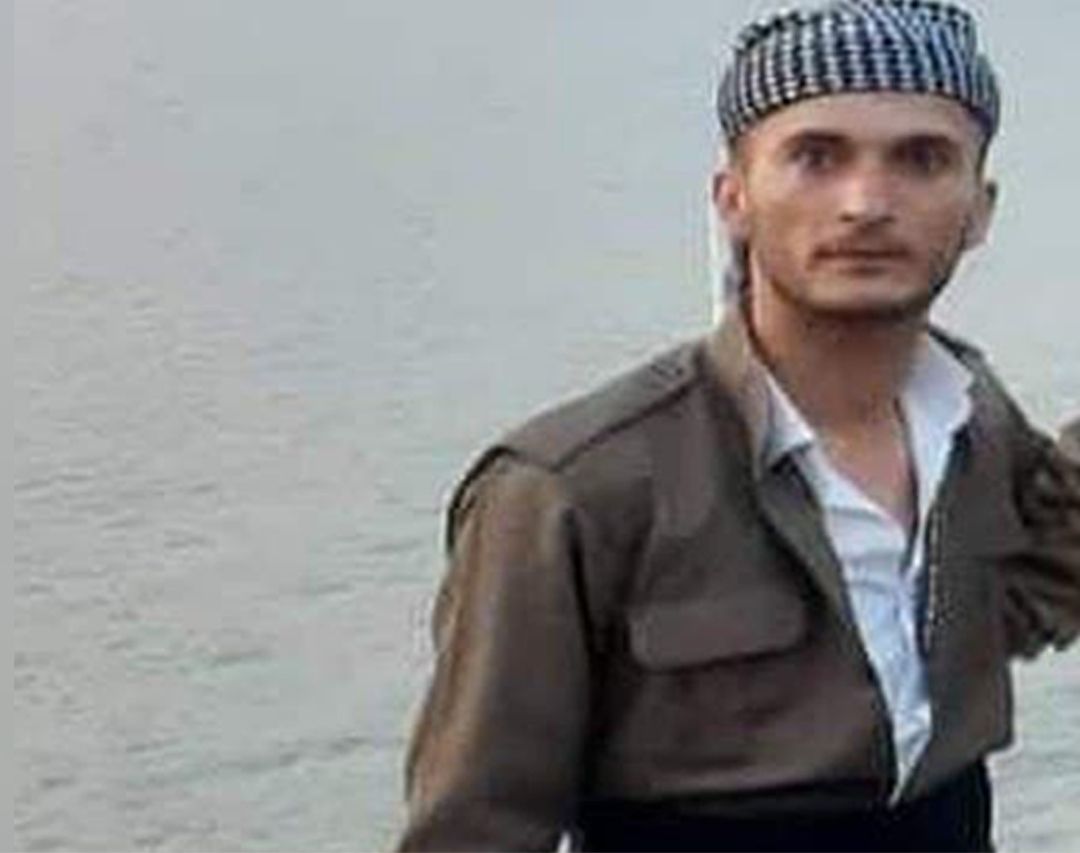
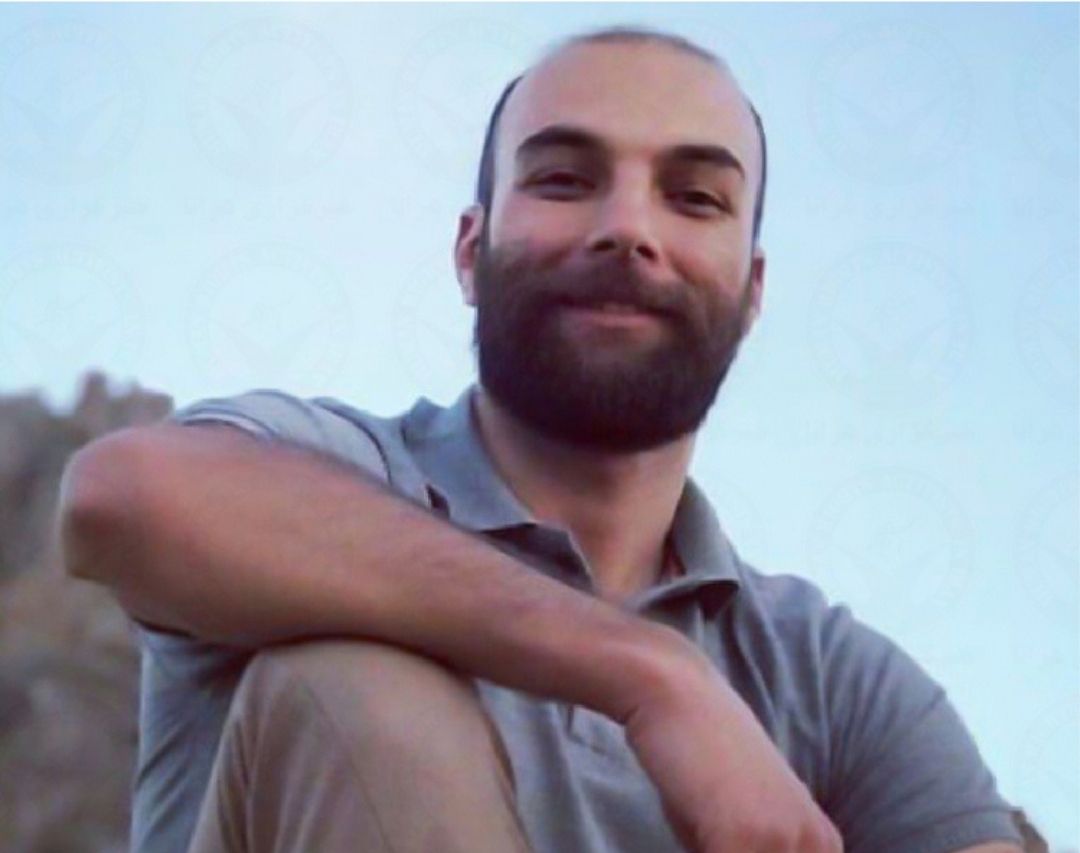
Sufi Prisoner Hossein Mohammadi Executed in Zanjan Prison on Charge of Murder

On Sunday, July 18, a prisoner who had previously been sentenced to death for murder was executed in Zanjan Prison.

According to HRANA, the news agency of Human Rights Activists, quoting the Iran Human Rights (IHR), the Sufi prisoner has been identified as 58-year-old Hossein Mohammadi.

According to this report, Mohammadi was arrested about 9 years ago on murder charges and was being held in prison up until his execution yesterday.

Iran ranks first in the world in citizen executions per capita, according to international organizations. The Statistics and Publication Center of the Human Rights Activists in Iran (HRA) reported that between January 1 and December 20 of 2020, at least 236 citizens were executed.One of these citizens was executed publicly, and two were juvenile offenders. An additional 95 citizens were sentenced to death.

According to the same report, more than 72% of executions in Iran are not reported by the government or the judiciary, which human rights organizations call “secret” executions.

The execution of Mohammadi has not been announced by Iranian media or official sources as of this writing.

Khaled Pirzadeh Transferred from Greater Tehran Prison to an Unknown Location

Political prisoner Khaled Pirzadeh was transferred from the quarantine section of the Greater Tehran Prison to an unknown location on Wednesday, July 14th.

According to HRANA, the news agency of Human Rights Activists, on June 14, Mr. Pirzadeh was sent on sick leave with a promise of connected parole. He was returned to Evin Prison on July 7.

Khaled Pirzadeh’s lawyer, Ali Sharifzadeh, made the announcement in a note on his social media and expressed his concern about Mr. Pirzadeh’s transfer due to his illness and said the prison’s organization is responsible for Mr. Pirzadeh’s health.

Pirzadeh had gone on a hunger strike for a 3rd time on June 10, protesting the lack of medical treatment, denial of his request for parole, and his 25-month imprisonment.

Javad Heydarian Informed of Charges Against him by the Prosecutor’s Office in Yasuj

On Sunday, July 11, environmental reporter Javad Heydarian was summoned and informed of the charges against him by the Yasuj Prosecutor Office on behalf of Branch 22 of the Shiraz Judiciary Complex.

According to HRANA, the news agency of Human Rights Activists, Heydarian has been charged by Branch 22 of the Shiraz Prosecutor’s Office with “publishing lies on online media with the intention of disturbing the public mind” and has been charged by the Yasuj Prosecutor’s Office.

His case was referred to Branch 22 of the Judiciary of Shiraz for a final verdict. At the end of this hearing, he was temporarily released on bail until the end of the proceedings.

Improper Management and Distribution of Food Rations in Urmia Prison Leave 1 Dead and 16 Injured

On Wednesday, July 14th, following the improper distribution of food rations by the authorities of Urmia Prison, a clash broke out between prisoners.

According to HRANA, the news agency of Human Rights Activists, one prisoner was killed and 16 others were injured during the altercation.

The identity of the murdered prisoner has been verified by HRANA as Karim Babaei.

An informed source told HRANA about the incident,“The date ration has been unequally distributed and has not reached many prisoners, which has led to physical clashes between prisoners.”

During the clash, Karim Babaei was hit in the head and lost his life. Another prisoner was stabbed and 15 others suffered burns from hot water.

The poor economic conditions of prisoners and their families outside the prison, especially in recent years, have led to the inability of many prisoners to pay for their expenses.

The quality and quantity of food rations has been an ongoing issue for inmates of Urmia Prison.

Christian Convert Nasser Navard Gol-Tapeh Denied Conditional Release from Evin Prison

On June 22, Christian convert Nasser Navard Gol-Tapeh’s request for conditional release from Evin Prison was rejected.

According to HRANA, the news agency of Human Rights Activists, quoting the news website Article 18, the rejection of the request for parole was given to Navard Gol-Tapeh without the provision of any specific reason.

In September 2020, the Supreme Court rejected Navard Gol-Tapeh’s request for a retrial. Navard Gol-Tapeh has been in Evin Prison for the past three years and six months without leave.

Navard Gol Tappeh was arrested in a private gathering in July 2016 and later was sentenced by the Revolutionary Court of Tehran to 10 years in prison on charges of “acting against national security by forming and running an illegal organization of a house church”. The verdict was later approved by the Court of Appeals.

Although Christians are recognized as a religious minority under Iranian law, security services nevertheless pursue the issue of Muslims converting to Christianity with particular sensitivity and deal harshly with activists in this field.

The Iranian regime targets Christian converts despite Article 18 of the Universal Declaration of Human Rights and Article 18 of the International Covenant on Civil and Political Rights, which states that every individual has the right to freedom of religion and the freedom to express their religious beliefs.

Subscribe to Our Newsletter

Now is definitely not the time to stop reading!

Two Death Sentences Issued to Defendant in Tehran

A defendant in Tehran was sentenced to death and lashes by the city’s criminal court on charge of murder under the “Qisas” (eye for an eye) principle of Islamic sharia law.

According to HRANA, the news agency of Human Rights Activists, quoting Javan Online, he was also sentenced to death by the Revolutionary Court of Tehran on a charge of “moharebeh”. Moharebeh, or “waging war against God”, is another pillar of Sharia law that is typically applied to those suspected of connection to any acts against the state.

The defendant was sentenced to death and lashes by the Criminal Court and the Revolutionary Court in separate sentences.

According to the report, the defense attorney of one of the victims said, in reference to the sentence issued for the defendants in this case,  “The first defendant in this case was sentenced to death and lashes, and the other defendants were sentenced to long prison terms, lashes and deportation to place with a bad climate.”

“The verdicts have not yet been finalized and needs to be considered by the Supreme Court,” he added. “The cases are about to be sent to the Supreme Court.”

Three Political Prisoners Facing New Charges of Questionable Legitimacy After Protesting the Beating of Nayeb Hajizadeh Yangjeh

On Monday, July 12, political prisoners Nayeb Hajizadeh Yangjeh, Kayhan Mokaram Al-Nabi, and Nayeb Askari were faced with new charges after protesting the beating of Hajizadeh Yangjeh.

According to HRANA, the news agency of Human Rights Activists, per an informed source, the lawsuit was filed at the request of Urmia Prison director Amir Sohrabi after several political prisoners protested the beating of Nayeb Hajizadeh by two prisoners accused of violent crimes.

It is said that one of the assailants was also summoned to the court as a witness in the case.

During the briefing session, the three accused were briefed on the alleged charges of “disturbing the order of the prison” and “blasphemy”.

Nayeb Hajizadeh was arrested by security forces in August 2019 and sentenced to 7 years and six months in prison shortly after being charged for membership in an opposition group. Kayhan Mokarram Al-Nabi was arrested by security forces in January 2020 and sentenced to five years in prison on charges of membership in an opposition group.

Nayeb Askari was arrested by IRGC intelligence agents in Urmia in April this year and was transferred to prison in June. Mr. Askari has been charged with collaborating with an opposition party.

Sunni Vakilabad Prisoners Write Letter to UN Special Rapporteur Requesting an Investigation into their Case

Nine Sunni prisoners in Vakilabad prison have written a letter to Javid Rahman, the UN Special Rapporteur on Iran, requesting that their case be investigated.

According to HRANA, the news agency of Human Rights Activists, the nine prisoners have been identified as Eisa Eid-Mohammadi, Farhad Shakeri, Eid al-Hakim Azim Gargij, Abdolrahman Gargij, Habib Pir- Mohammadi, Abdolbaset Orsan, Mohammad Reza Sheikh Ahmadi, Morteza Fakuri, and Abdullah Hosseini.

In a part of their letter, the prisoners reported they were being beaten and tortured for forced confessions and their families were also being pressured by authorities.


“…Accusations full of lies and fabrications under severe torture, forced and dictated confessions, threats, and imprisonment of our family members, which has led to harsh death sentences and long prison terms of more than 15 years. Some of our families, parents, and spouses were summoned and detained to harass and torture us. Also, the involvement of the Ministry of Intelligence in our family affairs led to divorce and the disintegration of the family unit, and for our children to lose a parent.

These actions had been taken to force us to cooperate with the Ministry of Intelligence and to accept the false accusations.

It has also become a routine to be beaten and desecrated in Ward 1.6 of Mashhad Prison by prison guards, and the ward’s supervisor, and non-political mercenary prisoners who harass us on the orders of prison officials.

In addition to issuing illegal death sentences, the Ministry of Intelligence and the Judiciary, through some of their lawyers, liaisons, and informants, go to our families and demand billions of Tomans to break our execution sentences.

With this way of issuing unjust and illegal verdicts, they have found a way to fill their own pockets at the price of sacrificing Iranian and Sunni youth.”


These citizens have previously been detained by Ministry of Intelligence agents and sentenced to death or long prison terms. They are imploring Rahman to commit to giving their case a thorough investigation.


“We request that you investigate our cases, which are facing false accusations such as acting against security, membership in dissident groups, membership in the Al-Forqan party group, propaganda against the regime, and so on.

We have been in prison for more than 5 years. We were banned from calling and visiting for more than 2 years.”

Supreme Court Confirms Sentence for Two Defendants in Mashhad

The Supreme Court recently confirmed the sentences of two defendants, a man and a woman, in Mashhad.

According to HRANA, the news agency of Human Rights Activists, quoting Khorasan Newspaper, the pair allegedly conspired to commit a murder together amidst an extramarital affair, and were charged with first and second degree murder respectively.

Sakineh, the second-degree defendant, was sentenced to 15 years in prison for her role in the murder, and 99 lashes for having an extramarital affair.

Mustafa, the first-degree defendant, was sentenced to death by hanging for murder, one year in prison for possession of an illegal weapon, and 99 lashes for having an extramarital affair.

The defendants objected to the verdict issued by the judges of Criminal Court One, and the case was sent to the Supreme Court. Judges of Branch 20 of the Supreme Court upheld the verdict.

Baha’i Citizen Sina Kamali Sarvestani Released from Adelabad Prison on Bail

On Sunday, July 11, Sina Kamali Sarvestani, a Baha’i citizen, was released on bail from Adelabad Prison in Shiraz.

According to HRANA, the news agency of Human Rights Activists, still no information is available on the reasons for his arrest and the charges against him as of this writing.

Kamali Sarvestani was arrested by security forces on June 14 and was first transferred to the IRGC Intelligence Detention Center and later to Adelabad Prison in Shiraz, where he was held for nearly a month. He has been released on bail temporarily until the end of his trial.

According to unofficial sources, more than 300,000 Baha’is live in Iran, but the Iranian constitution recognizes only Islam, Christianity, Judaism, and Zoroastrianism. Because their faith is not considered legitimate by authorities, the rights of Baha’is in Iran have been systematically violated for years.

This deprivation of the freedom to practice their religion is a violation of Article 18 of the Universal Declaration of Human Rights, and Article 18 of the International Covenant on Civil and Political Rights. The United Nations covenant holds that every person has the right to freedom of religion, freedom of converting religion, as well as freedom of expression, individually or collectively; openly or secretly.