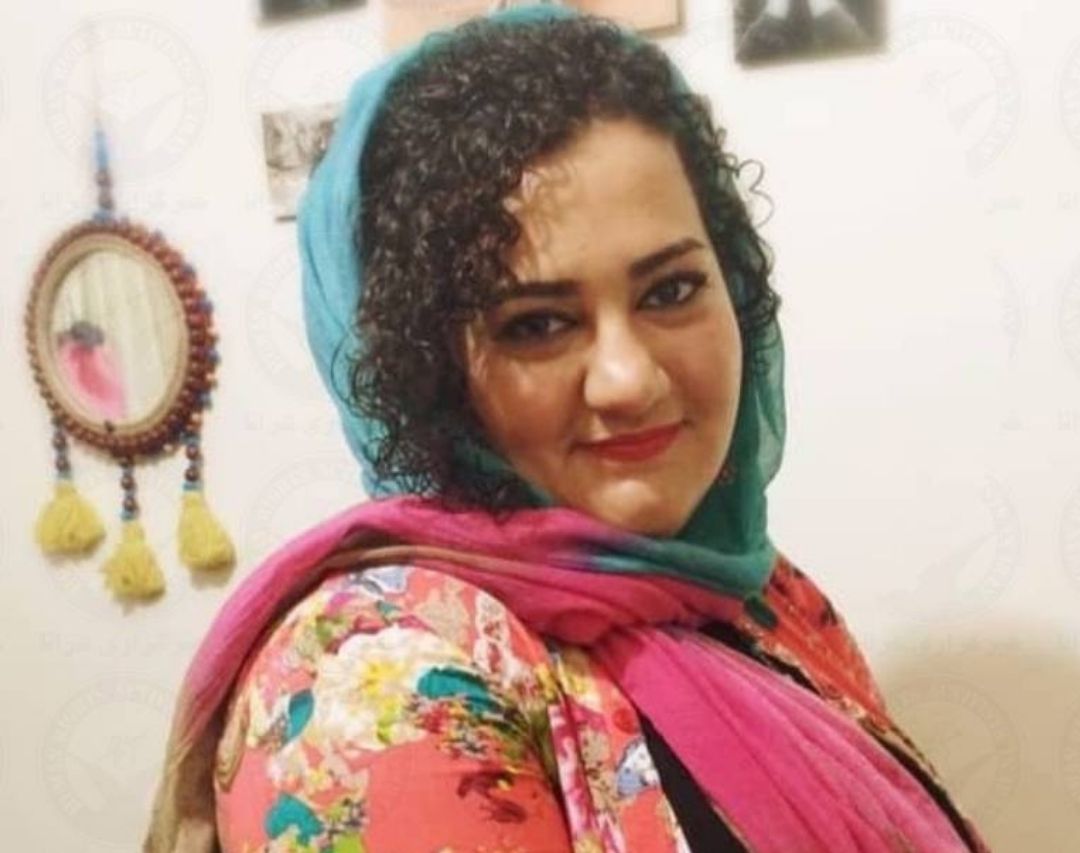
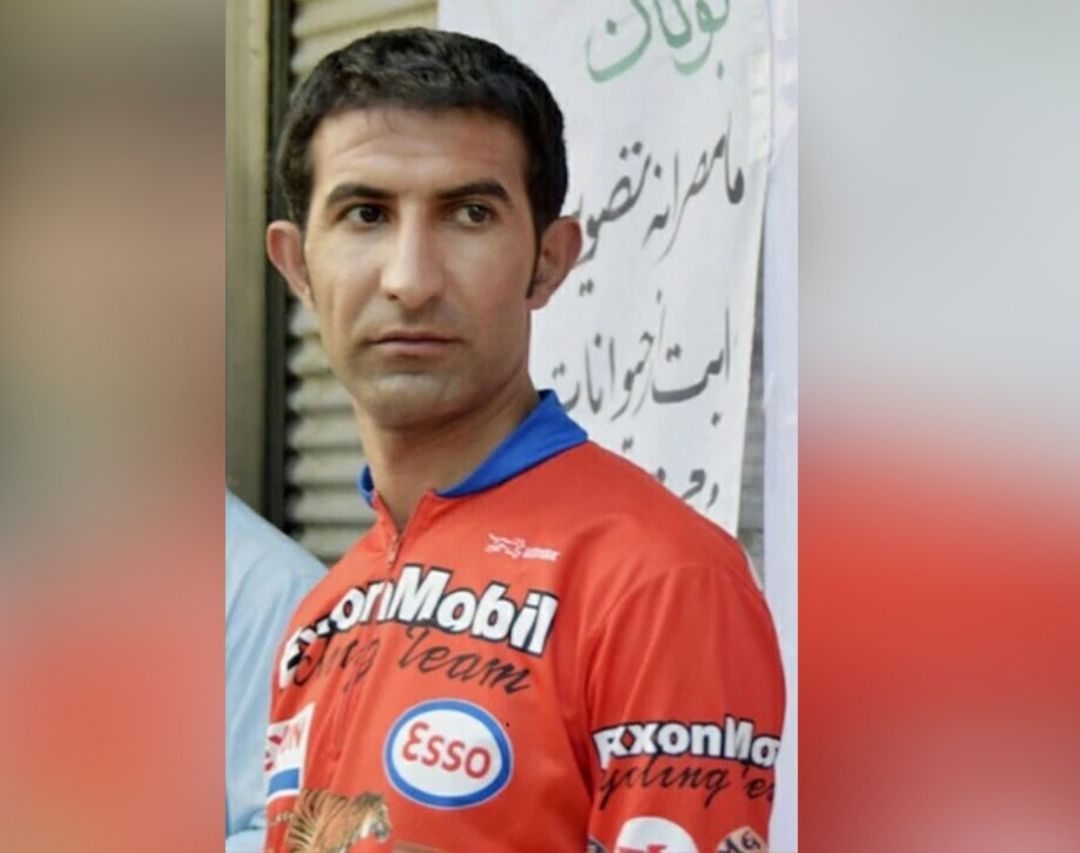
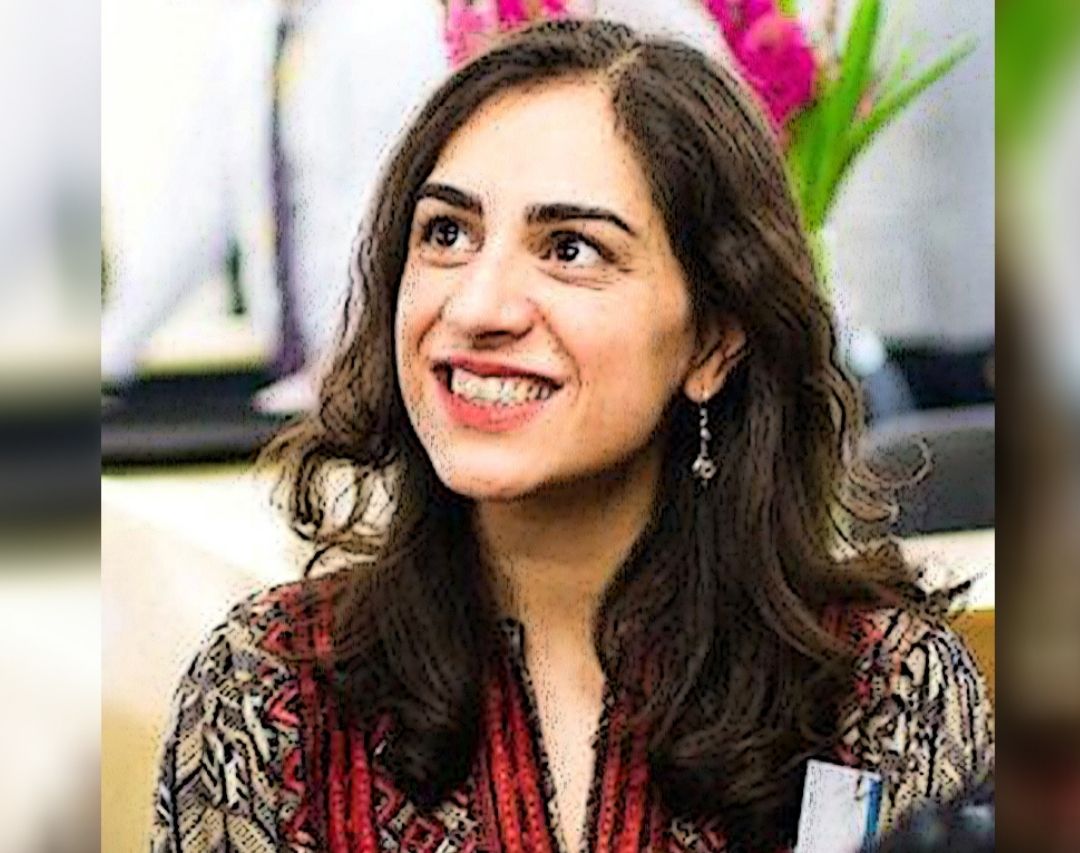
450 Days After Their Arrest, Court Holds Trial for Elite Students Amir Hossein Moradi and Ali Younesi

On Saturday, July 3, the trial of Ali Younesi and Amir Hossein Moradi was held at Branch 29 of the Revolutionary Court of Tehran.

According to HRANA, the news agency of Human Rights Activists, the two Sharif University of Technology students have been detained by the Ministry of Intelligence since April of last year.

The students are being charged with “Corruption on earth”. Mr. Nili, the detainees’ lawyer, had previously stated that after more than 14 months, the defendants are still being held in Security Ward 209 of Evin Prison, and not transferring them to the public ward has made the defense process difficult. At the request of the case officer, the defendants have so far been denied transfer to a public prison.

Ali Younesi, a computer engineering student, and Amir Hossein Moradi, a physics student at the Sharif University of Technology, were arrested in April 2020 by the Ministry of Intelligence agents. The students are said to have been violently detained by plainclothes officers without a court order.

Gholamhossein Esmaili, a spokesman for Iran’s judiciary, accused these students of collaborating with the People’s Mojahedin Organization of Iran in May 2020.
Ali Younesi’s sister, Aida Younesi, later denied the allegations against her brother in a video posted on the Internet. In September 2020, Aida Younesi announced that she was under pressure to confess against her brother on TV.

Amir Hossein Moradi was the winner of the silver medal of the National Astronomy Olympiad in 2017. Ali Younesi was the winner of the silver medal of the National Astronomy Olympiad in 2016 and the gold medal of the 2017 Astronomy Olympiad. Ali Younesi also won a gold medal in the 12th World Astronomy and Astrophysics Olympiad in China.


10 Months After his Execution, Supreme Court Overturns Khedr Ghavidel’s Death Sentence

Nearly 10 months after the execution of Khedr Ghavidel in Urmia Prison, his death sentence has been overturned by the Supreme Court.

According to HRANA, the news agency of Human Rights Activists, Ghavidel was executed in September 2020 while his case was being processed by the Supreme Court.

A source close to the family of the executed prisoner told HRANA: “A few days ago, Ghavidel’s family was invited to the Urmia Prosecutor’s Office, and they were informed about this issue. The prosecutor told Ghavidel’s family that you could file a case and receive the ransom of the executed prisoner.”

In a similar situation, on Saturday, July 3, the death sentences of two prisoners, Nasser Azmoudeh and Shahriyar Amiri, were carried out in Urmia Prison in a situation where their case has not yet been heard by the Supreme Court.

The lack of a fair and transparent trial process in the Iranian judiciary, especially in cases that lead to irreversible sentences such as the death penalty, has long been criticized by human rights organizations.

According to international organizations, Iran ranks first in the world in citizen executions per capita. The Statistics and Publication Center of the Human Rights Activists in Iran (HRA) reported that between January 1st and December 20th of 2020, at least 236 citizens were executed.

One of these citizens was executed publicly, and two were juvenile offenders. An additional 95 citizens were sentenced to death.

According to the report, more than 72% of executions in Iran are not reported by the government or the judiciary. Human rights organizations call these “secret executions”.


3 Student Activists Sentenced to Imprisonment and Fines

Student activists Amir Hossein Alibakhshi, Ali Haghighat Javan, and Zia al-Din Nabavi were sentenced by the Tehran Revolutionary Court to imprisonment and fines.

According to HRANA, the news agency of Human Rights Activists, the student activists were sentenced on charges of propaganda against the regime.

Branch 26 of the Revolutionary Court of Tehran informed the citizens’ defense attorney Amir Raisian that Zia Nabavi was sentenced to 1 year in prison, Amir Hossein Alibakhshi was sentenced to 4 months imprisonment, and Ali Haghighat Javan was given a fine.

Zia Nabavi is also sentenced to a two-year ban from leaving the country, a ban from attending the cemetery of Tehran or veterans’ sanatorium, and mandatory anger management classes in Qom.

These activists have been acquitted from the charge of “conspiracy to conspire to act against national security”.

Amir Raisian published on his social media account on June 29: “This lawsuit was filed in early 2020 by Sarallah base of IRGC. The main part of the accusations is against the students’ legal activities in connection with licensed student organizations such as ‘United Students’ or participating in mourning at universities after the Ukrainian plane was shot down.”

Mr. Ali Bakhshi is a former member of the Council for the Revival of Student Associations and the Islamic Association of Progressive Students of Amirkabir University.

Zia Nabavi has already been arrested and convicted for his peaceful activism.

At Least Two Prisoners Transferred to Solitary Confinement for Execution in Urmia Prison

Today, July 2, two prisoners were transferred to solitary confinement for execution in Urmia Prison, despite not having yet received a response on the appeal from the Supreme Court confirming or overturning their death sentence.

According to HRANA, the news agency of Human Rights Activists, the prisoners were previously sentenced to death on drug-related charges.

The identities of these prisoners have been verified by HRANA as Nasser Azmoudeh and Shahriar Amiri. Both have been in Urmia Prison in West Azerbaijan Province since 2018.

Iran ranks first in the world in citizen executions per capita, according to international organizations. The Statistics and Publication Center of the Human Rights Activists in Iran (HRA) reported that between January 1st and December 20th of 2020, at least 236 citizens were executed.

One of these citizens was executed publicly, and two were juvenile offenders. An additional 95 citizens were sentenced to death.

According to the report, more than 72% of executions in Iran are not reported by the government or the judiciary. Human rights organizations call these “secret executions”.

Hossein Kheiri Sentenced to Death for “Moharebeh”

Babak Paknia, the lawyer of political prisoner Hossein Kheiri, announced the issuance of the death sentence to his client on charges of Moharebeh by destroying property with the intention to oppose the regime.

Moharebeh, loosely translated as “waging war against God”, is a pillar of Sharia Law that is typically applied to those suspected of connection to any acts against the state.

According to HRANA, the news agency of Human Rights Activists, quoting the Emtedad news, Paknia has stated, “Our strong evidence shows that the charge of moharebeh does not fit the actions taken by my client.”

He explained that an indictment was issued by the Evin Security Court against eight people, of whom four were accused of moharebeh and the rest were prosecuted on charges of collusion against national security and the like.

“We defended and the court accepted that out of the four, three could not be punished under the guise of moharebeh, but the actions of Hossein Kheiri were recognized as moharebeh and a death sentence was issued for him,” Paknia said. “We will submit our bill of appeal in two weeks to be reconsidered in the Supreme Court.”

Subscribe to Our Newsletter

Now is definitely not the time to stop reading!

Dorsa Dehghani Released on Bail; Sina Kamali Sarvestani Still in Detention

Baha’i citizen Dorsa Dehghani was released on bail on Thursday, July 1st, while  Sina Kamali Sarvestani, another Baha’i resident of Shiraz, is still being held in an undisclosed location after 17 days of detention.

According to HRANA, the news agency of Human Rights Activists, these citizens were arrested separately on June 14 by IRGC intelligence agents.

According to unofficial sources, more than 300,000 Baha’is live in Iran, but the Iranian constitution recognizes only Islam, Christianity, Judaism, and Zoroastrianism.

Because their faith is not considered legitimate by authorities, the rights of Baha’is in Iran have been systematically violated for years.

This deprivation of the freedom to practice their religion is a violation of Article 18 of the Universal Declaration of Human Rights, and Article 18 of the International Covenant on Civil and Political Rights.

The United Nations covenant holds that every person has the right to freedom of religion, freedom of converting religion, as well as freedom of expression, individually or collectively; openly or secretly.

Azim Karimzai Executed in Vakilabad Prison in Mashhad

At dawn on June 25, a prisoner was executed in Vakilabad Prison in the city of Mashhad in Razavi Khorasan Province.

According to HRANA, the news agency of Human Rights Activists, quoting The Baloch Activists Campaign, Azim Karimzai, son of Mullah Sharif, had been previously sentenced to death on drug-related charges.

Iran ranks first in the world in citizen executions per-capita, according to international organizations. The Statistics and Publication Center of the Human Rights Activists in Iran (HRA) reported that between January 1st and December 20th of 2020, at least 236 citizens were executed.

One of these citizens was executed publicly, and two were juvenile offenders. An additional 95 citizens were sentenced to death.

According to the report, more than 72% of executions in Iran are not reported by the government or the judiciary. Human rights organizations call these “secret executions”.

Karimzai’s execution has not been announced by Iranian media or official sources at the time of this writing.


Three Christian Converts Sentenced to a Total of 15 Years in Prison and a Fine

Amin Khaki, Milad Goodarzi, and Alireza Nourmohammadi were sentenced by the Fourth Branch of the Revolutionary Court of Karaj to five years each in prison and a fine of 40 million tomans.

According to HRANA, the news agency of Human Rights Activists, quoting the website Article 18 , the three christian converts were sentenced for “Propaganda and educational activities contrary to the holy Sharia of Islam”.

The citizens had been released on bail of 250 million tomans each in November 2020 after being summoned to judicial authorities and filing a case.

Despite the fact that Christians are recognized as a religious minority under Iranian law, the security services nevertheless pursue the issue of Muslims converting to Christianity with particular sensitivity and deal harshly with activists in this field.

The Iranian regime targets Christian converts despite Article 18 of the Universal Declaration of Human Rights and Article 18 of the International Covenant on Civil and Political Rights, which state that every individual has the right to freedom of religion and belief and freedom to express it openly or secretly.

Mohammad Taher Soleimani Executed in Mahabad Prison

Yesterday, June 30, Mohammad Taher Soleimani was executed in Mahabad Prison in Kurdistan Province.

According to HRANA, the news agency of Human Rights Activists, quoting Kurdpa, Soleimani had previously been sentenced to death on drug-related charges.

Mohammad Taher Soleimani was 65 years old and from Dizaj village in Margavar Rural District of Urmia County in West Azerbaijan Province.

Mr. Soleimani was transferred to solitary confinement on June 29, and his family was summoned to Mahabad Prison for their final visit.

Iran ranks first in the world in citizen executions per-capita, according to international organizations. The Statistics and Publication Center of the Human Rights Activists in Iran (HRA) reported that between January 1st and  December 20th of 2020, at least 236 citizens were executed.

One of these citizens was executed publicly, and two were juvenile offenders. An additional 95 citizens were sentenced to death.

According to the report, more than 72% of executions in Iran are not reported by the government or the judiciary. Human rights organizations call these “secret executions.”

Soleimani’s execution has not been announced by Iranian media or official sources as of this writing.


Lawyer Says Mohammad Nourizad is in Critical Condition in Evin Prison

Mohammad Hossein Aghasi, Mohammad Nourizad‘s lawyer, told HRANA that his client is in critical condition in Evin Prison and that the duration of his hunger and drug strike has put him in serious danger.

According to HRANA, the news agency of Human Rights Activists, Aghasi emphasized that his client has lost 55 pounds and is experiencing severe hearing loss.

Aghasi stated that although the prison prosecutor recently agreed to send him on leave, Nourizad has refused the offer, stating that he will continue his strike until his request for his and his son’s unconditional release is fulfilled.

Ali Nourizad, Mohammed’s son, was arrested by security forces in Tehran in January 2020 for protesting a rally against the downing of a Ukrainian plane by the IRGC, and for expressing sympathy with the victims’ families.  He was released on bail a month later. The Tehran Revolutionary Court eventually sentenced him to 3 and a half years in prison. This sentence was upheld by the Tehran Court of Appeals. He has been serving out his sentence in Greater Tehran since October of last year.

Mr. Nourizad wants to be acquitted of all charges that were unjustly issued against him.

Mr. Aghasi added: “I really demand that the case of Mr. Nourizad and other people, who are known as the signatories of the leadership resignation statement from whom 11 are my clients, to be processed and judged by a fully independent judiciary so they can see how arguments about the convictions and issued sentences are completely incorrect.”

Earlier this year, UN experts expressed concern over the health condition of Mohammad Nourizad in Evin Prison and called for his immediate release.

66-year-old Nourizad is an Iranian director, screenwriter, journalist, and activist. Nourizad became an outspoken critic of the Islamic Republic a decade ago and has since been arrested and imprisoned several times for his civic work and visits to families of political prisoners.

As Mr. Aghasi stated, Nourizad has been wounding himself every day as a sign of objection; he has fainted 37 times. According to Aghasi, his conversations with his client and even the insistence of Nourizad’s wife and child did not work, and it seems that he has made his decision.

“I do not want my name to be on the list of those who are indifferent to current affairs,” Nourizad has said in a meeting with his lawyer. “And I am willing to give my life for it.”