Lawyer Says Mohammad Nourizad is in Critical Condition in Evin Prison

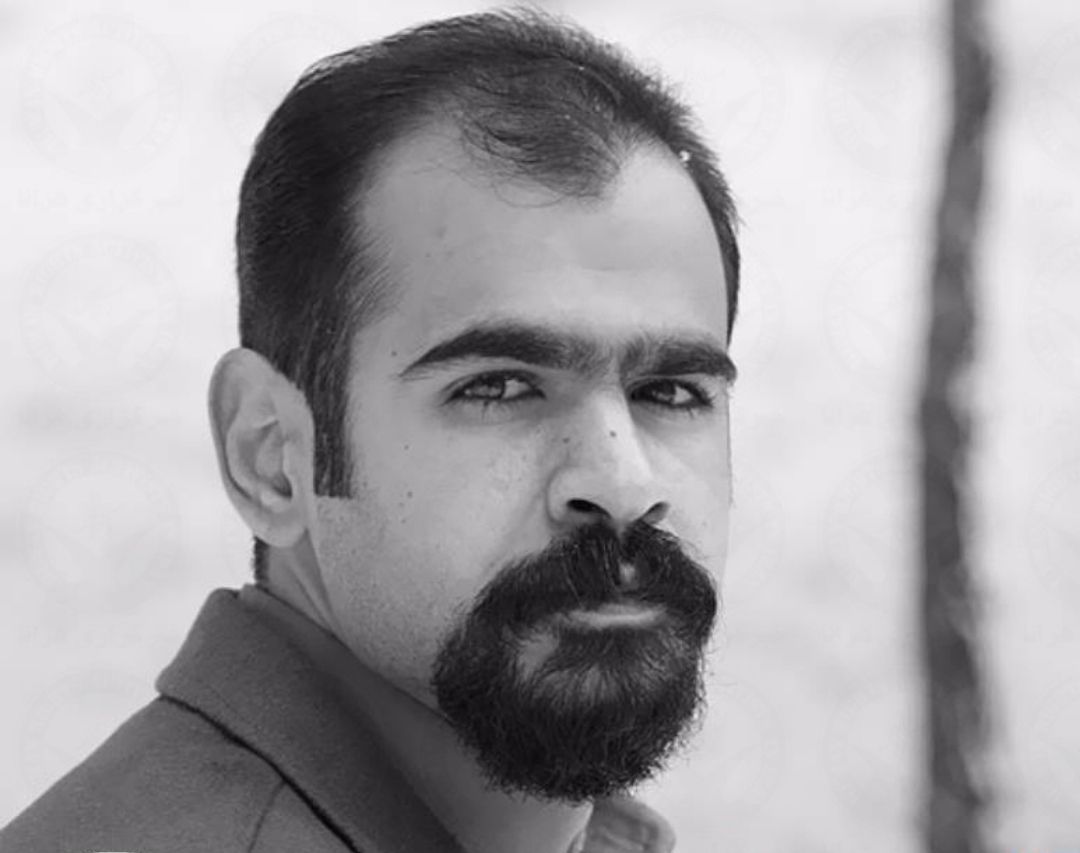
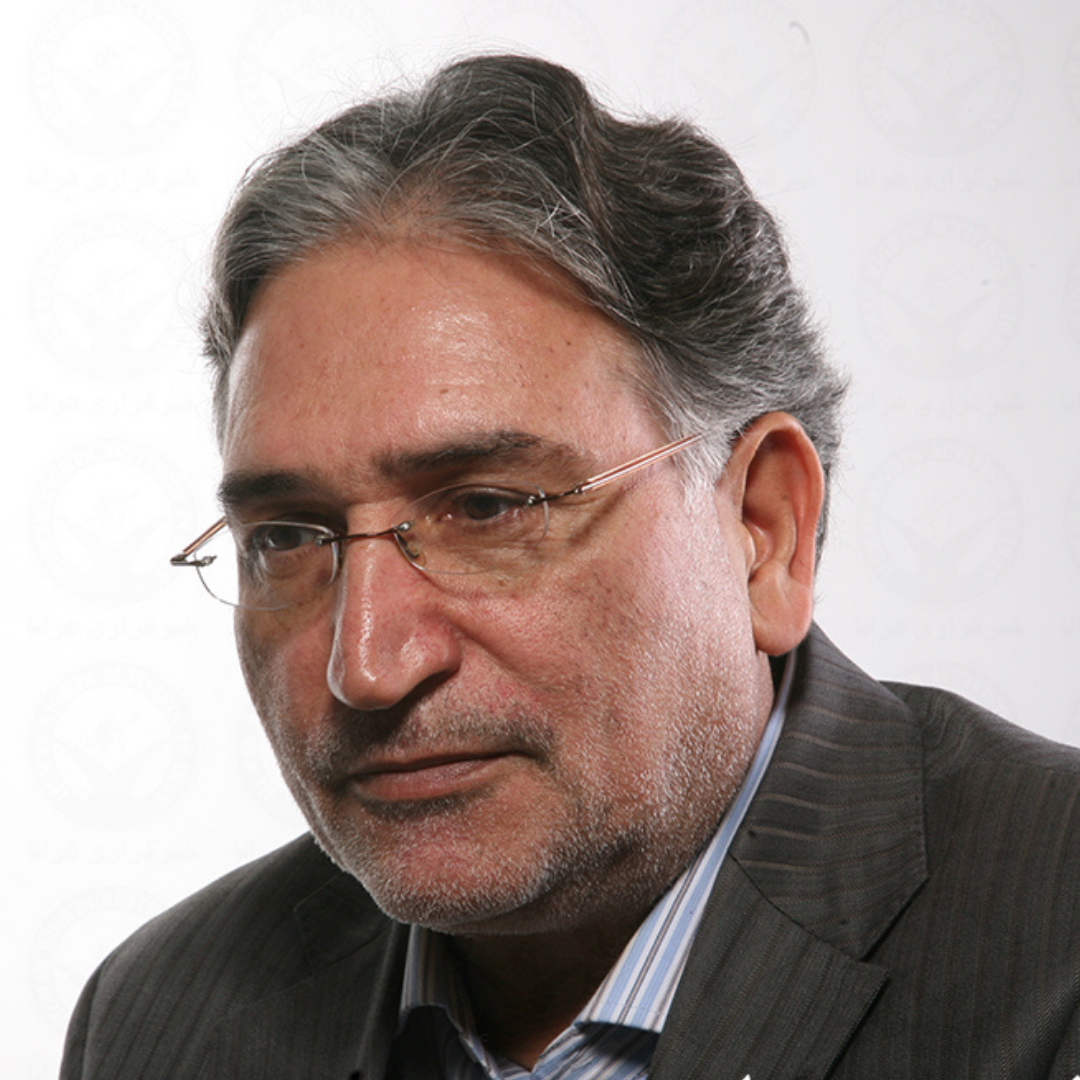
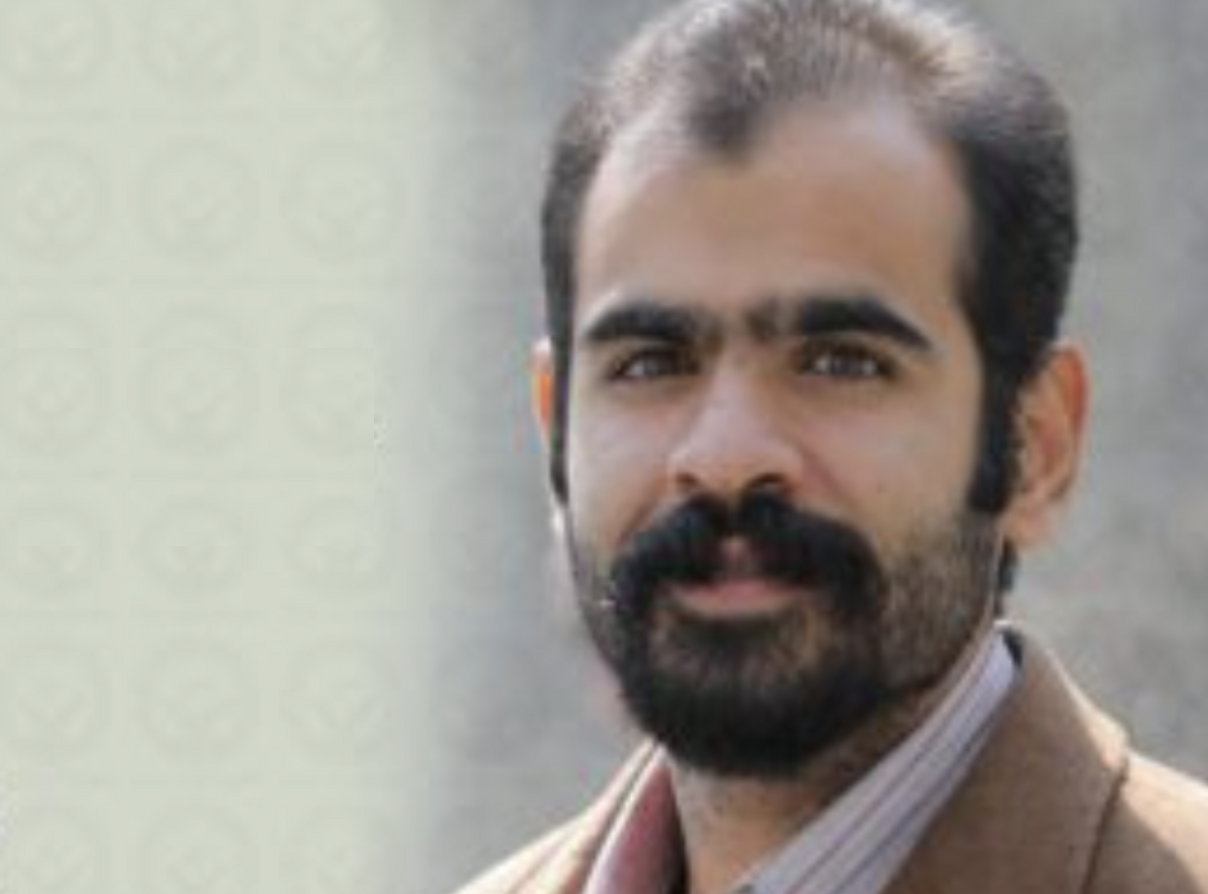
Mohammad Hossein Aghasi, Mohammad Nourizad‘s lawyer, told HRANA that his client is in critical condition in Evin Prison and that the duration of his hunger and drug strike has put him in serious danger.

According to HRANA, the news agency of Human Rights Activists, Aghasi emphasized that his client has lost 55 pounds and is experiencing severe hearing loss.

Aghasi stated that although the prison prosecutor recently agreed to send him on leave, Nourizad has refused the offer, stating that he will continue his strike until his request for his and his son’s unconditional release is fulfilled.

Ali Nourizad, Mohammed’s son, was arrested by security forces in Tehran in January 2020 for protesting a rally against the downing of a Ukrainian plane by the IRGC, and for expressing sympathy with the victims’ families.  He was released on bail a month later. The Tehran Revolutionary Court eventually sentenced him to 3 and a half years in prison. This sentence was upheld by the Tehran Court of Appeals. He has been serving out his sentence in Greater Tehran since October of last year.

Mr. Nourizad wants to be acquitted of all charges that were unjustly issued against him.

Mr. Aghasi added: “I really demand that the case of Mr. Nourizad and other people, who are known as the signatories of the leadership resignation statement from whom 11 are my clients, to be processed and judged by a fully independent judiciary so they can see how arguments about the convictions and issued sentences are completely incorrect.”

Earlier this year, UN experts expressed concern over the health condition of Mohammad Nourizad in Evin Prison and called for his immediate release.

66-year-old Nourizad is an Iranian director, screenwriter, journalist, and activist. Nourizad became an outspoken critic of the Islamic Republic a decade ago and has since been arrested and imprisoned several times for his civic work and visits to families of political prisoners.

As Mr. Aghasi stated, Nourizad has been wounding himself every day as a sign of objection; he has fainted 37 times. According to Aghasi, his conversations with his client and even the insistence of Nourizad’s wife and child did not work, and it seems that he has made his decision.

“I do not want my name to be on the list of those who are indifferent to current affairs,” Nourizad has said in a meeting with his lawyer. “And I am willing to give my life for it.”

Death Sentence Issued in Tehran

A defendant in Tehran was sentenced to death by Branch 11 of the First Criminal Court of Tehran Province.

According to HRANA, the news agency of Human Rights Activists, quoting Rokna news, the man was sentenced on charges of rape and assault.

According to the report, in November 2020, a young woman named Melika went to the police with her husband and filed a rape case against a young man named Taha, who had previously been her neighbor.

After the case was heard in court and consulting, the judges sentenced the defendant to death based on the evidence found in the case.

345 Students at the University of Tehran Sign Letter Protesting Expulsion of Kasra Nouri

Today, June 28, 345 students at the University of Tehran published letters addressed to the president of the university stating that Kasra Nouri’s expulsion was illegal.

According to HRANA, the news agency of Human Rights Activists, Kasra Nouri, a Gonabadi Dervish currently serving out a sentence in Adelabad Prison in Shiraz, was expelled from the University of Tehran for truancy.

“According to the executive order of the students’ disciplinary regulations, the University of Tehran has committed a completely illegal act in expelling the student’s optical fraction in addition to the elimination and police action,” the letter reads.

The full text of the letter follows:


Dear Dr. Nili,
President of the University of Tehran
Pursuant to Note 1 of Article 113 of the Executive Procedure of the Student Disciplinary Code, which explicitly states: The convict can continue his / her education and the university will assist the student in continuing his / her education as appropriate; If the term of the sentence is longer than the permitted period of study, the university will adapt the way of continuing education to the new educational situation. ”
Kasra Nouri has been imprisoned since February 2018, and it is practically impossible for him to go to university, and he should be dealt with under this note.
Therefore, we, the students of the University of Tehran, who are the signatories of this letter, strongly demand that the illegal expulsion of Kasra Nouri from the university be revoked immediately. ”


Kasra Nouri, a graduate student who had been pursuing a degree in human rights at the University of Tehran and was one of the webmasters of the website “Majzooban Noor” , was arrested during the Golestan 7 Incident at dawn on March 22, 2017, along with hundreds of other Gonabadi Dervishes, and transferred to the Greater Tehran Prison.

Mr. Nouri was sentenced by Branch 26 of the Revolutionary Court of Tehran, presided over by Judge  Ahmadzadeh,  to 12 years in prison, 74 lashes, 2 years in exile to Babajani, a 2-year ban on leaving the country, and 2 year ban from of membership in groups and political parties. Of this sentence, in accordance with Article 134 of the Islamic Penal Code,  7 and a half years were enforceable.

Nouri was transferred from Greater Tehran Prison to Adelabad Prison in Shiraz in December 2019. On March 29, he was once again transferred to Adelabad Prison in Shiraz.

Kasra Nouri was born in 1990. He had previously spent a period of imprisonment in No. 100 Shiraz Prison, Adelabad Prison in Shiraz, and Evin Prison in Tehran from 2011 to mid-2015 for  his online advocacy work for Gonabadi Dervishes.

HRANA Recap: This Week’s Protests in Iran

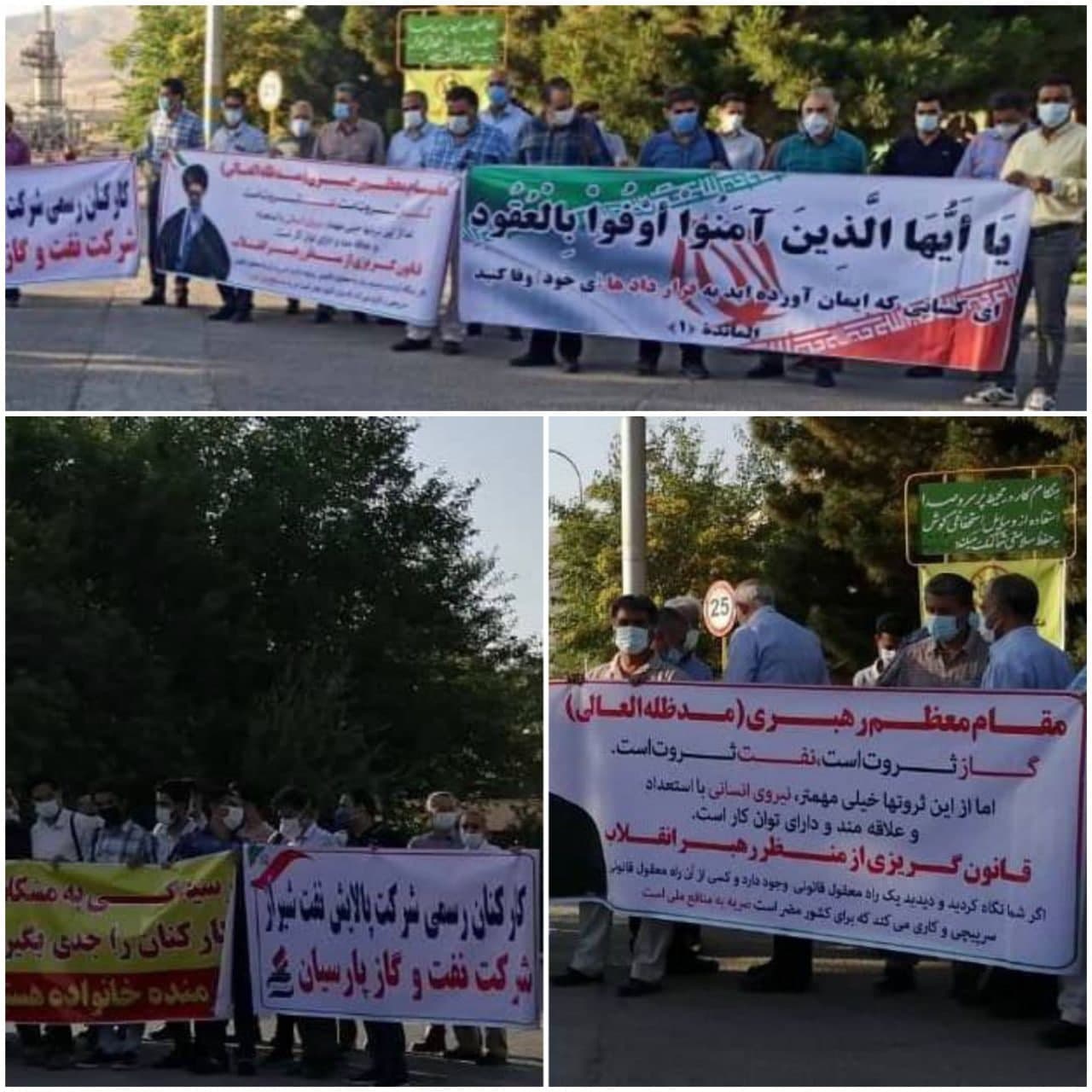
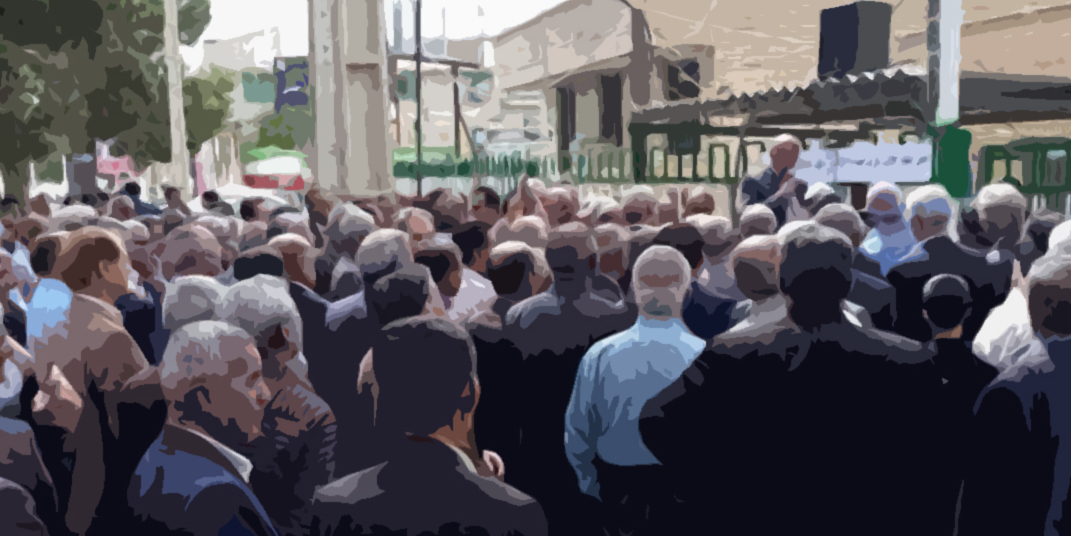
According to HRANA, the news agency of Human Rights Activists, a number of protests took place this week against the results of cities’ local elections and inadequate labor conditions. This week also featured the continuation of widespread labor strikes across the country. The oil industry, petrochemical industry and power stations experienced strikes in Abadan, Isfahan, Assaluyeh, Kerman, Qeshm Island, Yasuj, Bid Boland, and Urmia and Bushehr. Below is a brief recap and footage from some of the week’s demonstrations.


Saturday and Sunday, June 19-20

Several citizens in Yasuj protested the results of the city’s local elections in front of the Boyer-Ahmad government building.  A group of Tehran Metro staff held protest rallies in front of the metro operating company in Tehran. Project workers of Farab Company of Bidkhoon refinery in Assaluyeh went on strike and left their jobs.


Citizens in Yasuj:


Tehran Metro staff:


Project workers in Bidkhoon refinery in Assaluyeh:


Monday and Tuesday, June 21-22

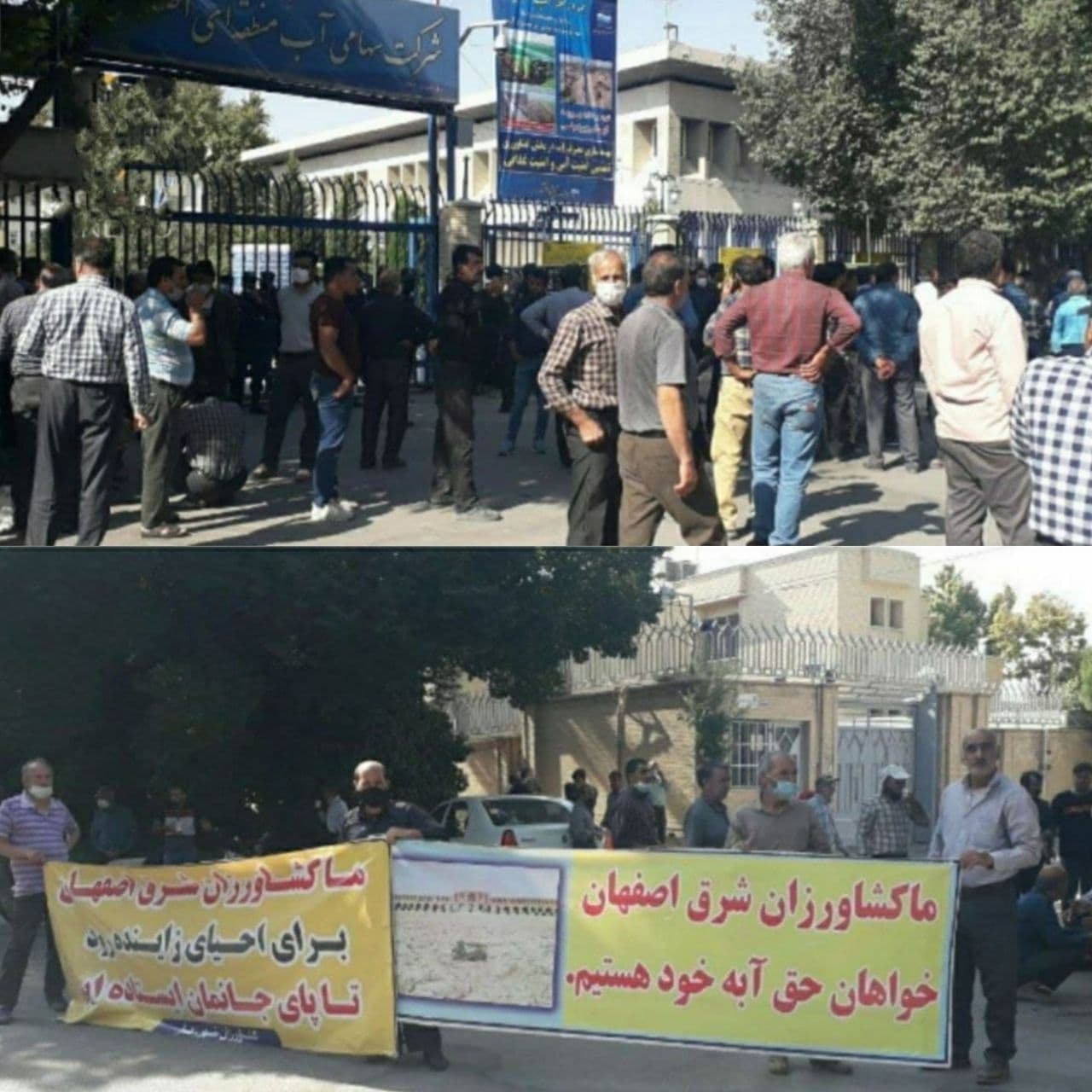
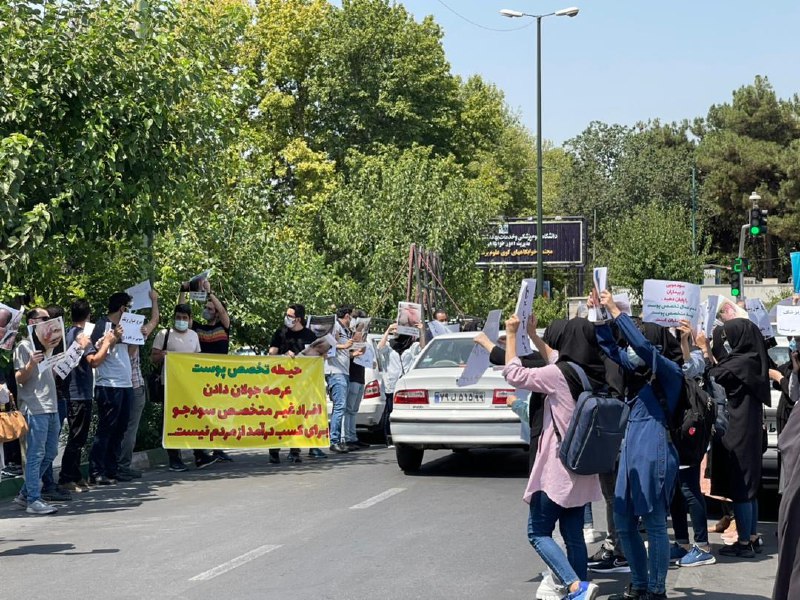
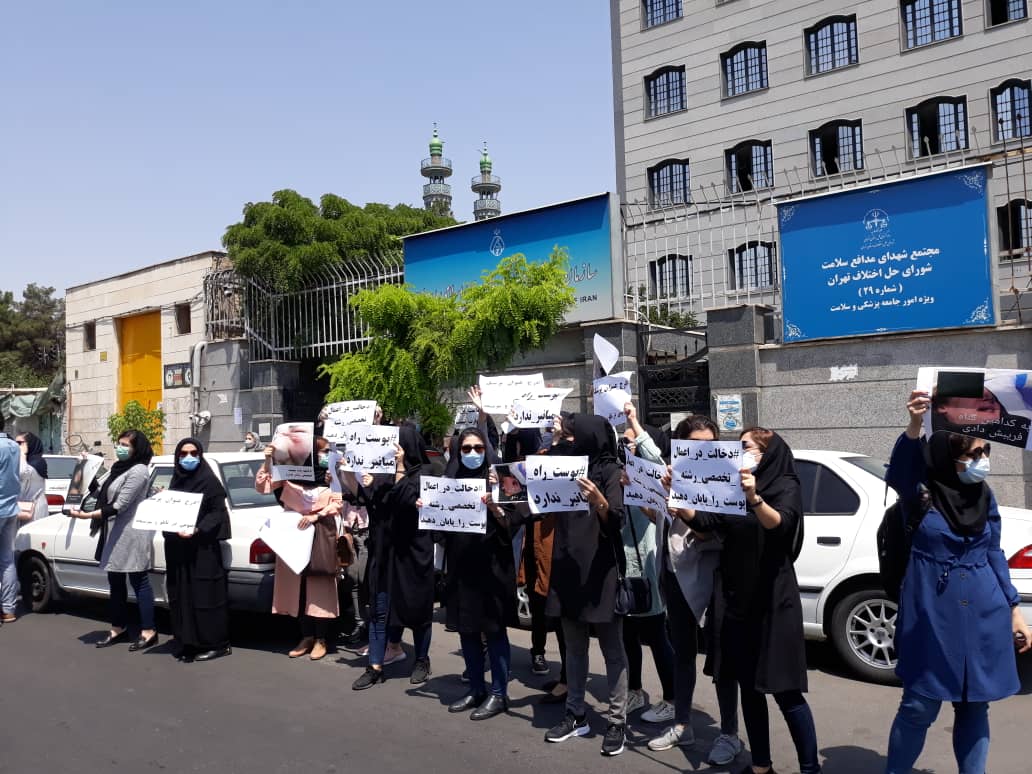
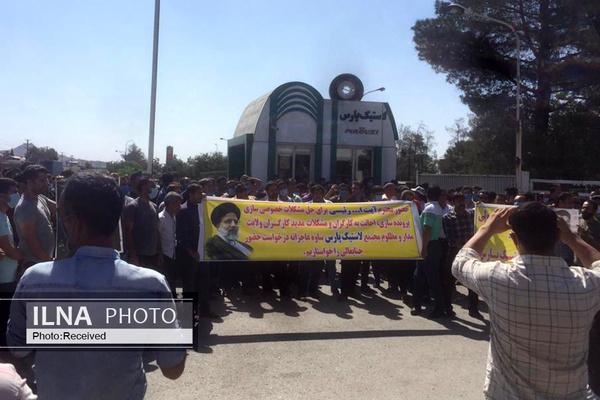
9 protest rallies and 11 workers’ strikes took place. A group of pharmacists in front of the Ministry of Health building in Tehran. Workers of Pars Tire in Saveh in Markazi Province rallied in front of the local factory. Workers of Sepahan Cement Company protested at their workplace, and a group of resident doctors in protested in the cities of Tehran, Urmia, Zanjan, Babol, Shiraz and Tabriz. Workers in Tehran Oil Refinery, Gachsaran Petrochemical Company, phases 13 and 14 of Assaluyeh, phase 13 of Kangan, Lidoma Company located in phase 13 of South Pars, AJC Company working in Abadan Refinery, Bidboland Refinery of Behbahan, Bushehr Petrochemical Company, Sina Palayesh Company Qeshm Island, and workers of Tehran Metro Line 5 went on strike.


Workers of Bidboland Gas Refinery in Behbahan:


Workers of Gachsaran Petrochemical Company:


Workers of Tehran Oil Refinery:


Workers of Lidoma Company located in phase 13 of South Pars:


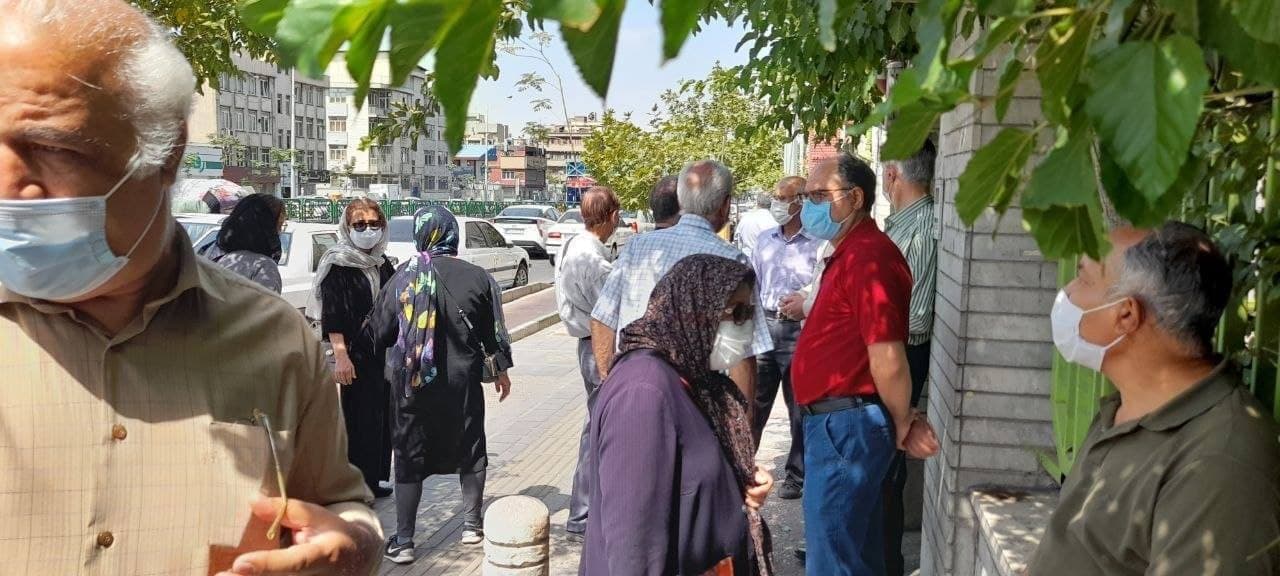
Pharmacists in Tehran:


Resident doctors in Tehran, Urmia, Zanjan, Babol, Shiraz and Tabriz:

Pars Tire workers:


Wednesday, June 23

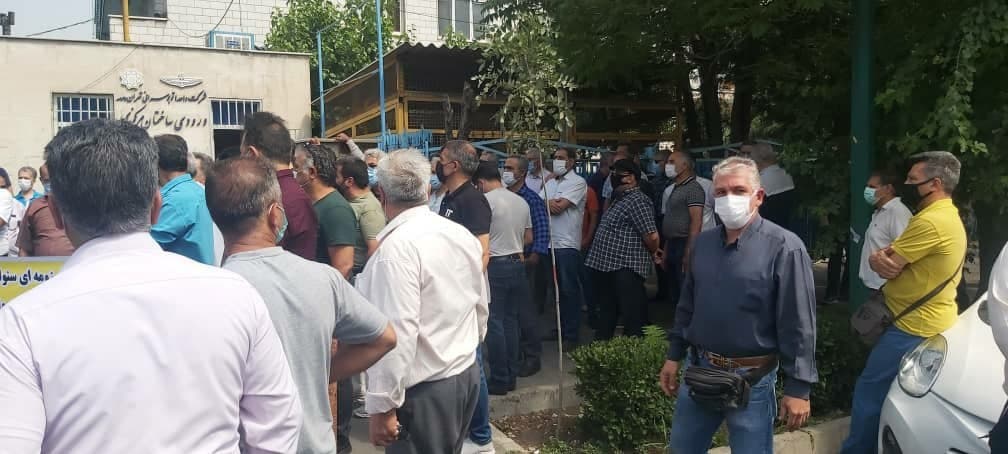
Workers of recently-closed stoning units of Hana Industrial Town located in Neyriz city in Fars gathered in front of the city government building. A group of employees of Ramin power station in Ahvaz city in front of the office building of the station, and a group of employees of Abadan refinery in front of the entrance door.


Ramin power station workers in Ahvaz:

Abadan refinery employees:


Thursday, June 24

Several residents of Maravneh village of Ahvaz city,  workers of Mapna 3 Qeshm power Station continued their participation in the nationwide protests of the workers of the country’s oil industry.


Mapna 3 power Station employees:

Residents of Maravneh village:


Friday, June 25

Workers of refineries, petrochemicals and power plants, workers of Yazd Steel, went on strike.

Middle-Aged Man at Risk of Execution for Drinking Alcohol

A middle-aged man who was arrested for a fourth time on charges of drinking alcohol has been confronted with a request for execution by the prosecutor’s representative.

According to HRANA, the news agency of Human Rights Activists, quoting the Iran Newspaper, the man has been arrested three times before and has endured a total of 240 lashes for drinking. Alcohol consumption is haram (forbidden)  in Islam, and is punishable under Islamic Law.

According to the report, the investigation of the case began earlier this year with a plea from one of the accused man’s neighbors.

The indictment was sent to the Fourth Branch of the Criminal Court of Tehran Province where the representative of the prosecutor requested the man’s execution.

The prosecutor has also requested punishment for the defendant for contempt, and for damaging the police station.

Subscribe to Our Newsletter

Now is definitely not the time to stop reading!

Sydney Pen Association Demands Immediate Release of Reza Khandan Mahabadi, Baktash Abtin and Keyvan Bazhan from Evin Prison

On Sunday, June 20, the Sydney Pen Association in Australia issued a statement in light of Ebrahim Ra’isi’s election as next President of the Islamic Republic.

According to HRANA, the news agency of Human Rights Activists, quoting the Writers’ Association of Iran, the statement calls for the immediate release of Reza Khandan Mahabadi, Baktash Abtin and Keyvan Bazhan, currently being held in Evin prison for their writings critical of the State. All three authors are members of the Writers’ Association of Iran, and each has published several books on Iranian history, sociology, and literature.

“The three authors need medical attention and authorities have not taken any of them to hospital,” the statement says.

In April, Baktash Abtin’s lawyer announced that his client had contracted COVID but had not received the necessary treatment. Reza Khandan Mahabadi suffers from osteoarthritis of the neck and Keyvan Bazhan has a thyroid disease. Penn Sydney was recently informed by inmates that another wave of coronavirus has spread to Evin Prison, further endangering the lives of its inmates.

The writers were first sentenced to imprisonment when now-president-elect Ebrahim Ra’isi was head of the judiciary on charges of propaganda against the Islamic Republic and acting against national security. They were also accused of attending the graves of disgruntled poets and writers and critics of the regime.

The prosecution cited the publication of a book on the history of the Writers’ Association of Iran, an institution that has criticized Iran’s past and present governments for decades, and the defendants were sentenced to a total of 18 years in prison by the Revolutionary Court of Tehran.

In January 2019, an appeals court in Tehran reduced the sentence to a total of 15 years and six months in prison. Baktash Abtin and Reza Khandan Mahabadi were sentenced to six years in prison each, and Keyvan Bazhan was sentenced to three years and six months.

Abtin, Khandan Mahabadi and Bazhan were arrested on October 26 of last year, after attending the Judgment Enforcement Unit of the Evin Court, and  were transferred to the infamous Evin Prison to serve out their sentences.

The statement cites a joint text by Reza Khandan Mahabadi, Baktash Abtin and Keyvan Bajan, which was issued from inside the prison on June 6, 2021.

Below is an excerpt from their text:


We are addressing all writers and libertarians who have made “freedom of expression everywhere and for all” the focus of their human endeavors. This is the demand that the historical-global movement for freedom of expression has practically and always pursued. The Writers’ Association of Iran, of which we are three members, has been active as part of this movement for more than half a century; A movement that must be enhanced by its power and volume; Because apart from the daily threat of freedom of expression by the ruling powers, many people in the world are completely deprived of it; Including writers and people of Iran. We are currently in prison, and according to the sentence, we have to endure a total of 13 and a half years in prison because we are writers who oppose censorship and demand freedom of expression without exception. We are not the first prisoners and oppressed of this movement and we will not be the last until “freedom of expression everywhere and for everyone” is achieved.


Reza Khandan Mahabadi, Baktash Abtin, Keyvan Bazhan


Bektash Abtin concluded in his story to Sydney Pen Association president Mark Isaac,  “Freedom is never given to anyone on a gold tray; it comes at a high price. In a country like Iran, death very easily finds intellectuals, libertarians and those who fight for freedom of expression. We are not worried about the trial and the prison and its difficulties, because we have made our decision.”

Ahmad Reza Jalali’s Lawyer Expresses Concern About His Condition in Evin Prison

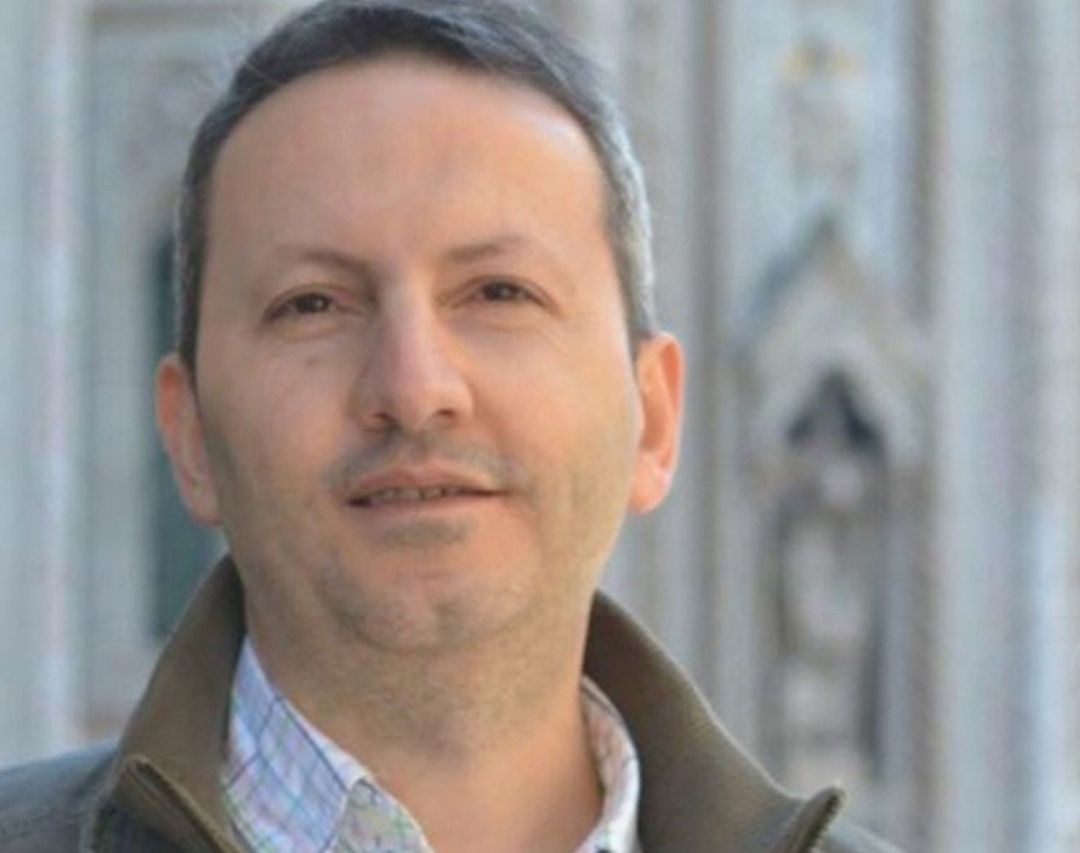
Ahmad Reza Jalali’s lawyer, Helaleh Mousavian, has expressed concern about her client’s condition in Evin Prison. According to HRANA, the news agency of Human Rights Activists, Reza Jalali is a university professor and dual citizen of Iran and Sweden currently on death row.

The professor, who traveled to Iran in May 2016 at the invitation of the University of Tehran, was arrested by security forces on charges of “moharebeh through espionage for Israel”. Moharebeh, loosely translated as “waging war against God”, is a pillar of Sharia Law that is typically applied to those suspected of connection to any acts against the state.

Mr. Jalali was sentenced to death for espionage, and the sentence was upheld by the Supreme Court in December 2017.

Ahmad Reza Jalali worked at the Center for Natural Disasters after graduating from medical school in Iran. He immigrated to Sweden in 2009 to continue his studies and earned a doctorate. He completed his postdoctoral in Disaster Medicine at the University of Piedmont in Italy, and later, settled in Sweden with his wife and two children.

According to a HRANA report published in November 2020, Ahmad Reza Jalali was transferred to solitary confinement for a week to be prepared for execution. In December of that year, Ms. Mousavian was informed that her client’s death sentence was put on hold and he was transferred to ward 209 of Evin prison.

“Fortunately, Mr. Jalali was transferred to a public ward in April, but so far, despite all the efforts, his death sentence has not changed,” Mousavian said. “I am very worried about my client, especially now that the presidential election is over and the result is out. Despite my repeated expressions of concern, no effective action has been taken by the country of dual citizenship and the European Union.”

Man Sentenced to Death in Tehran Under Qisas (Eye-for-an-Eye) Principle of Shariah Law

A man was recently sentenced to death in Tehran under the “Qisas” (loosely translated as eye-for-an-eye) principle of Shariah Law.

According HRANA, the news agency of Human Rights Activists, quoting the Javaonline News, a defendant was sentenced to death on a charge of murder by the criminal court in Tehran province.

The victim’s wife, who orchestrated the killing, was also sentenced to a prison time of 15 years.

According to international organizations, Iran ranks first in the world in citizen executions per-capita. The Statistics and Publication Center of the Human Rights Activists in Iran (HRAI) reported that between January 1st and  December 20th of 2020, at least 236 citizens were executed. One of these citizens was executed publicly, and two were juvenile offenders. An additional 95 citizens were sentenced to death.

HRANA Recap: This Week’s Protests in Iran

According to HRANA, the news agency of Human Rights Activists, a number of protests took place in different parts of the country this week. Below is a quick recap and footage from the demonstrations.


Saturday, June 12

On Saturday, June 12, a group of rice farmers in Khuzestan rallied in front of the governor’s office. In Tehran, retired drivers of the Tehran Bus Company gathered in front of the company’s headquarters. Contract workers of the maintenance unit for Tehran Metro Line 5 held a rally in front of Hashtgerd metro station, a group of shareholders of Cryptoland Exchange who lost money to the company rallied in front of the Economic Crimes Court building, and family members of SMA patients gathered in front of the Ministry of Health building.

Rice farmers in Khuzestan:


Retired bus drivers in Tehran:

Workers of the maintenance unit for Tehran Metro:

Shareholders of Cryptoland Exchange:


Sunday, June 13

On Sunday, June 13, a group of shopkeepers in Gachsaran in Kohgiluyeh and Boyer-Ahmad Province gathered in front of the governor’s office. A group of veterans who were injured during the Iran-Iraq war rallied in front of the Martyr Foundation building in Tehran, several drivers and workers of the Tehran Bus Company heled a rally in front of the city council building, and Cryptoland exchange shareholders gathered in front of the Economic Crimes court building again.

Shopkeepers in Gachsaran:

Injured Iraq-Iran war Veterans:


Bus drivers in Tehran:

Shareholders of Cryptoland Exchange:


Monday, June 14

On Monday, Several fishermen in Kharg city of Kharg Island gathered in front of the border checkpoint. A group of workers of Tehran Jonoob company protested in Mahshahr in Khuzestan Province.  Landowners in the new city of Pardis, rice farmers in Khuzestan Province, and fired workers of Khuzestan Pipe Industrial Company also held rallies.

Fishermen in Kharg island:


Workers of Tehran Jonoob company in Mahshahr:


Landowners in the new city of Pardis:


Tuesday, June 15

A group of delivery motorcyclists in Laleh Park in Tehran, and a group of families of Bafgh phosphate mine workers in the conference hall of Ahanshahr town held protest rallies.

Delivery motorcyclist in Laleh Park in Tehran:

Wednesday, June 16

The staff of Telecommunication Company of Khuzestan in the cities of Shushtar, Masjed Soleiman, and Ahvaz gathered in front of their cities’ Telecommunication Offices. Shareholders of the “Mashhad Mall” project rallied in front of the building of Ayandeh Bank in Mashhad. Workers of Tehran Jonoob Company held protest rallies for the third day in a row in Mahshahr.


Protest of staff of Telecommunication Company in Khuzestan:

Shareholders of Cryptoland Exchange:


Workers’ protest in Haft Tappeh Sugarcane Agro-Industry:


Protest of workers in Mashhad Mall project:


Milad Yazdan Nejad and Aram Fathi Arrested by Security Forces

Two citizens were arrested by security forces this week and taken to unknown locations.

According to HRANA, the news agency of Human Rights Activists, on June 15, security forces arrested Milad Yazdan Nejad, and transferred him to an unknown location. Nejad is a former political prisoner and resident of Tehran.

According to Kurdistan Press Agency, on June 17, Aram Fathi, a resident of Marivan city in Kurdistan province was arrested by security forces at his private home and taken to an unknown location.

Per a relative of Mr. Fathi, he was arrested at his home without a court order, and judicial and security authorities refused to provide a clear answer as to the reasons for the detention.