Two Citizens Violently Arrested by Security Forces Without a Warrant in Zahedan

On September 26, Yaser Narouie and Yasin Narouie were beaten and arrested by security forces in Zahedan.

According to HRANA, the news agency of Human Rights Activists, quoting the Baloch Activists Campaign, the report quoted an informed source as saying, “Agents beat and arrested the two citizens in Khavar mall of Zahedan in Sistan and Baluchestan Province without showing a court order and transferred them to the office of C.I.D Police of NAJA in handcuff and shackles.”

As of this writing, no information is available on the reasons for the detention of these citizens.

Residents of Sistan and Baluchestan Province who do not have ID being Denied Coronavirus Vaccine and Other Medical Services

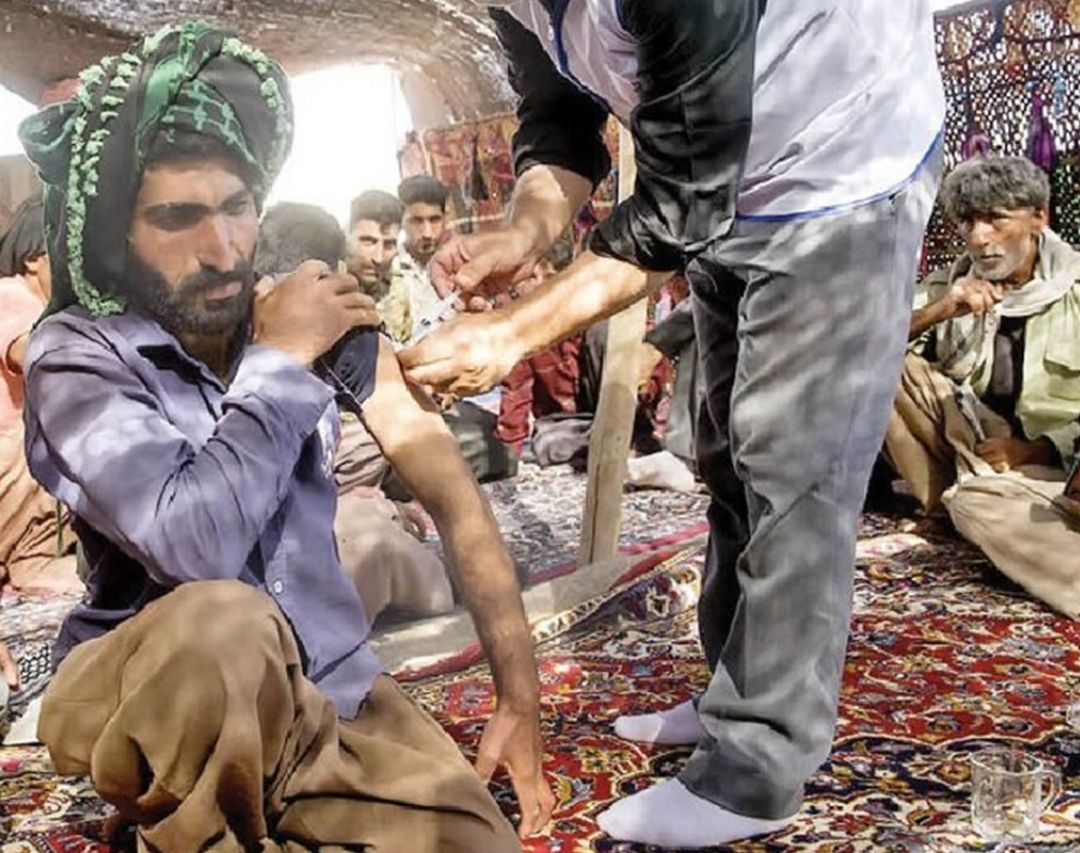
Despite numerous reports indicating a significant increase in the number of infected patients and deaths in Sistan and Baluchestan Province, many people in the province who do not have ID have been denied vaccination, even when vaccines are not in short supply.

According to HRANA, the news agency of Human Rights Activists, quoting Hamshahri, in Sistan and Baluchestan Province, COVID vaccines remain inaccessible for many citizens.  Medical centers in several of the province’s cities are few and far between, and many of the roads by which to reach them are poorly-maintained.

Fatemeh Kaykhah, a general practitioner who has participated in a camp on the outskirts of Zahedan, commented on the predicament.

“I visited 60 patients in the Hemmatabad neighborhood, and I had enough vaccine doses to inject them, but 50 of them did not have any kind of ID,” Kaykhah said. “It was very bitter the moment they left the clinic without getting vaccinated. The taste of being different this time is more bitter than ever for people who have never been issued an ID, perhaps even more deadly. The problem is not just the vaccine, if they die from the corona, they do not come in any statistics because they do not have identity documents. [it is like] They did not exist from the beginning nor they will at the end.”

There are, unsurprisingly, no definite statistics on the number of people who do not have identity documents in Sistan and Baluchestan Province, but according to a former Zahedan resident, some estimate the number to be around 100,000, with 30 percent living in Zahedan.

Noor, a girl who has no ID, has heard that enough doses of COVID vaccine have arrived in the province. ‌ “We are also the people of this country,” she said. “Couldn’t they let us just this one time to get vaccinated? Are our lives not in danger? Why is the vaccine being withheld from us?”

Beyond the vaccine issue, the multitude of barriers to health insurance make it difficult for residents to get the medical attention they need. People who have not been issued identity documents cannot have health insurance, and out-of-pocket treatment expenses are very high. Many in severe need of medical care are refusing to go to health centers because they either do not have the financial resources to get health insurance, or because their lack of identification prohibits them from seeking it out.

According to the Director General of the Sistan and Baluchestan Province Registry, since 2013, the cases of more than 9,000 households who did not have ID have been processed, resulting in the issuance of about 30,000 identification documents. More than 1,500 cases of citizenship have been denied.

Two Inmates Executed in Kerman Prison on Drug-Related Charges

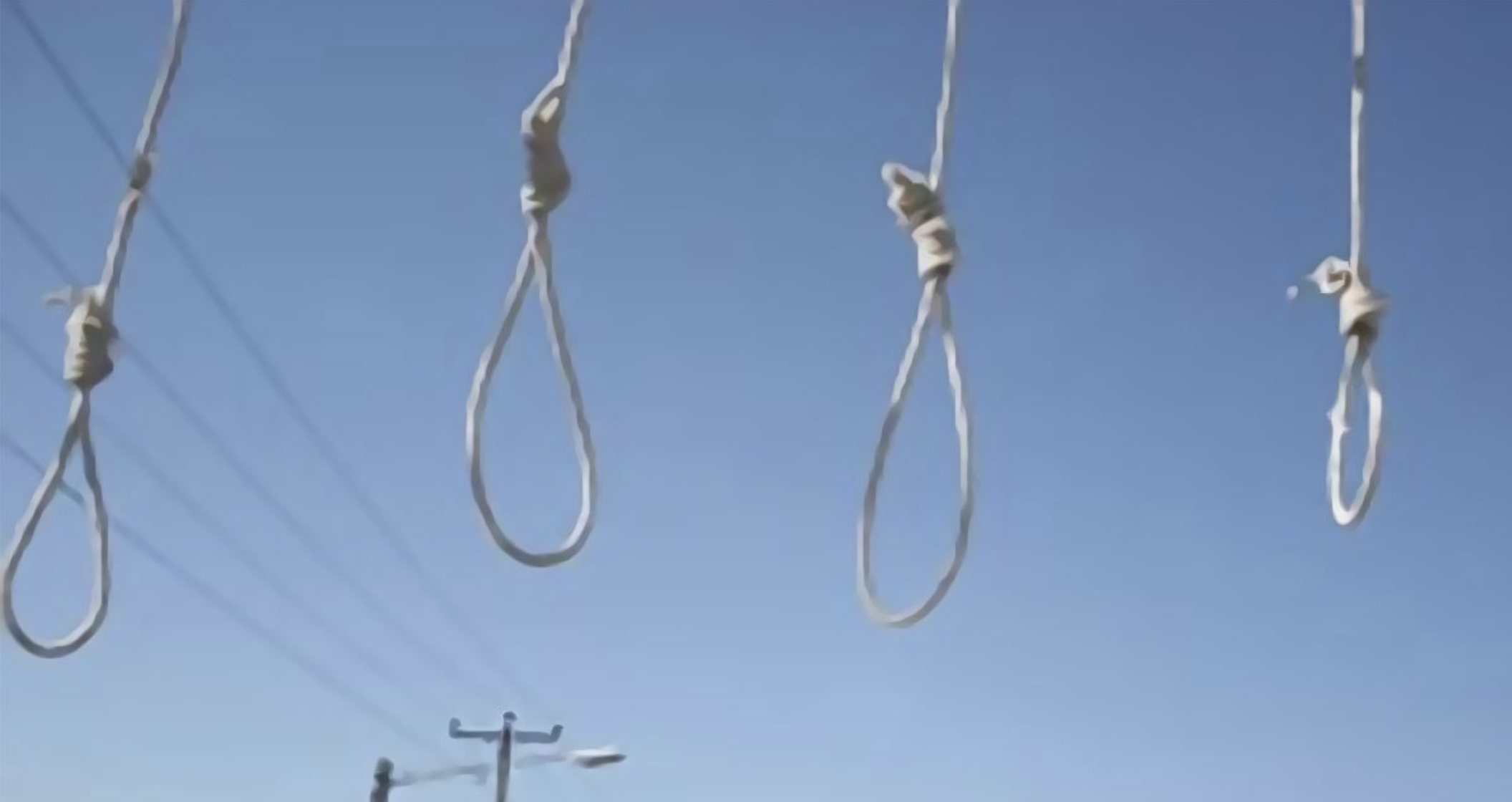
Two prisoners who were previously sentenced to death on drug-related charges were executed in Kerman Prison yesterday morning, Monday, August 9.

According to HRANA, the news agency of Human Rights Activists, quoting The Baloch Activists Campaign, the identities of the prisoners are Nabi Noti Zehi and Ebrahim Ghanbarzehi from Zahedan in Sistan and Baluchestan Province.

Iran ranks first in the world in citizen executions per capita, according to international organizations. The Statistics and Publication Center of the Human Rights Activists in Iran (HRA) reported that between January 1 and December 20 of 2020, at least 236 citizens were executed.

One of these citizens was executed publicly, and two were juvenile offenders. An additional 95 citizens were sentenced to death.

According to the same report, more than 72% of executions in Iran are not reported by the government or the judiciary, which human rights organizations call “secret” executions.

The execution of these prisoners has not been announced by Iranian media or official sources as of this writing.

At Least 4 Inmates Executed in Birjand Prison and Isfahan Prison

None of these executions have been announced by Iranian media or official sources as of this writing.

At dawn on Sunday, August 8, two inmates were executed in Birjand Prison and two other inmates were executed in Isfahan Prisons.

According to HRANA, the news agency of Human Rights Activists, quoting Rasank news, all 4 prisoners had previously been sentenced to death on drug-related charges.

The two inmates executed in Birjand Prison have been identified as Zabihollah Hormozi, known as Mehrollah Sanjarani, from Zahedan, and Majid Goleh Bacheh from Torbat-e- Jam.

The two prisoners executed in Isfahan Prison are Azam Mohammad Hosseini (Kiazehi) and Seyed Esmail Kord Tamini, both from Zahedan.

Iran ranks first in the world in citizen executions per capita, according to international organizations. The Statistics and Publication Center of the Human Rights Activists in Iran (HRA) reported that between January 1 and December 20 of 2020, at least 236 citizens were executed. One of these citizens was executed publicly, and two were juvenile offenders. An additional 95 citizens were sentenced to death.

According to the same report, more than 72% of executions in Iran are not reported by the government or the judiciary, which human rights organizations call “secret” executions.

The execution of these 4 prisoners has not been announced by Iranian media or official sources as of this writing.

Prisoner Executed on Drug-Related Charges in Isfahan Prison

At dawn on Sunday, July 25, a prisoner named Ebrahim Shah Bakhsh was executed in Isfahan Prison.

According to HRANA, the news agency of Human Rights Activists, quoting the Baloch Activist Campaign, Bakhsh had previously been sentenced to death on drug-related charges. Mr. Shah Bakhsh was 23 years old and a native of Zahedan.

Iran ranks first in the world in citizen executions per capita, according to international organizations. The Statistics and Publication Center of the Human Rights Activists in Iran (HRA) reported that between January 1 and December 20 of 2020, at least 236 citizens were executed.

One of these citizens was executed publicly, and two were juvenile offenders. An additional 95 citizens were sentenced to death.

According to the same report, more than 72% of executions in Iran are not reported by the government or the judiciary, which human rights organizations call “secret” executions.

Bakhsh’s execution has not yet been announced by Iranian media or official sources.

Subscribe to Our Newsletter

Now is definitely not the time to stop reading!

Idris Gergij and Hashem Torabi Executed in Zahedan Prison

Idris Gergij and Hashem Torabi, two inmates who were previously sentenced to death for murder, were executed last week at Zahedan Prison.

According to HRANA, the news agency of Human Rights Activists, Idris Gergij, who had previously been sentenced to death under the “Qisas” (an eye for an eye) principle of Islamic sharia law, was executed on Monday, July 5. On June 26, 33-year-old Hashem Torabi was executed after having been held in Zahedan Prison for about 7 years.

Iran ranks first in the world in citizen executions per capita, according to international organizations. The Statistics and Publication Center of the Human Rights Activists in Iran (HRA) reported that between January 1 and December 20 of last year, at least 236 citizens were executed.

One of these citizens was executed publicly, and two were juvenile offenders. An additional 95 citizens were sentenced to death.

According to the report, more than 72% of executions in Iran are not reported by the government or the judiciary. Human rights organizations call these “secret executions”.

The execution of Gergij and Torabi has not been announced by Iranian media or official sources as of this writing.

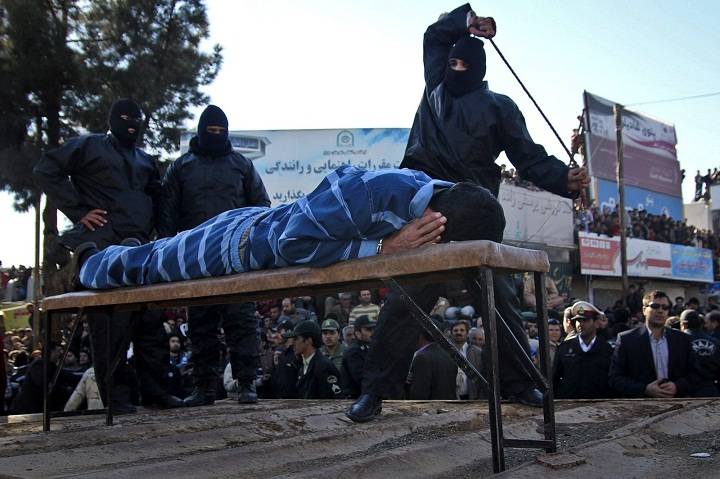
14 Economic Defendants Sentenced to a Total of 450 Lashes in Sistan and Baluchestan

Zahedan Public Prosecutor and Revolutionary Council Mehdi Shamsabadi  announced the issuance of 450 lashes for 14 economic defendants in Sistan and Baluchestan Province.

According to HRANA, the news agency of Human Rights Activists, quoting IRNA, Shamsabadi stated that this case is one of the most important economic crimes cases in Sistan and Baluchestan Province.

The 14 defendants were sentenced to a total of 450 lashes, 184 years in prison, fines of Three billion and three hundred and two million Toman (about $132,000,00), and confiscation of property.

Iran is one of the few countries that has continued to use humiliating punishments despite the International Covenant on Civil and Political Rights’ explicit prohibition of the use of inhumane and degrading punishments, including the death penalty and flogging.

Citizen Sentenced to Public Execution in Zahedan

A prisoner in Zahedan was recently sentenced to execution in public.

According to HRANA, the news agency of Human Rights Activists, quoting Rokna News, the prisoner was arrested for the murder of his wife and two of his wife’s relatives in Zahedan.

The Public Prosecutor of Sistan and Baluchestan Province said, “A death sentence has been issued for an angry groom who killed a number of his wife’s family members, and if approved by the Supreme Court, he will be executed soon.”

Mehran Naruyi Executed in Isfahan After IRGC Refuses to Provide Letter of Suspension to Prison Officials

On May 16th, Mehran Naruyi was executed on drug-related charges in Dastgerd Prison in Isfahan, despite widespread calls to suspend the process until a fair trial could take place.

According to HRANA, the news agency of Human Rights Activists, quoting The Baloch Activists Campaign, on May 15th, Naruyi was transferred to solitary confinement in Dastgerd Central Prison before the execution.

Per the report, an informed source said “during the prisoner’s last meeting with his family, prison officials pointed out that they would suspend the sentence if they received a letter from the imam of Isfahan and Revolutionary Guards. However, the IRGC’s Intelligence Organization refused to provide the letter.”

On May 16, 2021, Amnesty International called for an stop to the execution of Naruyi, writing: “The Iranian authorities should grant this prisoner the right to a fair trial without resorting to the death penalty, as well as forcing confessions under torture.”

According to international organizations, considering its population, Iran ranks first in the world in the execution of its citizens. The Statistics and Publication Center of the Human Rights Activists in Iran (HRAI) reported that between January 1 and December 20 of 2020, at least 236 citizens were executed. One of these citizens was executed publicly, and two were juvenile offenders. An additional 95 citizens were sentenced to death.

According to the report, more than 72% of executions in Iran are not reported by the government or the judiciary. Human rights organizations call these “secret executions.”

Mehran Naruyi, son of Khodadad, is from Nosratabad city of Zahedan in Sistan and Baluchestan province. As of this writing, this execution has not been announced by any Iranian media or official sources.

A Daily Overview of Human Rights Violations in Iran for January 2, 2019

The following is an overview of human rights violations in Iran on January 2nd, 2019 based on the information compiled and verified by Human Rights Activists News Agency (HRANA).

(1) Ali Ahmadi, a Baha’i citizen, who was transferred to solitary confinement on November 20, was released on bail in Qaem Shahr. He had been arrested on the charge of ‘propaganda against the state’ at least five times in the last 10 years.

(2) A fire started in an oil stove used to heat a classroom followed by an explosion resulted in severe injury of a student. Ali Totazehi’s legs were severely burned in this incident in Zehak County in the Sistan and Baluchestan province. A similar incident caused three deaths and few injuries in Zahedan.

(3) Narges Mohammadi and Nazanin Zaghari began their hunger strike protesting the prison medical care. They did not receive the medical care that they need and that they are entitled to while they are incarcerated.

(4) Alireza Tavakoli, a prisoner of conscience, began his Hunger strike protesting the lack of medical care in prison. He was transferred from to quarantine due to his contagious illness, but the prison officials denied transferring him to hospital.

(5) Retired employees of the Army and the Social Security Organization in Tehran and Mashhad, farmers in Isfahan, public service workers in Nishabur and Sarband, Employees of Imam Khomeini hospital in Karaj, the employees of Vahdat Ahvaz financial institute, and the workers of Khorasan Exhaust Manufacturing Company in Nishabur city have separately held nine protests.

(6) The head of Ardabil Department of Environment announced that 199 poachers have been arrested and 74 more rangers are needed in Ardabil province.

(7) The authorities have not allowed Mohammad Hossein Aghasi, the lawyer of two detained environmentalists to represent or even visit them. Aghasi added that five of the detained activists faced the “corruption on earth” charge. The environmentalists who were arrested last year are Houman Jokar, Sepideh Kashani, Niloufar Bayani, Amirhossein Khaleghi, Sam Rajabi, Taher Ghadirian, Abdolreza Kouhpayeh, Morad Tahbaz, Hasan Zareh, Aref Zareh, Morteza Aryanejad, Alireza Farhadzadeh, and Kavous Seyed Emami. Seyed Emami, an environmentalist and professor, was arrested as part of this crackdown and reportedly died in detention under unknown circumstances two weeks after his arrest.

(8) The court of 13 Baha’i citizens which was scheduled for today, was canceled because the judge needs more time to study their case. They are identified as Peyman Ghiami, Ezatollah Shahidi, Forouzan Amini, Kambiz Moradipour, Amrollah Eslami, Nematollah Shadabi, Parhan Tabianian, Naghmeh Shadabi,  Farzaneh Amini, Sinoo Rasouli, Sepideh Ehrari, and Amir Kadivar.

(9) The court was on session on January 2, 2019 for Mohammad Khakpour , an Azerbaijani Turkic rights activist on the charge of ‘propaganda against the state’.

(10) Mohammad Taher Noorzehi, who has been a prisoner of Zahedan prison for the last 13 years, received 40 lashes in front of the other prisoners. Zahedan prison officials have a record of abusive and discriminative behavior.

(11) Two Kulbars (Kurdish back carriers), Saber Mohseni and Amanj Shekari, were injured by border patrol shots in the cities of Nowsud and Baneh.

(12) Five people with drug-related charges were sentenced to death in West Azerbaijan province. Two prisoners were accused of adultery faced 99 lashes each. One of them also was sentenced to death on a charge of murder.

(13) The director of Cyber Space Department of the Attorney-General Office confirmed that Instagram will be blocked in the country.

(14) Molavi Abdoljalil Naamani, a Baloch Sunni cleric who is a school principal in Sarbaz city, was summoned to intelligent office of Rask county for an unknown reason. He was requested to accompany one of the students, Balal Khandan.