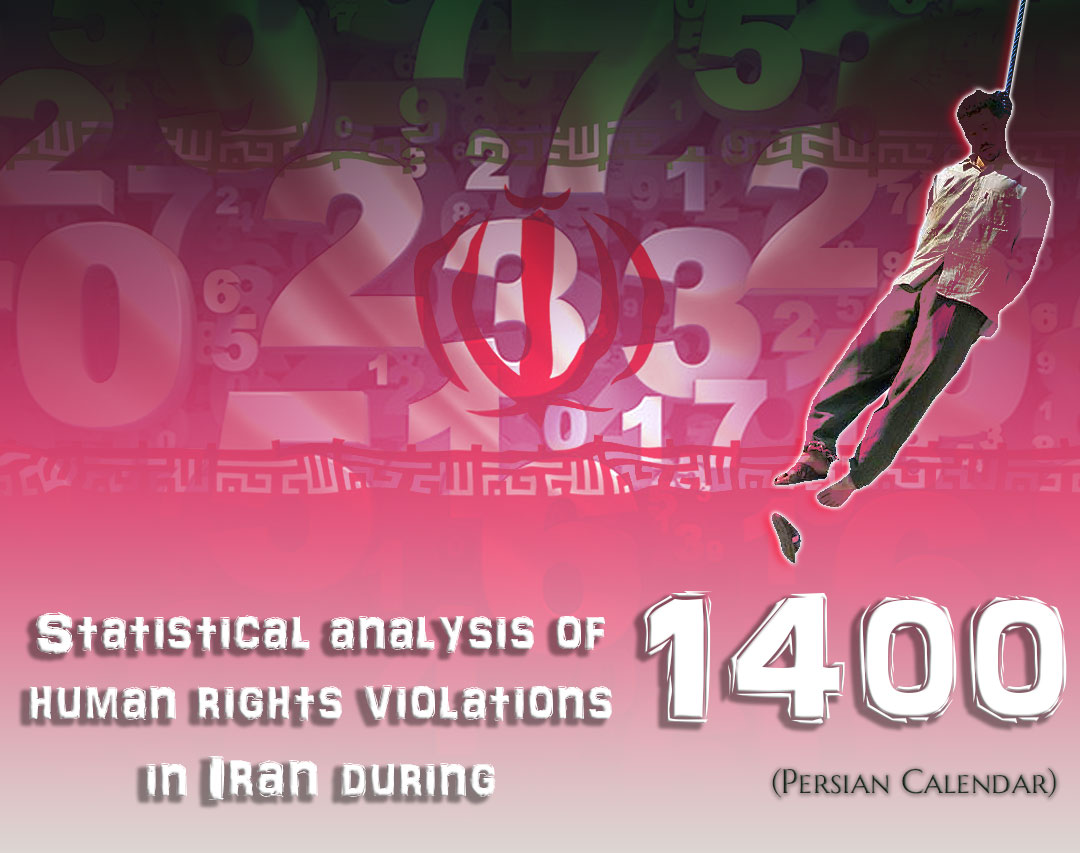
HRANA– As Iranians celebrate the Persian New Year, HRANA takes a look back at the year 1400 Hijri (March 21, 2021 – March 16, 2022).
The regime’s security and judicial authorities continued to systematically violate human rights–including the right of freedom of expression, freedom of religion, and the right to discrimination. The regime remained steadfast in its commitment to arbitrarily prosecute and torture human rights activists, execute juvenile offenders after disproportionate and lengthy detentions, it failed to meet obligations to protect women and gender minorities against violence, it took dual and foreign nationals hostage, held prisoners in inhuman conditions, failed to meet obligations to protect the right to health, namely with respect to the COVID-19 pandemic, it continued notorious torture of prisoners, imposed cruel corporal punishments such as flogging, deprived prisoners of conscience adequate medical treatment, and imposed harsh, disproportionate sentences on political prisoners. The list goes on.
Arrests
Based on data gathered from 6,722 reports registered by the Statistics and Publication Center of Human Rights Activists in Iran (HRA):
- 1,734 people were arrested for their political activities or the expression of their beliefs and opinions.
- 141 people were arrested for adopting a lifestyle considered by the regime unacceptable–including for hosting or attending private parties that were deemed to be in violation of Islamic principles.
- 11 people were arrested for modeling, dancing, playing/listening to inappropriate music, and other cultural activities.
Of those arrested:
- 1,047 people were detained for expressing their opinion and beliefs, including 22 minors, 117 workers’ rights activists, 92 journalists (and social media) activists, 64 religious minorities, 6 womens’ rights defenders, and 370 ethnic minorities.
*From the latter, the charges against 347 arrestees are unknown. However, considering HRA’s knowledge of the security institutions in any given area, these arrests have been included in the category of ethnic minorities.
The above figures exclude hundreds of people who were arrested and dozens who were killed or injured during the July 2021 Khuzestan protests (over water shortage and mismanagement), The figure also excludes at least 214 arrestees (including 13 minors) during the 2021 Isfahan water protests. The Security forces and police brutally cracked down on protestors using batons, tear gas, and pellet guns.
Sentencing
Across the country, Public and Revolutionary Courts handled a total of 310 legal cases amounting to a combined total of 12,760 months in prison and a combined total of 667,250,000 tomans in fines (approx. 22,241 USD). In addition, the courts handed down a combined total of 556 months of suspended imprisonment for charges related to political activities.
Iran’s judicial system continued imposing “inhuman” punishments which are at odds with fundamental human rights and dignity. In a gruesome example, the courts ruled for the mutilation of eyes –which was carried out. The courts continued to issue flogging sentences contrary to international obligations. In addition, issued a combined total of 4,081 lashes (a combined total of 397 lashes carried out in the given period).
Child Rights
Given that many child abuse cases are silenced by families and government institutions, the available statistics do not reflect an accurate depiction of the issue. Nonetheless, at least 7,764 child abuse cases, 16 cases of sexual abuse and rape, 16 cases of juvenile homicide, 4 cases of juvenile honor killings, 3 self-immolations, 92 suicide attempts, 3 acid attacks, 29 cases of child trafficking and sales, and more than 20 thousands child marriages. In addition, 3 million children dropped out of school in the given time period.
Although there is no accurate data on the number of child laborers due to activities of organized crime institutions and the government’s failure to tackle this issue, the Iranian Scientific Association of Social Work (ISASW) estimates at least seven million children are active in the workforce.
Women’s Rights
At least 21,594 cases of domestic violence against women were recorded. Considering the flaws in the law system and entrenched gender inequality in society, the real figures are likely much higher. During the given period there were a registered 12 acid attacks, 4 rapes and/or sexual assaults, 15 female homicides, 10 female self-immolations, 4 suicides, and 20 honor killings.
Use of Force (Kolbars and Sukhtbars)
In the given period, a total of 203 citizens were shot by the regime’s military forces. In these incidents, 91 people were shot dead including 26 Kolbars (Cross Border Carriers), 13 Sukhtbar (Fuel Border Carriers), and 52 other civilians. 112 people were injured, of the injured, 82 people were Kolbars, 12 Sukhtbar, and 18 other civilians.
Additionally, 34 Kolbars were affected by climate and geographic factors such as freezing temperatures and falling from heights. In these accidents, 21 Kolbars were injured and 13 ultimately died.
It is of note that landmine blasts took the life of 25 citizens and maimed 65 others during this year. Most of these landmines are the remnants of the Iran-Iraq War. The Regime still shirks its responsibility to clear these landmines and hence endangers the life of its citizens living in the mine-affected areas.
Executions
Iran has been one of the world’s top executioners. In the given time period, at least 333 people were executed, including 12 women and 3 juvenile offenders who were under the age of 18 at the time of committing the crime. In addition, the courts sentenced 105 defendants to the death penalty.
Prisoners Rights
Based on HRANA reports, 42 prisoners have been victims of physical assault, 248 prisoners were deprived of adequate medical care, 68 prisoners were held in solitary confinement cells, 193 went on hunger strike as a last resort to achieve urgent demands, 93 inmates were forcefully sent to a prison in exile, 207 inmates were threatened or subjected to regime pressure, 15 inmates were deprived of visitation, 17 inmates were tortured physically or mentally, 21 inmates died in prison by diseases, one inmate committed suicide, one committed self-immolation, 5 inmates were killed by prison guards/officials, 93 prisoners were denied access to a lawyer, 1,889 inmates were held in harsh and inhuman conditions, 34 prisoners were subjected to torture as a means of forced confessions, 203 political prisoners were co-housed with the prisoners of violent crimes, and 88 inmates were denied necessary medical furlough.
There have been 199 incommunicado detentions and 270 cases of detainees kept in an unknown state regarding their sentence.
Workers Rights
During the given period, at least 10,669 workers were laid off or fired, 764 killed and 9,441 injured in workplace accidents. Moreover, 993,726 workers went without work insurance. There were also a reported 68 factory closures. In addition, at least 31,672 workers reported delays in payments.
Freedom of Peaceful Assembly and Association
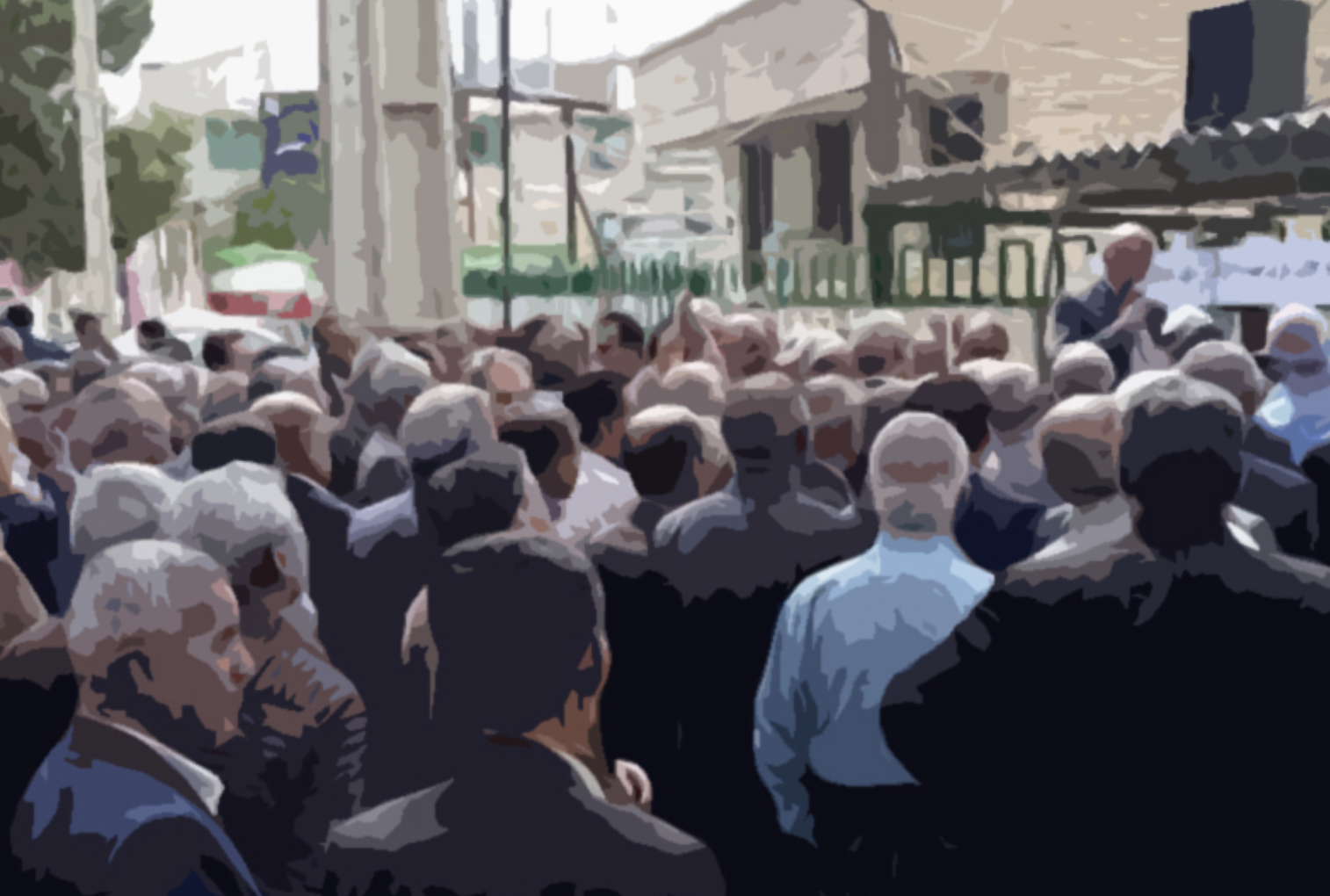
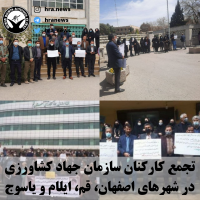
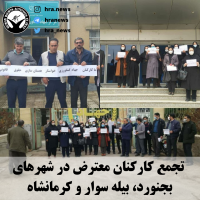
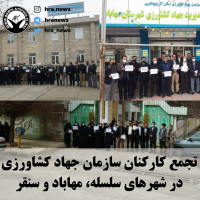
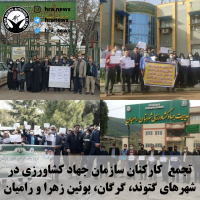
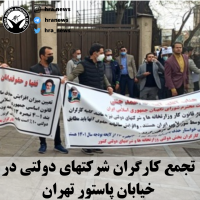
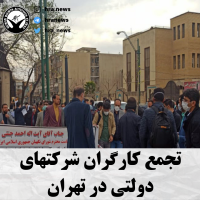
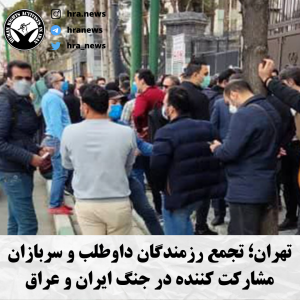
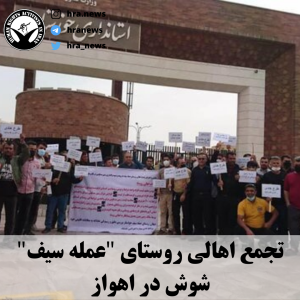
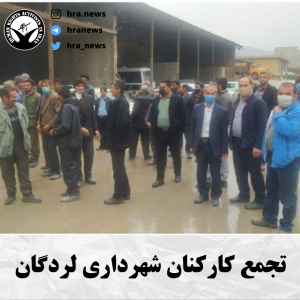
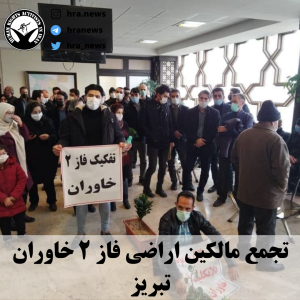
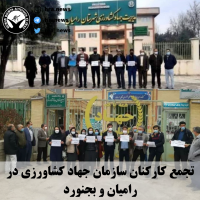
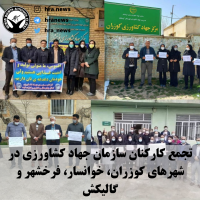
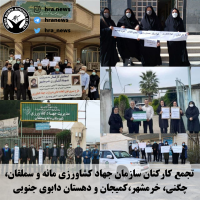
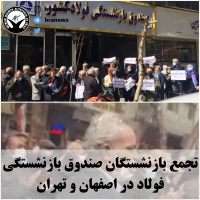
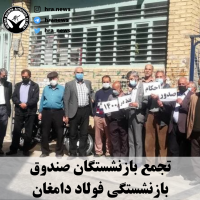
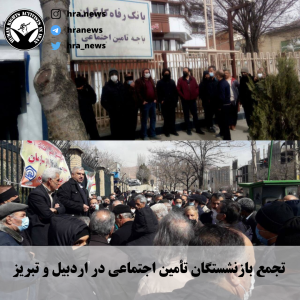
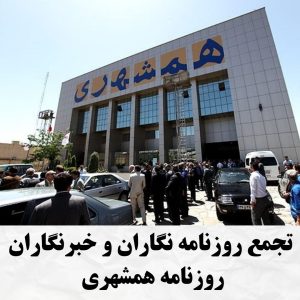
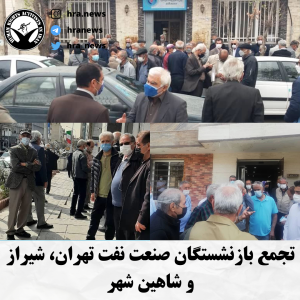
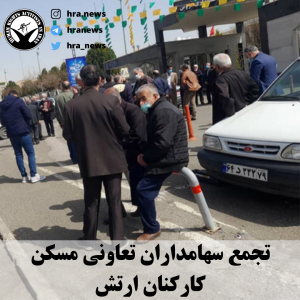
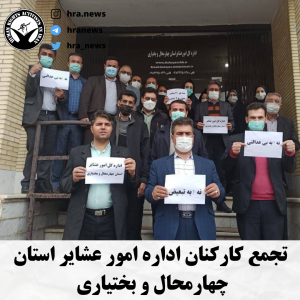
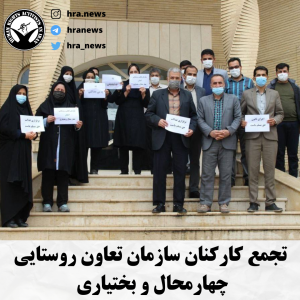
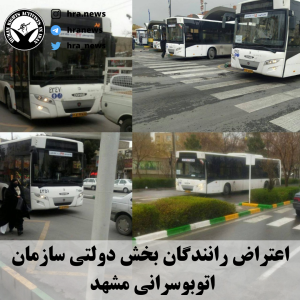
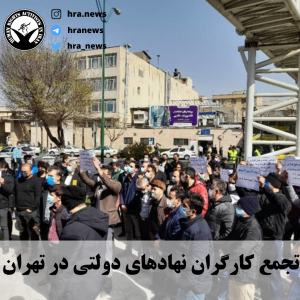
In the given period 2,769 protest rallies were held across 24 provinces.
Of the 2,769 documented rallies:
- 610 workers’ rallies
- 1,769 union rallies
- 80 rallies against the suppression of freedom of expression
- 48 student rallies
- 262 rallies held by the victims of financial frauds or other fraudulent acts
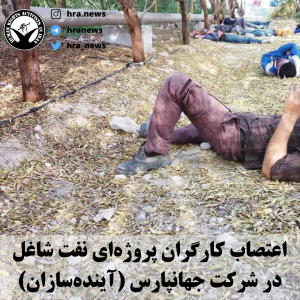
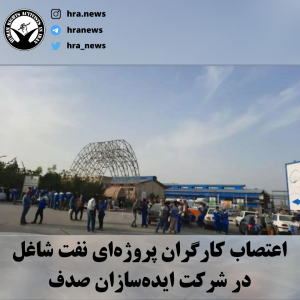
In addition, there were 392 labor strikes and 368 union strikes.
Concluding Note
Iran’s regime does not allow independent human rights organizations to report and collect data freely. As a result, these figures reveal merely the tip of the iceberg of the human rights situation in Iran. Therefore, it is noteworthy to mention that the figures provided in this report are merely based on the reports of civil society organizations like HRANA and its Statistics and Publication Center.
_________________________
For further inquiries please contact Skylar Thompson, Senior Advocacy Coordinator Human Rights Activists in Iran (HRA) at [email protected]