In the two weeks since their start on the evening of July 15, public rallies in cities throughout Khuzestan over water cuts and provincial officials’ resource mismanagement have spread to at least 41 cities.
According to HRANA, the news agency of Human Rights Activists, dozens have been killed and injured during the protests, and hundreds were detained. HRANA has identified a number of victims along with 171 detained citizens in Khuzestan and other parts of Iran. The following report also reveals some of the human rights violators and addresses issues such as internet cuts, the security atmosphere, and reactions since the protests started.
Abstract
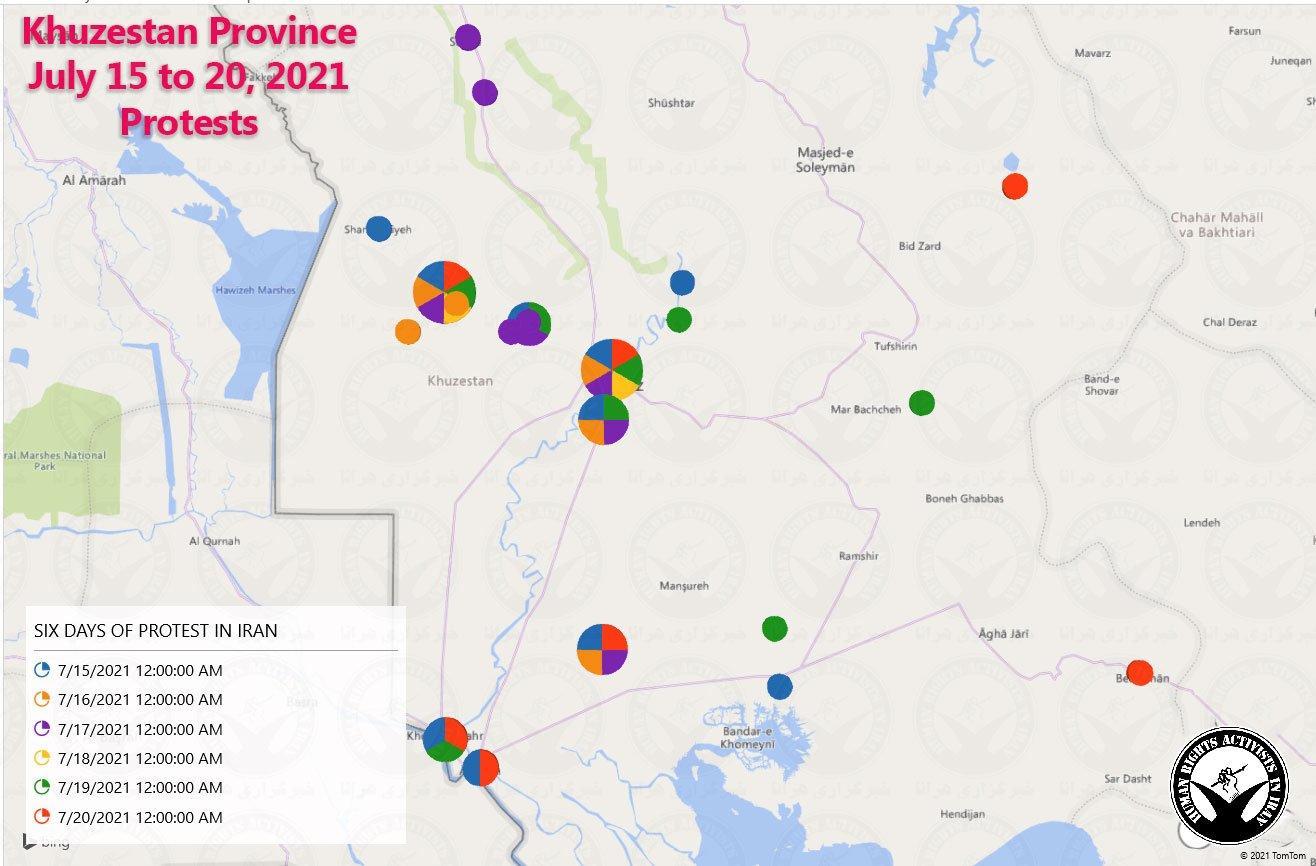
Citizens of Khuzestan have held protest rallies in at least 26 cities including Ahvaz, Susangerd, Hamidiyeh, Abadan, Kut Abdollah, Khorramshahr, Mahshahr, Bostan, Mollasani, Shadegan, Hoveyzeh, Abou Homeyzeh, Shavur, Karkheh, Kut Seyed Naeem, Shush, Veys Chamran, Izeh, Behbahan, Masjed-e-Soliman, Sheiban, Ramshir, Elhaei, Ramhormoz and Horr. In many cases, the protests have escalated into violence with the presence of military and security forces.On a number of occasions, police have opened fire and released tear gas towards protesters. HRANA has received videos showing the heavy presence of security forces and special forces vehicles in several cities in Khuzestan province.
Two citizens living in Susangerd emphasized the security climate in the city is very strong and told a HRANA reporter, “Officers with military equipment have been deployed into the streets and have caused terror among the citizens of this city.”
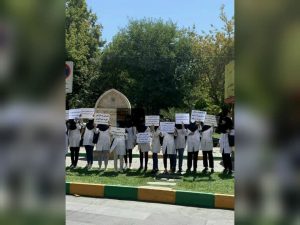
After the protests of the people of Khuzestan, people in the cities of Mashhad, Karaj, Saqqez, Bojnourd, Ardabil, Tabriz, Aligudarz, Bandar Genaveh, Tehran, Robat Karim, Kermanshah, Meybod, Yazdanshahr, and Baharestan of Isfahan also held protest rallies.
In addition to supporting the protests in Khuzestan, the protesters chanted slogans such as “Death to the dictator”, “Shame on Khamenei, leave the country alone”, “Iranians would die, but will not accept humiliation,” “do not be afraid, we are all together,” ” Zealous Iranians, support us,” and “We do not want the Islamic Republic”.
HRANA has received videos showing the continued presence of large numbers of security forces and special forces vehicles in many of above-mentioned cities where mass protests have taken place.
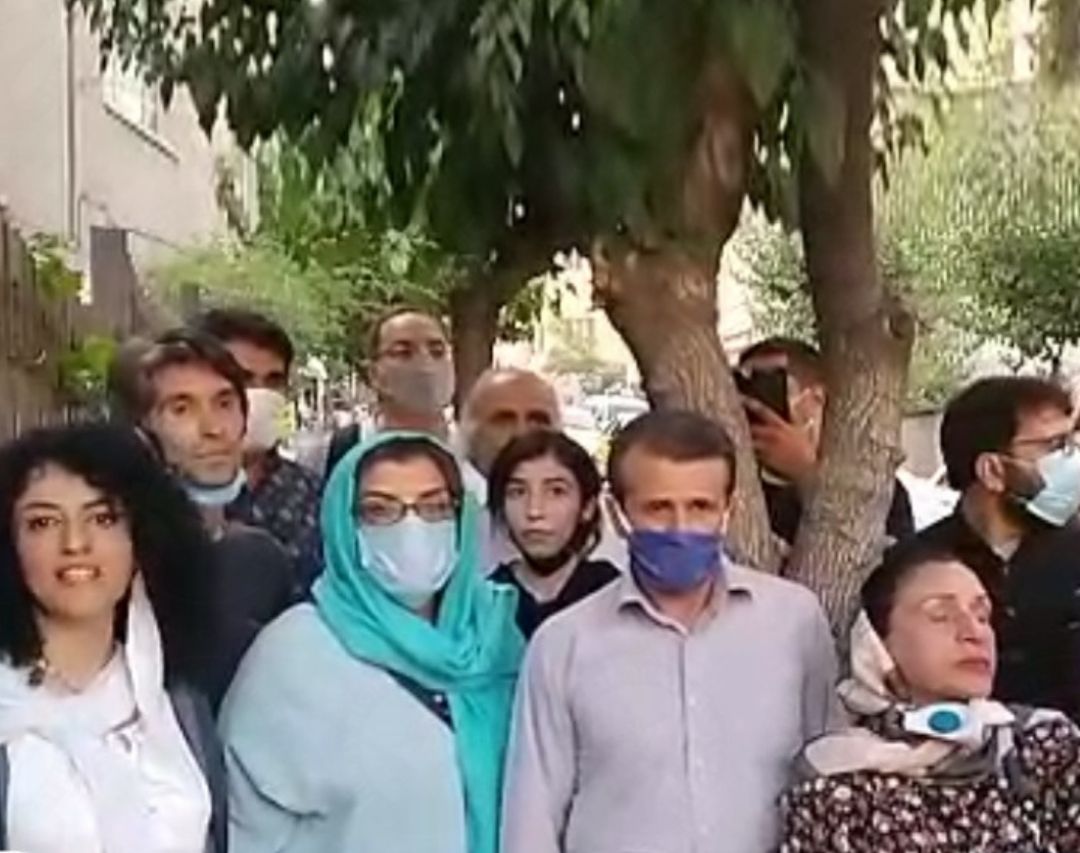
A citizen living in Tehran who was present at the protest rallies in the city told HRANA, “Besides supporting Khuzestan, we are protesting unemployment, high prices, poverty, and the existing problems in the country. We can no longer bear the hardships of life created by unworthy officials. The authorities must address the problems in the society that have filled the tolerance threshold of the people, instead of repressing and detentions.”
In response to the question of “whether anyone has been arrested in connection with the protests in Tehran”, The NAJA police Commander Ashtari clarified, “The leaders have been identified and measures have been taken with judicial coordination.”
In a short conversation with HRANA, a citizen who was present during the Tehran protests reported the arrest of at least 50 citizens after the rally. According to him, the families of the detainees went to the Evin court on Tuesday, July 27, to follow up on the status of the detained members of their families.
According to reports received by HRANA, cellphones and home internet have been cut off in many parts of Khuzestan province, and internet disconnections have been reported in other cities of the country. According to citizens, this disorder has also affected people’s jobs and income besides disrupting communication and limiting access to news.
The global internet watchdog website “Netblocks” earlier confirmed the internet disruptions since the protests took place in Khuzestan saying that “widespread Internet disruptions in Iran have occurred since Thursday, July 15, following popular protests in Khuzestan province and it continues.”
Comments from officials and other reactions
The protests have provoked reactions from many officials, experts and critics, human rights organizations and institutions, artistic figures, and others. Some officials have tried to deny that protests even took place, others have threatened protestors and attributed the rallies to “dissident groups”. Some other officials confirmed the arrests and use of violence against citizens and called for the protesters’ demands to be addressed. In this regard, Qassem Sa’edi, a representative of the people of Azadegan plain confirmed the news of the death of two young men during the protests in Shadegan and Karun counties, and claimed, “The law enforcement and security forces did not move against protesters and shootings came from terrorist groups”!
Waliollah Hayati, the governor’s deputy security chief in Khuzestan, said the protests in the cities of Khuzestan province were “limited” and claimed that the protests ended “peacefully” and that no one was killed in Susangerd. He told IRNA that the news published about killings are “negative and false” and that the publishers would be dealt with.
Fars News Agency that is close to the Revolutionary Guards, in a report on Tuesday, July 20, confirmed the shooting of the military forces and claimed that “the NAJA police shooting is to take care of the protests and the demands of the people of Khuzestan.”
Without giving details, on July 20, the governor of Behbahan confirmed the arrest of a number of people whom he called “norm-breakers” in the city.
In a threatening statement, the Ahvaz prosecutor called the protesting people of Khuzestan “rioters” and threatened that “They will be harshly confronted.”
Ali Shamkhani, secretary of the Supreme National Security Council, confirmed the arrest of the protesters in a post on his social media page, claiming: “he has ordered the security forces to immediately release the detainees if they have not committed any criminal acts.”
The Khuzestan police chief also called the protesters “disturbers of order and security” and threatened them with “decisive confrontation.”
On the other hand, institutions, organizations, and some popular figures issued statements in support of the protesting people.
Iranian Writers’ Association, Theater House, Human Rights Defenders Association, Iranian Music House, more than 600 film artists, Hamedan Teachers’ Union, a number of artists from Fars province, more than 230 lawyers, Amnesty International, A group of political, social, union and human rights activists, the Tehran Teachers’ Union, the Human Rights Watch, and more than one hundred and thirty documentary filmmakers, issued separate statements supporting the protests of the people of Khuzestan and condemning the repression of the protesters.
Names of human rights violators identified in relation to the protests:
The Spreading Justice (human rights violators’ databases) has revealed the names of the eleven main violators of human rights in the protests, citing details of their actions, as are outlined below.
Abbas Mohammadi, as the police commander of Aligudarz city in Lorestan province, is responsible for the violent suppression of the July 22 protests by the forces under his command in this city.

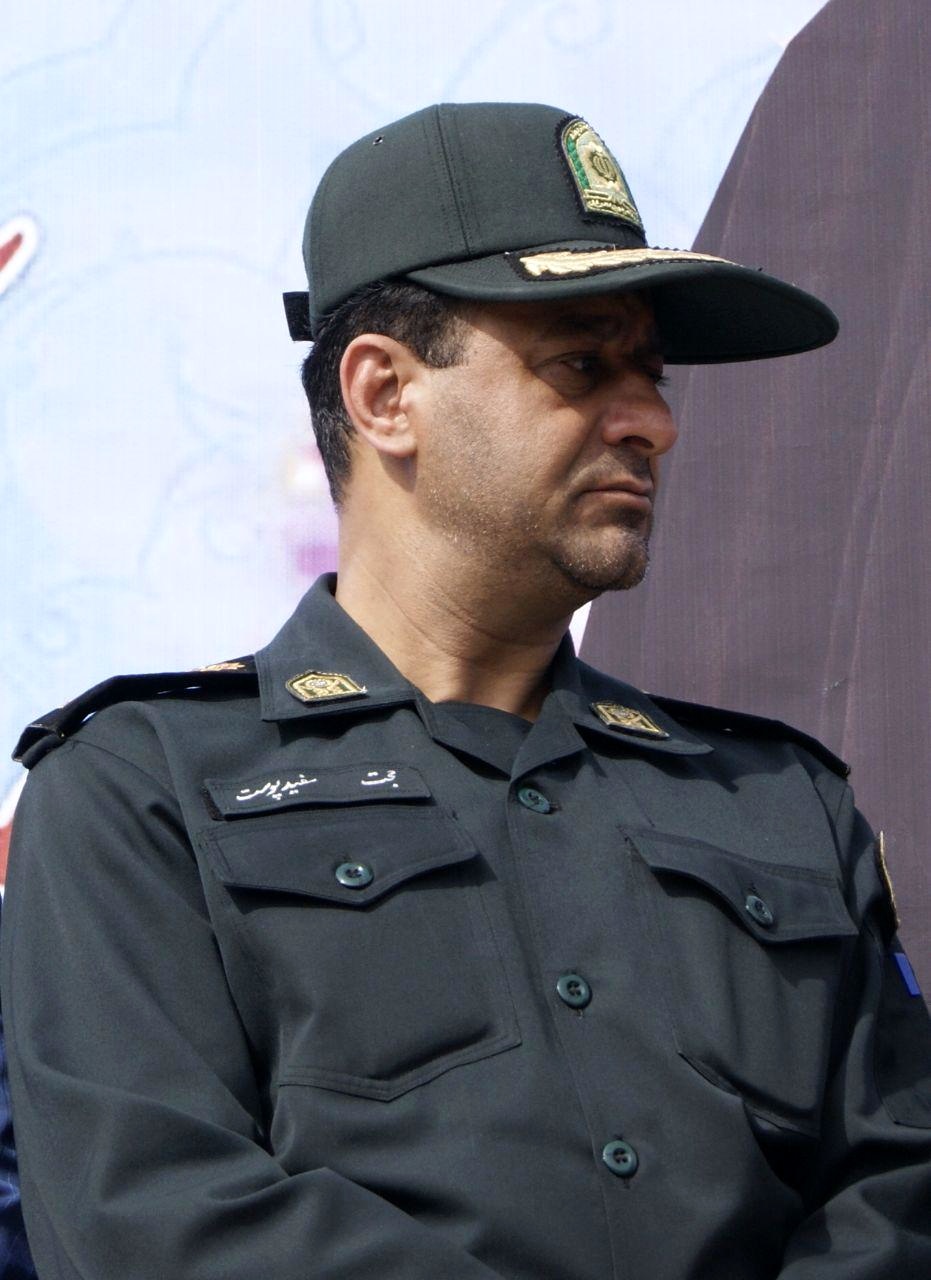
Hojat Sefidpoost, as Izeh police chief, is involved in the violent suppression of the July protests by forces under his command in the city.

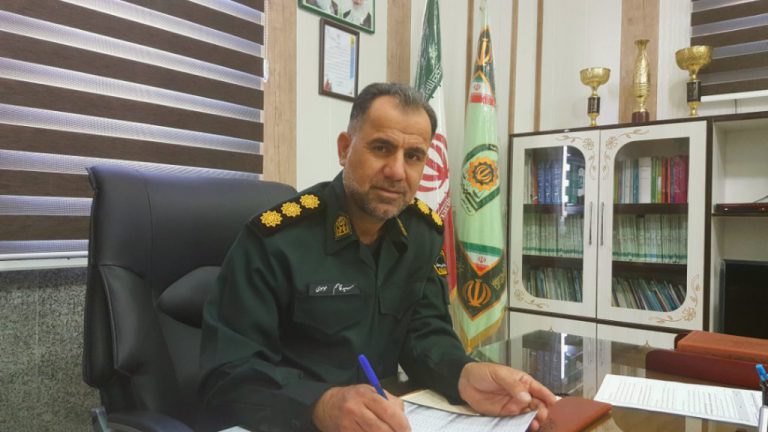
Seyed Mohammad Akbari Salehi, commander of the Khuzestan police force and a member of the provincial security council, is responsible for the violent repression of the citizens in July protests, by forces under his command.

Valiollah Hayati, as the head of Khuzestan province’s security-law enforcement coordinator with the armed forces (including the police and the Revolutionary Guards) and a member of the provincial security council on behalf of the governor, is responsible for violently suppressing the July protests in this province.

Qassem Soleimani Dashtaki, as the governor and chairman of the provincial security council, is involved in the violent suppression of the July protests of the citizens by the security and law enforcement forces.

Reza Papey, as the police commander of Mahshahr city, is involved in the suppression of the July protests and their murder. He is also responsible for the violent repression of protesters in November 2019.

Yahya Elahi, as the police commander of Lorestan province, is responsible for the violent suppression of the July 22 protests in the city of Aligudarz by the forces under his command.

Fereydoun Bandari, as the acting governor of Mahshahr port in Khuzestan province, is responsible for the violent suppression of the July protests by security and law enforcement forces in this city.

Eskandar Jamashiani, as Shadegan police chief, is responsible for the violent suppression of the July protests by forces under his command.

Seyed Qassem Mousavi, as the police chief of Dasht-e Azadegan, is responsible for the violent suppression of the July protests by the forces under his command in this city, especially in the city of Susangerd.

Hassan Shahvarpour, as the commander of the Khuzestan Provincial Corps (Valiasr Corps), besides in the Khuzestan protests, played a key role in violently suppressing the protesters during the November 2019 protests, and in violating people’s right to freedom, the right to protest, and especially the right to life, in this province. In 2020, the United States placed Hassan Shahvar Pour on its human rights sanctions list for his role in commanding the massacre of protesters in Khuzestan.

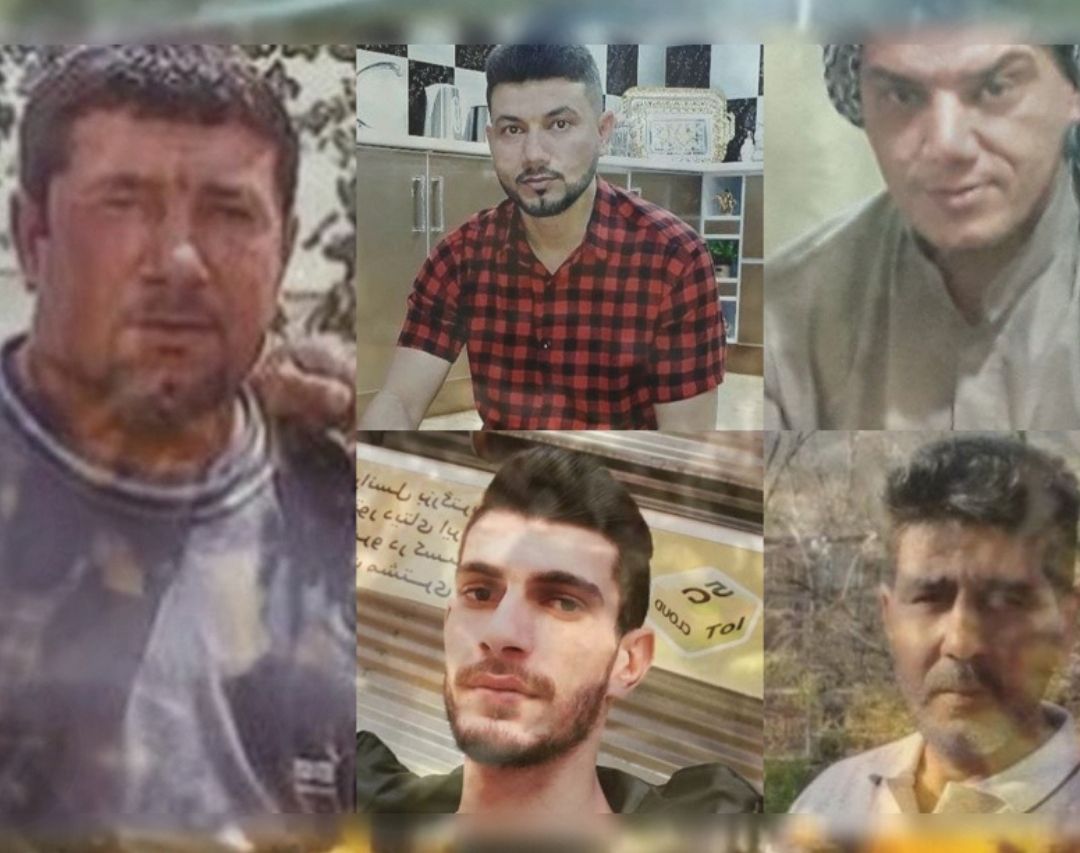
Killed citizens of the protests
So far, various reports have named at least 10 people killed in the protests.
HRANA has been able to confirm the death of 6 of them based on confirmed reports and based on its sources. Other names are still under investigation. The confirmed victims are as follows:
Mostafa Naeemavi (Asakereh) from Shadegan, killed on July 16.

Qasem (Naseri) Khediri from Kut Abdollah, who was injured on July 16 and died in hospital on July 17.

Meysam Echresh from the city of Kureh (Taleghani town), who was injured on July 18 and died in hospital on July 21.

Hadi Bahmani from the village of Susan in Izeh, killed on July 22

Omid Azarkhosh from Aligudarz in Lorestan was killed on July 22

Hamzeh (Farzad) Farisat, 32years-old, from Alavi in Ahvaz, killed on July 20

Hrana is still investigating the reports about three murder of other citizens, Issa Baldi from Taleghani town in Mahshahr, Mohammad Chenani from Shus, Hamid Majdam (Jokari) from Chamran, and Amir Mashari (Ebadi) from Mahshahr.
Detained citizens
Although reports from various cities in the country indicate that hundreds have been detained, due to restrictions on the free flow of information in Iran, and the Iranian authorities’ refusal to allow independent civil society organizations to operate inside the country, HRANA has only been able to identify detention of 171. 122 citizens in Khuzestan, 23 in Tabriz, 2 citizens in Urmia, 14 citizens in Tehran, 1 citizen in Ardabil, 3 citizens in Behbahan, 1 citizen in Junqan section of Chaharmahal and Bakhtiari province, and 5 citizens in Kermanshah.
The date, place of detention, and the status of these cases are as follows:
1. Ahmad Asli, arrested on July 21 in Ramshir, latest status: unknown
2. Ahmad Savari, son of Abdol Ali Shamil, arrested on July 20 in Alavi in Ahvaz, latest status: unknown
3. Ahmad Mojaddam, son of Issa, arrested on July 22 in Chamran, latest status: Unknown
4. Esmail Jalali, son of Hassan, 40 years old, arrested on July 21 in Susangerd. Latest status: unknown
5. Ashkan Sa’adat Mehr, arrested on July 24, in Urmia. Latest status: freed
6. Afshin Hamoudi, arrested on July 26, in Kermanshah. Latest status: unknown
7. Akbar Gholizadeh, arrested on July 24 in Urmia. Latest status: freed
8. Omid Saeedi, arrested on July 23, in Tehran. Latest status: imprisoned in quarantine in Greater Tehran Prison
9. Omid Tusi, arrested on July 20 in Ramshir. Latest status: unknown
10. Amir Alhaei, son of Khalaf, arrested on July 22 in Elhaei. Latest status: unknown
11. Amir Sattari, a citizen of Tabriz and a former political prisoner, arrested on July 22 in Tabriz, latest status: Unknown
12. Ahura Mohammadi, arrested on July 21 in Lordegan. Latest status: unknown
13. Olduz Ghasemi, arrested on July 24 in Tabriz, latest status: she is imprisoned in Tabriz prison, and bail requested.
14. Ayad Abiat, son of Rahim, arrested in Susangerd, date of arrest: unknown. Latest status: unknown
15. Ayoub Abboud al-Namnum, a 12-year-old boy, arrested on July 22 in Shavur, latest status: unknown
16. Arash Sadeghi, arrested on July 20 in Tehran. Last status: freed
17. Arash Kaykhosravi, arrested on July 20 in Tehran. Latest status: freed
18. Armin Kiani, from Liqak in Kohgiluyeh and Boyer-Ahmad provinces, arrested in Behbahan. Last status: unknown
19. Bassem Heydari, 20 years old, arrested in Ahvaz, date of arrest; unknown. Latest status: unknown
20. Bassem Soleimani, son of Nasser, arrested on July 18 in Khorramshahr, latest status: unknown
21. Basam Zargani, son of Hamidan and 30 years old, arrested on July 21 in Ahvaz. Latest status: unknown
22. Behzad Homayouni Arrested on July 20 in Tehran Latest Status: Released
23. Bahman Taybi, arrested in Behbahan Last status: unknown
24. Behnam Hassani, arrested on July 21 in Lordegan. Latest status: unknown
25. Parham Naderi, arrested on July 26 in Kermanshah, latest status: unknown
26. Parviz Siabi, Turk (Azerbaijani) activist, arrested on July 25 in Ardabil, latest situation; unknown
27. Pouran Nazemi, arrested on July 20 in Tehran Latest status: Released
28. Pouya Naderi, arrested on July 25 during a rally in Kermanshah. Latest status: unknown
29. Jassem Chaldavi, 35 years old, arrested on July 19 in Bostan. Latest status: unknown
30. Jasem Tusi, arrested on July 20 in Ramshir, latest status: unknown
31. Jasmian (small name unknown), date of arrest; unknown, place of detention; Hamidiyeh. Latest status: Unknown
32. Jasmian (small name unknown), date of arrest; unknown, place of detention; Hamidiyeh. Latest status: Unknown
33. Jasmian (small name unknown), date of arrest; unknown, place of detention; Hamidiyeh. Latest status: Unknown
34. Jasmian (small name unknown), date of arrest; unknown, place of detention; Hamidiyeh. Latest status: Unknown
35. Jafar Azimzadeh, arrested on July 20 in Tehran Latest status: Released
36. Jamil Obaidawi, arrested on July 21 in Shavur. Latest status: unknown
37. Javad Jaberi, arrested on July 21 in Ramshir. Latest status: unknown
38. Javad Dehghan, date of arrest; Unknown. Latest status: He is detained in Tabriz prison and bail is requested
39. Hamed Hassani, arrested on July 21 in Lordegan. Latest status: unknown
40. Hamed Khaledi, arrested on July 21 in Ramshir. Latest status: unknown
41. Habib Fadaei, a citizen of Junqan in Chaharmahal and Bakhtiari province. Arrested in Junqan district. Last status: unknown
42. Hassan Saeedi, date of arrest; unknown. place of arrest Ahvaz. latest status: unknown
43. Hassan Amoori, arrested on July 20 in Ramshir, latest status: unknown
44. Hassan Mohsen Zeidan, arrested on July 21 in Shavur. Latest status: unknown
45. Hossein Shomeli, arrested on July 22 in Shavur. Latest status: unknown
46. Hossein Qarajeh Daghi, date of arrest; unknown. Latest status: He is detained in Tabriz prison and bail requested.
47. Hossein Manshadavi, son of Abdolreza and 22 years old, date and place of arrest; unknown, latest status: unknown
48. Hamzeh Afravi, arrested on July 20 in Susangerd. Latest status: unknown
49. Hamoud Chenani, arrested on July 17 in Ahvaz. Latest status: unknown
50. Hamoud Savari, from Ahvaz, arrested on July 23 in Ahvaz. Latest status: unknown
51. Hamoud Shamousi, 18 years old. Arrested on July 17 in Ahvaz, latest status: unknown
52. Hamid Asefi arrested on July 20 in Tehran Last status: Released
53. Heydar AlBushoke – Arrested on July 21 in Ramshir, latest status: unknown
54. Khaled Amoori, arrested on July 22 in Ramshir, latest status: unknown
55. Khaled Mazraeh, arrested on July 17 in Shavur, latest status: unknown
56. Khalid Amoori, arrested on July 21 in Ramshir, latest status: unknown
57. Darem Soleimani, arrested on July 18 in Khorramshahr, latest status: unknown
58. Davood Rahimi, arrested on July 24 arrested in Tabriz, latest status: released on bail
59. Dahimawi (first name not verified), arrested on July 21 in Hamidiyeh, latest status: unknown
60. Dahimawi (first name unknown), arrested on July21 in Hamidiyeh, latest status: unknown
61. Razi Dahimavi (Dahimi), arrested on July 21 in Hamidiyeh, latest status: unknown
62. Razi Dahimavi, arrested on July 21 in Hamidiyeh, latest status: unknown
63. Rahim Sasani, arrested on July22 in the city of Khajeh, latest situation; freed
64. Rasoul Bodaghi, arrested on July 20 in Tehran Latest status: Released
65. Rasoul Sava’edi, arrested on July22 in Hamidiyeh, latest status: unknown
66. Reza Savari, 23 years old, arrested on July 22 in Ahvaz, latest status: unknown
67. Reza Abiat, arrested on July 23 in Susangerd, latest status: unknown
68. Reza Afravi, son of Abbas, 24 years old, arrested on July 20 in Susangerd, latest status: unknown
69. Reza Afravi, son of Abbas, 23 years old and a resident of Alboufari village of Susangerd, date of arrest; Unknown, place of arrest is Susangerd, latest status: unknown
70. Ra’d Heydari, arrested on July 21 in Ahvaz, latest status: unknown
71. Ruhollah Mardani, arrested on July 20 in Tehran Latest status: Released
72. Sajad Eshaqi, arrested on July 23 in Mahshahr, latest status: unknown
73. Sajad Mousavi, arrested on July 21 in Ramshir, latest status: unknown
74. Sa’dollah Sasani, arrested on July 22 in the city of Khajeh, latest situation; he was freed
75. Siamak Kooshi, arrested on Juky 24 in Tabriz, latest status: released on bail
76. Seyyed Hassoun Iraqi, arrested on July 22 in Shavur, latest status: unknown
77. Shahin Barzegar, arrested on 31 July in Tabriz, latest status; unknown
78. Shahrooz Barzegar, a Turk (Azerbaijani) activist from Tabriz, arrested on July 24 in Tabriz, latest status: imprisoned in Tabriz prison, bail requested
79. Sadegh Sa’edi, arrested on July 22 in Hamidiyeh, latest status: unknown
80. Sadegh Abiat, arrested on July 22 in Hamidiyeh, latest status: unknown
81. Saleh Obaidawi, arrested on July 21 in Shavur, latest status: unknown
82. Salah Khaledi, arrested on July 21 in Ramshir, latest status: unknown
83. Samad Ladvandi Nadarli, about 30 years old, arrested on July 24 in Tabriz, latest status: unknown
84. Teyban Sa’edi, arrested on July 22 in Hamidiyeh, latest status: unknown
85. Adel Naderi, 40, arrested on July 20 in Susangerd, latest status: unknown
86. Amer Zohairi, son of Khalaf, 18 years old, arrested on July 17 in Ahvaz, latest status: unknown
87. Abbas Alhaei, Malik’s son, 19 years old, arrested on July 22 in Alhaei, latest status: unknown
88. Abbas Albunasser, 18, arrested on July 23 in Shadegan, latest status: unknown
89. Abbas Khoin Vahid, 30 years ol, arrested on July 22 in Alhaei, latest status: unknown
90. Abbas Daghaghleh, 26 years old, son of Abdol Zahra, arrested on July 23 in Ahvaz, latest status: Unknown
91. Abbas Zargani, son of Sha’m, 27 years old, arrested on July 21 in Ahvaz, latest status: unknown
92. Abbas Sa’edi, arrested on July 22 in Hamidiyeh, latest status: unknown
93. Abbas Savari, son of a Naji, date of arrest; Unknown, arrested in Ahvaz, latest status: unknown
94. Abdol Amir Jalali (Abu Yahya), 45 years old, arrested on July 20 in Susangerd, latest status: unknown
95. Abdol Razzaq Vahid, 36 years old, married, arrested on July 22 in Elhaei, latest status: unknown
96. Abdolreza Soleimani, son of Yaber, arrested on July 18 in Khorramshahr, latest status: unknown
97. Abdollah Obaidawi, son of Mardav, arrested on July 22 in Shavur, latest status: unknown
98. Adnan Atabi, 21 years old, from Shavur, arrested on July 25 in Shavur, latest status: unknown
99. Erfan Naderi, arrested on July 26 in Kermanshah, latest status: unknown
100. Aziz Atabi, 19 years old, arrested on July 25 in Shavur, latest status: unknown
101. Ali Hassanzadeh, arrested in Tehran Latest status: unknown
102. Ali Khosraji, arrested on July 21 in Shavur, latest status: unknown
103. Ali Soleimani Tamimi, arrested on July 18 in Khorramshahr, latest status: unknown
104. Ali Soleimani, son of Yarollah, arrested on July 18 in Khorramshahr, latest status: unknown
105. Ali Abdol Hossein Gatafeh, arrested on July 18 in Khorramshahr, latest status: unknown
106. Ali Obaidavi, 23 years old, arrested on July 22 in Susangerd, latest status: unknown
107. Ali Agbi, a resident of Beit Khalaf village, date of arrest; Unknown, place of detention; Shavur, latest status: unknown
108. Ali Amoori, arrested on July 22 in Ramshir, latest status: unknown
109. Ali Ka’b Alhaei, 50 years old, arrested on July 20 in Ahvaz, latest status: unknown
110. Ali Ka’bi, Heydar’s son, arrested on July 21 in Shavur, latest status: unknown
111. Ali Mojaddam, son of Issa, arrested on July 22 in Chamran, latest status: unknown
112. Ali Mohsen Zeidan, arrested on July 21 in Shavur, latest status: unknown
113. Ali Mazraeh, son of a Shoai’e, arrested on July 17 in Shavur, latest status: unknown
114. Emad Abiat, son of Rahim, date of arrest; Unknown, Arrested in Susangerd, latest status: unknown
115. Issa Mazraeh, son of Abdolsadeh, arrested on July 16 in Ahvaz, latest status: unknown
116. Faraj Obaidai, 40 years old, arrested on July 19 in Bostan, latest status: unknown
117. Farzad Atabi, arrested on July 21 in Ramshir, latest status: unknown
118. Fallah Chaldavi, son of Hassan, 20 years old, married, arrested on July 21 in Ahvaz, latest status: unknown
119. Falak Amoori, arrested on July 22 in Ramshir, latest status: unknown
120. Fahad Heydari, son of Rahim, arrested on July 21 in Ahvaz, latest status: unknown
121. Faisal Mazraeh, arrested on July 17 in Shavur, latest status: unknown
122. Qasem Sae’di, arrested on July 22 in Hamidiyeh, latest status: unknown
123. Qasem Savari, son of Mohammad, arrested on July 23 in Ahvaz, latest status: unknown
124. Qasem Mazraeh, son of Amer, arrested on July 17 in Shavur, latest status: unknown
125. Kamran Norouzi, arrested in Tehran Last status: unknown
126. Karim Esmailzadeh, arrested on July 24 in Tabriz, latest status: released on bail
127. Majid Hamidi, 30 years old, resident of Mollasani, date of arrest; Unknown, arrested in Ahvaz, latest status: Uunknown
128. Malek Chaldavi, 28 years old, arrested on July 19 in Bostan, latest status: unknown
129. Mubarak Alhaei, son of Vahid, 45 years old, married and father of three children, arrested on July 22 in Alhaei, latest status: unknown
130. Mojtaba Salehi, son of Mohammad, 18 years old, arrested on July 20 in Susangerd, latest status: unknown
131. Mojtaba Abdoli, arrested on July 23 in Bostan, latest situation; unknown
132. Majid Mousavi, arrested on July 21 in Ramshir, latest status: unknown
133. Mohsen Abbaspour, arrested on 31 July in the city of Khajeh, latest situation; he was freed
134. Mohammad al-Bushouka, arrested on July 21 in Ramshir, latest status: unknown
135. Mohammad Pourali, arrested on July 22 in the city of Khajeh, latest situation; he was freed
136. Mohammad Harizavi, son of Badr, 24 years old, date of arrest: Unknown, arrested in Susangerd, latest status: unknown
137. Mohammad Sakhravi, 23 years old, date of arrest: unknown, place of detention: Ahvaz, latest status: unknown
138. Mohammad Askari, son of Ali, 29 years old, arrested on July 22 in Ahvaz, latest status: unknown
139. Mohammad Korushat, date of arrest; Unknown, place of detention; Ahvaz, latest status: unknown
140. Mohammad Ka’bi, son of Fakher, arrested on July 22 in Shavur, latest status: unknown
141. Mohammad Mujaddam, son of Issa, arrested on July 22 in Chamran, latest status: unknown
142. Mohammad Mahmoudi, arrested on July 24 during the Tabriz rallies, latest status: released on bail
143. Mohammad Mardi, arrested on July 24 in Tabriz, latest situation; unknown
144. Mohammad Niazi, arrested in Tehran on July23, latest status: He is detained in the quarantine of the Greater Tehran Prison.
145. Mohammad Amoori, arrested on July 21 in Ramshir, latest status: unknown
146. Mahmoud Sae’di, arrested on July 22 in Hamidiyeh, latest status: unknown
147. Muslim Echrash, arrested on July 22 in Ramshir, latest status: unknown
148. Mostafa Arfaei, arrested on July 23 in Tehran, latest status: is being held in quarantine in the Greater Tehran Prison.
149. Mansour Jalali, son of Mohammad, 17 years old, arrested on July 20 in Susangerd, latest status: unknown
150. Mansour Soleimani, son of Yaber, arrested on July 18 in Khorramshahr, latest status: unknown
151. Mehdi Hamid, arrested on July 19 in Ramshir, latest status: unknown
152. Mehdi Khasraji, son of Majid, arrested on July 22 in Shavur, latest status: unknown
153. Mehdi Zargani, son of Khalaf, 20 years old, arrested on July 22 in Ahvaz, latest status: unknown
154. Mehdi Zogheibi, arrested on July 20 in Ramshir, latest status: unknown
155. Mehdi Mesbah, arrested in Behbahan Last status: unknown
156. Meysam Savari, arrested on July 20 in Ahvaz, latest status: unknown
157. Milad Savari, arrested on July 21 in Ahvaz, latest status: unknown
158. Milad Obaidavi, 14 years old, arrested on July 19 in Bostan, latest status: unknown
159. Nader Sadeghian, arrested on July 25 in Tabriz, latest situation; unknown
160. Nader Abiyat, date of arrest; unknown, place of detention; Susangerd, latest status: unknown
161. Naser Zargani, son of Sha’lan, 27 years old, arrested on July 21 in Ahvaz, latest status: unknown
162. Narges Mohammadi, arrested on July 20 in Tehran Latest status: Released
163. Ne’mat Naderi, arrested on July 26 during a rally in Kermanshah, latest status: unknown
164. Hadi Mohammadi, date of arrest: unknown, latest status: released on a bail
165. Hashem Motavari, 27 years old, arrested on July 21 in Khorramshahr, latest status: unknown
166. Vahid Abhari, arrested on July 22 in Tabriz, latest situation: unknown
167. Vahid Mohammadi, date of arrest: unknown, latest situation: He is imprisoned in Tabriz prison and bail requested
168. Yarollah Soleimani, arrested on July 18 in Khorramshahr, latest status: unknown
169. Yashar Piri, arrested on July 22 in the city of Khajeh, latest situation; he was freed
170. Yousef Salahshour, a citizen of Tabriz, arrested on July 25, last status: unknown
171. Yousef Abiawi, 25 years old, arrested on July 21 in Ahvaz, latest status: unknown
According to confirmed reports and statistics documented by HRANA, public rallies began on the night of Thursday, July 15, in Khuzestan province due to the frequent water cuts and mismanagement of officials. Protests spreaded to other cities in the country, including Mashhad, Karaj, Saqez, Bojnourd, Ardabil, Tabriz, Aligudarz, Bandar Genaveh, Tehran, Robat Karim, Kermanshah, Meybod, Yazdanshahr and Baharestan of Isfahan, and Janqan section in Chaharmahal and Bakhtiari.
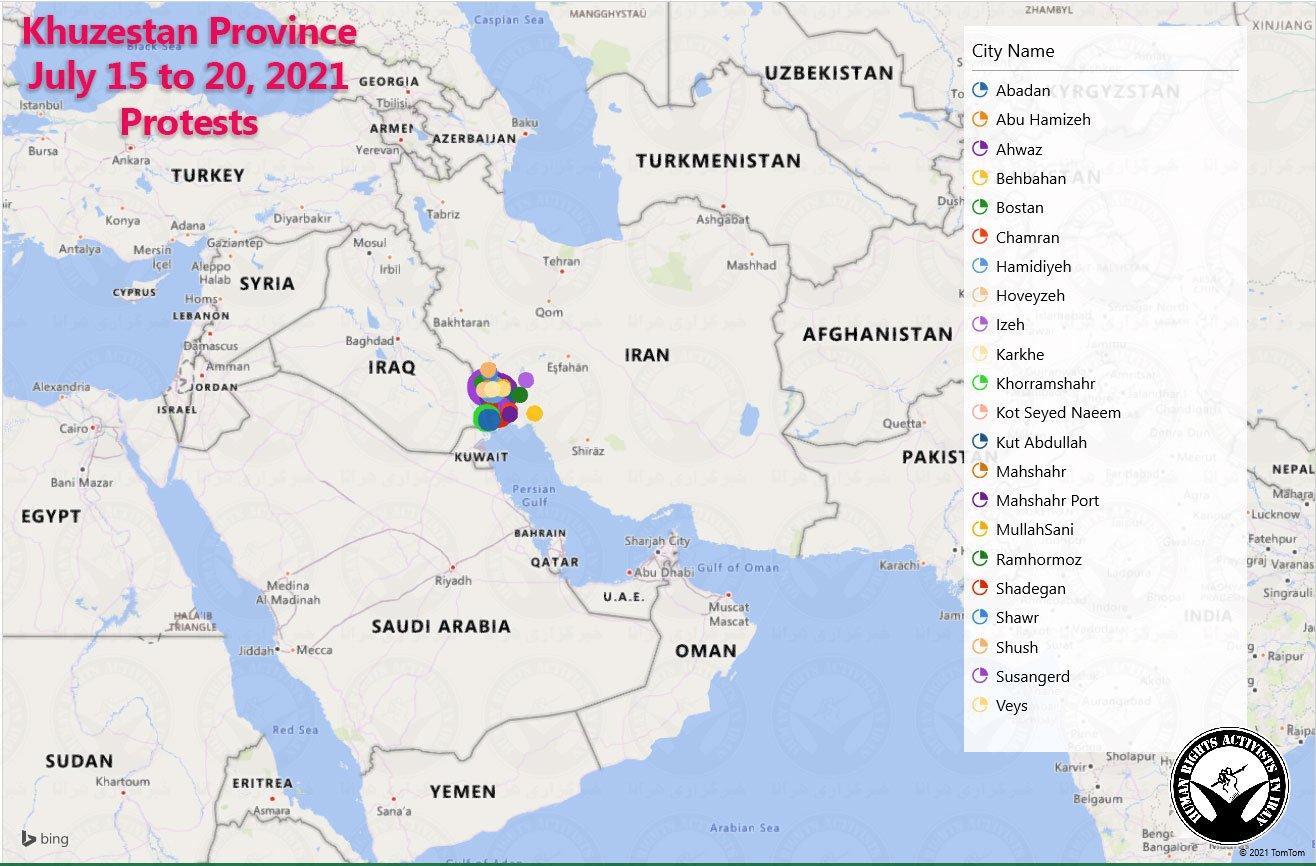
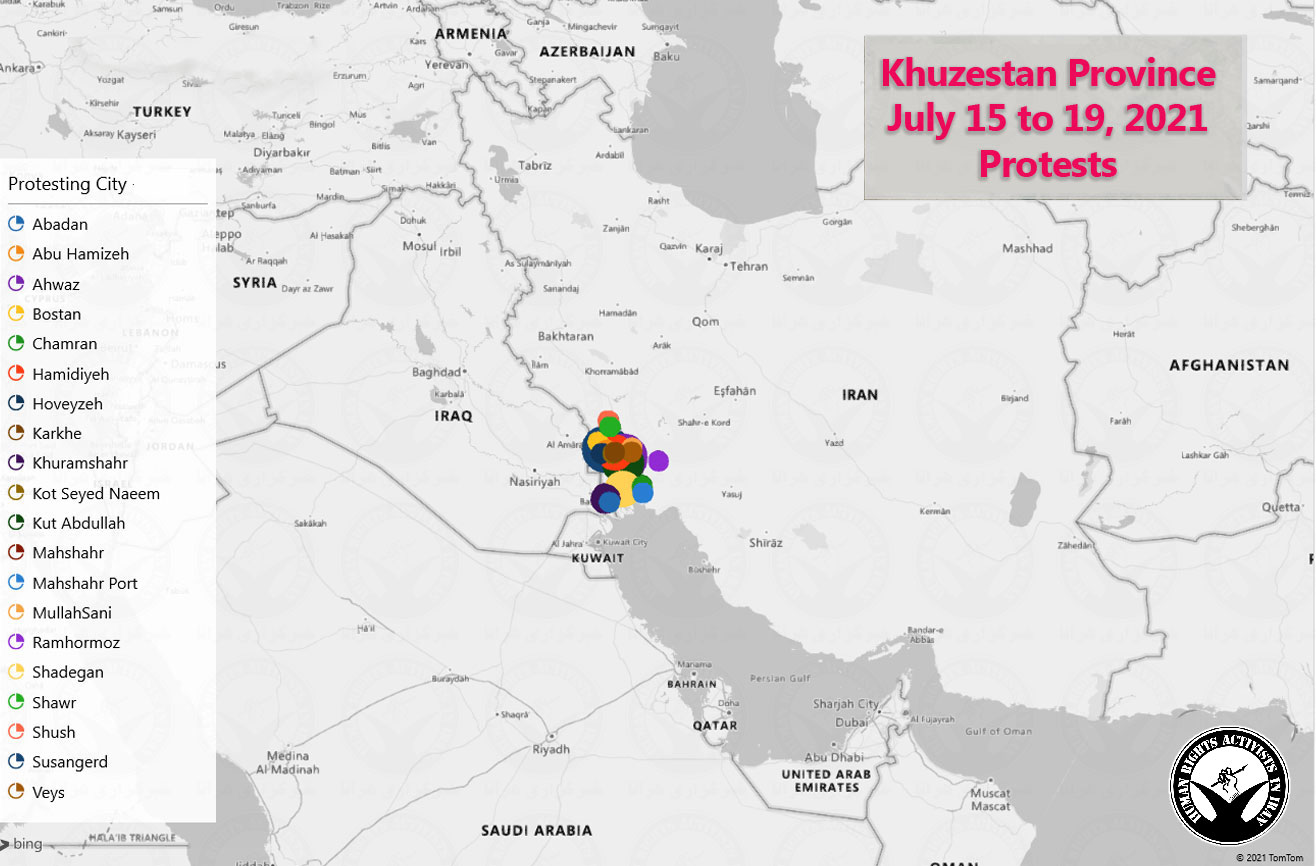
Citizens of Khuzestan marched rallies in at least 26 cities of Ahvaz, Susangerd, Hamidiyeh, Abadan, Kut Abdollah, Khorramshahr, Bandar Mahshahr, Bostan, Mollasani, Shadegan, Hoveyzeh, Abu Homeyzeh, Shavur, Karkheh, Kut Seyed Naeem, Shush, Veys, Chamran, Izeh, Behbahan, Masjed Soleiman, Sheiban, Ramshir, Alhaei, Ramhormoz, and Hor. In total, 41 cities in the country have staged protest rallies.
To have a better view, see the map of the dispersal of the protests from July 15 to July 26:

HRANA has documented and collected a total of 129 verified videos related to the 13 days of protests, which can be viewed on HRANA’s YouTube channel or in the continuation of this report.
***
For media interviews, contact Skylar Thompson at [email protected].





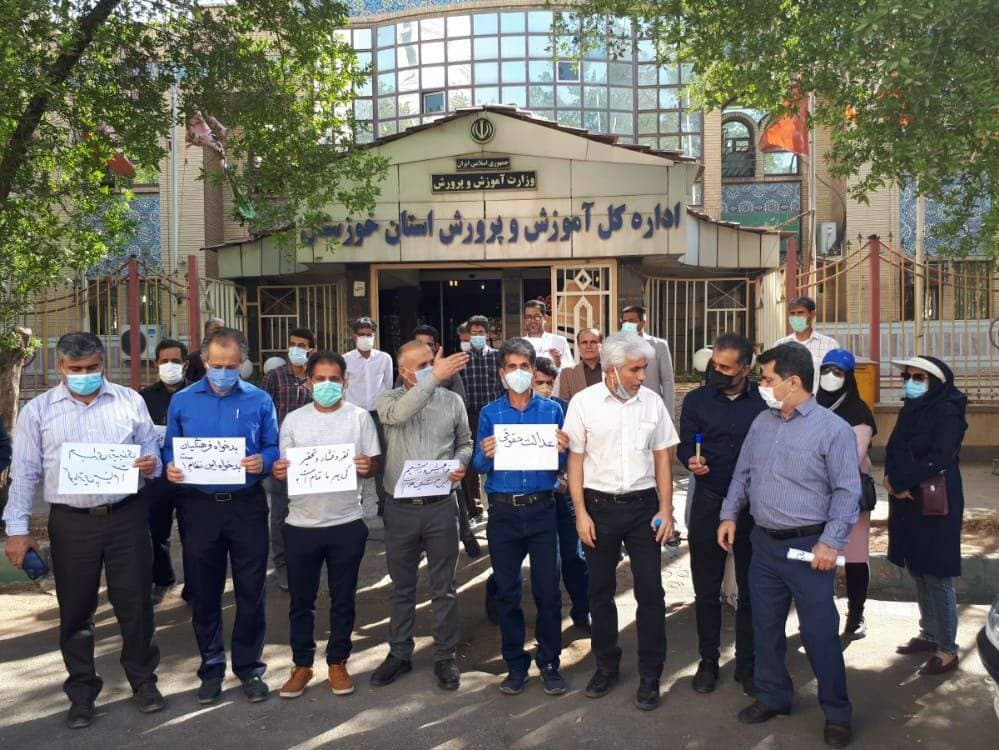
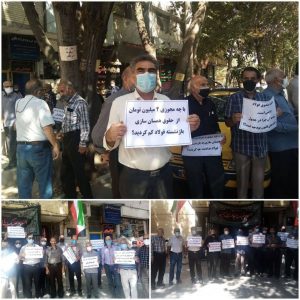
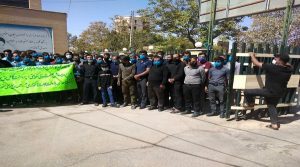
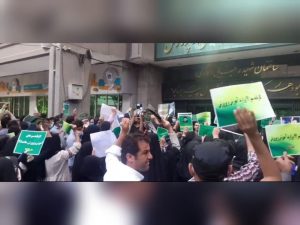
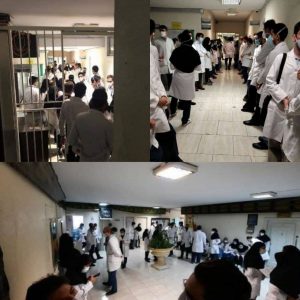








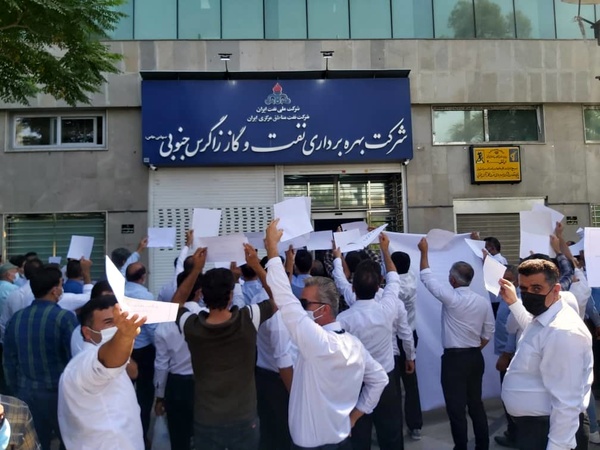


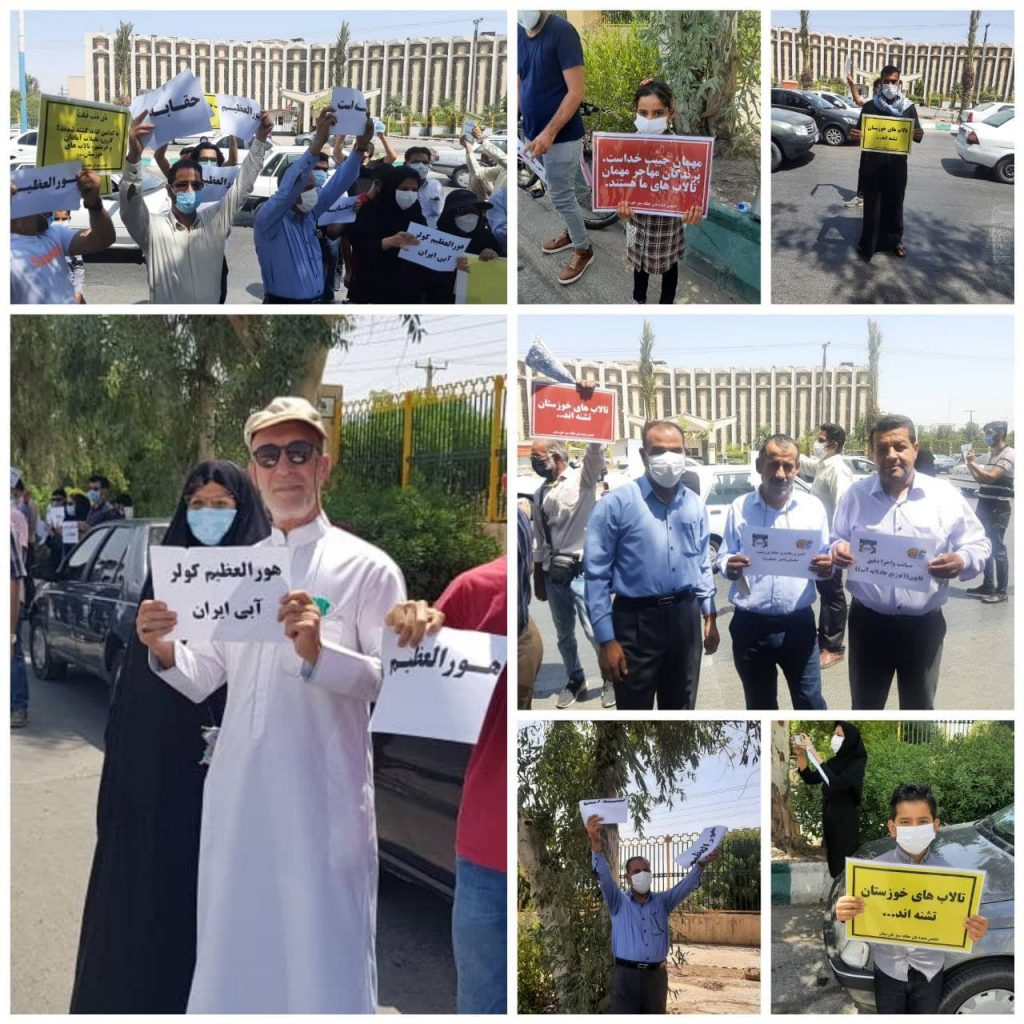







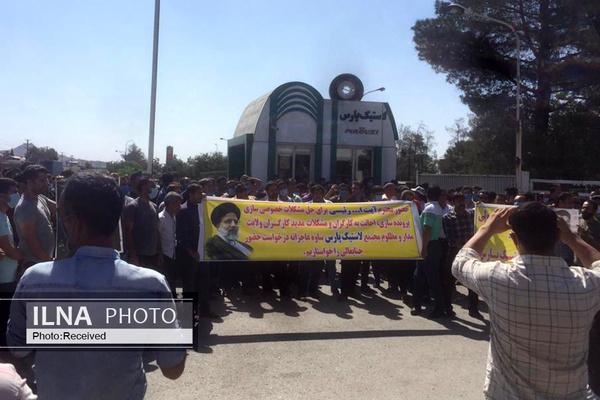


 HRANA News Agency – On Sunday, April 3, 2011, dozens of laid off workers from Sakhteman Nasbe Co. and Farab Co. gathered in front of Gate 19 in Abadan’s refinery to demand their reinstatement.