Residents of Sistan and Baluchestan Province who do not have ID being Denied Coronavirus Vaccine and Other Medical Services

Despite numerous reports indicating a significant increase in the number of infected patients and deaths in Sistan and Baluchestan Province, many people in the province who do not have ID have been denied vaccination, even when vaccines are not in short supply.

According to HRANA, the news agency of Human Rights Activists, quoting Hamshahri, in Sistan and Baluchestan Province, COVID vaccines remain inaccessible for many citizens.  Medical centers in several of the province’s cities are few and far between, and many of the roads by which to reach them are poorly-maintained.

Fatemeh Kaykhah, a general practitioner who has participated in a camp on the outskirts of Zahedan, commented on the predicament.

“I visited 60 patients in the Hemmatabad neighborhood, and I had enough vaccine doses to inject them, but 50 of them did not have any kind of ID,” Kaykhah said. “It was very bitter the moment they left the clinic without getting vaccinated. The taste of being different this time is more bitter than ever for people who have never been issued an ID, perhaps even more deadly. The problem is not just the vaccine, if they die from the corona, they do not come in any statistics because they do not have identity documents. [it is like] They did not exist from the beginning nor they will at the end.”

There are, unsurprisingly, no definite statistics on the number of people who do not have identity documents in Sistan and Baluchestan Province, but according to a former Zahedan resident, some estimate the number to be around 100,000, with 30 percent living in Zahedan.

Noor, a girl who has no ID, has heard that enough doses of COVID vaccine have arrived in the province. ‌ “We are also the people of this country,” she said. “Couldn’t they let us just this one time to get vaccinated? Are our lives not in danger? Why is the vaccine being withheld from us?”

Beyond the vaccine issue, the multitude of barriers to health insurance make it difficult for residents to get the medical attention they need. People who have not been issued identity documents cannot have health insurance, and out-of-pocket treatment expenses are very high. Many in severe need of medical care are refusing to go to health centers because they either do not have the financial resources to get health insurance, or because their lack of identification prohibits them from seeking it out.

According to the Director General of the Sistan and Baluchestan Province Registry, since 2013, the cases of more than 9,000 households who did not have ID have been processed, resulting in the issuance of about 30,000 identification documents. More than 1,500 cases of citizenship have been denied.

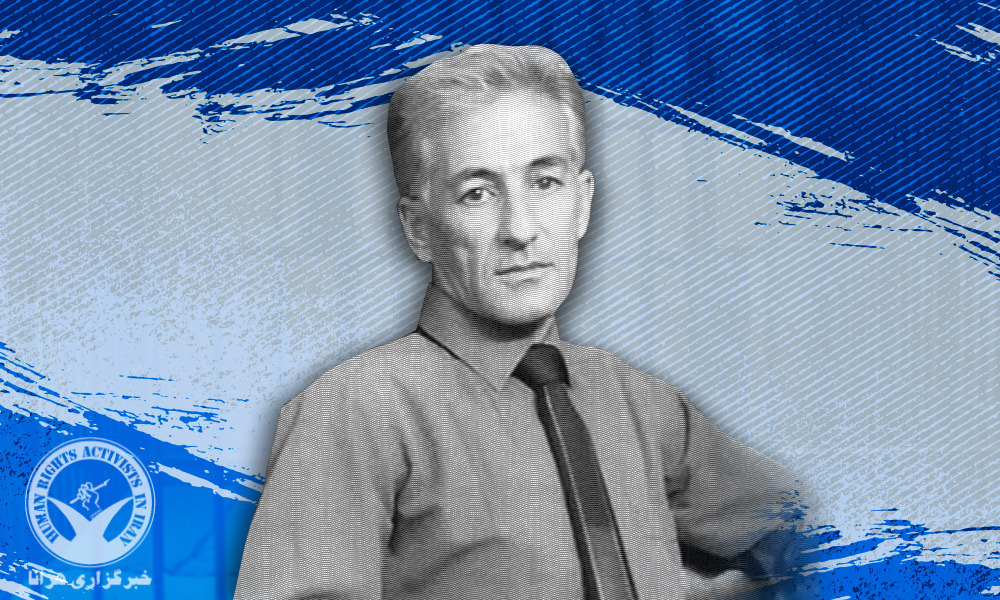
Vahid Afkari’s Request for Retrial Rejected by Supreme Court

Political prisoner Vahid Afkari’s request for retrial was recently rejected by the Supreme Court.

According to HRANA, the news agency of Human Rights Activists, Afkari  is currently imprisoned in Adelabad Prison in Shiraz.

Saeid Dehghan, the lawyer for the Afkari Brothers, wrote in a note on his social media, “Even if they had just skimmed and scanned the case document, there were enough legal reasons to accept a retrial as the verdict contains 24 contradictions and 3 lies.” Dehghan went on to ask, incredulously,  “25 years imprisonment only based on the Judge’s knowledge and without observing Article 211 of the Penal Code?”

Navid Afkari and Vahid Afkari were arrested in September 2018, and Habib Afkari was arrested in December 2018 in connection with the nationwide protests in August 2018. The brothers  have been repeatedly beaten and tortured during interrogations.

After being tried by the Revolutionary Court of Shiraz’s Criminal Court, Navid Afkari was sentenced to 2 death sentences, six years and 6 months imprisonment, and 74 lashes, Vahid Afkari was sentenced to 54 years and 6 months imprisonment and 74 lashes, and Habib Afkari was sentenced to 27 years and three months in prison and 74 lashes.

Despite the serious flaws in the basis of the case against the brothers, and despite a wave of worldwide support for him and calls for authorities to halt the execution, one of the three brothers, Navid Afkari, an Iranian wrestler, was executed at Adelabad Prison in Shiraz at dawn on September 12, 2020.

That same month, Vahid and Habib Afkari were transferred to the isolated ward of Ebrat which is a detention center for prisoners deprived of telephone contact.

Hassan Younesi, one of the Afkari brothers’ lawyers, said in late September of last year, “After the execution of Navid Afkari, Vahid and Habib are not being held in the public ward, and their families and lawyers have not had any (free) meetings with the Afkari brothers.”

Previously, Saeid Afkari, Vahid’s brother, had reported on his social media that he had met with Habib and Vahid Afkari and that they were being held “in solitary confinement, without the right of contact and the right to medical treatment”.

“According to the prison guidelines, convicts should only be kept in public wards under the supervision of the Prisoners’ Organization,” Younesi previously said. “Also, according to the same rules, keeping the accused in detention centers will be possible only with a written order from the judicial authorities, and keeping Habib and Vahid Afkari outside the public prison without meeting (freely) is against the law.”

In May of this year, an interrogation session was held in connection with the Afkari brothers’ complaint about being beaten, long-term solitary confinement, and death threats by two officials. According to Saeid Afkari, the hearing was held in the presence of Vahid Afkari without access to the files and documents of the defendants.

HRA Publishes Book on History, Obstacles, and Achievements

“To all those who sacrificed to advance the rights of others. To those who went to prison, into exile, to our mothers-  who were our first human rights teachers, to those who died in love along the way. To Jamal Hosseini, Farzad Kamangar, Michael Cromartie, Taher Elchi, Ali Ajami” 

————

Human Rights Activists in Iran is pleased to announce the forthcoming August 30th release of ‘Human Rights Activists in Iran: History, Obstacles, Achievements’ now available for pre-order at Barnes and Noble. 

Human Rights Activists in Iran (HRA) has been documenting abuses and advocating for the rights of victims inside of Iran since 2006. Founded by Director Keyvan Rafiee, the organization has grown from grassroots activism to a multi-divisional non-profit organization headquartered in Washington D.C. USA. Today, HRA is one of the oldest operating organizations focused on human rights in Iran and boasts the largest network of in-country volunteers. 

The story of HRA is fraught with struggle; members have worked tirelessly to promote respect for human rights and have consequentially faced imprisonment, exile, and death. 

Human Rights Activists in Iran: History, Obstacles, Achievements is dedicated “To all those who sacrificed to advance the rights of others. To those who went to prison, into exile, to our mothers-  who were our first human rights teachers, to those who died in love along the way. To Jamal Hosseini, Farzad Kamangar, Michael Cromartie, Taher Elchi, Ali Ajami” 

The opening chapter, written by Keyvan Rafie, tells the story of how HRA was formed during a time when he and his founding colleagues were imprisoned. He reflects on the challenges, widespread as they were, including a lack of technology, citing a time before the widespread availability of the internet in Iran, as well as targeted harassment. Determined to create an organization that would stand the test of time, he writes, “We realized that without planning, discipline, and a coherent structure, there was no hope for our survival. By studying and by gaining experience [in human rights], we were able to develop certain principles… The lack of any of [these principles] would have meant the end of our activism.” 

Keyvan also notes core principles that were established at the organization’s founding, principles that continue to lead HRA today: being youth-led, maintaining a social base inside the country, and the principle of non-discrimination, among others. The book features sections dedicated to HRA members that have lost their lives as a result of their dedication to human rights, including Farzad Kamangar, executed at the hands of the regime, and Jamal Hosseini, who lost his life while working in exile. 

Throughout the book, prominent human rights activists, lawyers, and community leaders share their stories and experiences of both being part of HRA and witnessing its work, in the hopes of inspiring future generations of activists. They include:

  • Keyvan Rafiee – Founder and Director of Human Rights Activists in Iran
  • Behrouz Sadegh Khanjani – Head of the Iranian Church organization and a former prisoner of conscience
  • George Haroonian – Iranian-American Jewish human rights activist
  • Simin Rouzgard – Former Editor of Peace Mark Magazine
  • Ladan & Roya Boroumand – Founders and directors of Abdorrahman Boroumand Center
  • Rezvaneh Mohammadi – A Gender and Sexual Minorities activist who was sentenced to 5 years because of her activism
  • Shahed Alavi – Journalist and Kurdish rights activist
  • Habibollah Sarbazi – Journalist and founder of the Baloch Activists Campaign
  • Shirin Ebadi – Lawyer, founder of Defenders of Human Rights Center in Iran, a former judge who received the Nobel Prize for Peace in 2003
  • Kavian Sadaghzadeh Milani – Founder of the Center for Health and Human Rights, Baha’i rights activist
  • Simin Fahandaj – Spokesperson for the Baha’i International Community
  • Dian Alaei – The Baha’i International Community representative
  • Kouhyar Goudarzi – Journalist and co-founder of the Committee of Human Rights Reporters
  • Hossein Raeesi – Lawyer and author
  • Hadi Ghaemi – Founder of the Center for Human Rights in Iran
  • Dr. Abdolkarim Lahiji – Lawyer and President of the International Federation for Human Rights
  • Mehrangiz Kar – Lawyer, author, and human rights activist
  • Elahe Sharifpour-Hicks – Former Human Rights Watch researcher and director of the Human Rights and Planning Group in New York
  • Shadi Sadr – Lawyer, and Co-founder of Justice for Iran
  • Karim Khalaf Dahimi – Arab human rights activist
  • Ali Kalaei – Journalist and former prisoner of conscience
  • Ali Ajami – Former editor of HRANA, a former prisoner of conscience (he passed away in 2020)
  • Behrouz Javid Tehrani – Former prisoner of conscience for a decade, research assistant at Human Rights Watch
  • Jamshid Barzegar – Former BBC Persian site editor, director of the Persian section of Deutsche Welle (Germany)
  • Morteza Kazemian – Journalist and member of the Central Council of the Association for the Defense of Press Freedom
  • Najaf Nemati – Researcher, writer, and Turkish rights activist
  • Siamak Ghaderi – Editor-in-Chief of various newspapers in Iran, including the State News Agency (IRNA), a former prisoner of conscience, and winner of the Hellman Prize –Human Rights Watch
  • Reza Haghighat-Nejad – Author and analyst who is a contributor to many news media
  • Reza Haji-Hosseini – Editor of Human Rights section in Radio Zamaneh
  • Kaveh Ghoreishi – Activist, author, and reporter
  • Kambiz Ghafouri – Political analyst and journalist for various media outlets, including Radio Free Europe and Iran International


Human Rights Activists in Iran: History, Obstacles, Achievements’ is published in hopes that the tireless work of those who have sacrificed everything will forever be ingrained in history.

Citizen Arrested in Qazvin for Criticizing Ayatollah Khamenei’s Ban on US and UK Vaccine Imports

On Saturday, August 21, Reza Behrouzi, a resident of Qazvin, was arrested by security forces at his home.

According to HRANA, the news agency of Human Rights Activists, Mr. Behrouzi had previously posted a video on his social media page criticizing the Supreme Leader of the Islamic Republic, Ali Khamenei, for banning the import of COVID vaccines. Ayatollah Khamanei banned US and UK vaccine imports in January.

Reza Behrouzi is a worker living in the Mehregan town of Qazvin and the father of three children. As of this writing, no information is available on the whereabouts and status of this citizen.

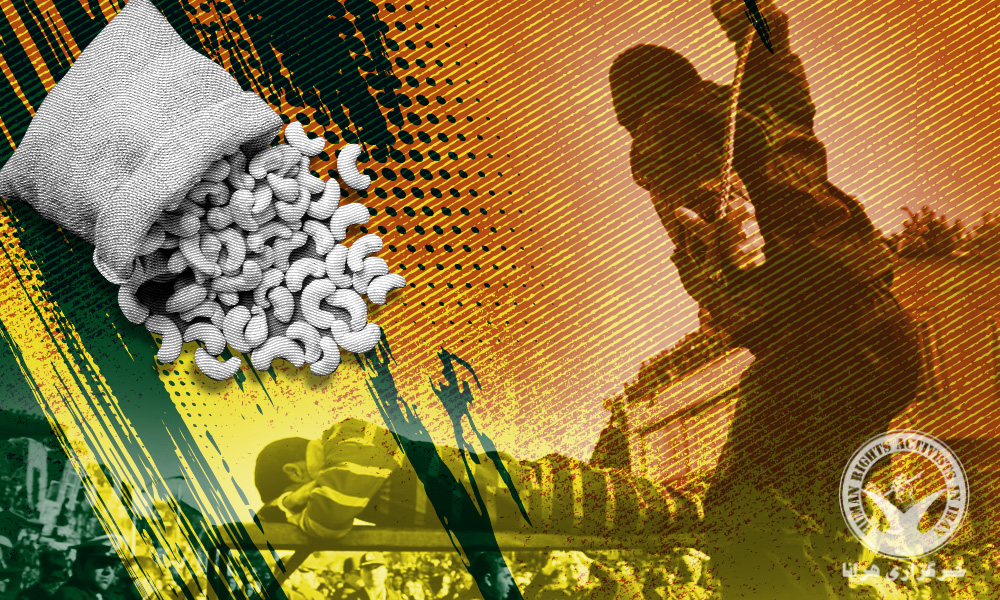
Death Sentences Issued for 2 Defendants in Tehran

In two separate cases, two defendants in Tehran were sentenced to death by the Second and Seventh Branches of the First Criminal Court of Tehran.

According to HRANA, the news agency of Human Rights Activists, quoting Didar, a defendant in Tehran was sentenced to death by the Second Branch of the First Criminal Court of this province for murder.

Also, according to Javan Online, a young man in Tehran was sentenced to death by the Seventh Branch of the First Criminal Court of this province for murder.

Iran ranks first in the world in citizen executions per capita, according to international organizations.

The Statistics and Publication Center of the Human Rights Activists in Iran (HRA) reported that between January 1 and December 20 of 2020, at least 236 citizens were executed. One of these citizens was executed publicly, and two were juvenile offenders. An additional 95 citizens were sentenced to death.

Subscribe to Our Newsletter

Now is definitely not the time to stop reading!

HRANA Recap: This Week’s Protests in Iran

A number of protests took place this week in Iran, many of which were continuations of ongoing movements. According to HRANA, the news agency of Human Rights Activists, employees of Haft-Tappeh Sugarcane Agro-Industry Company continued their protests for a 6th week. Read our recap below for details, photos, and videos from the demonstrations.


Saturday, August 14

A group of workers of the Haft Tappeh Sugarcane Agro-Industry entered the 33rd day of their strike in Shush. Several teachers of Literacy Movement Organization of Iran in front of the parliament building, rallied and called on their demands to be addressed. Also, following the power outage in Eslamshahr, many citizens held a protest rally in Tehran.

Citizens in Tehran following power outage in Eslamshahr:


Workers of Haft Tappeh Sugarcane Agro-Industry Company:


Sunday, August 15 and Monday, August 16

Workers of the Haft Tappeh Sugarcane Agro-Industry continued their strike for a 34th day in a row in Shush, a number of Isfahan farmers rallied in front of the Isfahan Governor’s Office, and a group of workers of Pajan Company held protest rallies in Tehran.

Farmers in Isfahan:


Workers of Haft Tappeh Sugarcane Agro-Industry Company:


Workers of Pajan Company in Tehran:


Tuesday, August 17 and Wednesday, August 18

For the second day in a row, workers of Pajan company protested in Tehran, also, a group of civil activists in Karaj, gathered in a protest calling on their demands to be addressed.

Workers of Pajan company in Tehran:


Civil activists in Karaj:

Friday, August 20

A group of farmers in Parsabad gathered in front of the governor’s office to protest water cuts for their farms.


Farmers in Parsabad:

Javid Rahman’s Latest Report on the Human Rights Situation in Iran has been Published

Javid Rahman, Special Rapporteur on the situation of Human Rights in Iran, has published his latest report, which is scheduled to be presented at the next meeting of the UN Human Rights Council.

According to HRANA, the news agency of Human Rights Activists, various issues have been addressed, such as the COVID-19 crisis, the alarming rate of death sentence issuance, and the Islamic government’s lack of accountability for human rights violations in the country.

According to the report, journalists and civil society activists were under pressure from security agencies as this year’s presidential election approached. Those who called for a boycott of the election were detained or harassed by security forces.

Expressing concern over the non-observance of the preconditions for free elections, Javid Rahman called for fundamental reform of Iran’s electoral laws.

The rapporteur reiterated the lack of accountability of individuals and institutions that have violated the rights of Iranian citizens, such as the violence in November 2019, and the downing of a Ukrainian 752 aircraft, and he added that restitution to the families of individuals killed in the flight can in no way replace serious prosecution and punishment of perpetrators.

He further expressed concern about the impact of international sanctions on the state of the Corona epidemic and called the government’s efforts to reduce the impact of the crisis on the social and economic life of citizens insufficient.

You can read the complete report here. 

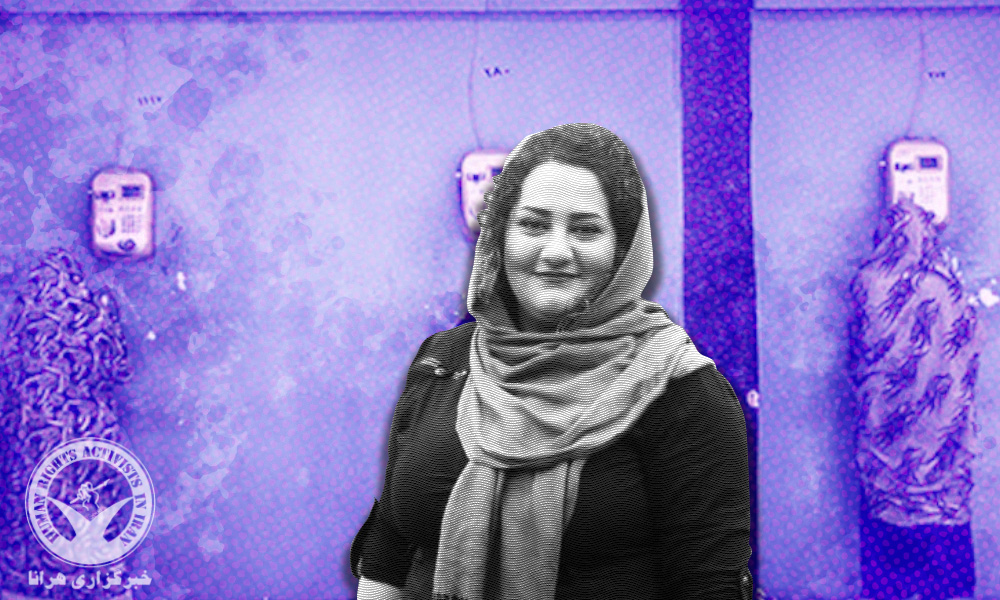
Atena Daemi Denied the Right to Make Telephone Calls in Lakan Prison in Rasht

Civil activist Atena Daemi is being denied the right to make phone calls in Lakan Prison in Rasht.

According to HRANA, the news agency of Human Rights Activists, Daemi went on a hunger strike on August 12 in protest of repeated telephone cuts and prison mismanagement.

She ended her strike on August 17 following the fixation of telephone cuts, and the release of prisoners whose release was delayed for weeks. Now, however, it appears that prison authorities are once again denying the activist phone access.

Ensieh Daemi, Atena’s sister, said on her social media page, “They have taken Atena’s phone card, and they have deprived her of the right to contact us. After being six years in prison, Atena could guess [knew] that they may deprive her of making phone calls, but she was happy that the phone cuts will be fixed, and the rest of the prisoners can make phone calls, and freedom will be restored.”

Supreme Court Rejects Hamed Ghareh Oghlani’s Request for Retrial 5 Days After its Submission

The Supreme Court rejected political prisoner Hamed Ghareh Oghlani’s request for retrial five days after its submission. Oghlani is currently serving out a 13 year sentence in Urmia Prison.

According to HRANA, the news agency of Human Rights Activists, Oghlani’s sentence was previously upheld by Branch 41 of the Supreme Court in February of this year.

In the first part of the case, Branch 2 of the Revolutionary Court of Urmia sentenced Oghlani to death for membership in the People’s Mojahedin Organization of Iran (MEK). In the second part of his case, he was sentenced to 14 years and one month on charges of “participating in military courses and attacking Basij bases”, “propaganda against the regime”, “blasphemy”, “and insulting the leadership”.

Finally, after the judges’ session, Oghlani was sentenced to a total of 14 years and one month in prison including 13 years in prison for participating in the insurgence group (MEK), and to 13 months in prison for insulting the leadership. The most severe punishment 13 years of imprisonment applies to him after Article 134 of the Islamic Penal Code.

Mr. Ghareh Oghlani was installing CCTV cameras before his arrest. He dropped out of Shahid Beheshti University in 2016 due to financial issues.

Hamed Ghareh Oghlani was arrested in June 2020 by Ministry of Intelligence agents and was transferred to the detention center of this security institution in Urmia. He was transferred to Urmia Prison in July of the same year after the interrogation process.

COVID-19 Spreads in Mahabad Prison in West Azerbaijan Province

Observations of symptoms of the coronavirus among inmates has raised concerns about the virus’s spread within the public ward of Mahabad Prison

According to HRANA, the news agency of Human Rights Activists, quoting Mukrian News Agency, several inmates have been denied medical treatment despite having deteriorating health and symptoms of the coronavirus.

Meanwhile, prison officials have refused to provide even symptomatic inmates with COVID tests, and several prisoners in the public ward of the prison have severe symptoms.

“Several prisoners suffer from Corona and are in critical condition,” the report quoted a prisoner as saying.